
Gear Coupling for Wind Turbines: The Critical Link Between Gearbox and Generator in Modern Wind Energy Systems
Wind energy infrastructure demands components that can endure decades of cyclic loading, misalignment, and torque shock — and gear couplings sit at the absolute heart of that challenge. This guide explores how drum-type and flexible gear couplings are engineered specifically for wind turbine drivetrain applications, why their material specification matters, and how British operators are specifying them for both onshore and offshore wind projects across England, Scotland, and Wales.
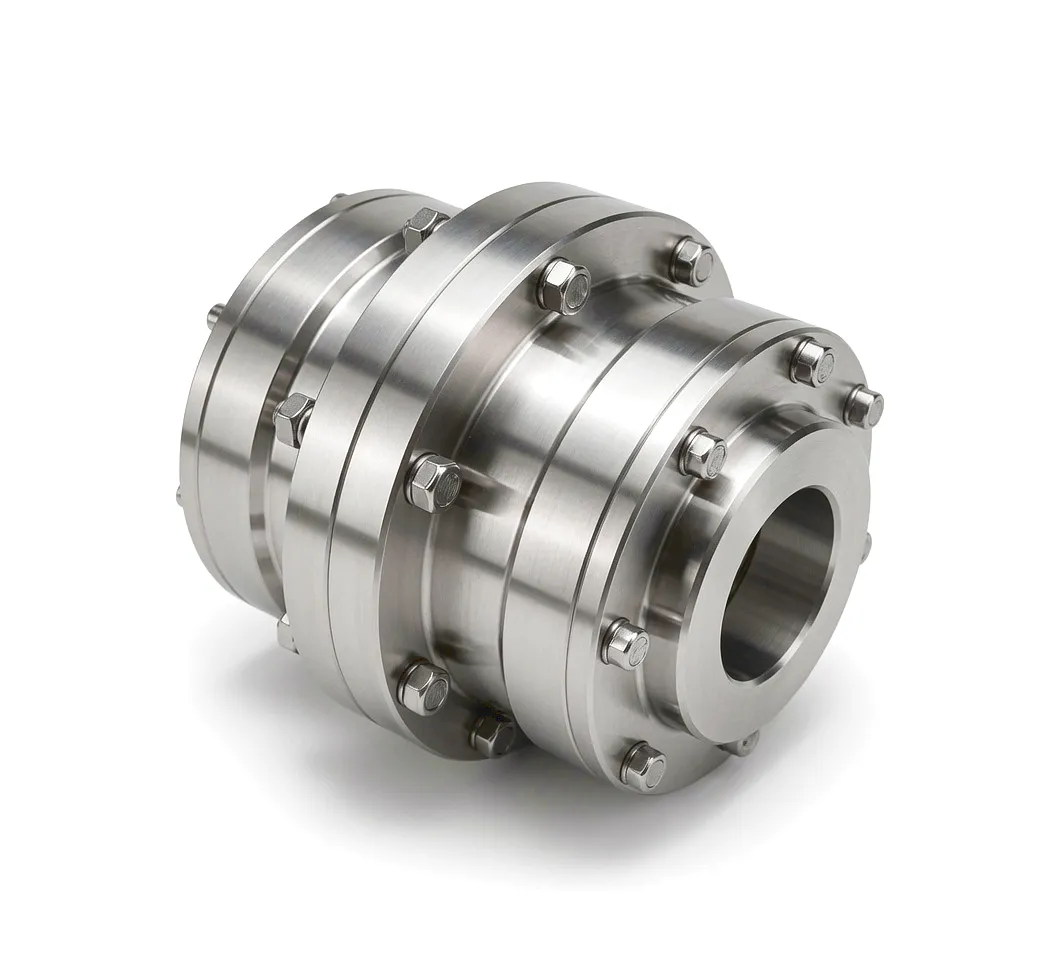
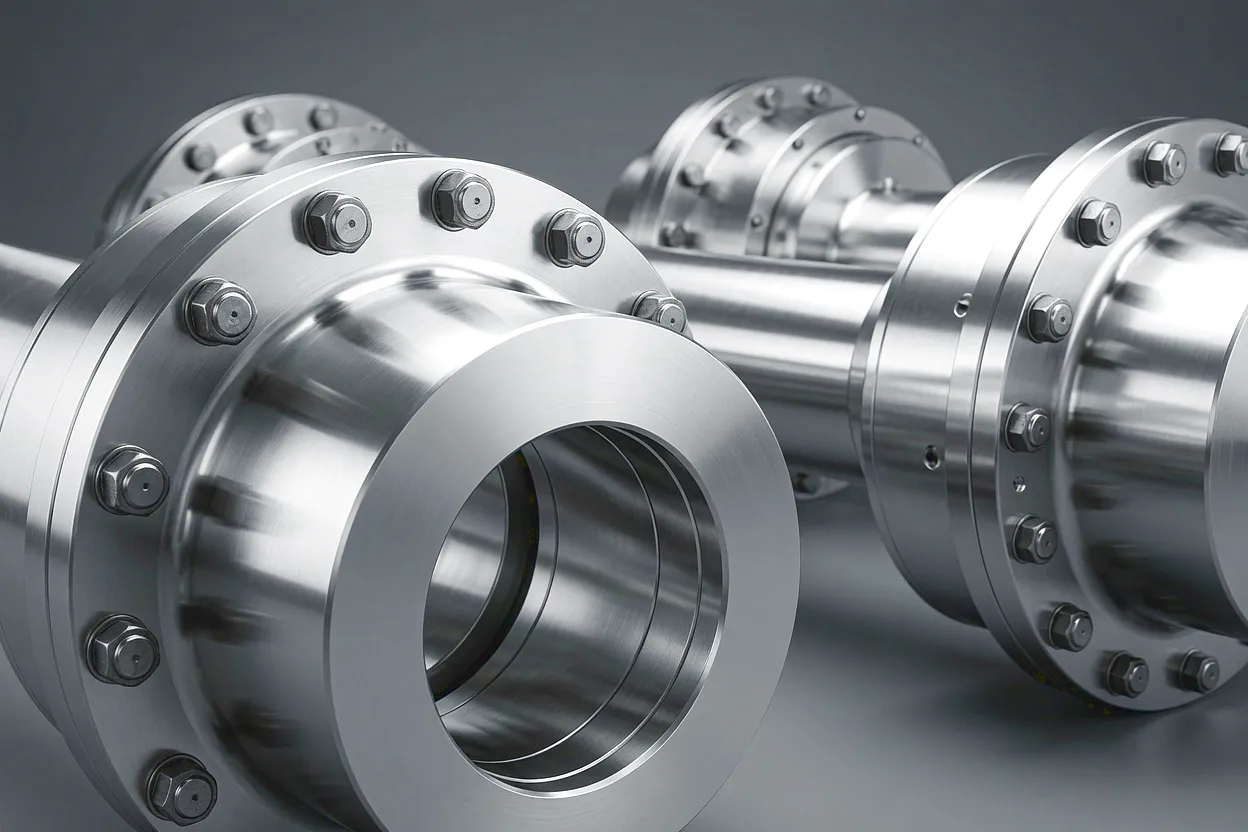
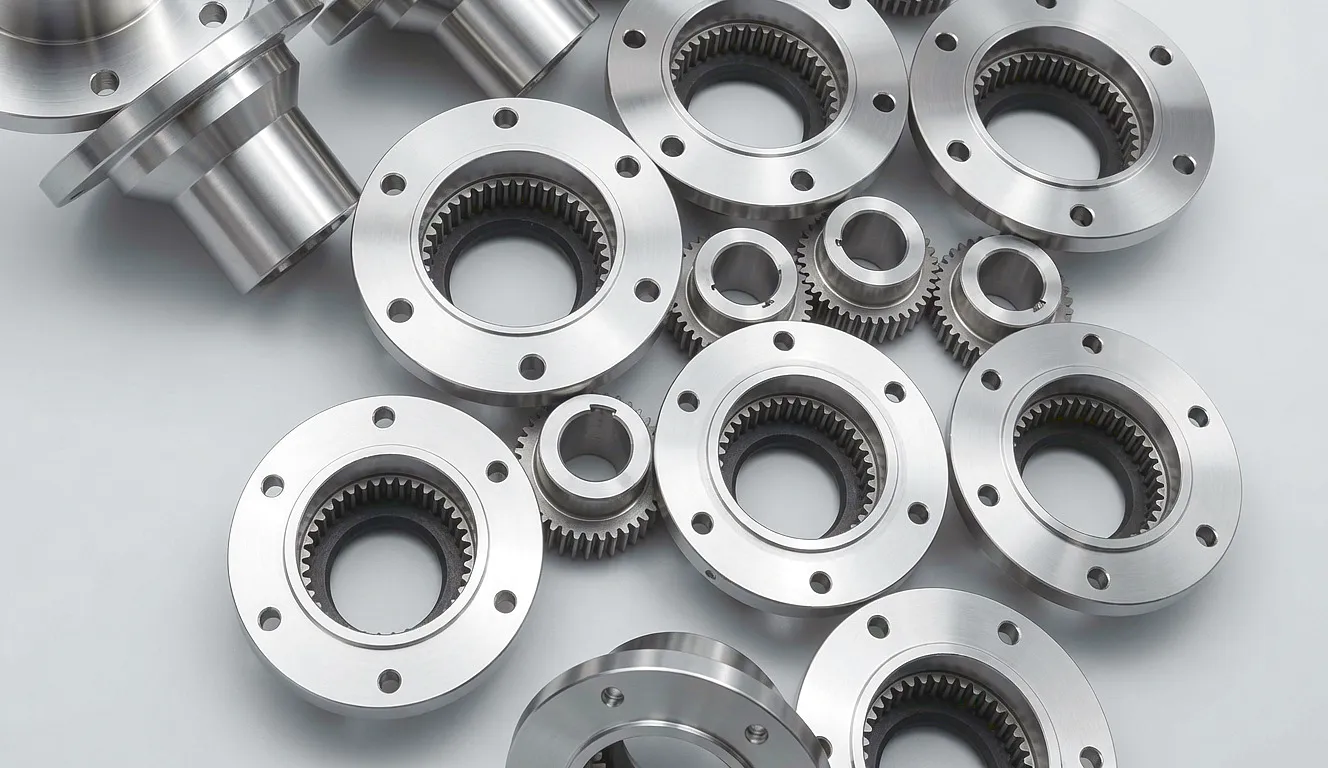
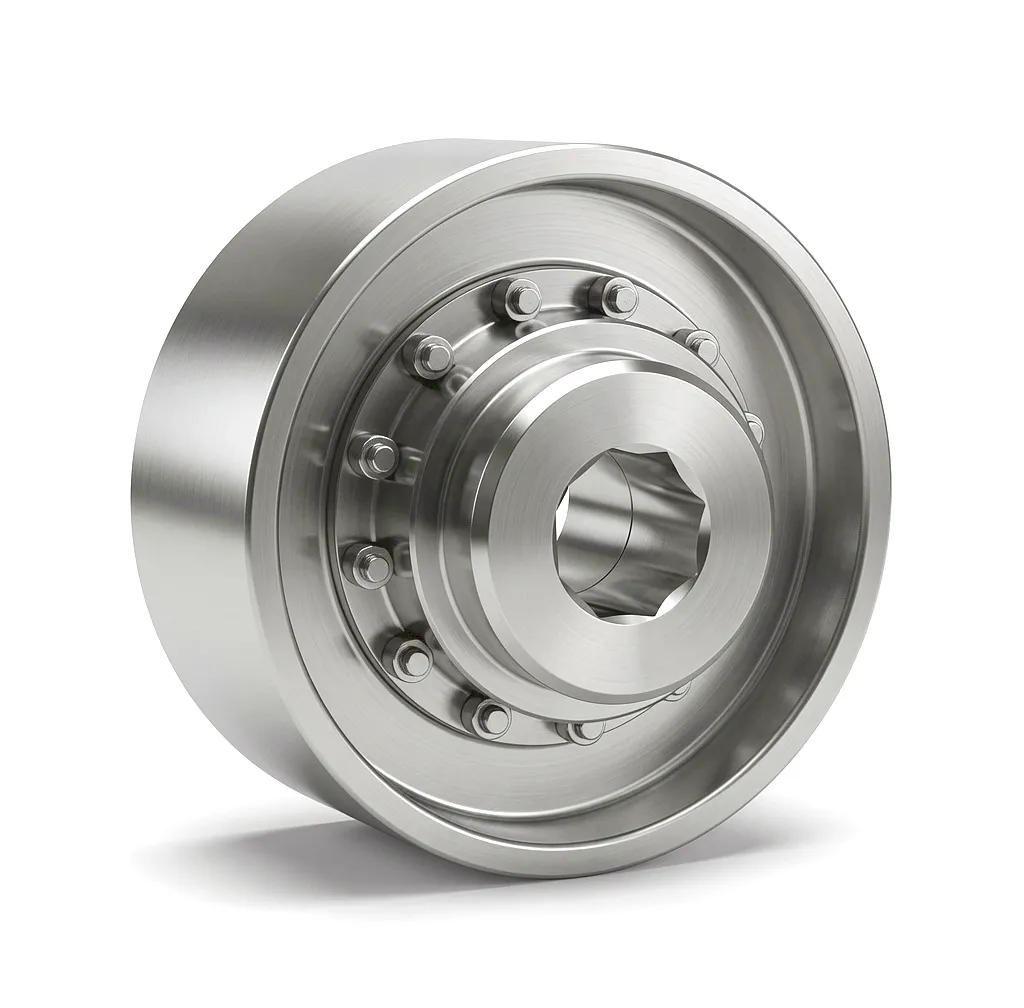
Ever Power GICL / NGCL Drum-Type Gear Coupling
Engineered for the demanding drivetrain of wind turbine generators, our drum-type gear couplings tolerate angular, radial and axial misalignment simultaneously while transmitting torques from a few hundred Nm to beyond 2,000,000 Nm. Every unit leaves our facility with a full dimensional and torque-test record.
Why the Gear Coupling Is the Most Stressed Component in a Wind Turbine Drivetrain
A modern onshore wind turbine rated at 3–5 MW spins its rotor blades at between 5 and 15 rpm, harvesting enormous torque that must be stepped up by a factor of roughly 50–100 through a planetary and helical gearbox before the generator can produce useful electricity. The coupling linking the high-speed shaft of the gearbox to the generator input is subjected to torque shocks every time gusts hit the blades, temperature swings from Scottish winter lows to summer operating heat, and constant micro-misalignment as the nacelle flexes under aerodynamic load. No other rotating element in the drivetrain faces all three of these simultaneously at high continuous duty.
Unlike a pump or compressor coupling in a stable process plant, a wind turbine gear coupling operates in a fundamentally variable environment. Wind is intermittent by nature: the coupling must absorb start-stop transients, sudden load drops when a gust passes, and the brief but violent torque spikes that accompany grid connection events. Over a 20-year asset life — the standard design life for UK onshore wind projects — a gear coupling in a 3 MW turbine will endure tens of millions of load cycles. The material choice, tooth geometry, and lubrication system are therefore not engineering details; they are life-cycle decisions with direct implications for levelised cost of energy (LCOE).
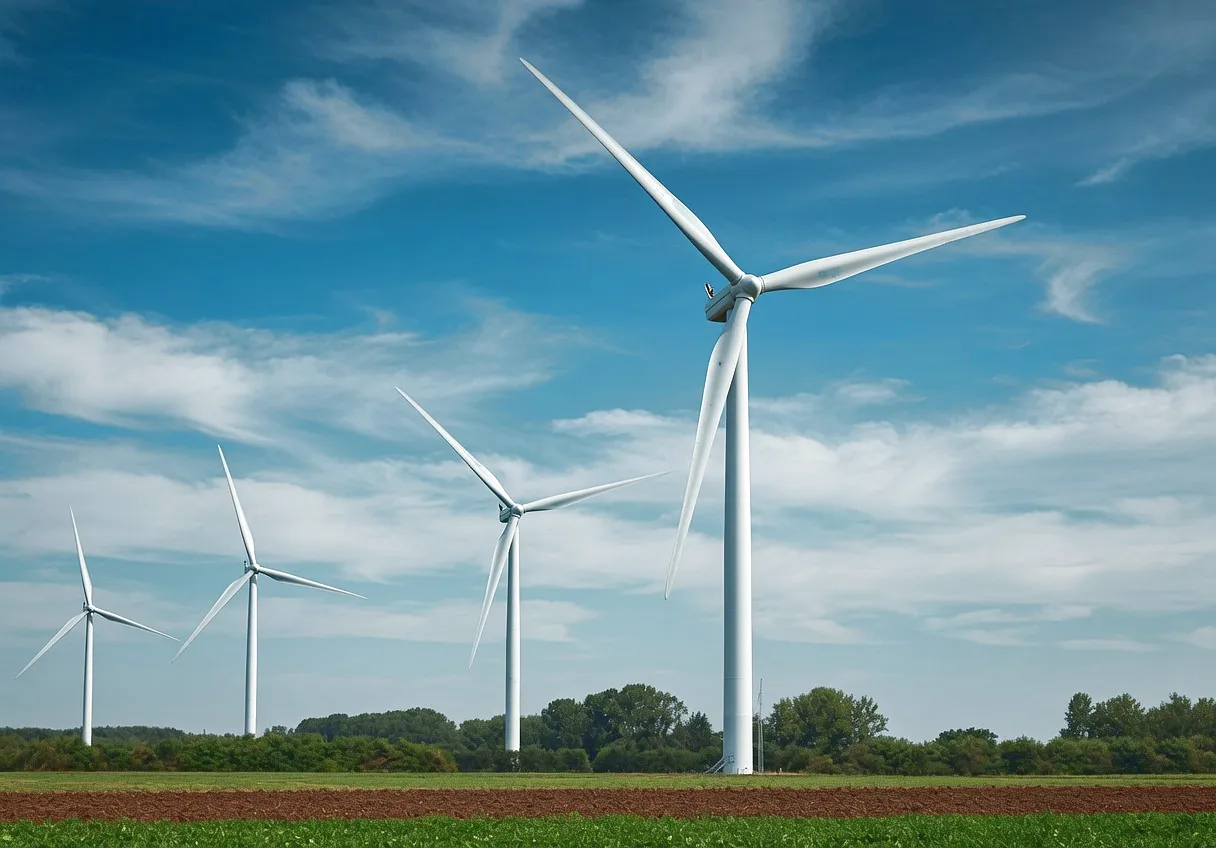
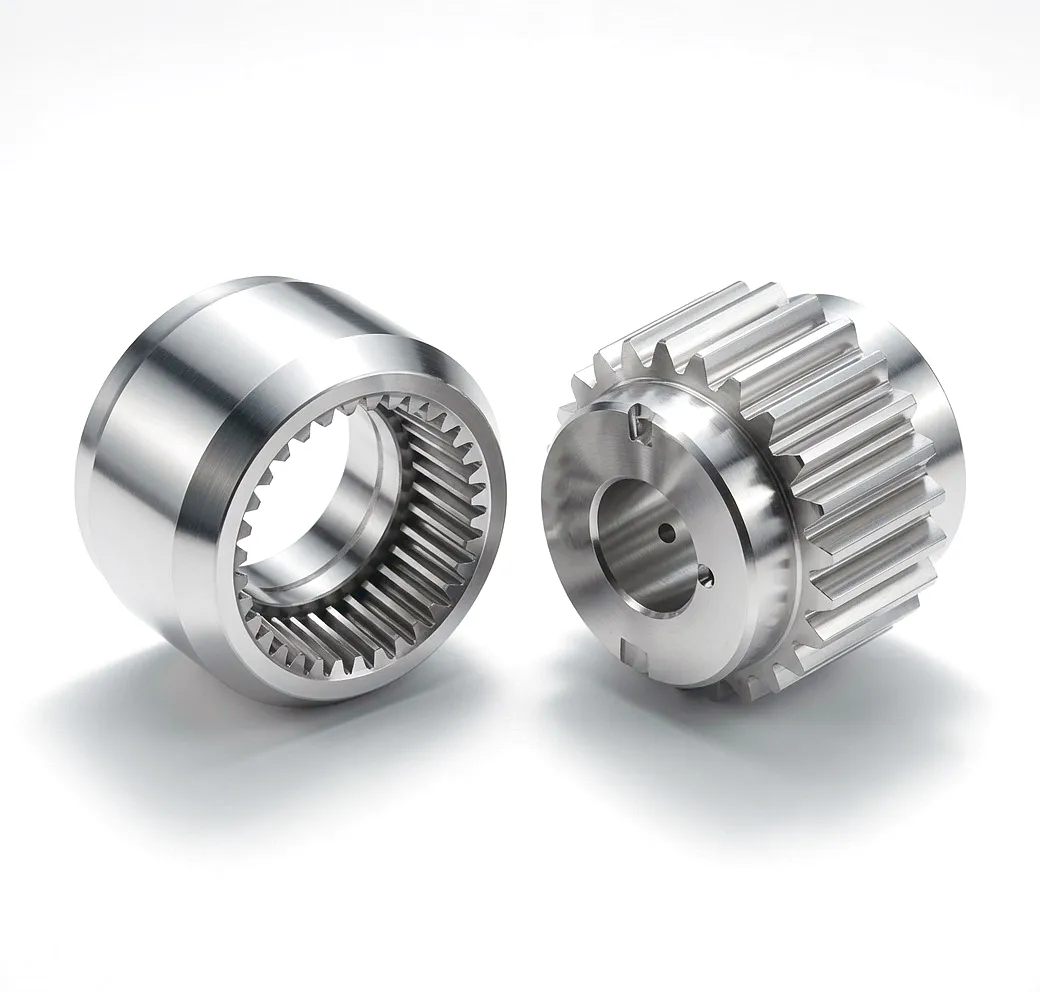
The double-engagement drum-type gear coupling — often labelled GICL or NGCL in catalogue references — addresses this challenge through a barrel-crowned tooth profile that distributes contact stress across a larger area than a straight-spur tooth, allowing angular misalignment of up to 1.5° per mesh while maintaining smooth torque transmission. The outer sleeve rotates with the driven shaft while the inner hub bolts to the driving shaft, and the crowned teeth slide axially to accommodate shaft elongation without generating bending moments that could damage generator bearings. This is the fundamental design principle that makes drum gear couplings the preferred choice for gearbox-to-generator connections in both double-fed induction generator (DFIG) systems and permanent magnet generator (PMG) layouts across UK wind farms.
Working Principle, Material Specification and Design Details
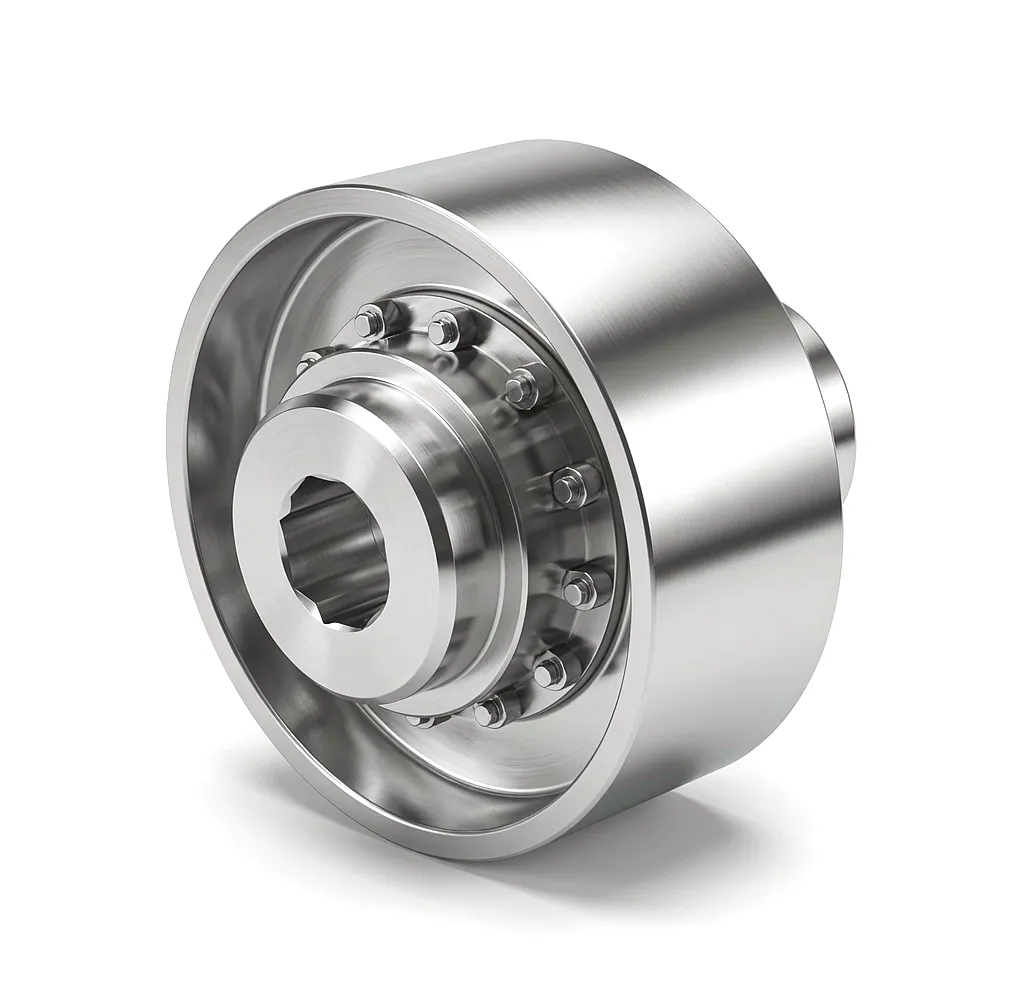
At the micro level, the drum-tooth gear coupling works by allowing each crowned tooth to roll against its mating sleeve tooth, similar in concept to a crowned roller bearing but carrying torsional load rather than radial load. When misalignment is present, the contact patch migrates toward the crown of the tooth rather than jamming at the tip or root, which prevents edge loading that would cause premature fatigue failure. The oil film maintained inside the sealed sleeve is the coupling’s immune system: it separates metal surfaces during the micro-sliding that occurs under misalignment, and its viscosity must be matched to the operating temperature range of the installation site.
For wind turbine applications in the United Kingdom, Ever Power selects material grades based on a three-layer specification. The hub body is produced from 42CrMo4 alloy steel (equivalent to EN 1.7225), which provides the ductility needed to absorb shock loads without brittle fracture at low temperatures — relevant for Scottish Highlands and North Sea offshore installations where ambient temperatures can reach -20°C. The outer sleeve is produced from C45 medium-carbon steel with an induction-hardened bore, and the sealing elements use fluoro-rubber (FKM) compounds that resist the synthetic gear oil used as coupling lubricant. All external surfaces receive a zinc-phosphate primer plus two-part epoxy topcoat rated to C4 corrosion category under ISO 12944, suitable for coastal and offshore environments.
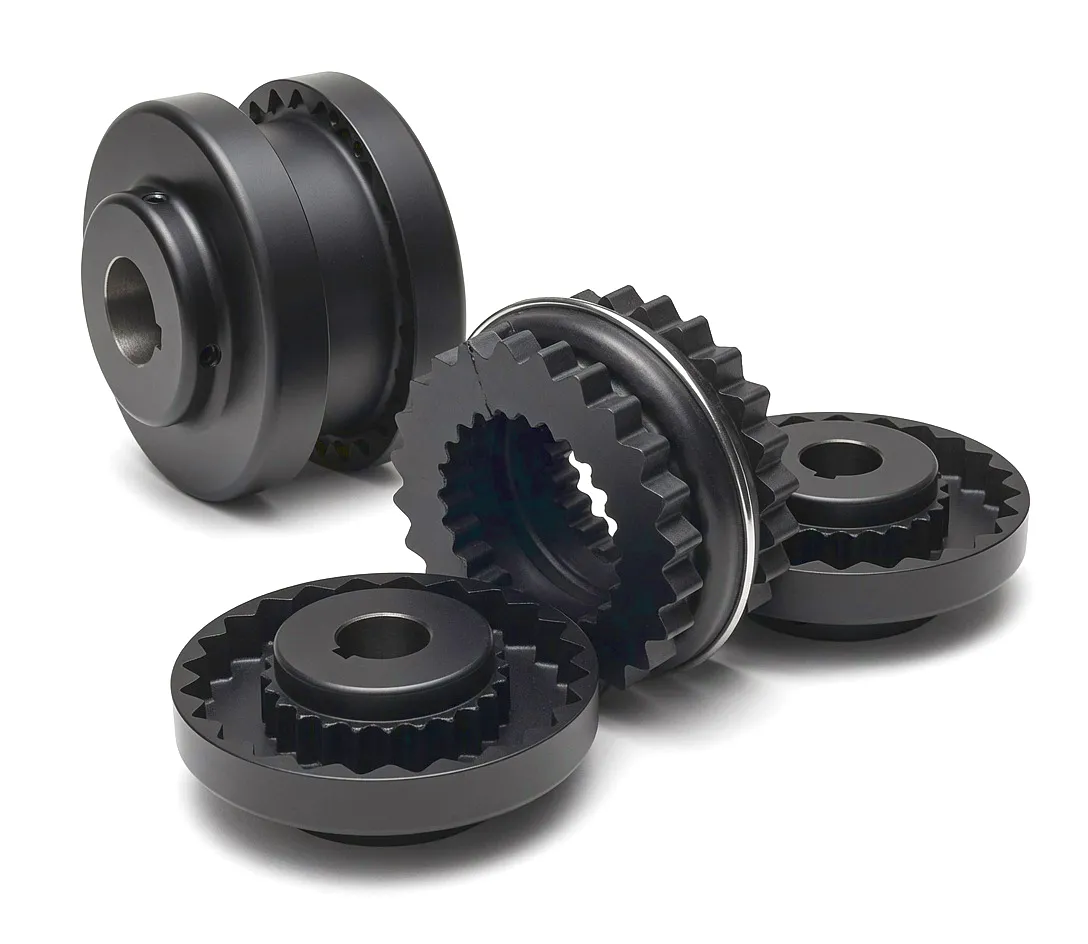
The nylon gear coupling variant — designated NL type in our range — offers an alternative for lower-torque auxiliary drives within the nacelle, such as the yaw drive motor, the pitch actuator motor, or the cooling fan. The nylon sleeve introduces a degree of torsional compliance that helps isolate electrical noise from motor control inverters, reduces transmitted vibration, and eliminates the need for oil lubrication entirely — reducing scheduled maintenance events at height. Understanding which coupling type belongs at each shaft interface in a wind turbine is one of the engineering judgements where 18 years of field application experience delivers real value.
Technical Performance Parameters — GICL / NGCL Series for Wind Turbine Applications
| Parameter | GICL-5 | GICL-10 | GICL-14 | NGCL Custom |
|---|---|---|---|---|
| Rated Torque (Nm) | 2,500 | 10,000 | 63,000 | Up to 2,000,000 |
| Max Speed (rpm) | 5,600 | 4,000 | 2,500 | To specification |
| Angular Misalignment | 1.5° | 1.5° | 1.5° | 1.0° – 2.0° |
| Axial Displacement (mm) | ± 3.5 | ± 5.5 | ± 8 | Custom |
| Hub Material | 42CrMo4 Alloy Steel (EN 1.7225), Quench + Tempered | |||
| Tooth Hardness (HRC) | 58 – 62 (induction hardened tooth flanks) | |||
| Operating Temperature | -30°C to +100°C (FKM seals, ISO VG 220 oil) | |||
| Corrosion Protection | ISO 12944 C4 / C5 on request (offshore) | |||
| Balance Grade | G 6.3 standard; G 2.5 available for high-speed shafts | |||
Where Gear Couplings Are Installed in Wind Turbine Systems
High-Speed Shaft — Gearbox to Generator
The highest-criticality coupling position in a DFIG or PMG turbine. The gear coupling here connects the high-speed output shaft of the planetary-helical gearbox — typically rotating at 1,000–1,800 rpm — to the generator rotor. It must handle torque reversals during braking, absorb nacelle structural flex, and remain maintenance-free for 5-year inspection cycles. GICL and NGCL drum-type couplings with sealed grease cavities are the industry standard for this position on UK-installed turbines.
Yaw Drive System — Nacelle Rotation
Yaw systems use between 4 and 8 electric motors, each driving a planetary reducer that meshes with the yaw ring gear on the tower top. Flexible nylon gear couplings between the motor shaft and gearbox input absorb the inevitable angular misalignment caused by nacelle settling under wind load, while their electrically non-conductive nylon teeth prevent the circulating currents that destroy motor bearings in variable-frequency drive (VFD) controlled systems.
Pitch Drive System — Blade Angle Control
Each blade root houses a pitch motor, a planetary reducer, and a pitch ring gear. The coupling between motor and gearbox is inside the blade hub, exposed to freeze-thaw cycling, condensation, and the centrifugal forces of rotor rotation. Compact NL-type nylon gear couplings without lubrication are preferred here because they require no oil, weigh less than steel alternatives, and are field-replaceable without specialist tooling during routine blade inspections at UK onshore sites.

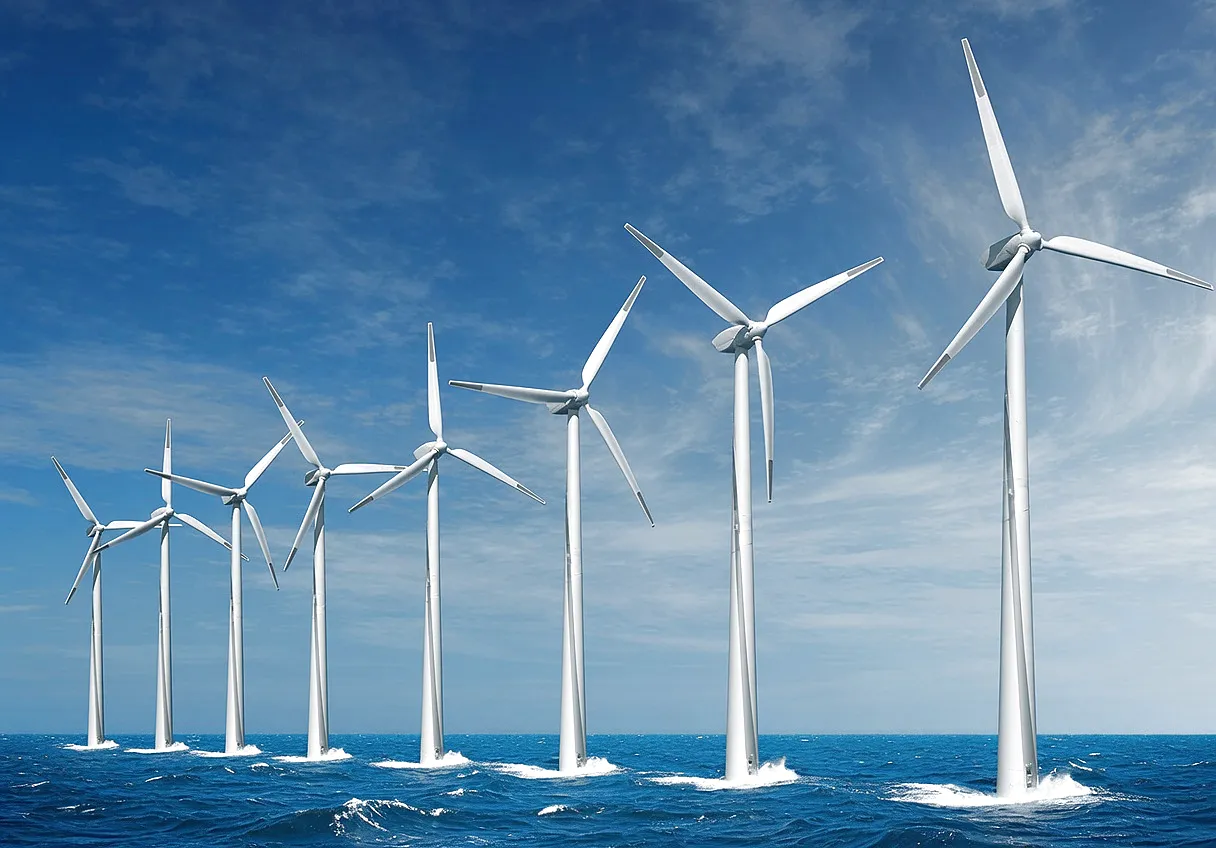
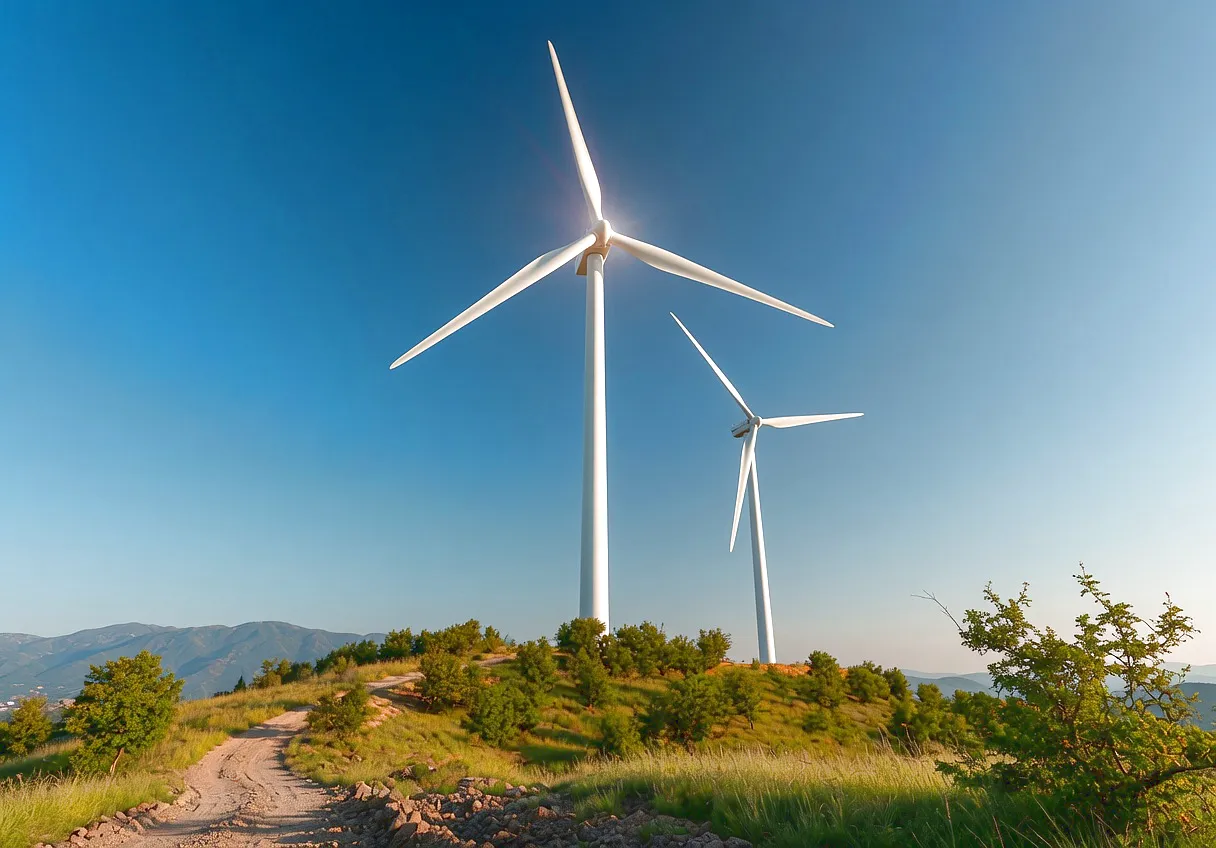
Beyond the three primary drive positions described above, gear couplings also appear in hydraulic power unit (HPU) drives that power the pitch accumulator systems in some designs, in cooling fan motor connections inside the nacelle, and in the test bench fixtures that OEM manufacturers use to validate gearbox assemblies before turbine installation. The range of operating conditions across these positions — from sub-zero ambient temperatures at a Scottish Highland site to salt-laden air at an East Anglian offshore transition piece — means that a single-specification gear coupling catalogue approach is insufficient. What British wind operators actually need is an engineered selection, with material and coating choices made against the specific site classification defined in IEC 61400-1 and IEC 61400-3.
Eight Reasons Wind Turbine Operators Choose Ever Power Gear Couplings
Crowned Tooth Geometry
The barrel-crowned tooth flank distributes load uniformly under misalignment, preventing the edge-loading fatigue that cuts service life on straight-tooth designs. Every tooth profile is cut on CNC gear hobbing machines and verified against DIN 3961 tolerance class 7.
Low-Temperature Toughness
42CrMo4 quenched-and-tempered steel retains adequate Charpy impact toughness down to -30°C, meeting the cold-climate requirements of UK northern sites including offshore Northern North Sea installations operating under DNVGL-ST-0437 guidelines.
Offshore Corrosion Rating
C5-M offshore coating system available on all catalogue sizes. Multi-layer epoxy/polyurethane topcoat tested to 1,000 hours neutral salt spray per ISO 9227, addressing the unique corrosion challenge of turbines located in the North Sea and Irish Sea.
Split-Sleeve Maintainability
Horizontally split outer sleeve available for GICL sizes above GICL-8, enabling sleeve inspection and replacement without removing either shaft from its bearing housing — a critical feature when working inside a nacelle 80–120 m above ground, where crane time is billed at premium rates.
Full Custom Engineering
Our in-house application engineering team supports bore sizing, keyway profiling, flange bolt-pattern matching, and torque class selection from your gearbox datasheet. Bespoke designs can be delivered with full FEA stress reports and FAT (Factory Acceptance Test) documentation.
Dynamic Balancing Standard
All assemblies are dynamically balanced to ISO 1940-1 G 6.3 as standard, with G 2.5 available for generator couplings operating above 1,500 rpm. Balanced assemblies reduce vibration transmitted to the generator bearing, extending MTBF from the industry average of 7 years toward the 15-year target.
Fast Lead Times to UK
Standard catalogue sizes ship within 3–5 working days from stock. Custom engineered units for specific turbine models including Siemens Gamesa, Vestas, and GE platforms are typically completed and documented within 6–8 weeks from drawing approval. Sea freight to UK ports and express air freight options are both available.
Traceable Quality Documentation
Each coupling ships with material test certificates (MTC) to EN 10204 3.1, dimensional inspection report, hardness test record, and balance test certificate. Documentation is pre-formatted for handover into UK operator CMMS systems and for Renewable Energy Certificate (REC) documentation packs.
Our Manufacturing Capability — Built for Wind Industry Custom Requirements
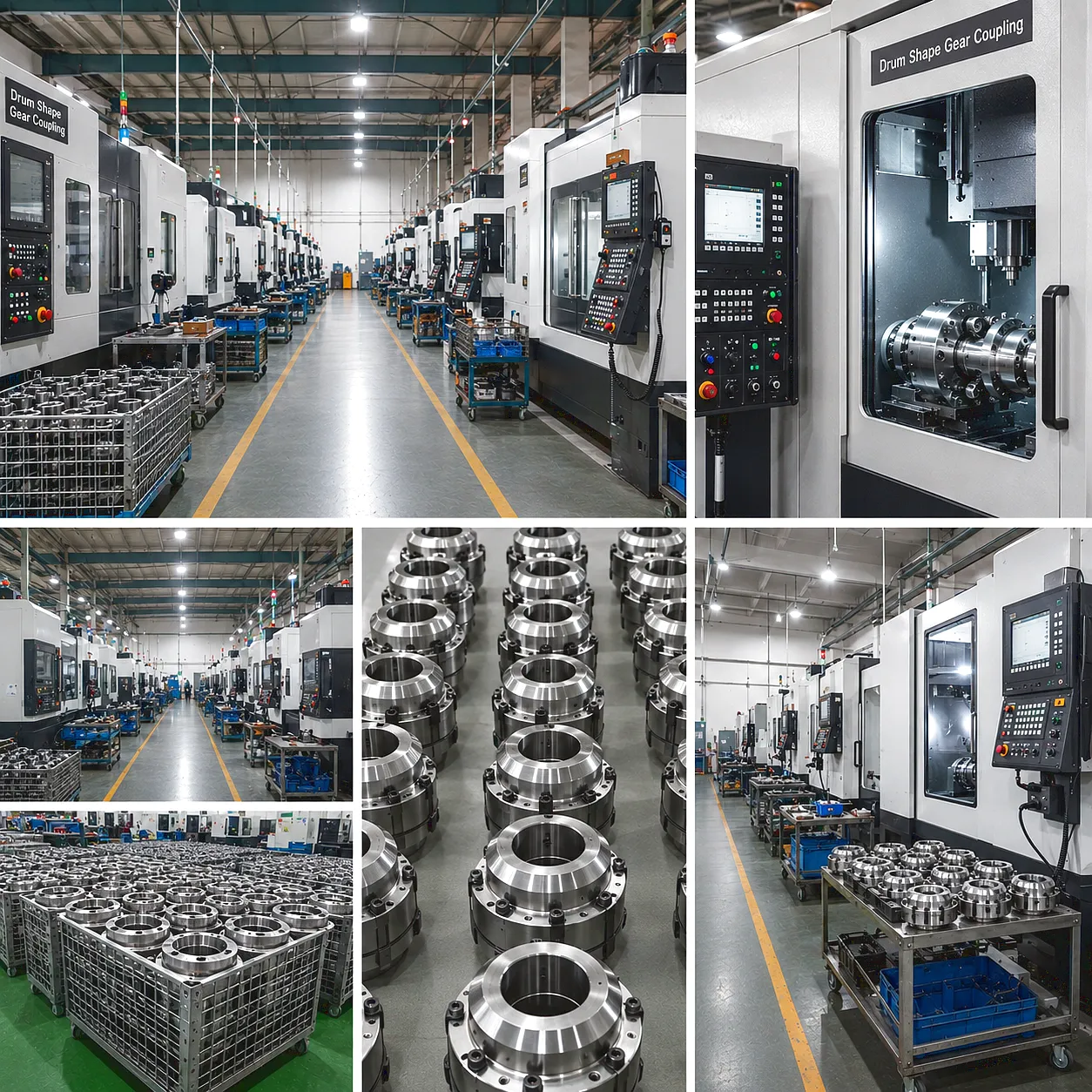
Ever Power’s purpose-built production facility covers 28,000 square metres and houses a full vertical manufacturing chain for gear couplings: forging billet sourcing, CNC turning, gear hobbing, induction hardening, grinding, coating, and assembly under one roof. The ability to control every manufacturing step in-house is what allows us to make credible promises on lead times and to implement design changes rapidly when a customer’s engineering team issues a revision during a project.
For the wind energy sector in particular, our product customisation capability extends well beyond re-boring a stock hub to a non-standard diameter. Our engineering team can re-design the tooth module and tooth number of a coupling to match a specific gearbox’s output torque fluctuation coefficient, re-proportion the hub wall thickness to achieve a target mass moment of inertia that optimises the natural frequency of the drivetrain, and specify different lubricant fill volumes to account for the inclined mounting angles common in some nacelle configurations. We can also produce hybrid coupling assemblies combining a gear coupling body with an integrated torque limiter disc or a torsional elastomeric element — a configuration that some UK OEM partners specify for direct-drive system testing rigs.
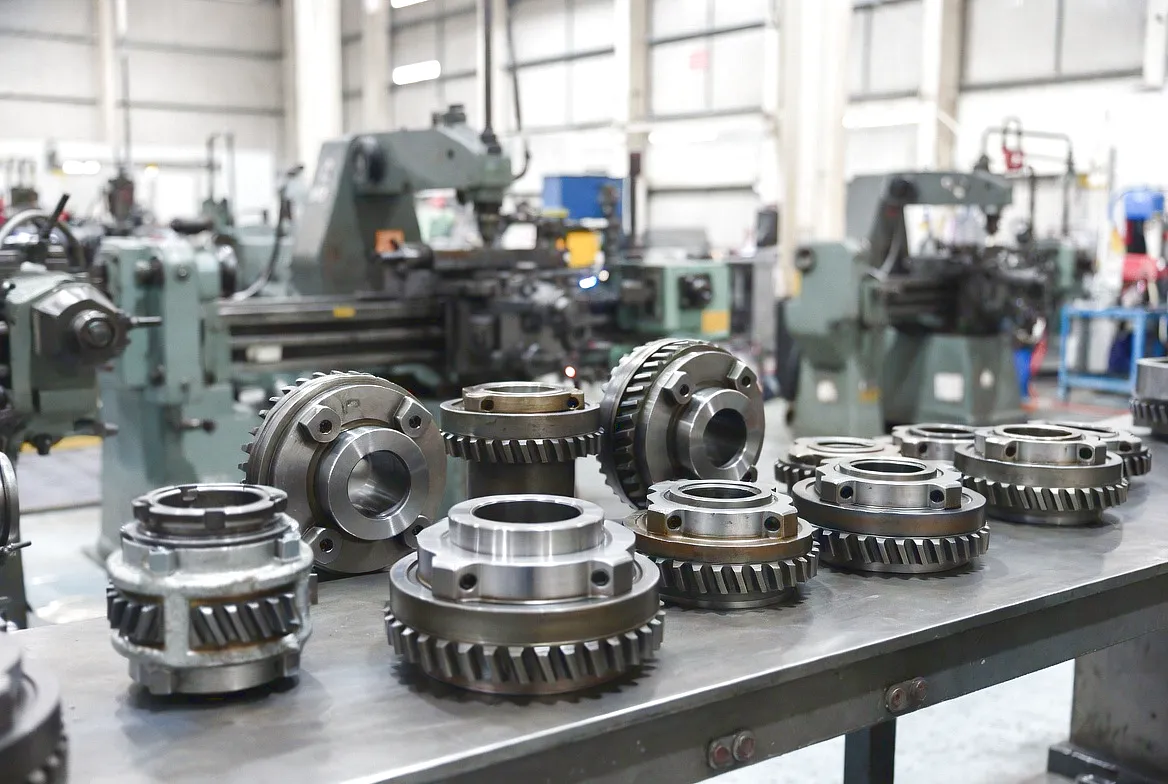
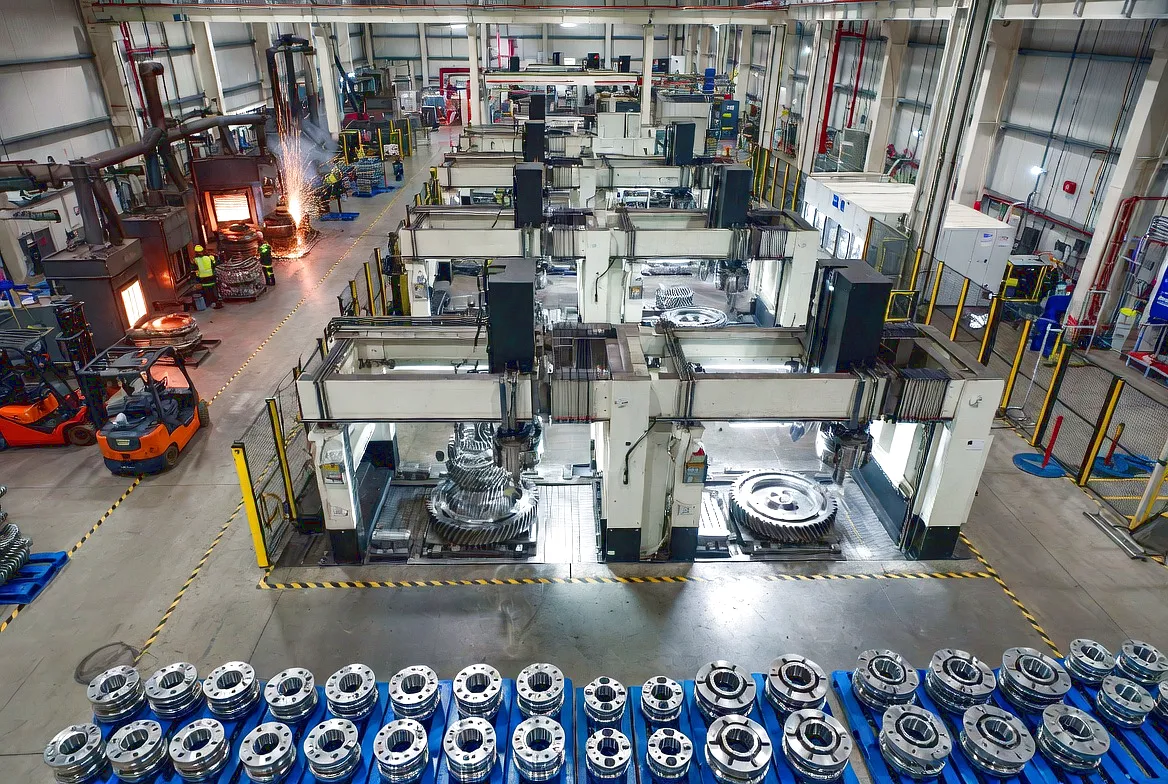
The quality management system operates under ISO 9001:2015 certification, with a dedicated metrology lab housing a Zeiss CMM for first-article inspection and ongoing process control. Gear tooth profiles are verified on a Klingelnberg gear measuring machine against the master involute, and all heat treatment batches undergo witnessed hardness and microstructure checks before release to machining. For customers who need further assurance — as is increasingly common for UK offshore wind O&M contracts managed under Crown Estate lease agreements — we can arrange third-party inspection by Lloyd’s Register, Bureau Veritas, or SGS at the factory. This level of quality infrastructure is what separates an engineering supplier from a commodity parts house, and it is what makes Ever Power the preferred source for turbine OEM retrofit programmes replacing coupling designs that have reached end of service life.
Supplying Wind Turbine Drivetrain Components to the United Kingdom
The United Kingdom holds more installed offshore wind capacity than any other country in the world, with the North Sea alone hosting multiple gigawatts of operational turbines from sites including Hornsea 1, Hornsea 2, Dogger Bank, and London Array. Onshore wind capacity is concentrated in Scotland — which operates more onshore wind per capita than virtually any comparable region in the world — as well as substantial fleets in Wales, northern England, and increasingly across the English Midlands following the reform of onshore planning regulations under the National Planning Policy Framework.
The consequence for drivetrain component suppliers is that the UK market is not a single demand profile. Offshore wind O&M contracts based from ports including Grimsby, Aberdeen, and Hull require components that meet C5-M corrosion ratings, are documented to marine certification standards, and can be delivered on short notice to support jack-up vessel campaigns. Onshore wind sites in Scotland, the Pennines, and Wales have more flexible logistics but are increasingly operated under long-term O&M frameworks that favour stocked, proven replacement parts over on-demand procurement. Ever Power maintains a pre-approved supplier status with several UK wind asset owners and can reference active supply relationships for technical due diligence enquiries.
UK buyers who have previously sourced gear couplings from European manufacturers often find that the combination of higher engineering specification and competitive pricing from Ever Power delivers a meaningful total cost of ownership advantage over a full turbine inspection cycle. The key is having an engineering conversation at the point of specification — something our technical sales team in the UK time zone is set up to support, with response times of less than 24 hours for initial enquiries and full technical proposals within 5 working days.
✦ Scotland (Highland, Southern Uplands, Orkney)
✦ Wales (Cambrian Mountains, coastal)
✦ Northern Ireland
✦ Channel Islands O&G adjacent
Client Success Case Study — Scottish Onshore Wind Portfolio
Cairngorm Renewables had operated their Highland wind farm for nine years when high-frequency vibration data from the CMS (Condition Monitoring System) on four of their gearbox output shafts began showing elevated bearing-frequency sidebands. Root cause analysis identified wear on the coupling tooth flanks — the couplings installed at commissioning were a budget specification from a European supplier and had been operating at the edge of their angular misalignment tolerance due to a systematic nacelle-bed deformation pattern across the site.
The O&M team contacted Ever Power with a specific challenge: they needed replacement gear couplings that could be installed without removing the generator from its mounting, the nacelle crane capacity was insufficient to lift the generator assembly, and they needed full documentation for the asset owner’s insurance underwriter. Ever Power’s engineering team proposed GICL-12 split-sleeve drum gear couplings with an extended hub bore sized to the exact generator shaft dimensions, C4 epoxy coating, and G 2.5 dynamic balance certificates. A trial set of four units was delivered to Inverness within 7 weeks of drawing approval.
Following successful installation and a 90-day monitoring period showing vibration levels reduced to within OEM specification limits, Cairngorm Renewables placed a framework order for the remaining twelve turbines across the portfolio. The replacement programme was completed over two maintenance seasons, with zero unplanned downtime attributable to coupling failures in the three years since final installation.
We replaced four high-speed shaft couplings on turbines that were previously suffering from chronic CMS alarms. Ever Power’s split-sleeve design was the only option that made the job achievable without a generator lift. Two years on, not a single alarm from any of those units. That is the definition of solving a problem properly.
Our offshore wind O&M procurement team has been using Ever Power gear couplings as approved replacements for three turbine types since 2022. The documentation standard — MTC, dimensional report, balance certificate — arrives complete with every shipment without us having to chase it. For our certification workflow, that matters enormously.
The pricing was competitive compared to the OEM spare, but what really made the decision was the lead time. We were facing a forced outage on a 2.3 MW turbine in February, the coldest month of the year, and Ever Power got us a replacement GICL coupling at the Welsh site within ten days. No other supplier could match that.
Coupling Selection Guide for Common UK Wind Turbine Platforms
The table below summarises the coupling type and specification typically required for the high-speed shaft position across several wind turbine platforms commonly found in UK wind farms. These are indicative specifications; a confirmed selection always requires cross-checking against the as-built gearbox and generator drawings for the specific turbine serial number, as manufacturing tolerances and field modifications can result in shaft dimensions that differ from nominal catalogue data.
| Turbine Platform | Rated Power | HSS Speed (rpm) | Recommended Coupling | Coating Grade |
|---|---|---|---|---|
| Vestas V90 / V100 (DFIG) | 2.0 / 2.6 MW | 1,000 – 1,650 | GICL-10 Split Sleeve | C4 (onshore) / C5 (offshore) |
| Siemens SWT-3.6 / SG 5.0 | 3.6 / 5.0 MW | 1,200 – 1,800 | NGCL-12 Custom Flange | C5-M offshore standard |
| GE 2.75 / 3.X Onshore | 2.75 / 3.0–3.4 MW | 900 – 1,500 | GICL-11 Standard | C4 two-pack epoxy |
| Enercon E-82 / E-101 (direct-drive auxiliary) | 2.0 / 3.0 MW | Yaw / HPU only | NL-Type Nylon (auxiliary) | C3 / C4 |
| MHI Vestas V164 / V174 (offshore) | 8.0 – 9.5 MW | 800 – 1,200 | NGCL Custom — consult engineering | C5-M + sacrificial anode |
Frequently Asked Questions
Ready to Specify a Gear Coupling for Your Wind Turbine Project?
Whether you need a direct replacement for a worn coupling on an existing turbine, a bespoke design for a new build project, or technical support selecting from our GICL and NGCL catalogue, our application engineering team is ready. Send us your turbine type and shaft specifications and we will respond with a technical proposal within 24 hours.