
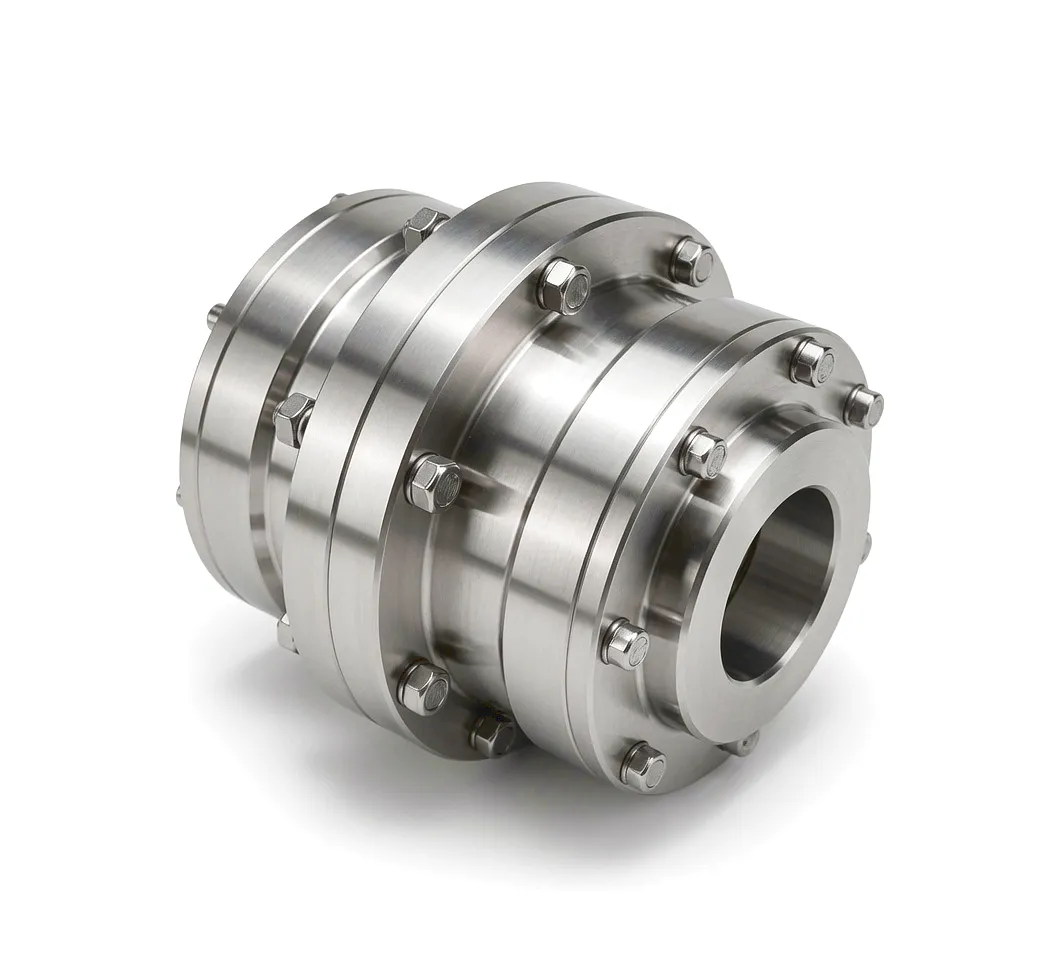
 Belt conveyor systems are the circulatory system of heavy industry. From coal handling at power stations along the Thames to iron ore transfer at Immingham Docks, the gear coupling sits at the critical junction between motor, gearbox, and drive drum — absorbing misalignment, damping shock loads, and transmitting torque reliably over thousands of operating hours. When engineers ask what gear coupling is best for a belt conveyor, the honest answer is: it depends on torque class, centre distance, shaft diameter, and the severity of misalignment — but drum-tooth gear couplings dominate because nothing else comes close to their combination of torque density, angular accommodation, and field serviceability.
This article draws on 18-plus years of application engineering across UK and global bulk-handling installations. You will find a frank assessment of coupling selection criteria, a performance specification table, real-world installation guidance, and answers to the questions British procurement and engineering teams ask most often. Whether you are retrofitting an ageing conveyor at a quarry in Wales or specifying drive trains for a greenfield port project in Teesside, the principles here apply directly.
How Belt Conveyors Actually Stress Their Drive Trains
A large belt conveyor is not a simple machine. Transport distances stretch from a few hundred metres at an aggregate quarry to 15 km or more at an opencast coal mine. Drive power per unit can exceed 2 MW, and multi-drive systems running two, three, or even four motors in parallel are the rule rather than the exception at major UK port installations. Each motor feeds through a high-ratio helical gearbox — ratios of 20:1 to 50:1 are common — before the torque reaches the head drum. Between motor shaft and gearbox input, and between gearbox output and drive drum shaft, gear couplings carry the full transmitted torque under conditions that would destroy a rigid coupling within weeks.
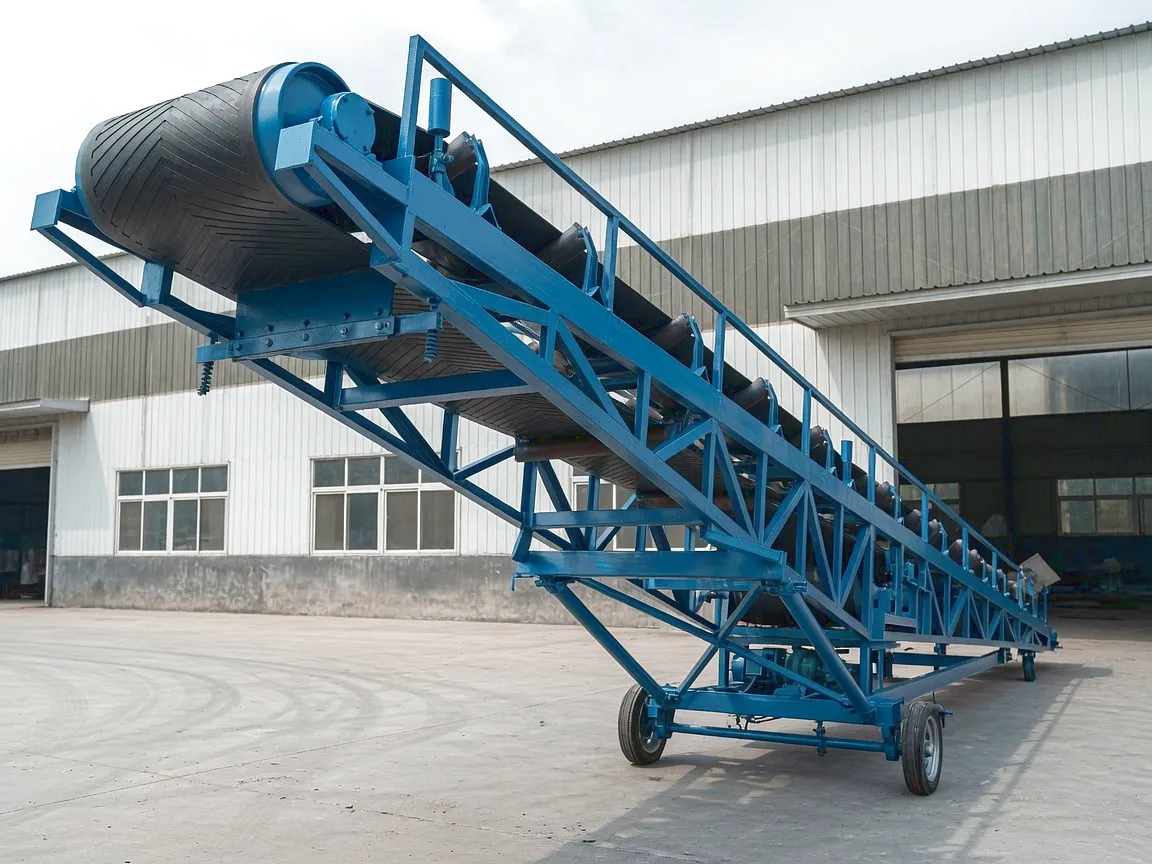
Typical belt conveyor drive arrangement in UK bulk-handling facility
The stress sources are layered. Thermal expansion causes the gearbox housing to shift relative to the motor foot pad, creating angular and axial misalignment that changes through the shift cycle. Start-up inrush — particularly on direct-on-line starters without fluid couplings — delivers torque spikes of three to seven times rated torque in the first second. Material surges (a sudden large lump of rock striking the belt, for instance) propagate shock torque backward through the drive train. Any coupling that cannot absorb these events will fatigue, seize, or fracture — typically at the worst possible time.
The Drum-Tooth Gear Coupling: Principle, Material, and Performance
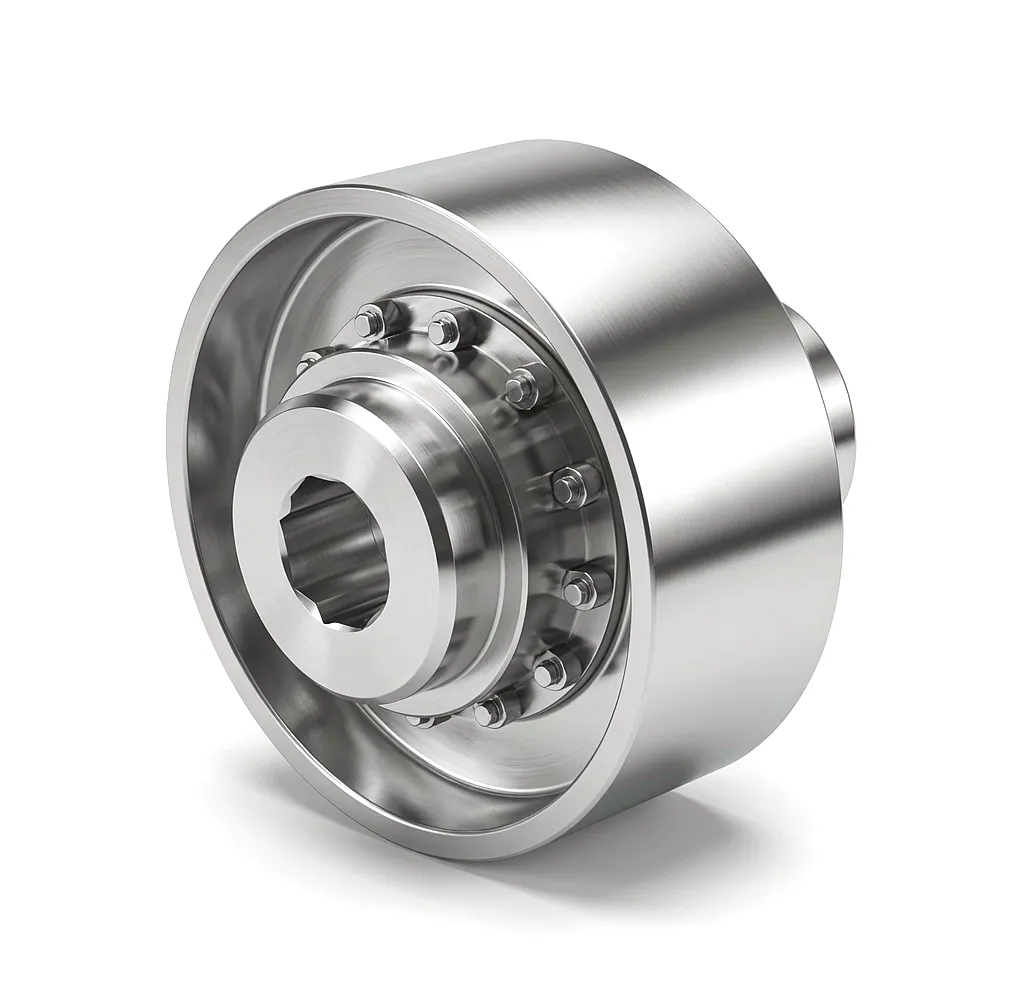
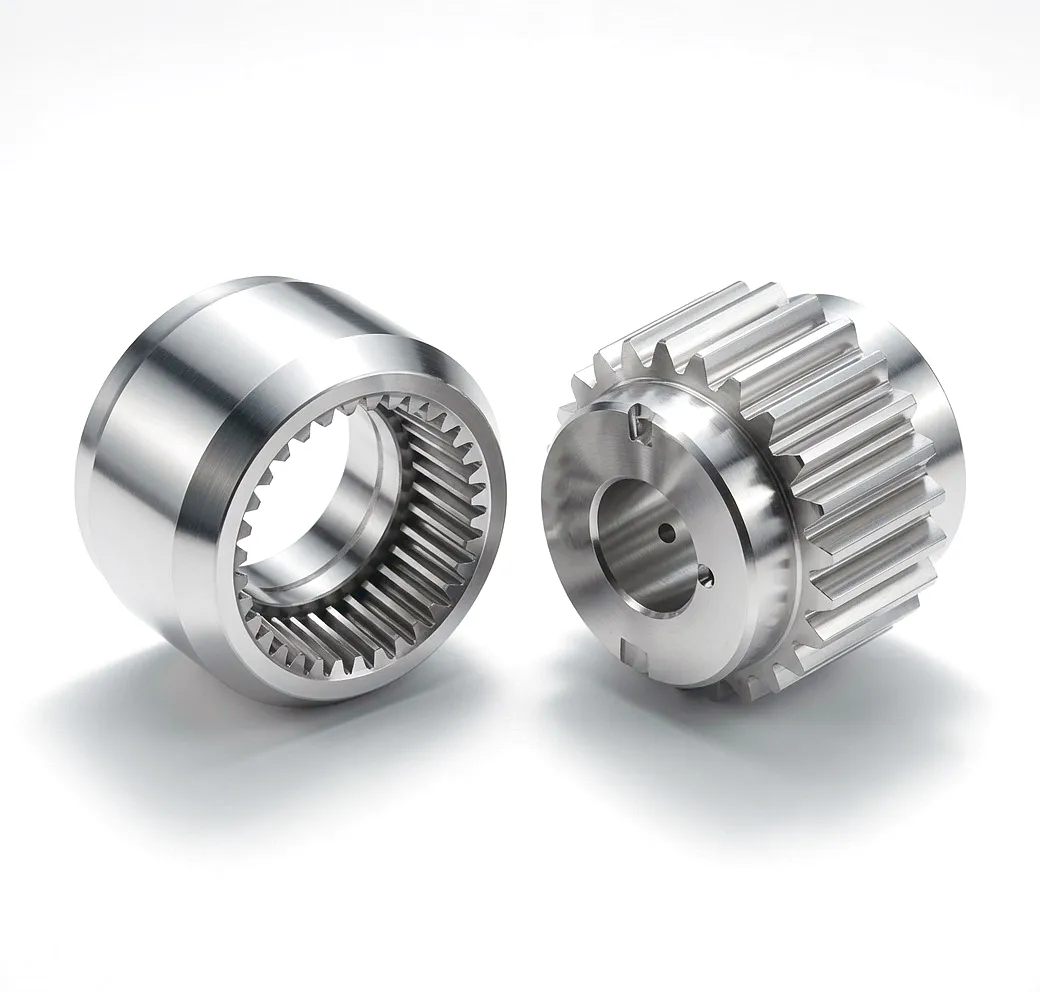
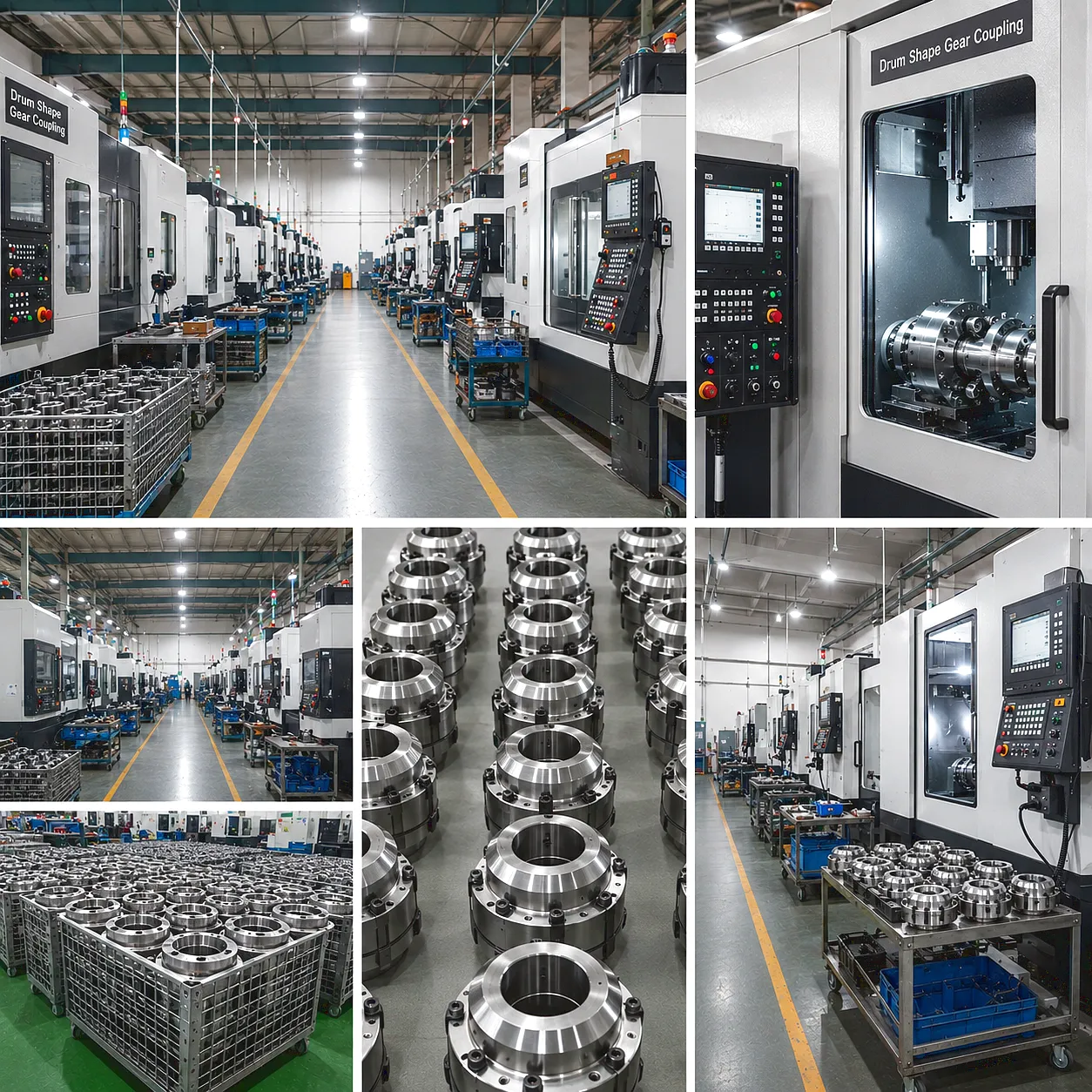
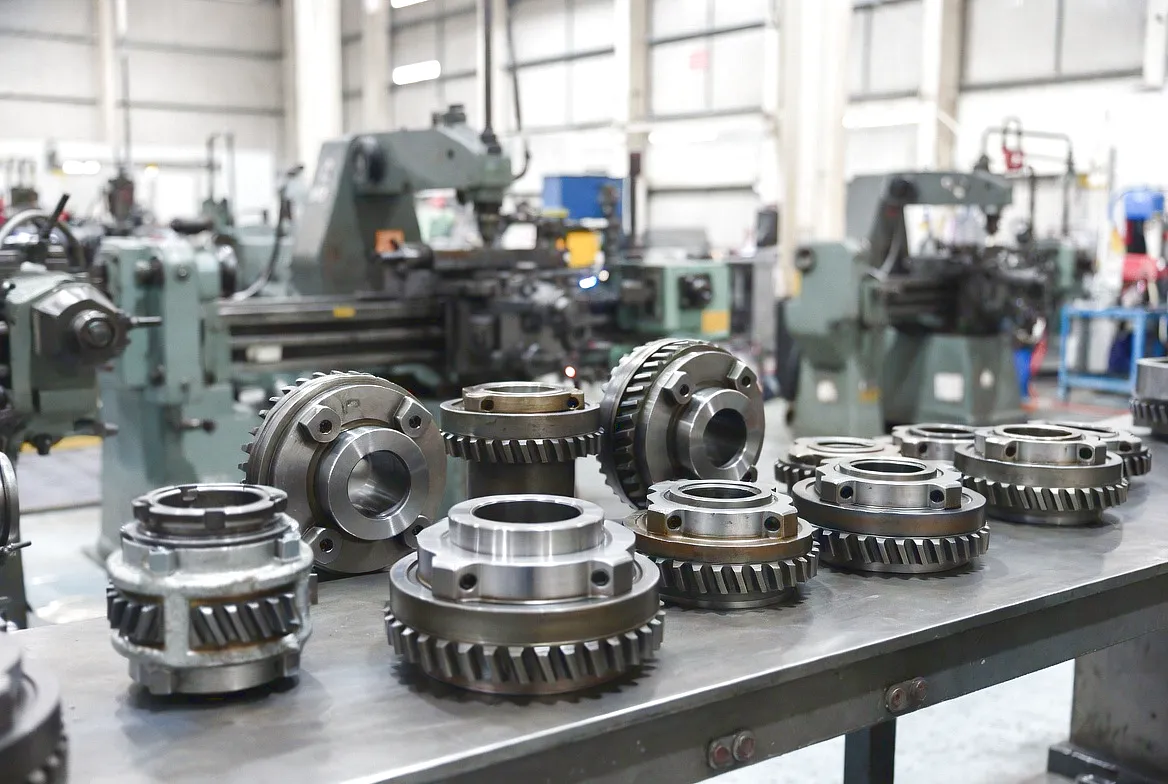
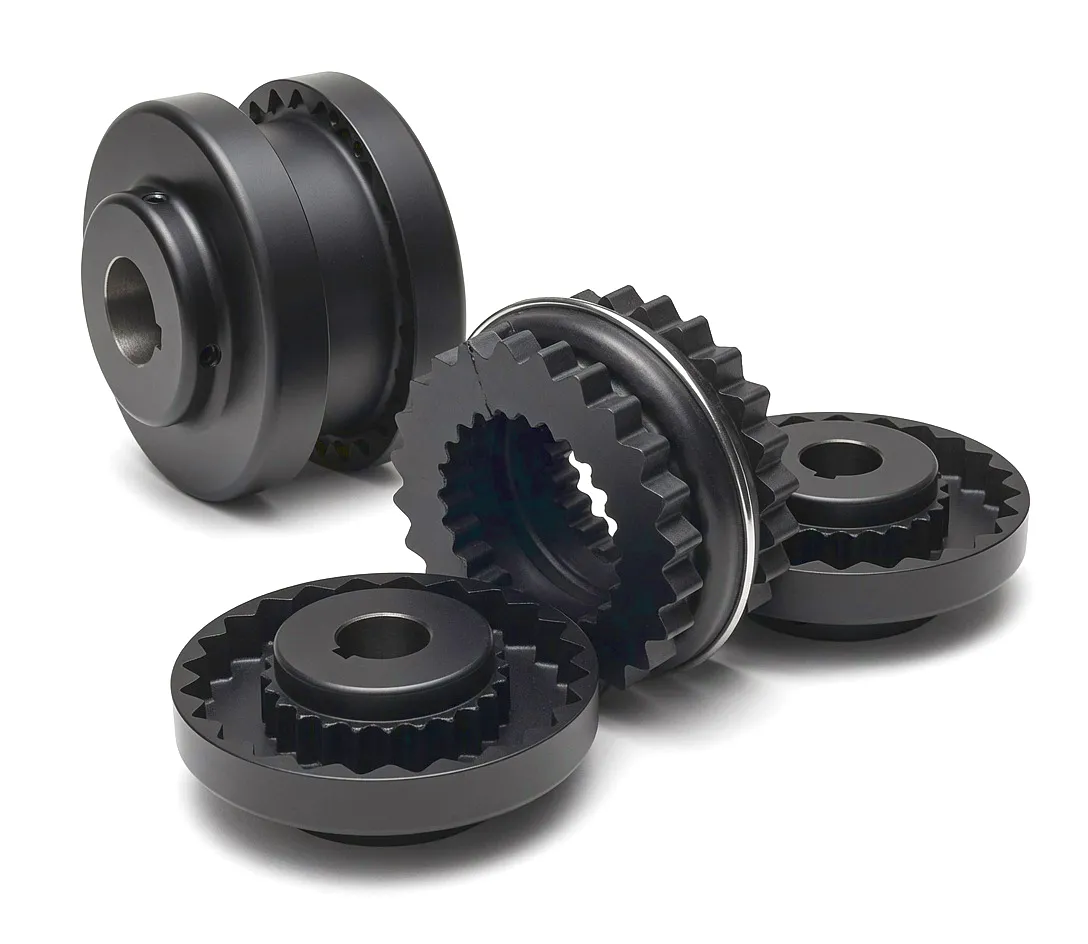
The drum-tooth (crowned-tooth) gear coupling transmits torque through external gear teeth on the hub sleeves meshing with internal gear teeth in the flanged sleeves. What distinguishes this design from a straight-tooth coupling — and why it dominates belt conveyor duty — is the crowned profile of the external teeth. Instead of a straight tooth flank, each external tooth is machined with a convex crown along its length. This crowning concentrates contact stress away from the tooth tip and root under angular deflection, dramatically reducing edge loading and extending fatigue life.
Angular misalignment accommodation of up to 1.5° per gear mesh — 3° total per coupling — is routine without performance penalty, compared to 0.5° for straight-tooth designs. Axial displacement of several millimetres is managed simultaneously. For belt conveyor installations where gearboxes are concrete-mounted and motors are steel-framed, and the two will almost certainly shift relative to each other during a five-year service interval, this accommodation capacity is not a luxury, it is a reliability necessity.
Material Selection for Conveyor Duty
Hub Body — 45# Steel or 40Cr Alloy
Forged and normalised. Tensile strength 600–900 MPa. Provides the structural backbone for torque transmission. 40Cr alloy used above 1000 kNm torque class.
Outer Sleeve — Alloy Cast Iron / 35CrMo
Internal teeth induction-hardened to HRC 54–62. Wear resistance over 40,000 operating hours under correct lubrication. Flanged-bolt connection for in-situ half-coupling removal.
Sealing — Neoprene or Nitrile O-Rings
Retains EP gear grease under centrifugal action. Critical in coal dust, cement dust, and marine environments common at UK conveyor sites. IP54 equivalent sealing standard.
Surface Treatment — Phosphating + Anti-Corrosion Coating
Phosphate conversion coating on external surfaces. Optional polyurethane topcoat for coastal or high-humidity UK sites. Compliant with BS EN ISO 12944 corrosion protection categories.
Ready to Specify the Right Coupling?
Ever Power’s application engineering team works directly with UK mechanical engineers, procurement managers, and MRO buyers to size, select, and supply gear couplings for belt conveyor duty — from standard catalogue items to full bespoke designs with modified bore, keyway, flange pattern, or hub length. Lead times from UK-stocked items are typically 3–7 working days; custom-engineered couplings ship within 4–6 weeks from order confirmation.
Gear Coupling Performance Specifications for Belt Conveyor Service
GICL / NGCL Series Drum-Tooth Gear Couplings — representative data, custom sizes available
| Model Series | Rated Torque (kNm) | Max Speed (rpm) | Angular Misalignment (°) | Axial Displacement (mm) | Bore Range (mm) | Conveyor Duty Rating |
|---|---|---|---|---|---|---|
| GICL-1 | 0.1 – 0.63 | 3000 | 1.5° | ±1.5 | 20 – 55 | Medium Duty |
| GICL-4 | 2.0 – 16.0 | 1800 | 1.5° | ±3.0 | 60 – 160 | Heavy Duty |
| NGCL-6 | 16.0 – 63.0 | 1200 | 1.5° | ±4.5 | 130 – 260 | Very Heavy Duty |
| NGCL-8 | 63.0 – 250.0 | 750 | 1.5° | ±6.0 | 200 – 380 | Extreme Duty |
| NGCL-10 Custom | 250.0 – 1000+ | 500 | 1.5° | ±8.0 | 320 – 560 | Bespoke / OEM |
* Custom bore, keyway, flange drilling, shaft end type, and surface finish available on all series. Consult Ever Power engineering for non-standard configurations.
Why Engineers Specify Drum-Tooth Gear Couplings on Every Major Conveyor Project
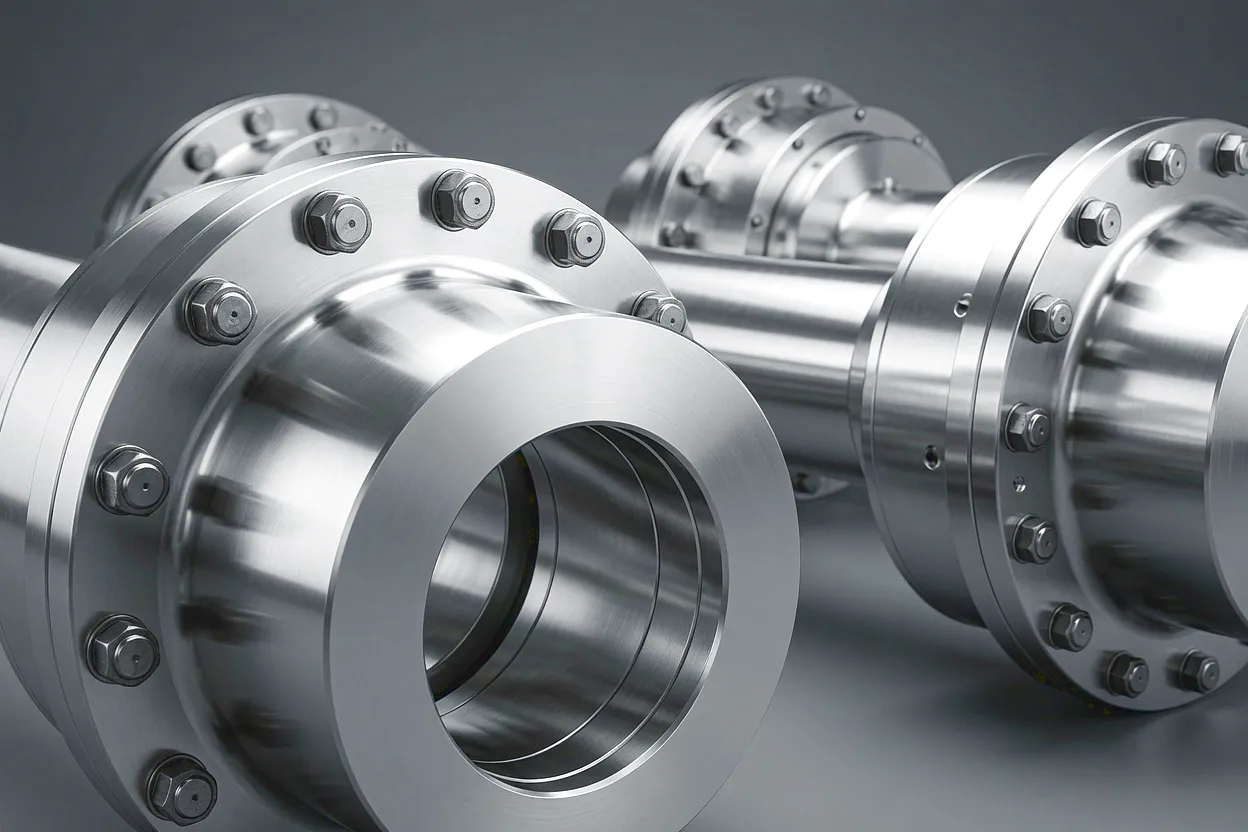
Specifying a gear coupling for belt conveyor duty is not simply about hitting a torque number. The whole-life cost of the coupling — measured in maintenance intervals avoided, unplanned downtime prevented, and emergency replacement costs not incurred — is the real metric. Drum-tooth gear couplings win this calculation in virtually every bulk-handling scenario, and the engineering reasons are clear.
Where Gear Couplings Deliver on Belt Conveyor Systems Across the UK and Beyond
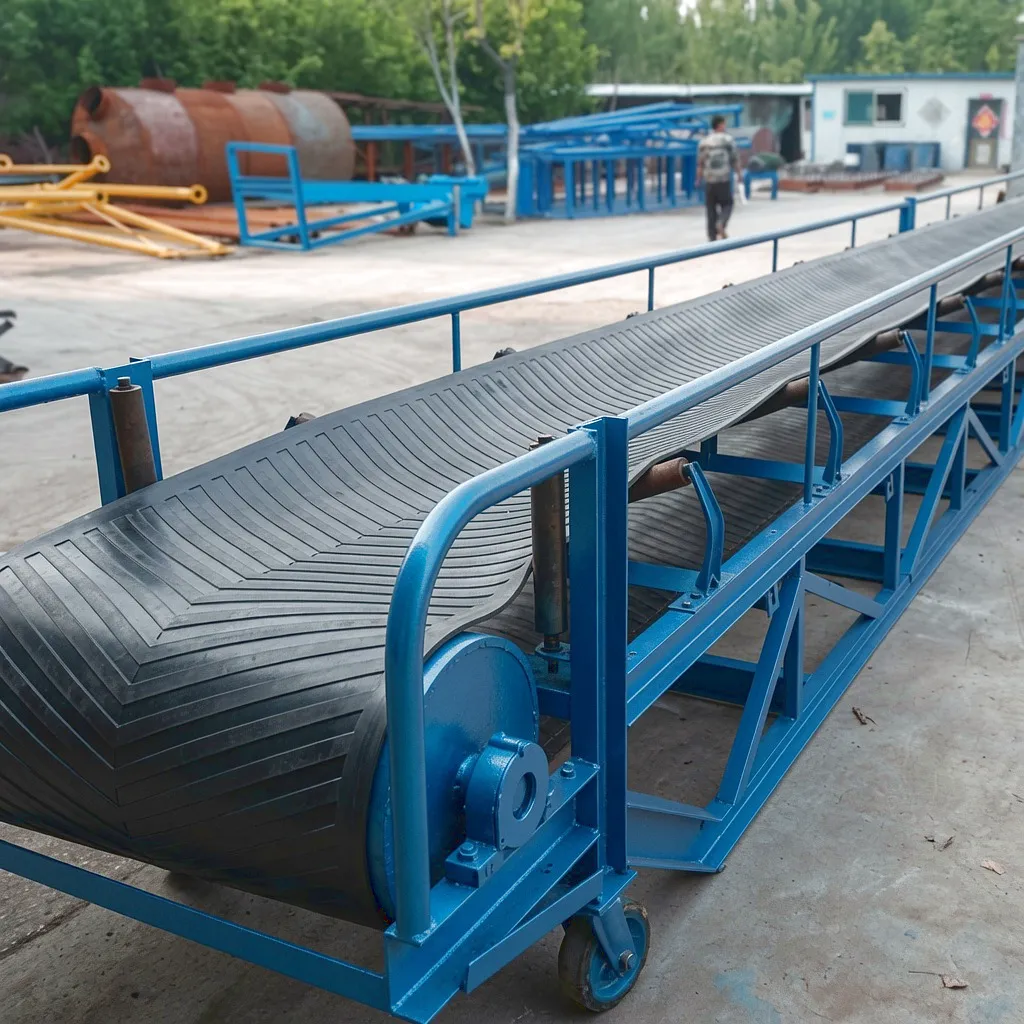
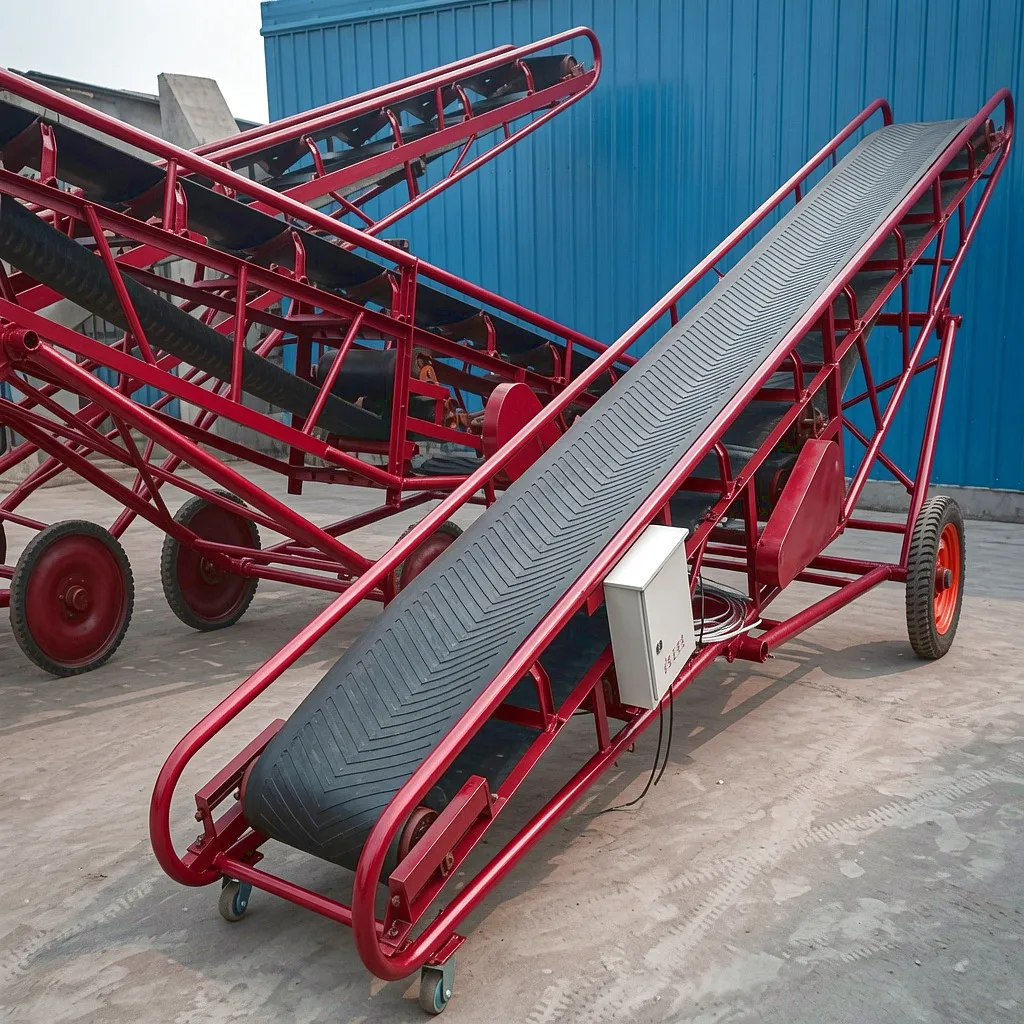
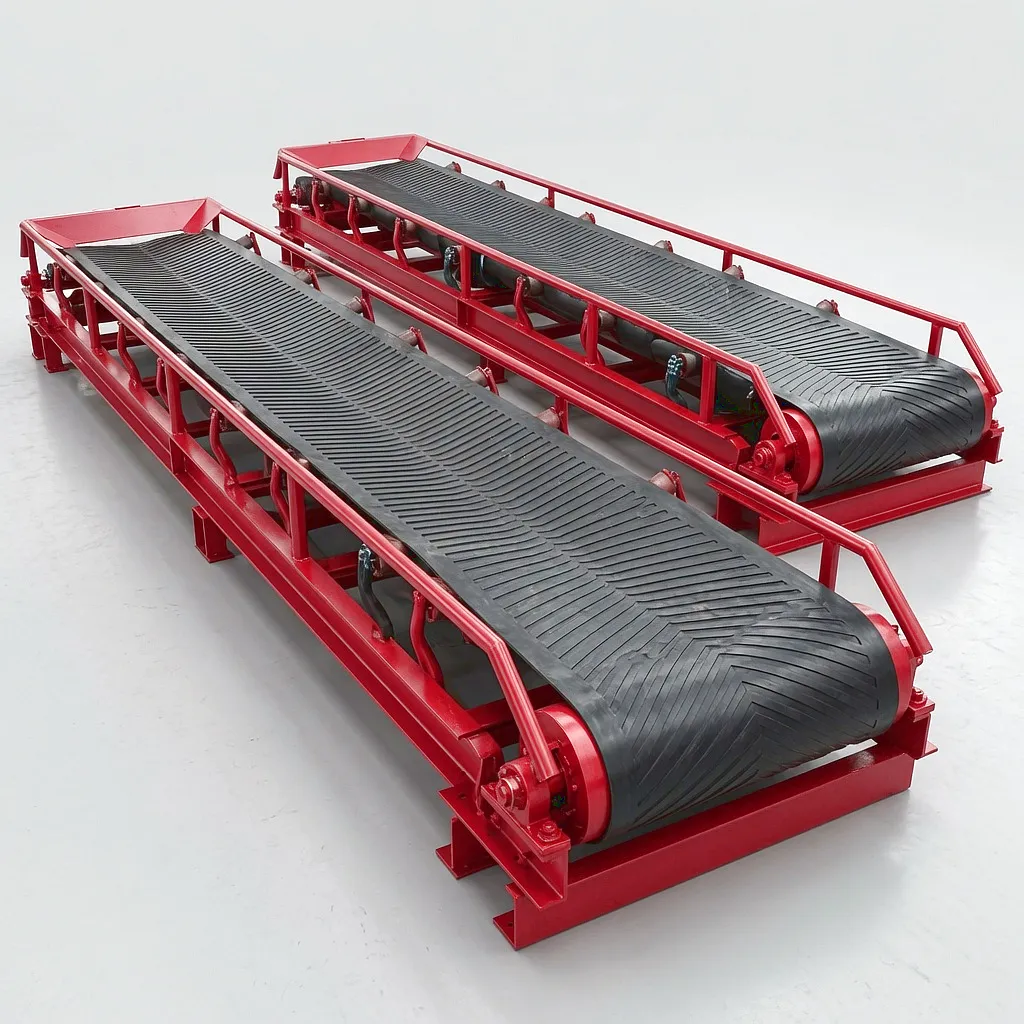
The operating environments that belt conveyors face range from the relatively benign — a warehouse transfer conveyor running light-duty boxes — to some of the harshest conditions in industrial production. The gear coupling must perform identically in each. Here is how the specification plays out across the most demanding UK and global application sectors.
🏭 Steel & Metal Processing
Sinter plants and blast furnace burden conveyors at UK steel works (Port Talbot, Scunthorpe, Rotherham) handle abrasive ore and sinter at temperatures that challenge conventional seals. High-temperature EP grease and elevated seal ratings extend gear coupling life in radiant heat environments. The high torque class of ore handling typically demands NGCL-6 or NGCL-8 series on main drives.
🏗️ Cement & Aggregate Plants
Raw limestone, clinker, and finished cement move on conveyors throughout UK cement works from Hope Valley to Northfleet. Fine dust penetration is the dominant failure mode for open or poorly sealed couplings. The labyrinth-plus-O-ring seal combination on drum-tooth couplings keeps cement dust outside and EP grease inside — year after year, without the half-shift grease purge required on inferior designs.
🌾 Food & Agriculture Processing
Grain handling at UK agricultural co-operatives and malting houses requires food-safe lubrication and stainless contact-surface options. Where NL-type nylon gear couplings are appropriate — lighter duty, torsional damping requirement — the self-lubricating nylon sleeve eliminates grease entirely, reducing contamination risk and maintenance cost on grain and malt conveyors in East Anglian and Scottish facilities.
Case Study: Reducing Unplanned Downtime at a North-East England Port Terminal
The Challenge
A major ore discharge terminal was experiencing elastomeric coupling failures every four to six months on its primary iron ore conveyor drives. Each failure caused an average of 14 hours of unplanned downtime during vessel discharge — at a cost exceeding £28,000 per incident in demurrage penalties and lost throughput. The root cause was a combination of marine corrosion attacking the coupling hardware, cold-start torque spikes cracking the rubber elements, and angular misalignment greater than the elastomeric coupling’s design limit.
The Ever Power Solution
Our engineering team visited the site, measured actual shaft misalignment using laser alignment tools, and reviewed the drive train specification. We recommended NGCL-6 drum-tooth gear couplings with marine-grade phosphate and epoxy coating, stainless fasteners, and high-temperature marine EP grease. The bore was custom-machined to the non-standard 215 mm diameter of the gearbox output shaft, and the flange drilling was adapted to match the existing bolt pattern to avoid costly shaft modifications.
The Result
What UK & International Engineers Say
“We specified NGCL-6 couplings across all four drive heads on our new overland conveyor at the quarry. The custom flange drilling matched our existing gearboxes perfectly — no modifications needed on site. Eighteen months in and we haven’t touched them beyond the annual grease check.”
“Procurement was straightforward. I sent the gearbox data sheet and shaft drawing, received a coupling proposal with dimensional drawing within two days, and the physical parts arrived within the quoted lead time. Material certificates were included in the box — exactly what our quality department requires.”
“We replaced German OEM couplings with Ever Power GICL-4 units as part of an MRO standardisation programme at our steelworks. Performance is equivalent, lead time is shorter, and the cost saving was over 30% per unit. The engineering support team answered every technical question promptly and accurately.”
Supplying UK Industry with Reliable Gear Couplings, from Aberdeen to Dover
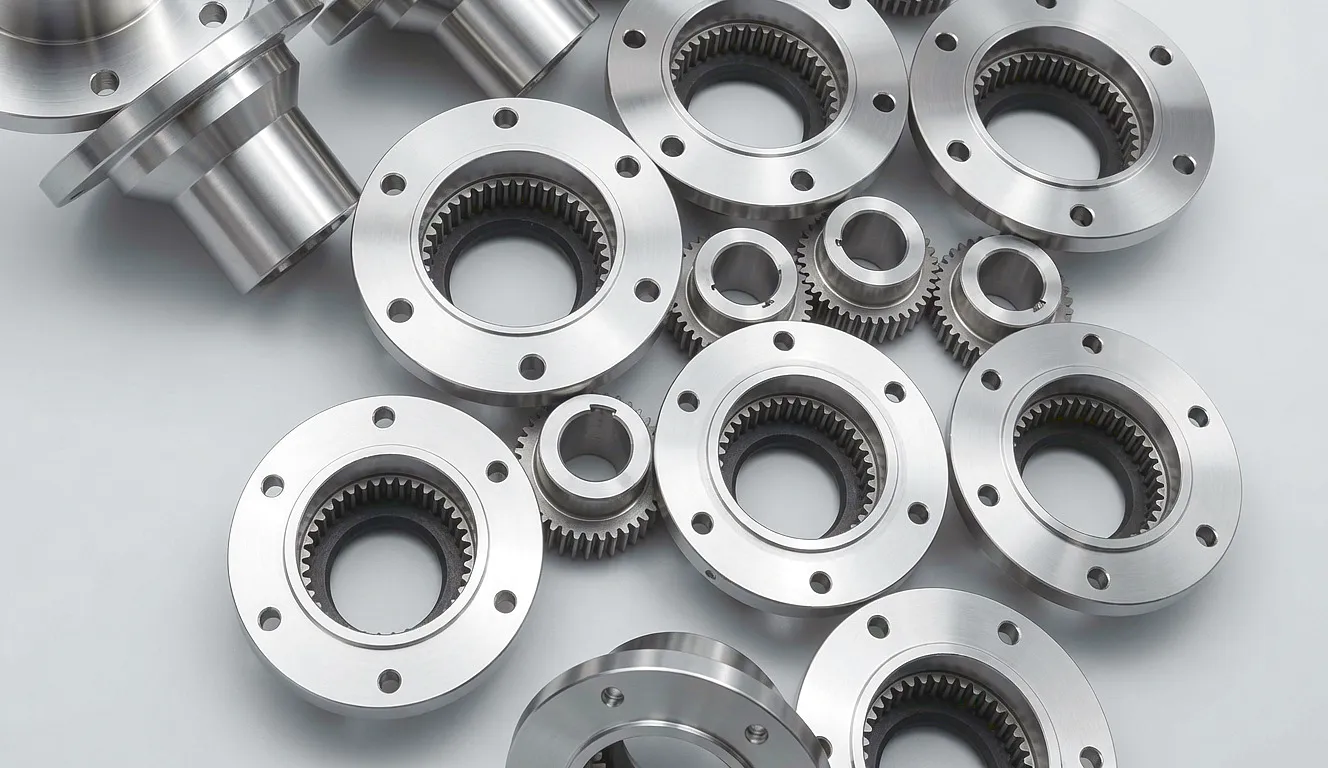
British manufacturing and bulk-handling operations have specific supply chain expectations: clear technical documentation in English, traceable material certification, RoHS-compliant surface treatment, and competitive pricing against European alternatives. Our UK supply arrangement delivers on all four. Technical drawings and data sheets are produced in millimetre dimensions with surface roughness in Ra micrometres — not arbitrary Chinese standard units that require conversion.
We work with UK-based mechanical engineering consultancies, OEM conveyor manufacturers in Yorkshire and the Midlands, MRO distributors in the North-East, and direct with end-users at major port terminals and processing plants. Whether your requirement is a single replacement coupling for an emergency repair at a Scottish cement works or a 200-unit annual frame agreement for a multi-site conveyor fleet, our team responds with the same technical engagement. We understand that buying decisions for industrial couplings are not purely price-driven — specification accuracy, delivery reliability, and engineering support are equally important, and we build our service around those priorities.
UK Industries We Serve
- ▸ Aggregates, quarrying & surface mining
- ▸ Port & bulk terminal operations
- ▸ Power generation (coal & biomass)
- ▸ Steel & metals processing
- ▸ Cement & lime manufacturing
- ▸ Waste & recycling processing
- ▸ Food processing & grain handling
Getting Maximum Life from Your Gear Coupling on a Belt Conveyor Drive
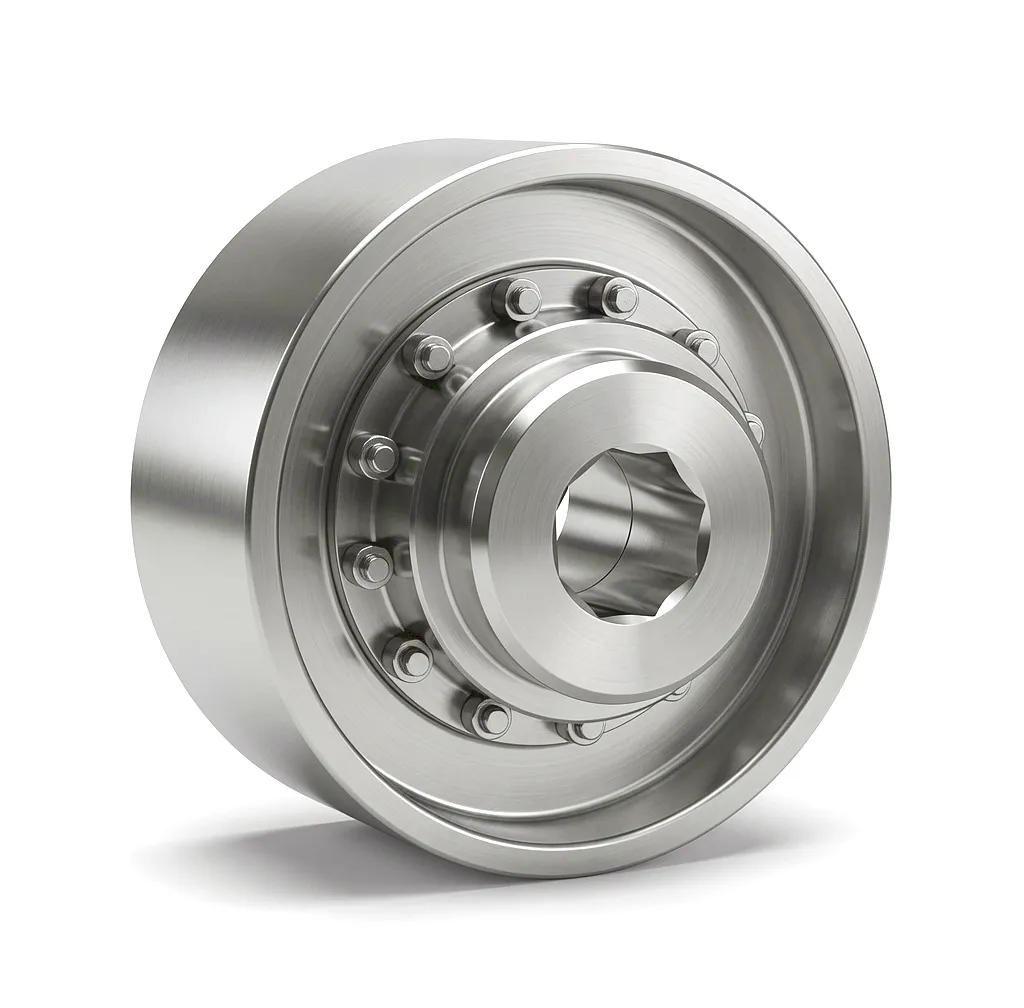
The gear coupling is only as good as its installation and maintenance. The most common cause of premature gear coupling failure on belt conveyor drives is not product quality — it is installation misalignment beyond the coupling’s rated capacity, or lubrication neglect. Neither is complicated to prevent. Here is the framework our engineers use when commissioning new installations at UK bulk-handling sites.
| Stage | Action | Acceptance Criterion | Tool Required |
|---|---|---|---|
| Pre-fit | Check bore diameter and keyway dimensions against shaft | H7/n6 interference or clearance fit per drawing | Bore gauge, slip gauges |
| Hub Fitting | Heat hub to 120–150°C for interference fit assembly | Hub seated to shoulder, retaining bolt torqued | Induction heater, torque wrench |
| Alignment | Laser-align shafts with conveyor at operating temperature | < 0.5° angular, < 0.1 mm/100 mm radial offset | Laser alignment system |
| Lubrication | Fill coupling cavity with EP2 gear grease to grease plug level | Grease visible at plug port; no voids | Grease gun, EP2 lithium-complex grease |
| Commission | Run 30-minute no-load trial, check coupling temperature | < 60°C outer sleeve surface above ambient | Infrared thermometer |
| Service | Inspect and regrease at 4000-hour intervals or annually | Tooth wear < 20% of original tooth thickness | Tooth profile gauge, grease gun |
One point that experience has made clear: the temperature check during commissioning is not a formality. A gear coupling running more than 60°C above ambient on a no-load trial invariably has either excessive misalignment or insufficient grease fill. Catching that at commissioning costs minutes; catching it at a coupling failure costs a production shift plus emergency parts procurement. Our factory team can provide commissioning technical support by video call for complex installations, at no additional cost on orders above standard minimums.
Engineers Ask, We Answer
What is the best type of gear coupling to use on a heavy-duty coal conveyor drive system in the UK?
For heavy-duty coal conveyor drives in the UK, the NGCL series drum-tooth gear coupling is the standard specification. This design handles the high torque class typical of main drive gearboxes (often 25–100 kNm rated), accommodates the angular misalignment caused by thermal expansion in the drive structure, and withstands start-up shock torque from direct-on-line motor starts. The sealed design prevents coal dust ingress, which is a primary failure mode for open-type couplings in British mining and power generation environments. Always specify a service factor of at least 2.0 on rated gearbox output torque for this duty class.
How much does a custom gear coupling for a belt conveyor typically cost, and where can I get a supplier quote in the UK?
Pricing for custom gear couplings varies considerably with torque class, bore size, and specification. A medium-duty GICL-4 series unit with standard bore might be priced at £180–£450 per coupling; a large custom NGCL-8 with non-standard bore, modified flanges, and marine coating can reach £1,200–£3,500 depending on configuration. To get an accurate quote for your UK conveyor application, email your motor/gearbox specification, shaft drawing, and application description to our engineering team at gear-coupling.top. You will receive a technical proposal and price within 48 hours.
Which gear coupling series is interchangeable with European OEM couplings currently installed on my port terminal conveyor?
GICL and NGCL series gear couplings manufactured to GB/T 5272 are dimensionally very close to ISO 14691-compliant European equivalents such as Flender ARPEX-GKN, Voith, and Vulkan catalogue units in the mid-torque range. For a direct interchange, send us the existing coupling’s part number, shaft drawing, and the distance between shaft ends. Our engineering team will confirm compatibility or propose the closest matching unit. Most port terminal conveyor applications we have cross-referenced in UK installations have found a direct or near-direct substitute, eliminating shaft modification costs entirely.
How often should the grease in a drum-tooth gear coupling be changed on a 24/7 belt conveyor in a UK steel plant?
For continuous 24/7 belt conveyor service in a UK steel plant environment — where high ambient temperature, vibration, and dust contamination are all present — we recommend a grease inspection every 2,000 operating hours and a full purge-and-repack at 4,000 hours or annually, whichever comes first. In radiant heat areas near sinter plant or blast furnace burden conveyors, switch to a synthetic high-temperature EP grease rated to 150°C and shorten the inspection interval to 1,500 hours. A grease sample analysis service is available for customers wanting condition monitoring rather than fixed interval servicing.
What causes premature gear coupling failure on belt conveyor drives, and how can UK maintenance engineers prevent it?
The three dominant causes of premature failure, based on field data across multiple UK industrial sites, are: first, installation misalignment exceeding the coupling’s rated angular capacity — typically caused by skipping the post-installation laser alignment check; second, grease starvation or grease degradation in high-temperature or high-contamination environments; and third, undersized selection where the coupling’s rated torque is too close to the actual drive torque without adequate service factor margin. Preventing failure requires laser alignment on every fit, a documented grease regime, and applying a service factor of at least 1.5–2.5 depending on the shock class of the application. These three practices alone eliminate the vast majority of unplanned coupling failures we see in UK bulk-handling facilities.
Where can I find a reliable gear coupling supplier in the UK who can deliver custom bore sizes quickly for an emergency conveyor repair?
For emergency conveyor coupling requirements in the UK, contact our engineering team directly at gear-coupling.top. We hold stock of standard bore sizes in the most common conveyor coupling series and can bore non-standard diameters from stock blanks within our production schedule. For genuine emergencies on high-throughput conveyors, describe your application and timeline in your enquiry — we prioritise expedited production where the commercial case for the customer is clear (demurrage, production loss, etc.). Lead time for a machined-to-order bore in a stocked coupling body is typically 5–10 working days; standard bore in stock units can ship within 24–48 hours of order confirmation.
© 2025 Ever Power. Gear coupling manufacturer supplying UK industry. All specifications subject to engineering confirmation.
edit by gzl