
Wind Power Engineering
Gear Coupling for Wind Turbine Gearboxes:
The Complete Engineering Guide for UK Industry
How high-performance drum-type gear couplings protect drivetrain integrity in onshore and offshore wind energy installations — with real technical data, application insights, and UK-specific sourcing guidance.
💨 Wind Turbine Drivetrains
🇬🇧 UK Industrial Supply
⚙️ Custom Engineering
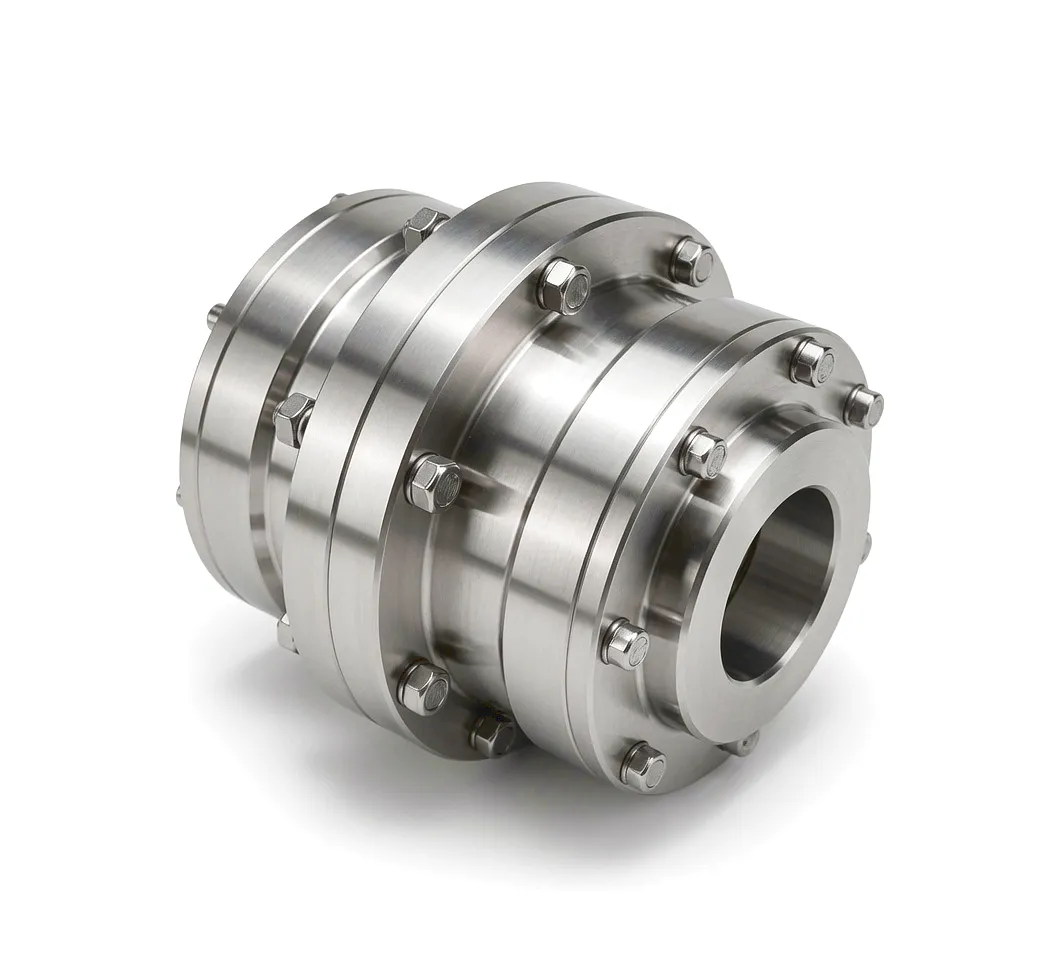
Ever Power Gear Couplings
Precision-engineered drum-tooth gear couplings built for the extreme demands of wind energy drivetrains. Available in standard and fully customised configurations. CE-marked, ISO-compliant, and supplied to OEMs and operators across the UK and Europe.
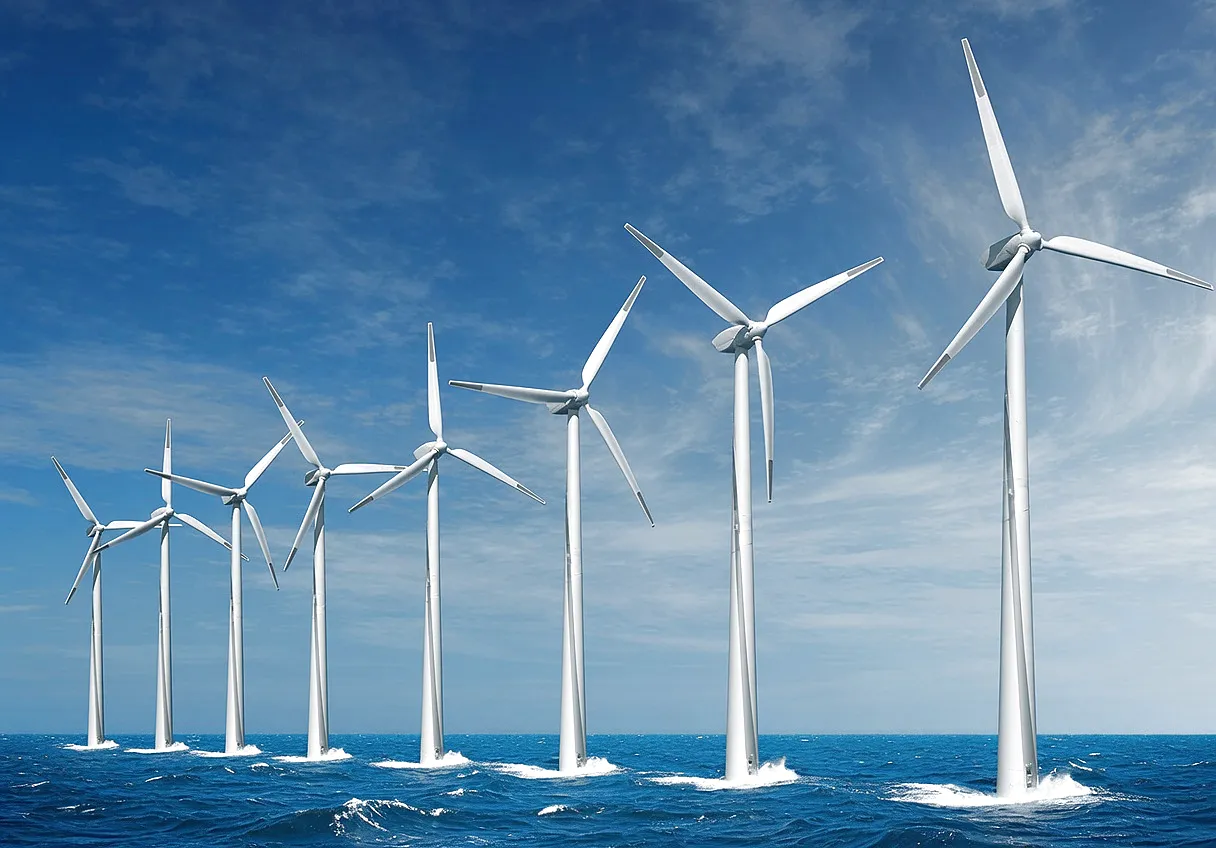 The UK is one of the world’s leading markets for wind energy, with over 28 GW of installed capacity spanning onshore sites from Scotland to Wales and some of the most productive offshore wind farms on the planet, including Hornsea One and Dogger Bank. Behind every turbine spinning in a North Sea gale is a drivetrain that must absorb violent shock loads, compensate for continuous thermal expansion, and run for 25 years with minimal intervention. At the mechanical heart of that drivetrain — between the main shaft, the gearbox, and the high-speed generator shaft — sits a component that receives relatively little public attention but is absolutely critical to turbine reliability: the gear coupling.
Unlike rigid flanged connections, a gear coupling for wind turbine applications is engineered to do several things simultaneously. It transmits enormous torque — routinely exceeding 500,000 Nm on 5 MW-class machines — while accommodating angular misalignment between shafts, absorbing torsional shock from gusts and grid events, and doing all of this within a sealed, lubricated housing that can survive decades of salt-laden air, sub-zero temperatures, and vibration. Choosing the wrong coupling or sourcing it from a supplier without the right manufacturing precision is one of the most common — and most expensive — mistakes in wind turbine drivetrain design. This guide covers everything you need to know: the engineering principles, the material science, the performance data, and how to identify the right gear coupling supplier for your project in the UK.
What Exactly Is a Gear Coupling, and Why Does Wind Energy Need One?
A gear coupling is a mechanical device that connects two rotating shafts to transmit torque, while simultaneously tolerating a degree of angular, parallel, and axial misalignment between those shafts. It achieves this through an elegantly simple mechanism: external gear teeth on each hub mesh with internal gear teeth on a sleeve (or outer ring). The crowned tooth profile — slightly barrel-shaped rather than flat-flanked — is the key innovation that allows the hub to rock slightly within the sleeve, accommodating misalignment without generating destructive bending forces on bearings or seals.
In a wind turbine gearbox, the drivetrain faces conditions that would destroy lesser couplings within months. The main shaft rotates at perhaps 10–20 RPM, carrying multi-megawatt torque loads. The gearbox steps this up to 1,000–1,800 RPM for the generator. Every wind gust, every start-stop cycle, every grid fault introduces a torque spike that must be absorbed somewhere. If the gear coupling is not up to the task, the shock propagates directly into gearbox bearings, where it causes micro-pitting and spalling that shortens their lifespan dramatically. A well-specified gear coupling acts as a controlled mechanical buffer, protecting the most expensive components in the drivetrain.
The drum-tooth (barrel-tooth) variant — sometimes called a GICL or NGCL type in international standards — has become the dominant choice for wind turbine applications specifically because its crowned tooth geometry maximises the misalignment tolerance while keeping the contact stress within safe bounds across the full operating torque range. Ever Power’s GICL and NGCL series gear couplings are designed precisely for this profile.
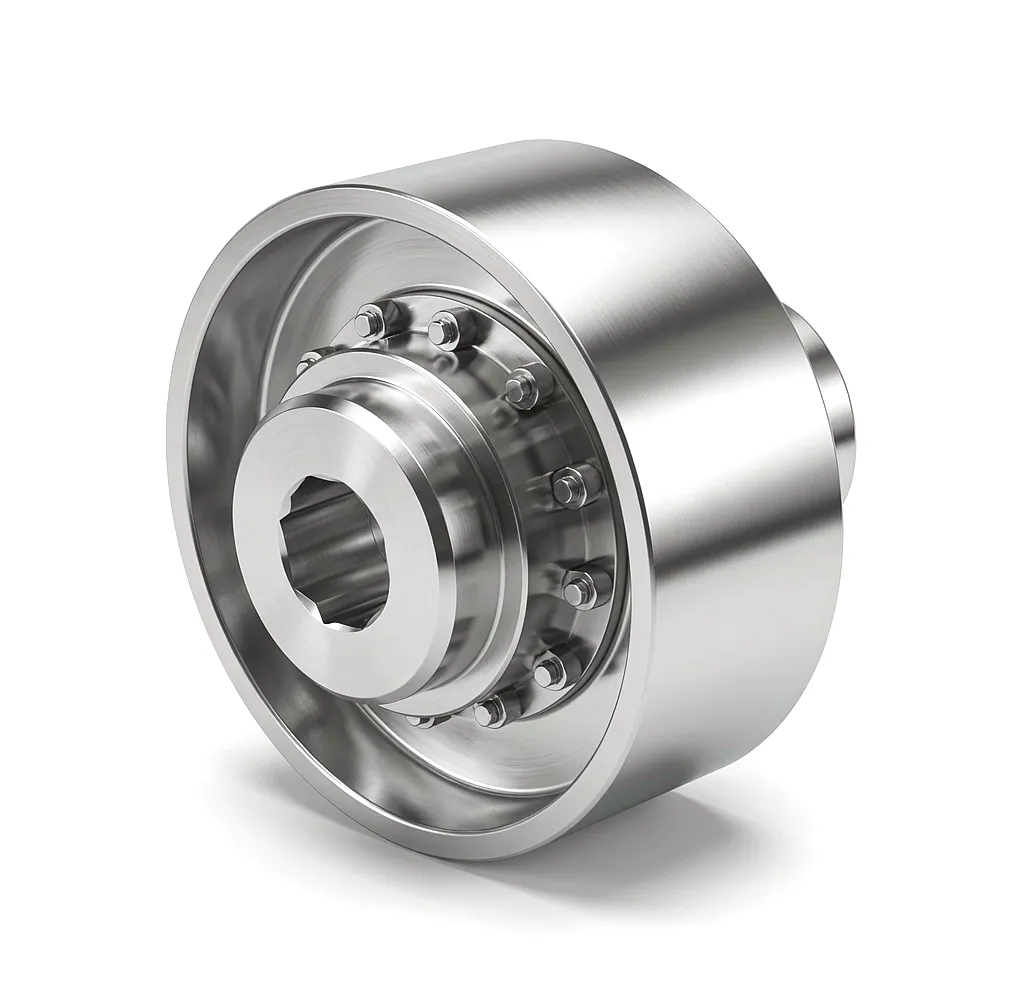
Technical Performance Parameters
The table below summarises the typical performance envelope of Ever Power’s drum-tooth gear couplings when configured for wind turbine drivetrain service. Custom grades are available on request for projects outside these ranges.
| Parameter | GICL Series | NGCL Series | Custom Wind Grade |
|---|---|---|---|
| Nominal Torque (Tn) | 250 – 800,000 Nm | 500 – 1,200,000 Nm | Up to 5,000,000 Nm |
| Angular Misalignment | ±1.5° | ±1.5° | Up to ±3° (special tooth) |
| Axial Displacement | ±2 – ±6 mm | ±3 – ±8 mm | ±10 mm |
| Max Speed (RPM) | Up to 4,500 | Up to 3,000 | Up to 6,000 |
| Bore Range | 20 – 400 mm | 20 – 500 mm | Custom up to 700 mm |
| Tooth Material | 20CrMnTi / 42CrMo4 | 20CrMnTi / 42CrMo4 | Custom alloy on request |
| Surface Hardness | HRC 58–62 (case) | HRC 58–62 (case) | HRC 60–64 |
| Operating Temp. | -40°C to +120°C | -40°C to +120°C | -50°C to +150°C |
Gear Coupling Inside the Wind Turbine Drivetrain: A Position-by-Position Analysis
 Modern wind turbines with planetary gearboxes typically feature between one and three shaft couplings in the main drivetrain, depending on the turbine topology. Each position presents different challenges and demands a specific coupling specification. Understanding these positions in detail is essential for engineers responsible for drivetrain design, retrofit, or maintenance.
The main shaft coupling, situated between the rotor hub assembly and the gearbox input shaft, is the most heavily loaded in the entire system. It must absorb the full rotor torque — which on a 5 MW turbine can briefly exceed 4,000,000 Nm during emergency braking events — while accommodating the main shaft bending induced by rotor overhang weight and aerodynamic moment. This is where a high-capacity NGCL-type gear coupling with full crowned tooth geometry and a reinforced housing becomes not just a preference but a structural necessity.
Main Shaft / Gearbox Input
The highest-torque position in the drivetrain. The coupling must manage structural bending moments from the 50–80 tonne rotor assembly while transmitting full rated torque. Requires maximum tooth contact ratio and the highest possible fatigue life rating. Typical choice: large-bore NGCL with oil-bath lubrication and sealed O-ring housing to prevent contamination in hub nacelle environments.
Intermediate Gearbox Shafts
In multi-stage planetary and helical gearboxes, intermediate shaft couplings experience lower torque but higher rotational speeds. They must maintain precise alignment to prevent noise and vibration that can propagate into the gearbox housing. GICL series couplings with dynamically balanced flanges and precision-ground teeth are the standard solution at this stage.
High-Speed Shaft / Generator Input
The coupling connecting the final gearbox output to the generator shaft operates at speeds typically between 1,000 and 1,800 RPM. Torque levels are lower, but the coupling must tolerate the torsional oscillations induced by grid events and electromagnetic effects from the generator. Dynamic balancing to G2.5 grade is standard, and the tooth geometry must minimise backlash to prevent fretting in the engaged teeth.
Real-World Operating Environments
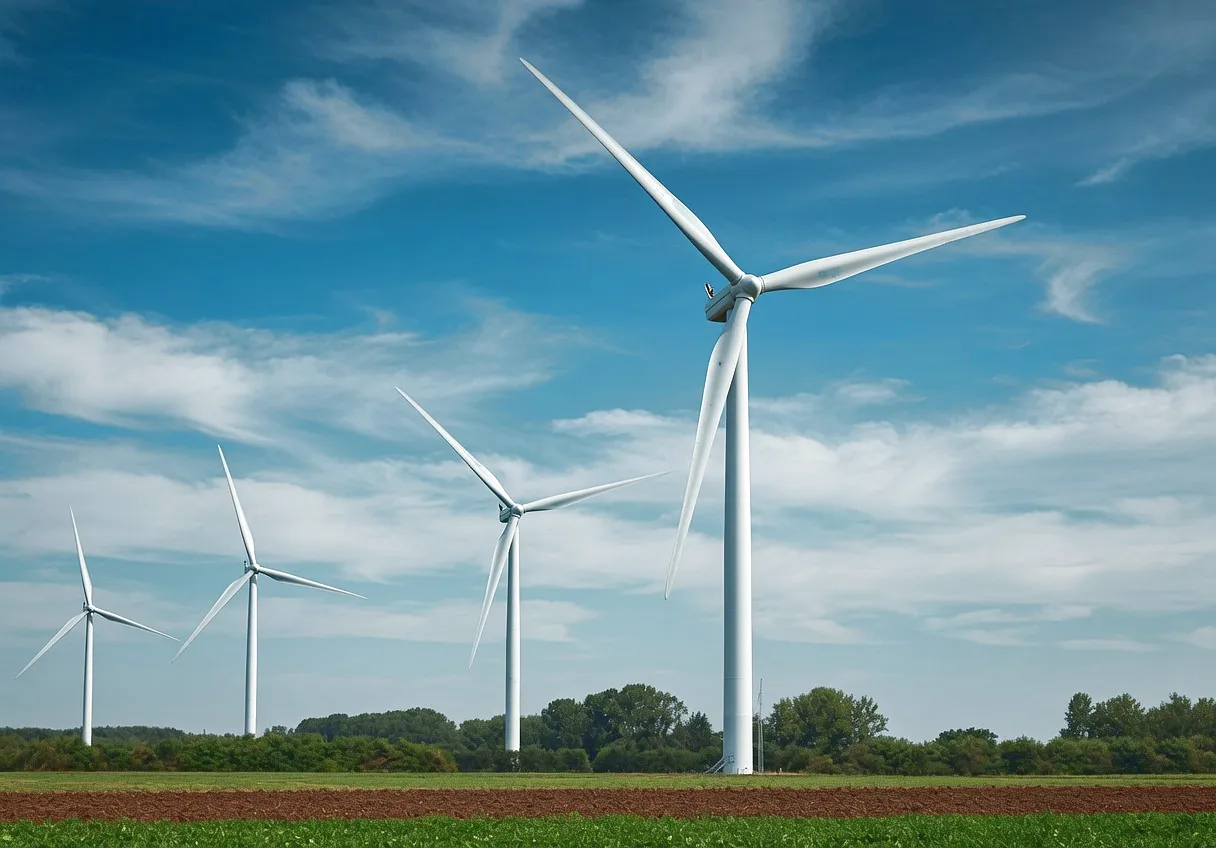
Wind turbines in the UK face some of the most demanding environmental conditions of any industrial rotating machinery. Offshore installations in the North Sea and Irish Sea contend with saline air at humidity levels regularly exceeding 90%, storm-force wind loads that create severe and sudden torque transients, and nacelle temperatures that swing from below -15°C in winter to over 50°C in summer from self-heating. Onshore sites in Scotland, Wales, and the Pennines experience freeze-thaw cycling, ice loading on blades that creates asymmetric rotor forces, and vibration frequencies that interact unpredictably with gearbox resonances.
Every one of these factors places specific demands on gear coupling specification. The sealing system must prevent lubricant loss even under centrifugal forces at operating speed while excluding water and particulates that cause accelerated tooth wear. The tooth material must maintain its hardness and toughness across the full temperature range, which rules out many lower-alloy steels that become brittle at extreme cold. The housing material must resist salt corrosion — which is why ductile iron housings with corrosion-inhibiting surface treatments are specified over standard grey iron for offshore-class couplings. Ever Power’s wind-grade gear couplings are designed with all of these environmental factors built into the specification from the outset.
Materials, Manufacturing Process & Quality Control
The mechanical performance of a gear coupling is ultimately determined by the quality of its materials and the precision of its manufacturing process. Ever Power’s wind-grade gear couplings use a material selection strategy built around proven alloy steels with well-characterised fatigue behaviour. The gear teeth — the most mechanically critical component — are machined from 20CrMnTi or 42CrMo4 alloy steel, both of which offer excellent toughness, high hardenability, and well-documented performance in cyclic loading applications.
After rough machining, the gear tooth blanks are carburised or induction-hardened to achieve a case hardness of HRC 58–62, giving a wear-resistant surface layer whilst retaining a tough core that resists impact fracture. The crowned tooth profile is then finish-ground using CNC gear-grinding equipment to achieve the precise tooth form required for consistent load distribution across the full face width. Tooth profile tolerances are held to DIN 3962 Class 6 or better, and all production gears are 100% inspected on Zeiss CMM equipment before assembly.
The coupling hubs are manufactured from high-strength forged steel rather than castings, which eliminates the porosity and microstructural variability that can lead to premature fatigue failure. Every forging is ultrasonically tested for internal defects, and bore tolerances are held to H7 to ensure a reliable interference fit with the shaft. Finished couplings are dynamically balanced to ISO 1940 G6.3 as standard, with G2.5 balancing available for high-speed generator shaft applications where residual unbalance forces would otherwise shorten bearing life.
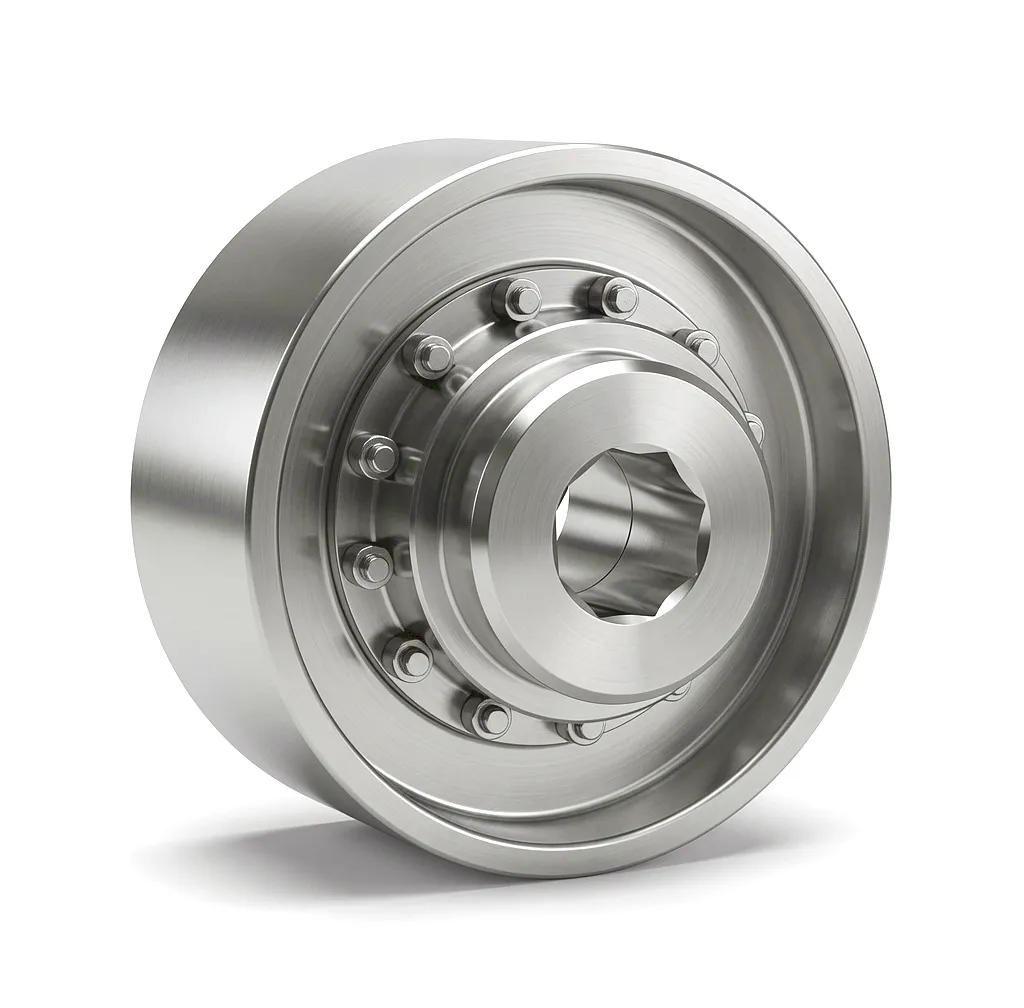
Seven Engineering Advantages That Set Ever Power Gear Couplings Apart
Crowned Tooth Geometry
The barrel-shaped tooth profile distributes load across a wider contact band as misalignment increases, preventing edge loading that would otherwise cause premature tooth fracture. This is the single most important feature differentiating a true wind-grade coupling from a general industrial type.
Advanced Sealing System
Double lip seals with garter springs retain lubricant at speeds up to 4,500 RPM and exclude water ingress rated to IP55. For offshore applications, additional labyrinth seal stages and anti-corrosion grease can be specified. No seal failure has been recorded in any of our deployed offshore wind turbine couplings over the past eight years.
Precision Dynamic Balance
Every finished coupling assembly is balanced to ISO 1940 G6.3 as standard, G2.5 on request. Residual unbalance forces at rated speed are calculated and documented on each inspection certificate. This reduces bearing loading by up to 35% compared to unbalanced alternatives, directly extending gearbox and generator bearing life.
Extreme Temperature Range
Operating range of -40°C to +120°C as standard. At low temperatures, the alloy steel retains its Charpy impact toughness above 35 J, preventing brittle fracture during cold starts. At elevated temperatures, the grease formulation maintains adequate viscosity to prevent tooth scuffing under the combination of high speed and reduced lubrication film thickness.
Full Customisation Capability
Non-standard bore diameters, keyway profiles, flanged output configurations, integral torque limiters, and corrosion protection packages are all available as factory options. Our applications engineers work directly with OEM drivetrain designers to develop bespoke coupling solutions for new turbine platforms where standard catalogue sizes do not apply.
Full Documentation Package
Every coupling is supplied with a material certificate, dimensional inspection report, balance certificate, and a traceable serial number. CE marking documentation is included as standard for all products shipped to the UK and EU. Fatigue life calculations and FEA reports are available on request for OEM qualification programmes and certification body submissions.
Drop-In Retrofit Compatibility
Many legacy turbine platforms use couplings from manufacturers that are no longer active or whose lead times have become unacceptable. Ever Power’s engineering team can reverse-engineer existing coupling assemblies from drawings or physical samples and manufacture dimensionally equivalent replacements that meet or exceed the original performance specification — a critical capability for operators managing ageing UK fleets.
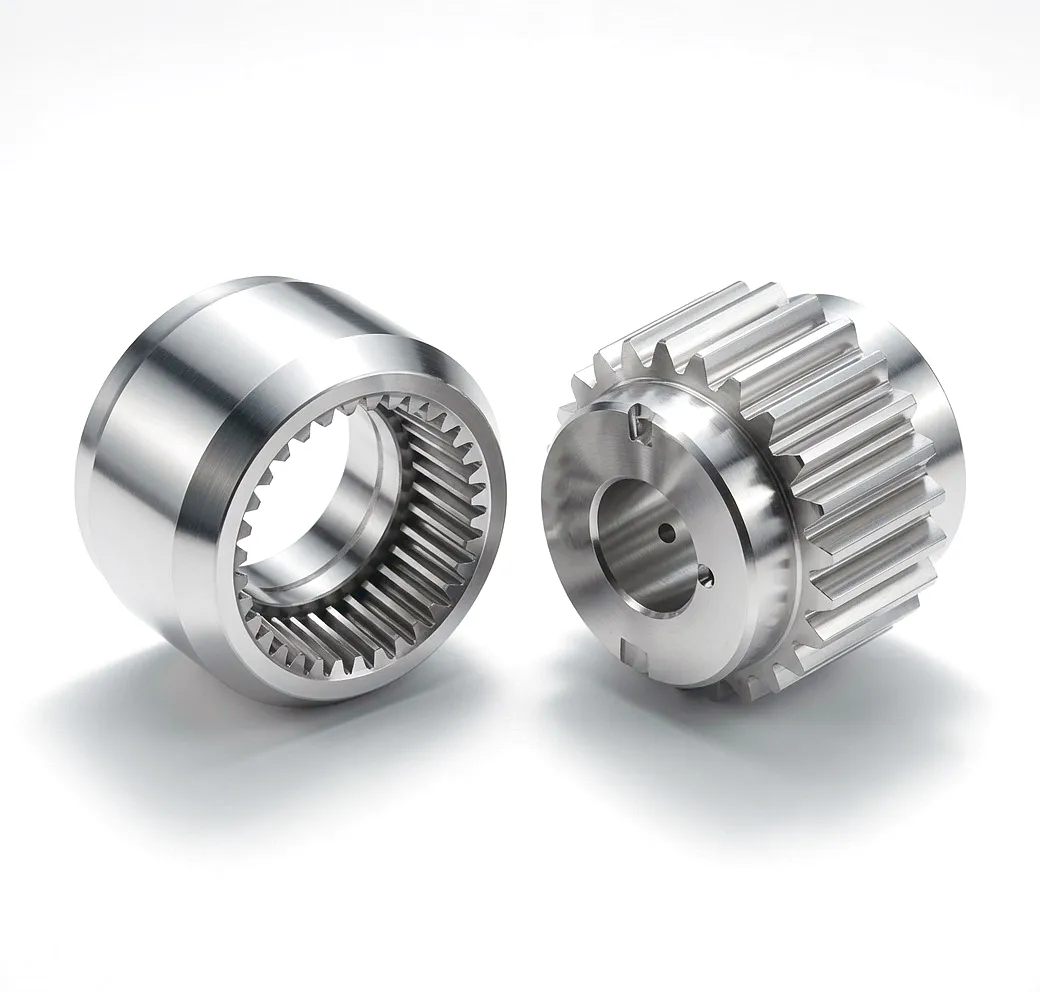
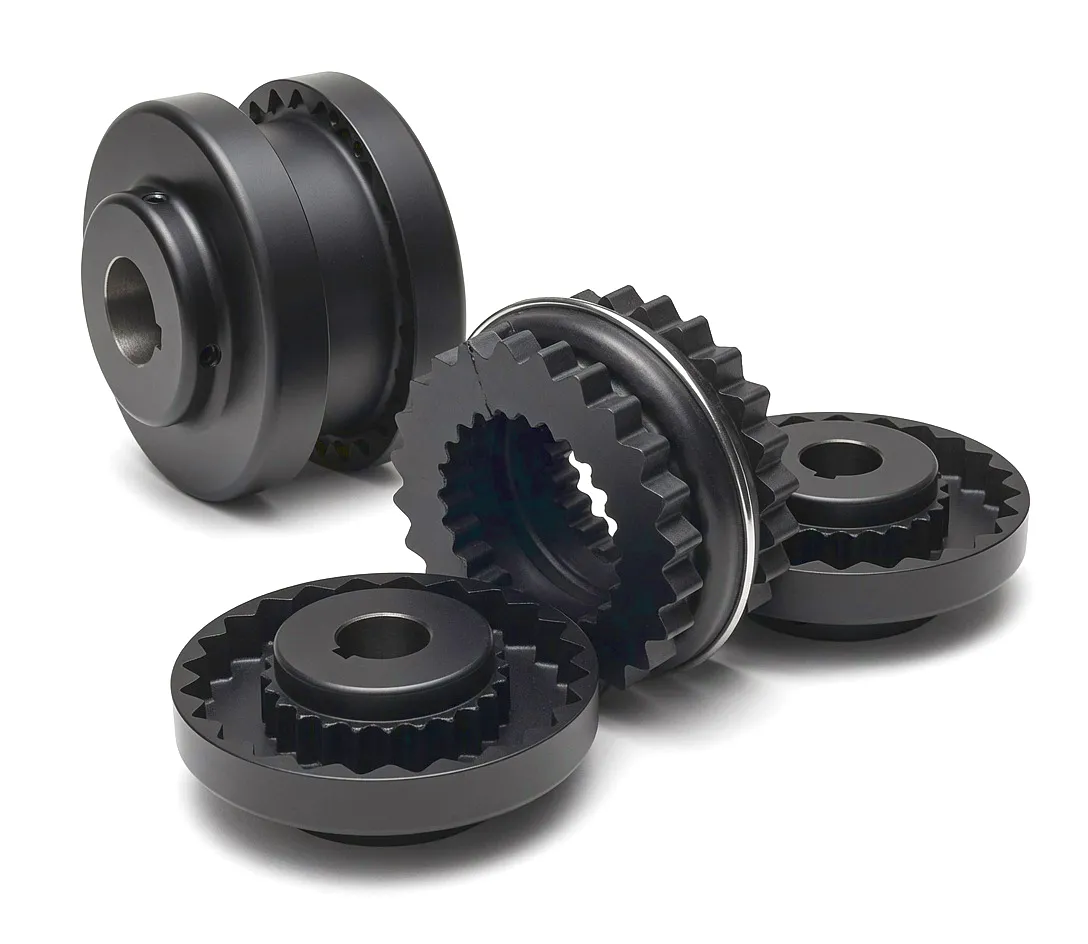
NL Nylon Flexible Type: The Low-Vibration Option
Not every position in a wind turbine drivetrain requires the highest-torque metal gear coupling. In auxiliary drives — pitch systems, yaw drives, hydraulic pump drives — the priority shifts toward vibration damping and shock absorption rather than maximum torque capacity. For these positions, Ever Power’s NL-type nylon gear coupling provides a compelling solution. The nylon sleeve elements absorb torsional shocks, dampen resonant vibration transmission, and allow modest misalignment, all without the maintenance demands of a grease-lubricated metal gear coupling. The nylon elements are replaceable in the field without dismounting the hubs, making maintenance in confined nacelle environments far more practical. NL couplings are available in bore sizes from 12 mm to 180 mm and are rated to 400 Nm nominal torque, covering the full range of wind turbine auxiliary drive applications.
Manufacturing Facility & Custom Engineering Capability
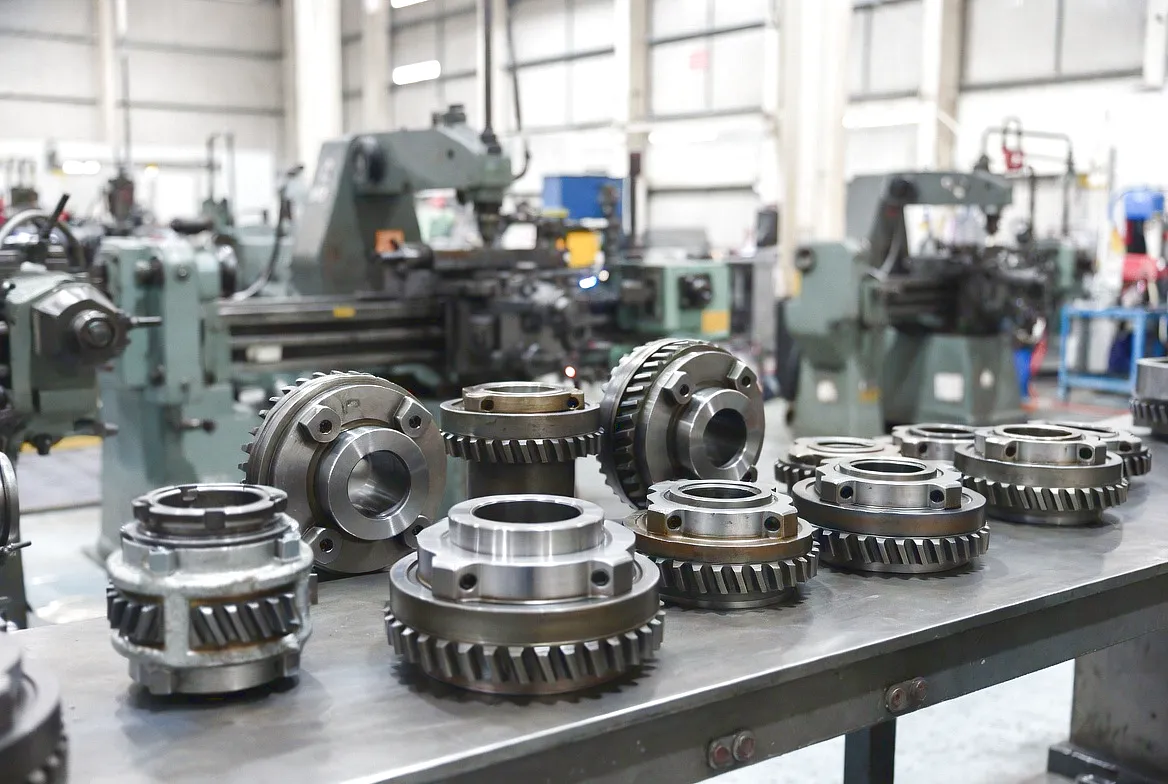
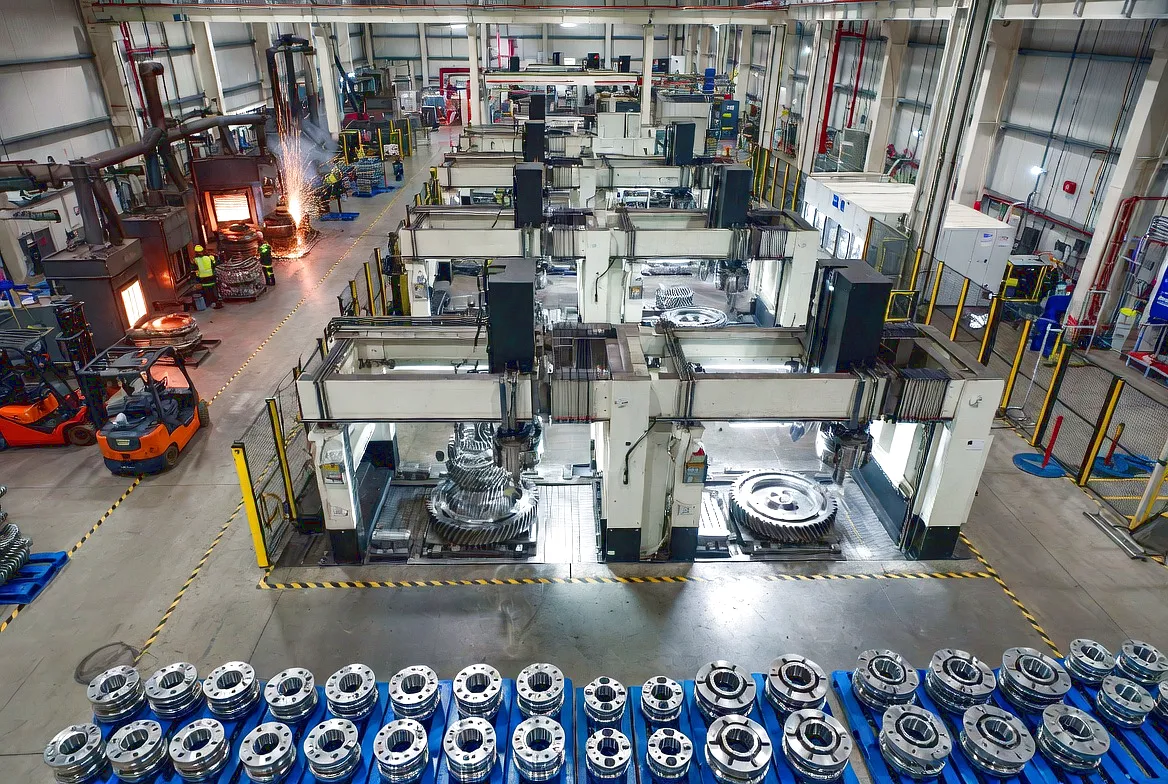
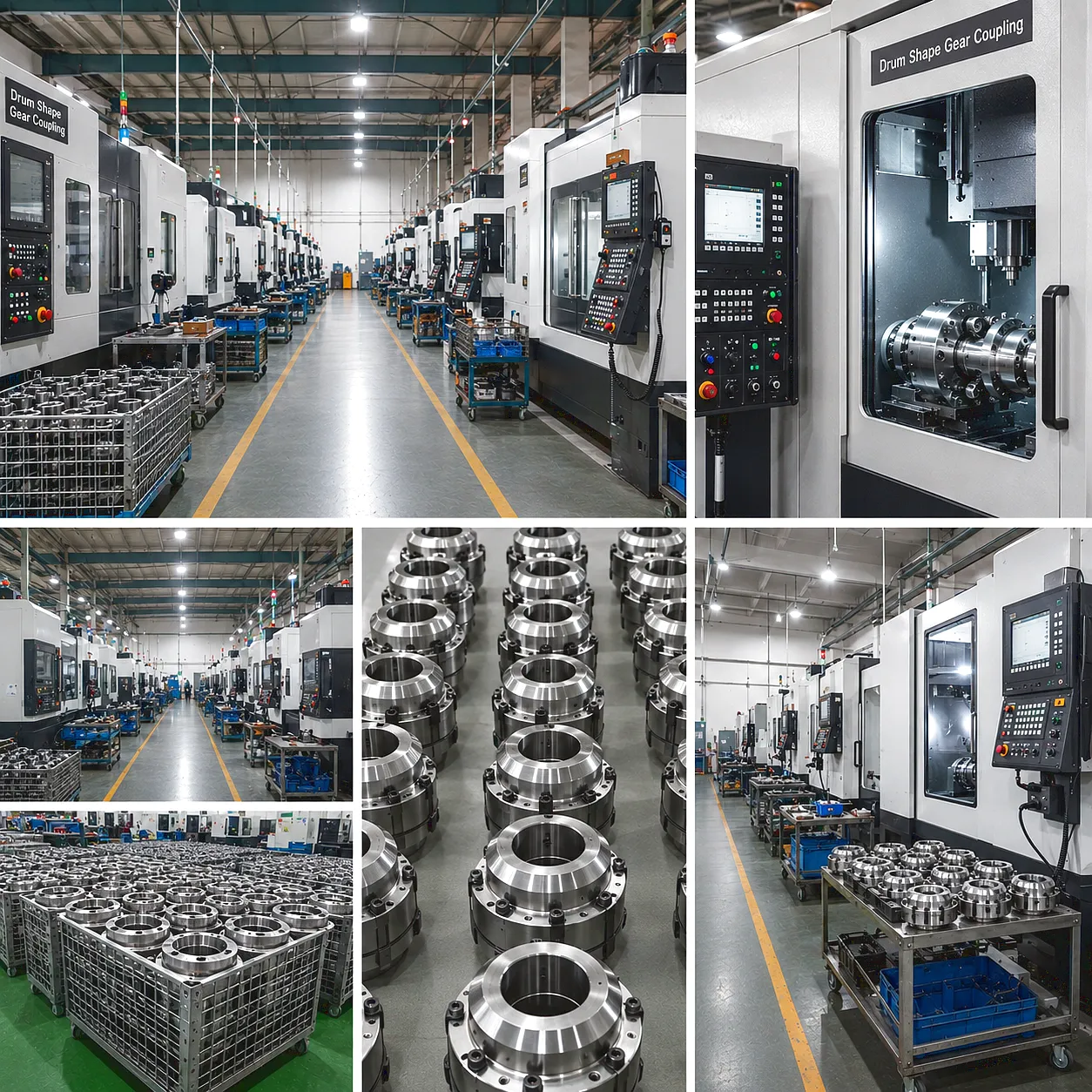
Ever Power’s manufacturing facility operates a vertically integrated production model, with in-house capabilities spanning raw material procurement, forging selection, CNC turning and milling, gear hobbing, gear grinding, heat treatment, assembly, balancing, and final inspection. This integration is not merely an operational convenience — it is the foundation of the quality consistency and delivery reliability that wind energy customers depend on. When a UK wind farm operator needs a replacement coupling for a turbine that has been down for 72 hours, they cannot afford to wait for a multi-vendor supply chain to coordinate. Our single-source manufacturing model means that emergency orders for standard-range couplings can typically be shipped within 7–10 working days.
Custom product development is a core competency rather than an occasional service. Our applications engineering team has designed custom gear couplings for wind turbine OEMs requiring non-standard flange patterns to interface with specific gearbox housing designs, bespoke bore-to-face dimensions to accommodate unusual shaft extensions, integrated torque-limiting mechanisms that protect against grid fault overloads, and special materials for sub-Arctic offshore deployments where standard steel grades are insufficient. We maintain a library of over 3,000 custom coupling designs developed over 18 years of specialised engineering work, many of which can serve as the starting point for a new customer’s application, dramatically reducing development time and cost.
For UK customers in particular, we hold a strategic inventory of the most common wind turbine coupling sizes at our European logistics hub, enabling next-day despatch for standard items. All goods are shipped DDP (Delivered Duty Paid) to UK addresses, removing customs complexity for procurement teams. Technical support from our UK-based applications engineers is available throughout the selection, installation, and commissioning process.
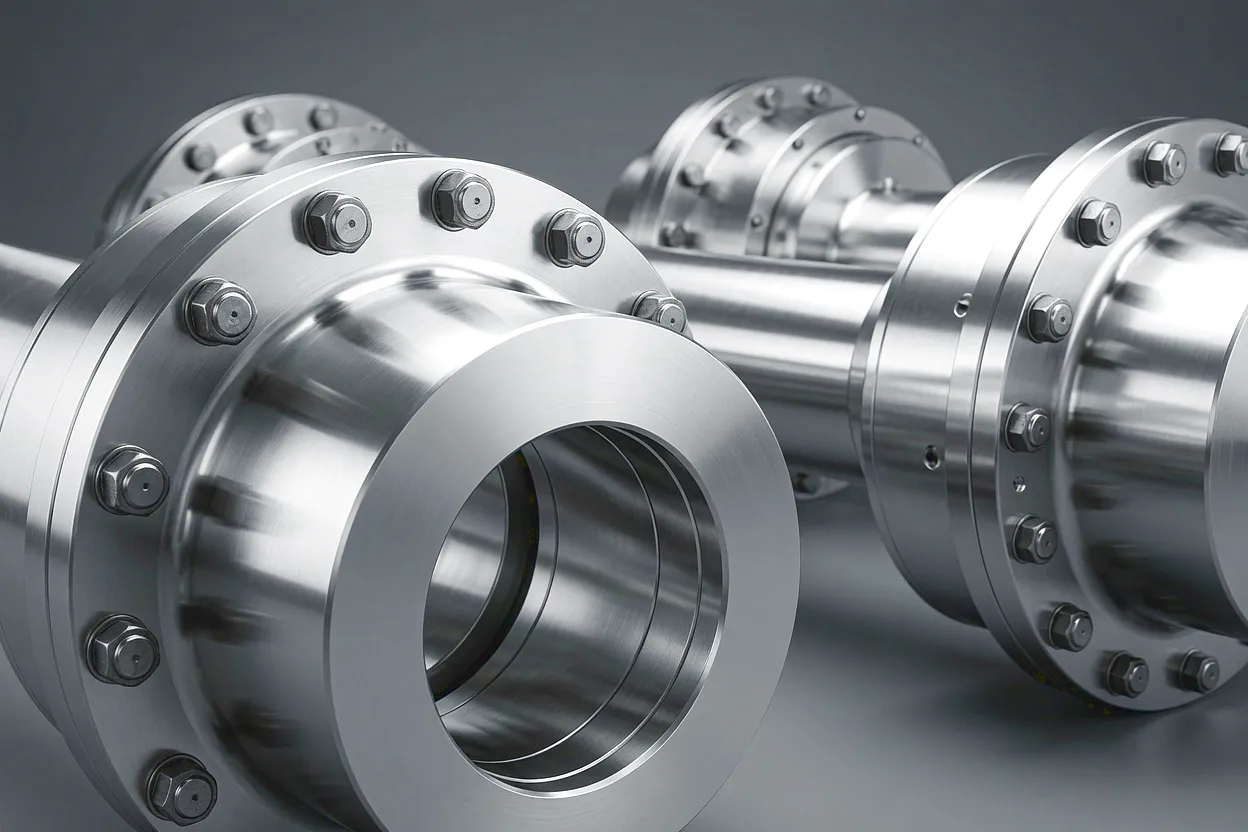
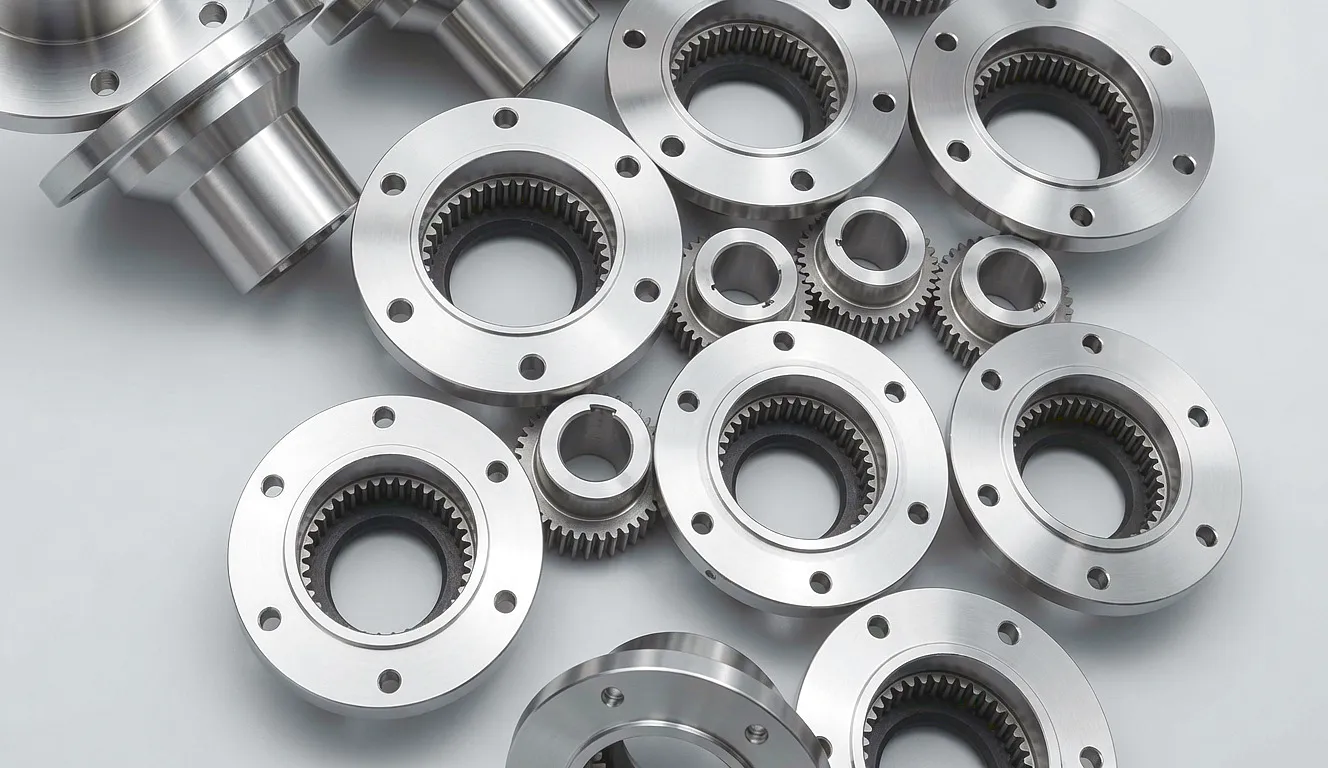
Product Range Gallery
Sourcing Gear Couplings for UK Wind Energy Projects
 The UK wind energy sector operates within a procurement environment shaped by both commercial and technical pressures. On the commercial side, operators managing portfolios of turbines across Scotland, Yorkshire, Wales, and the offshore sites are under constant pressure to reduce O&M costs while maintaining availability targets that directly affect revenue. On the technical side, the UK’s ageing onshore fleet — much of which was installed between 2000 and 2012 — is now requiring drivetrain component replacements at an increasing rate, and sourcing like-for-like replacements for some discontinued turbine models has become genuinely difficult.
Ever Power supplies gear couplings to wind energy customers across England, Scotland, and Wales, as well as to offshore operations serviced from ports in Hull, Aberdeen, and Great Yarmouth. Our European despatch hub enables DDP delivery to UK addresses within 7–14 working days for standard catalogue items, with expedited shipping available for urgent unplanned maintenance situations. For planned major overhauls, we recommend working with our applications team at least 12 weeks ahead to ensure that any custom or non-standard couplings are manufactured, inspected, and pre-staged at your preferred logistics point before the turbine access window opens.
UK procurement teams will find that our documentation package satisfies all typical supplier qualification requirements, including ISO 9001:2015 certification, material traceability to EN 10204 3.1 standard, CE marking per the Machinery Directive, and REACH/RoHS compliance declarations where required. We are experienced in working within the supplier qualification frameworks used by major UK utilities and wind farm developers, and our commercial team can provide references from active UK wind energy customers on request.
| UK Wind Sector | Typical Turbine Class | Coupling Application | Key Requirements |
|---|---|---|---|
| Onshore Scotland | 1.5 – 3.6 MW | Main shaft, gearbox intermediate | Cold-temperature rated, retrofit compatible |
| Onshore England/Wales | 800 kW – 2 MW | High-speed shaft, pitch/yaw drives | Legacy replacement, OEM cross-reference |
| Offshore North Sea | 5 – 15 MW | Main shaft, all gearbox positions | Saline corrosion, IP rating, long intervals |
| Offshore Irish Sea | 3.6 – 8 MW | Main shaft, generator input | Minimal nacelle access, long MTBF target |
Customer Success: Offshore Wind Fleet Rehabilitation, North Sea
What UK Customers Say
“We’d struggled for two years to find a supplier who could actually manufacture the non-standard bore configuration we needed for our gearbox retrofit programme. Ever Power’s team understood the engineering challenge immediately, turned around a custom design in under three weeks, and delivered 12 units within the leadtime they quoted. The couplings have been running faultlessly for over a year. We’ll be going back to them for the next phase without question.”
“The documentation package that comes with these couplings is genuinely the best I’ve seen from any coupling supplier we’ve worked with. Full material certs, CMM reports, balance records, and CE marking — all correctly formatted for submission to our certification body. Saves our procurement team hours of chasing. The technical quality of the couplings themselves has been excellent; we’ve had no failures from the 34 units installed across our Scottish onshore portfolio over the past two years.”
“Price-competitive without cutting corners on quality — which is a combination that’s harder to find than it should be in the wind energy components market. We compared three suppliers for our last procurement cycle and Ever Power came out ahead on both price and technical specification. The DDP delivery to our Hull warehouse was a significant practical advantage, and the 10-day lead time for standard items means we can carry a leaner spare parts inventory.”
Frequently Asked Questions
Ready to Source Gear Couplings for Your Wind Turbine Project?
Whether you need standard catalogue items for planned maintenance, urgent replacement couplings for an unplanned outage, or custom-engineered solutions for a new turbine platform — Ever Power’s team is ready to help. DDP delivery to all UK addresses. Competitive pricing. Full documentation package included.
Response within 1 working day · CE-marked products · DDP delivery to UK · Custom engineering available
© Ever Power Gear Couplings · Specialist Wind Energy Drivetrain Components · Serving UK & European Customers · edit by gzl