
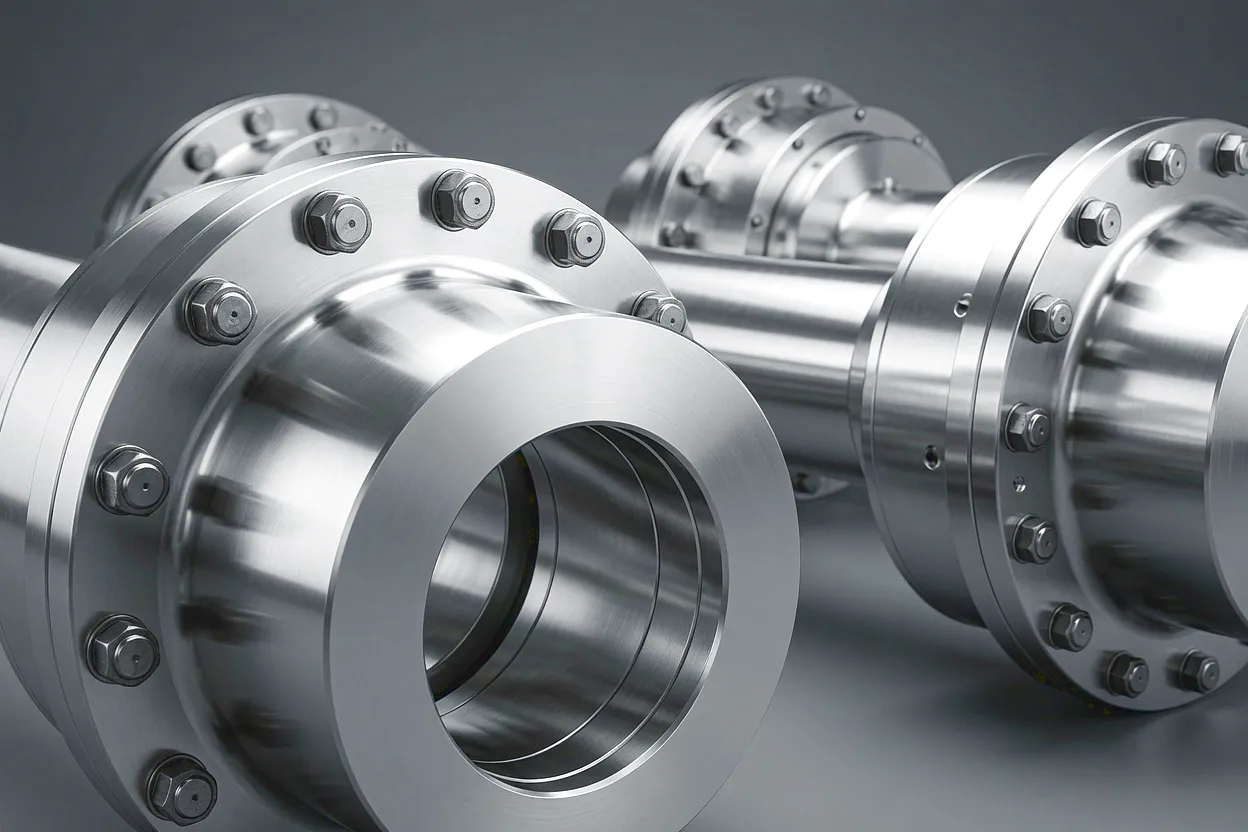
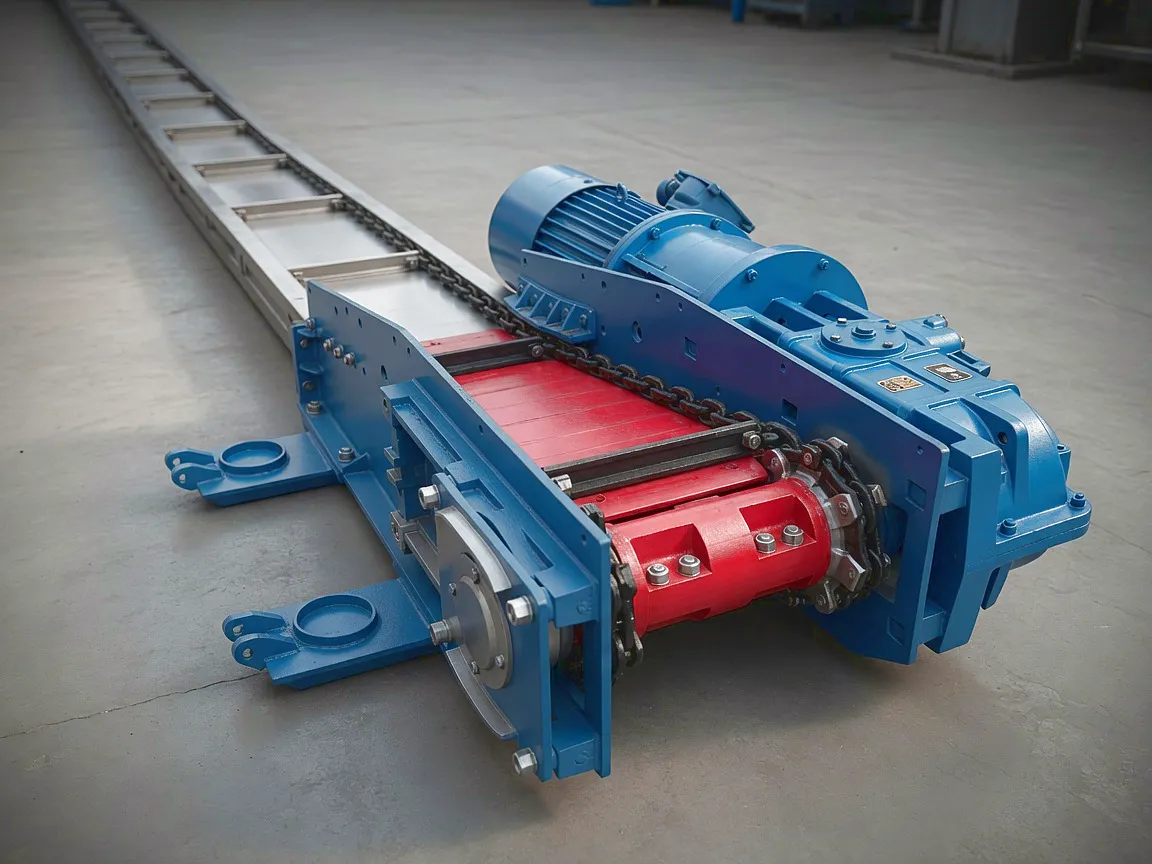
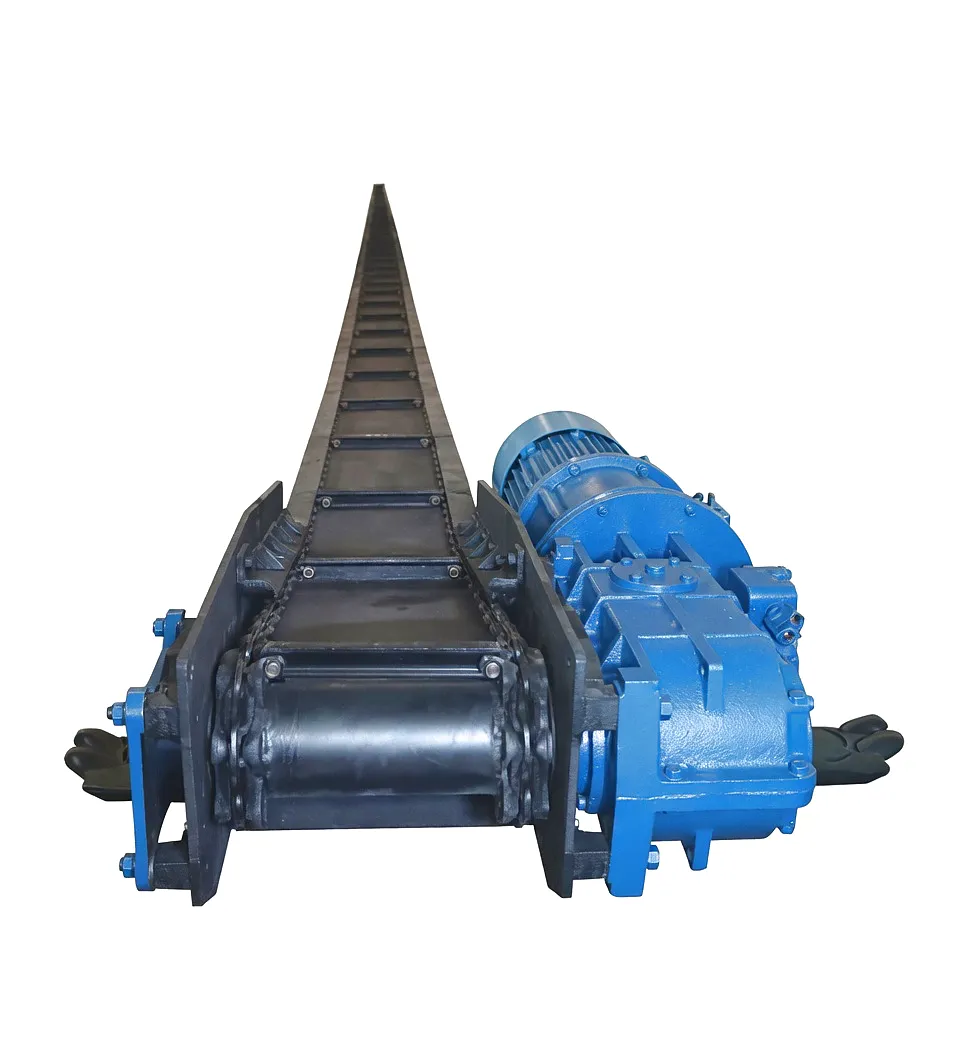
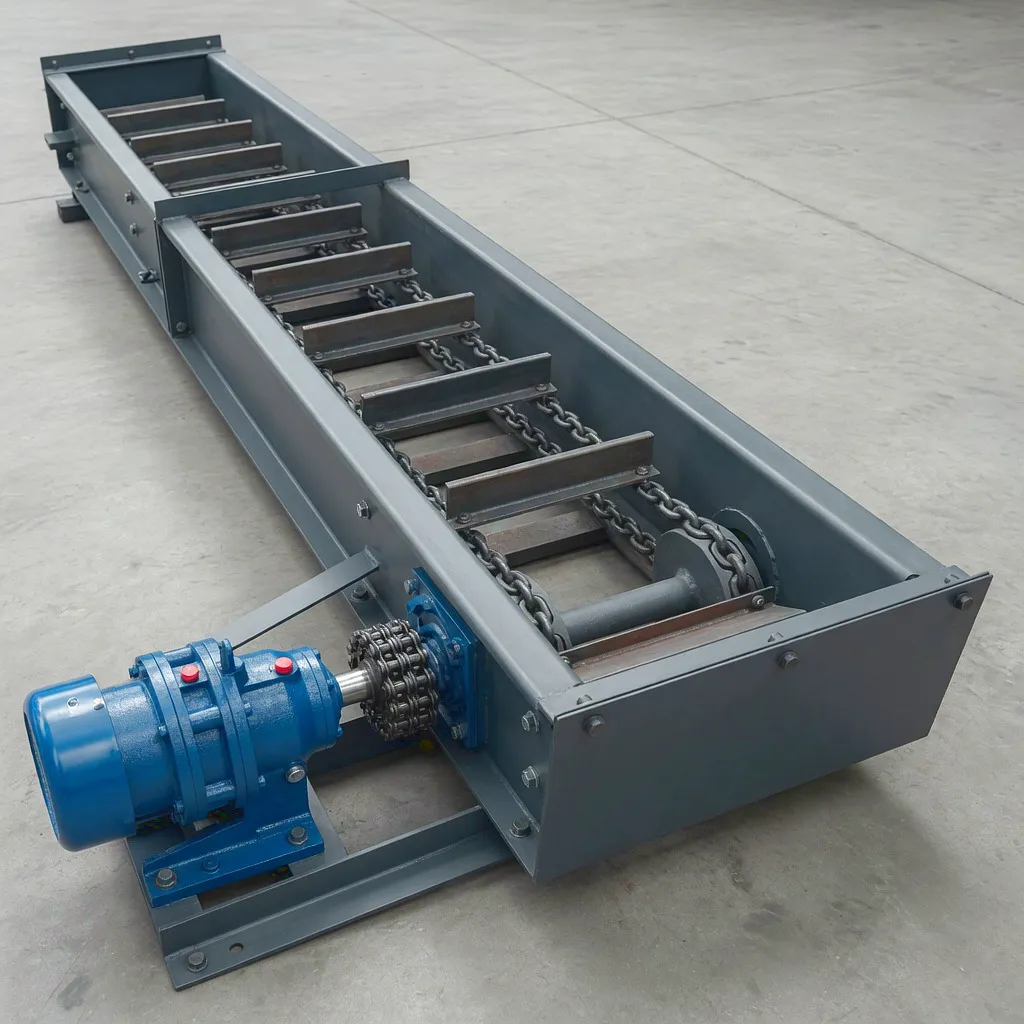
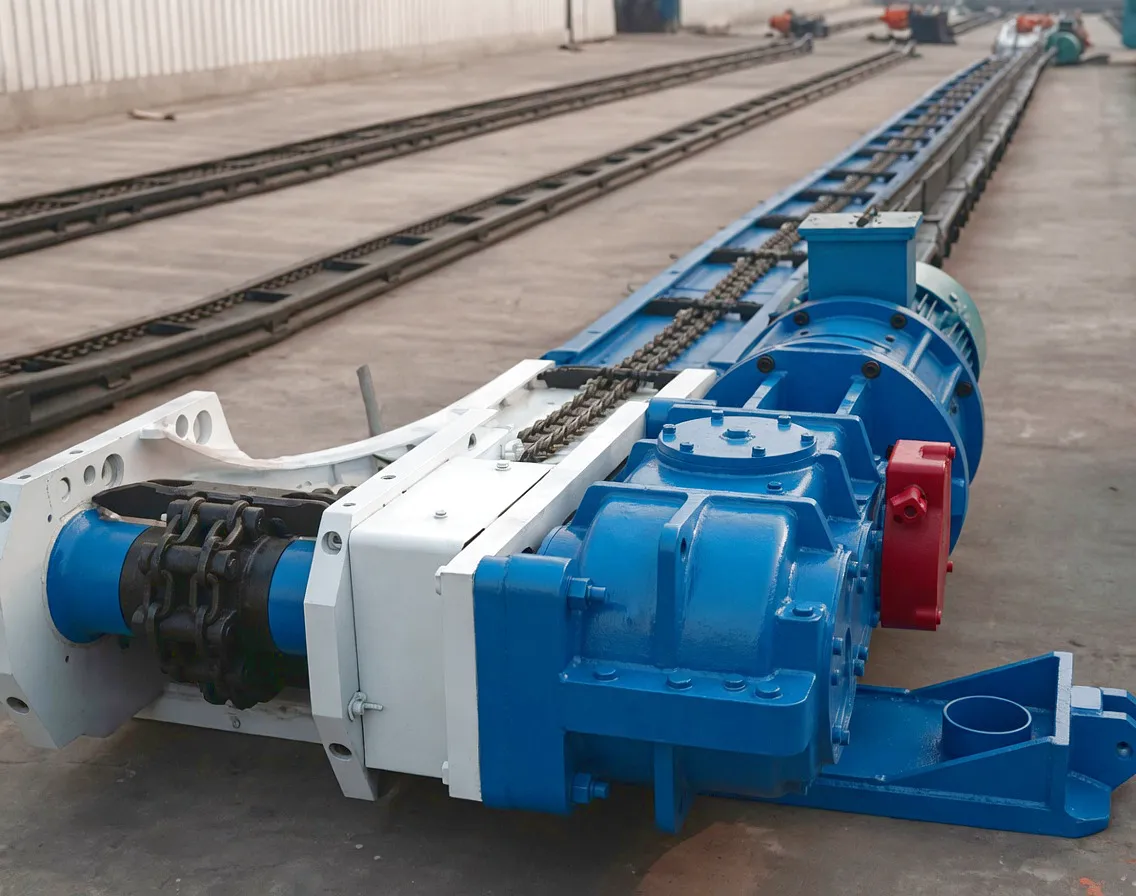
 Walk the gate road of any producing longwall panel in the UK coalfields — Kellingley, Thoresby, Daw Mill in their working years — and the first thing that strikes you is the sheer mass of the armoured face conveyor stretching hundreds of metres into the dark. That face conveyor, almost universally a scraper conveyor, depends on one mechanical component more than any other to convert motor torque into reliable chain pull: the gear coupling. Misalignment, shock loading, coal dust, and methane atmospheres all conspire against every mechanical joint in that driveline. A gear coupling that is correctly specified and properly maintained will outlast three sets of drive sprockets; one that is merely adequate will become the weakest point in a system costing millions of pounds to keep productive.
This guide is written for mechanical and electrical engineers, procurement managers, and maintenance supervisors who are either specifying a new scraper conveyor installation or looking to reduce coupling-related downtime on an existing face. It covers the operating environment in detail, explains why the involute tooth geometry of a drum-type gear coupling is the dominant technology in this application, and presents the technical parameters and selection criteria that separate a fit-for-purpose coupling from a liability underground.
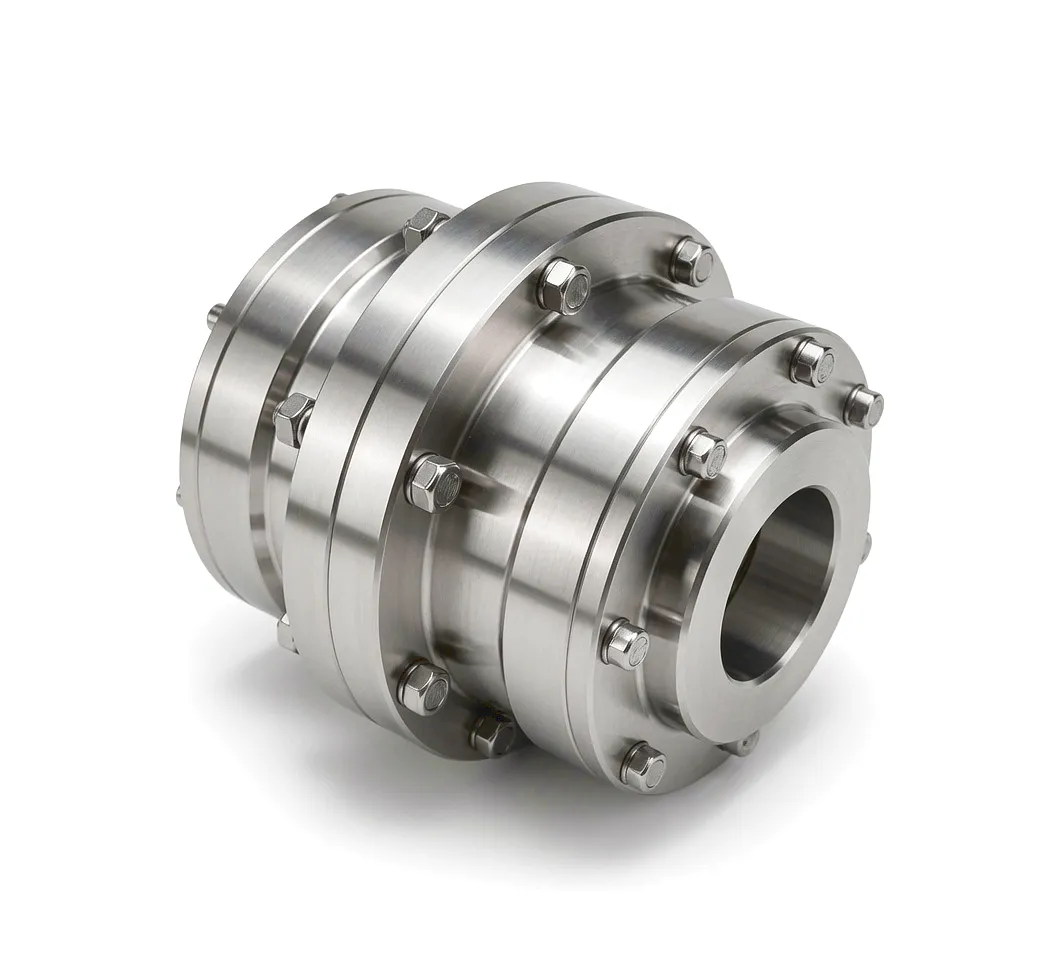
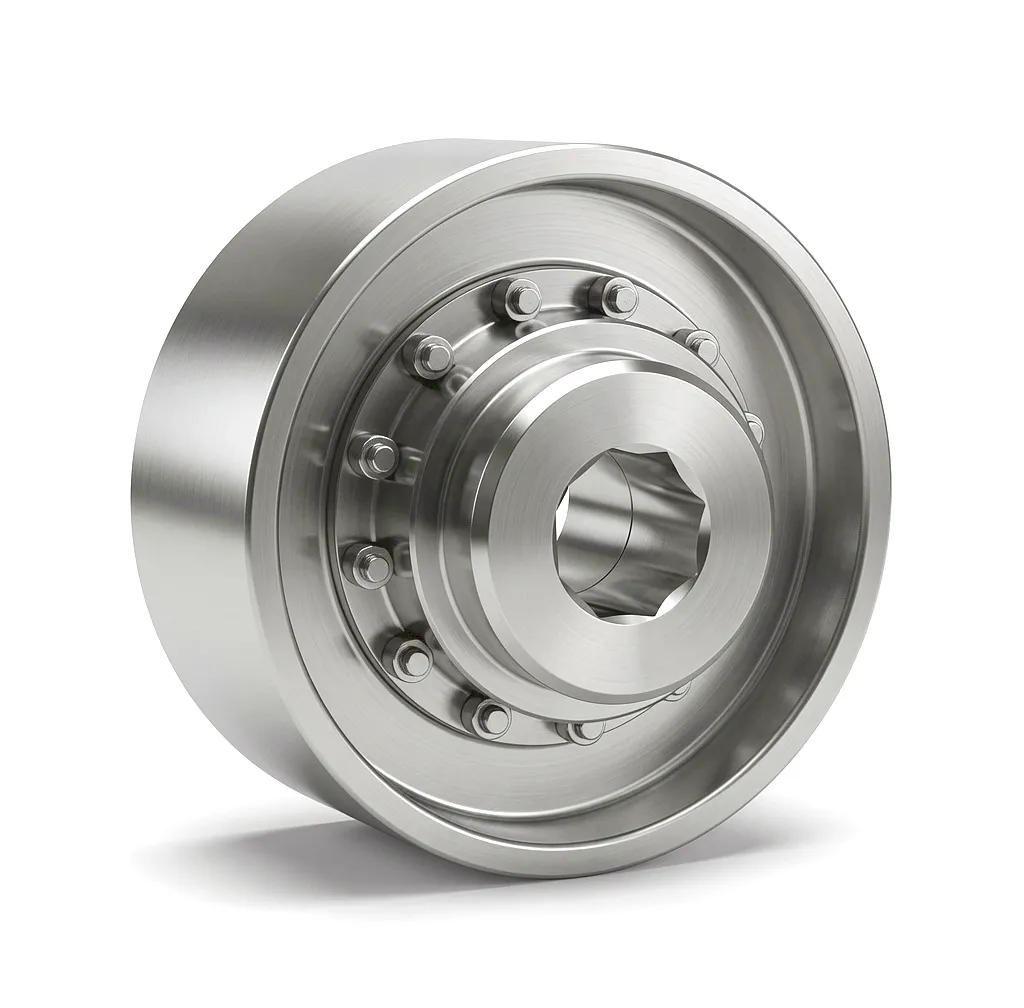
GICL / NGCL Drum Gear Couplings
Ever Power manufactures drum-type gear couplings purpose-built for the extreme torque, misalignment, and environmental demands of underground scraper conveyor drivetrains. Custom bore sizes, shaft configurations, and ATEX-compatible materials available on request.
What the Underground Environment Actually Does to a Coupling
Underground coal faces in the UK — and across longwall mines globally — impose a combination of stresses that would destroy a standard industrial coupling within weeks. The scraper conveyor runs in a sealed, dust-laden atmosphere where coal fines infiltrate every gap. Relative humidity is consistently above 90%, which accelerates corrosion of ferrous surfaces and degrades lubricant film strength. Temperature in the working face can reach 35–40°C due to geothermal heat, compressed air systems, and the heat generated by high-power motors running continuously at 80–100% load.
The mechanical loading profile is equally severe. Under normal operating conditions, the installed motor power behind a single scraper conveyor drive head ranges from 400 kW to over 1,000 kW per motor, with two to four drives common on large longwall installations — giving total installed capacities of 2,000–3,000 kW or higher. But it is not the steady-state torque that destroys couplings; it is the impact loading. When a shearer cuts through a hard stone band, or when a full-length face load avalanches onto the pans after a roof weighting event, the chain tension spikes in milliseconds. That shock pulse travels back through the gearbox to the coupling and beyond. A rigid or semi-rigid coupling transmits this pulse unchanged; a gear coupling with crowned teeth absorbs and distributes it across the tooth contact band.
Shaft misalignment is a third and perpetual challenge. As the face advances and supports are repositioned, the drive head structure flexes. Foundation settling, thermal expansion of motor casings, and the simple reality that underground installation cannot achieve surface-level precision alignment all mean that the coupling must tolerate angular misalignment of up to 1.5° and parallel offset of several millimetres — simultaneously, and while transmitting full rated torque. The drum-type gear coupling handles all three misalignment modes through the geometric relationship between its crowned outer teeth and the straight inner tooth profiles of the sleeve.
Key stress factors:
• Shock torque 3–5× rated
• Dust & 90%+ RH ingress
• Angular + offset misalignment
• Continuous high-load duty
• ATEX / methane zone compliance
Why the Drum-Type Gear Coupling Dominates Scraper Conveyor Drivetrains
Crowned Tooth Geometry
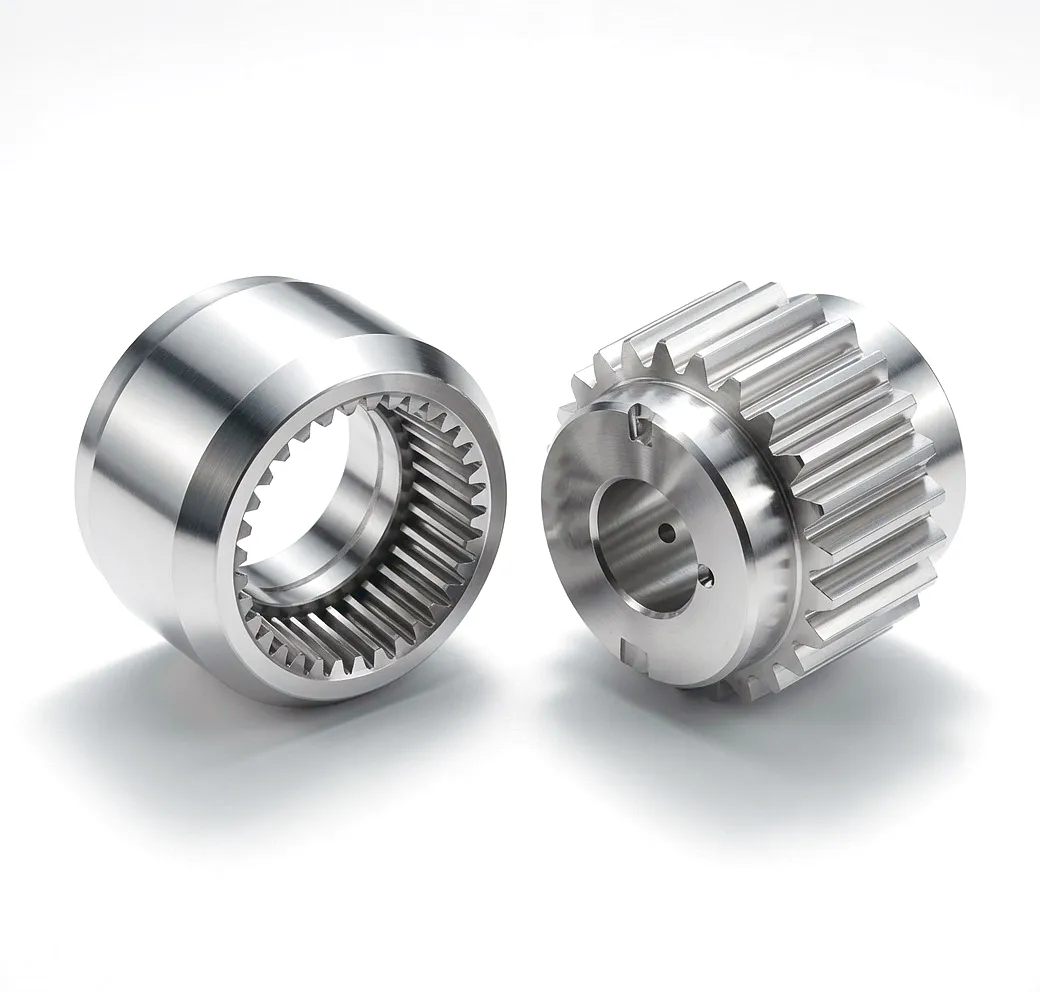
The barrel-profile (crowned) outer teeth of the hub engage with straight sleeve teeth across a moving contact band. This geometry distributes bending stress uniformly regardless of angular deflection, avoiding the edge-loading that destroys spur-tooth couplings under misalignment.
High Torque Density
The involute tooth form achieves remarkably high torque per unit mass. A properly rated GICL or NGCL coupling transmitting 20,000 N·m may weigh under 80 kg, keeping the overall driveline package compact enough to fit within the restricted gate road dimensions typical of UK longwall faces.
Sealed Lubrication
Drum gear couplings for mining duty are sealed with precision O-rings and labyrinth paths to retain grease lubrication against the jet-washing and dust conditions of a coal face. Extended re-greasing intervals of 2,000–4,000 operating hours are achievable with correct assembly and the right food-grade or EP grease specification.
Ease of Underground Maintenance
Split-sleeve designs allow coupling inspection and replacement without disturbing the motor-to-gearbox alignment or removing shaft assemblies. In a working face environment where every minute of downtime has a measurable cost in lost tonnes, this attribute is not a luxury — it is a design requirement that experienced colliery engineers specify as mandatory.
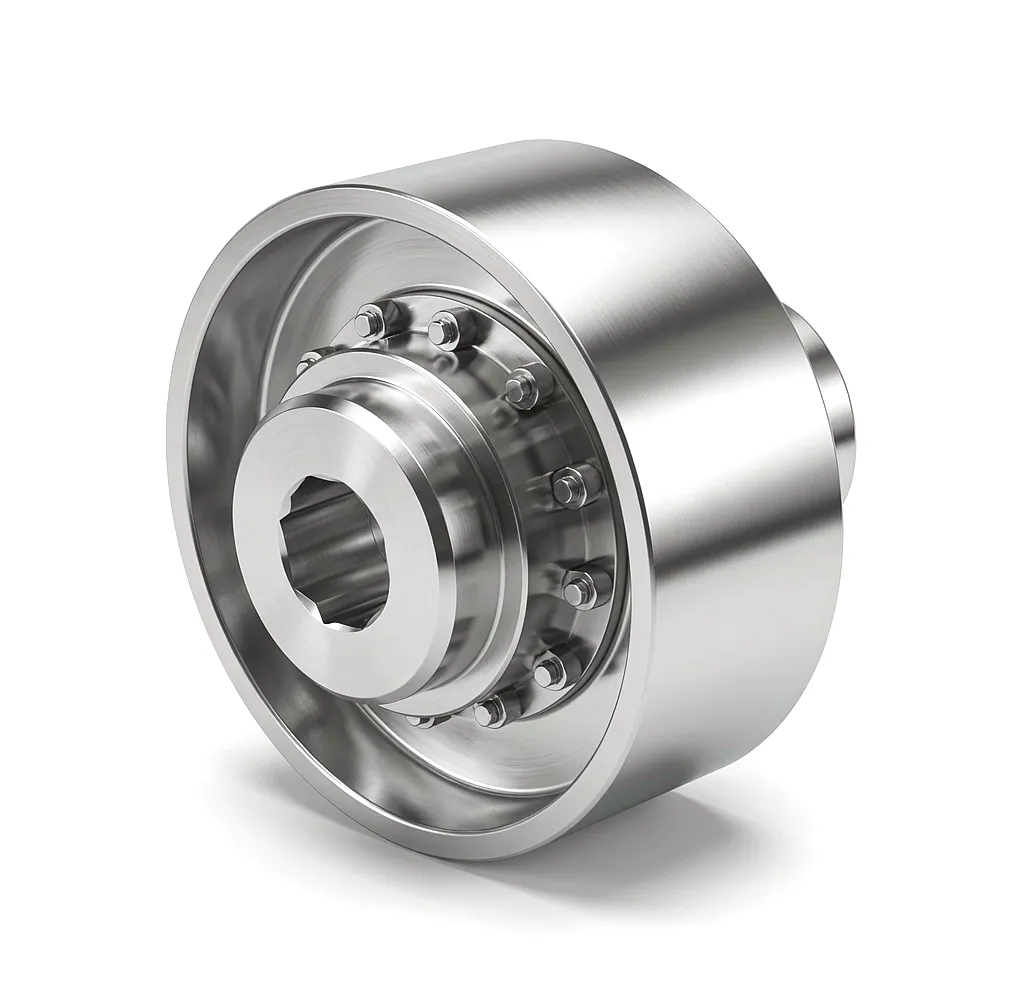
Technical Performance Parameters — Ever Power Drum Gear Couplings for Mining
The table below covers the primary performance envelope of Ever Power’s GICL and NGCL series drum gear couplings as applied to scraper conveyor drivetrains. These values represent standard catalogue performance; custom grades, bores, and keyway configurations are available for non-standard gearbox output shafts common in legacy UK mining equipment.
| Parameter | GICL Series | NGCL Series | Unit |
|---|---|---|---|
| Rated Torque Range | 500 – 100,000 | 800 – 160,000 | N·m |
| Max Speed | 3,600 – 650 | 2,800 – 500 | rpm |
| Angular Misalignment | Up to 1.5° | Up to 1.5° | degrees |
| Radial Offset | 0.2 – 2.0 | 0.3 – 3.0 | mm |
| Hub Material | 42CrMo / 40Cr | 42CrMo / 40Cr | — |
| Tooth Surface Hardness | HRC 50–58 | HRC 50–58 | Rockwell C |
| Sleeve Material | Cast Iron / 45 Steel | Cast Iron / 45 Steel | — |
| Bore Range | 25 – 280 | 30 – 360 | mm |
| Service Factor (Mining) | 2.0 – 3.5 recommended | 2.0 – 3.5 recommended | × |
* Values for standard catalogue sizes. Custom torque grades and shaft configurations available on request. Contact Ever Power for project-specific sizing support.
Materials, Working Principle, and Mining-Grade Construction
 A drum gear coupling in a scraper conveyor driveline consists of two hubs — one keyed to the gearbox output shaft, one to the conveyor drive sprocket input shaft — and an outer sleeve that spans the gap between them. The hubs carry the crowned external teeth. The sleeve carries matching straight internal teeth. Torque is transmitted by tooth-on-tooth mesh at both hub–sleeve interfaces simultaneously. The barrel curvature of the hub teeth — typically a crown radius of 2–8 times the pitch circle radius depending on the torque class — provides the misalignment capacity by shifting the contact ellipse without introducing bending moments that would otherwise load the shaft bearings.
Material selection for underground mining duty differs substantially from standard industrial practice. Ever Power uses alloy steel grades 42CrMo and 40Cr for hubs and internal ring gears. These steels are through-hardened and then surface-hardened to HRC 50–58 by carburising or induction hardening, delivering a tough core that resists the shock loads of a stalled chain event while presenting a hard, wear-resistant tooth surface to the sliding contact. The outer sleeve is typically grey cast iron for standard duties or spheroidal graphite (ductile) iron for shock-intensive applications. All internal surfaces are phosphated or zinc-plated prior to assembly for base corrosion resistance, and the tooth flanks are supplied pre-lubricated with extreme-pressure grease meeting NLGI #2.
Sealing in the mining-grade variants involves double-lip radial shaft seals combined with a labyrinth groove, a combination that has proven capable of retaining grease for full face panel lives of six to eighteen months without re-greasing in moderately dusty conditions. Where re-greasing is required, the sleeve carries a standard grease nipple, accessible after removing a small cover plate, an operation achievable in under ten minutes by two technicians even in confined face conditions.
Application Scenarios Across the UK Mining and Heavy Industry Landscape
While the primary focus of this article is the scraper conveyor in underground coal mining, the characteristics that make drum gear couplings indispensable on the longwall face — high torque density, misalignment tolerance, shock absorption, and sealed lubrication — translate directly to a broad range of adjacent industries present in the UK’s industrial heartland across Yorkshire, Nottinghamshire, County Durham, and South Wales.
⛏️ Longwall AFC / BSL Drives
Armoured face conveyor (AFC) and beam stage loader (BSL) head and tail drives, typically 400–1,000 kW per motor position, with multiple drives in parallel — the classic gear coupling application in UK deep mining.
🏭 Surface Preparation Plants
Coal washing, screening, and heavy-media separation plants at surface, where belt feeders and vibrating screens driven through gearboxes share the same misalignment and shock-load conditions encountered underground but in slightly less constrained space.
🔩 Steel Plant Roller Tables
Hot and cold rolling mill roller tables in UK steel plants — Port Talbot, Scunthorpe, Rotherham — where thermal expansion misalignment, high torque, and frequent reversals create demands identical to those on a scraper conveyor face drive.
⚓ Marine Cargo Handling
Bulk cargo unloaders and shipboard conveying systems in UK ports — Immingham, Grimsby, Sunderland — where salt atmosphere, constant vibration from ship motion, and rapid torque reversals during grab cycles replicate underground conditions.
Six Reasons Why Scraper Conveyor Engineers Specify Ever Power Gear Couplings
🎯
Precision Gear Grinding
Tooth flanks are CNC ground to DIN 6 accuracy class as standard, giving contact patterns that distribute load across 70–80% of the tooth face width. This stands in contrast to hobbed-only teeth where contact may be limited to 30–40% under misalignment, dramatically shortening service life in high-load cycling applications like an AFC drive.
🔬
Full Material Traceability
Every coupling destined for a mining or safety-critical application ships with material test certificates (MTCs) to EN 10204 3.1 for all structural components. This supports the UK Mines Regulations 2014 duty-holder requirements for documented inspection and fitness-for-service records throughout the coupling’s working life.
⏱️
Short Lead Times for UK Delivery
Standard GICL and NGCL couplings up to GICL 16 (rated torque ~25,000 N·m) are held in finished machined stock, ready for expedited shipping to any UK port. Custom sizes and bore machining are typically completed and tested within 3–6 weeks of order confirmation, meeting the timeline pressures of planned face-change outages.
📐
Interchangeable Bore Sizes
Hub bores are machined after sleeve assembly, so a single coupling size can be supplied with different drive-side and driven-side bores within the same torque class. This matters enormously on older AFC drives where gearbox output shafts may be metric while the drive sprocket input is imperial — a legacy mix-up that continues to catch out purchasing teams in UK colliery workshops.
💰
Transparent Pricing
Ever Power operates with a single-tier pricing model without distributor mark-ups. UK buyers receive a direct factory quote that includes dimensional drawings, material certificates, and a statement of torque rating methodology, removing the uncertainty that engineering teams often face when comparing suppliers of differing nominal “same size” products.
🔄
Shock Load Overrating
Mining duty couplings leave the factory rated to service factor class 3 (severe shock), which for scraper conveyor drives translates to an effective peak torque capacity of 3.5× the catalogue rated torque. This built-in reserve handles the chain-stall and restart conditions that would otherwise cause fatigue cracking at the root of spur-tooth coupling hubs.
Ever Power Gear Coupling Product Range
Customer Success: Reducing Unplanned Face Stoppages at a Yorkshire Longwall Operation
Case Study
Hatfield Colliery Power Transmission Upgrade — South Yorkshire, England
Background: A Doncaster-area mine operator was experiencing an average of three to four coupling-related face stoppages per month on their main longwall AFC. The existing couplings — sourced from a European supplier — were showing premature tooth wear and grease leakage after approximately six months in service. The maintenance team estimated the average cost of each unplanned stoppage, including lost production and labour, at approximately £28,000.
Challenge: The gearbox output shaft on the existing Chinese-manufactured drive units was a non-standard 220 mm diameter with a DIN spline profile, while the sprocket input shaft was 240 mm with a parallel key. No off-the-shelf coupling from standard European catalogues matched both ends without an adaptor, which introduced an additional failure point.
Ever Power solution: Following a detailed engineering review, Ever Power supplied NGCL 28 series couplings with a custom 220 mm DIN spline bore on the drive hub and a standard 240 mm parallel key bore on the driven hub. Hub blanks were rough-forged from 42CrMo billet, heat treated to the specified core hardness of 280–320 HB, and then finish-ground on a dedicated CNC gear grinding centre. The complete engineering-to-delivery cycle ran to 26 working days, fitting within the planned quarterly maintenance window.
Outcome: Over the subsequent twelve months of face operation, the Yorkshire mine recorded zero coupling-related face stoppages. Tooth wear measurements taken at the 6-month inspection showed less than 0.08 mm of flank wear — well within the 0.25 mm condemnation limit. The mine engineering manager estimated that the reduction in unplanned stoppages contributed a net saving of approximately £330,000 in recovered production tonnes over the panel life.
Results At a Glance
3–4 / month
0 / 12 months
~£330,000
26 working days
What UK Engineers Say
“We’d been through four different coupling suppliers in three years on our main AFC. Ever Power was the first to actually review our gearbox data sheets before quoting. The crowned tooth geometry makes a real difference in a gate road where precise alignment is simply not achievable.”
James Hartley
Senior Mechanical Engineer, Coal Mining Operations — Nottinghamshire, UK
“The price was noticeably lower than what we’d been paying a UK distributor for what turned out to be the same Chinese-sourced parts. But the quality control on Ever Power’s gear grinding was demonstrably better — we checked the contact patterns ourselves. We now spec them as preferred on our BSL drives as well.”
Brian Schofield
Engineering Manager, Bulk Materials Handling — Port of Immingham, Lincolnshire
“We run a coal preparation plant in South Wales and needed couplings for six feeder drives with a very tight bore tolerance. Ever Power supplied drawings within 48 hours and confirmed material specifications on request. Delivery to our site in the Rhondda Valley was inside four weeks. Every coupling passed our incoming QC.”
Rhodri Evans
Plant Engineering Supervisor, Coal Preparation — Rhondda Valley, Wales
Ever Power Manufacturing Facility — Custom Engineering at Scale
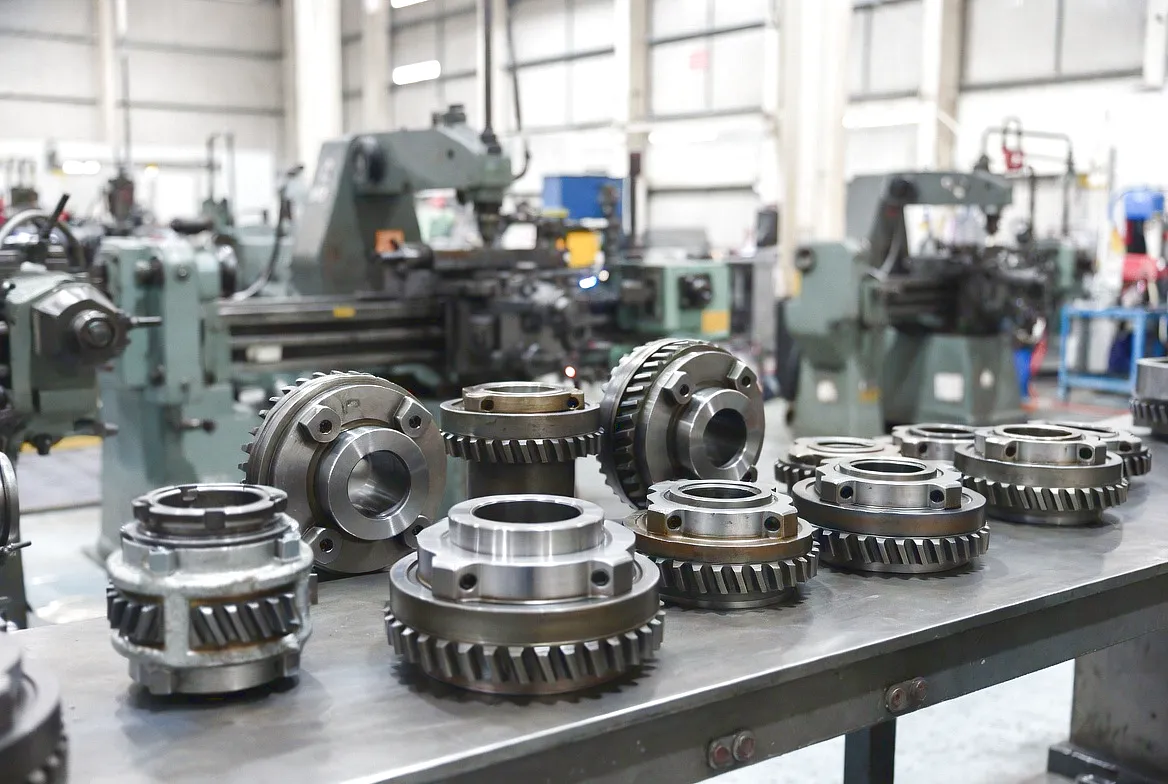
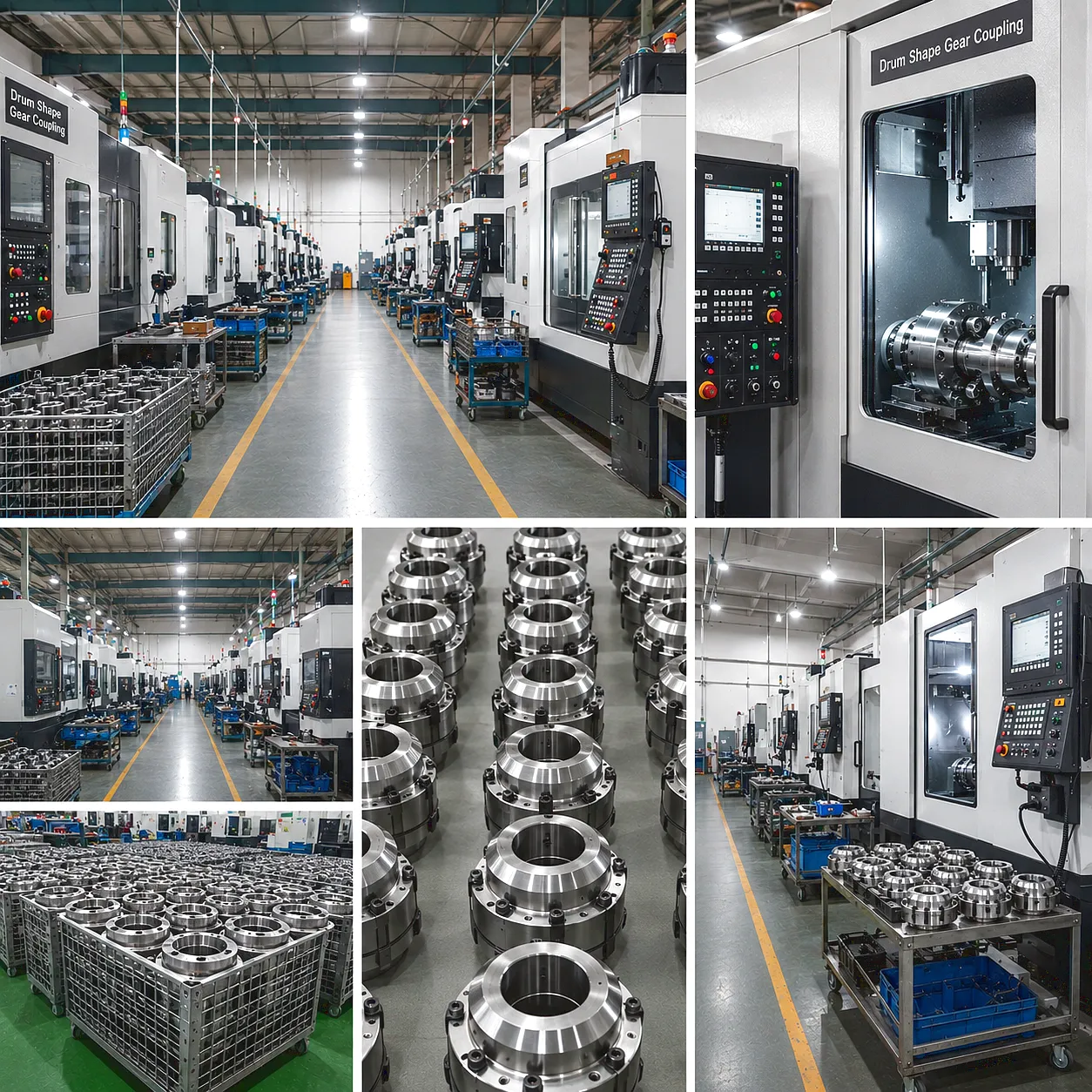
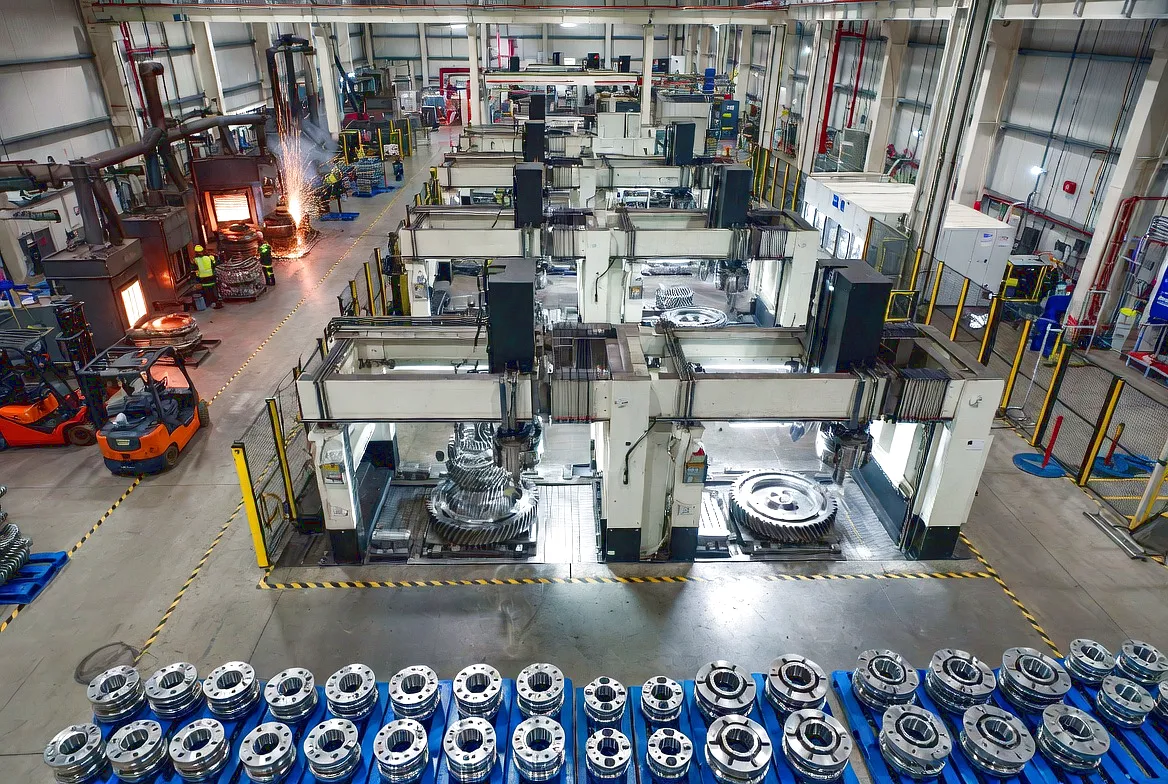
The Ever Power manufacturing facility operates a fully integrated production chain from raw bar and forging stock through heat treatment, CNC rough turning, gear hobbing, carburising and quenching, CNC gear grinding, and final assembly and inspection. This vertical integration — uncommon among coupling suppliers of equivalent price point — gives the engineering team direct control over every variable that determines coupling quality, from the composition certification of incoming steel to the pitch and lead accuracy of finished gear teeth.
Customisation capability is a genuine differentiator. The CNC gear grinding centres can handle module sizes from 2 to 16 and face widths up to 280 mm in a single setup, which accommodates the full torque range of scraper conveyor AFC and BSL applications. Bore machining handles diameters from 25 mm to 360 mm with H7 tolerance as standard, tighter tolerances on request. Keyway broaching, spline hobbing (both metric DIN and imperial AGMA profiles), and shrink fit surface preparation are all available in-house.
For UK mining clients with legacy equipment, the company maintains a dimensional database of over 2,400 obsolete coupling reference numbers from discontinued European and American product lines. In most cases a direct replacement can be machined to match the original coupling envelope dimensions precisely, avoiding the need to modify gearbox housings or shaft stubs — a modification that would otherwise require colliery engineering approval under UK Mines Regulations.
Request a Custom Engineering Quote
Supply your gearbox output shaft dimensions, rated motor power, and operating speed. Ever Power’s application engineers will return a sizing recommendation, dimensional drawing reference, and indicative price within 24 hours for standard enquiries.
How to Select the Right Gear Coupling for Your Scraper Conveyor Drive — A Practical UK Buyer’s Guide
Gear coupling selection for scraper conveyor applications follows a straightforward process once the drive parameters are documented. The common failure modes on face drives — premature tooth wear, grease leakage, sleeve cracking, and hub fatigue fracture — are almost always traceable to one of three errors: under-rating relative to peak torque, incorrect misalignment allowance, or wrong grease specification. The selection process described below addresses all three systematically.
| Selection Step | What to Measure / Obtain | Mining-Specific Note |
|---|---|---|
| 1. Rated Torque | Motor kW × 9550 / rpm (N·m) | Apply service factor 2.5–3.5 for AFC/BSL |
| 2. Shaft Diameters | Gearbox output Ø and sprocket input Ø | Check for mixed metric/imperial on older UK plant |
| 3. Misalignment Survey | Angular (°) and radial offset (mm) at operating temp | Measure during face advance, not static installation |
| 4. Envelope Limits | Max OD, length, and mass allowed in gate road | Gate road height typically 1.8–2.4 m in UK longwalls |
| 5. Grease Specification | NLGI 2 EP, lithium complex base, 40°C viscosity ≥ 220 cSt | Avoid high-viscosity greases in cold British winter surface conditions |
| 6. ATEX / Zone Certification | Zone 1 / Group I M2 for underground coal | Confirm surface finish of external coupling to avoid spark risk |
Frequently Asked Questions
Real questions from UK mining and industrial engineers — answered by our application team
Ready to Eliminate Coupling Downtime on Your Scraper Conveyor?
Send your shaft dimensions and drive motor data to Ever Power’s application engineering team. We will return a coupling selection, dimensional drawing, and firm price — within 24 hours, no obligation.
📩 Get My Free Engineering Quote
Ever Power — Gear Couplings for Scraper Conveyors, Supplied to the UK Mining & Heavy Industry Sectors
edit by gzl