
 Walk the length of any large-scale cement facility in the United Kingdom — whether in the Peak District limestone belt or along the Thames estuary — and the rotary kiln dominates the landscape. These massive steel cylinders, stretching anywhere from 40 to 200 metres and rotating at a measured, almost geological pace, are the absolute heart of clinker production. They demand drive systems that perform without interruption around the clock, across years of continuous operation, under conditions that test every mechanical component to its limit.
At the point where the main motor meets the primary gearbox — and where the gearbox output connects to the pinion shaft — sits a component whose importance is routinely underestimated: the gear coupling. Get it wrong and you face vibration fatigue, premature bearing failure, thermal expansion lock-up, and ultimately an unplanned shutdown that costs a cement plant tens of thousands of pounds per hour in lost production. Get it right and it quietly does its job for a decade or more, absorbing misalignment, damping shock, and transferring torque with exceptional efficiency through every firing cycle.
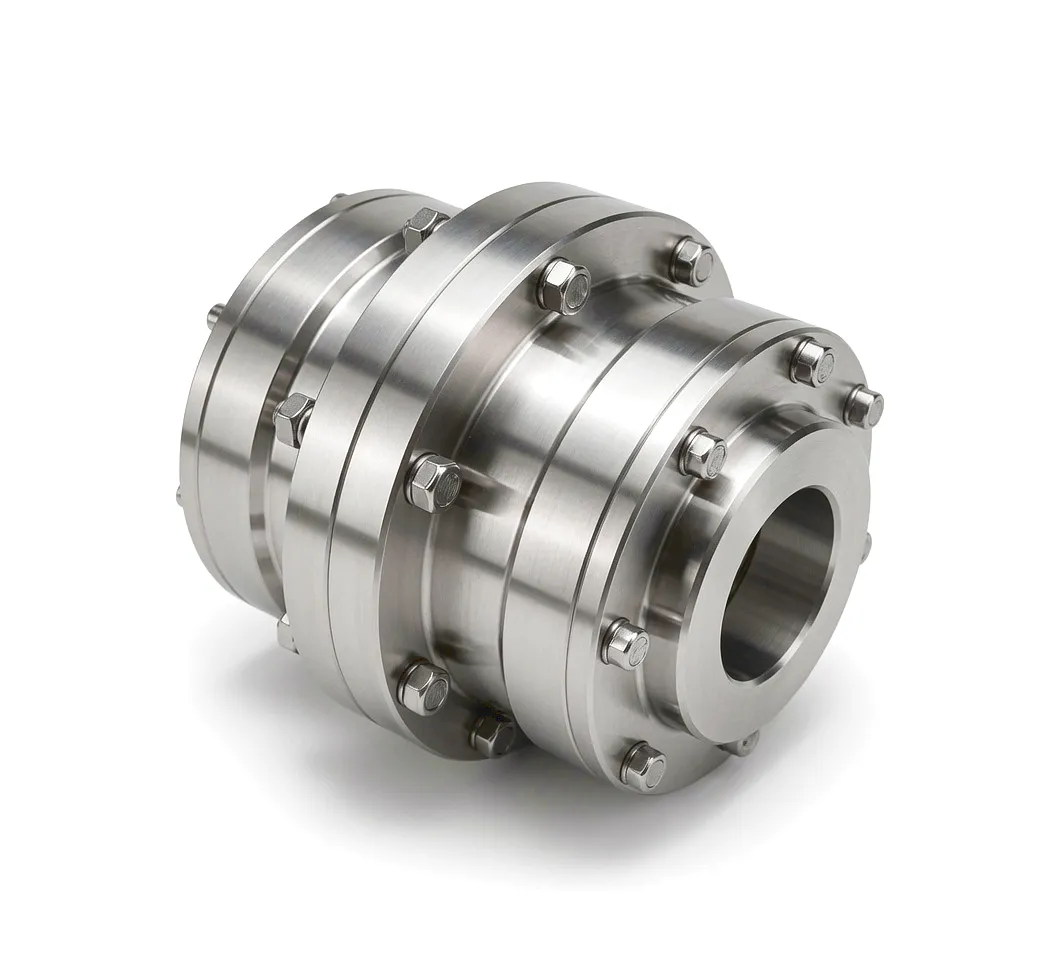
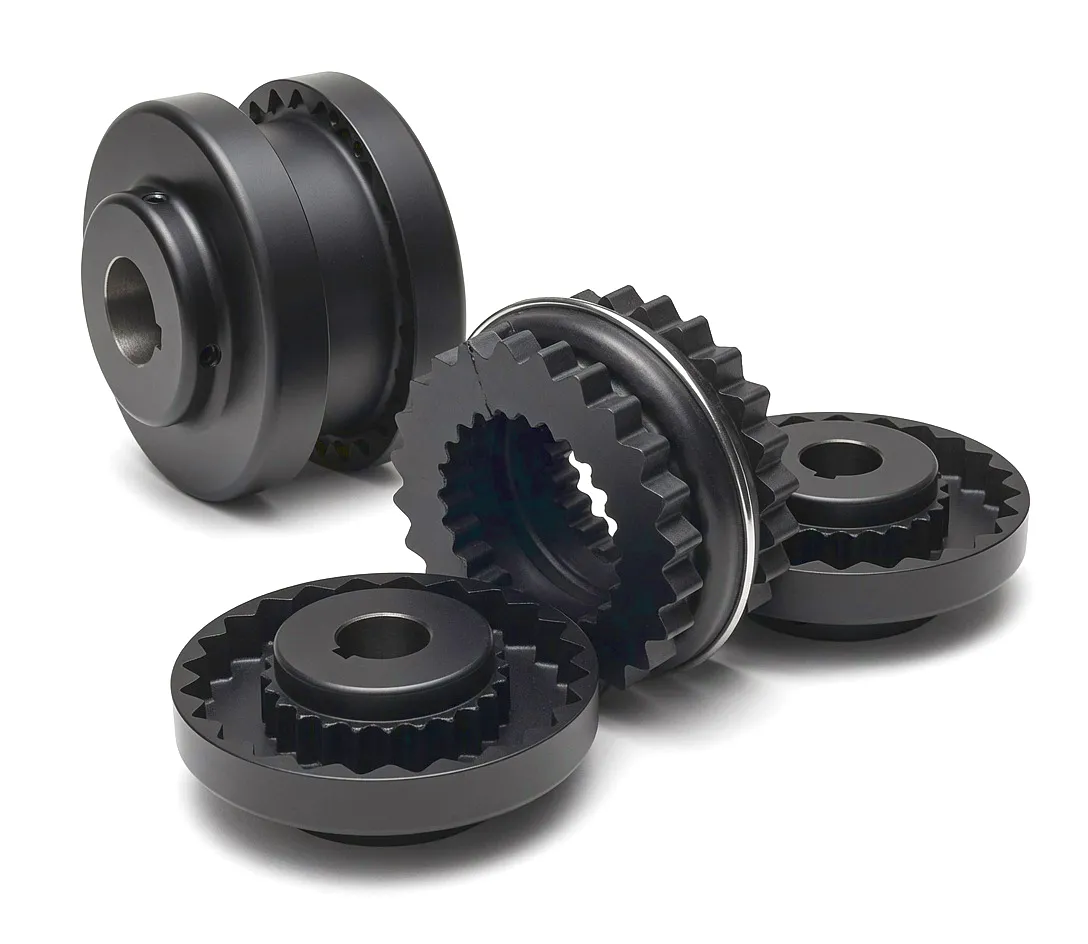
GICL Series Drum-Tooth Gear Coupling — engineered for high-torque rotary kiln drive applications
What Is a Gear Coupling and Why Does It Matter in a Kiln Drive?
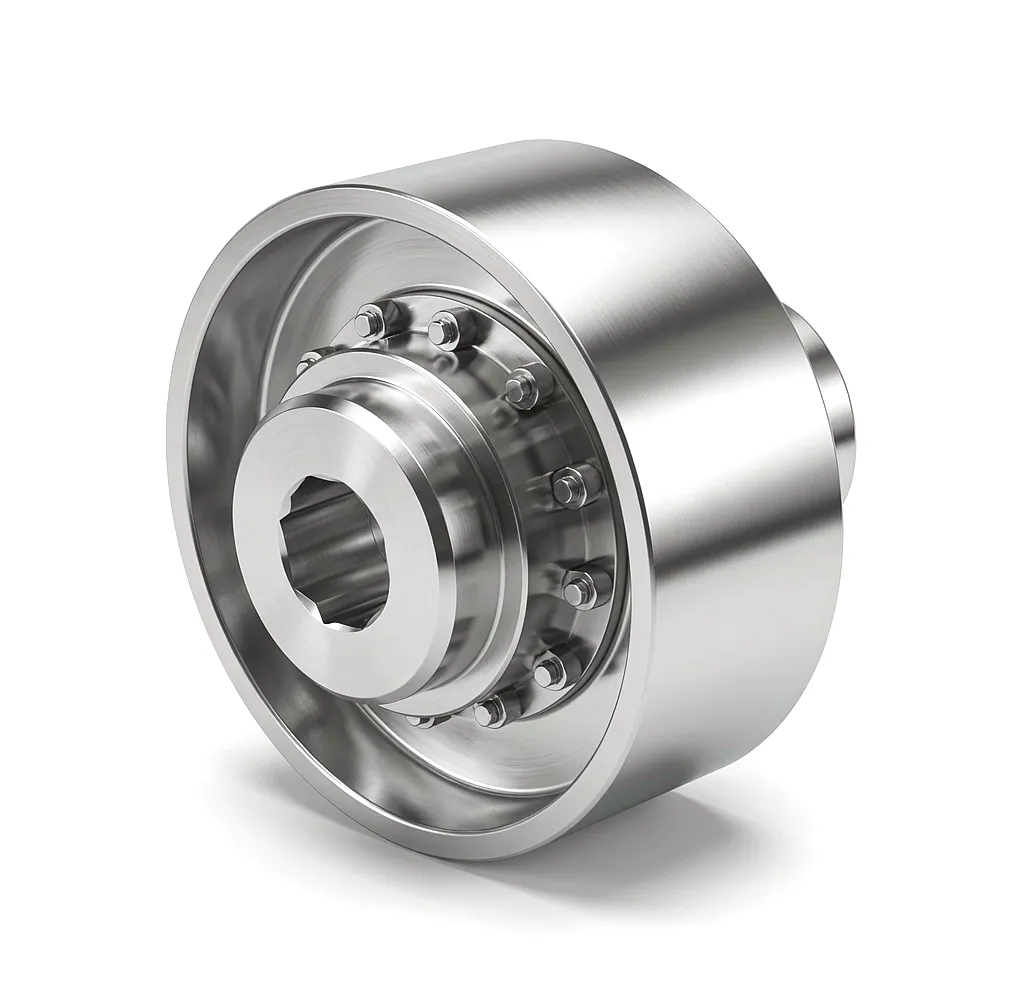 A gear coupling is a mechanical power transmission device that connects two rotating shafts and accommodates misalignment between them — angular, parallel, or axial — while transmitting torque efficiently. Unlike rigid couplings, which demand near-perfect shaft alignment, gear couplings tolerate the real-world imperfections that develop in heavy industrial machinery over time: thermal growth, foundation settlement, bearing wear, and the natural flex of long shaft trains.
The classic gear coupling consists of two externally toothed hubs, each keyed or shrink-fitted to a shaft end, and a surrounding sleeve with internal teeth that mesh with the hub teeth. Torque passes through the tooth mesh; misalignment is accommodated by the crowned tooth geometry, which allows the hub teeth to rock within the sleeve. Lubrication — typically high-performance grease — keeps wear minimal and heat manageable. Modern drum-tooth variants, such as the GICL and NGCL series popular in the UK cement sector, use a barrel-shaped (crowned) tooth profile that dramatically increases misalignment capacity and reduces edge loading on the tooth flanks compared to straight-tooth designs from an earlier era.
In a rotary kiln drive, the gear coupling positioned between the main motor output and the input shaft of the primary reduction gearbox must cope with the full starting torque of the motor — which can be three to five times the rated running torque during cold starts — as well as the torsional shock loads generated when the kiln catches on hard clinker or when process-side conditions cause sudden load variations. The coupling must also accommodate the differential thermal expansion between the motor frame, the coupling itself, and the gearbox housing as the ambient temperature in a kiln drive station can shift by 40°C or more between a winter night-time idle and mid-summer full-production operation.
Gear Coupling in Action — Real Cement Plant Environments
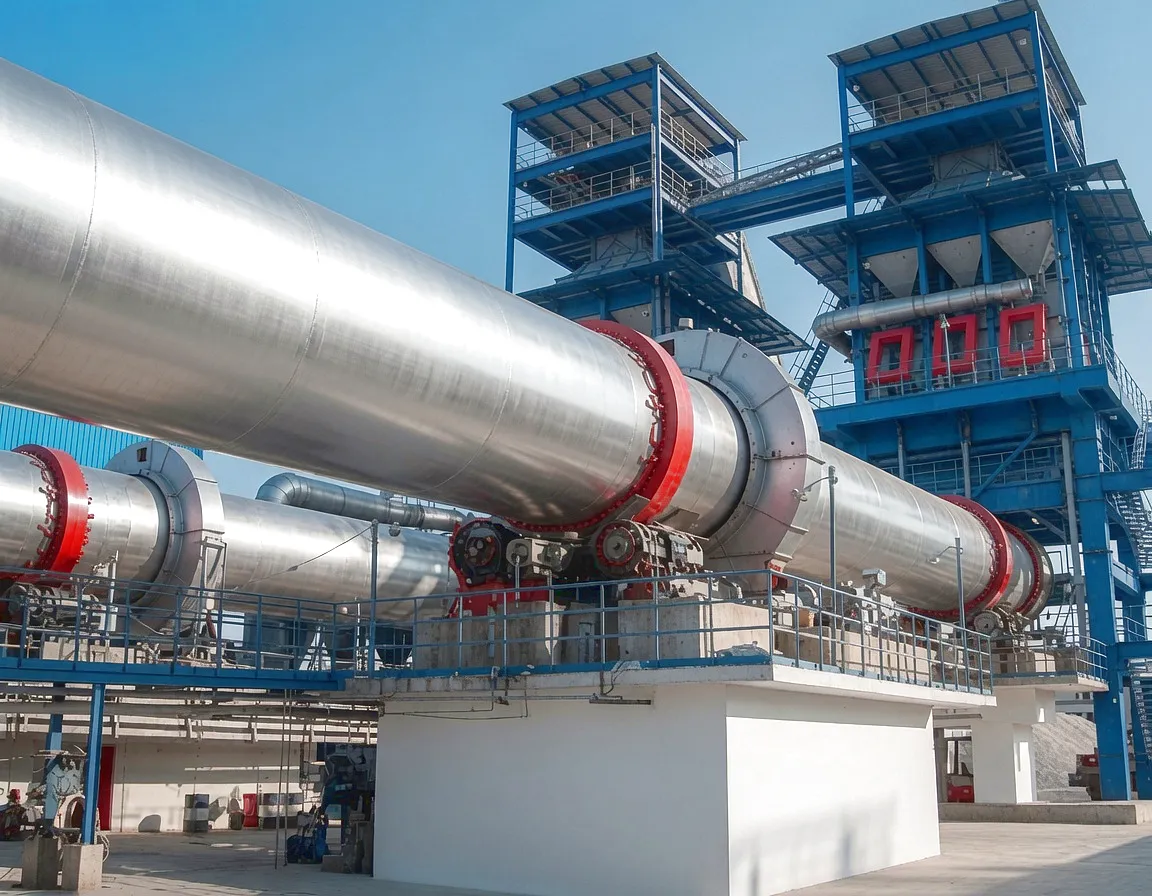
Kiln Drive Station Installation
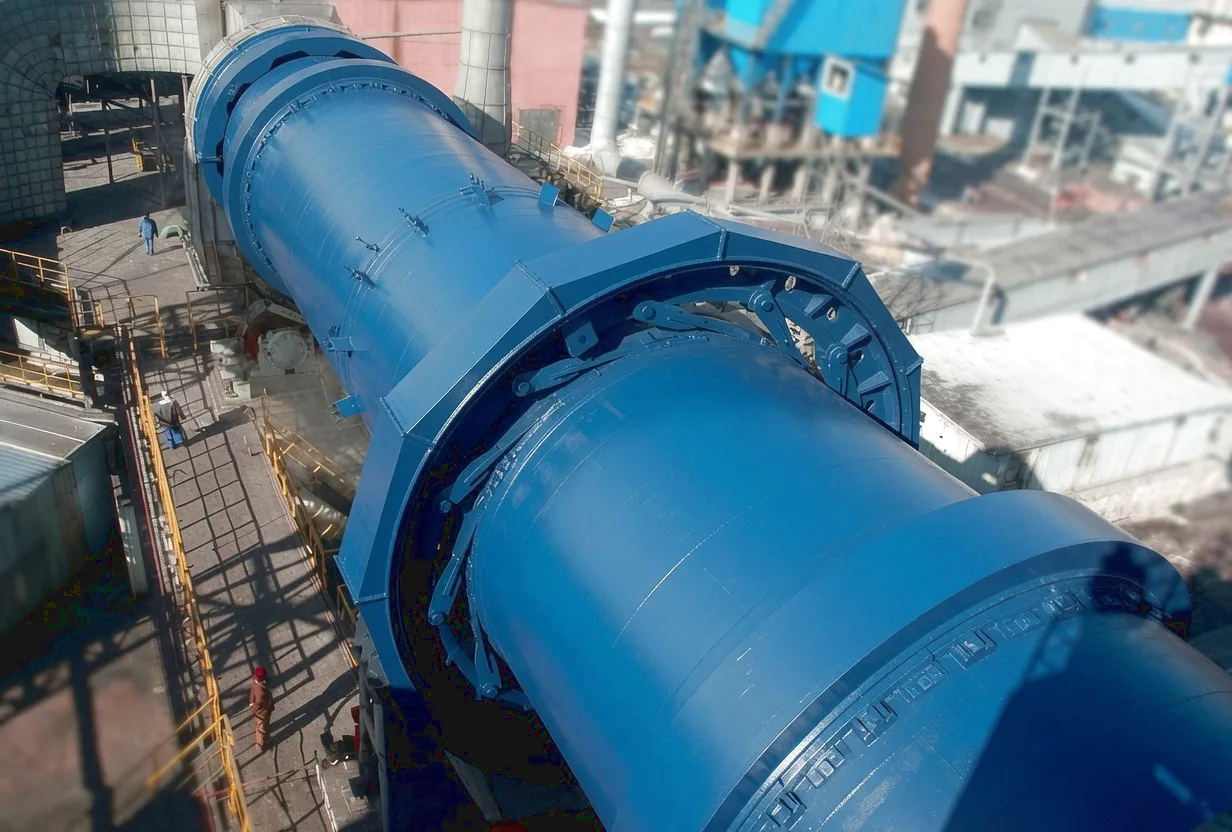
High-Torque Power Transmission
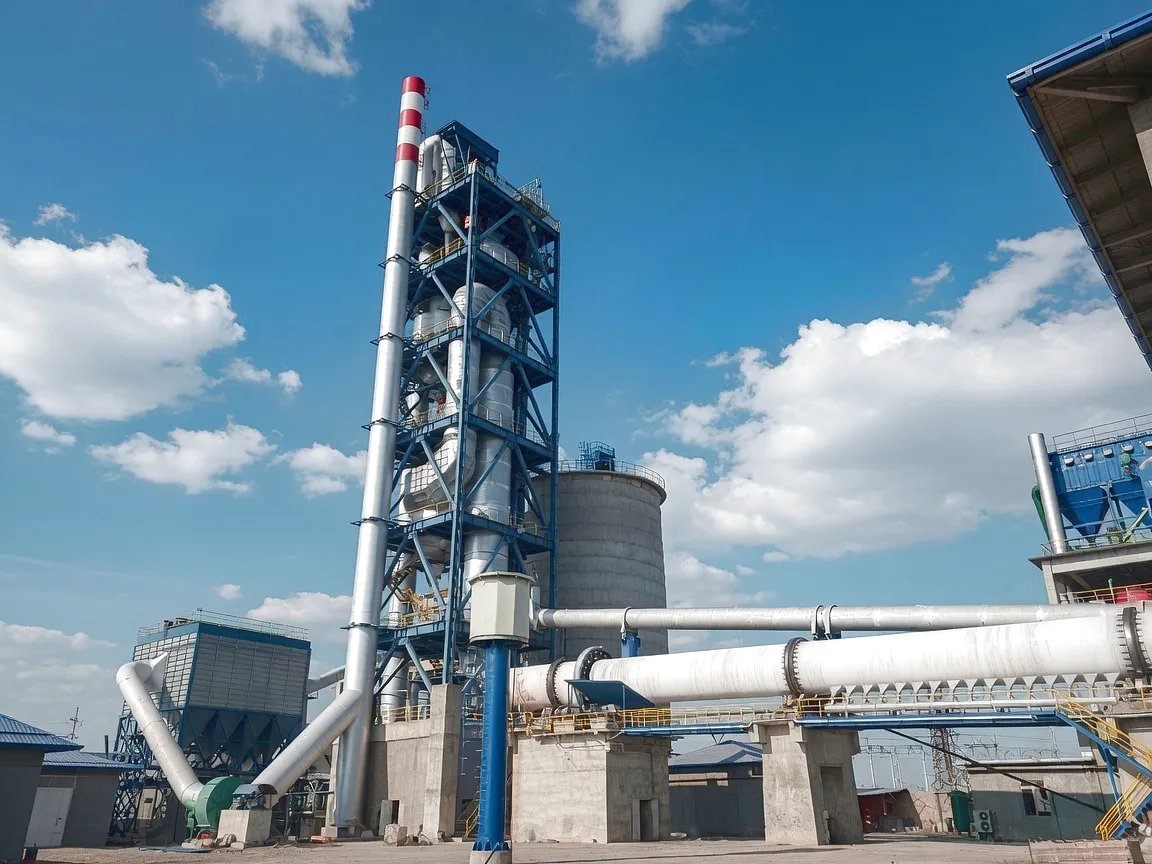
Continuous Operation Under Load
Working Principle, Construction & Materials
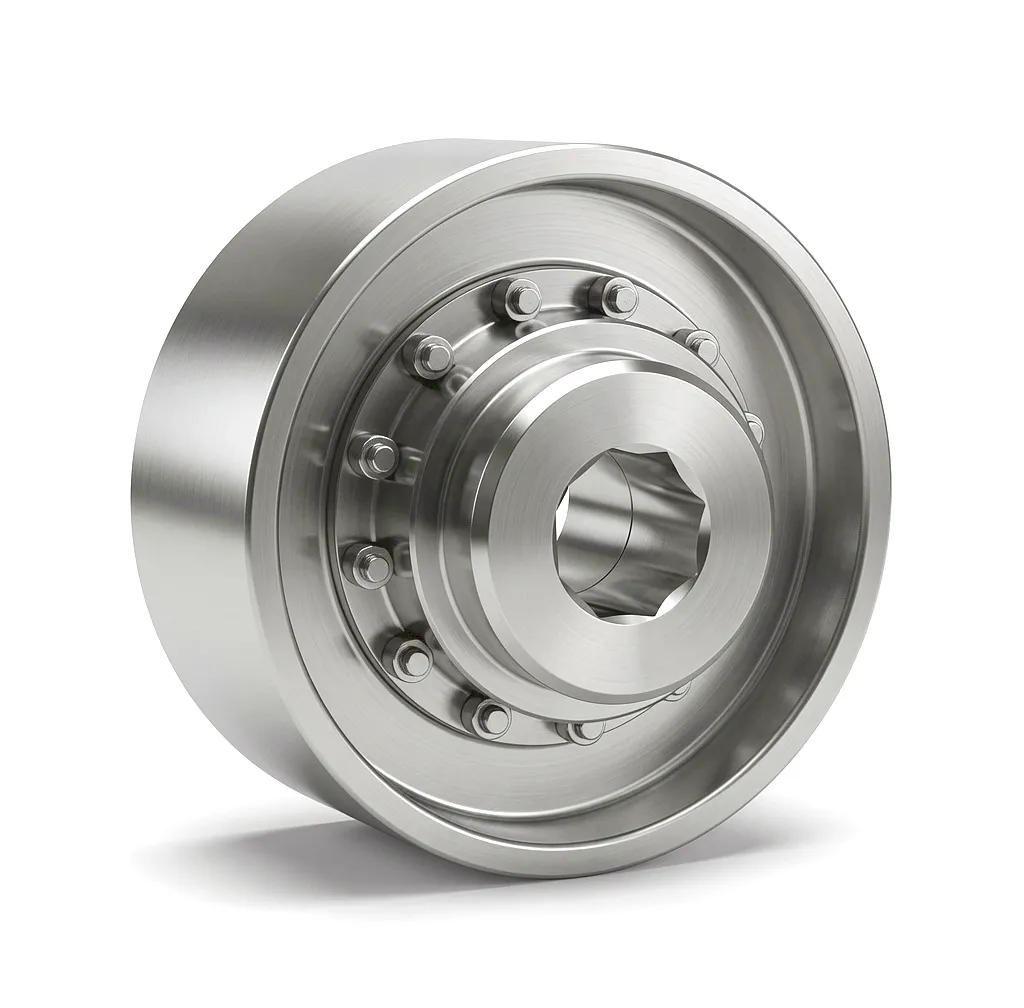 The drum-tooth (barrel-tooth) gear coupling works on a deceptively elegant principle. Power enters through one hub, travels across the crowned tooth mesh to the outer sleeve, and exits through the second hub to the driven shaft. The crowning — that subtle convex curvature applied to the external teeth of each hub — is where the engineering ingenuity lives. As shaft misalignment occurs, the hub teeth rock within the sleeve teeth rather than loading on a single edge. This distributes contact stress evenly across a larger tooth-flank area, reduces Hertzian contact stress peaks by 30–50% compared to spur-tooth designs, and fundamentally extends service life in applications where misalignment is constant rather than occasional.
For kiln drive applications, the hub body is typically manufactured from medium-carbon alloy steel — 42CrMo4 (EN10083) or equivalent — quench-and-tempered to achieve a core hardness of 250–320 HB. Tooth flanks are induction-hardened to 52–58 HRC, providing the contact fatigue resistance needed under the high Hertz pressures generated at full motor torque. The sleeve, which must resist the centrifugal loads at running speed as well as containing the grease under pressure, is forged from the same steel grade and heat-treated to match. Where weight is critical or where corrosive environments demand it, stainless steel or ductile iron variants are available, though alloy steel remains the preferred choice for the kiln drive station environment.
⚙ Hub Material
42CrMo4 alloy steel, quench & tempered, 250–320 HB core hardness. Induction-hardened tooth flanks 52–58 HRC.
🔗 Sleeve Material
Forged alloy steel with precision-machined internal teeth. Sealed end covers retain grease under rotation.
🛇 Lubrication
High-performance lithium complex or polyurea grease. Grease ports for in-situ relubrication without dismantling.
🔥 Surface Treatment
Phosphating + epoxy primer or hot-dip galvanizing available. Custom coatings for humid or chemically aggressive environments.
Technical Specifications — Drum-Tooth Gear Couplings for Kiln Drives
The table below covers the performance envelope of GICL / NGCL series drum-tooth gear couplings as commonly applied in rotary kiln main drive stations. Parameters marked with * are customisable through our engineering team for specific kiln drive requirements.
Why Cement Plant Engineers in the UK Choose Our Gear Couplings
Six engineering advantages that translate directly into uptime and profitability.
High Torque-to-Weight Ratio
The drum-tooth design transfers extraordinary torque through a compact, low-mass assembly. Less rotating mass means lower bearing loads, reduced foundation forces, and easier handling during planned maintenance shutdowns — a real advantage on the cramped drive floors found in many older UK cement works.
Thermal Expansion Tolerance
The generous axial float built into every drum-tooth coupling absorbs the differential thermal expansion between motor, coupling, and gearbox as the kiln drive station heats through its daily cycle. Without this accommodation, rigid connections generate enormous axial thrust loads that destroy gearbox bearings within months.
Shock Load Absorption
Kiln drives experience significant torsional shocks at every cold start and during process disturbances. The crowned tooth mesh, acting through a thin grease film, provides a degree of dynamic compliance that softens these peaks before they propagate through to the gearbox and motor. This compliance is the difference between a gearbox that lasts 20 years and one that needs a ring gear replacement after five.
Minimal Maintenance Demand
Sealed grease ports allow relubrication without coupling removal, dramatically reducing scheduled maintenance time. In plants running continuous 24/7 schedules — as is standard across UK cement production — the ability to service the coupling during a planned kiln slow-roll inspection rather than a full shutdown is a significant operational advantage.
Long Service Life
When correctly specified, installed, and maintained, a quality drum-tooth gear coupling in a rotary kiln main drive should achieve a service life of 8 to 15 years between tooth replacements. The modular construction means only worn components — typically the hub teeth — need replacing at service intervals, preserving the rest of the assembly and keeping total cost of ownership very competitive.
Drop-In Compatibility
Our engineering team routinely produces replacement couplings dimensionally compatible with legacy designs from Falk, Bibby, Rexnord, and other European and American manufacturers. Retrofit replacements are available with full dimensional drawings, allowing UK plant engineers to upgrade ageing kiln drive couplings without redesigning the motor-gearbox interface or modifying existing shaft arrangements.
Inside the Rotary Kiln Drive System: Where the Gear Coupling Fits
A rotary kiln is an extraordinary piece of engineering in its own right. The kiln shell — a steel tube lined internally with refractory bricks — sits on two or more sets of riding rings and trunnion rollers, and is driven to rotate at somewhere between 0.5 and 5 revolutions per minute through the large-module ring gear bolted to the shell. The pinion shaft, driven by the main reduction gearbox, meshes with this ring gear and provides the actual rotational force. In a modern wet-process or dry-process kiln handling 3,000 to 10,000 tonnes per day of clinker output, the drive system is handling extraordinary levels of power — commonly 400 kW to over 2,500 kW at the motor terminal — at these extremely low output shaft speeds.
The main motor — almost universally a high-voltage slip-ring induction motor or, in newer installations, an AC drive-fed squirrel-cage motor — connects to the input shaft of the main speed reducer via the first coupling in the drive train. This is the position where a drum-tooth gear coupling is most commonly specified. The coupling here must handle the full motor torque, absorb the motor shaft run-out and thermal growth, and allow for the inevitable small mounting misalignments that develop over years of kiln shell ovality cycling, tyre migration, and foundation creep.
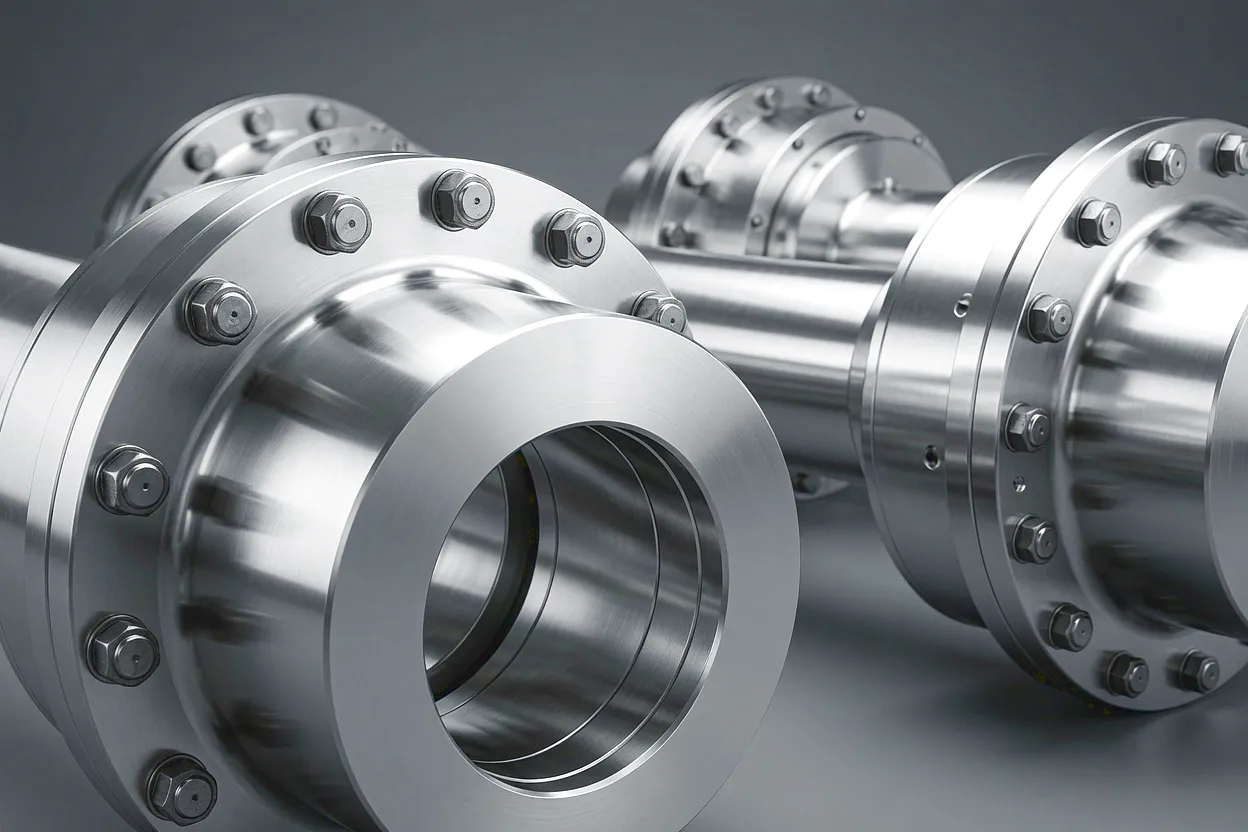
Typical UK Kiln Drive Data Points
Main motor power: 400 – 2,500 kW
Coupling position: Motor-to-gearbox
Torque at coupling: 500 – 120,000 N·m
Operating speed: 750 – 1,500 RPM
Expected coupling life: 8–15 years
A secondary coupling position often exists between the gearbox output and the pinion shaft, though this position more commonly uses a flexible disc or jaw-type coupling due to the lower speeds involved. The main gear coupling at the motor-to-gearbox interface, however, is the critical element. Its failure — whether from tooth wear, grease loss, fatigue cracking of the hub, or misalignment-induced fretting — will result in a kiln shutdown. In UK cement plants, where a kiln producing Portland cement clinker may be contributing to just-in-time supply chains for the British construction sector, any unplanned shutdown beyond a few hours represents very significant financial exposure — estimated by industry analysts at £15,000 to £60,000 per hour of lost production depending on plant capacity and market conditions.
This is why specifying the correct gear coupling is not a purchasing decision but an engineering decision. Bore size, keyway form, tooth module, crown radius, sleeve bore tolerance, grease specification, dynamic balance grade, and surface protection all need to be matched to the specific motor, gearbox, and operating profile of each kiln — not selected from a generic catalogue without engineering review.
Gear Coupling Applications Beyond the Rotary Kiln — Cement Plant Scope
While the rotary kiln main drive is the flagship application, drum-tooth gear couplings appear throughout the modern cement facility. Understanding the full scope of application helps plant engineers consolidate coupling supply for reduced inventory and faster maintenance response.
🛠 Raw Mill Drive
Ball mills and vertical roller mills for grinding limestone and clay require heavy-duty couplings between motor and gearbox, handling frequent starts and severe shock from grinding media. NGCL series with oversized hubs suit these applications well.
🌲 Clinker Cooler Fan
Large-diameter cooling fans running at moderate speeds in high-temperature, dusty environments. Gear couplings at the motor-to-fan shaft interface handle the thermal gradients across the cooler housing with ease.
🚠 Cement Mill Drive
Finish grinding mills for cement production run continuously for weeks between planned stops. Long service life and reliable grease retention under centrifugal loads are the key coupling criteria here.
📈 Preheater Tower Fans
ID fans on cyclone preheater towers operate in high-temperature, dust-laden gas streams. Gear couplings in this position must accommodate the significant thermal expansion of the shaft train from cold ambient to 350°C+ gas temperatures at full production.
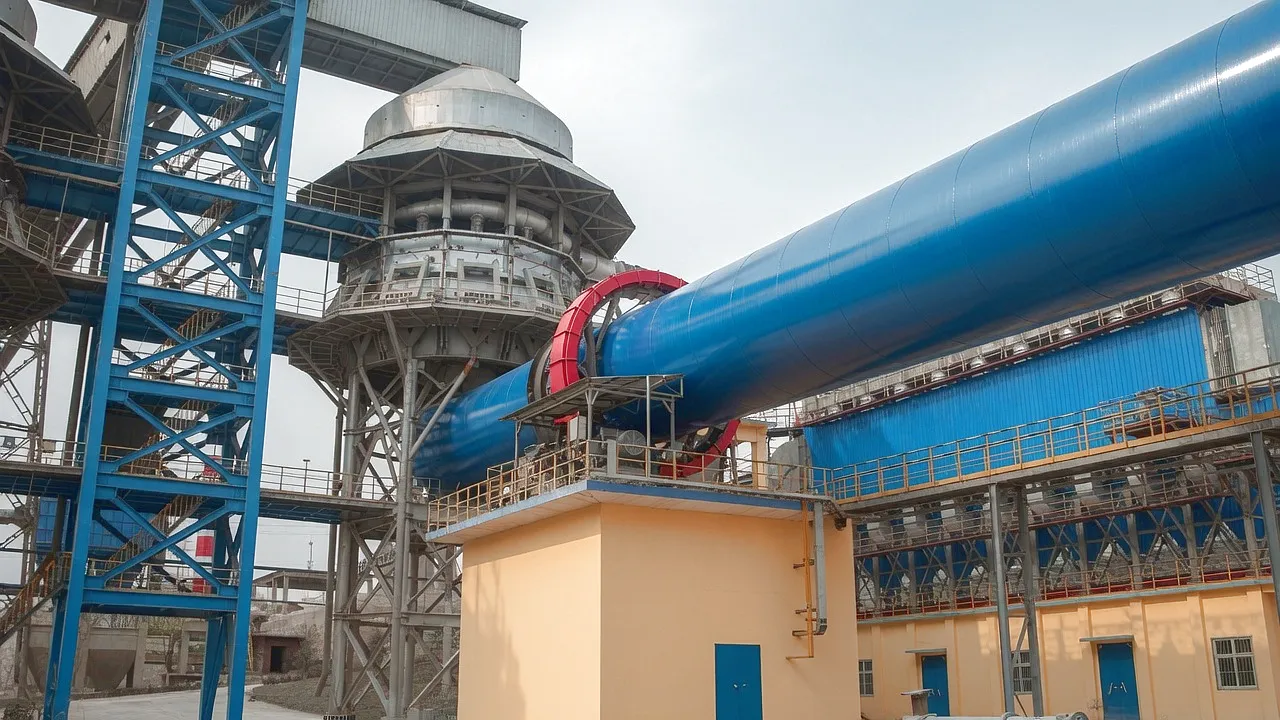
Customer Success Case
From the field: a real-world retrofit that eliminated a chronic breakdown pattern in an East Midlands cement facility.
Case Study: East Midlands Integrated Cement Plant, UK
Kiln 2 Main Drive Upgrade · 2023
The Challenge: A 5,500 t/day dry-process kiln operating in the East Midlands was experiencing repeated grease seal failures in the original straight-tooth gear coupling between the 1,600 kW main motor and the primary speed reducer. The failures were occurring every 14–18 months, each requiring a 36-hour emergency shutdown for coupling removal and replacement. Root-cause analysis pointed to progressive fretting corrosion on the sleeve internal teeth, driven by a combination of 1.2° thermal angular misalignment (developing seasonally as the drive station heated and cooled) and high-cycle torsional fatigue from the motor VFD drive’s PWM ripple. The original straight-tooth design had no capacity to absorb the angular misalignment without generating localised edge loading.
The Solution: Our application engineering team reviewed the full drivetrain data — motor frame, shaft diameter, gearbox input shaft, keyway geometry, and seasonal temperature profiles — and specified an NGCL-series drum-tooth gear coupling with +1.5° angular misalignment capacity, enlarged axial float, and a bespoke high-temperature lithium complex grease fill specified for the drive station ambient conditions. The coupling was machined to match existing motor and gearbox shaft dimensions exactly, avoiding any modification to the existing hardware. Dynamic balance to G6.3 was achieved through controlled material removal at the bore ends. Total installation time at the next planned maintenance window was 11 hours — 25 hours faster than any previous emergency replacement.
Results at 24-Month Review
✓ Zero unplanned coupling-related stoppages
✓ Bearing vibration at gearbox input reduced 42%
✓ Estimated saving: £190,000 avoided downtime costs
✓ Grease consumption down 35% vs. original design
✓ Plant engineering team: “Best-value coupling specification we have made in 15 years of this kiln operation.”
What Plant Engineers Say
★★★★★
“We replaced an ageing Rexnord unit on Kiln 3 with an NGCL coupling from Ever Power. The dimensional match was exact, the documentation was thorough, and the first 18 months of operation have been completely trouble-free. The technical support during selection was genuinely impressive — they understood kiln drives specifically, not just coupling theory in general.”
— Mechanical Engineering Manager, Integrated Cement Plant, Derbyshire, UK
★★★★★
“Our plant uses 14 gear couplings across kiln, mill, and cooler fan drives. Consolidating supply to Ever Power reduced our spare-parts holding by 40% and gave us a single technical point of contact for the entire facility. The custom bore work on the cement mill couplings was carried out to H7 tolerance — exactly as specified — with a lead time that beat every other supplier we approached.”
— Plant Engineering Director, White Cement Facility, Yorkshire, UK
★★★★★
“We were initially hesitant about sourcing coupling replacements outside our usual UK distributor network. After our first order — a GICL-series unit for a 900 kW raw mill drive — the quality and dimensional accuracy convinced us completely. The coupling exceeded every parameter in our specification sheet and the price was 30% below our previous supplier. We have since placed orders for four additional units across the facility.”
— Maintenance Manager, Clinker Grinding Plant, Kent, UK
Manufacturing Excellence & Custom Engineering Capability
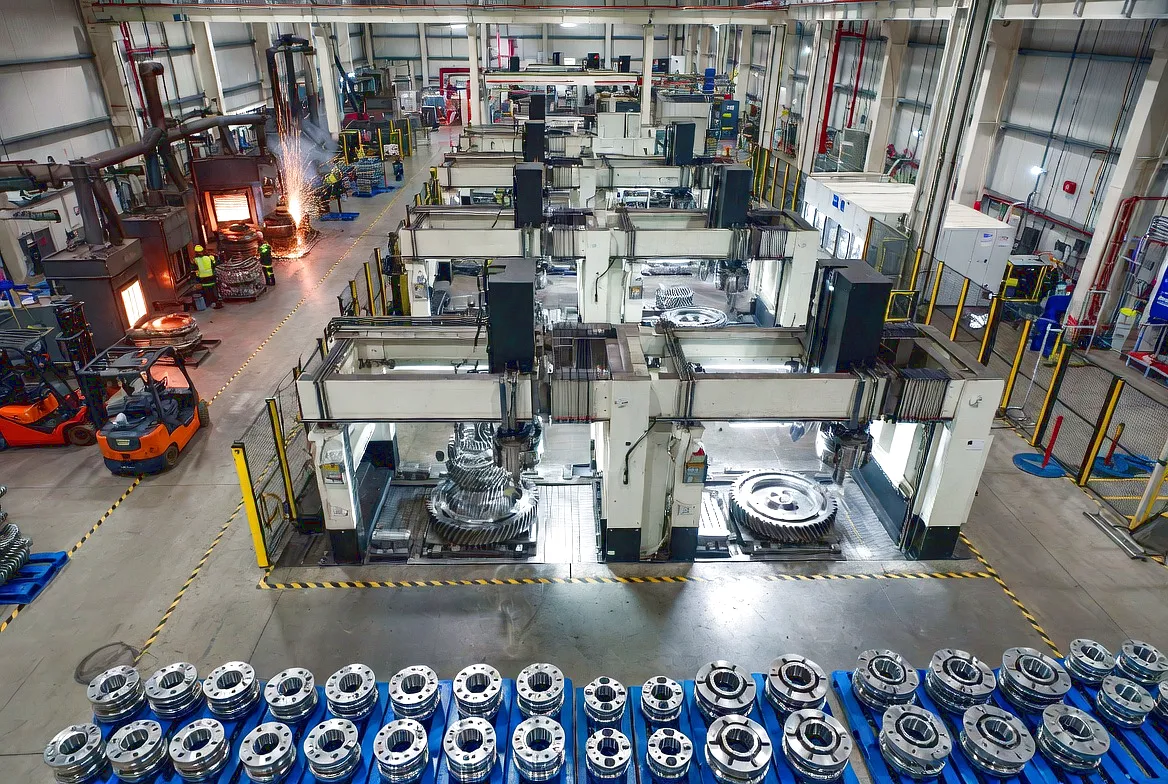
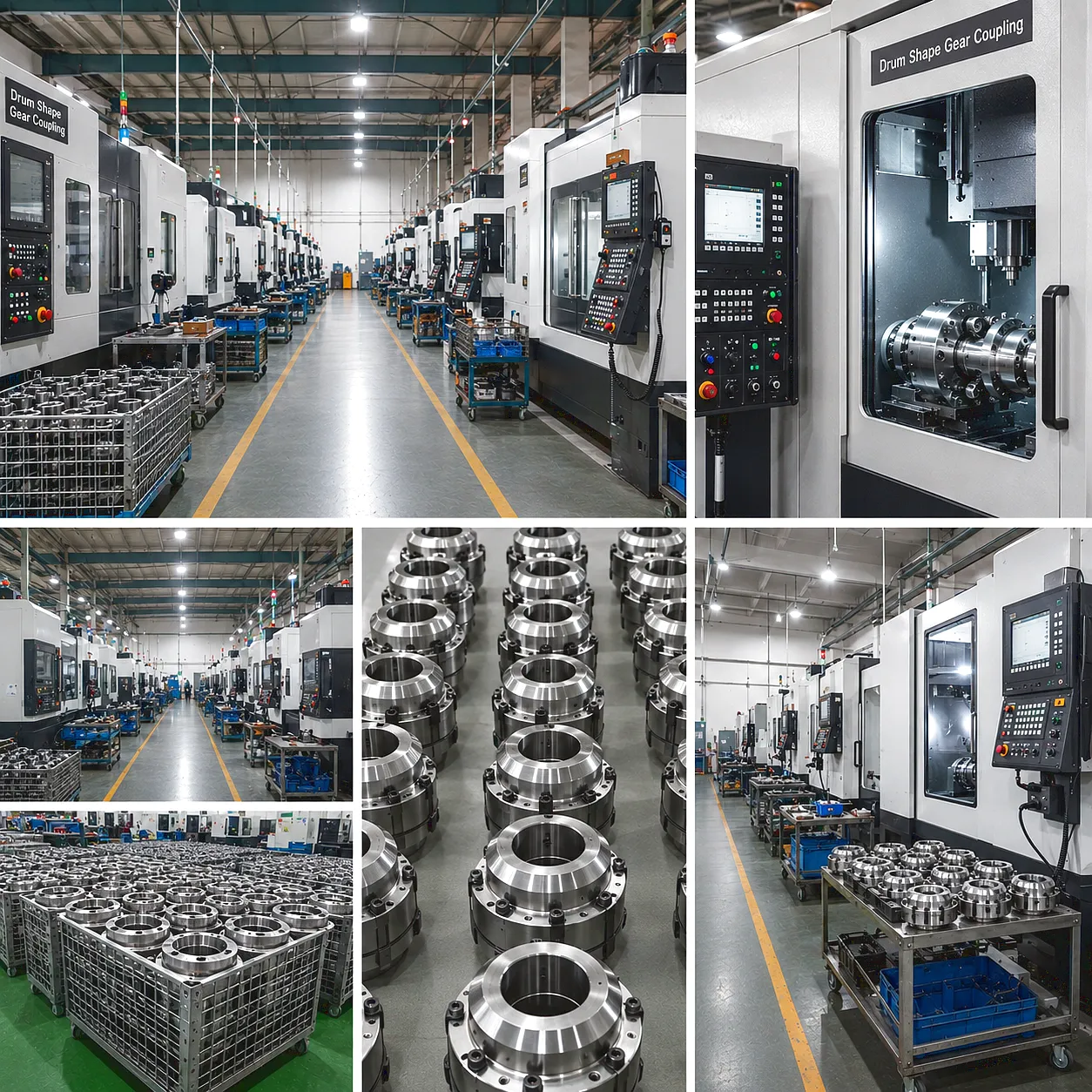
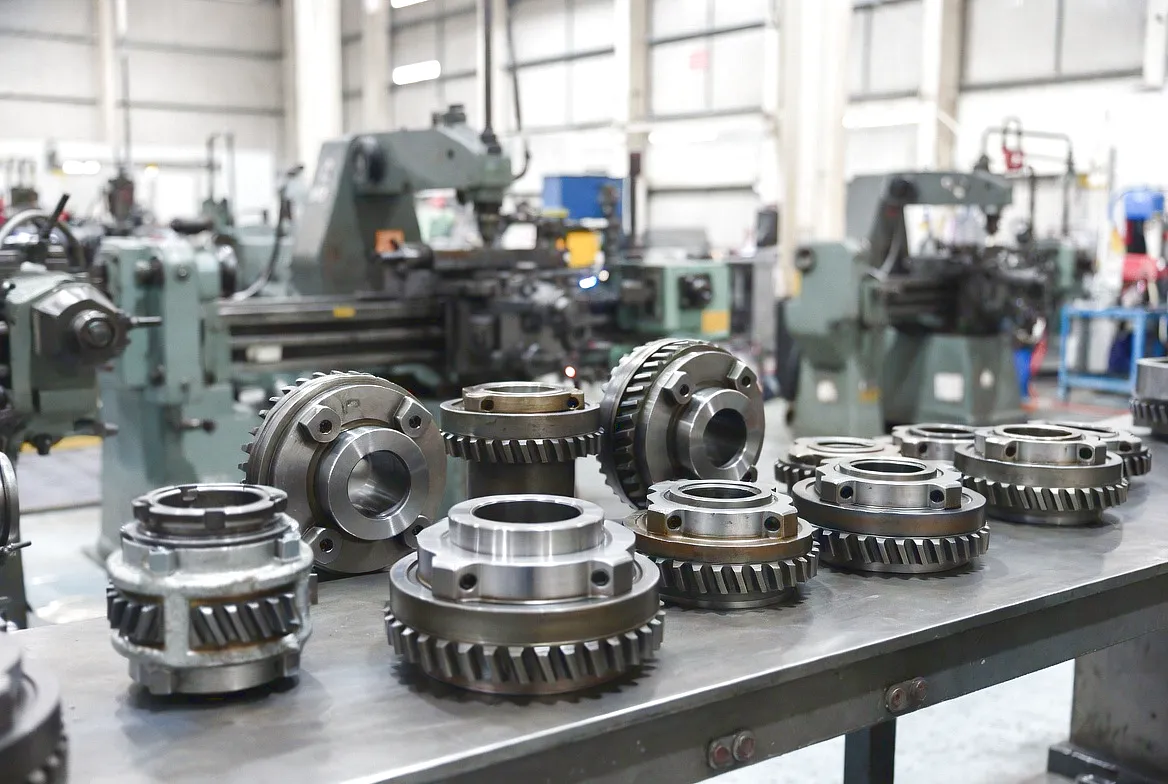 At Ever Power, our manufacturing operation is built around the understanding that no two rotary kiln drives are identical — and that off-the-shelf couplings, while acceptable for low-criticality applications, are simply not adequate for a machine where an unplanned 48-hour shutdown can cost £1.5 million in lost output and kiln refractory damage. Our facility operates a full suite of CNC turning, hobbing, gear grinding, and heat treatment capabilities, backed by in-house dimensional inspection using CMM (coordinate measuring machine) technology to verify bore concentricity, tooth profile accuracy, and face runout to tolerances tighter than standard catalogue specifications.
Our product customisation service covers: non-standard bore sizes and keyway configurations; custom tooth module and crown radius for specific misalignment envelopes; special shaft-end configurations including tapered bores with hydraulic fitting; oversized hubs for extended interference fits on large kiln motor shafts; stainless steel or duplex construction for hostile process environments; special grease specifications for high-temperature or food-grade requirements; and full dimensional survey replacement service, where customers supply worn coupling components and we reverse-engineer and manufacture exact replacements with improved material specification.
Ready to Specify Your Kiln Drive Gear Coupling?
Send us your motor and gearbox shaft data, operating torque, and misalignment conditions. We will respond with a full engineering recommendation and competitive pricing within 24 hours.
Supplementary: When to Consider NL-Type Nylon Gear Couplings in Cement Plant Auxiliary Drives
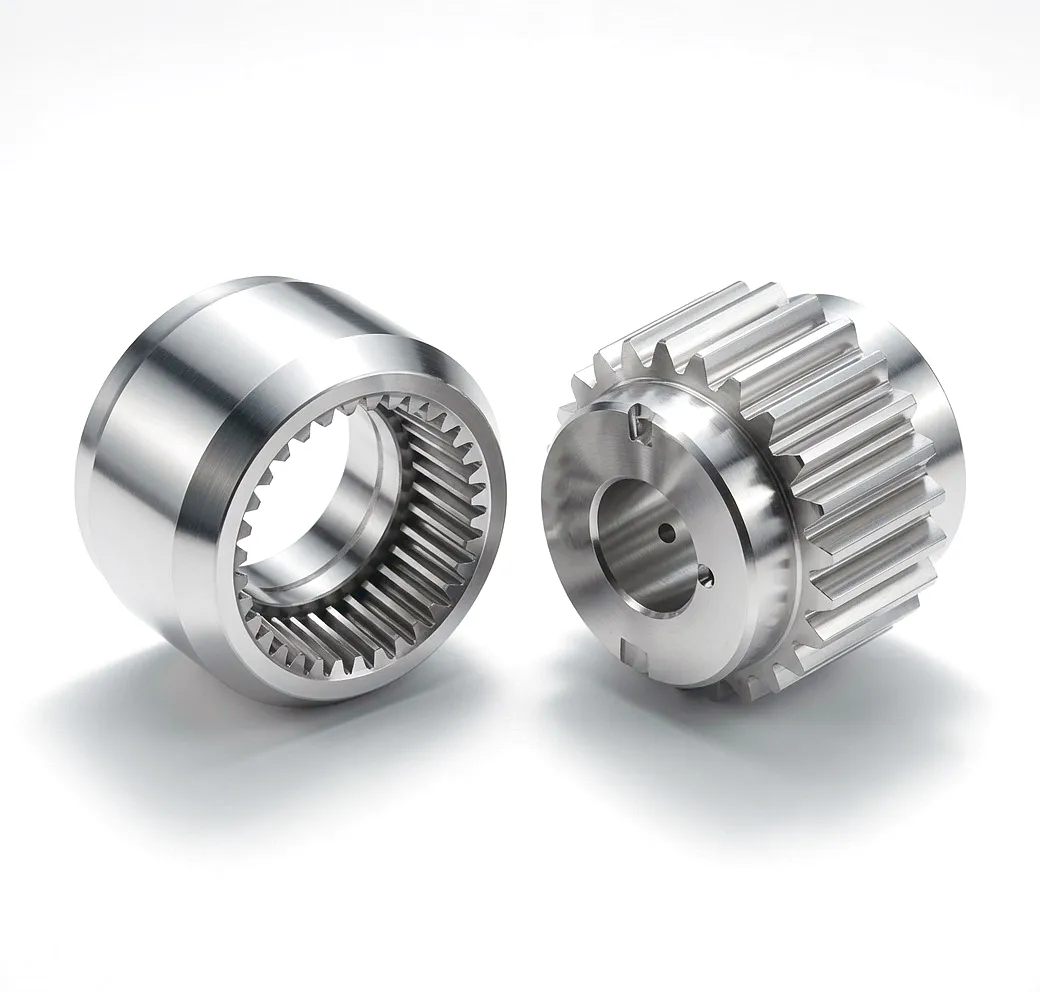 Not every drive application in a cement plant demands the full load capacity of a steel drum-tooth gear coupling. For auxiliary drives — conveyor drives, bucket elevator drives, small separator fans, cement packing machine drives, and pneumatic conveying system blowers — where torque levels are lower and electrical noise isolation is a design requirement, the NL-type nylon gear coupling provides an interesting alternative. The toothed nylon sleeve in this design provides a degree of electrical isolation between driving and driven shafts, which is useful where stray current protection of gearbox bearings is required. The nylon material also provides inherent vibration damping and a degree of emergency-run capability in the event of lubrication failure — properties that all-metal couplings cannot match.
It is important to note that NL-type nylon couplings are not suitable for the high-torque, high-temperature environments of kiln main drives, clinker cooler fans, or primary mill drives. Their use in the cement plant context should be limited to secondary and auxiliary systems where torques remain below approximately 15,000 N·m and ambient temperatures stay below 80°C. For any application where in-doubt, the drum-tooth gear coupling specification is always the more conservative and reliable choice.
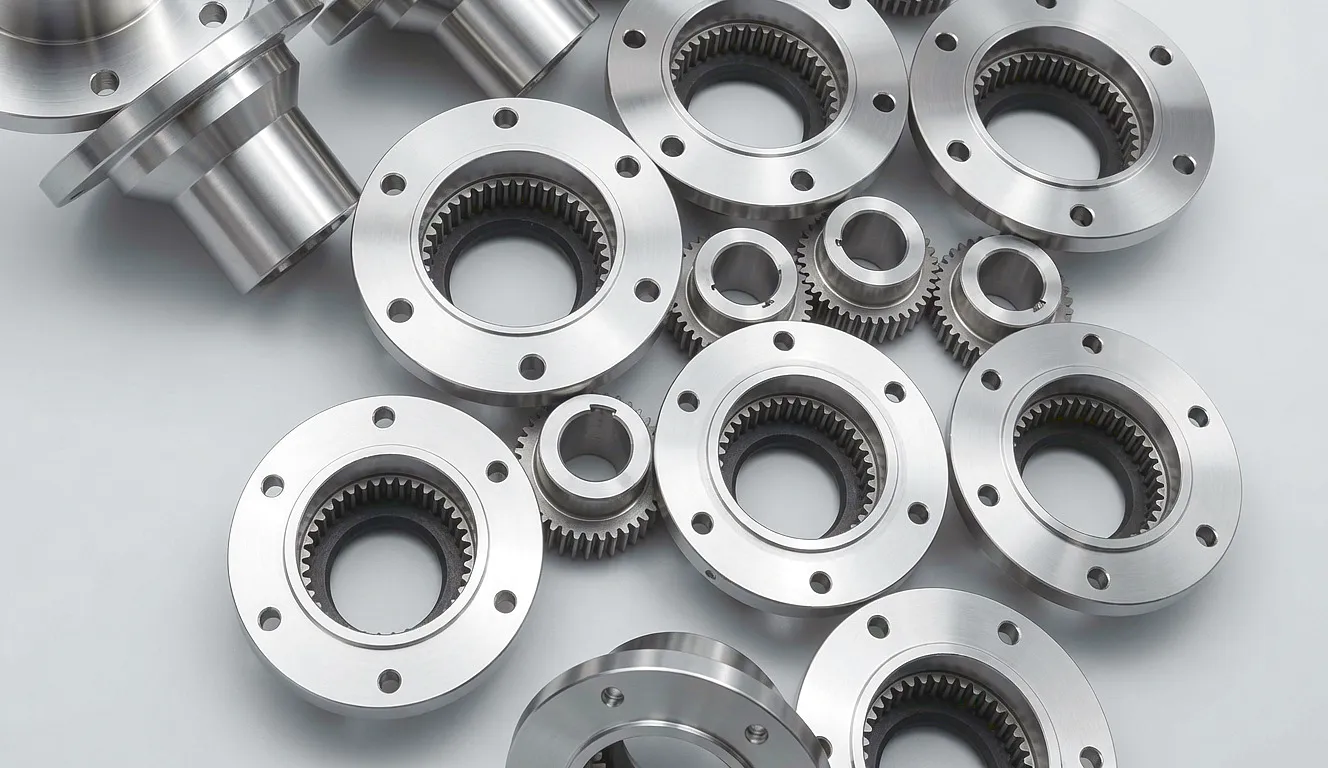
Product Gallery — Our Gear Coupling Range
Frequently Asked Questions
Common questions from UK cement plant engineers, procurement teams, and maintenance managers.
Trusted Gear Coupling Supplier for UK Cement Industry
Ever Power · Drum-Tooth Gear Couplings · Custom Bore & OEM Manufacturing
Supplying rotary kiln drive gear couplings to cement plants across England, Scotland, Wales, and Northern Ireland. Custom engineering, fast lead times, competitive pricing.
edit by gzl