
Gear Coupling for Wind Turbine Gearboxes: The Complete Engineering Guide for UK Renewable Energy Projects
From offshore wind farms in the North Sea to onshore installations across Scotland and Wales, gear couplings are the unsung heroes keeping turbine drivetrains aligned, protected, and running at peak efficiency. This guide covers everything from selection criteria to real-world performance data.
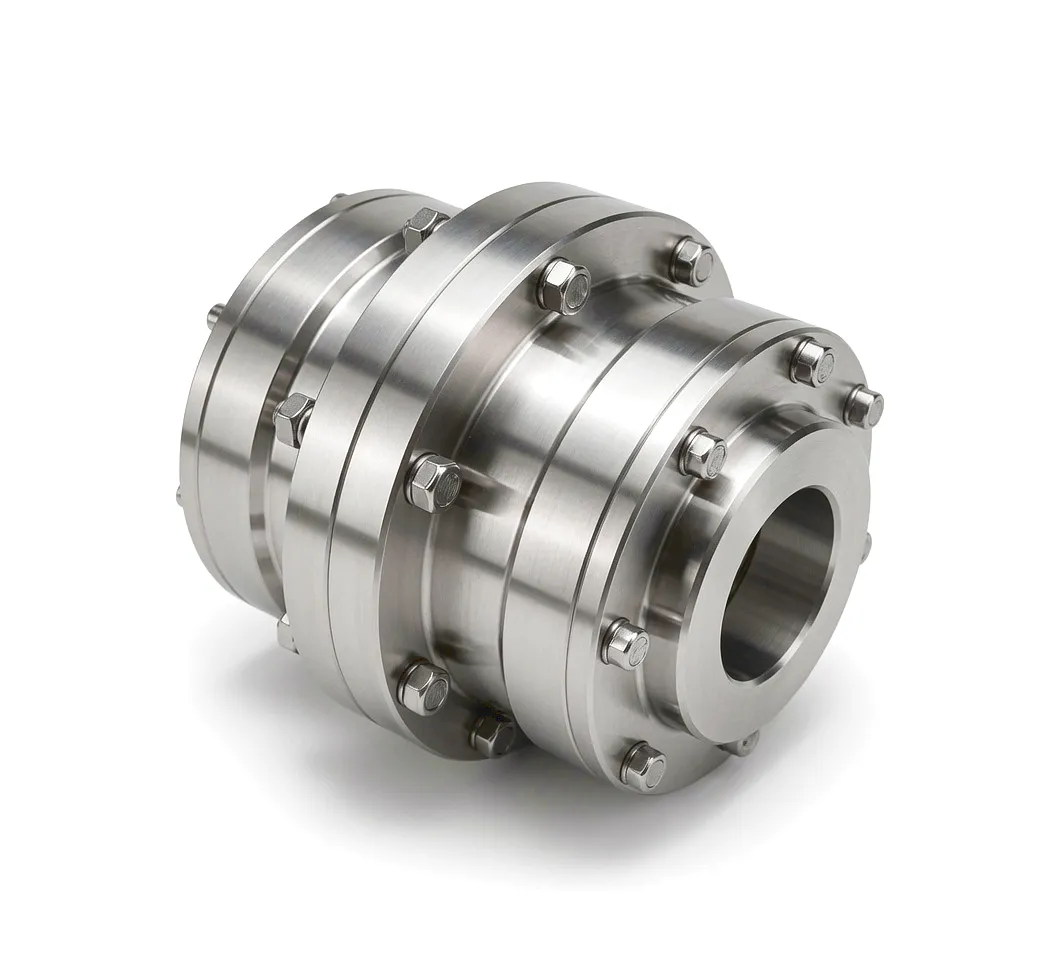 Walk into any wind turbine nacelle — whether it sits on a Scottish moor or bobs on a platform 60 kilometres off the Yorkshire coast — and you will find the same fundamental mechanical challenge: you need to transfer enormous rotational forces from a slow-spinning rotor shaft through a gearbox and into a high-speed generator, all while dealing with constant misalignment caused by wind loads, thermal expansion, and structural flex. This is precisely where gear couplings earn their place. Unlike simpler flexible couplings that rely on rubber elements or jaw inserts, a well-engineered gear coupling transmits power through hardened, profiled teeth that can handle both the torque spikes of a sudden gust and the microscopic shaft misalignments that accumulate over thousands of operational hours.
The UK’s wind energy sector has grown faster than almost anyone predicted. With government targets pushing installed capacity toward 50 GW of offshore wind by 2030, procurement engineers and maintenance managers across Britain are under pressure to select drivetrain components that last longer, demand less service attention, and tolerate the punishing conditions of a marine environment. Getting the gear coupling specification wrong can mean an unplanned turbine shutdown costing tens of thousands of pounds per day in lost revenue and crane mobilisation fees. Getting it right means years of reliable, low-maintenance operation.
Need a gear coupling sized for your wind turbine drivetrain? Our engineering team will review your torque, speed, and misalignment data and provide a fully-specified recommendation within 24 hours.
How a Gear Coupling Actually Works Inside a Wind Turbine Drivetrain
The Tooth-to-Tooth Interface
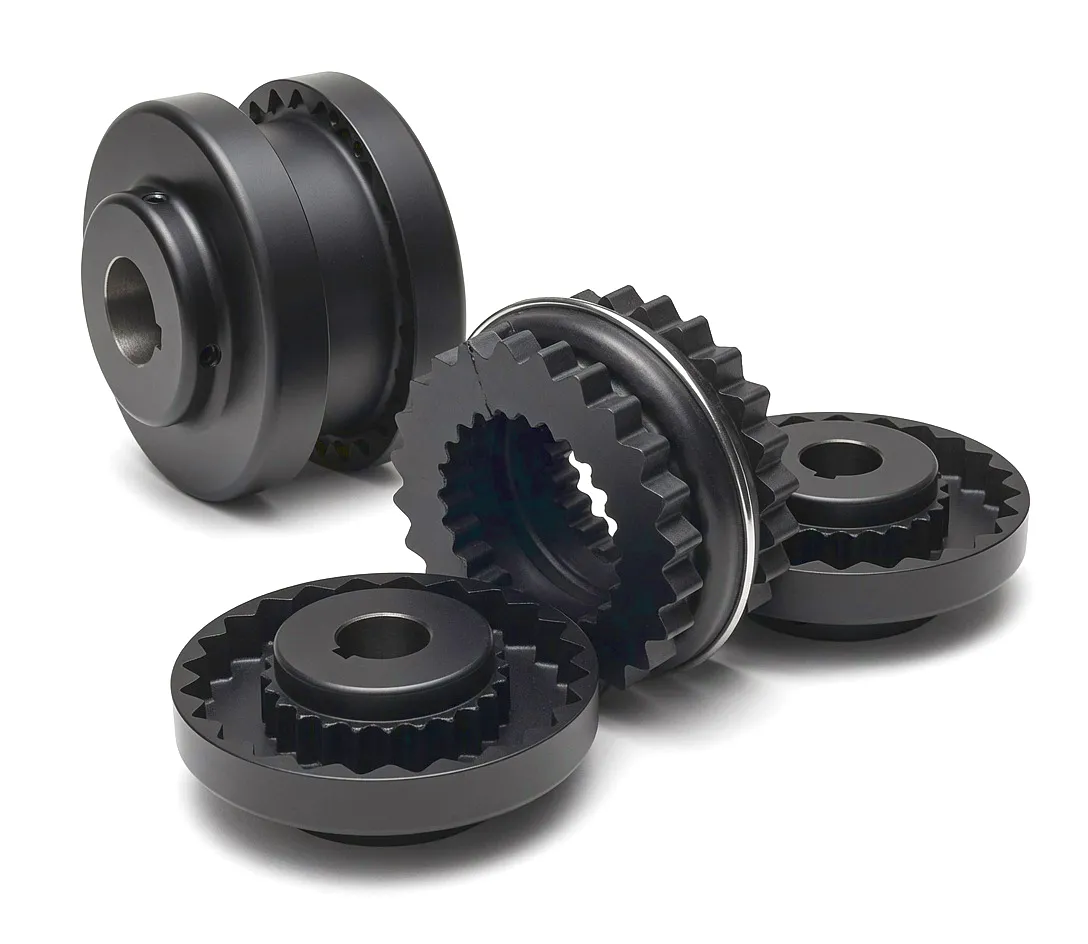
A gear coupling consists of two hubs — each machined with external gear teeth — and a sleeve (or two half-sleeves) with matching internal teeth. Torque travels from one shaft to the other via these meshing teeth. Because the teeth are crowned in the axial direction, the coupling can accommodate angular misalignment of up to 1.5 degrees and parallel offset without generating damaging bending moments on the connected equipment. In wind turbines, where the gearbox input flange and main shaft centreline shift continuously under dynamic load, this crowning is not optional — it is what prevents fretting fatigue at the shaft-to-hub interface.
Torque Spike Absorption
Modern multi-megawatt turbines can experience torque spikes reaching three to five times the rated load during grid connection events or sudden wind gusts. A correctly selected gear coupling with an appropriate service factor absorbs these transients without plastic deformation of the tooth flanks. The tooth contact geometry distributes load across multiple teeth simultaneously, which means no single tooth carries the entire peak load — a fundamental advantage over single-element flexible couplings where a rubber spider or disc pack carries all the stress at one point of the circumference.
The lubrication system inside a gear coupling is often misunderstood, particularly by engineers new to wind turbine maintenance. The teeth operate in a semi-flooded or grease-packed environment. In slow-rotating applications like the low-speed shaft side of a two-stage gearbox, grease lubrication is standard. At higher shaft speeds — above roughly 1,500 rpm on the high-speed generator-side coupling — some designs benefit from oil-mist or circulating oil lubrication to prevent the grease from centrifuging away from the working contact faces. Ever Power’s drum-shaped gear coupling designs address this by using a specially formulated high-viscosity grease with anti-fretting additives that remains in the tooth space even at elevated centrifugal forces, a detail that becomes critical during a UK offshore application where re-lubrication intervals may stretch to 18 months or more between scheduled maintenance windows.
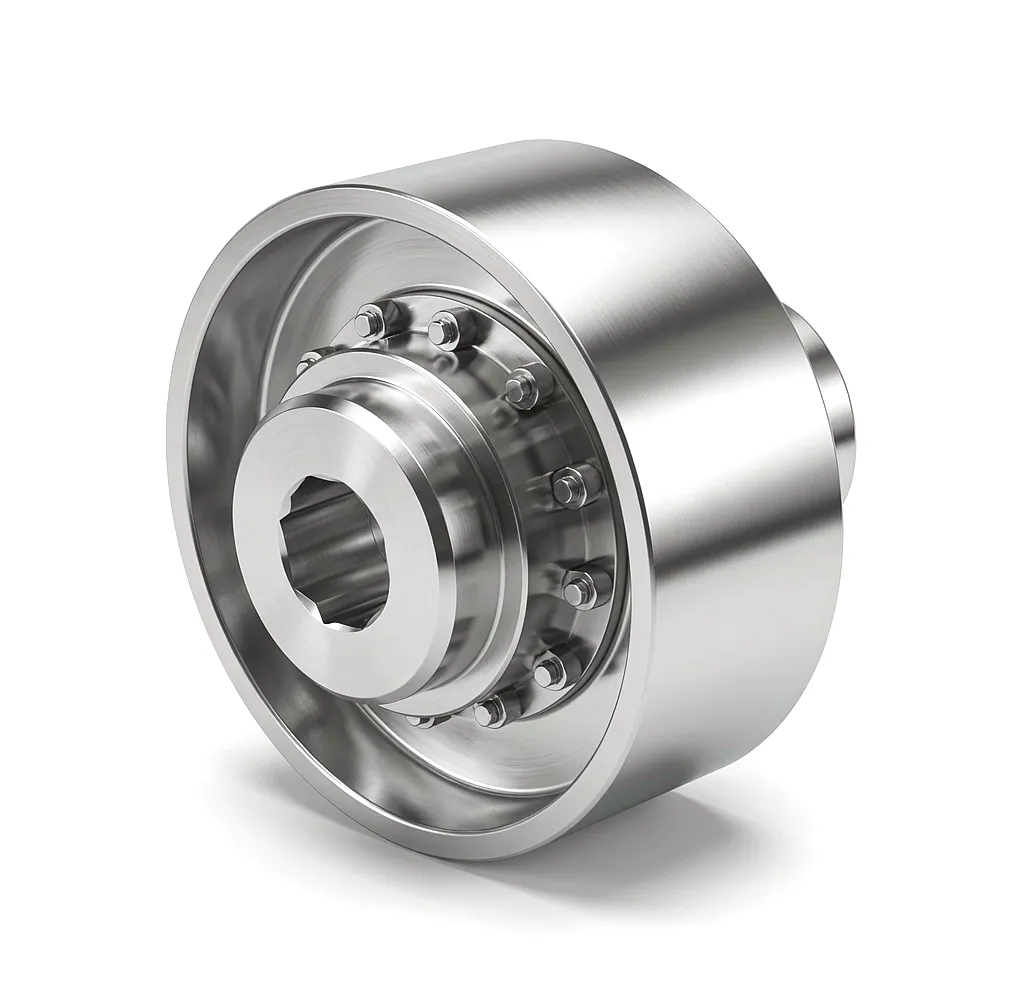
Why Wind Turbine Drivetrains Demand a Precision Gear Coupling
 Wind turbines are simultaneously some of the most mechanically demanding and logistically inaccessible machines ever built at scale. A 5 MW offshore turbine might weigh 350 tonnes, sit 80 metres above sea level, and be accessible only by helicopter or a crew transfer vessel in sea states that restrict work windows to a handful of hours. When something in the drivetrain fails, the consequences are not just a maintenance cost — they are a cascading financial loss that includes crane hire (typically £80,000–£150,000 per day for an offshore jack-up vessel), lost production revenue, and potential warranty claims from the turbine operator.
It is against this backdrop that the gear coupling selection becomes a genuinely strategic decision rather than a routine procurement task. Engineers across the UK’s renewable energy sector — particularly those managing assets in the Hornsea, Dogger Bank, and East Anglia ONE wind farm complexes — have learned that specifying a gear coupling with even a modest increase in torque capacity and misalignment tolerance compared to the minimum rated requirement can translate to measurable improvements in mean time between failures (MTBF), often extending intervals from 24 months to 36 months or beyond.
Materials, Construction & Technical Performance Data
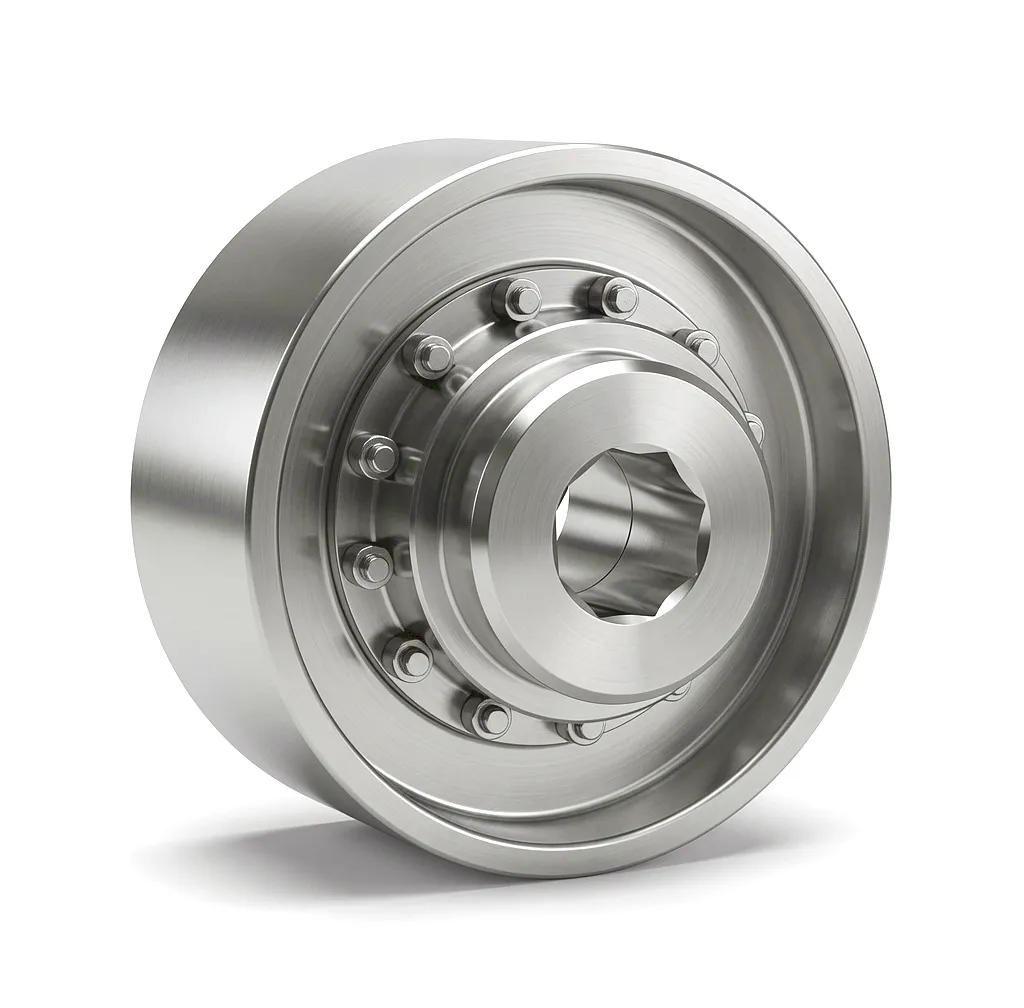 The material selection for a wind turbine gear coupling is not simply a matter of choosing the strongest alloy available. Engineers must balance fatigue strength, case hardness, toughness at sub-zero temperatures (relevant for Scottish Highland and North Sea installations where nacelle temperatures can fall to -20°C), and machinability to the tight tolerances that crown-tooth geometry demands. Ever Power uses carburised and case-hardened 20CrMnTi alloy steel for hub teeth as standard, with an alternative 42CrMo4 through-hardened specification available for applications where shock resistance takes priority over surface hardness. The sleeves are produced from cast steel or ductile iron depending on the speed rating, with all critical bore and face dimensions finished on CNC gear-grinding equipment to ISO 6 tolerance grades.
| Parameter | GICL Series | NGCL Series | NL Nylon Series |
|---|---|---|---|
| Nominal Torque Range | 250–710,000 N·m | 450–900,000 N·m | 100–180,000 N·m |
| Max Operating Speed | Up to 5,000 rpm | Up to 4,500 rpm | Up to 3,600 rpm |
| Angular Misalignment | ≤ 1.5° | ≤ 1.5° | ≤ 2.0° |
| Hub Material | 20CrMnTi / 42CrMo4 | 42CrMo4 | 45# Steel + PA66 GF |
| Tooth Hardness (HRC) | 58–62 | 55–60 | N/A (nylon element) |
| Operating Temperature | -30°C to +120°C | -30°C to +120°C | -20°C to +90°C |
| Bore Tolerance | H7 / H6 (fine bore) | H7 / H6 | H7 |
| Lubrication Type | Grease / Oil-mist | Grease / Oil-mist | Grease (low-speed) |
| Primary Wind App. | Gearbox input shaft | High-speed gen. side | Yaw & pitch drives |
The nylon gear coupling (NL series) deserves a specific mention in the context of wind turbine auxiliary systems. While the main drivetrain requires the full metal-to-metal tooth contact of a GICL or NGCL drum-shape coupling, ancillary drives — yaw motor gearboxes, hydraulic pump drives, and cooling fan drives inside the nacelle — often benefit from the vibration damping and electrical isolation that a nylon-element gear coupling provides. The PA66 glass-fibre-reinforced nylon sleeve acts as an insulator, preventing shaft currents generated by the generator’s electromagnetic fields from migrating into bearing housings and causing the electrochemical pitting known as electrical erosion bearing damage. This failure mode is more prevalent in variable-speed turbines with full-converter power electronics, making the nylon gear coupling a genuinely protective component rather than a cost-saving substitute.
Application Scenarios: Where Gear Couplings Operate Inside a Wind Turbine

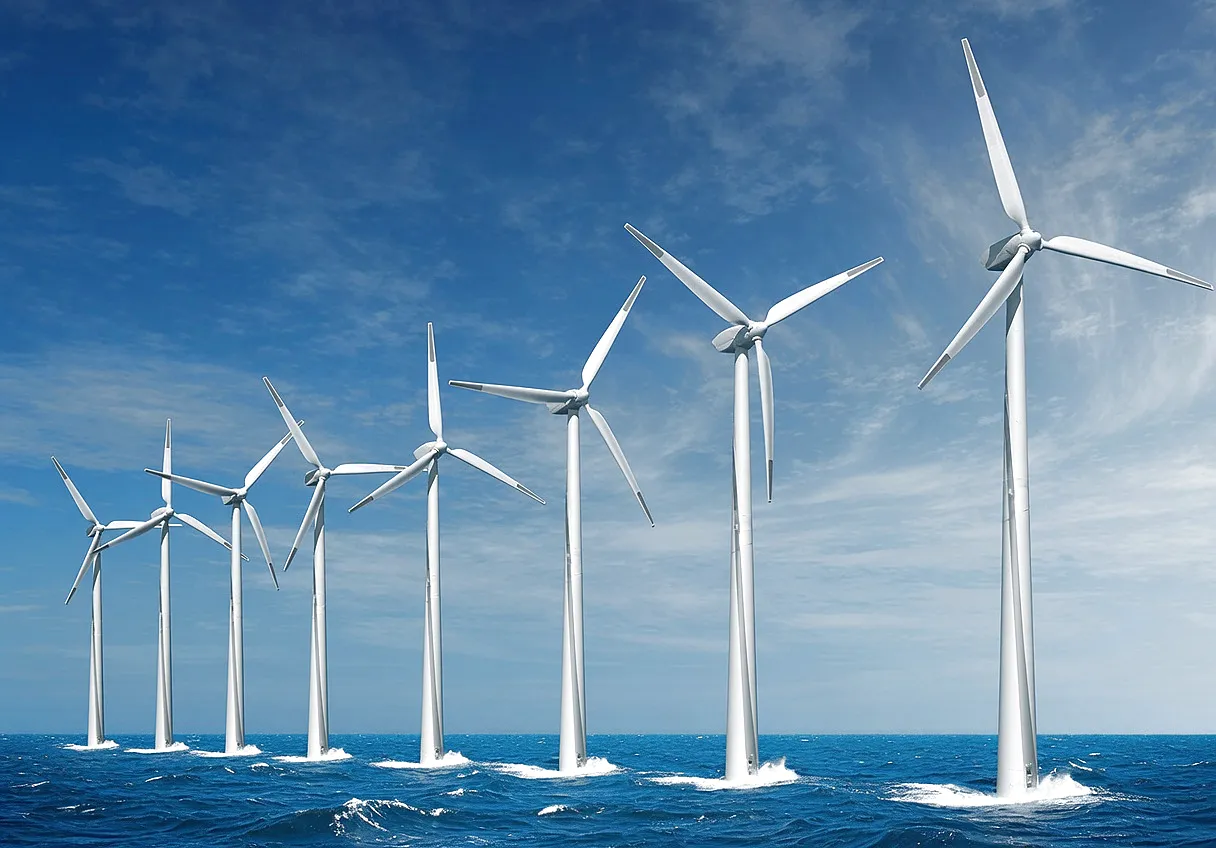

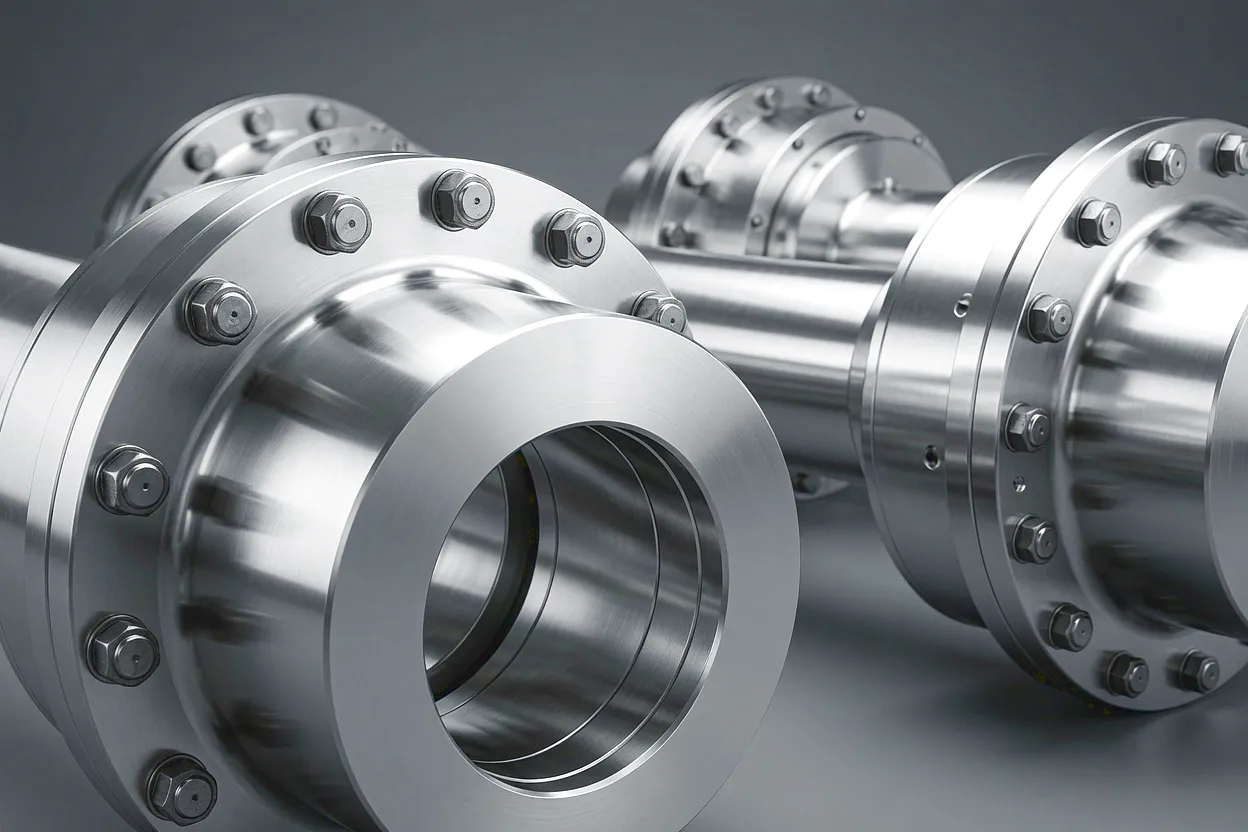 Beyond the three principal positions described above, gear couplings also appear in cooling system drives (fans for transformer and power electronics cooling), hydraulic power unit drives (for blade pitch hydraulics), and in the test and commissioning rigs used by turbine manufacturers to validate drivetrain components before they leave the factory. In the latter application, test rig couplings at facilities operated by Siemens Gamesa and Vestas in Denmark and Spain see accelerated life testing at torque levels exceeding 200% of rated load, a situation where the robustness of a precision gear coupling becomes immediately obvious compared to cheaper alternatives. Procurement teams at these OEMs consistently return to the same specifications — high tooth-face hardness, precision-ground bore, and certified material traceability — because cutting corners on coupling specification in a test rig can corrupt expensive prototype test data.
Key Advantages of Choosing the Right Gear Coupling for Wind Applications
High Power Density, Compact Envelope
Nacelle space inside a wind turbine is premium real estate. A gear coupling delivers the highest torque-per-unit-diameter ratio of any mechanical coupling type, allowing engineers to fit the necessary power transmission capacity into the tightest possible axial and radial space. This matters enormously when retrofitting replacement couplings into existing turbine designs where structural modifications to accommodate a larger-diameter coupling would be prohibitively expensive.
Torsional Stiffness for Accurate Power Control
Modern wind turbines use torque feedback from the drivetrain to control blade pitch and converter output in real time. A torsionally soft coupling introduces measurement lag and phase delay into this control loop, degrading power quality and increasing fatigue loads on the blades. Gear couplings are torsionally rigid, meaning torque spikes propagate almost instantly through the coupling and can be detected and reacted to by the turbine control system before they cause structural damage. This characteristic is particularly valuable in variable-speed turbines operating in turbulent wind conditions.
Proven Corrosion Resistance for Marine Environments
Offshore nacelles experience salt-laden air infiltration, humidity cycling, and occasional direct sea spray ingress during extreme weather events. All Ever Power gear couplings for offshore wind applications are finished with a manganese phosphate conversion coating followed by an MoS2-enriched assembly grease as standard, with optional hot-dip galvanising or Geomet coating available for external hardware. Sealing is achieved through labyrinth seals and O-ring assemblies that meet IP55 as a minimum, with IP65 available on request for particularly aggressive environments.
Long Service Intervals — Critical for Offshore
The single biggest operational cost driver in offshore wind O&M is not parts cost — it is access cost. Every time a maintenance team must mobilise a crew transfer vessel and spend hours at height inside a nacelle, the bill runs into thousands of pounds before a single component is even looked at. Gear couplings with properly specified grease fill and sealed tooth chambers regularly achieve 36-month re-lubrication intervals in well-sealed wind turbine drivetrains, dramatically reducing the number of planned maintenance interventions over a turbine’s 25-year design life.
Mechanical Efficiency in Practice
A properly designed gear coupling operates at 98–99% transmission efficiency, meaning less than 2% of the energy flowing through the drivetrain is lost as heat in the coupling. In a 5 MW turbine operating 4,000 hours per year at a capacity factor of 40%, even a 0.5% improvement in coupling efficiency translates to roughly 10 MWh of additional electricity generation annually — worth approximately £1,200 at current UK wholesale electricity prices. Multiplied across a 50-turbine wind farm, this figure becomes material enough to influence procurement decisions.
Ever Power Manufacturing & Custom Coupling Engineering
Standard catalogue sizes cover the vast majority of wind turbine drivetrain applications, but there are always projects where the standard range simply does not fit — whether that is an unusual bore dimension, a non-standard keyway or spline configuration, a special shaft end treatment required by the turbine OEM, or a need for a coupling that integrates monitoring features such as embedded temperature sensors or vibration transmitters for condition monitoring. This is where Ever Power’s product customisation service becomes a genuine differentiator.
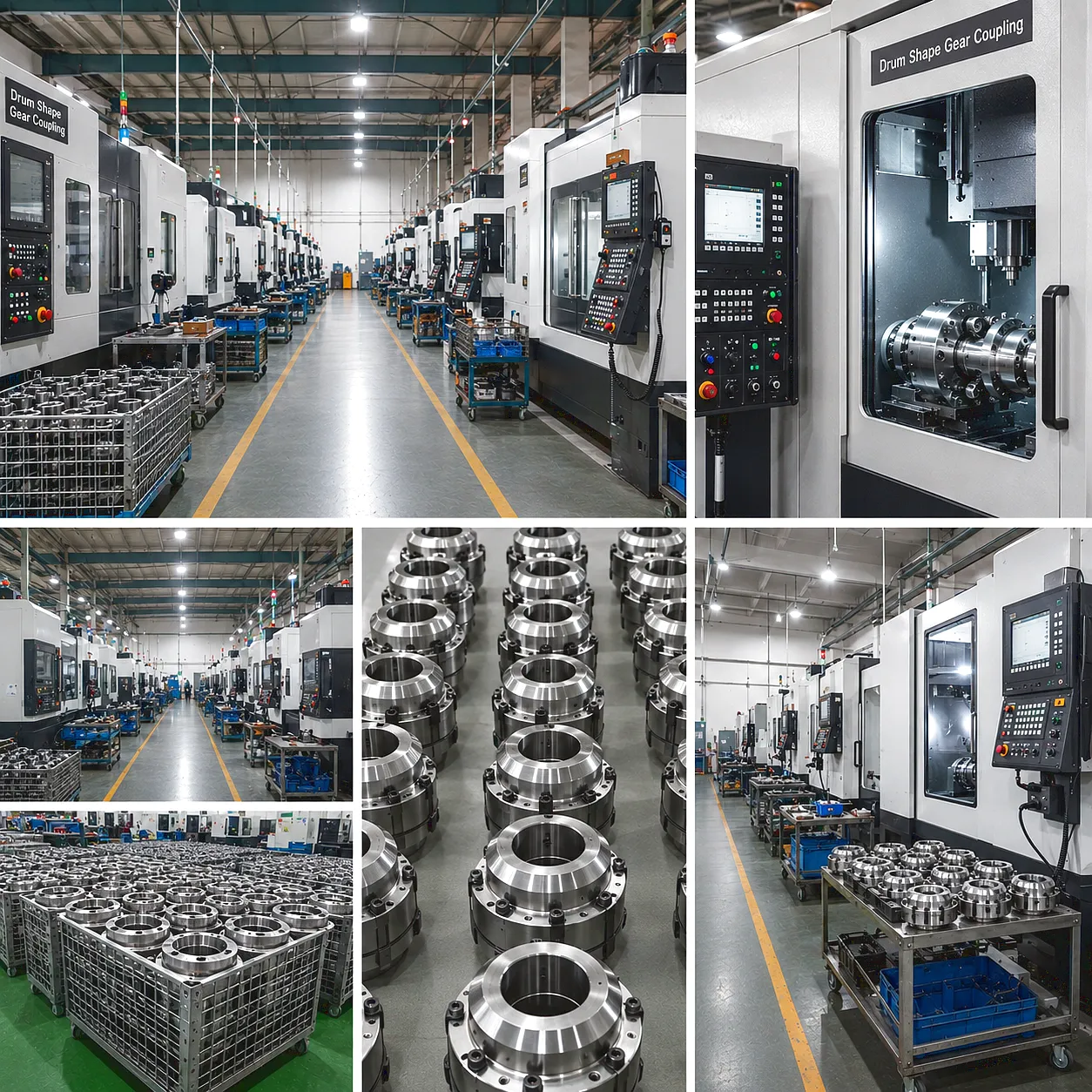
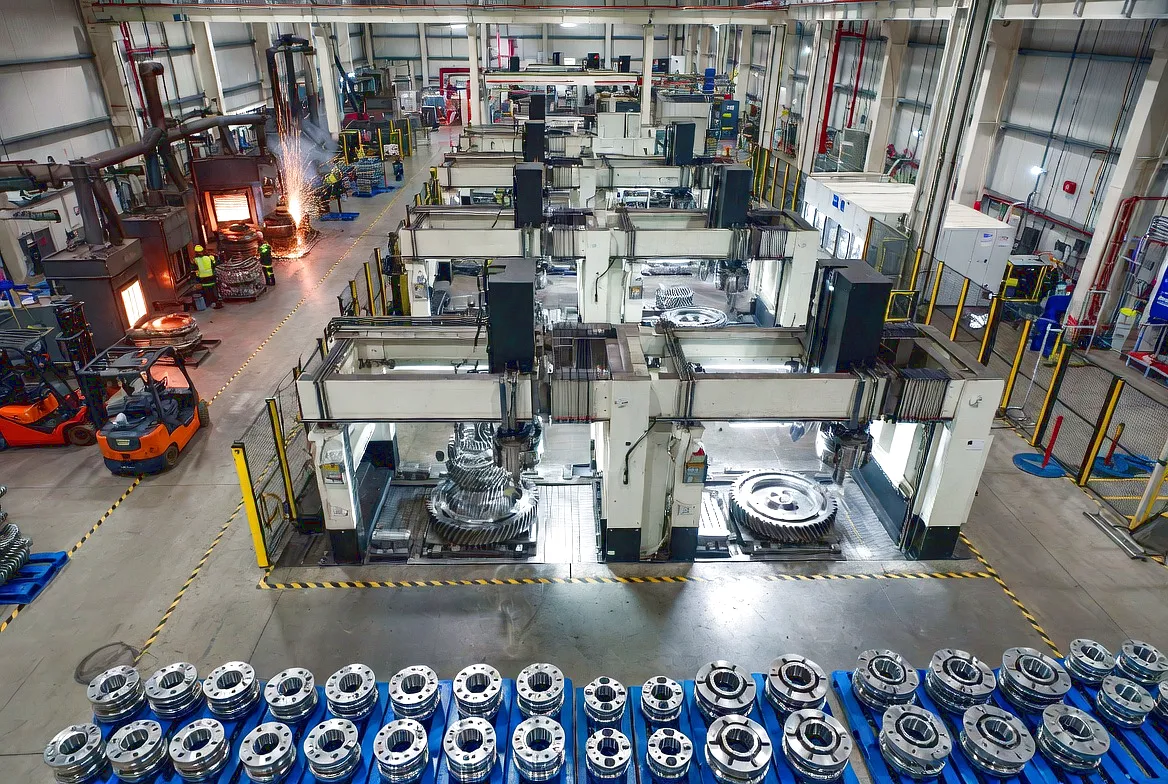
The manufacturing facility operates a suite of multi-axis CNC turning and machining centres, CNC gear hobbers and shapers, precision gear grinders, and coordinate measuring machines (CMM) with sub-micron measurement capability. Heat treatment is carried out in-house using programmable atmosphere furnaces that ensure consistent case depth and core hardness across every production batch. Surface finishing operations including phosphating, zinc plating, and specialist coatings are all performed on-site, giving the quality team full traceability from raw material certificate through to final inspection report.
For wind energy customers in the UK and across Europe, Ever Power offers a dedicated engineering consultation service: provide your shaft drawings, torque and speed data, misalignment analysis, and environmental conditions, and the applications team will model the coupling loads using finite element analysis (FEA), select the appropriate series and size, specify the tooth geometry and lubrication system, and produce a fully-dimensioned assembly drawing for your approval before production begins. Lead times for custom couplings typically run 4–8 weeks from drawing approval, with expedited production available at premium for urgent replacement scenarios.
Send your shaft data, torque requirements, and environmental conditions and receive a fully-specified coupling recommendation with drawing within 24 hours. No commitment required.
Customer Success Stories
Hornsea One Offshore Wind Farm — Gearbox Input Coupling Upgrade
Background: A UK-based offshore wind O&M contractor managing a portfolio of 7 MW turbines at the Hornsea One development in the North Sea contacted Ever Power after experiencing recurrent grease leakage and accelerated tooth wear on the OEM-supplied gearbox input couplings at the 30-month service mark. The root cause analysis identified a combination of insufficient grease retention under centrifugal loading and marginal misalignment capacity relative to the dynamic loads actually experienced at the site.
Solution: Ever Power’s engineering team reviewed the turbine’s operational torque data, rotor deflection measurements, and service records. A custom GICL series coupling was specified with a 15% larger torque rating than the OEM part, a revised grease retention labyrinth geometry, and an upgraded tooth crown profile to increase the permissible angular misalignment from 1.0° to 1.5°. Twenty replacement units were produced, inspected, and shipped to the staging port at Hull within six weeks of order placement.
Outcome: Over the following 30 months of monitored operation, zero grease leakage events were recorded and tooth wear measurements taken at the 18-month service window showed flank wear more than 40% lower than the previous specification. The O&M contractor calculated a net saving of approximately £340,000 across the 20 turbines from avoided unplanned interventions, lost production recovery, and crane mobilisation costs that had been incurred in the prior period.
“We’ve specified Ever Power GICL couplings across three of our onshore Scottish wind projects now, and the consistency in dimensional accuracy between batches has been excellent. Our assembly crews appreciate that the bore tolerances are always exactly as specified — no re-work required at installation.”
“The custom coupling Ever Power produced for our East Anglia offshore project required a very specific bore diameter and a non-standard keyway that our gearbox manufacturer specified. The drawing approval process was quick, material certificates came with the shipment, and the delivery made our installation window with days to spare. Impressive service.”
“We trialled Ever Power NL nylon gear couplings on the yaw motor drives across 12 turbines at our Welsh onshore site to compare with the previous supplier. The reduction in yaw system vibration was immediately measurable — our SCADA noise floor on the nacelle accelerometers dropped noticeably within the first three months of operation, which translated into better yaw tracking accuracy and a small but real improvement in annual energy production.”
NL Series Nylon Gear Coupling — Vibration Damping for Auxiliary Drives
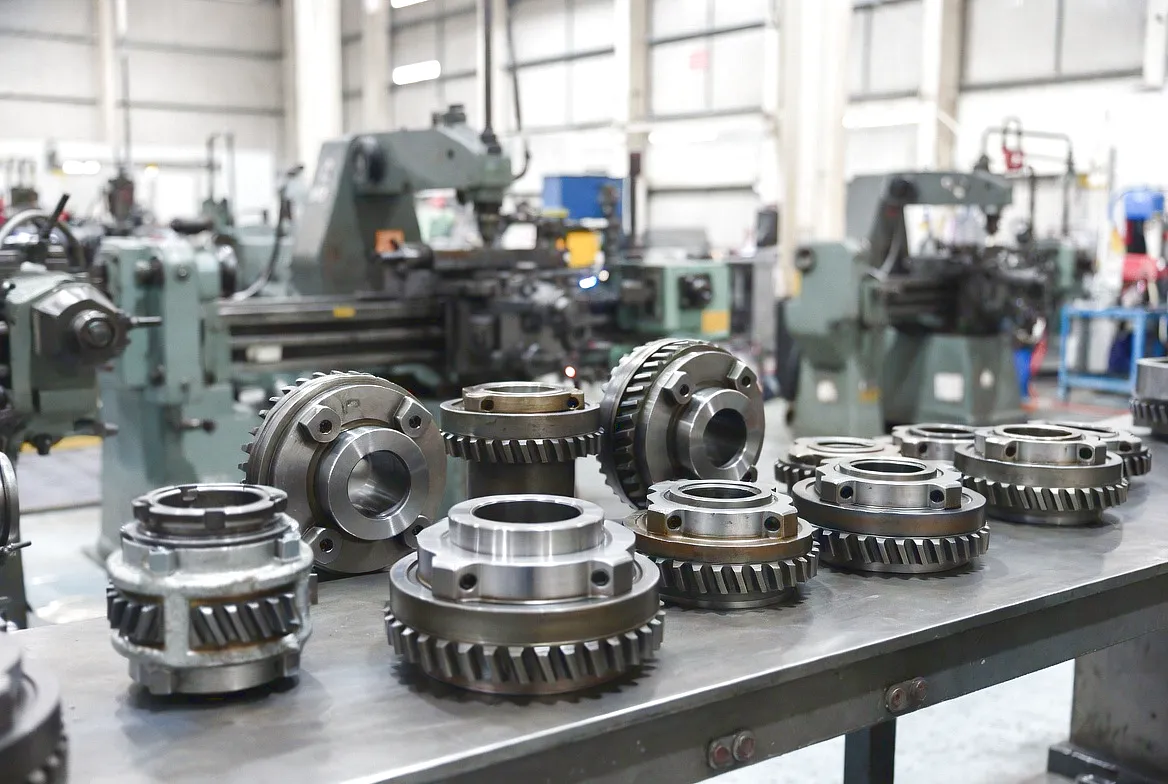
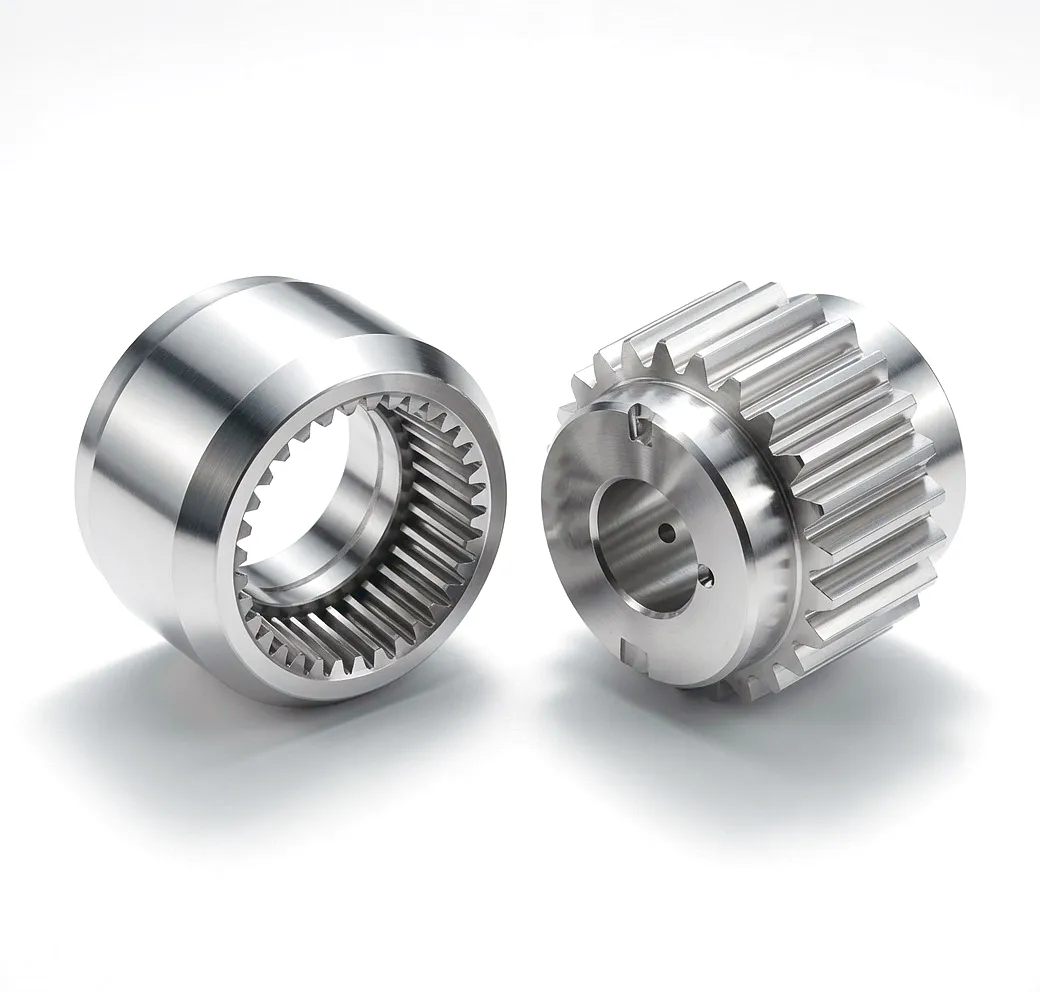 The NL series bridges the gap between a rigid gear coupling and a fully flexible jaw coupling. The glass-fibre-reinforced PA66 nylon sleeve provides measurable torsional damping — absorbing the impulsive vibrations from frequent start-stop motor operations that are characteristic of yaw and pitch drives — while retaining enough stiffness for precise positioning and tracking. The electrically insulating nylon element also eliminates shaft current paths, a frequently overlooked failure mechanism in wind turbine auxiliary systems that can destroy motor bearings within 12–18 months of operation if left unaddressed. Available in bores from 20 mm to 200 mm with straight keyway, spline, or taper bush configurations.
Product Gallery
Supplying Gear Couplings Across the UK Wind Energy Industry
The United Kingdom has built one of the most sophisticated wind energy supply chains in the world, with procurement hubs, maintenance bases, and component staging facilities concentrated in regions including the Humber Estuary, Aberdeen, the Firth of Forth, Lowestoft, and Barrow-in-Furness. Ever Power works directly with procurement teams, O&M contractors, and turbine OEM aftersales departments operating from all of these areas, maintaining English-language technical documentation, CE-marked products where required under applicable machinery regulations, and delivery to UK ports and warehouses as a standard service.
For projects on Scotland’s west coast and in the Irish Sea — including the Walney Extension and Morecambe Bay developments — Ever Power’s standard offshore corrosion protection package meets or exceeds the ISO 12944-6 C5-M classification, which is the relevant standard for offshore marine environments. Salt spray test certificates (ISO 9227) are available on request as part of the quality documentation package. UK-registered businesses purchasing under standard trade terms receive customs-cleared delivery with all import documentation pre-completed, simplifying the procurement process for buyers who may be managing hundreds of line items across a wind farm construction project.
ISO 6336 (gear rating), ISO 9227 (salt spray), ISO 12944-6 C5-M (offshore corrosion protection), CE marking under Machinery Directive 2006/42/EC where applicable
Standard delivery to England, Scotland, Wales, and Northern Ireland. Staging at Humber, Aberdeen, Lowestoft, Barrow, and Firth of Forth ports. Customs-cleared with full import documentation included.
English-language engineering drawings, material certificates, inspection reports, and CMM measurement records provided as standard. FEA reports available for custom designs.
Frequently Asked Questions
What type of gear coupling is best for a wind turbine gearbox input shaft in the UK, and how do I calculate the correct torque rating?
For wind turbine gearbox input shafts operating in UK conditions, a drum-shape gear coupling (GICL or NGCL series) is almost always the correct choice. To calculate the required torque rating, multiply the rated drivetrain torque by a service factor of 1.5 to 2.5 depending on the turbine class and drivetrain shock loading profile. For a Class IB wind site (higher turbulence), use the upper end of that range. Always confirm the selected coupling’s catalogue rating exceeds the calculated design torque, and verify that the coupling’s maximum permissible angular misalignment exceeds your worst-case rotor deflection under rated thrust load. If you’re unsure of the service factor, contact our applications team with your torque data and we will size it for you.
How much does a custom gear coupling for an offshore wind turbine in the North Sea cost, and what is the typical lead time for UK delivery?
Pricing for custom gear couplings for offshore wind applications varies significantly based on size, torque rating, material specification, coating requirements, and quantity. Standard GICL series units suitable for mid-range turbine gearbox connections typically range from a few hundred to a few thousand pounds per unit; large custom units for multi-megawatt turbine input shafts can be considerably more. Lead time for custom couplings runs 4–8 weeks from drawing approval, with expedited 3-week production available for urgent replacement scenarios. Contact us with your technical specification for a precise quote — we aim to respond with a budgetary price within 24 hours of receiving shaft drawings and torque data.
Which gear coupling supplier in the UK provides CE-marked drum-shape gear couplings with marine-grade corrosion protection for offshore wind projects?
Ever Power manufactures drum-shape gear couplings (GICL and NGCL series) that are available with CE marking under the Machinery Directive where applicable and with marine-grade corrosion protection to ISO 12944-6 C5-M classification as standard for offshore wind projects. Products are shipped customs-cleared to UK ports and warehouses, with full English-language documentation including material certificates, CMM inspection records, and salt spray test data. We supply O&M contractors and wind farm developers operating across the Dogger Bank, Hornsea, East Anglia, and Moray offshore wind zones, as well as onshore projects in Scotland, Wales, and northern England.
How often does a gear coupling in a wind turbine drivetrain need to be re-lubricated, and what grease specification should I use for a Scottish onshore wind site?
Re-lubrication intervals for wind turbine gear couplings depend on operating speed, torque level, and the coupling’s sealing design. In well-sealed GICL or NGCL drum-shape couplings operating at low-to-medium shaft speeds, intervals of 24–36 months are achievable with the correct grease specification. For Scottish onshore wind sites where nacelle temperatures can reach -15°C in winter, specify a synthetic lithium-calcium complex or polyurea-based gear coupling grease with an NLGI grade 1 consistency and a dropping point above 220°C. Avoid greases with a high base oil viscosity index that becomes stiff below -10°C, as insufficient grease flow at cold startup can starve the tooth contact zone during the first minutes of operation after a frost event.
What is the difference between a GICL and NGCL drum-shape gear coupling, and which one should I choose for the high-speed shaft between the gearbox and generator on a doubly-fed wind turbine?
The GICL series is a single-sleeve gear coupling designed for compact installations where axial length is restricted, while the NGCL series uses a two-piece sleeve with a middle section that allows greater axial float — useful when the connected shafts may move axially due to thermal expansion or gearbox positioning tolerances. For the high-speed shaft between a gearbox output and a DFIG generator, the NGCL series is generally preferred because it accommodates the axial positional variation between the gearbox output flange and the generator input without generating parasitic axial loads on either bearing. The NGCL is also available in dynamically balanced configurations to G6.3, which is important at the 1,500–1,800 rpm speeds typical on the generator side.
Where can I get a competitive price quote from a reliable gear coupling supplier for a wind farm maintenance project in England or Wales?
You can request a competitive price quote directly from Ever Power by emailing your shaft drawings, torque and speed specifications, and quantity requirements to gear-coupling.top. Our applications engineering team will respond with a budgetary price within 24 hours for standard products and within 48 hours for custom couplings requiring design review. We regularly supply wind farm maintenance projects across England, Scotland, and Wales, and our pricing includes UK-port-delivered customs-cleared shipment with full quality documentation.
Specify Your Wind Turbine Gear Coupling Today
Send your drivetrain requirements to our applications engineering team. Receive a fully-specified coupling recommendation, dimensional drawing, and competitive price within 24 hours. Serving wind energy projects across Scotland, England, Wales, and Northern Ireland.
No obligation · 24-hour response · UK delivery included
© Ever Power Gear Coupling — Precision-engineered gear couplings for wind energy, industrial power transmission, and heavy machinery across the UK and Europe. | gear-coupling.top edit by gzl