
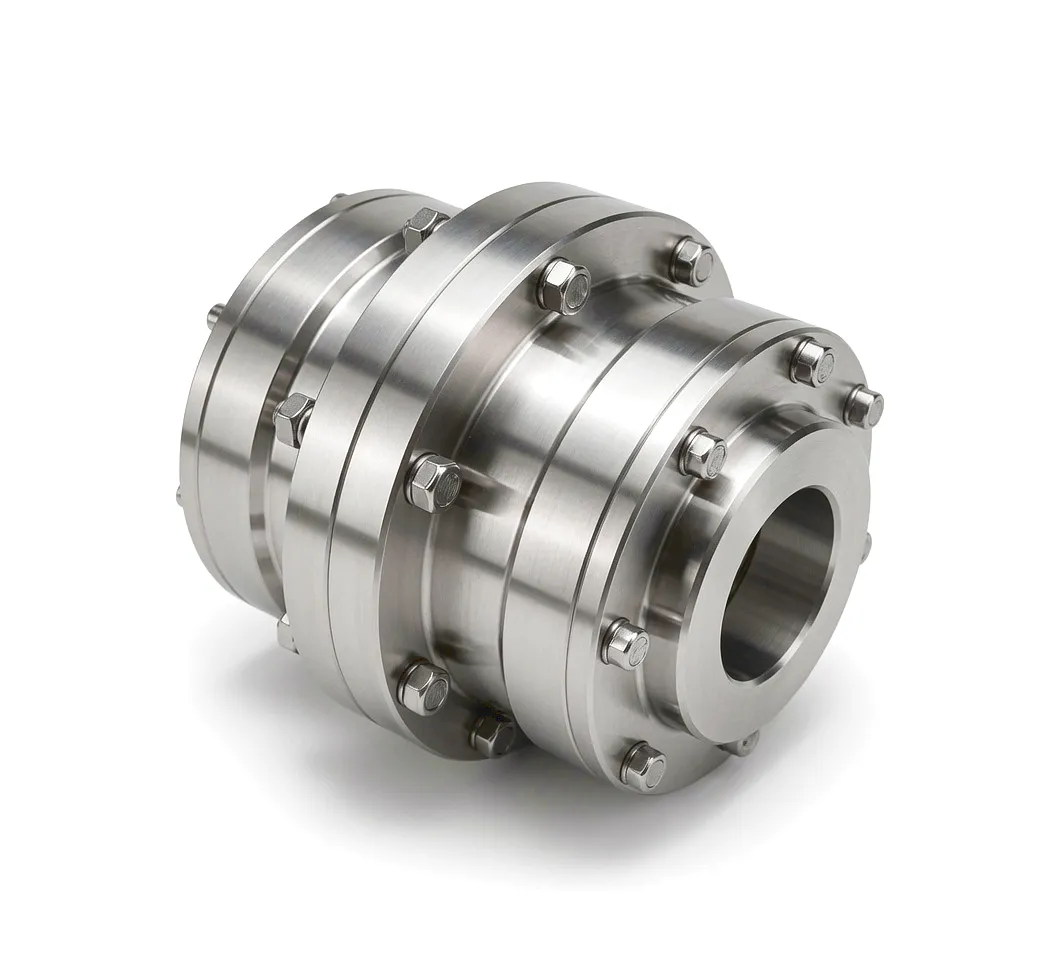
 Scraper conveyors — known in British mining circles as armoured face conveyors or AFCs — represent the most mechanically demanding continuous haulage application in the coal industry. A modern high-powered longwall AFC carries total installed power of 2,000 kW to 3,000 kW or more, with individual motors pushing 500 kW to 1,000 kW each. That power passes through the drivetrain at the exact moment the shearers bite through unpredictable rock inclusions, creating torque spikes that can reach four or five times nominal load. No coupling placed in that power path can be considered a passive fitting. The gear coupling at the motor–gearbox or gearbox–sprocket shaft interface is an active participant in the machine’s mechanical behaviour, absorbing misalignment, cushioning shock, and protecting every component downstream.
This guide is written for mechanical engineers, procurement managers, and maintenance planners working in UK underground mining operations, mining equipment OEMs based in the Midlands and the North of England, and export buyers sourcing for overseas collieries. The technical data, selection principles, and application insights here come from real-world AFC drivetrain projects rather than from catalogue copy.
Why Drum-Tooth Gear Couplings Belong in AFC Drivetrains
Engineering rationale from drivetrain specialists
High Torque Transmission in Confined Spaces
An AFC roadway entry is typically no more than three to four metres wide, and the entire head drive assembly — motor, fluid coupling or soft-start, gearbox, and output coupling — must fit within that envelope. Drum-tooth gear couplings achieve torque densities that are significantly higher than jaw, disc-pack, or elastomeric designs of equivalent outside diameter, allowing engineers to transmit 50,000 Nm to 200,000 Nm through a compact unit that suits the constrained geometry of the gate road entry. This compactness is not a compromise: properly dimensioned gear couplings achieve mechanical efficiencies above 99%, so virtually no power is wasted in the coupling itself.
Angular and Radial Misalignment Compensation
Longwall face equipment is assembled underground by crews working in poor light under time pressure. Perfect shaft alignment is rarely achieved, and even initially aligned shafts drift under thermal expansion, structural flex, and the progressive wear of the conveyor’s bottom pan. Drum-tooth gear couplings tolerate angular misalignment of up to 1.5° per flex plane and radial offset of several millimetres, absorbing these deviations continuously without generating the bending moments and radial loads that would accelerate bearing wear in the motor and gearbox. This inherent flexibility is not just a convenience — in underground AFC applications it is a primary protection mechanism for bearings that cost thousands of pounds and take hours to replace.
Shock Load and Torque Spike Resistance
When a shearer drum hits a hard stone band or the chain packs against a crushed section of pans, the drivetrain experiences instantaneous torque peaks far above the steady-state design load. Drum-tooth gear couplings handle these transient overloads by distributing load across multiple simultaneous tooth contacts — typically 30% to 40% of the total tooth count is engaged under peak load — and by the slight sliding friction between crowned tooth flanks and the sleeve bore. This combination of contact area distribution and controlled slip provides a natural shock-cushioning effect that rigid couplings simply cannot offer, protecting gearbox internals and motor windings from the full magnitude of the impact.
Sealed Lubrication for Wet Underground Conditions
Underground coal workings in Britain — whether in active collieries or in the mining equipment test facilities — are characterised by high ambient humidity, water ingress, and coal-dust contamination. The sealed gear coupling design retains grease or EP gear oil within the sleeve housing, preventing water ingress and coal dust from reaching the tooth mesh. High-quality lip seals or labyrinth seals in the end covers maintain this barrier even during continuous rotation, and the pressurised grease cavity ensures the contact surfaces remain lubricated through extended service intervals, typically 4,000 to 8,000 operating hours between services depending on the lubrication grade specified.
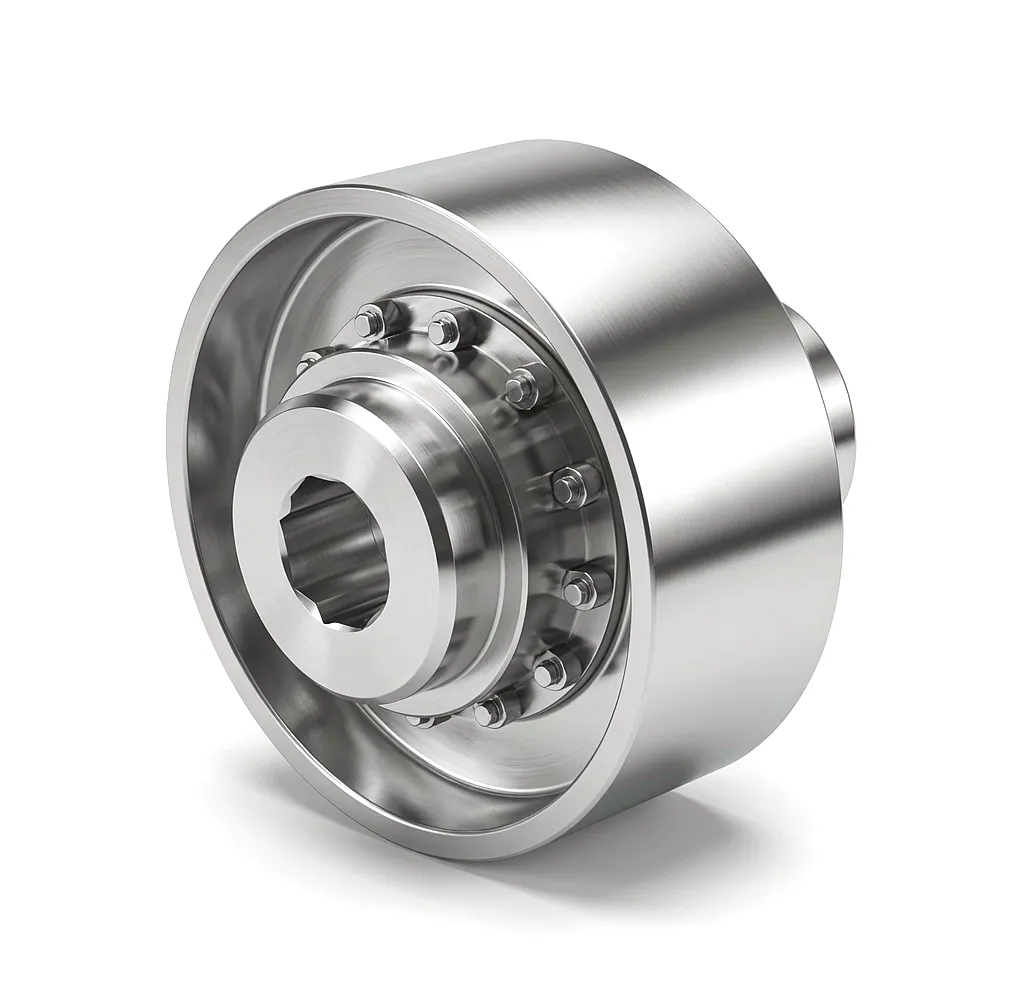
Technical Performance Parameters for AFC Applications
Standard Ever Power drum-tooth coupling specifications for scraper conveyor drives
| Parameter | GICL Series | NGCL Series | NL Nylon Series |
|---|---|---|---|
| Nominal Torque Range | 6,300 – 630,000 Nm | 8,000 – 500,000 Nm | 250 – 50,000 Nm |
| Max Speed (rpm) | Up to 4,000 | Up to 3,750 | Up to 5,000 |
| Angular Misalignment | Up to 1.5° | Up to 1.5° | Up to 2° |
| Radial Offset Tolerance | Up to 2.5 mm | Up to 2.0 mm | Up to 3.0 mm |
| Hub Material | 45# / 40Cr Steel | 42CrMo Alloy Steel | Cast Iron / Steel |
| Sleeve Material | 45# Steel, quenched & tempered | 40Cr, induction hardened | PA66 Nylon sleeve insert |
| Tooth Surface Hardness | HRC 45–55 | HRC 50–58 | N/A (nylon) |
| Service Temperature | -20°C to +80°C | -20°C to +80°C | -30°C to +100°C |
| IP Protection Class | IP55 (with seal kit) | IP55 (with seal kit) | IP44 standard |
| Typical AFC Application | Head/tail drive shaft coupling | Gearbox output, high-power AFC | Auxiliary/service equipment |
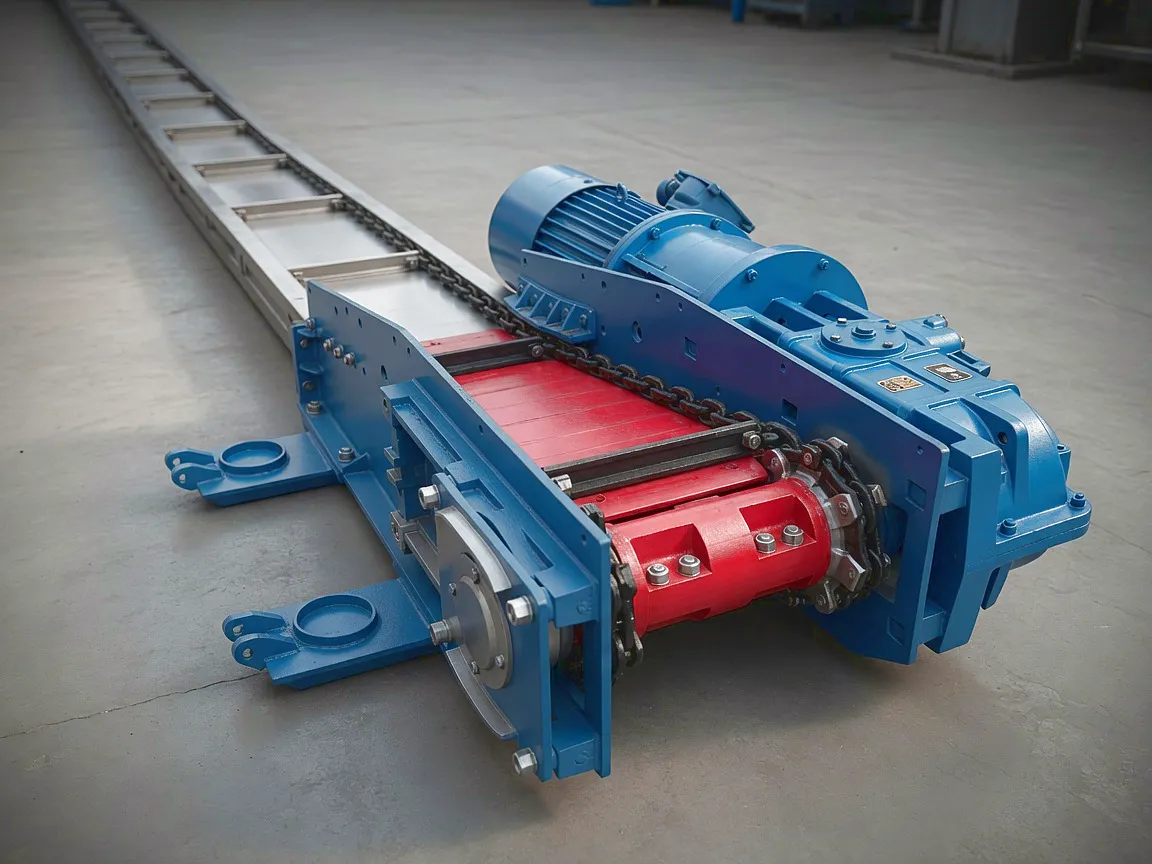
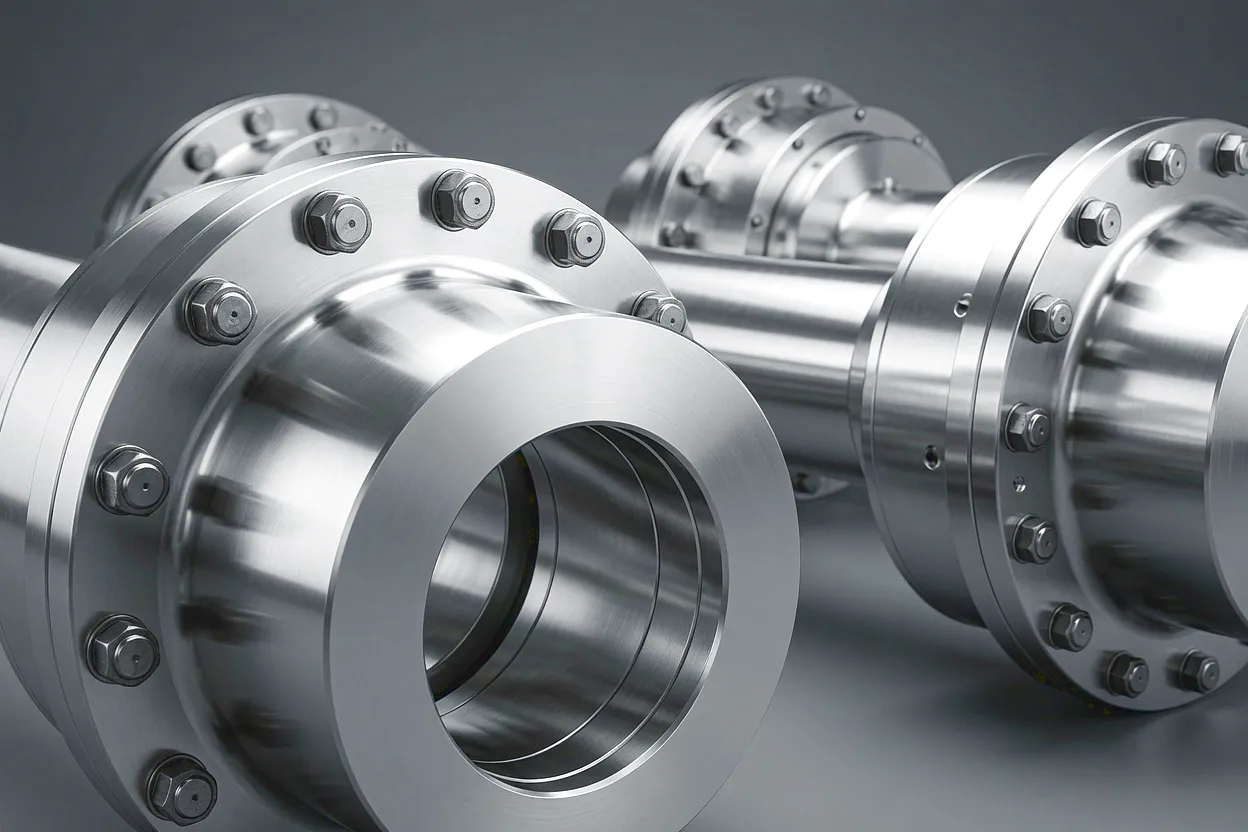
Gear coupling installed in heavy-duty scraper conveyor drivetrain — underground mining environment
How a Drum-Tooth Gear Coupling Actually Works
Working principle, materials, and surface engineering
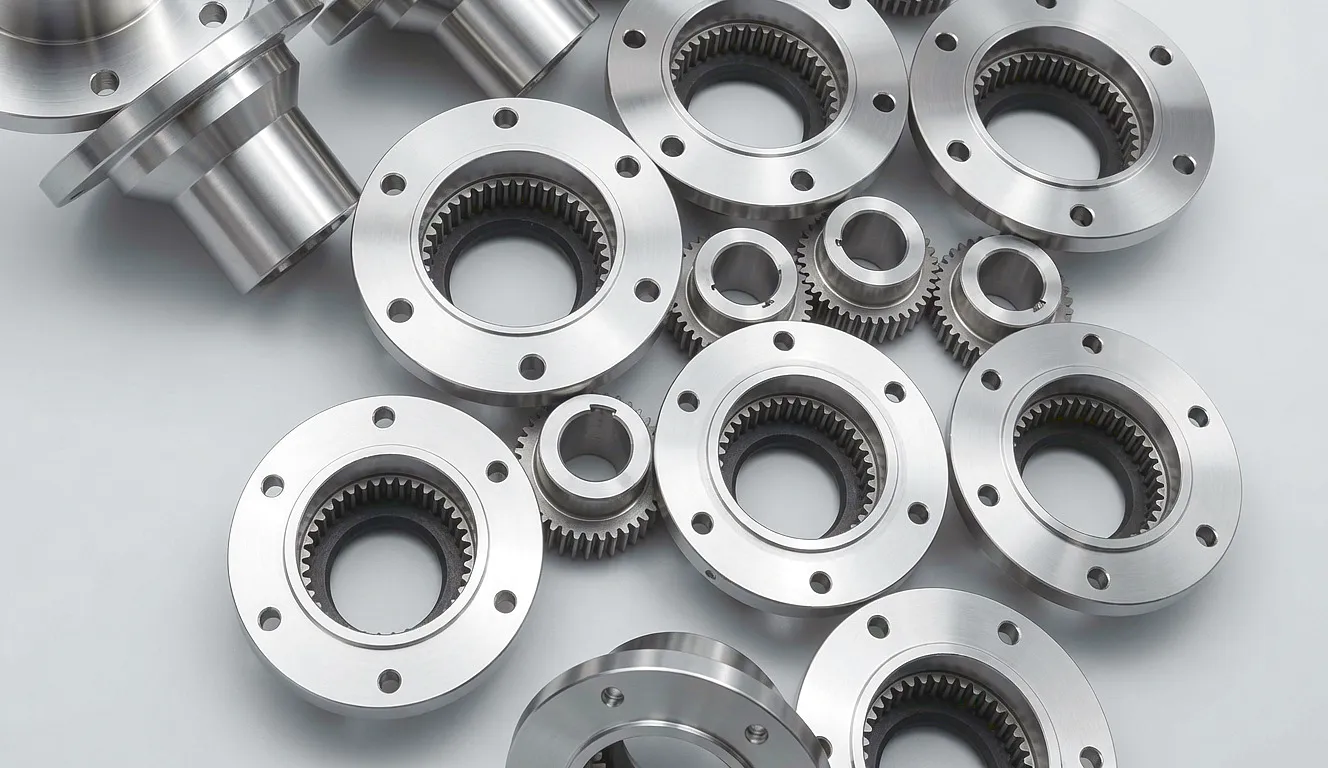
A drum-tooth gear coupling consists of two inner hubs, each machined with external crowned teeth, and an outer sleeve (or two half-sleeves) machined with matching internal straight teeth. Torque is transmitted by the meshing of these tooth sets. The “drum” or “crowned” profile of the outer teeth on each hub is the defining feature: rather than straight teeth that would bind under angular deviation, the convex barrel profile allows the tooth contact to shift progressively along the tooth width as the shafts move out of alignment, distributing load evenly and preventing edge loading.
In a standard Ever Power GICL or NGCL coupling for AFC service, the hubs are forged from 40Cr or 42CrMo alloy steel — the same material grades used in high-stress gearbox pinion shafts. Forging refines the grain structure and ensures the material’s tensile strength and impact toughness are fully realised before machining begins. Hub teeth are precision hobbed and then induction hardened to a case depth of 1.5 mm to 2.5 mm, achieving surface hardness of HRC 50 to 58 while retaining a tough core at HRC 28 to 35. This dual-hardness structure is what allows the tooth flanks to resist the abrasive sliding contact that occurs during continuous misaligned operation without the coupling becoming brittle under dynamic shock.
The outer sleeve is typically manufactured from 45# medium carbon steel, heat treated to HRC 30 to 38 through and through, so its internal teeth are slightly softer than the hub teeth. This deliberate hardness differential means that in the event of any contact anomaly — misalignment beyond the design envelope, for example — the sleeve internal teeth will wear preferentially, protecting the more expensive hubs. Grease nipples fitted to the sleeve allow re-lubrication during periodic maintenance stoppages without disassembly, and the O-ring seals on the end covers are accessible for inspection at every planned maintenance window.
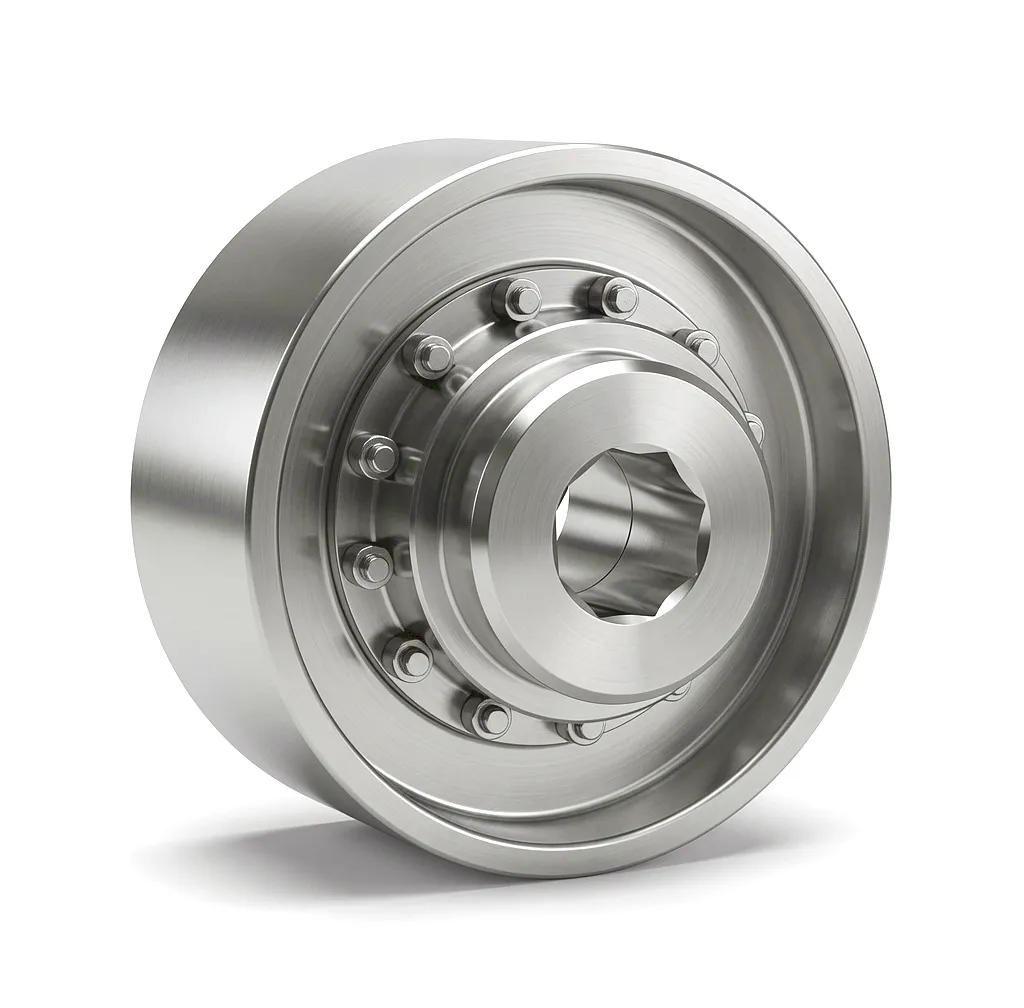
NGCL series — double-flex design with drum-tooth profile hubs
Material Grades Used in AFC Couplings
40Cr / 42CrMo
45# HT Steel
HRC 50–58
NBR / FKM
EP2 Grease / EP220
Application Scenarios Across the AFC Drivetrain
Four specific positions where gear coupling selection matters most
Position 01
Motor-to-Fluid-Coupling Interface
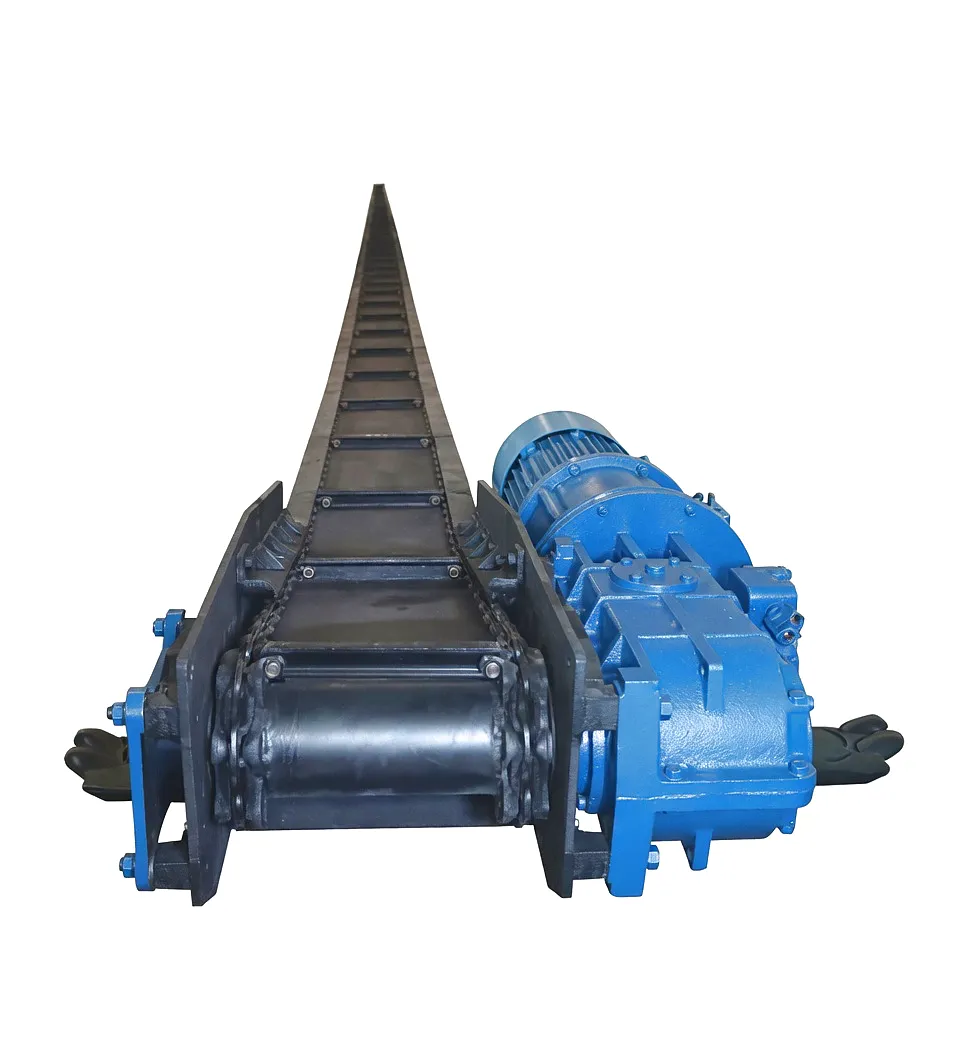 Many modern AFC installations use hydrodynamic fluid couplings or variable-speed drives between the motor and the gearbox to achieve soft starting and overload protection. The gear coupling positioned at the output shaft of the fluid coupling — or at the input shaft of the gearbox in direct-drive arrangements — must handle not only the full rated torque but also the axial float inherent in the fluid coupling rotor. GICL double-flanged gear couplings with an intermediate shaft are used here specifically because their two flex planes can accommodate both the angular and axial displacement that occurs as the fluid coupling heats up and expands during the first 20 to 30 minutes of operation on a cold-start winter morning in a UK colliery.
Position 02
Gearbox Output to Sprocket Drive Shaft
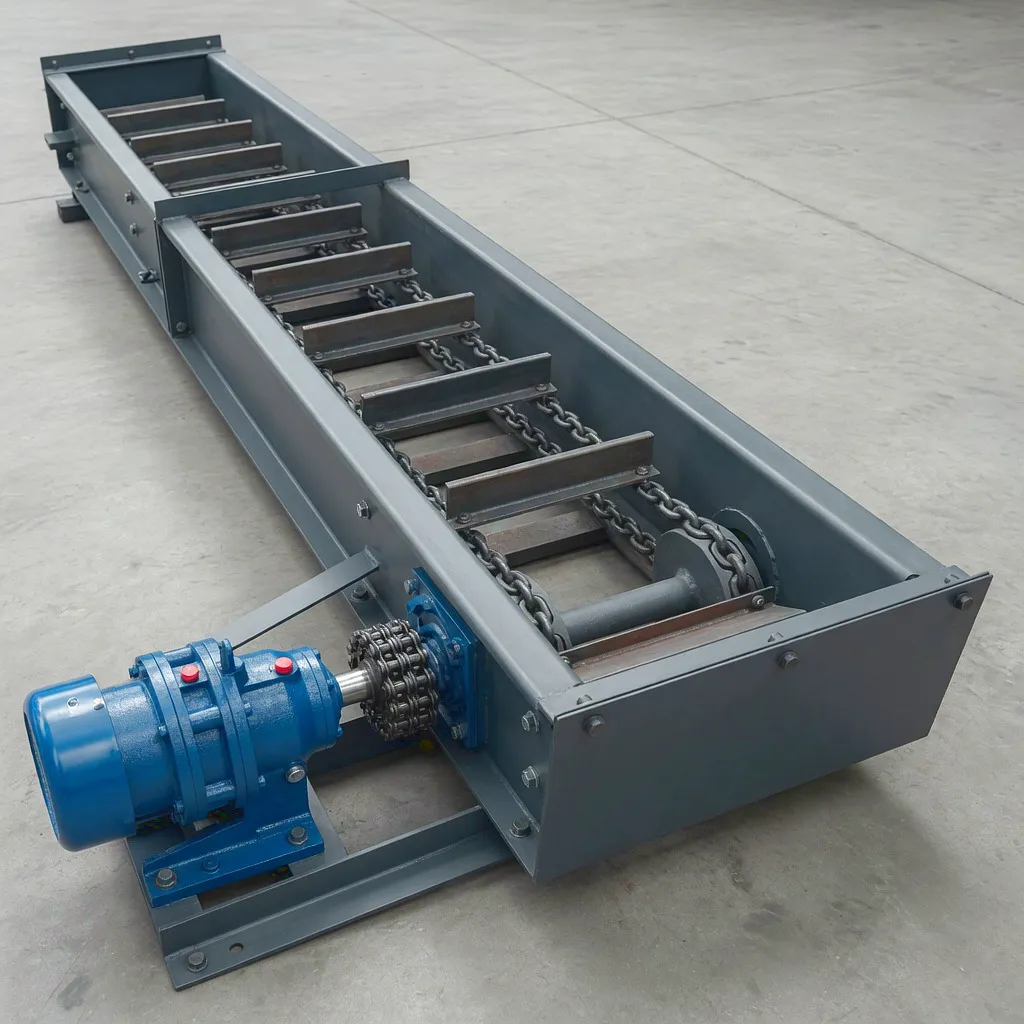
At the output end of the gearbox, the coupling transmits high torque at low speed — typically 100 to 300 rpm on the output shaft of a two-stage or three-stage AFC gearbox — directly to the sprocket drum that drives the chain. This is the point of maximum torque in the drivetrain, and the coupling must be dimensioned for the service factor applicable to heavy shock loads. Ever Power’s NGCL series, with forged 42CrMo hubs and induction-hardened teeth, is standard for this position in longwall AFC drives rated above 400 kW per motor. The double-row sleeve design in the NGCL provides additional tooth engagement length compared to the GICL, increasing torque capacity without increasing the outer diameter, which is important in confined roadway entries.
Position 03
Tail Drive Unit — Return Side Chain Tension
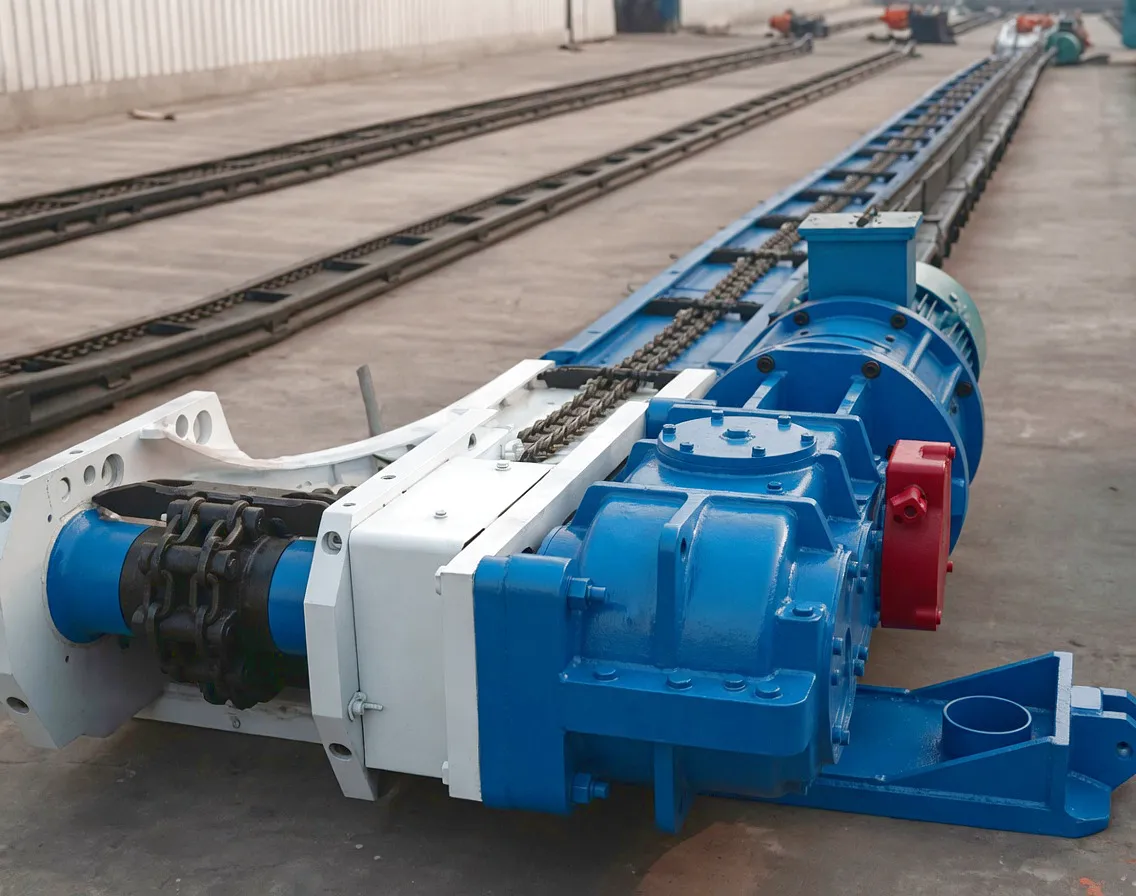
The tail drive unit of an AFC is sometimes powered by a smaller auxiliary motor providing chain tensioning, or it is a passive tensioning frame. When powered, the tail-end coupling sees a different load profile to the head drive: lower peak torques but with significant lateral displacement as the AFC is advanced during face progression. The gear coupling at the tail must tolerate the angular deflection caused by the machine advancing over uneven floor, which can introduce several degrees of misalignment between the tail gearbox axis and the tail sprocket shaft. A single-flex GICL coupling with generous angular clearance in the tooth profile — achievable by specifying a larger crown radius — is standard practice for UK-specification tail drive assemblies supplied to longwall contractors.
Beyond the primary drive positions, gear couplings also appear in the scraper conveyor system’s ancillary equipment: the crusher — which breaks oversize stone before it enters the panline — uses a gear coupling between its hammer-rotor motor and the crushing drum, because the coupling must survive the severe torque reversal that occurs when the crusher jams and is then tripped out. The Stage Loader, which transfers coal from the AFC onto the belt conveyor in the gate road, similarly uses drum-tooth gear couplings at its head drive because it runs in the same wet, dust-laden environment and experiences similar start-up and stall torque events.
Seven Reasons AFC Engineers Specify Ever Power Gear Couplings
Performance advantages that translate directly to reduced downtime and lower whole-life cost
01
Zero-Maintenance Bearing Load
The misalignment compensation of the gear coupling removes almost all bending moments from the connected shafts, extending motor and gearbox bearing life by a calculable factor. In operations running 24/7 over a 12-month longwall panel, this alone can avoid two or three bearing replacement events per drive unit, each requiring a face shutdown of four to eight hours.
02
Forged Hub Integrity
Every hub in the GICL and NGCL range destined for mining applications is made from forged billets with full material traceability certificates. The forging process eliminates the porosity and directional weakness of castings, producing a hub that maintains its mechanical properties even after years of shock cycling in the deep underground environment of UK longwall operations.
03
Interchangeable Bore Options
Ever Power couplings are available with parallel bore, taper bore, keyway, or interference-fit shaft connections. For AFC maintenance scenarios where worn shaft journals must be repaired or sleeves replaced in the field, having the coupling hub bore match the repaired shaft diameter without requiring a full coupling replacement is a significant cost saving — particularly important for UK mining operations managing budgets against tight reserve recovery schedules.
04
Split-Sleeve Design for In-Situ Service
Mining maintenance technicians cannot always slide machinery along the shaft to remove a coupling sleeve. The split-sleeve option available in the GICL and NGCL ranges allows the outer sleeve to be removed and replaced without disturbing the shaft position of either the motor or the gearbox — a feature that reduces planned maintenance time underground by 40% to 60% compared to solid-sleeve designs and is particularly valued by maintenance contractors servicing AFC drives in narrow seam operations across Yorkshire and the East Midlands.
05
100% Dynamic Balance Testing
Couplings running at motor shaft speed — typically 960 rpm to 1,480 rpm for pole-change motors used in AFC drives — must be dynamically balanced to prevent vibration-induced bearing wear. Every Ever Power coupling sleeve assembly is dynamically balanced to G6.3 or better as standard, with G2.5 available on request for precision-drive applications. Balance certification is provided with each coupling for inclusion in the equipment file held by the OEM or end-user maintenance department.
06
Rapid Lead Times for UK Stock Orders
Ever Power maintains stocked coupling assemblies in the most common AFC sizes and dispatches to UK mainland addresses within 3 to 5 working days for standard catalogue items. For mining operations where unplanned AFC downtime costs tens of thousands of pounds per day in lost production, having a trusted supplier able to deliver next-working-week is often as important as the technical specification of the coupling itself. Custom bore machining can be completed within 7 to 10 working days for urgent replacement orders.
07
Competitive Whole-Life Cost
Procurement decisions in UK mining supply chains are increasingly evaluated on total cost of ownership rather than purchase price alone. A gear coupling that requires no replacement over an 18-month panel life — versus a less durable alternative that needs replacing every six months — represents a clear cost advantage even when the initial unit price is higher. Ever Power couplings are sized with a conservative safety factor and manufactured with tooth profiles that distribute wear rather than concentrating it, supporting panel-life service without mid-panel replacement in most well-aligned AFC installations.
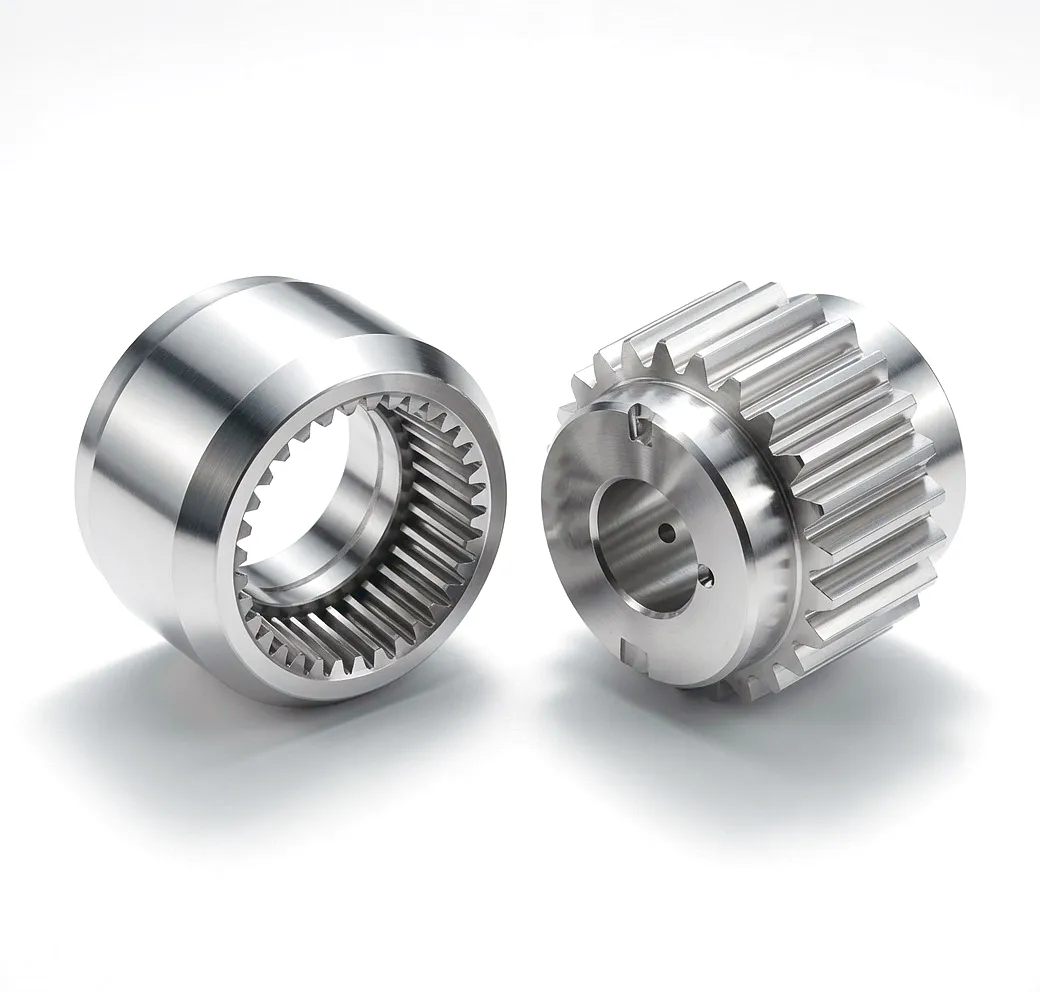
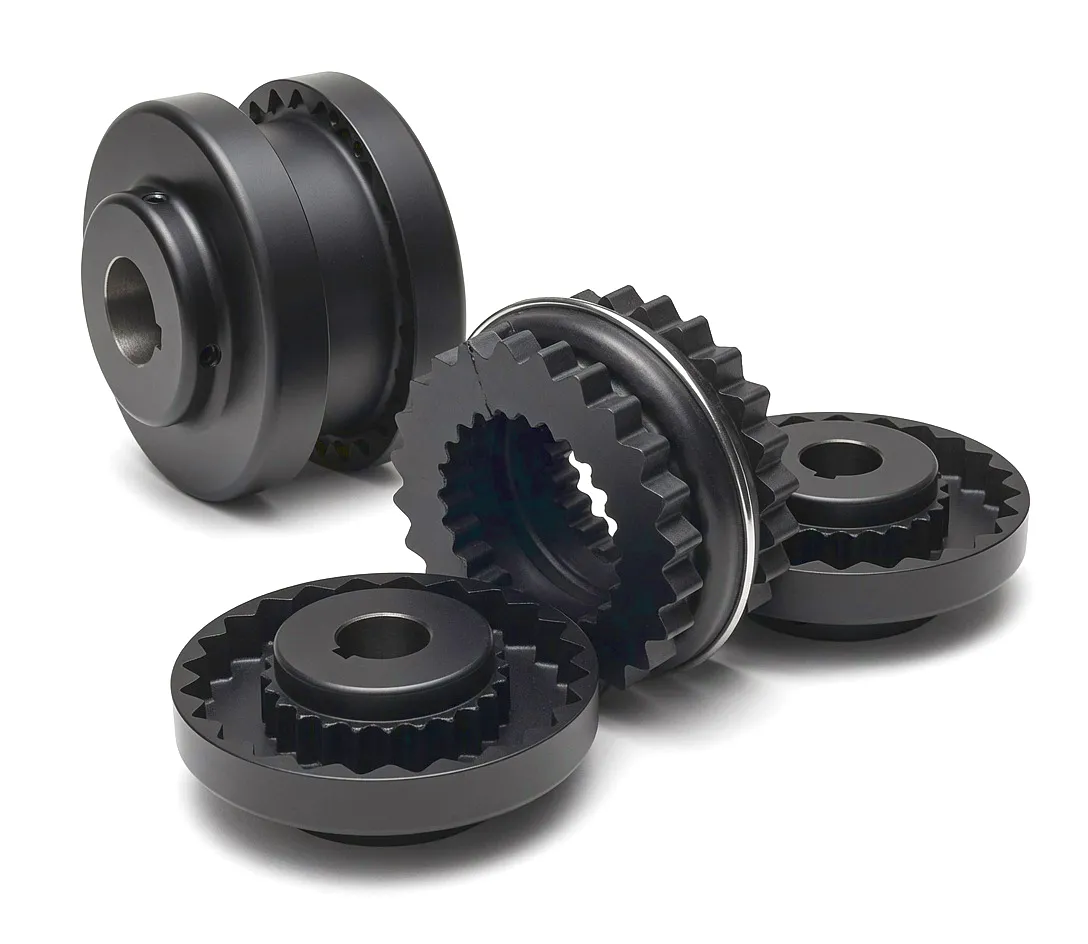
NL nylon flexible gear coupling — used in auxiliary conveyor and crusher service equipment
Manufacturing Capability & Custom Engineering
Because no two AFC installations are identical — and neither are their couplings
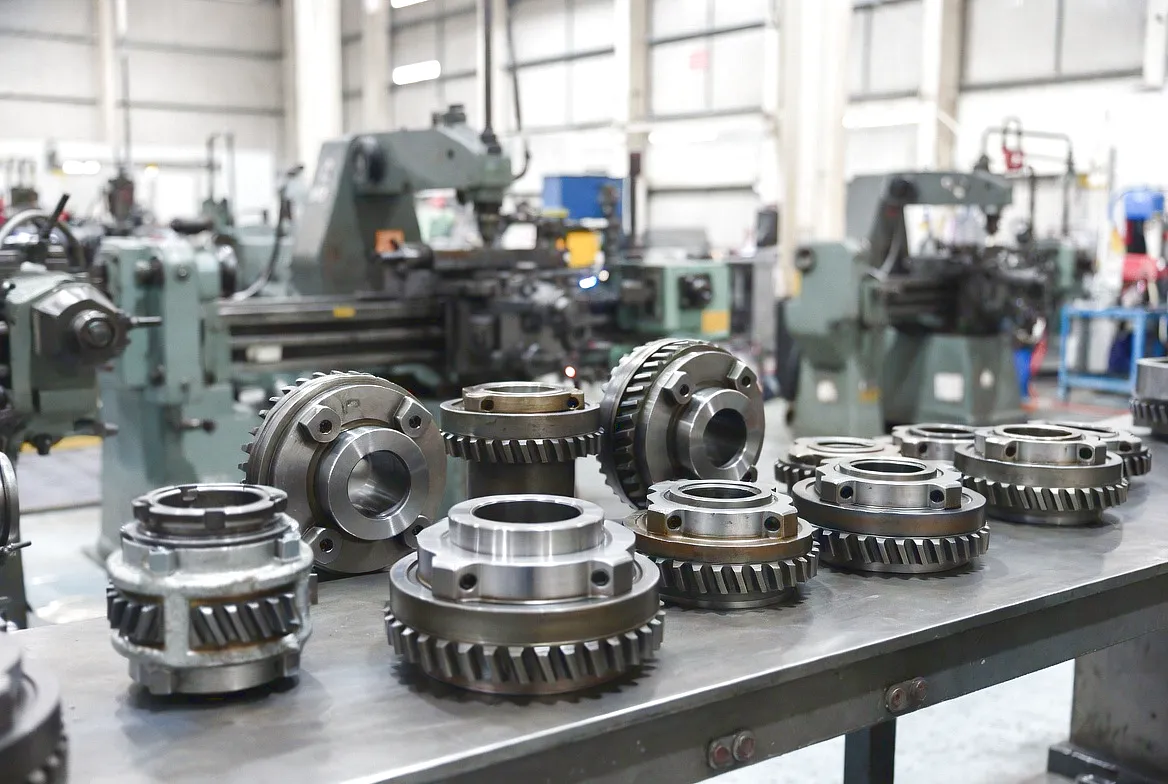
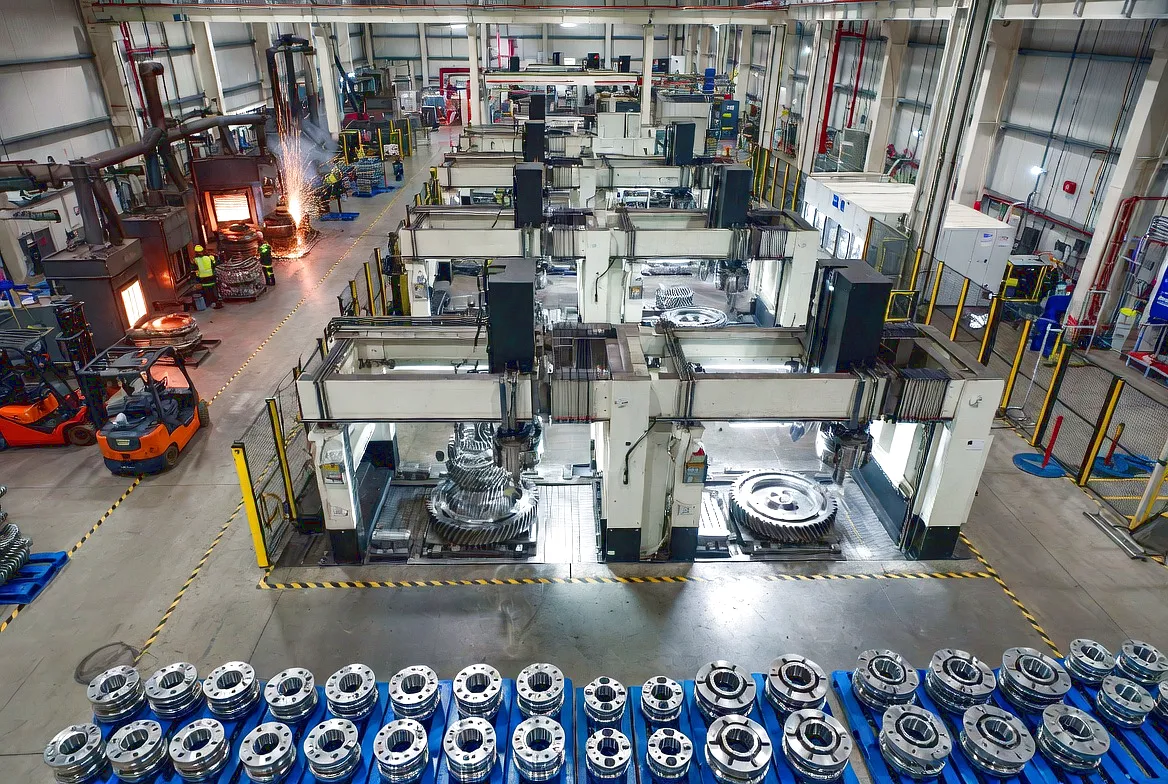
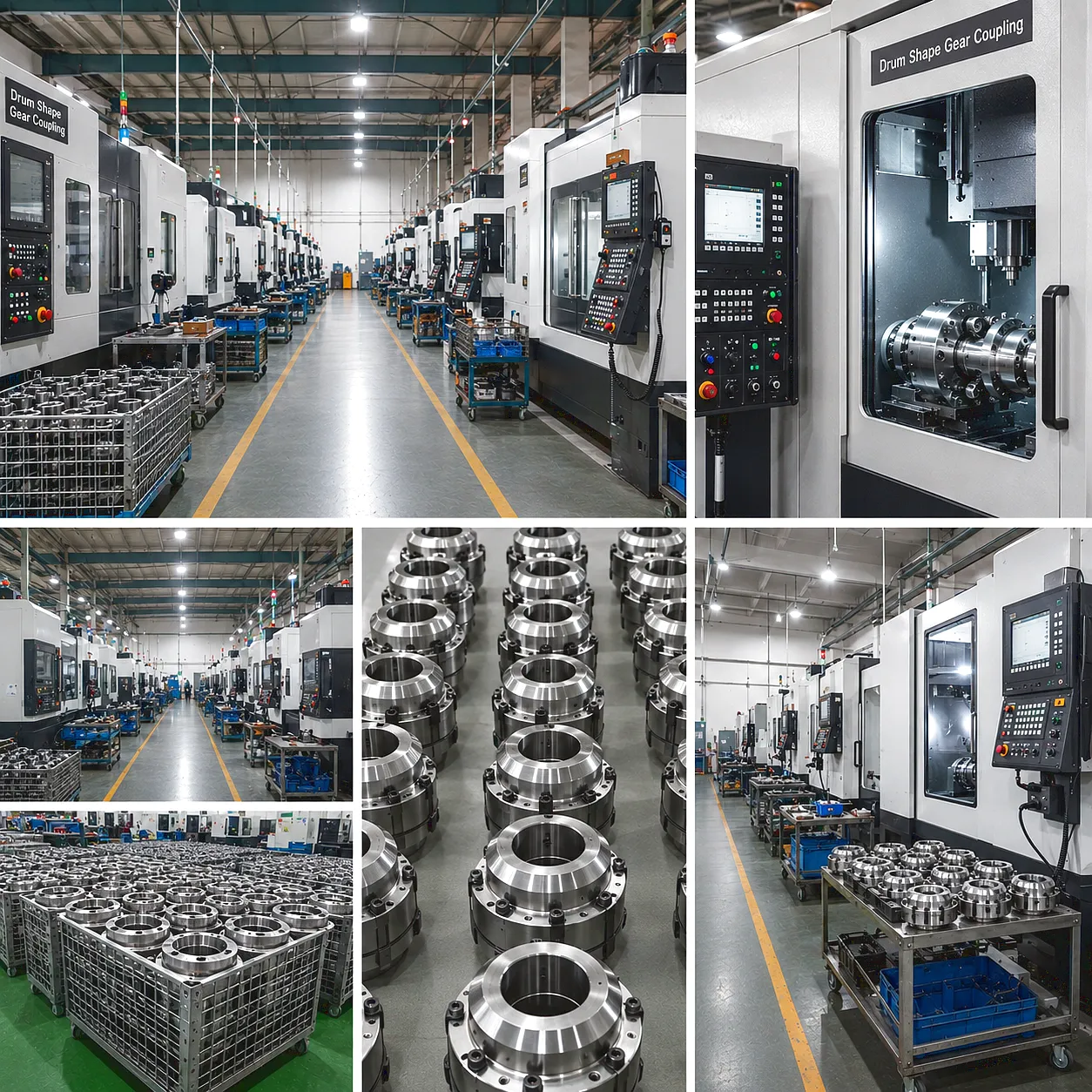
Ever Power’s manufacturing facility runs CNC gear hobbing and grinding centres, horizontal machining centres for hub boring and keyway cutting, and dedicated induction hardening cells for gear tooth surface treatment. The quality control laboratory performs 100% dimensional inspection on critical coupling features — bore diameter, tooth profile, and face runout — using CMM measurement, with full documentation available for ISO 9001-compliant supply chains.
Custom engineering is a core capability, not an add-on service. Ever Power regularly delivers coupling assemblies to non-standard specifications for UK and global AFC OEMs, including: non-standard bore diameters with H7 or H6 tolerance finish; custom keyway dimensions to match repaired or replaced shaft ends; flanged intermediate-shaft designs for specific drive train geometries; and modified end-cover designs for applications requiring additional seal integrity in particularly wet roadway conditions. Customers can submit a drive specification — motor power, speed, service factor, shaft diameters, and shaft centre distance — and receive a dimensioned coupling proposal drawing within 48 hours.
Material substitution is also available on request: coupling components for use in potentially explosive atmospheres (ATEX-designated zones) can be supplied in non-sparking materials including phosphor bronze sleeves or nickel-aluminium-bronze hubs, with full material certification and hardness testing records. This is directly relevant for UK underground coal mining operations, which must comply with the Dangerous Substances and Explosive Atmospheres Regulations 2002 (DSEAR) and the associated underground mining regulations governing the selection of mechanical equipment in zones classified as at risk from methane ignition.
🔩 Custom Bore Machining
Any bore diameter and fit class to match your shaft standards
📐 Non-Standard Geometry
Intermediate shafts, flange adaptors, and non-catalogue sizes
🔥 ATEX-Compatible Materials
Non-sparking alloys and full certification for explosive atmospheres
📄 Full Material Traceability
Mill certificates, hardness test records, and balance reports included
🚚 Fast UK Dispatch
Stock items dispatched 3–5 working days to UK mainland addresses
Customer Success: Northern England Longwall Operation
A documented case from a UK underground coal mine
14
months panel life
with zero coupling failures
£47k
estimated savings
vs. previous supplier
3
AFC drive units
re-equipped
Wakefield Deep Mine Ltd
West Yorkshire, England — Longwall Coal Production
Background: The mine’s maintenance team had experienced repeated gear coupling failures on the head-drive units of their 2,200 kW AFC installations over three consecutive longwall panels. Each failure — caused by sleeve tooth fracture under repeated shock loading at start-up — resulted in an unplanned face shutdown averaging six hours. The maintenance manager calculated that coupling failures had cost the operation approximately £120,000 in lost production and replacement parts over the preceding 18 months, prompting a full review of the coupling specification.
Solution: Ever Power’s UK technical contact worked with the mine’s mechanical engineer to review the existing coupling specification and identify the root cause: the previous supplier’s couplings used sleeves of only 40# carbon steel with no surface hardening, resulting in rapid tooth wear and eventual fracture under the shock loads from shearer stalls and chain packs. Ever Power proposed NGCL-type couplings with 42CrMo forged hubs, induction-hardened teeth, and a service factor of 2.5 — above the standard 2.0 recommended for heavy shock applications. Custom bore dimensions were machined to match the mine’s existing gearbox output shafts, avoiding any modification to the gearbox itself.
Outcome: All three AFC head-drive units completed the 14-month production panel without a single coupling-related stoppage. The estimated saving of £47,000 over the panel life — accounting for avoided downtime, replacement coupling costs, and maintenance labour — was verified against the previous panel’s maintenance records. The mine’s procurement team has since standardised on Ever Power NGCL couplings for all new AFC equipment purchases.
What Our Customers Say
“
We’d been chasing coupling failures for the best part of two years on our AFC head drives. Switching to Ever Power NGCL units with the higher service factor resolved the issue completely. Maintenance team actually commented that the split-sleeve design makes the scheduled service significantly quicker underground.
James Thwaite
Chief Mechanical Engineer — Colliery Operations, West Yorkshire
“
We specified Ever Power gear couplings on two new AFC builds for an export project in Poland. The material certification and dimensional documentation matched our quality plan requirements without any push-back. Lead time was quoted and delivered exactly. When one bore size turned out to need adjustment after a gearbox shaft repair, they turned around a replacement hub in eight days. That level of responsiveness matters when a face is waiting.
Rachel Drummond
Procurement Manager — Mining Equipment OEM, Sheffield
“
The technical support before the order was the deciding factor for us. Their engineer reviewed our drive specification, flagged that our original coupling selection was under-rated for the 500 kW tail drive configuration we’d planned, and recommended a larger frame size before we committed to fabrication. That kind of proactive input is hard to find in coupling supply and it saved us from an expensive mistake during commissioning.
David Cranshaw
Design Engineer — Conveyor Systems Division, County Durham
How to Select the Right Gear Coupling for Your AFC Drive
A practical selection framework from application experience
Selection of a gear coupling for an AFC application is not simply a matter of matching the rated torque to the motor nameplate. The nameplate torque — calculated from motor kW and rated speed — is the starting point, not the finish line. The actual selection torque must account for the service factor, which in scraper conveyor applications typically falls in the range 2.0 to 3.0 depending on start-up method, chain configuration, and the operator’s historic data on torque spikes in their specific geological conditions.
| Drive Condition | Service Factor | Recommended Series | Key Consideration |
|---|---|---|---|
| Smooth start, light-medium chain | 1.5 – 2.0 | GICL Standard | Fluid coupling or VSD starting |
| Direct-on-line start, medium chain | 2.0 – 2.5 | GICL Heavy / NGCL | Induction-hardened teeth essential |
| Heavy chain, frequent stalls | 2.5 – 3.0 | NGCL High-Torque | 42CrMo hubs, HRC 55+ teeth |
| Crusher / stage loader auxiliary | 2.0 – 2.5 | NL Nylon or GICL | Vibration damping a priority |
| Potentially explosive atmosphere (DSEAR) | 2.5+ | NGCL ATEX Option | Non-sparking materials, full cert |
Once the selection torque has been established, verify the shaft bore requirement against the available catalogue bore range for the chosen coupling size, and confirm that the shaft-to-shaft distance matches the coupling’s standard assembly length or can be accommodated with an intermediate shaft. If you are sourcing a gear coupling for a UK AFC application and have any doubt about the correct selection, submit your drive data to Ever Power’s engineering team — the specification review service is free of charge and typically returns a recommendation drawing within 48 hours of receiving the input data.
Frequently Asked Questions
Common questions from UK mining engineers and procurement teams
Ready to Specify the Right Gear Coupling for Your Scraper Conveyor?
Send us your drive specification — motor power, speed, shaft diameters, and application details — and Ever Power’s engineers will return a dimensioned coupling proposal within 48 hours. No obligation, no minimum order.
Ever Power — Drum-Tooth Gear Couplings for AFC Drivetrains | Supplied to UK Mining Operations & Equipment OEMs
edit by gzl