
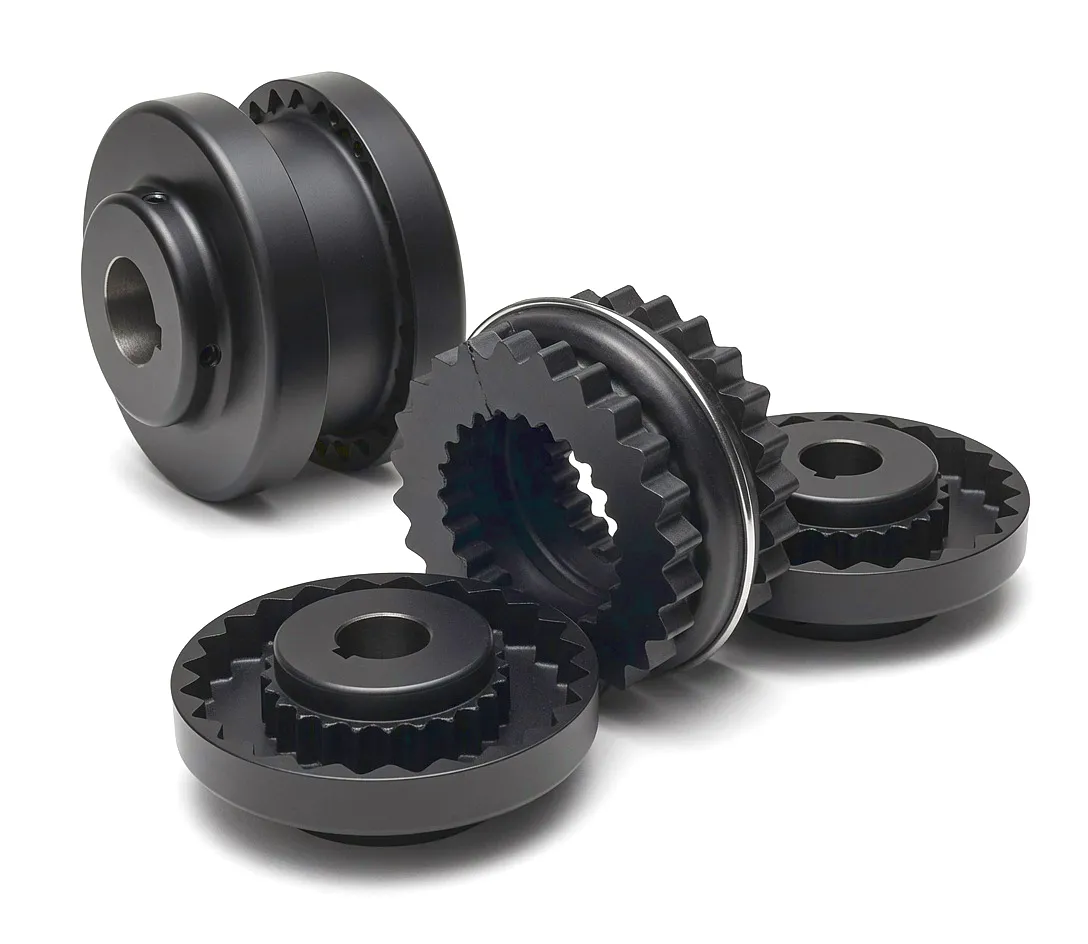
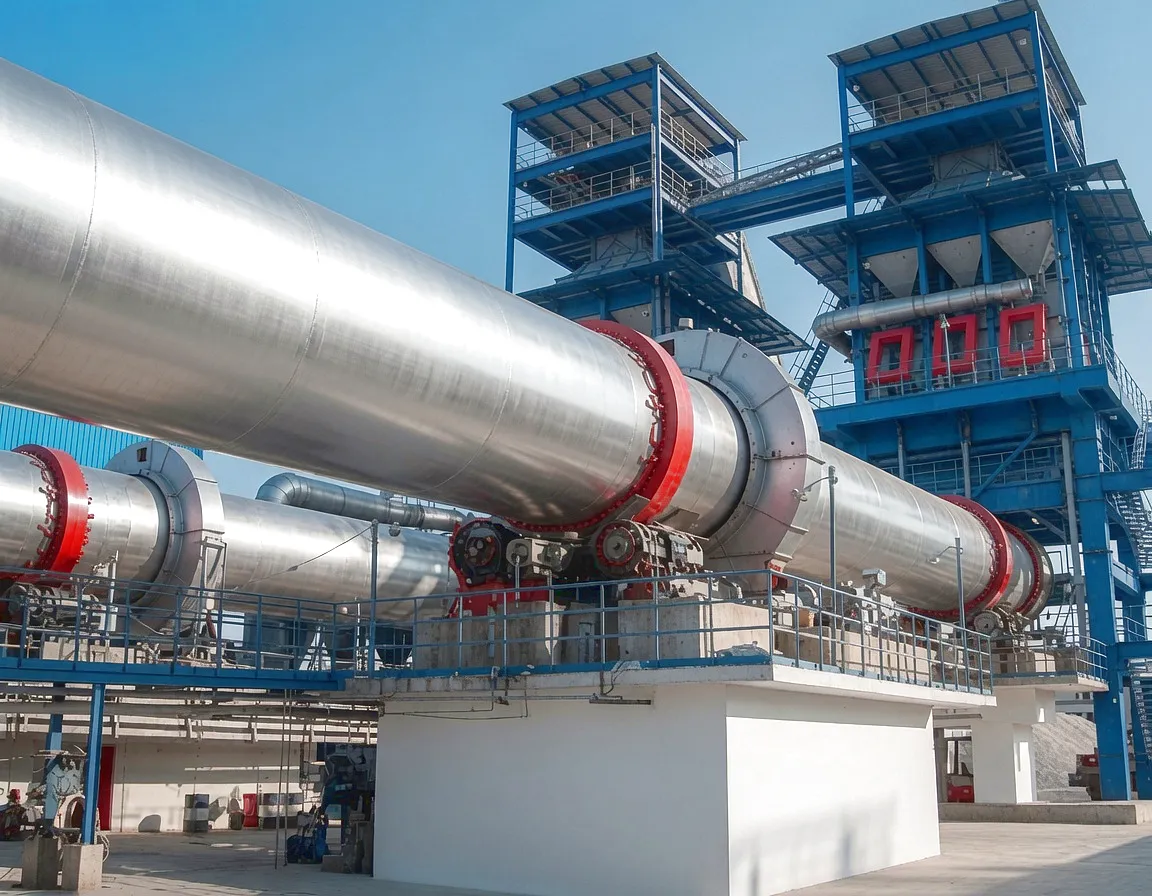
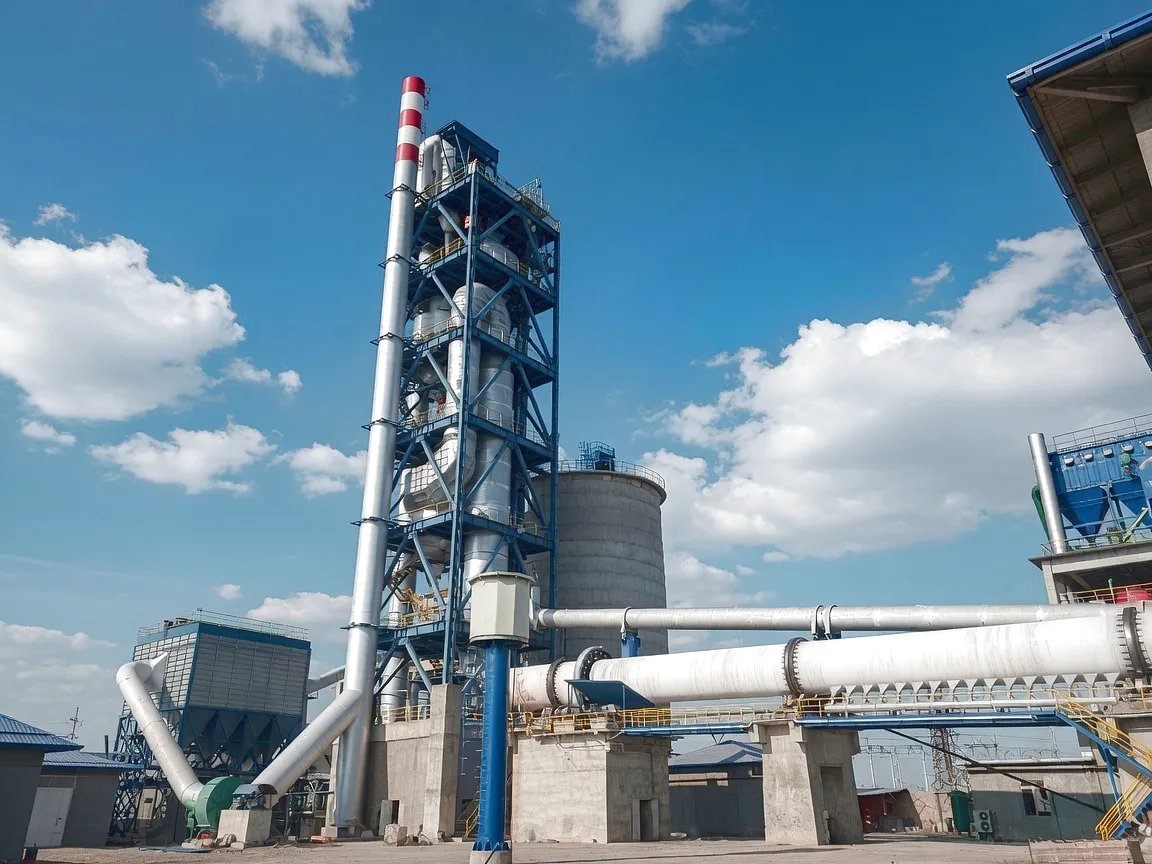
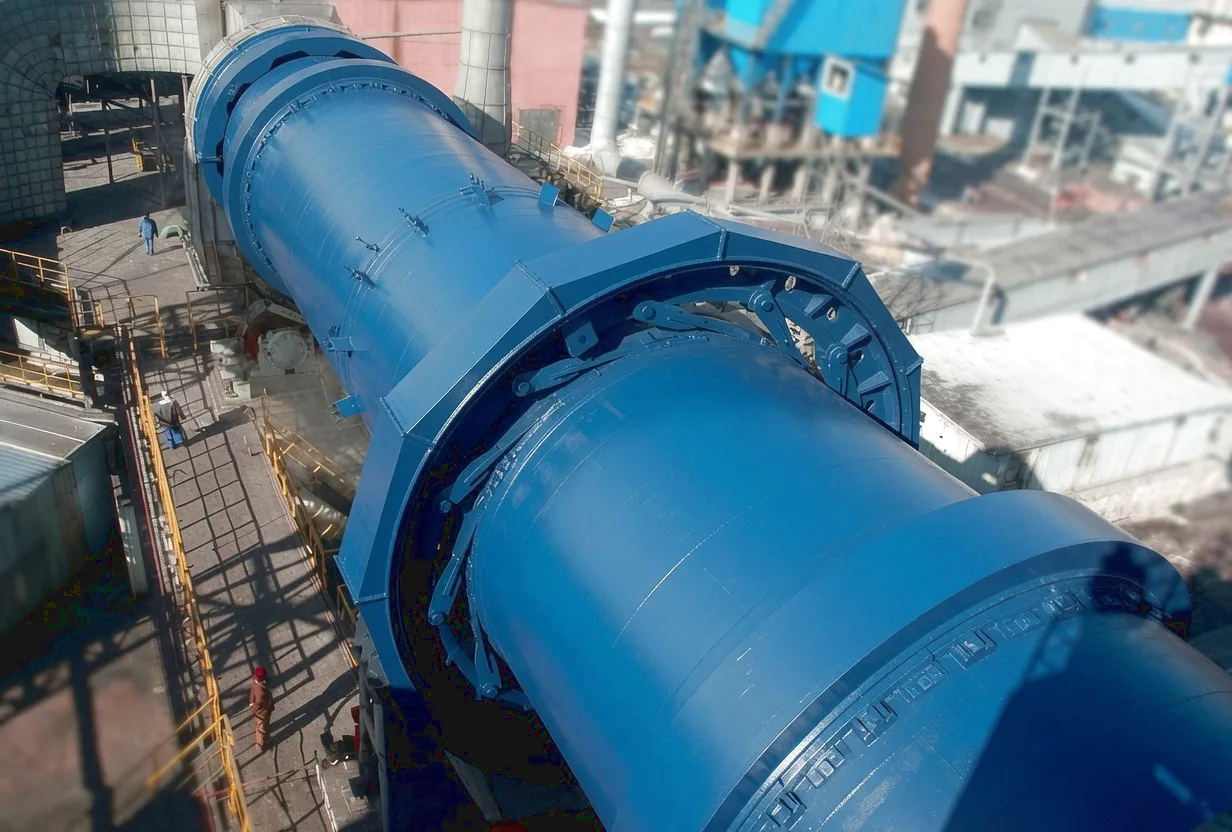
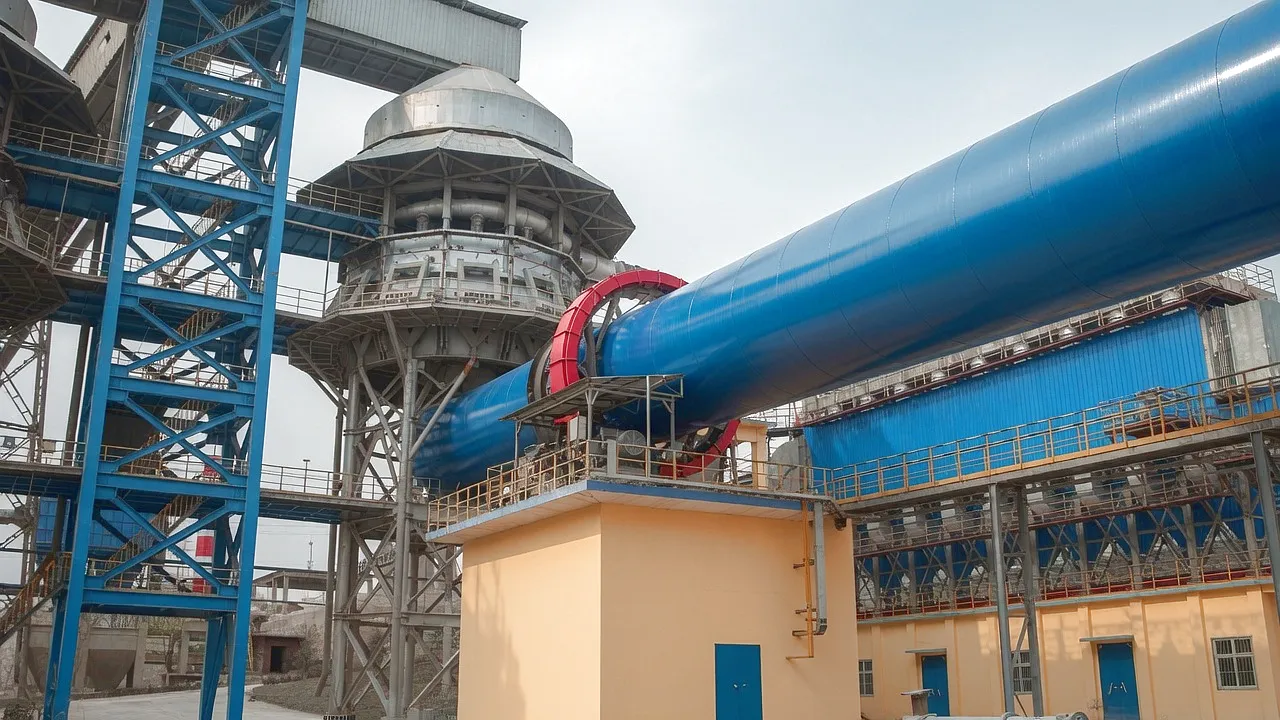
 Walk into any cement plant in the United Kingdom — Ribblesdale, Rugby, Ketton, or the Cauldon works in Staffordshire — and behind every rotary kiln you will find the same engineering problem dressed in slightly different clothes. The kiln itself is an engineering marvel: a steel cylinder sometimes exceeding 80 metres in length and 6 metres in diameter, rotating at between 1 and 5 revolutions per minute while its internal temperature climbs past 1,450 °C. The shell expands, contracts, and flexes with every thermal cycle. The girth gear wobbles. Foundations settle. And somewhere between the main drive motor and the primary gearbox sits a component that must absorb every one of those imperfections without complaint, day after day, for years at a stretch — the gear coupling.
Choosing the wrong coupling for a rotary kiln drive is not a minor inconvenience. Unplanned kiln stoppages in British cement manufacturing typically cost between £15,000 and £60,000 per hour in lost production, wasted fuel, and the slow, labour-intensive process of restarting a hot kiln. That number rises sharply if the shutdown damages the refractory lining, which can happen when a stalled kiln holds its thermal soak pattern in the wrong position. Getting the gear coupling specification right — bore diameter, tooth geometry, lubrication interval, material grade, misalignment rating — is therefore a decision that belongs at the centre of drive-system engineering, not at the tail end of a procurement list.
This article examines why drum-type gear couplings have become the standard solution for cement kiln main drives, how Ever Power selects and manufactures them for UK plant conditions, and what application engineers should look for when specifying or replacing a coupling in this demanding environment.
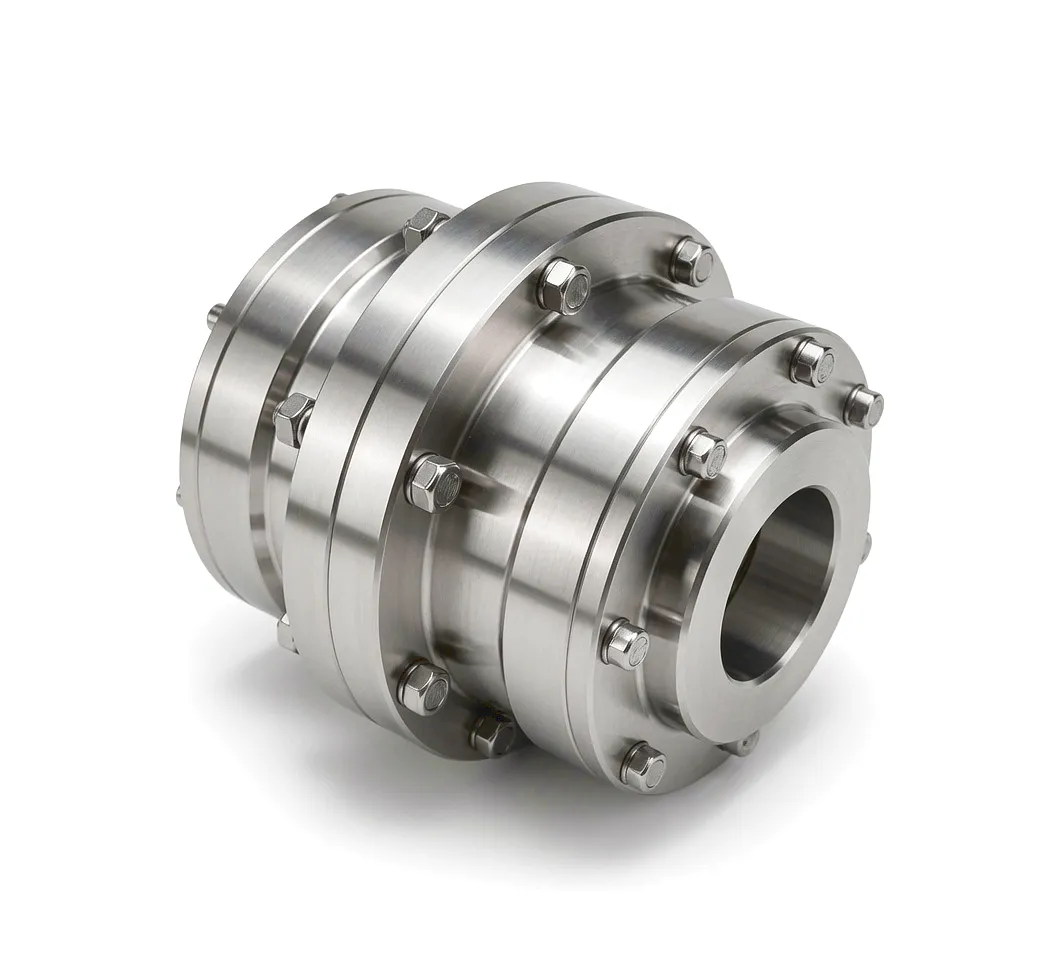
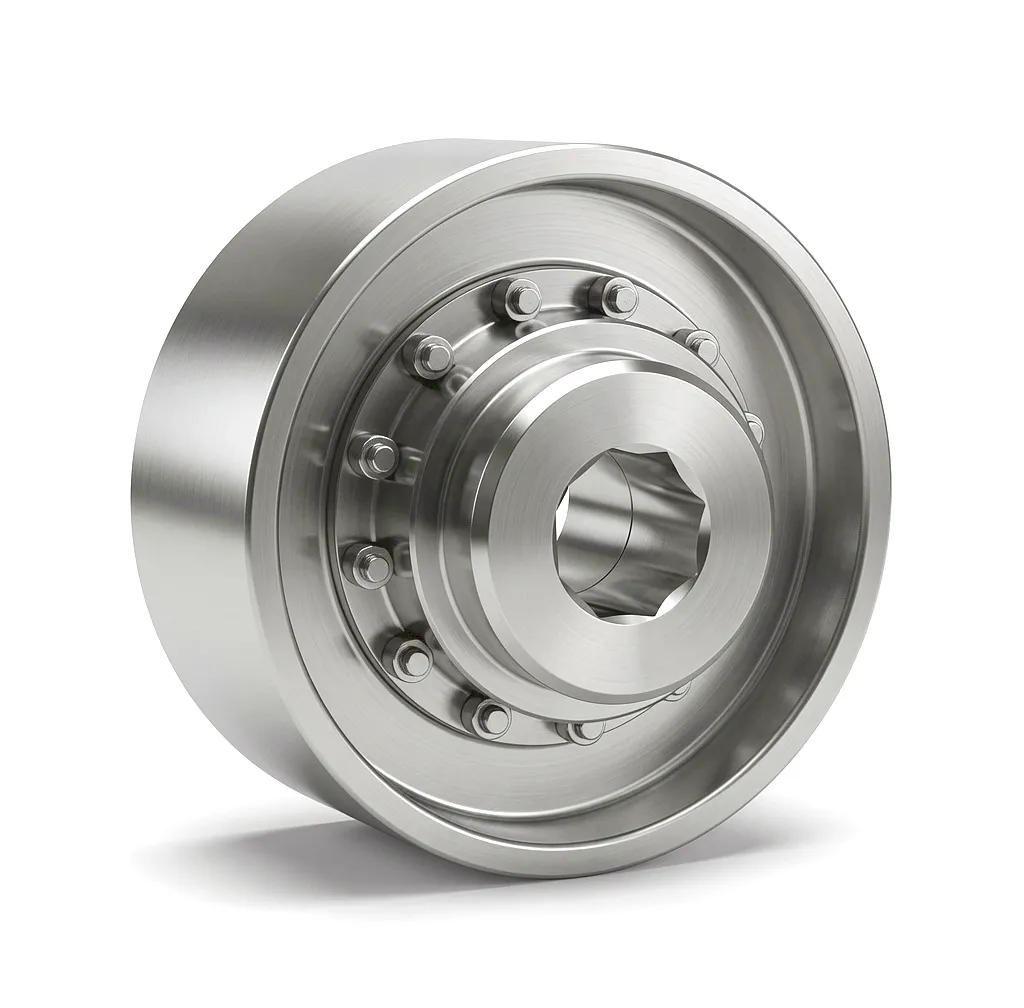
GICL / NGCL Series Drum-Type Gear Coupling
Engineered for heavy-duty continuous service in rotary kiln main drives. Available in custom bore sizes, torque ratings from 3.5 kN·m to 1,250 kN·m, with drum-tooth profile for superior angular misalignment capacity.
Why Rotary Kiln Drives Destroy Ordinary Couplings
A cement rotary kiln drive sits in one of the harshest mechanical environments imaginable. The combination of sustained high torque, continuous low-speed rotation, and a kiln shell that thermally expands and bends under its own weight creates conditions that will crack, wear, or fatigue any flexible element that is not specifically designed for the task. Understanding exactly which forces are at play is the starting point for any coupling specification exercise.
Thermal Cycling
The kiln shell temperature at the tyre positions runs between 250 °C and 400 °C during operation. The shell expands axially by 50–150 mm between cold start and full running temperature. A coupling without adequate axial float will transmit this expansion as a pure thrust load directly into the gearbox output shaft — accelerating bearing wear and eventually fracturing the shaft itself.
Angular & Radial Misalignment
As a kiln shell heats and expands, the tyre riding rings settle unevenly on the support rollers, causing the shell centreline to wander laterally and angularly. Any coupling between the motor and gearbox must tolerate continuous angular misalignment of up to 1.5° and radial offset of several millimetres without generating reactive forces that are transmitted upstream into motor bearings or downstream into the gearbox.
Shock & Cyclic Torque
The large girth gear driving the kiln shell is never perfectly uniform in loading. Variations in feed material density, lumps of raw meal, and the irregular movement of material through the burn zone all produce cyclic torque spikes that can reach three to five times the steady-state rated torque. A coupling that cannot absorb these peaks will transmit the shock directly to the gearbox pinion, causing accelerated tooth wear or fatigue fracture.
“In over eighteen years of specifying drive couplings for heavy rotating equipment, I have found that cement kiln drives represent the single most demanding coupling application in industrial process plant. The combination of sustained high torque at very low speed, continuous misalignment from a thermally flexible shell, and the operational consequences of an unplanned stop make coupling selection a critical engineering decision rather than a routine procurement task.”
The Engineering Behind Drum-Type Gear Couplings
A drum-type gear coupling — sometimes called a crowned-tooth or barrel-tooth gear coupling — is fundamentally a device for transmitting torque between two shafts while allowing for continuous angular, radial, and axial displacement between them. The operating principle rests on a pair of internally toothed outer sleeves meshing with externally toothed inner hubs. The key engineering innovation in the drum type is the crowning profile ground into the external teeth: rather than straight involute teeth that can only transmit torque in perfect alignment, the crowned teeth are curved in their longitudinal section, creating a barrel or drum shape along the tooth face.
This crown geometry allows the inner hub to rock within the outer sleeve under angular displacement without concentrating the contact stress at the tooth edges. When the shaft centrelines run at an angle — as they inevitably do in a thermally active kiln drive — the crowned tooth profile redistributes the contact load across a wider area of the tooth face, maintaining torque capacity and dramatically extending tooth life compared with straight-tooth designs. The same geometry accommodates radial offset between shaft centrelines by allowing the coupling halves to adopt a relative angle that compensates for the parallel displacement.
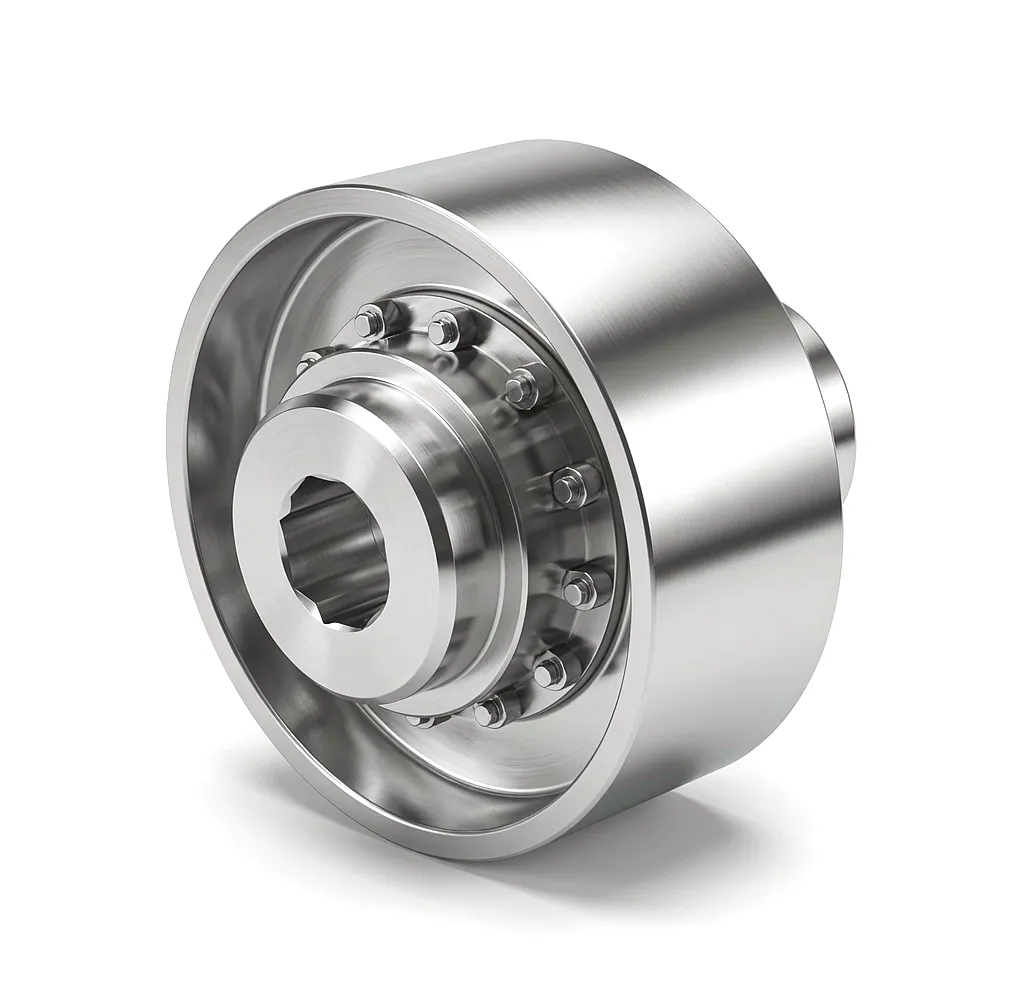
Axial displacement is handled through a controlled clearance between the inner hub face and the outer sleeve shoulder. This float — typically 2 to 10 mm per half coupling — absorbs the thermal elongation of the connected shafts without generating axial thrust. For kiln drives where the gearbox output shaft can move significantly as the kiln shell heats up, this feature is not optional; it is essential to preventing premature gearbox bearing failure.
Lubrication is the third critical element of drum-type gear coupling design. The tooth mesh is a lubricated sliding contact operating at very low sliding velocities, which means it depends entirely on a retained grease or oil film to prevent metal-to-metal contact. Ever Power’s GICL and NGCL series use a sealed-cavity design with premium extreme-pressure (EP) grease, selected to provide a stable lubricant film across the wide temperature range encountered in cement plant environments — from cold winter starts to the sustained high-ambient conditions near the kiln firing hood.
Technical Specifications: GICL / NGCL Series for Kiln Drives
The table below summarises the key performance parameters for Ever Power’s drum-type gear coupling range as applied to rotary kiln main drives. Custom configurations are available beyond the standard range — contact our UK technical team for bespoke sizing and certification requirements.
| Parameter | GICL Series | NGCL Series | Custom/OEM |
|---|---|---|---|
| Nominal Torque Range | 3.5 – 450 kN·m | 6.3 – 1,250 kN·m | Per inquiry |
| Max Angular Misalignment | Up to 1.5° | Up to 1.5° | Up to 2.0° |
| Axial Float (per half) | 2 – 8 mm | 3 – 10 mm | Specified to order |
| Maximum Speed (rpm) | 1,500 – 3,600 | 750 – 1,500 | Balanced to spec |
| Hub Material | 42CrMo4 alloy steel | 42CrMo4 / 40Cr | Stainless/bespoke |
| Sleeve Material | 40Cr / 35CrMo | 35CrMo heat-treated | Grade to spec |
| Tooth Surface Treatment | Carburising + quenching | Carburising + quenching | Nitriding available |
| Tooth Hardness (HRC) | 56 – 62 HRC | 56 – 62 HRC | 58 – 64 HRC |
| Operating Temperature | -20 °C to +80 °C | -20 °C to +80 °C | -30 °C to +120 °C |
| Lubrication | EP grease, sealed | EP grease / oil bath | CLS port available |
Key Advantages of Ever Power Gear Couplings for Kiln Drives
High Torque Density
The involute-crowned tooth form packs significantly more torque capacity into a given envelope than equivalent jaw or disc couplings. For kiln drives where the gearbox output shaft must accommodate large bore diameters, this translates to a more compact, lighter coupling assembly that still delivers the torque multiplication the kiln demands.
Multi-Axis Compensation
Simultaneous angular, radial, and axial displacement compensation in a single, sealed unit means the coupling handles everything the thermal cycle throws at it without requiring separate compensation devices. This simplicity reduces the number of potential failure points in the drive train and makes maintenance planning more predictable.
Extended Service Intervals
Properly specified and lubricated drum-type gear couplings routinely achieve 8,000 to 12,000 operating hours between maintenance interventions in kiln drive applications. Ever Power’s sealed grease cavity design extends this further, with many UK customers reporting full maintenance cycles of 12 months or longer without coupling-related interventions.
Low Total Cost of Ownership
The purchase price of a gear coupling is a minor consideration against the cost of a kiln stoppage. Ever Power couplings are priced competitively for the UK and European market while delivering the material quality, tooth geometry accuracy, and dimensional consistency that underpin long service life and reliable torque transmission in demanding cement plant environments.
Drop-In Interchangeability
Many UK cement plants operate legacy kiln drives from OEMs such as FLSmidth, Polysius, or KHD with couplings that are no longer available from the original manufacturer. Ever Power engineers reverse-engineer dimensional envelopes from provided drawings or physical measurements, manufacturing replacements in alloy steel that match the OEM interface dimensions while incorporating modern tooth geometry improvements.
Full Documentation Package
Every Ever Power coupling shipped to UK and European customers is accompanied by material test certificates, dimensional inspection reports, and heat treatment records — the documentation package that UK plant maintenance teams and ISO 9001-audited plants require. We hold copies on file for the product lifetime, supporting future maintenance planning and compliance verification.
Materials, Manufacturing Precision & Customisation
The material selection for a gear coupling intended for rotary kiln main drive service is not interchangeable with standard industrial coupling materials. The sustained high-torque, low-speed operating regime creates contact conditions in the tooth mesh that favour hard, wear-resistant surfaces with high core toughness to resist the shock loading from torque spikes. Ever Power specifies 42CrMo4 or 35CrMo low-alloy steel for all hubs and sleeves in kiln drive couplings. The forgings are austenitised, quenched, and tempered to achieve a core hardness of 255–285 HB, before the tooth flanks are carburised, quenched, and precision-ground to achieve a surface hardness of 56–62 HRC with a case depth of 0.8–1.4 mm.
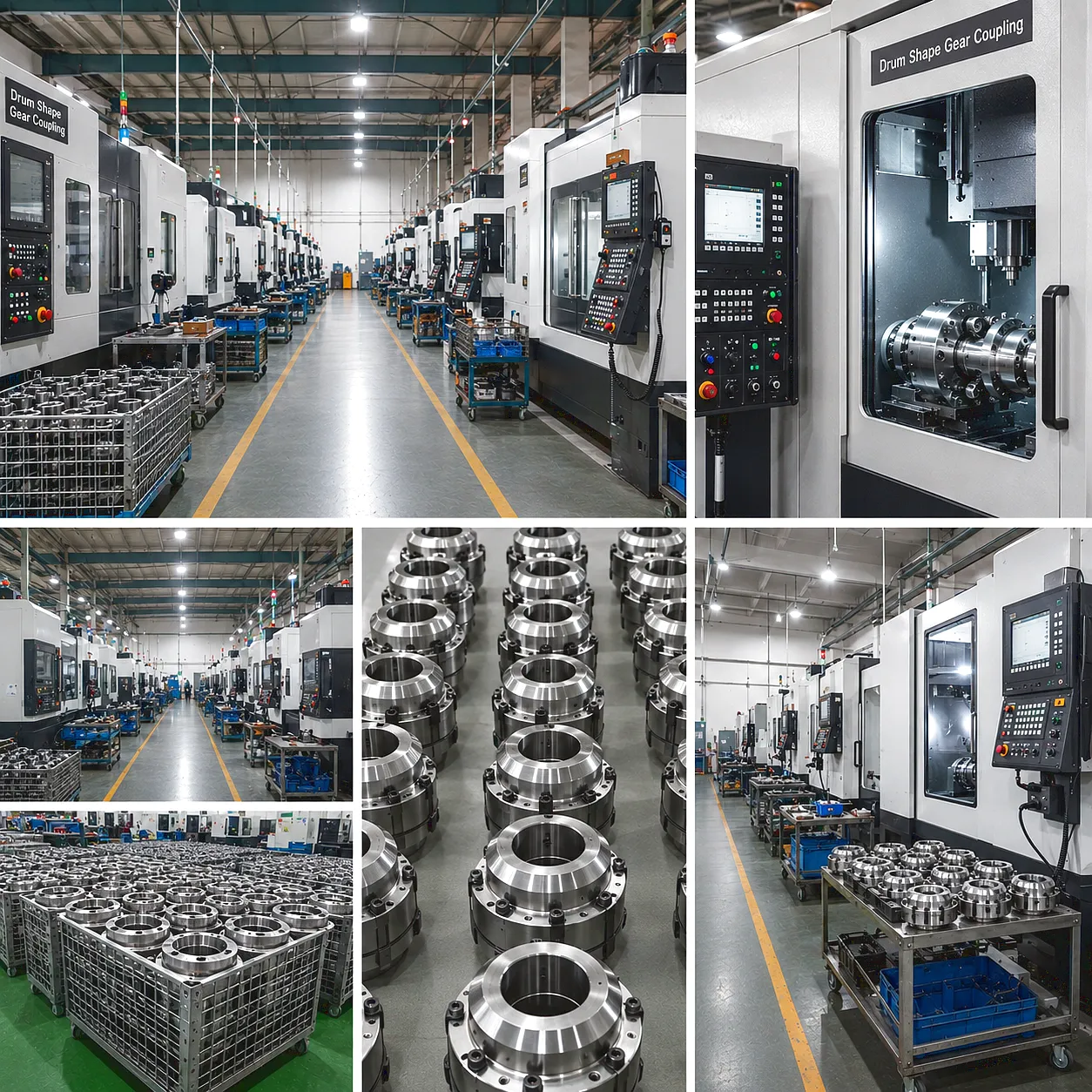
Crown geometry is machined on 5-axis CNC hobbing machines with profilometer verification of the barrel radius after cutting. The total profile error on the tooth crown must remain below 12 micrometres to ensure the designed contact distribution is actually achieved under load. This is a tolerance that cannot be held on conventional hobbing equipment; it requires purpose-built CNC gear cutting centres with temperature-controlled spindles, which Ever Power operates in its dedicated gear coupling manufacturing facility.
Ever Power’s customisation capability is central to its value proposition for UK cement plant operators. Standard catalogue sizes cover the most common motor-gearbox interface dimensions, but cement kiln drives span a wide range of shaft diameters and torque ratings, and many installations have non-standard bore requirements arising from shaft repairs, gearbox replacements, or upgrades to higher-rated motors. Our engineering team works directly with plant maintenance managers and OEM service providers to establish the correct coupling specification, produce detailed 2D and 3D drawings for approval, and manufacture to the agreed dimensional package. Lead times for custom kiln drive couplings typically run four to eight weeks from drawing approval, with expedited service available for emergency replacements.
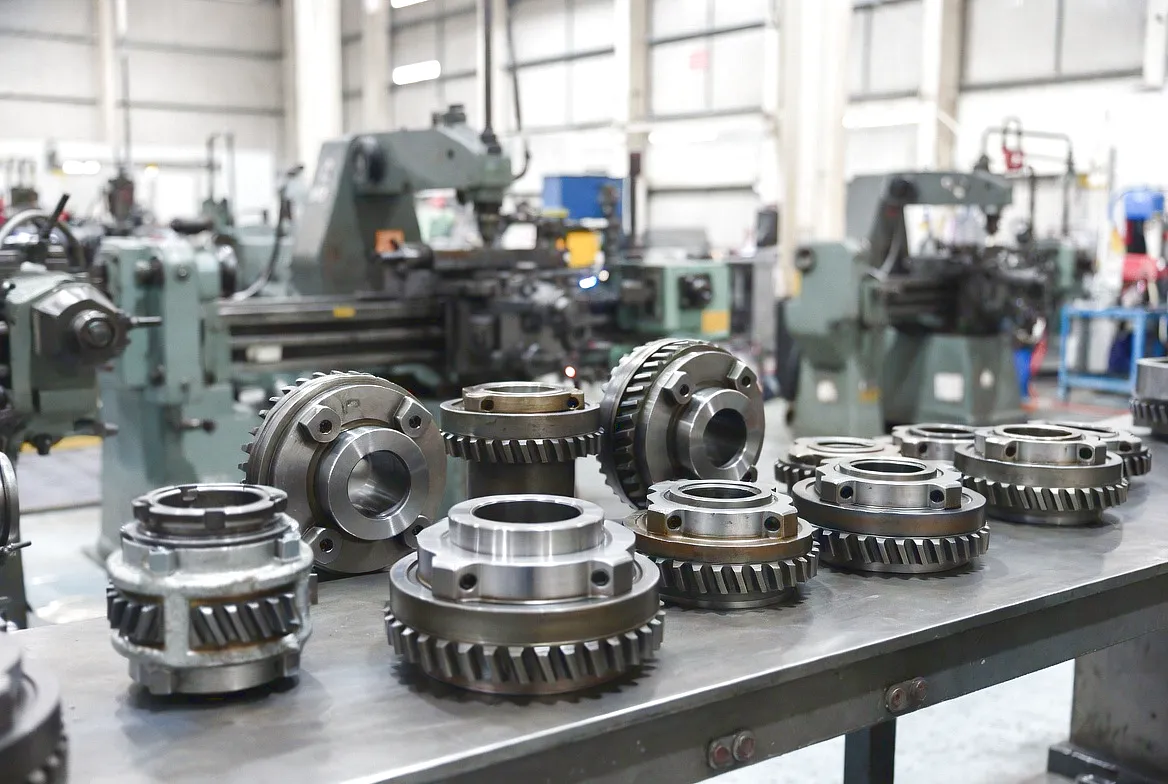
Non-standard bore sizes, flanged configurations, shrink-fit hubs, and OEM replacement profiles. Full drawing approval process with DXF/STEP files supplied.
Where Gear Couplings Are Installed in a Rotary Kiln Drive System
Understanding the specific coupling positions in a cement kiln drive train is essential to making the right specification decisions. The coupling requirements at each position differ significantly, and selecting the same coupling type for all positions without regard to the local operating conditions is a common source of premature failures in UK cement plants.
The same drum-type gear coupling product range serves a wide range of heavy rotating equipment across UK industry. The engineering principles that make gear couplings appropriate for kiln drives apply equally to ball mill drives in aggregate quarrying, rotary kilns in lime and dolomite calcination, dryer drives in mineral processing, and large blower shaft couplings in power station forced-draft and induced-draft fan systems.
Steel mill roll line couplings, paper mill press section drives, and marine auxiliary machinery are further application areas where UK engineering teams have standardised on Ever Power drum-type gear couplings. In every case, the governing selection criteria are the same: rated torque with adequate service factor, misalignment capacity, bore size and key geometry, and lubrication interval compatible with the plant maintenance schedule.
Customer Success: Ketton Cement, Rutland, England
Eliminating Recurring Main Drive Failures at a 72-Metre Dry Process Kiln
🏭 Cement Manufacturing
✅ Resolved
Background: The Ketton plant operates two wet-process and two dry-process kilns. Kiln No. 4, a 72-metre dry process kiln commissioned in the late 1990s, had experienced three coupling failures on its main drive over a six-year period. The original equipment coupling was a straight-tooth gear coupling supplied by the gearbox OEM; each failure had resulted in a tooth fracture at the outer sleeve root, causing an average nine-day stoppage per event — representing an estimated £2.1 million in lost contribution margin across the three incidents.
Root Cause Analysis: Ever Power’s application engineer visited site during the third investigation. Measurement of the gearbox output shaft position across the thermal cycle revealed angular displacement peaks of 0.9° and radial offset of 2.3 mm at full operating temperature — conditions that exceeded the straight-tooth coupling’s rated misalignment capacity. The coupling was running in continuous end-bearing contact during every shift, generating bending stress at the tooth root that was driving fatigue fracture after approximately 14,000 operating hours.
Solution: Ever Power supplied an NGCL-Series crowned-tooth gear coupling, rated at 95 kN·m nominal torque with a service factor of 2.0 applied. The bore was custom-machined to match the existing shaft diameters. The drum tooth profile was designed to an angular misalignment capacity of 1.5°, with radial float exceeding the measured offset by a margin of 40%. The coupling has now accumulated 28,000+ operating hours without a coupling-related intervention, and the plant has standardised on the Ever Power NGCL type for all future kiln drive replacements at the Ketton and Barrington sites.
What UK Plant Engineers Say
We had been through two suppliers trying to solve a recurring misalignment failure on our kiln 2 drive at our plant in the Midlands. Ever Power’s engineer came on site, took actual shaft position measurements across the heat cycle, and came back with a fully engineered specification rather than a catalogue substitution. The NGCL coupling they supplied has been running faultlessly for just over two years. That kind of application engineering is worth paying for.
Sourcing a replacement coupling for our legacy Polysius kiln drive had been a serious headache for three years. Ever Power reversed the original coupling from our drawings, confirmed the geometry on a 3D model, and delivered two sets — one fitted and one in stores — within six weeks. The material certificates and inspection pack were exactly what our ISO auditors needed. Price was very competitive against anything we had found in the European market.
We operate a lime kiln in Scotland alongside our aggregate operations, and the drive coupling had been a recurring line item in our annual maintenance cost. After specifying an Ever Power GICL coupling — custom bored to our shaft size — we eliminated the coupling from our unplanned maintenance log entirely. Two full years, zero coupling interventions. We’ve now rolled the same specification across all three of our kilns.
Ever Power’s Manufacturing Capability & Quality Assurance
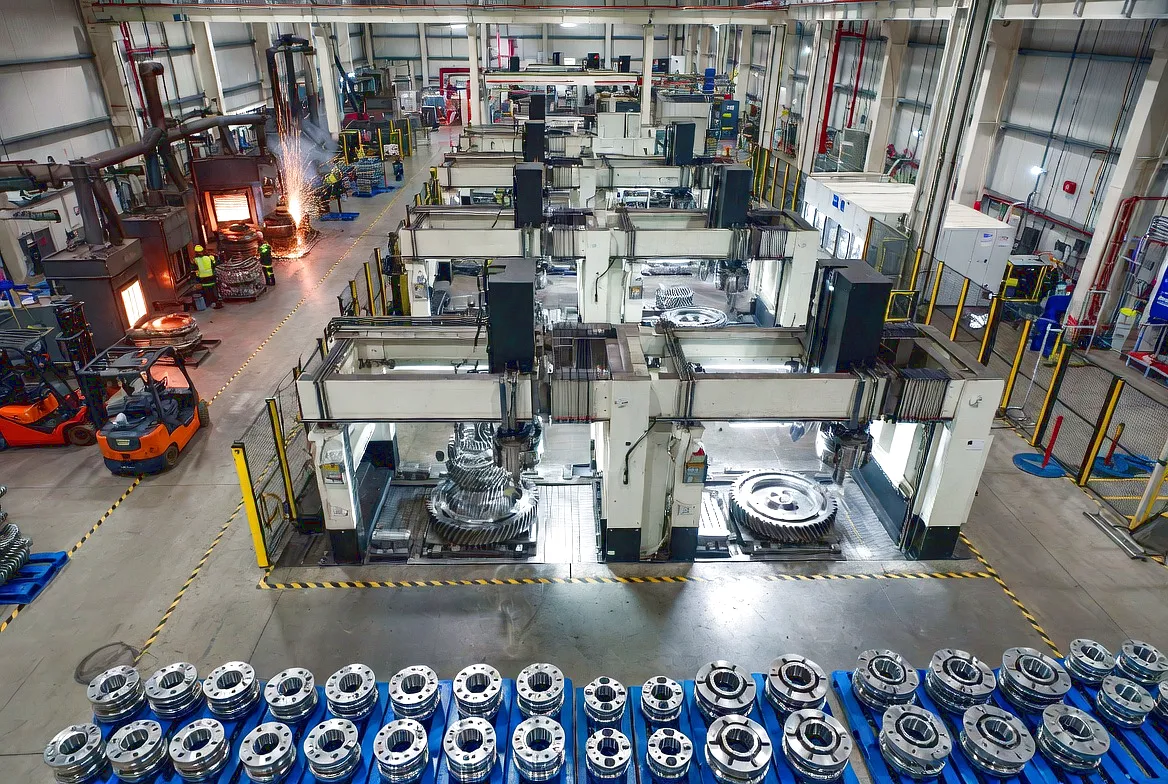
Ever Power’s gear coupling manufacturing facility operates a fully integrated production flow from billet forging and heat treatment through precision gear cutting and surface treatment to final inspection and assembly. The facility holds ISO 9001:2015 certification, and the quality management system covers every stage of the production process — incoming material certification, forging dimensional verification, gear cutting first-article inspection, heat treatment batch logging, and final dimensional audit against the customer drawing before shipment.
The gear cutting department operates CNC hobbing and grinding machines capable of producing tooth profiles to DIN Class 6 and above. For kiln drive couplings, tooth profile accuracy is verified on a coordinate measuring machine (CMM) against the theoretical tooth form defined in the design calculation, with the crown radius and tip relief both measured and recorded. This level of verification is what separates purpose-built kiln drive couplings from catalogue items manufactured to wider tolerances.
Our customisation service covers the full range of kiln drive coupling requirements encountered in UK cement and lime plants. This includes non-standard bore diameters with keyway to BS 4500 or DIN 6885 specifications, flanged hub configurations for direct-drive applications, shrink-disc fit hubs for high-torque slow-speed positions, and custom spacer shaft lengths for drive arrangements where the motor and gearbox cannot be positioned adjacent to one another. We also manufacture replacement couplings for older OEM drive systems where the original supplier no longer supports the product, working from customer-supplied drawings, digital scans, or physical measurements.
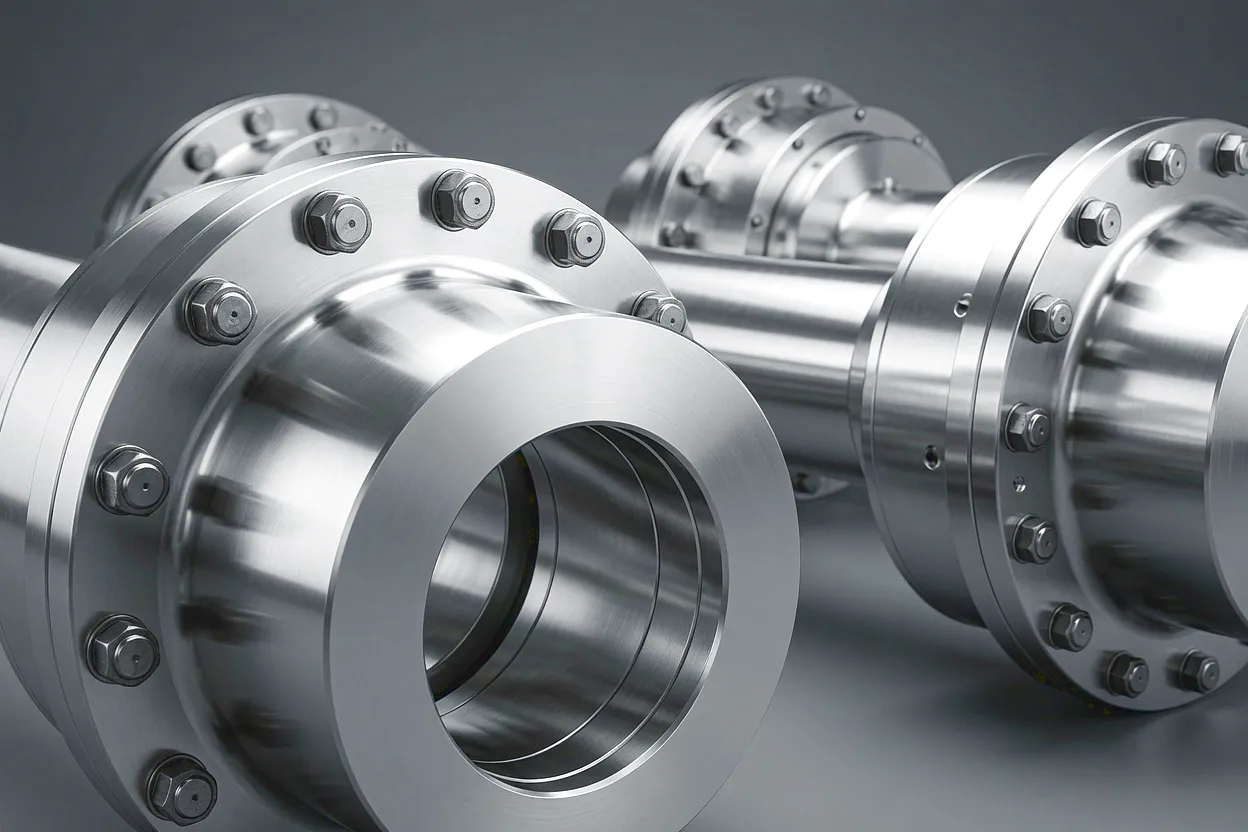
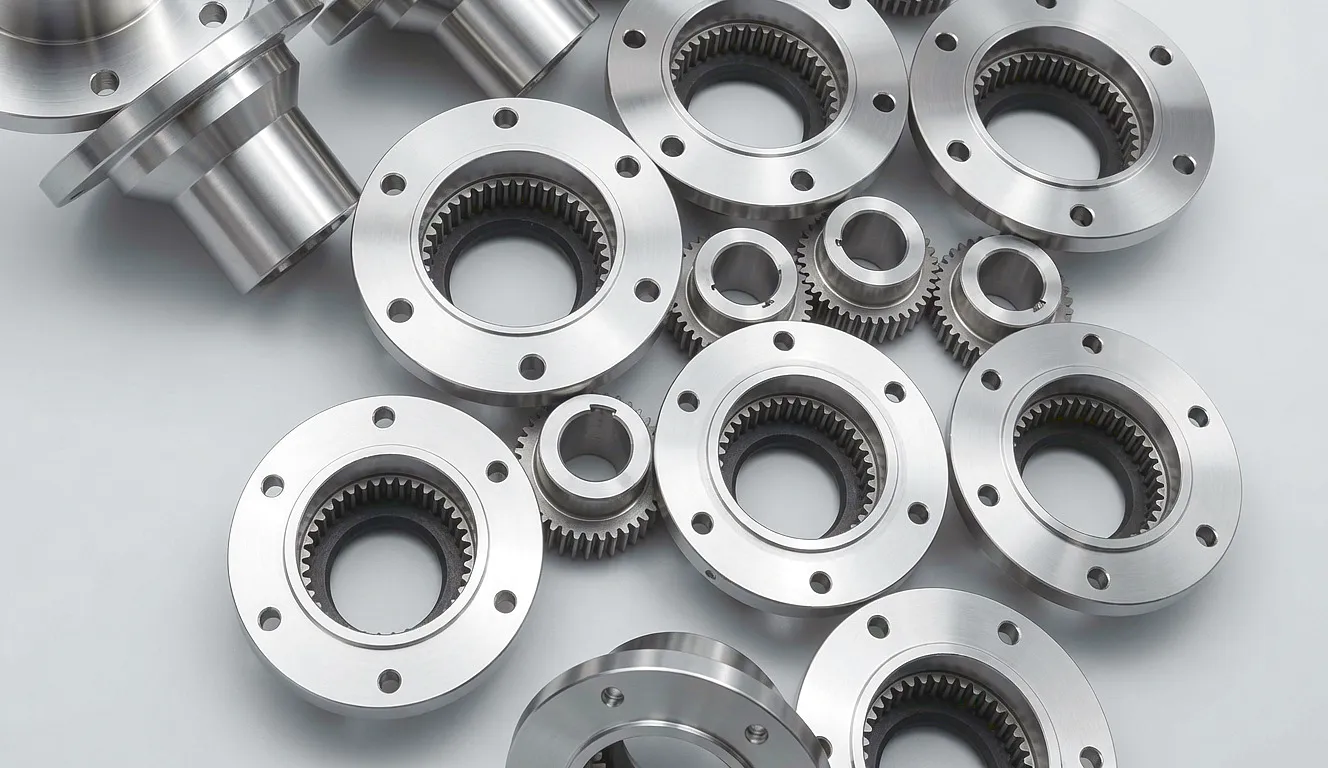
Product Range Gallery
How to Select the Right Gear Coupling for Your Kiln Drive: A Practical Guide for UK Plant Engineers
Coupling selection for a rotary kiln drive begins not with a catalogue but with a set of measured or calculated operating data. The most common source of premature coupling failures in kiln drive applications is under-specification — selecting a coupling based on rated torque alone without applying a service factor, without accounting for the thermal misalignment, and without checking that the available bore diameter in the chosen coupling size actually fits the shaft. The following selection checklist reflects the process Ever Power application engineers use when sizing kiln drive couplings for UK customers.
| Selection Step | Data Required | Notes for Kiln Drive |
|---|---|---|
| 1. Establish design torque | Motor rated power (kW), rated speed (rpm) | T = 9,550 × P/n (kN·m). Apply service factor ≥ 1.5 for kiln; up to 2.0 if shock loading is known to be high |
| 2. Measure misalignment | Dial gauge readings at motor and gearbox flanges, cold and hot | Hot measurement is critical — cold alignment does not reflect running conditions in a thermal kiln drive |
| 3. Establish bore requirements | Shaft diameter, keyway dimensions, taper or straight bore | Verify both motor and gearbox shafts — they are often different diameters requiring unequal bores |
| 4. Check axial float | Maximum shaft axial movement, thermal expansion estimate | Allow 25% margin above measured maximum displacement for installation variability |
| 5. Confirm speed compatibility | Motor rated speed, overspeed at VFD maximum | VFD-driven kilns may run above nameplate speed; ensure coupling maximum speed is not exceeded |
| 6. Lubrication & environment | Ambient temperature range, dust, moisture | UK plants near the kiln firing hood may see ambient temperatures above 40 °C; select high-temperature EP grease accordingly |
Frequently Asked Questions
Ready to Solve Your Kiln Drive Coupling Challenge?
Share your motor power, shaft diameter, and misalignment data with our application engineering team. We will recommend the correct GICL or NGCL coupling specification and provide a competitive price for standard or custom supply to your UK plant.
Ever Power Transmission — Specialist supplier of drum-type gear couplings to the UK cement, lime, aggregate, and heavy process industries. All couplings are manufactured to ISO 9001:2015 quality standards with full material certification. Custom bore, non-standard configuration, and OEM replacement couplings available. Contact: gear-coupling.top
edit by gzl