
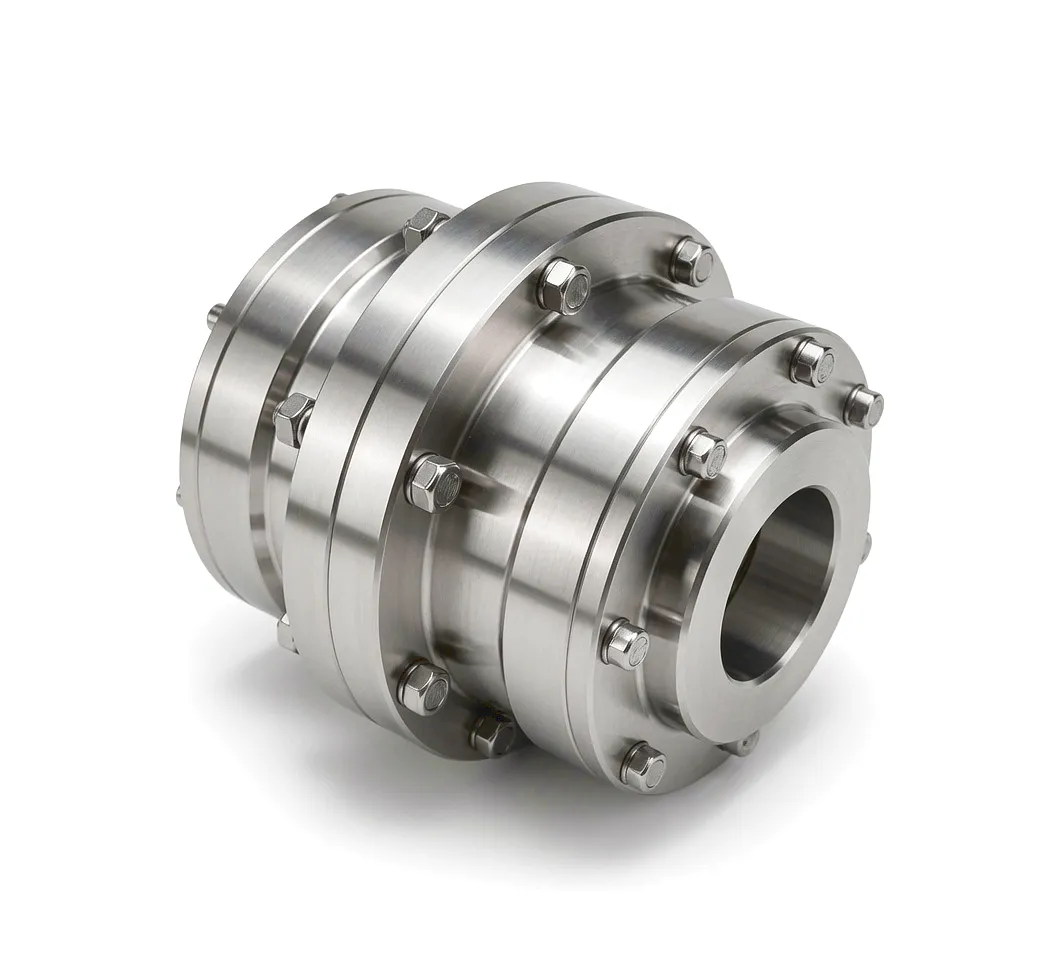
 Rotary kilns are among the most demanding pieces of rotating equipment in heavy industry. Operating continuously under extreme thermal gradients, with shaft misalignments that shift as the kiln shell expands and contracts across temperature cycles spanning hundreds of degrees Celsius, the drivetrain must transmit massive torque reliably around the clock. At the connection point between the main drive motor and the reduction gearbox, the gear coupling faces a uniquely challenging mechanical environment — one where ordinary flexible couplings fail within months, and where only a precisely engineered gear coupling can deliver the service life that cement plant operators depend on.
Across cement manufacturing facilities in the UK — from the large integrated plants in South Yorkshire and the Midlands to lime kiln operations in Scotland and Wales — maintenance engineers increasingly specify drum-shaped gear couplings for rotary kiln drive applications. The reasons are rooted in physics: the crowned tooth geometry of a drum gear coupling accommodates both angular and radial misalignment simultaneously, without imposing harmful bending moments on the connected shafts. This article explores the engineering rationale in depth, drawing on real-world application data and the hard-won lessons of experienced drivetrain specialists.
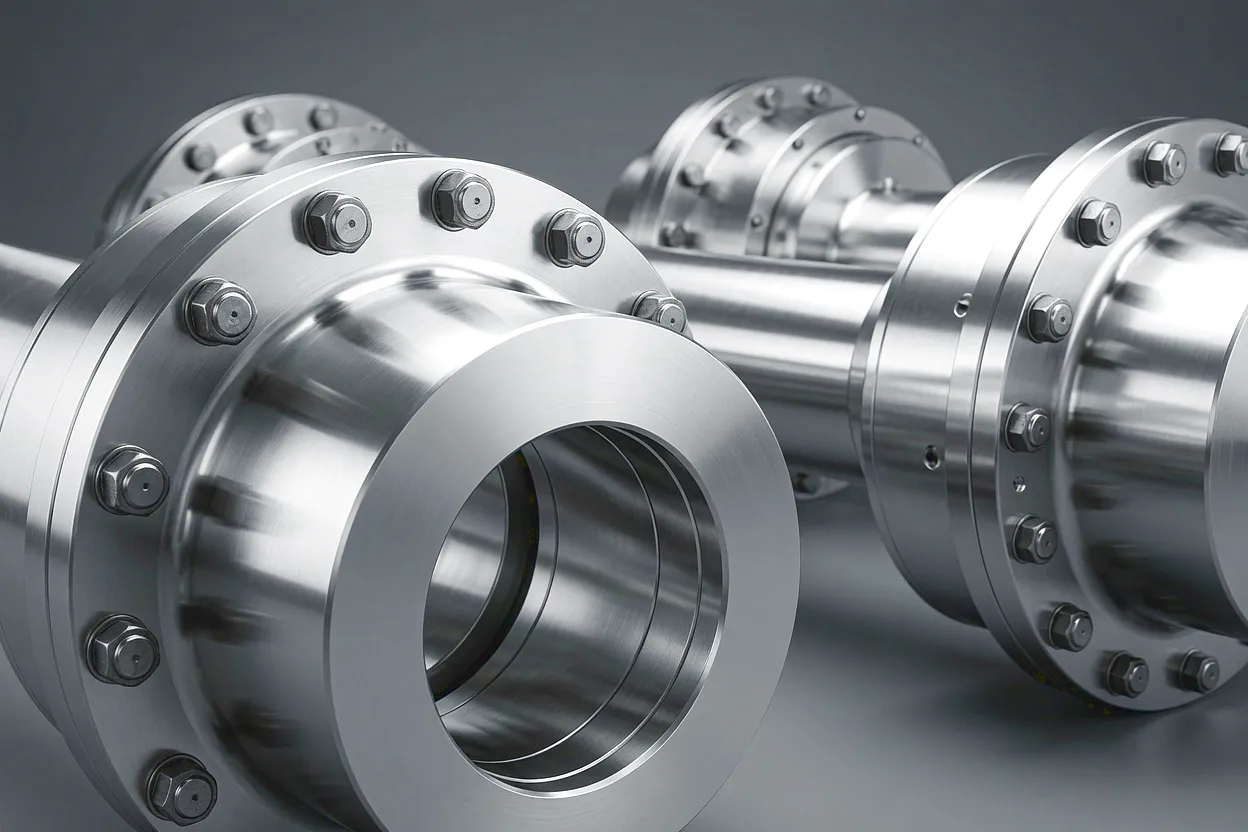
Ever Power Drum Gear Couplings
Engineered specifically for heavy-duty rotary kiln drive systems, our GICL and NGCL series drum-shaped gear couplings deliver exceptional misalignment tolerance, high torque capacity, and extended service life in cement plant environments. Custom dimensions, materials, and lubrication configurations available for British cement producers.
What Makes Rotary Kiln Drives So Demanding?
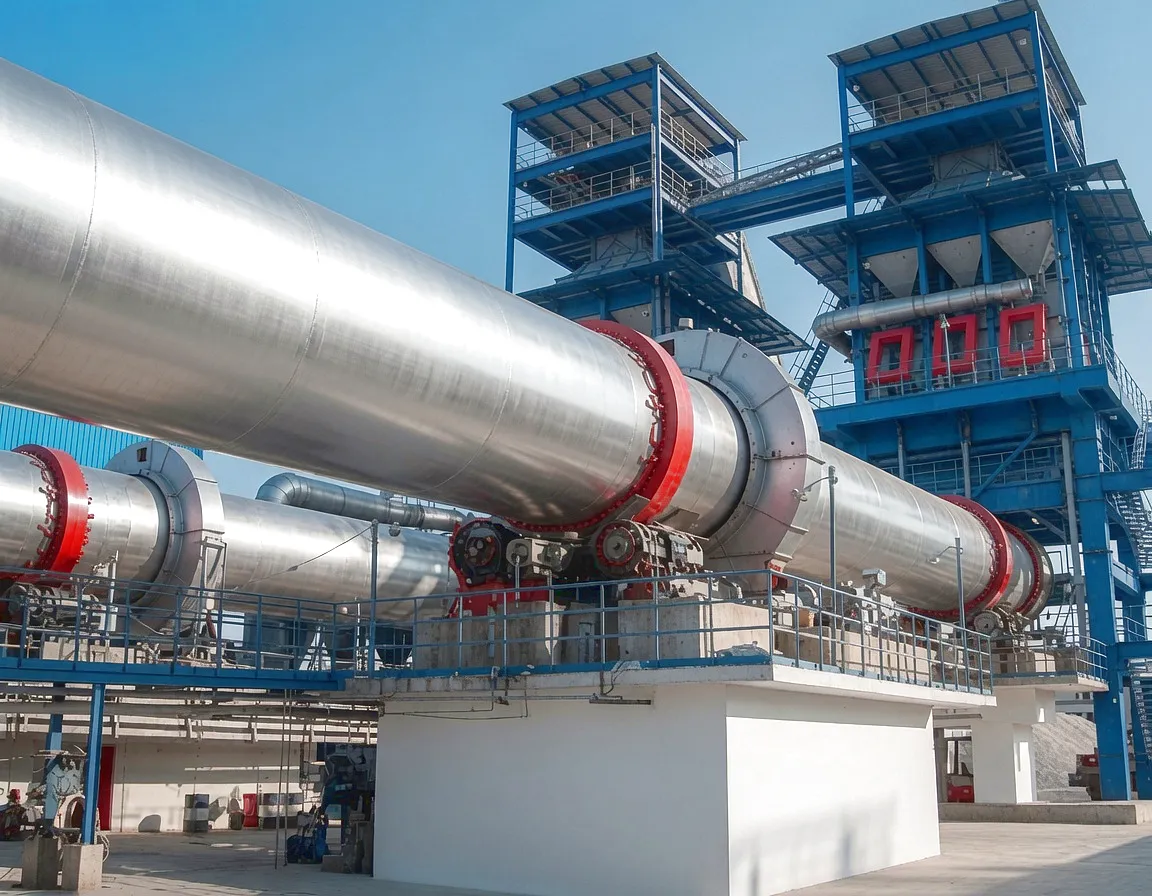
A cement rotary kiln is, in engineering terms, an extraordinarily unforgiving machine. The kiln shell — which might be 60 metres long and 4 metres in diameter in a large UK cement plant — operates at internal temperatures exceeding 1,400°C while the shell exterior runs between 250°C and 350°C. This thermal environment creates continuous thermal expansion and contraction of the shell structure, which in turn causes the shaft centreline of the main drive to shift relative to the gearbox output shaft. The misalignment is not static; it varies throughout each operating shift as the plant warms up, stabilises, and occasionally cools during maintenance windows.
Beyond thermal misalignment, rotary kiln drive systems experience torsional shock loads whenever the kiln shell encounters uneven charge distribution or when hard lumps of clinker create temporary resistance. These shock loads can be several times the nominal torque rating of the drive, arriving without warning at any time during operation. The gear coupling must absorb these shocks without fatigue damage to its teeth or to the connected shafts. Add to this the dusty, high-temperature ambient conditions typical of UK cement plants, and it becomes clear why gear coupling selection for rotary kiln applications is a specialist engineering discipline, not a routine procurement exercise.
How a Drum Gear Coupling Works: The Crowned Tooth Mechanism
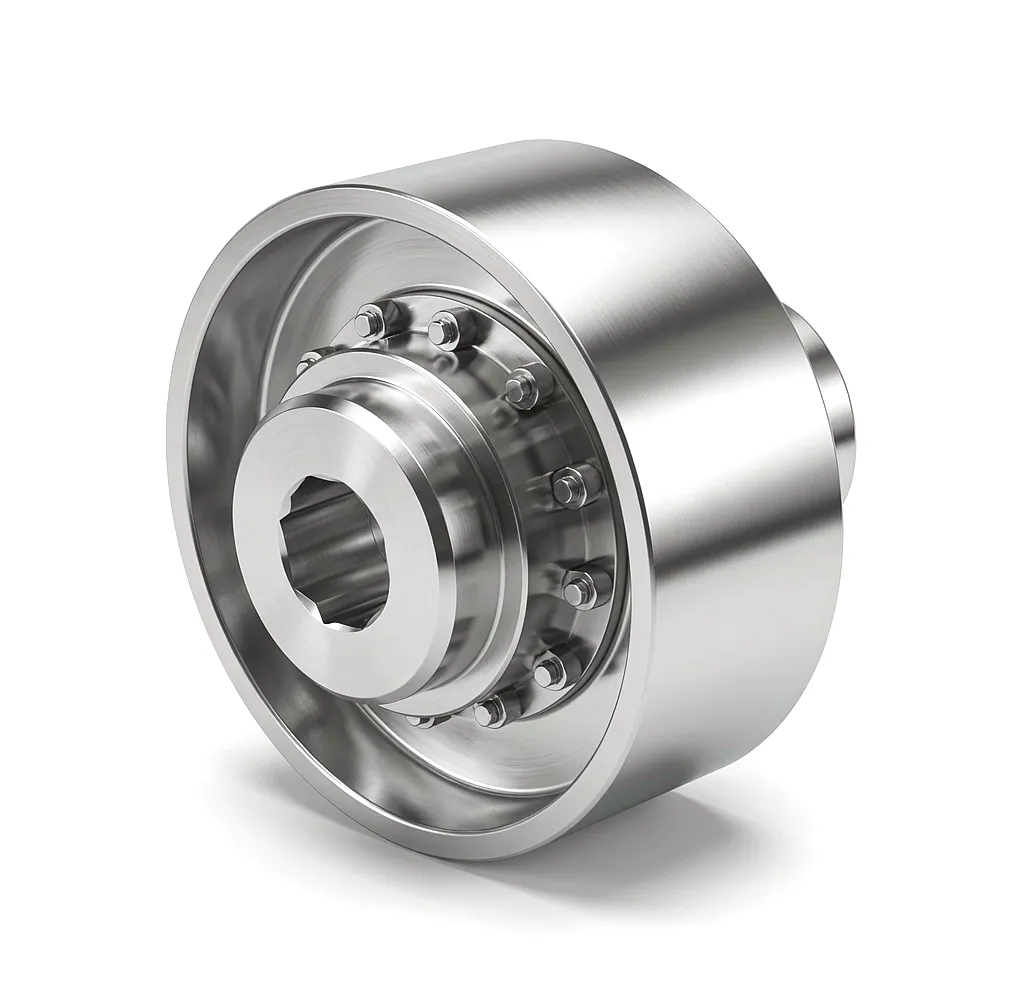 The fundamental engineering innovation in a drum gear coupling — sometimes called a crowned gear coupling or barrel gear coupling — is the spherical or barrel-shaped profile applied to the external gear teeth on the inner hub. Unlike a standard spur gear, where the teeth have a uniform profile along their full face width, the crowned teeth of a drum gear coupling are slightly thicker at the centreline of the tooth face and taper toward both edges. This crown profile is machined to a precise radius, creating a geometry that allows relative angular movement between the hub and the sleeve without the tooth contact becoming concentrated at a single point.
When the two connected shafts are perfectly aligned, the crowned teeth contact the internal sleeve teeth across their full face width, distributing the load evenly. As shaft misalignment develops — whether due to thermal expansion of the kiln shell, foundation settlement, or bearing wear — the hub rotates slightly relative to the sleeve. The crowned tooth geometry accommodates this angular offset by allowing the contact zone to shift along the tooth face, maintaining full load-carrying capacity without imposing bending forces on the shaft. This is the critical difference between a gear coupling and simpler flexible coupling types: the gear coupling maintains its torque capacity across its full rated misalignment range, whereas many elastomeric couplings lose capacity rapidly as misalignment increases.
The gear coupling also incorporates a sealed lubrication chamber filled with high-viscosity grease or oil, which serves a dual function: it lubricates the meshing tooth surfaces under their high contact pressures, and it damps the high-frequency vibrations generated by the kiln drive. The sealing arrangement must be robust enough to retain lubricant over years of operation in the dusty, hot environment of a UK cement plant — another area where the quality of the coupling design makes a direct difference to maintenance frequency.
Technical Specifications: Gear Coupling for Rotary Kiln Drive
The material selection and dimensional specification of a gear coupling for rotary kiln drive service requires careful engineering judgement. The inner hubs, which carry the full transmitted torque through their teeth, are typically manufactured from medium carbon alloy steel — commonly 42CrMo4 or equivalent — which is quenched and tempered to achieve a core tensile strength of 900 MPa or above, then the teeth are selectively hardened by induction or carburising methods to a surface hardness of HRC 50–58. This combination delivers a tooth that is hard enough to resist the surface fatigue (pitting and spalling) caused by the high contact stresses, while the tough core prevents tooth root cracking under shock loading. The outer sleeve, which sees lower stresses, may use 45 steel with normalising treatment, or cast steel for larger sizes where machining costs on solid bar become prohibitive.
Seven Key Advantages for Cement Plant Rotary Kiln Applications
Exceptional Misalignment Tolerance
The crowned tooth geometry allows angular misalignment up to 1.5° per gear mesh — and up to 3° in heavy-duty custom designs — while simultaneously accommodating radial and axial displacement. This three-dimensional flexibility is what makes gear coupling the natural choice when kiln shell thermal expansion shifts shaft alignment dynamically during every production shift. No other coupling type combines this degree of misalignment tolerance with high torque capacity in a compact envelope.
High Torque Density
For a given shaft diameter, a gear coupling transmits more torque than virtually any other flexible coupling type. The tooth meshing mechanism distributes load across multiple teeth simultaneously, achieving a torque-to-weight ratio that elastomeric or disc couplings cannot match. For rotary kiln drives where the main motor may be rated at several hundred kilowatts and the operating torque at hundreds of thousands of Newton metres, this high torque density directly translates to a more compact, lighter drivetrain installation.
Shock Load Absorption
The tooth contact zone in a drum gear coupling acts as a controlled compliance element. When a torque spike arrives — from a hard clinker lump jamming briefly between the kiln’s refractory lining and internal fittings, or from a motor contactor closing during emergency restart — the crowned teeth shift their contact pattern momentarily, absorbing kinetic energy that would otherwise transmit directly to the motor or gearbox bearings. This intrinsic shock absorption reduces bearing fatigue rates and extends the service intervals of the expensive components upstream and downstream of the coupling itself.
Long Service Life & Low Maintenance
A correctly specified and maintained gear coupling on a rotary kiln drive should deliver service intervals measured in years, not months. The combination of hardened alloy steel teeth, effective sealing, and extreme-pressure (EP) grease lubrication creates a durable tribological system. Many UK cement plants report gear coupling service lives exceeding five years on rotary kiln main drives, with maintenance limited to periodic grease replenishment during planned kiln downtime — a maintenance profile that is simply not achievable with elastomeric coupling types in this application.
High-Temperature Resilience
Standard gear coupling designs operate reliably up to 120°C ambient, and with high-temperature EP grease and metallic sealing arrangements, this extends to 200°C or beyond. In the hot area of a cement kiln — where radiant heat from the kiln shell can raise coupling surface temperatures significantly above ambient — this thermal resilience is not a luxury but a necessity. Elastomeric couplings using rubber or polyurethane elements degrade rapidly above 80–100°C; an all-steel gear coupling has no such vulnerability.
Dimensional Customisation
Every rotary kiln drive installation has its own shaft dimensions, key dimensions, and envelope constraints determined by the original equipment supplier and decades of on-site modifications. A gear coupling manufacturer with proper design capabilities can produce hubs and sleeves to any customer-specified bore, keyway, and flange interface — including direct replacements for original couplings from manufacturers who may no longer support the product. This dimensional flexibility is especially valuable for older UK cement plants where original equipment documentation is incomplete and reverse-engineering is required.
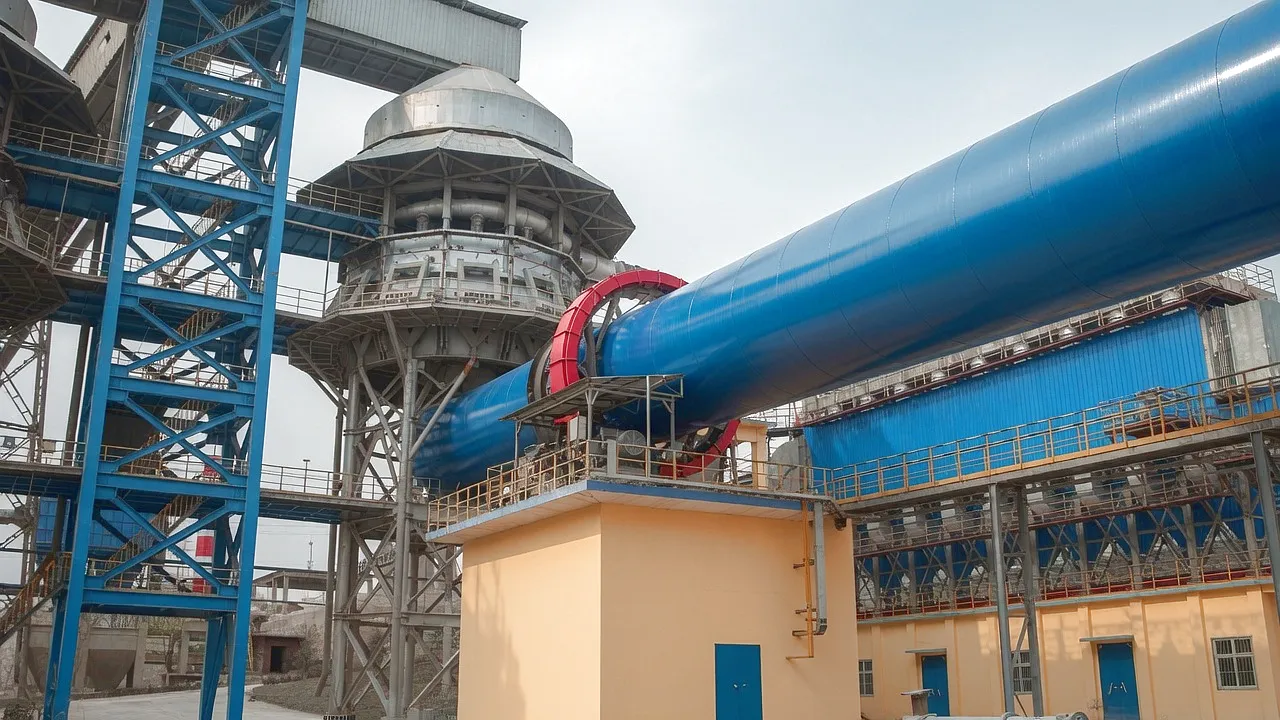
Gear coupling applications across rotary kiln drive systems and heavy industrial equipment
Selecting the Right Gear Coupling Model for Your Kiln Drive
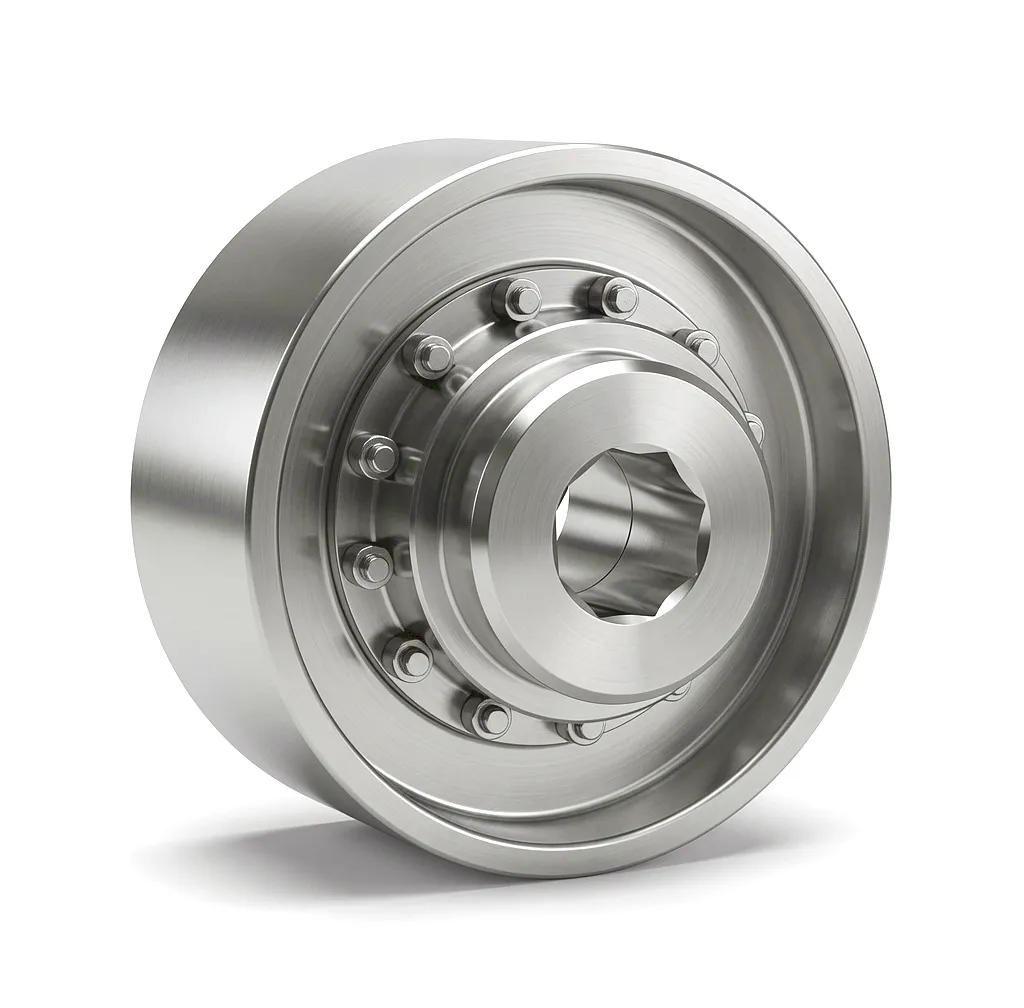 For rotary kiln main drive applications in UK cement plants, the two most commonly specified types are the GICL series (with integral flanged sleeve) and the NGCL series (with a separate half-coupling construction that includes a drum gear element on one end). The GICL type is suited to drives where the motor and gearbox shafts are close together and the coupling acts as a floating shaft of defined length. The NGCL type is preferred where the gearbox output must connect to the kiln’s large-diameter pinion shaft, and where a longer floating shaft is required to bridge a significant gap between the drive components.
For applications requiring even greater misalignment capacity than the standard NGCL provides — such as large kilns with older foundations showing differential settlement — our engineering team can design a double-engagement gear coupling configuration. In this arrangement, both ends of the floating shaft carry drum gear meshes, doubling the available angular misalignment accommodation while maintaining the full torque rating. The selection process should always begin with a detailed review of the kiln’s historical alignment survey data, its operating torque and peak torque values, and any envelope constraints imposed by the existing guarding or baseplate arrangement.
Beyond the Main Drive: Where Gear Couplings Serve in Cement Plant Rotary Kiln Systems
The rotary kiln main drive is the most demanding gear coupling application in a cement plant, but it is far from the only one. The table below summarises the major drivetrain coupling points within a complete rotary kiln system, along with the key engineering requirements at each location and the gear coupling type typically recommended by our application engineers for UK cement plant conditions.
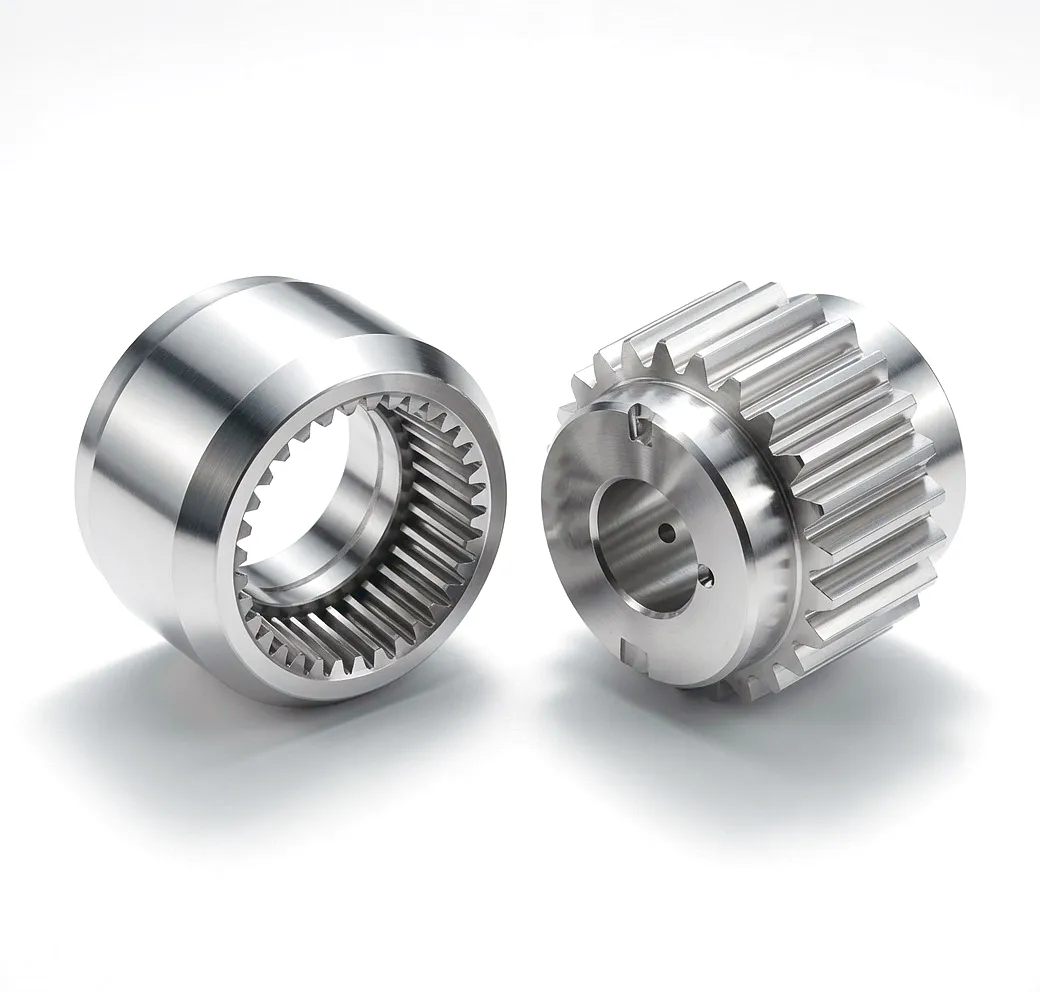
NL Type Nylon Gear Flexible Coupling — for auxiliary and low-torque drives in cement plant auxiliary systems
Nylon Gear Couplings for Cement Plant Auxiliary Drives
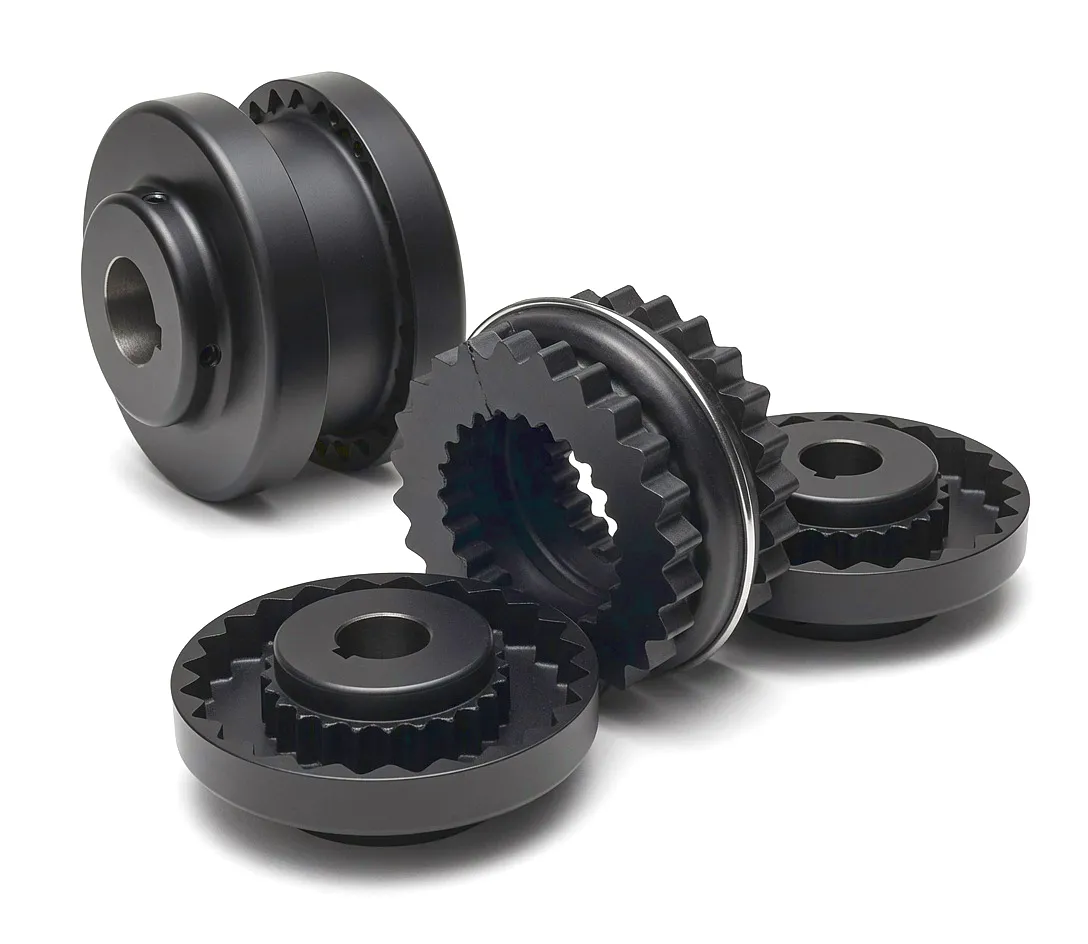
Not every drive in a cement plant operates under the extreme conditions of the main kiln drive. For lower-power auxiliary applications — such as lubrication pump drives, dust collection fan drives, conveyors, and instrumentation systems — the NL type nylon gear coupling offers an attractive alternative to fully metallic designs. The nylon gear sleeve provides an additional degree of torsional softness that damps minor vibrations and accommodates small misalignments without metallic contact, extending the service life of the associated bearings and shafts. The electrical isolation properties of the nylon element are also valuable in drives where stray electrical currents from variable-frequency drives could otherwise cause bearing erosion.
Nylon gear couplings are available in the same bore range and shaft interface configurations as the all-steel types, and they can be supplied with standard or metric bore keyways to suit either European or imported equipment. For cement plant maintenance teams managing a large and diverse installed base of auxiliary machinery, having a single supplier able to provide both metallic and nylon-sleeved gear coupling variants — to the same dimensional standards and with comprehensive engineering support — reduces procurement complexity and speeds emergency replacement sourcing.
What UK Industrial Engineers Say
We’ve been running Ever Power NGCL couplings on three of our four kiln main drives for over four years now. The difference compared with what we were using before is night and day — we’ve essentially taken unplanned coupling-related downtime off our risk register. The technical support during initial specification was genuinely useful; they asked the right questions about our alignment history and didn’t just quote a standard catalogue size.
Sourcing a heavy-duty rotary kiln gear coupling quickly, with the right bore and keyway for a 1970s German gearbox, is not straightforward. Ever Power produced exact replacement dimensions — reverse-engineered from our drawings — and had the coupling on-site within four weeks. Fit was perfect and the kiln has run without incident since recommissioning. For a lime kiln operation like ours in the Scottish Highlands, having a supplier that can respond at that speed makes a real operational difference.
We specified Ever Power drum gear couplings for the main drive upgrade on our clinker production kiln in Wales. The price was competitive — meaningfully below the European alternatives we’d been using — but what sold us was the technical depth. They provided full FEA analysis of the custom tooth geometry and a predicted service life calculation based on our actual load spectrum. That’s the kind of engineering confidence you need when you’re authorising expenditure on critical plant components. Seventeen months in and running well.
Custom Gear Coupling Design & Manufacturing: Built for Your Kiln Drive
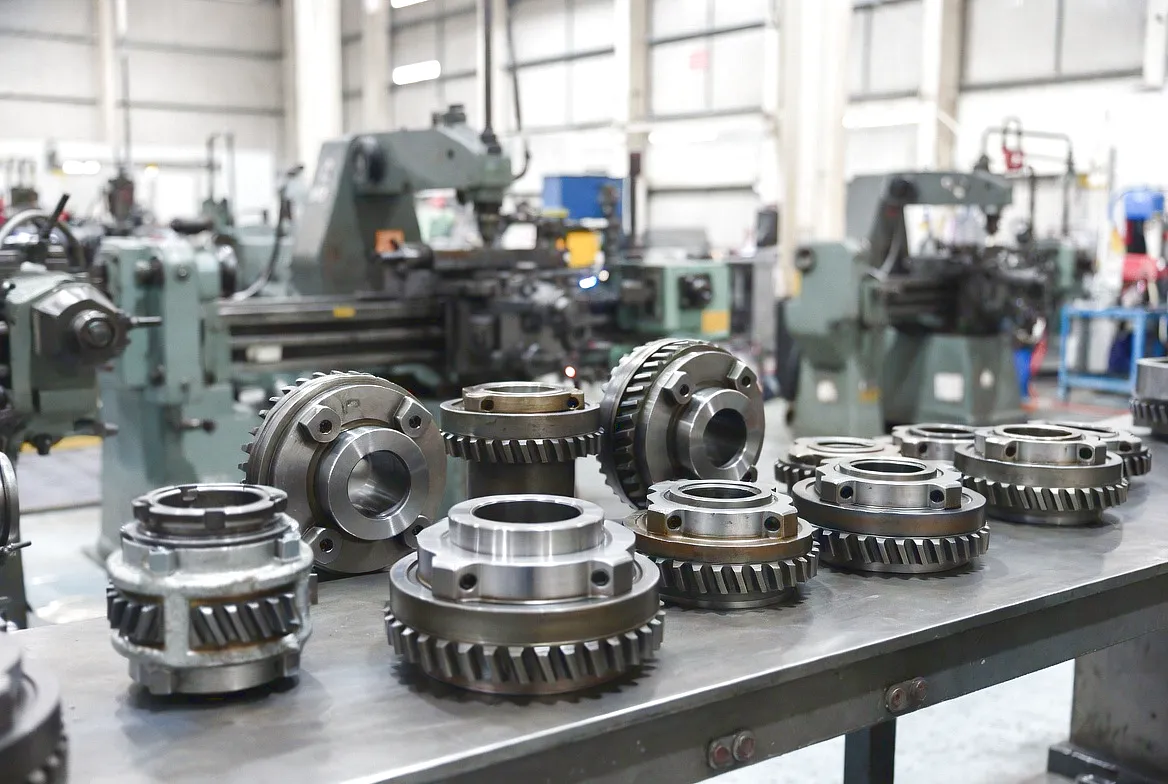
Our manufacturing facility houses a comprehensive range of CNC gear cutting, hobbing, and grinding machines capable of producing drum gear coupling hubs and sleeves from 50 mm bore up to 600 mm bore in a single production run. The tooth profile grinding capability — which most coupling manufacturers reserve only for their precision product lines — is standard practice for our heavy-duty rotary kiln coupling range, ensuring the crowned tooth geometry is held within tight tolerances that directly determine misalignment capacity and service life. Every coupling produced for rotary kiln service undergoes dimensional inspection with full CMM verification before despatch.
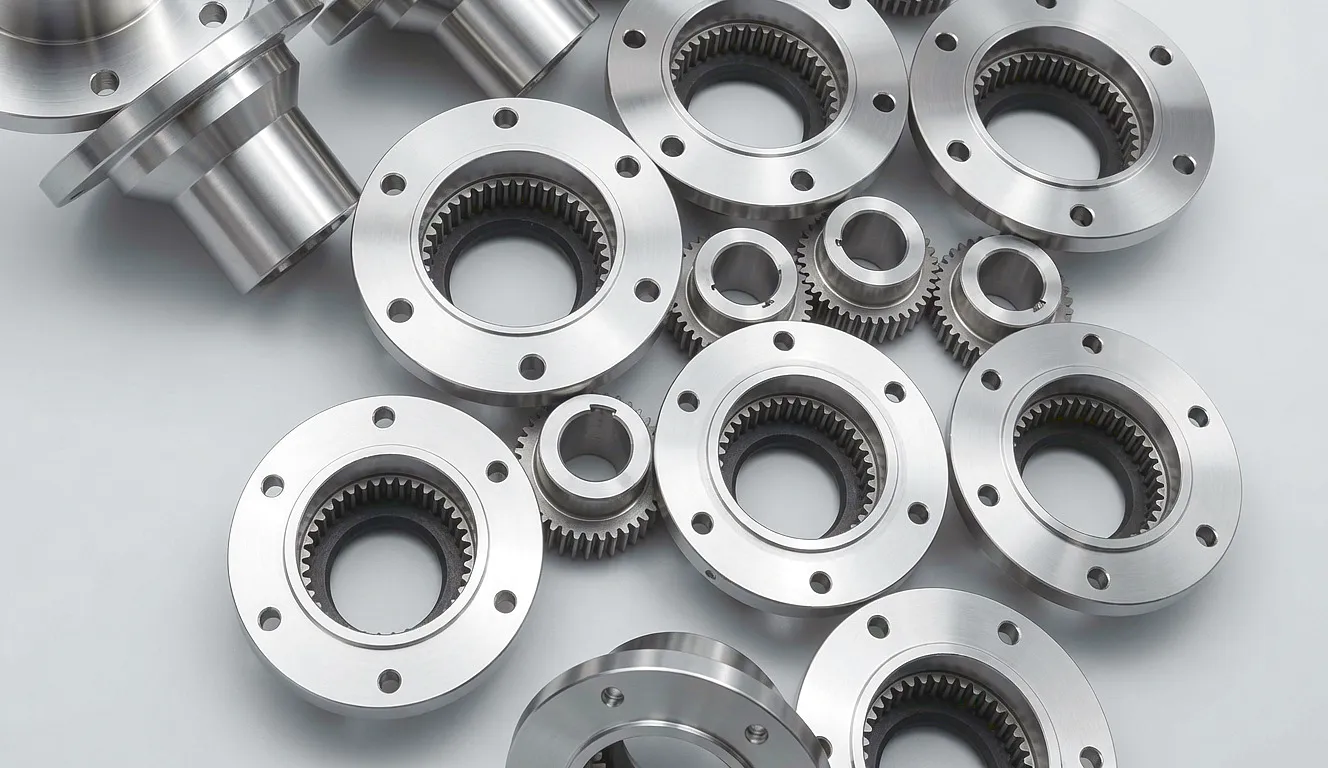
Our product customisation capability extends well beyond simple bore resizing. We regularly design and manufacture gear couplings with non-standard flanged interfaces, integral spacer shaft configurations, shrink-disc hub connections for keyless assembly, modified seal housings for high-pressure grease flushing systems, and modified materials for operation in corrosive or elevated-temperature environments. For UK cement plants upgrading older kiln drives originally supplied by European manufacturers, we maintain a database of original coupling dimensions and can produce dimensionally interchangeable replacements that meet or exceed the original performance specification — at a significantly lower replacement cost than sourcing from the original equipment manufacturer.
Lead times for custom rotary kiln gear couplings are typically 4–8 weeks from drawing approval, with an expedited track available for genuine emergency situations. UK cement plant operators can maintain a consignment stock arrangement, where a spare coupling is held in UK storage and replaced when drawn, eliminating the lead-time risk from the emergency maintenance equation entirely.
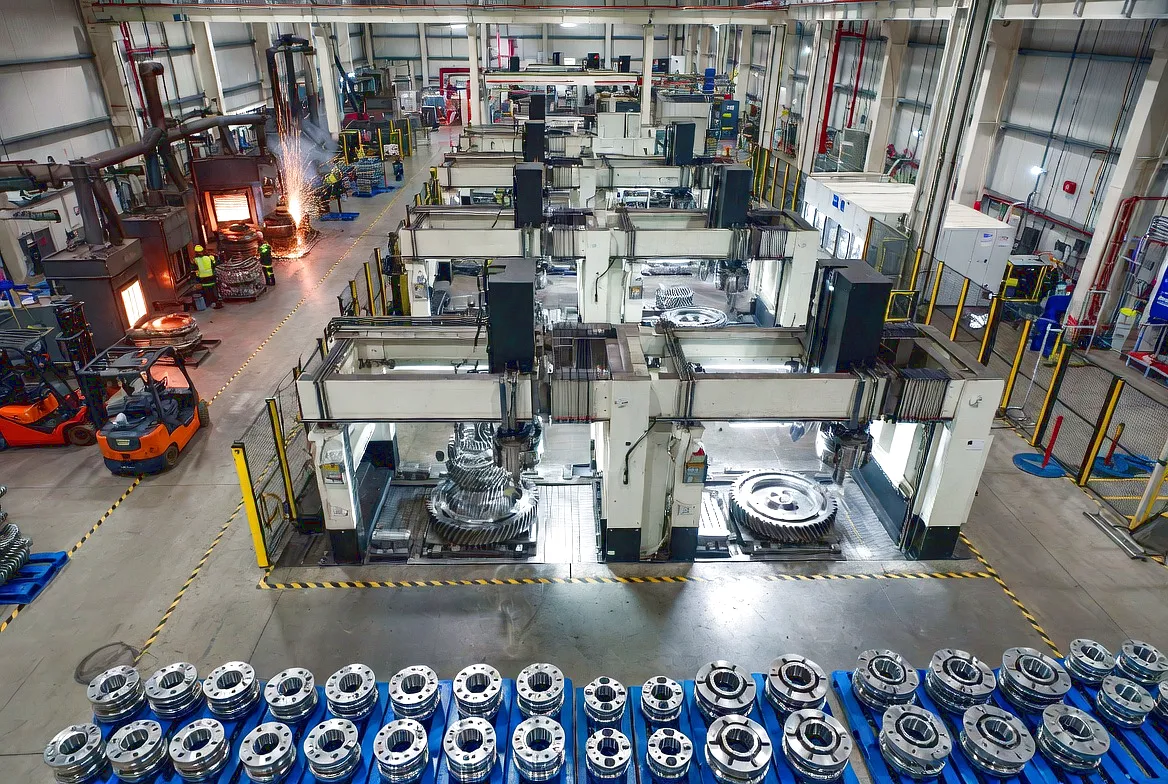
Ever Power manufacturing and assembly facility — precision gear cutting, heat treatment, and quality inspection in-house
Maximising Gear Coupling Life on Your Rotary Kiln Drive: Maintenance Best Practice
 Even the best-specified gear coupling will fail prematurely if not maintained correctly. The most common causes of gear coupling failure on rotary kiln drives in UK cement plants are lubricant degradation (through temperature, water ingress, or simply time), seal failure allowing lubricant loss and dust ingress, and excessive misalignment beyond the coupling’s rated capacity developing gradually as kiln components wear or foundations settle. Addressing these failure modes systematically through a planned maintenance regime is far less expensive than emergency replacement, and it is entirely achievable within the normal planned shutdown schedule of a cement plant.
The lubrication interval for a gear coupling on a rotary kiln main drive in the hot zone typically requires grease replenishment every 6–12 months, depending on the coupling size, operating temperature, and the grade of EP grease used. Couplings with a grease injection port can be recharged without removal, which is a significant practical advantage in the confined space around a kiln drive plinth. At each planned shutdown, it is worth spending 20 minutes removing a portion of the sleeve inspection plug and visually checking the condition of the grease: if it has changed colour significantly (from amber to dark brown or black), if it feels grainy, or if it has separated into liquid and solid phases, it should be fully replaced rather than topped up.
Shaft alignment should be checked against the original survey data at every planned shutdown, using dial indicators or laser alignment equipment. If the kiln has drifted out of alignment by more than half the coupling’s rated misalignment capacity, a foundation or support correction should be planned before the misalignment reaches the coupling’s rated limit — at which point gear tooth edge loading begins and service life decreases rapidly. Keeping a simple trending chart of alignment measurements over successive shutdowns is a straightforward practice that has saved many UK cement plant operators from expensive emergency situations.
Frequently Asked Questions: Gear Coupling for Rotary Kiln Drives in UK Cement Plants
Ready to Solve Your Rotary Kiln Drive Coupling Challenges?
Tell our application engineers about your kiln — motor power, shaft sizes, operating conditions, current coupling issues. We’ll come back with a specific technical recommendation and a competitive quote. UK cement plant operators and industrial users throughout Great Britain welcome.
edit by gzl