
Gear Coupling for Shore Bridge (Quay Crane): The Complete Engineering Guide for Heavy-Duty Port Handling Equipment
From hoist drives to gantry travel, find out why gear couplings are the backbone of modern container terminal machinery — and how to select, specify, and source the right unit for your quay crane application in the UK and worldwide.
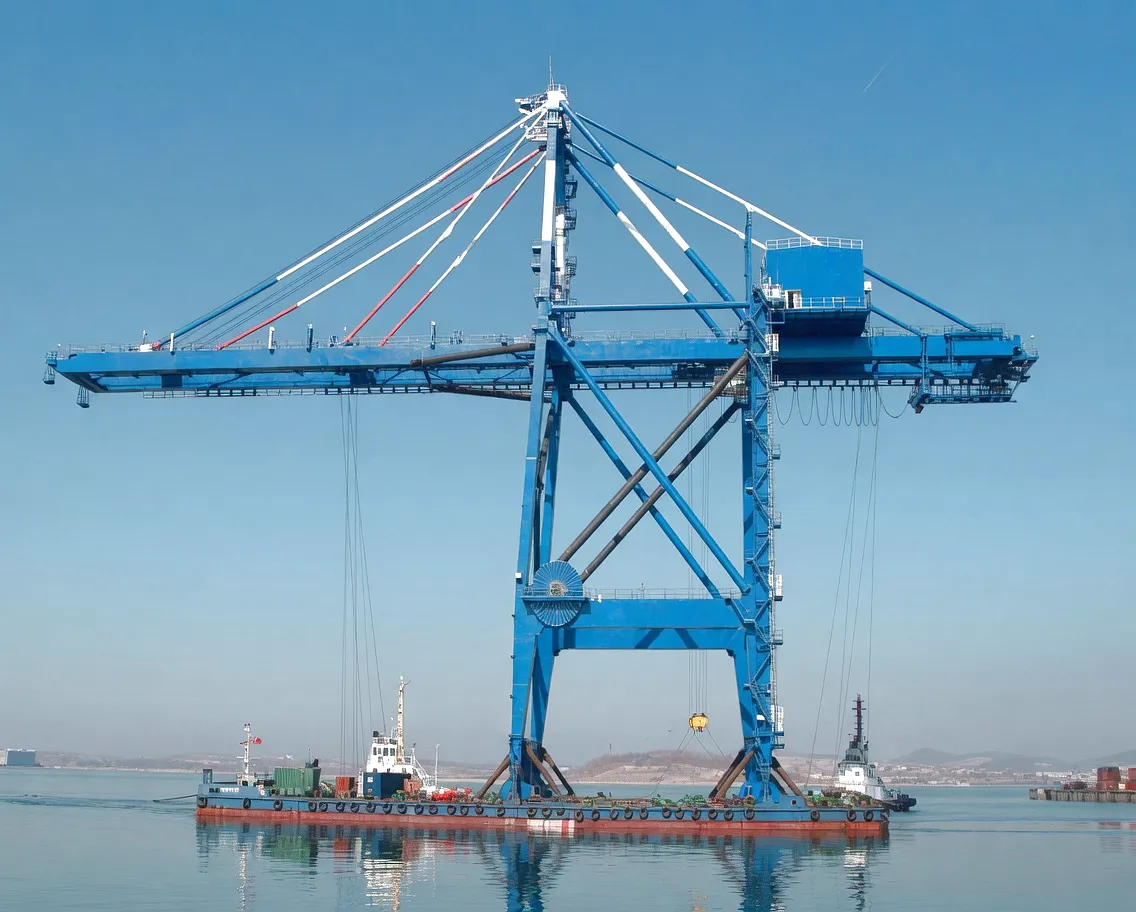
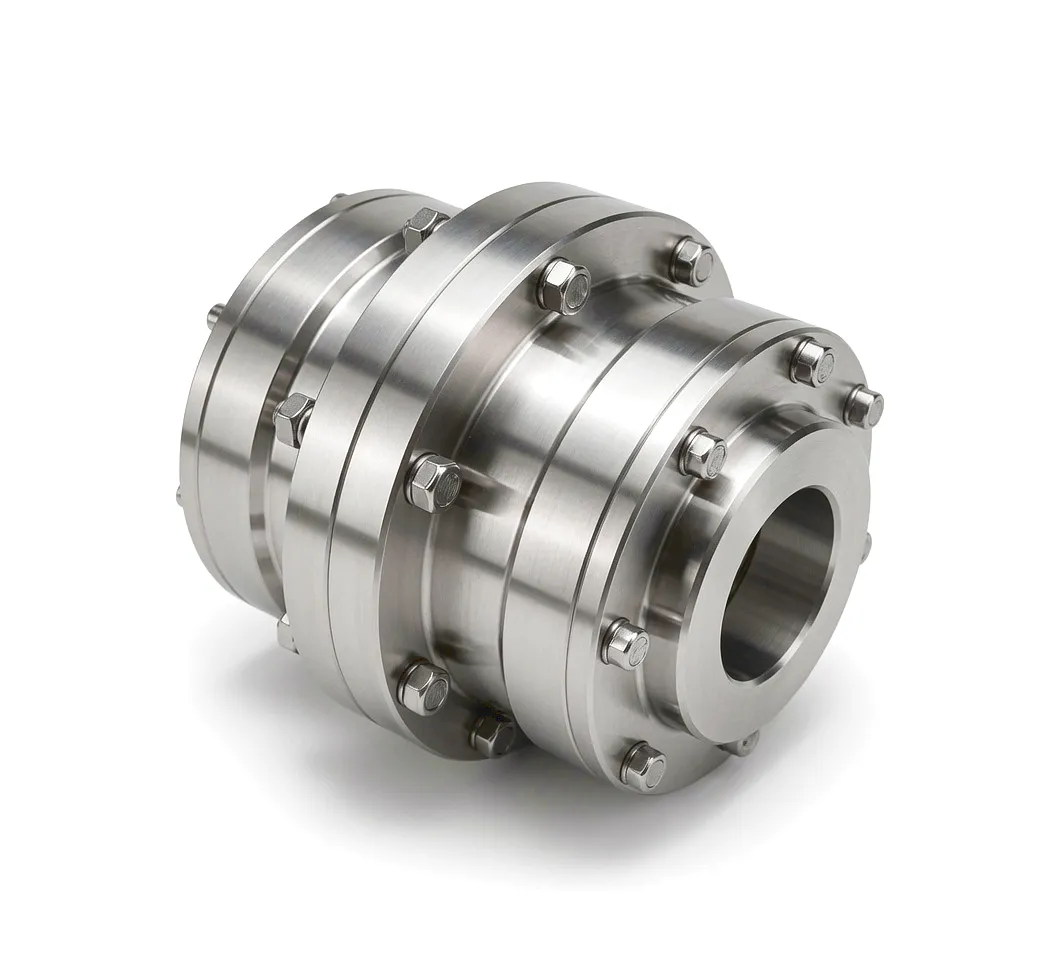 Walk onto any major container terminal in Felixstowe, Southampton, or London Gateway, and the first thing you notice is the sheer scale of the quay cranes — shore bridges — standing sentinel along the berth. These machines perform one of the most punishing mechanical tasks in modern logistics: hoisting steel containers weighing up to 65 tonnes, cycling continuously for 20 hours a day, year after year, with almost zero tolerance for unplanned downtime. Every second a crane stands idle, the terminal loses money measured in thousands of pounds.
At the heart of every shore bridge drive train — the hoist mechanism, the trolley travel drive, the gantry travel drive — sits one component that absorbs shock, compensates for shaft misalignment, transmits enormous torque, and quietly protects the gearboxes and motors from catastrophic overload. That component is the gear coupling. In this detailed engineering guide, we examine why drum-tooth gear couplings are the universal choice for quay crane applications, how to specify them correctly, and what distinguishes a precision-manufactured unit from a failure-prone substitute.
Need a gear coupling for your shore bridge or quay crane project? Our engineers will review your torque and alignment specifications within 24 hours.
What Is a Gear Coupling and Why Do Shore Bridges Rely on Them?
 A gear coupling is a mechanical device that connects two rotating shafts and transmits torque between them while accommodating angular, parallel, and axial shaft misalignment. Unlike elastomeric or disc couplings, a gear coupling achieves this flexibility through the crowned tooth geometry machined onto its inner sleeve hubs, which mesh with the internal splines of the outer sleeves. The result is a compact, high-torque-density coupling that can handle significant misalignment without transmitting large bending loads back into the connected machinery.
Shore bridges — the large container-handling cranes that straddle the ship at berth — place extraordinary demands on every component in the drivetrain. The hoist mechanism alone must accelerate a loaded spreader and container from rest to full hoisting speed in a matter of seconds, then decelerate to a controlled stop above the ship’s cell guides. This constant start-stop cycling generates shock torques that can reach three to five times the rated running torque. The gear coupling absorbs these peaks, protecting the motor and gearbox from repeated overload events that would otherwise cause premature bearing and gear wear.
Equally important is the coupling’s ability to accommodate shaft misalignment. Shore bridge structures are not rigid: the portal frame, the boom, and the trolley rail all flex under load, causing the shafts in connected drive units to move relative to one another. A gear coupling that cannot tolerate this movement will impose radial forces on motor and gearbox bearings, shortening their service life dramatically. The drum-tooth profile — where the tooth face is crowned along its length — allows each tooth pair to rock slightly under misalignment, distributing the contact stress evenly and preventing edge loading that would otherwise score the tooth flanks.
Three Drive Mechanisms That Cannot Afford Coupling Failure
Hoist Mechanism (Lifting Drive)
The hoist is the crane’s primary function. Motors — typically in the 500 kW to 1,500 kW range on modern post-Panamax machines — drive through helical gearboxes and wire drums to lift the spreader and container. The gear coupling between the motor output shaft and the gearbox input shaft must absorb the shock loads from motor start and emergency braking. It must also permit the minor shaft deflections that occur as the load shifts during pendulation. Specification here prioritises high torque density and a generous misalignment capacity of up to 1.5 degrees angular.
Trolley Travel Mechanism
The trolley carries the spreader back and forth along the boom, positioning the load over the ship’s cell guides or the quayside. The travel drive involves smaller motors than the hoist but still requires a gear coupling capable of handling the inertia of the trolley mass and the dynamic braking loads. Parallel misalignment tolerance is especially critical here because the trolley rail mounting surface on the boom girder can deflect longitudinally under full-load conditions. NGCL-series couplings with brake discs integrated onto the outer sleeve are common in this application.
Gantry Travel Mechanism (Portal Drive)
The gantry travel mechanism moves the entire crane along the quay rail, repositioning it between ship bays. This is a lower-speed but high-torque application. Wheel drive bogies at each corner of the portal are typically powered independently, and the gear couplings in each drive unit must permit the relative shaft movement that occurs as the crane negotiates rail joints and any curvature in the quay surface. Long-span floating-shaft configurations with two gear coupling halves separated by an intermediate shaft spacer are widely used here to maximise the axial and angular accommodation without stressing the bogie structure.
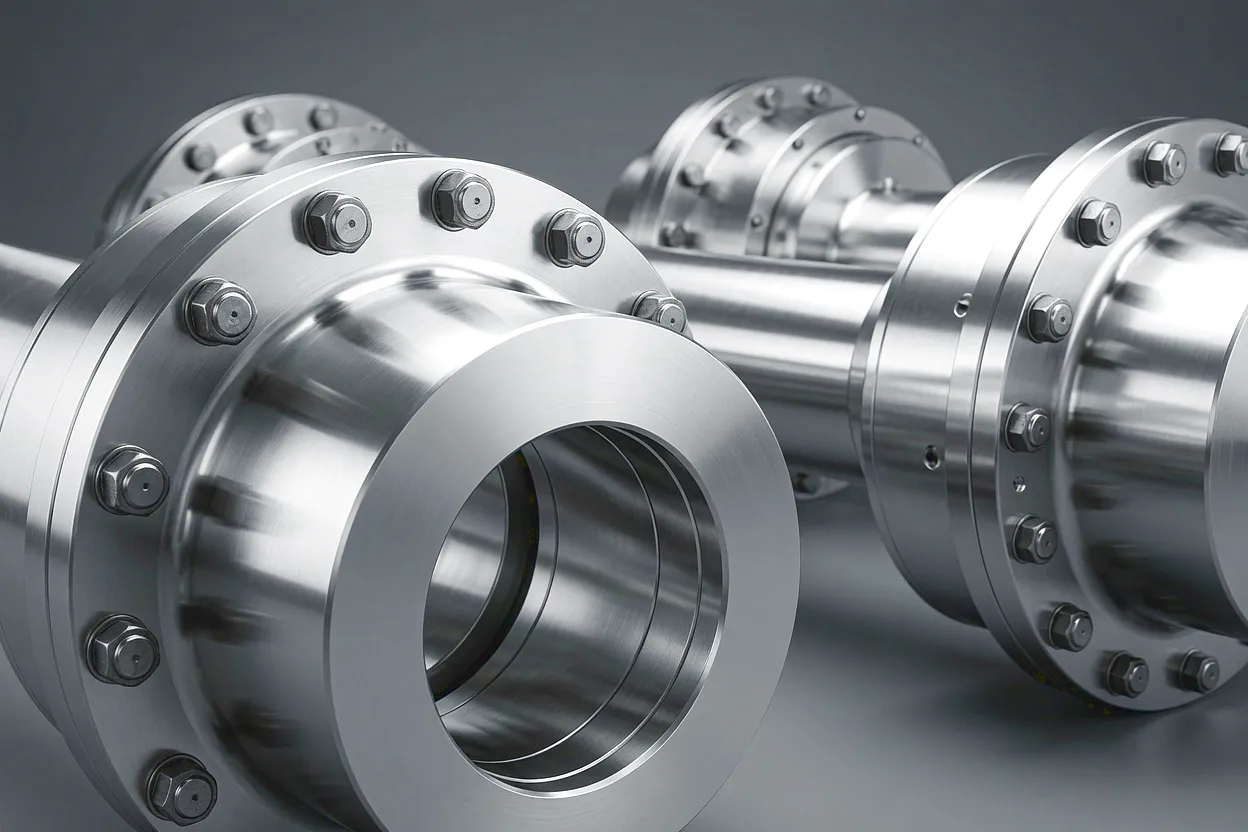
Heavy-Duty Series — Gantry Portal Drive Configurations
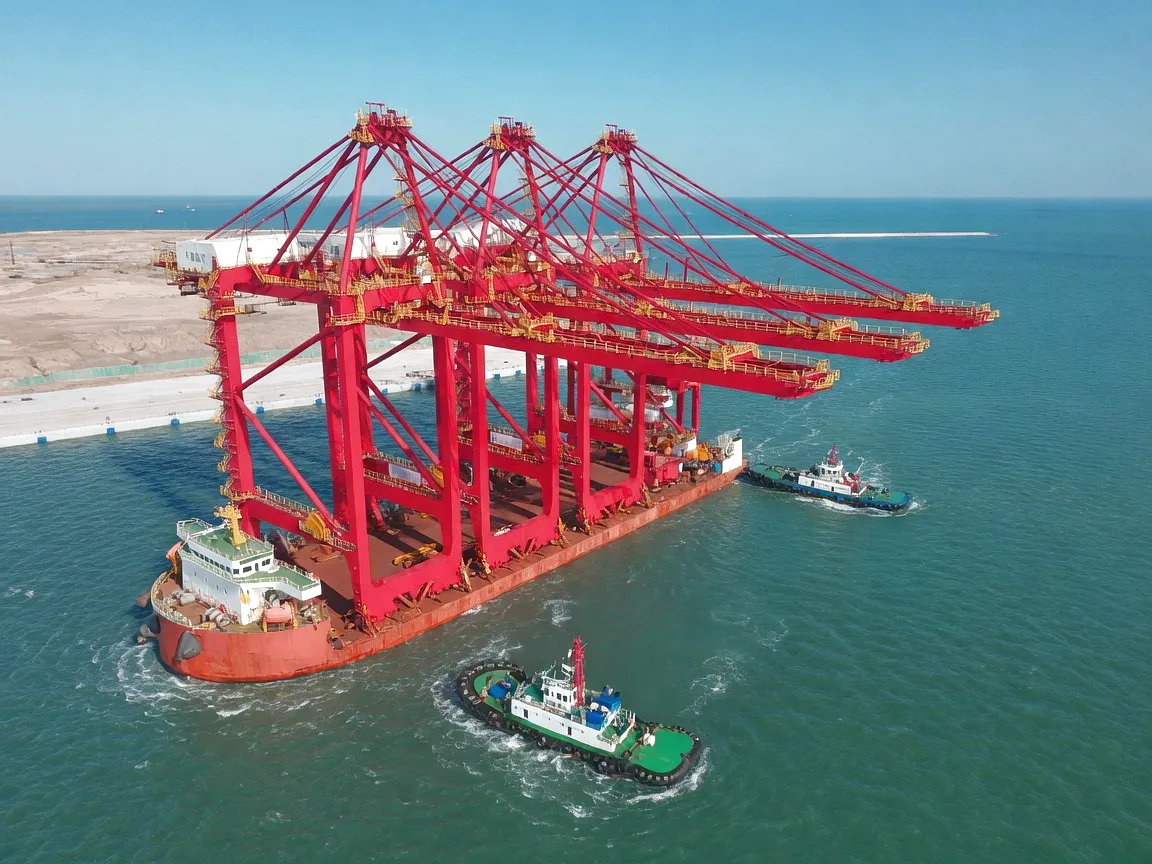
Industrial Installation — Shore Bridge Drive Train
Engineering Principles: How a Drum-Tooth Gear Coupling Works Under Shore Bridge Loads
The load path in a gear coupling is elegantly simple: torque from the driving shaft flows into the inner sleeve hub via an interference-fit keyway or spline, then transfers across the meshing teeth into the outer sleeve, and finally exits through the second inner sleeve hub into the driven shaft. What makes the gear coupling suitable for shore bridge service is the geometry of those teeth.
Standard involute gear teeth, if used in a coupling, would edge-load severely under any angular misalignment because the tooth face contact would migrate to one end of the tooth. The drum-tooth profile addresses this by crowning the tooth face — the tooth face is convex when viewed along its length, following an arc of large radius. Under angular misalignment, the contact patch migrates along this crowned surface rather than concentrating at an edge, keeping Hertzian contact stress within acceptable limits across the full range of rated misalignment angles. This is the fundamental reason gear couplings outperform spur-toothed alternatives in applications where structural deflection is unavoidable.
At the molecular level, the tooth surfaces of a quality gear coupling operate under elastohydrodynamic lubrication: as the teeth slide against one another during misalignment-induced rocking, the lubricant film is squeezed to a thickness of only a few micrometers but remains intact, keeping metal-to-metal contact from occurring. This is why lubrication specification and regreasing intervals are so critical in shore bridge applications — a coupling running dry will exhibit adhesive wear on tooth flanks within hours under the high contact pressures of crane service.
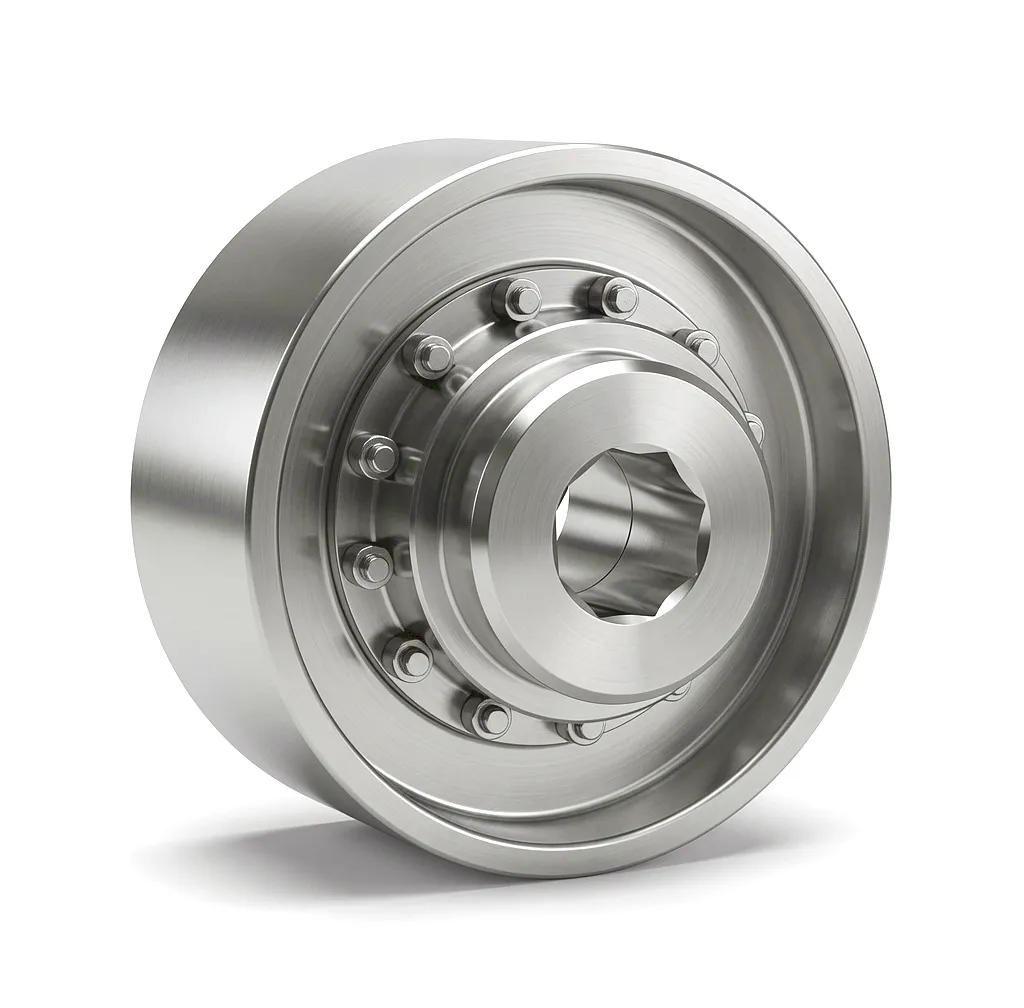
Drum-Tooth Internal Structure — NGCL Series Sectional View
Material Standards
Inner sleeves: 42CrMo4 alloy steel, induction hardened to 50–58 HRC on tooth faces. Outer sleeves: 45 steel or ductile iron, carburised where high torque density is required. Seals: fluoro-elastomer NBR lip seals rated to 120 °C continuous.
Technical Specifications — Gear Couplings for Shore Bridge Applications
The table below summarises the typical performance envelope of Ever Power gear couplings supplied into shore bridge and heavy port crane service. Specific ratings depend on series, size, and operating duty factor; always consult with our engineering team for a definitive selection based on your motor and gearbox data sheet parameters.
| Parameter | GICL Series (Hoist) | NGCL Series (Trolley/Brake) | WGP Series (Gantry) |
|---|---|---|---|
| Rated Torque Range | 1,250 – 112,000 N·m | 800 – 63,000 N·m | 2,500 – 280,000 N·m |
| Maximum Angular Misalignment | 1.5° | 1.5° | 1.5° per coupling half |
| Parallel Offset Tolerance | 0.3 – 1.0 mm | 0.5 – 1.5 mm | 1.0 – 4.0 mm |
| Max Speed (RPM) | Up to 3,600 | Up to 3,000 | Up to 1,500 |
| Hub Material | 42CrMo4 alloy steel | 42CrMo4 alloy steel | 42CrMo4 / 20CrMnTi |
| Tooth Hardness (Face) | 50 – 58 HRC | 50 – 58 HRC | 58 – 62 HRC |
| Operating Temperature | -30 °C to +100 °C | -30 °C to +100 °C | -40 °C to +120 °C |
| Lubrication Type | EP lithium grease (NLGI 2) | EP lithium grease (NLGI 2) | EP synthetic grease |
| Brake Disc Option | Available on request | Standard feature | Available |
| Bore Range | 35 – 220 mm | 30 – 190 mm | 45 – 340 mm |
Why Engineers Specify Ever Power Gear Couplings for Shore Bridge Duty
⚙
Exceptional Torque-to-Weight Ratio
The all-steel construction with induction-hardened teeth delivers torque capacity per kilogram of coupling mass far higher than competing elastomeric designs. In a shore bridge hoist drive where weight above the machine room floor directly impacts structural loading, this advantage is significant. Our GICL series achieves torque densities exceeding 420 N·m per kilogram of coupling assembly mass at mid-range sizes.
🔧
Three-Direction Misalignment Accommodation
Drum-tooth geometry allows simultaneous angular misalignment, parallel offset, and axial displacement without creating large restoring forces on connected shaft bearings. For a shore bridge operating in coastal UK environments where thermal expansion and wind-induced structural sway are real concerns, this multi-axis flexibility keeps bearing lives predictable and maintenance intervals manageable.
🛡
Marine-Grade Corrosion Protection
Shore bridges operate in a highly corrosive salt-spray environment. Our outer sleeves receive a two-coat epoxy primer and polyurethane topcoat system with a minimum DFT of 160 µm, exceeding the requirements of BS EN ISO 12944 Category C5-M. Stainless-steel or zinc-nickel-plated hardware is used throughout, and NBR seals prevent grease leakage and water ingress even under high-pressure wash-down conditions on the crane deck.
📐
Brake Disc Integration (NGCL)
The NGCL series uniquely integrates a forged-steel brake disc directly onto the outer sleeve of the coupling, eliminating the separate brake disc assembly that many competing designs require. This reduces the total shaft span, lowers the overhung moment on the motor bearing, and simplifies installation. The disc is dynamically balanced to G6.3 as standard and can be machined to G2.5 for high-speed hoist applications operating above 1,500 RPM.
🔩
Long Service Life with Predictable Maintenance
With correct lubrication and alignment at installation, our gear couplings in shore bridge hoist service routinely achieve 8 to 12 years of service life before tooth-face wear requires replacement. We supply grease nipple ports, lubrication quantity tables, and recommended regreasing intervals as standard documentation with every supply package, enabling terminal operators to integrate coupling maintenance into their planned preventative maintenance schedules without guesswork.
📦
Drop-in Replacement Compatibility
We reverse-engineer and manufacture drop-in replacement gear couplings for all major OEM shore bridge designs including Konecranes, ZPMC, SANY, and Liebherr configurations. Our engineering team works from OEM drawings, worn samples, or dimensional surveys of installed units to produce replacement parts that are dimensionally interchangeable, eliminating the need to re-qualify the entire drivetrain when a single coupling reaches the end of its service life.
Gear Coupling Applications Across the Full Shore Bridge System
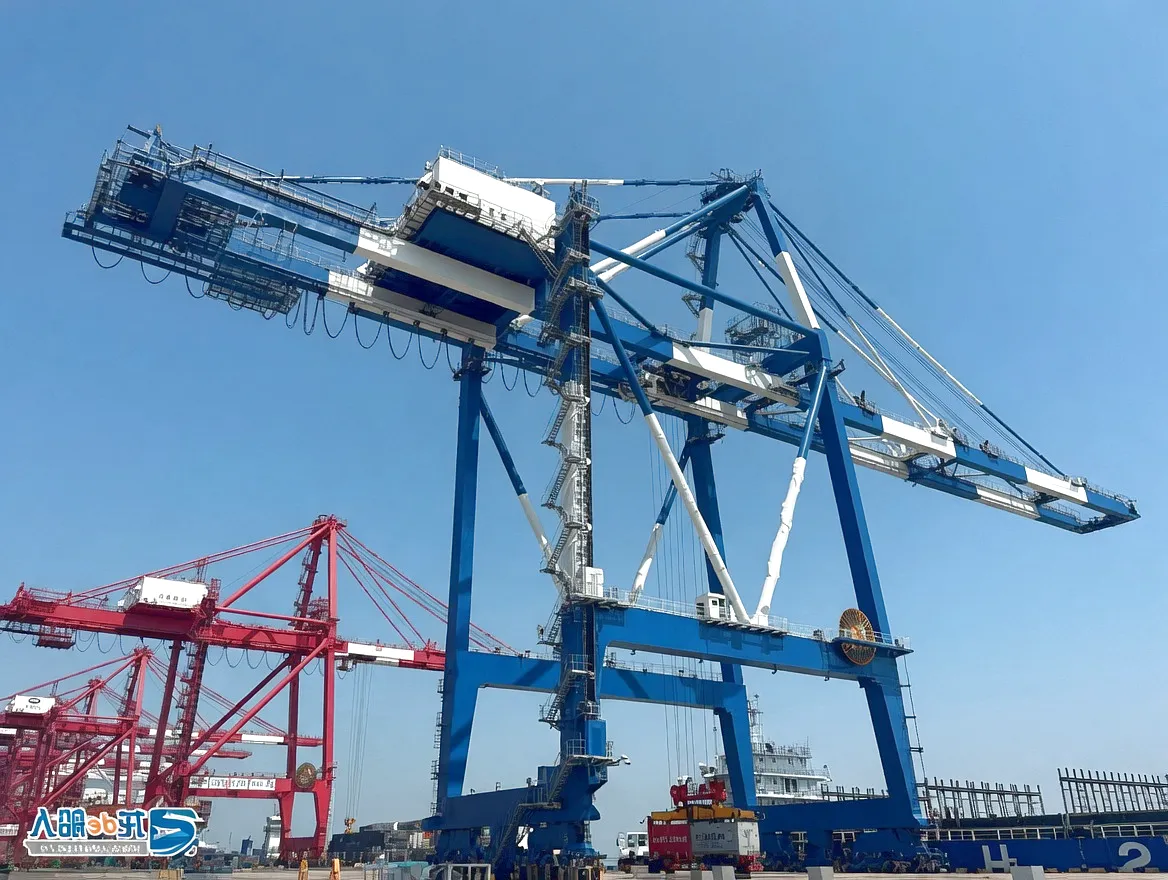 Port engineers and equipment procurement teams in the UK often ask what differentiates the gear coupling requirements of each shore bridge drive from the others. The answer lies in the combination of torque magnitude, misalignment type, duty cycle, and speed — each drive mechanism has a distinct character that demands a specific coupling configuration.
In the hoist drive, the dominant stress is peak torque: the starting torque of a large squirrel-cage motor can exceed 2.5 × rated torque for the first 1–2 seconds of acceleration. The gear coupling between motor and gearbox must handle this repeated shock loading without fatigue failure in the tooth roots. Ever Power sizes hoist-duty gear couplings using a peak torque multiplier of 3.0 to ensure a comfortable safety margin against tooth-root bending fatigue, which is the limiting failure mode in this service.
In the boom hoist drive — the mechanism that raises and lowers the boom itself — duty cycles are infrequent compared to the container hoist, but the torques are extremely high. Boom hoist couplings are often specified with a higher tooth-module than the container hoist to spread the contact load over a larger face width, even though the shaft diameter and bore size may be similar. This is a detail that a generic catalogue selection will miss and that our application engineers flag during specification review.
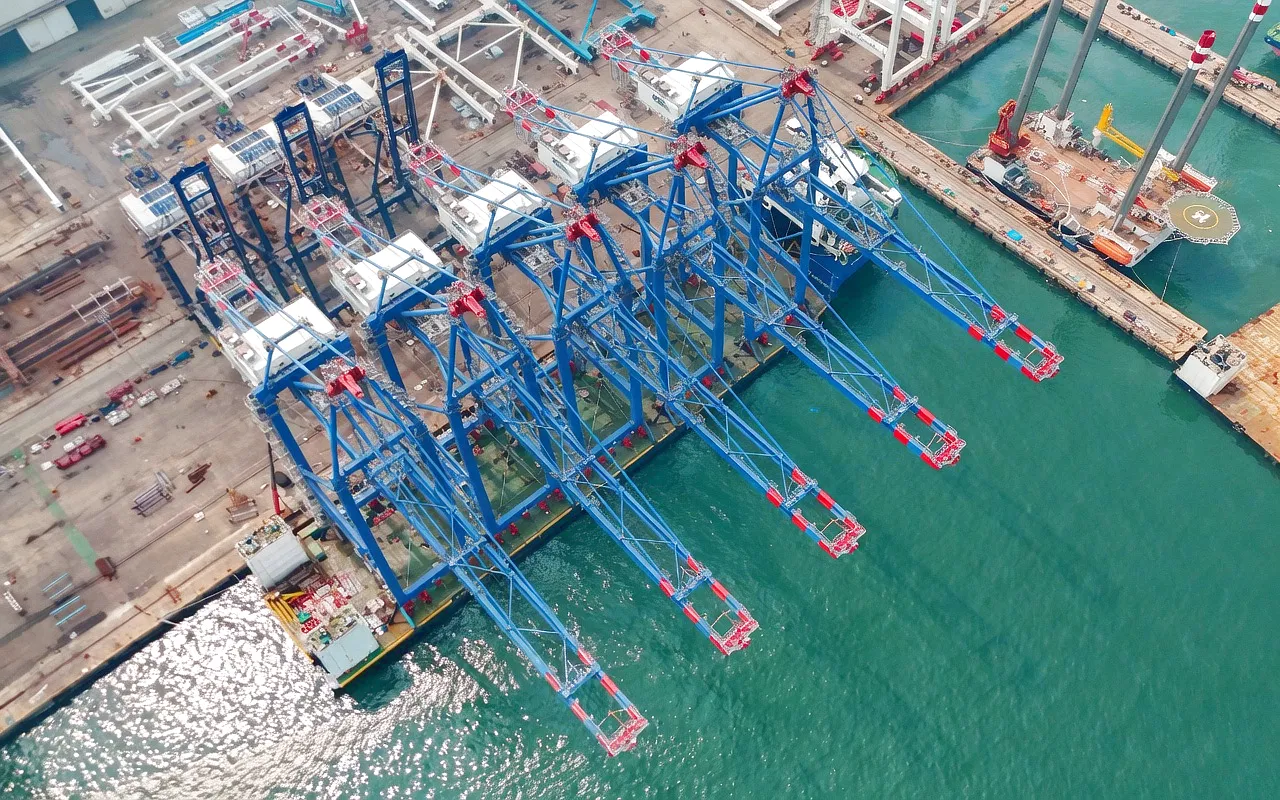 The gantry travel drive is where floating-shaft configurations truly come into their own. A typical post-Panamax shore bridge has a portal span of 30 metres or more between the quayside rail and the sea-side rail. The bogie drive wheel units at each corner are driven independently, but the motor-to-gearbox shaft centres must be aligned during installation across a structure that flexes with thermal expansion, rail joint transitions, and uneven quay settlement. Specifying a double-engagement gear coupling with an intermediate spacer shaft allows the drivetrain to handle up to 3 mm of parallel offset between motor and gearbox centrelines without any adjustment after installation, dramatically reducing commissioning time.
Outdoor exposure is a unique challenge for gear couplings on shore bridges operating at UK container ports. Average annual rainfall at Felixstowe exceeds 600 mm, and the saline environment at sea-level elevation accelerates corrosion of exposed carbon-steel surfaces. We address this with a combination of material selection — stainless fasteners, anodised aluminium grease plugs — and a surface treatment system that has been tested to over 1,000 hours salt-spray resistance per BS EN ISO 9227. This level of corrosion protection is not typically included in standard off-the-shelf catalogue couplings and represents one of the key reasons terminal operators in Southampton and London Gateway return to Ever Power for repeat orders.
Manufacturing Excellence & Custom Engineering Capability
Ever Power’s manufacturing facility occupies over 28,000 square metres of production floor space and operates CNC gear-hobbing and gear-grinding machines capable of producing tooth profiles to DIN 6 accuracy class — a level of precision that ensures quiet, low-vibration operation at all crane operating speeds. Each gear coupling destined for port crane service passes through a dedicated quality gate that includes 100% dimensional inspection, hardness testing on gear tooth flanks, and pressure-leak testing of assembled outer sleeve assemblies to confirm grease retention seal integrity.
Our custom engineering service is a genuine differentiator for shore bridge projects, where OEM specification drawings often call out non-standard bore diameters, flange drilling patterns, or integrated features such as encoder mounting flanges, torque-limiting devices, or hydraulic coupling disengagement provisions. Our team handles the complete drawing package from scratch: 3D modelling in SolidWorks, FEA stress analysis of tooth root and outer sleeve under peak torque conditions, and full material traceability documentation from heat-number to finished part. Lead times for custom-engineered gear couplings for shore bridge projects typically run 6 to 10 weeks from drawing approval, compared to 16 to 24 weeks for some European alternatives, giving UK project managers a meaningful schedule advantage during crane commissioning programmes.
Custom Design Capabilities Include:
Non-standard bore sizes and keyway dimensions · Integrated brake disc with custom PCD drilling · Hydraulic pressure-fit hubs with locking element · Floating shaft spacer configurations up to 2,000 mm · Special surface treatments for Arctic or tropical environments · Third-party inspection by Lloyds, Bureau Veritas, or DNV · Full material and dimensional traceability certificates · CAD files and installation drawings supplied with every custom order
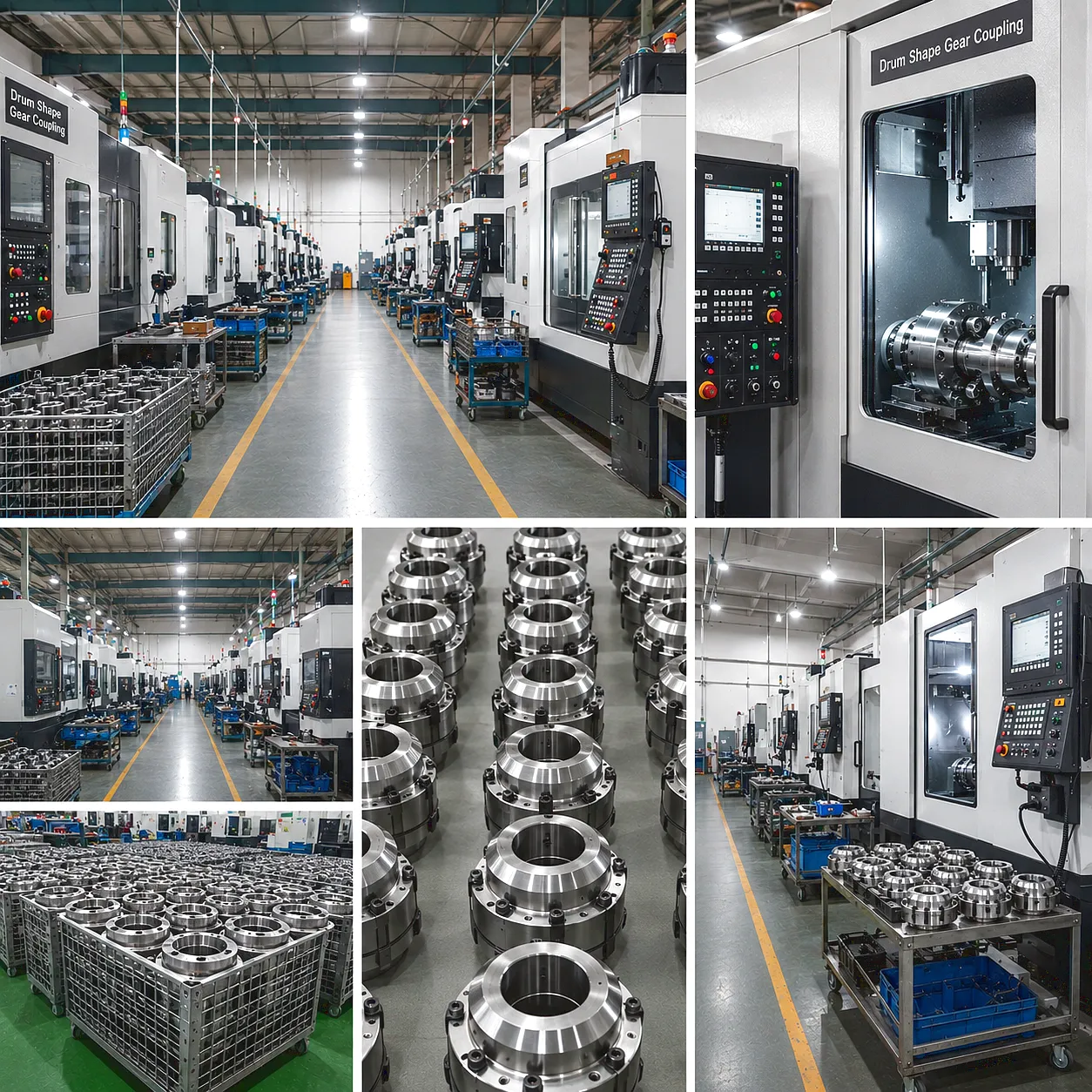
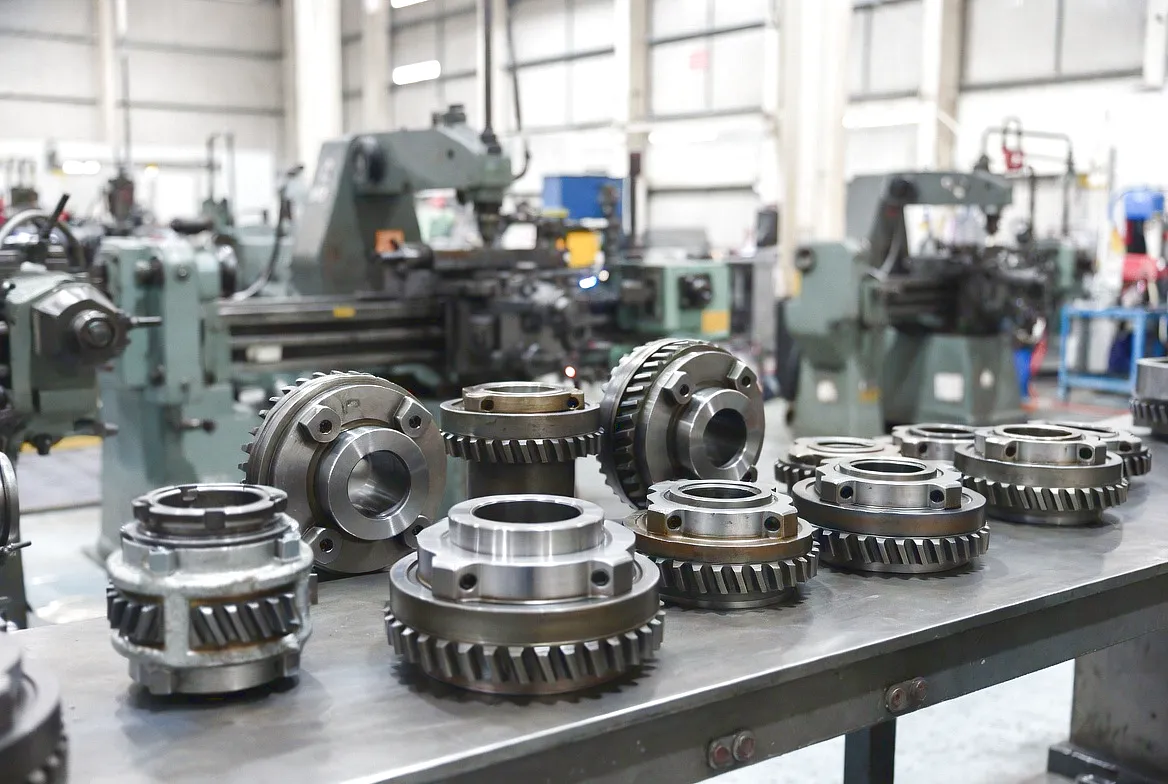
Ever Power — CNC gear grinding and quality inspection for port crane service
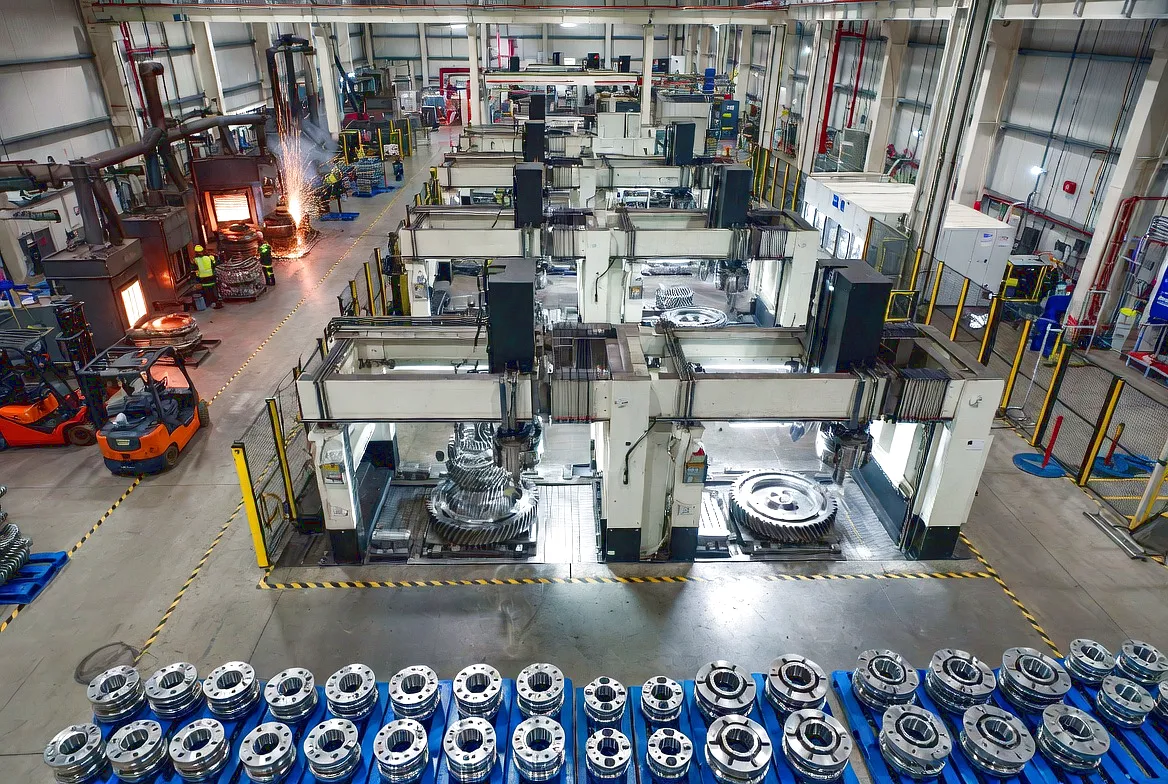
100% final inspection before despatch — shore bridge grade quality control
Quality Certifications
ISO 9001:2015 certified management system · CE marking available for UK and EU supply · Material certificates to EN 10204 Type 3.1 · Dimensional reports with all critical features measured and recorded · Dynamic balance certificates per ISO 1940 G2.5 · Hydrostatic seal test records for each assembled unit
Serving the UK Container Port Industry — Felixstowe, Southampton, London, Immingham, and Beyond
The United Kingdom’s container port infrastructure handles over 11 million TEU per year, with the Port of Felixstowe alone accounting for nearly 4 million. The shore bridge fleets at these terminals represent some of the most demanding continuous-duty installations of gear couplings anywhere in the world. Continuous 24/7 operations, salt-laden sea air, and the relentless pressure of vessel turnaround targets leave no room for components that merely meet the minimum specification — every part must perform consistently over years of service.
Ever Power maintains a stockholding of fast-moving GICL and NGCL series sizes at our UK distribution partner, enabling same-day despatch for emergency replacements on critically grounded cranes. For planned maintenance programmes, we work with terminal engineering teams to pre-stage replacement couplings timed to crane planned maintenance windows, eliminating last-minute emergency procurement costs that can easily run to several multiples of the component price when a crane is standing idle.
We have supplied gear couplings to crane maintenance contractors and OEM rebuild programmes serving major UK container terminals including those at Tilbury, Liverpool, Hull, and Grangemouth. Our account managers are familiar with the approval and vendor registration processes at these facilities, and can provide the documentation packages — material declarations, COSHH data sheets for grease, dimensional data for crane deck safety assessments — that terminal health and safety teams require before any new component is approved for use.
UK Supply Advantages
· Fast-track stock for emergency replacement
· UK-compliant documentation packages
· CE marking & UKCA certification available
· Account managers with UK port sector experience
· Competitive pricing against European OEMs
· 18+ years supplying port industry worldwide
· Technical support from application engineers
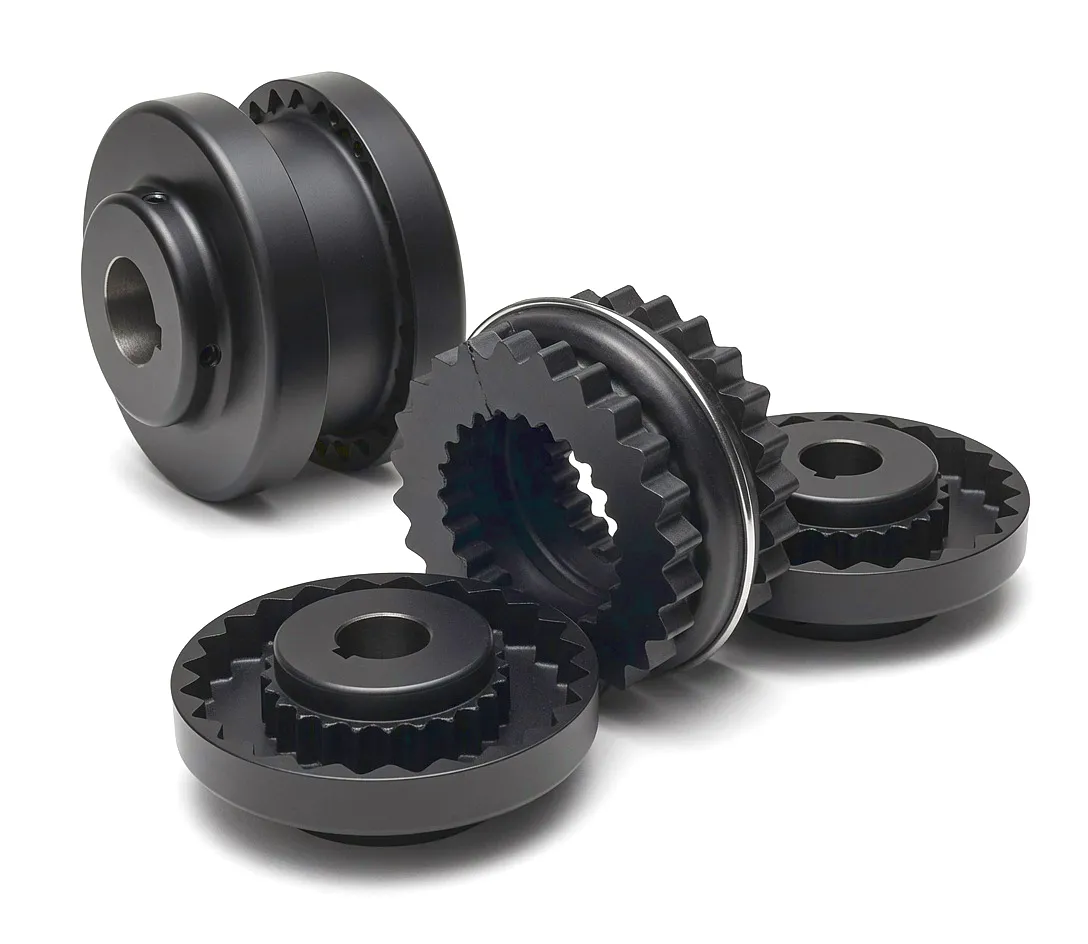
Customer Success: DP World Southampton — Hoist Drive Coupling Overhaul Programme
Terminal Operator — Southern England
Major UK Container Terminal · Fleet of 12 Post-Panamax Shore Bridges
The Challenge: The terminal’s engineering team had recorded three unplanned hoist drive coupling failures in an 18-month period, each resulting in the crane being grounded for between 6 and 14 hours while emergency replacement parts were sourced. The couplings in service were original-equipment supply dating from the crane manufacturing year (2009) and showed significant tooth-face wear and grease seal deterioration consistent with the marine environment. Each crane grounding had cost the terminal an estimated £28,000 to £45,000 in lost vessel productivity and emergency labour.
The Solution: Ever Power’s application engineering team was engaged to conduct a technical audit of the installed coupling sizes, operating duty cycles, and lubrication records across all 12 cranes. The audit identified that the original couplings had been sized for a lower operational duty factor than the actual annual average, and that the regreasing interval had been set at 2,000 hours rather than the 1,200-hour maximum appropriate for the combined misalignment and temperature conditions at this terminal.
The Outcome: We supplied 36 replacement GICL series hoist drive couplings sized one nominal step above the original, with upgraded NBR marine seals and a revised grease specification. Phased installation was scheduled during planned maintenance windows over a 6-month period. In the 30 months since completion of the programme, the terminal has recorded zero unplanned coupling-related crane groundings — a result the terminal’s chief engineer described as transformational for crane availability metrics. Total programme cost including couplings and engineering support was recovered within the first 18 months through avoided downtime losses.
Programme Outcomes
0 in 30 months
< 18 months
12 units
6 months
What Our Clients Say
“We’ve been sourcing GICL couplings from Ever Power for our quay crane rebuild contracts for four years. The dimensional accuracy is consistently better than anything we’ve had from domestic European suppliers at the same price point, and the technical documentation is always exactly what our quality system requires.”
— Procurement Director, Crane Maintenance Contractor
Felixstowe, Suffolk, United Kingdom
“The custom NGCL units Ever Power produced for our trolley travel drive upgrade had a non-standard brake disc drilling pattern that three other suppliers declined to manufacture economically. Ever Power turned around the drawings in two weeks and delivered parts that passed our first-article inspection without a single non-conformance. That’s the kind of partner you want on a tight commissioning schedule.”
— Lead Mechanical Engineer, Port Equipment OEM
Rotterdam, Netherlands
“We placed our first order with Ever Power sceptically — we’d been burned by low-price coupling suppliers before. The quality and service life of their GICL units in our hoist drives have exceeded anything we used previously. We now specify Ever Power as the preferred supplier in our crane maintenance contracts.”
— Terminal Engineering Manager
Southampton, Hampshire, United Kingdom
How to Select the Right Gear Coupling for Your Shore Bridge Application
Correct coupling selection for a shore bridge requires more than matching a bore diameter to a catalogue table. The following comparison summarises the key decision factors for each drive mechanism and the coupling series best suited to each service condition. For applications outside these standard configurations, please contact our engineering team for a bespoke selection.
| Drive Mechanism | Typical Power (kW) | Primary Challenge | Recommended Series | Key Selection Factor |
|---|---|---|---|---|
| Container Hoist | 500 – 1,500 | High peak torque, cyclic shock | GICL Series | Peak torque factor 3.0 × |
| Boom Hoist | 200 – 600 | Very high torque, low duty cycle | GICL Heavy Series | Tooth module & face width uplift |
| Trolley Travel | 75 – 250 | Brake integration, inertia braking | NGCL Series | Integrated brake disc specification |
| Gantry Travel | 30 – 150 per bogie | Parallel misalignment, axial float | WGP Floating-Shaft | Spacer shaft length, total offset |
| Machinery House Auxiliary | 5 – 55 | Compact envelope, vibration isolation | NL Nylon or GICL Compact | Torsional stiffness matching |
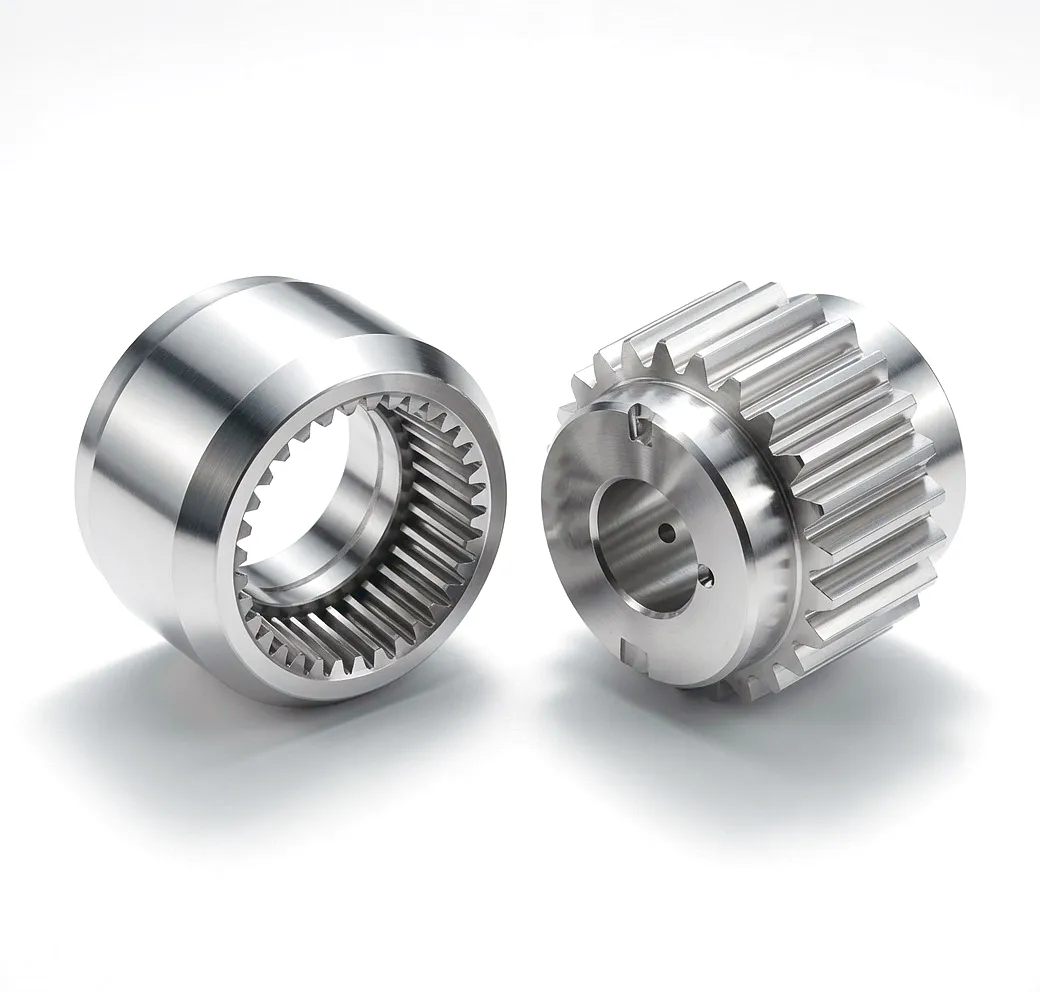
NL Type Nylon Gear Coupling — compact, lightweight, with excellent vibration damping for auxiliary drives and machinery house services where torsional isolation from the drivetrain is beneficial.
Frequently Asked Questions — Gear Couplings for Shore Bridge and Port Crane Applications in the UK
Ready to Specify the Right Gear Coupling for Your Shore Bridge?
Send us your torque requirement, motor data sheet, and crane model. Our application engineers will come back to you within 24 hours with a full specification recommendation and competitive price. No generic catalogue answers — just a technically correct solution for your specific drive.
Get a Quote — gear-coupling.top
Ever Power · Gear Coupling Specialists · UK Supply & Global Export · 18 Years in Port Industry Applications
edit by gzl