Gear Coupling for Crane Drive Systems: The Complete Engineering Guide for High-Torque Material Handling
How precision-engineered gear couplings protect crane drive trains from shock loads, misalignment, and fatigue — with real technical specifications, application data, and UK-specific sourcing guidance.
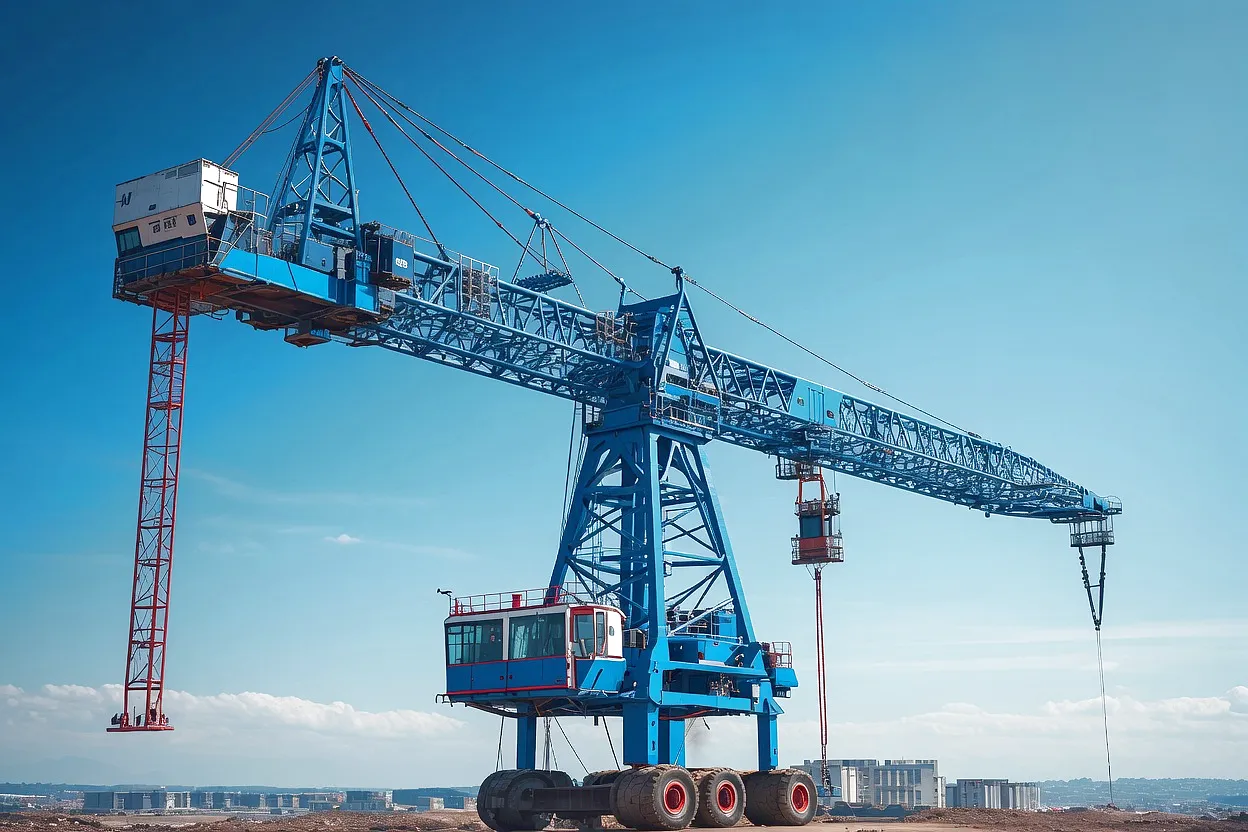
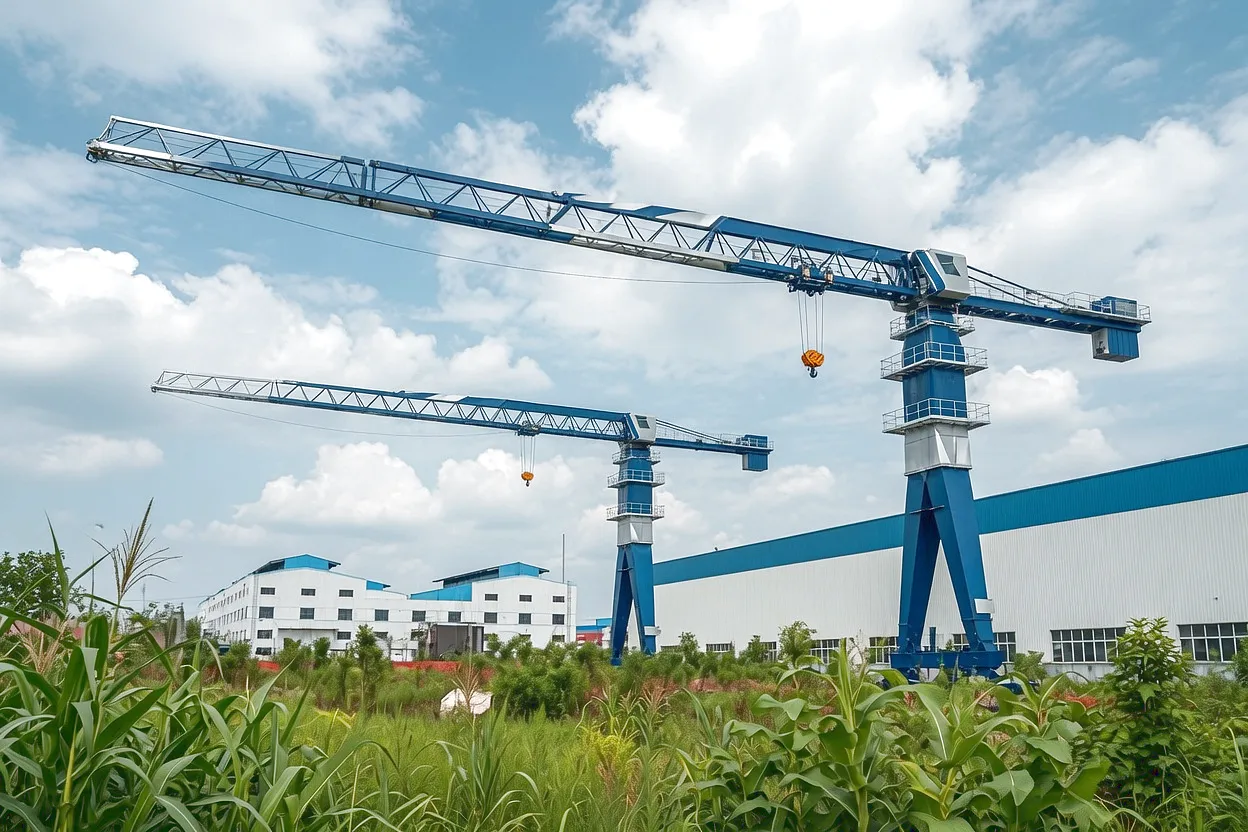
Gantry & Portal Cranes
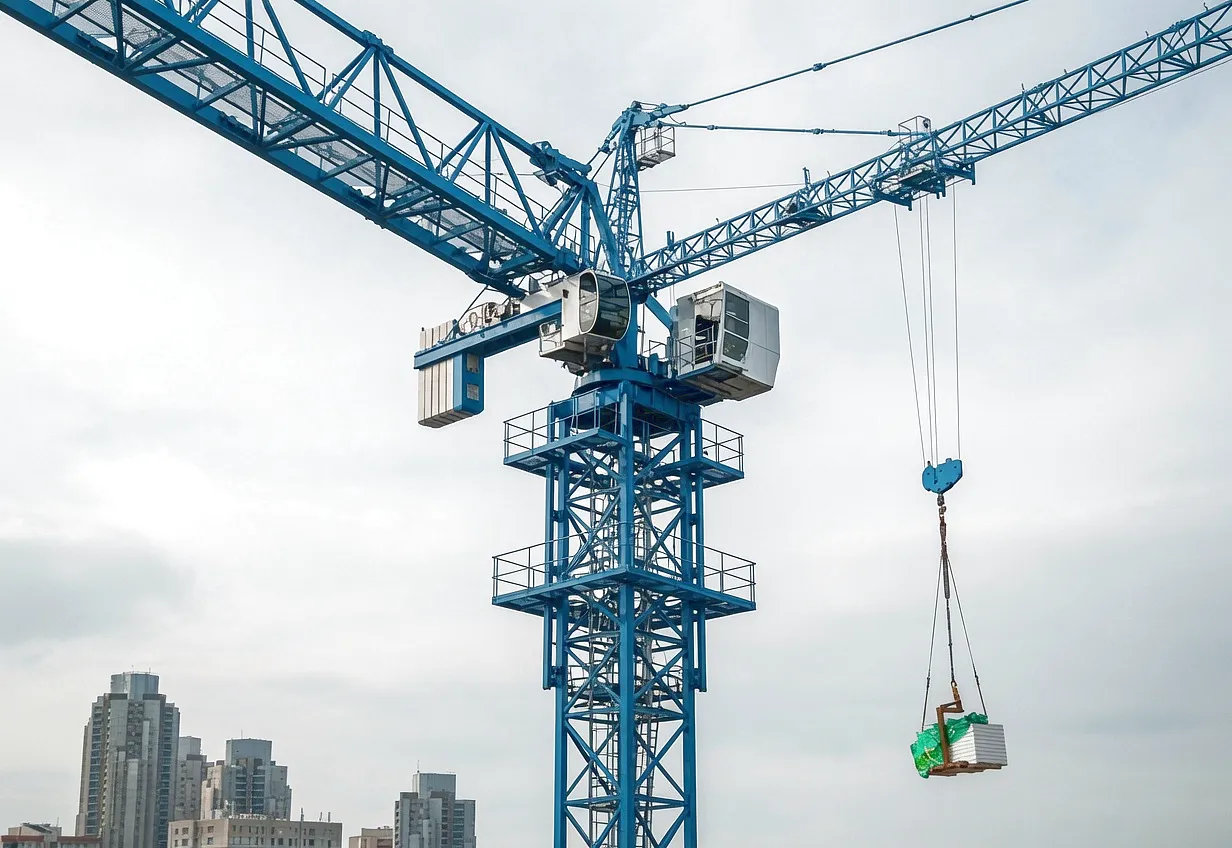
Tower Cranes
Harbour Cranes
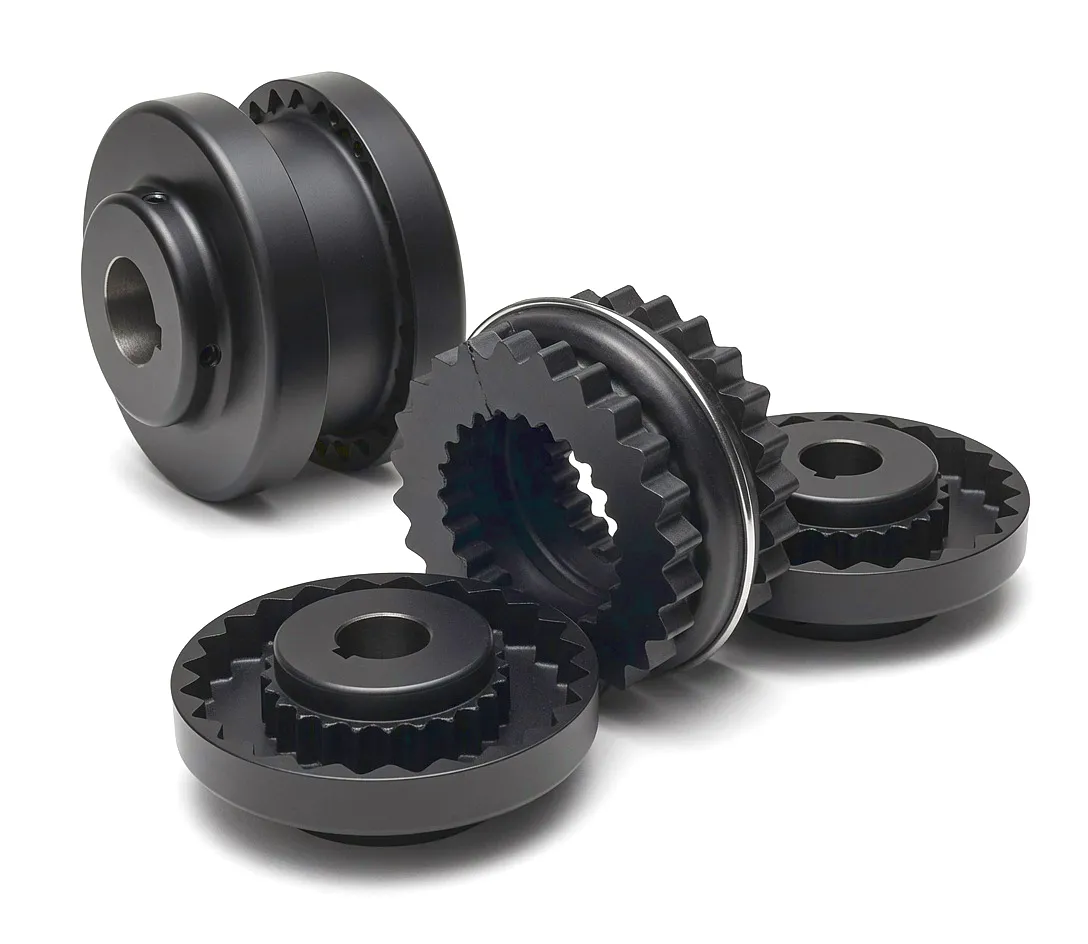 Cranes are among the most mechanically demanding machines in any industrial or construction environment. Whether it is a bridge crane running continuous shifts inside a steel mill in Sheffield, a portal gantry crane shifting containers at the Port of Felixstowe, or a tower crane erecting a high-rise in Manchester — the common thread running through every drive train is the need for a coupling that can absorb shock, tolerate angular and radial misalignment, and transfer torque reliably for years without unscheduled downtime. A gear coupling meets all of those requirements in a compact, standardised package, and understanding exactly how — and why — it does so is worth the time of any engineer specifying or maintaining crane equipment in the United Kingdom.
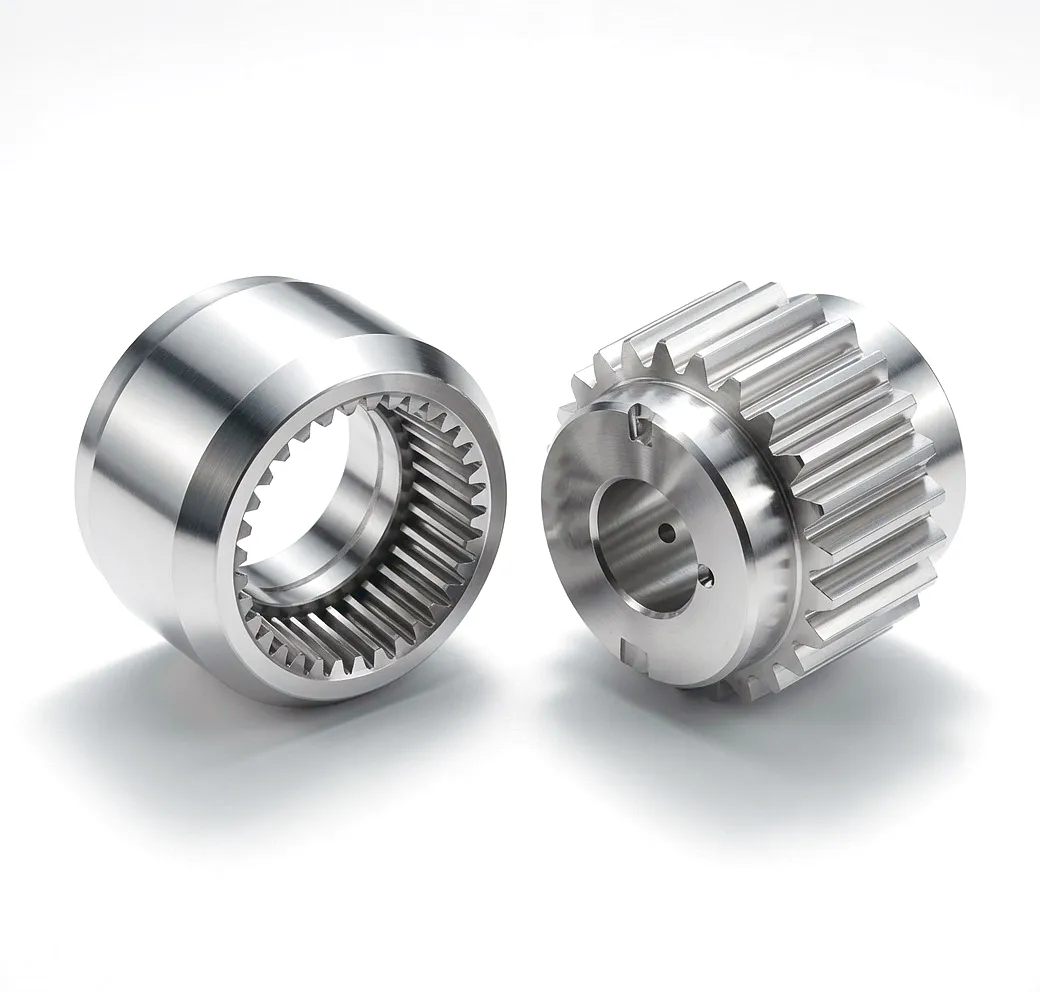
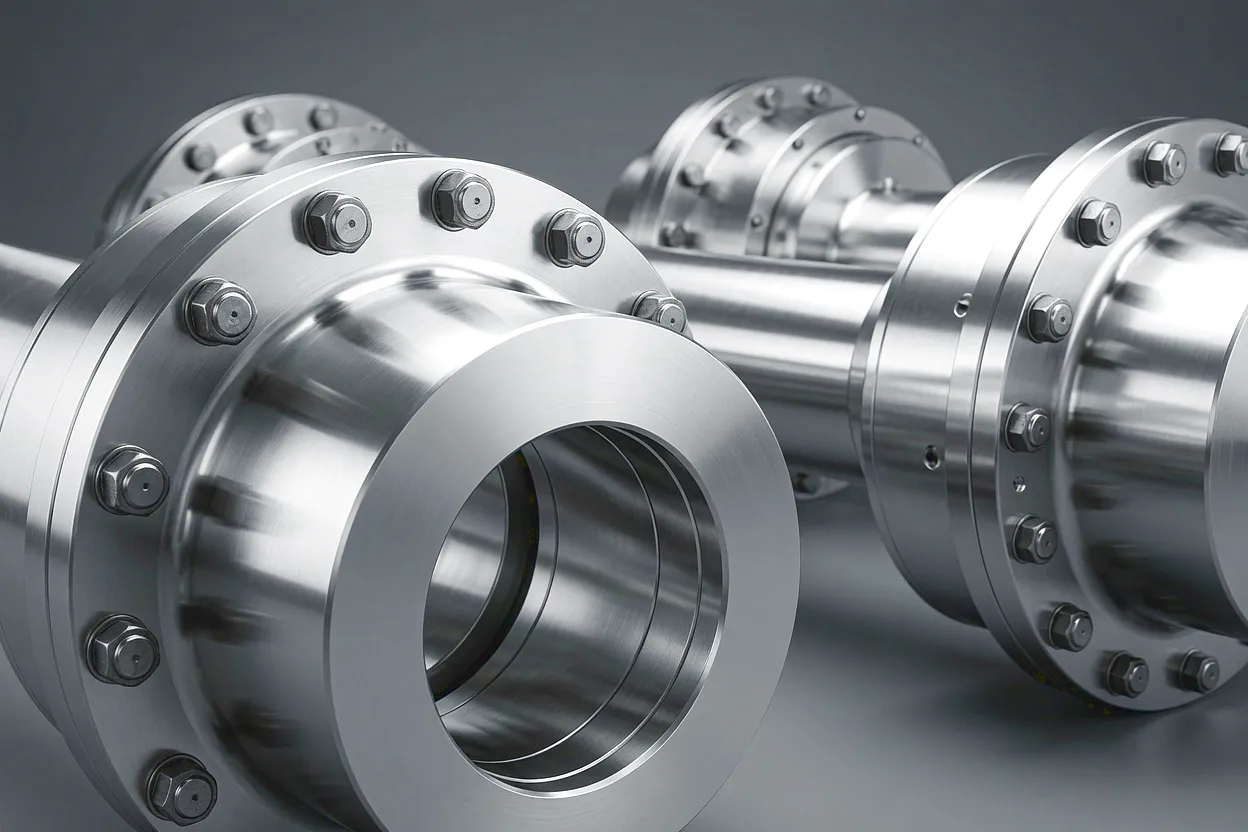
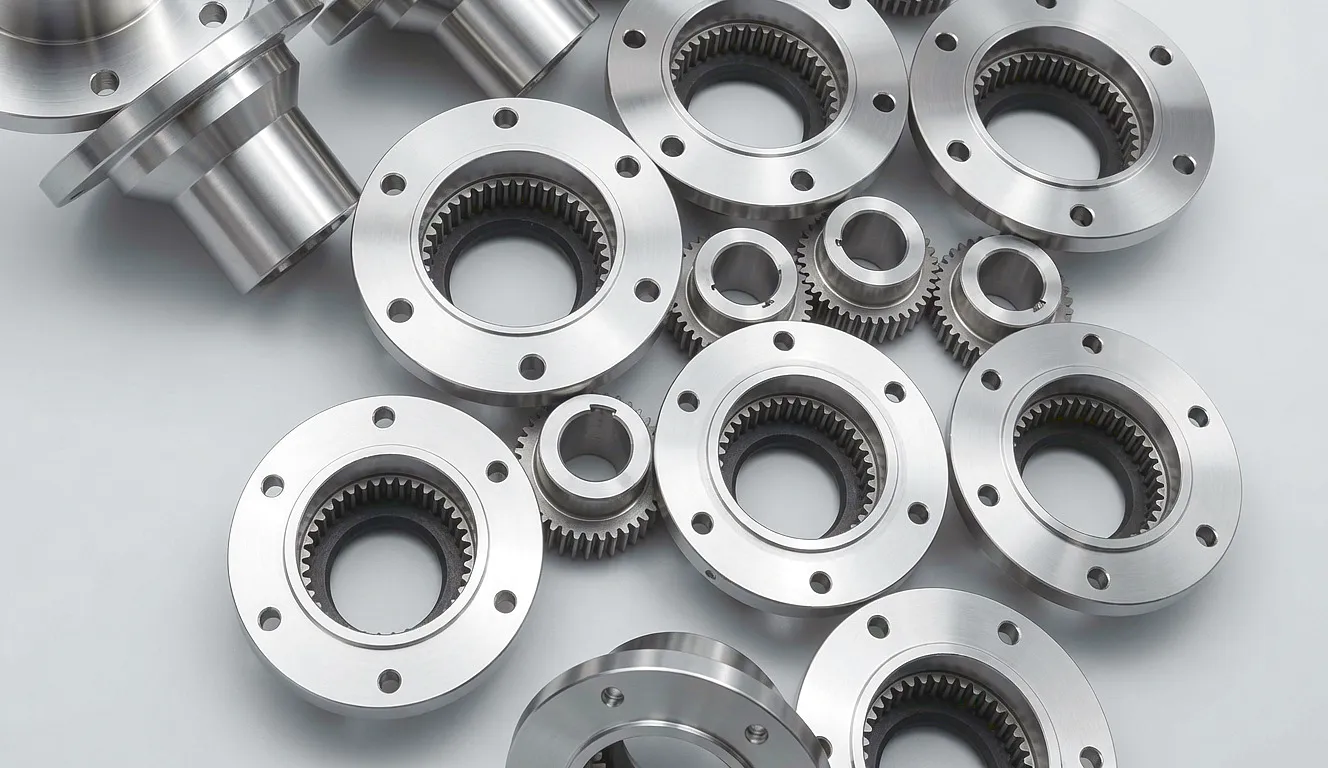
Gear couplings have been the dominant torque-transmission solution in heavy crane drives for decades. The operating principle is elegant: external gear teeth machined onto two shaft hubs mesh with internal teeth cut into a pair of sleeve halves, and the slight crowning on those teeth — particularly in the drum-tooth or barrel-tooth variant — is what gives the assembly its remarkable ability to accommodate misalignment without transmitting bending loads back to motor bearings or gearbox shafts. When you are dealing with slewing rings, load-induced deflection of crane girders, and thermal expansion in fabricated structures, that misalignment tolerance is not a luxury; it is a structural necessity.
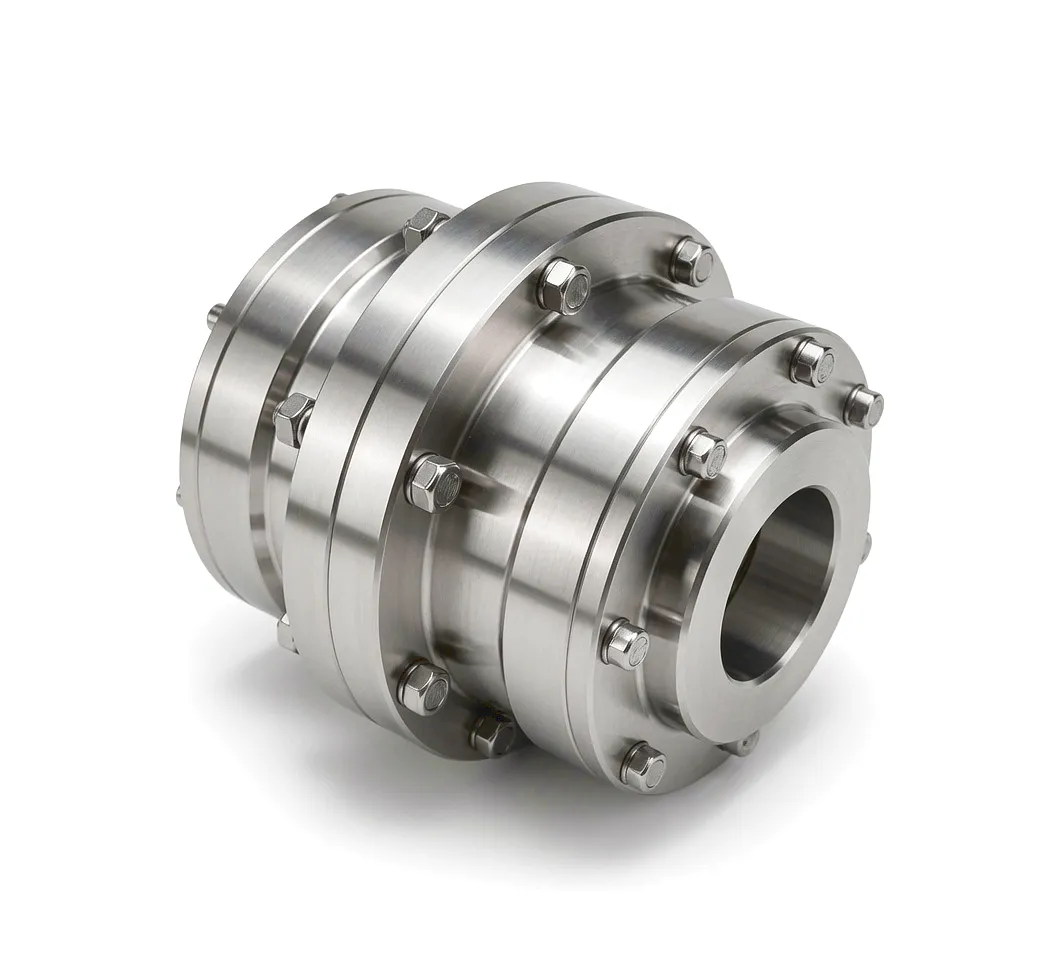
Ever Power Gear Couplings
Manufactured to ISO 5294 and GB/T 5015 standards, our gear couplings are stocked and custom-built for crane hoisting, travel, and slewing drives across the UK and European market. Custom bore sizes, keyway configurations, and surface treatments available on request.
What Makes a Gear Coupling the Right Choice for Crane Drive Trains?
Drive System Engineering
A crane drive train is not a single rotating assembly; it is a collection of mismatched elements bolted together under field conditions. The motor sits on a fabricated support bracket, the gearbox is mounted on a separate beam section, and the drum or wheel axle deflects under load. Any rigid coupling in that path would instantly begin transmitting bending moments to shaft bearings — moments the bearings were never rated to absorb. The result is premature bearing failure, shaft fatigue cracking, and exactly the kind of unplanned downtime that costs UK crane operators thousands of pounds per hour in lost production.
A gear coupling solves this not by being flexible in the elastomeric sense — rubber flexing — but by being geometrically accommodating. The crowned tooth profile means that when the two hub axes deviate from each other, the contact line between external and internal teeth shifts along the tooth face rather than loading just the edge. The coupling still transmits full rated torque, but the misalignment generates no additional radial load on the connected shafts. That distinction matters enormously in heavy crane applications where torque levels are high and shaft stiffness is limited.
Key Capability Metrics
Inside a Crane Drive Train: Where Gear Couplings Are Installed
Application Architecture
A modern overhead bridge crane typically contains three mechanically distinct systems — the hoisting mechanism, the long-travel (bridge) drive, and the cross-travel (trolley) drive — and each of these systems can carry one, two, or even three gear couplings depending on the power split and layout. Understanding where each coupling sits, and what it is asked to do, is the foundation of correct specification.
Hoisting Mechanism
The gear coupling between the hoist motor and the gearbox input shaft faces the hardest duty of any coupling on the crane. Shock loads during load pick-up can reach 2.5x the steady-state torque rating. A drum-tooth gear coupling with a service factor applied at 1.5 to 1.75 is standard practice. The coupling between the gearbox output and the rope drum must also handle the drum’s own eccentric loads and any structural deflection in the girder.
Long-Travel (Bridge) Drive
Bridge drives commonly use a dual-motor arrangement with a gear coupling on each motor shaft and a central cardan or torque shaft connecting the two end carriages. Misalignment in this application comes from thermal growth of the bridge girder and from runway rail tolerances. The gear coupling must accommodate both axial float — sometimes 2 to 3 mm during operating temperature swings — and the angular deviation that rail wear introduces over time.
Slewing / Rotation Drive
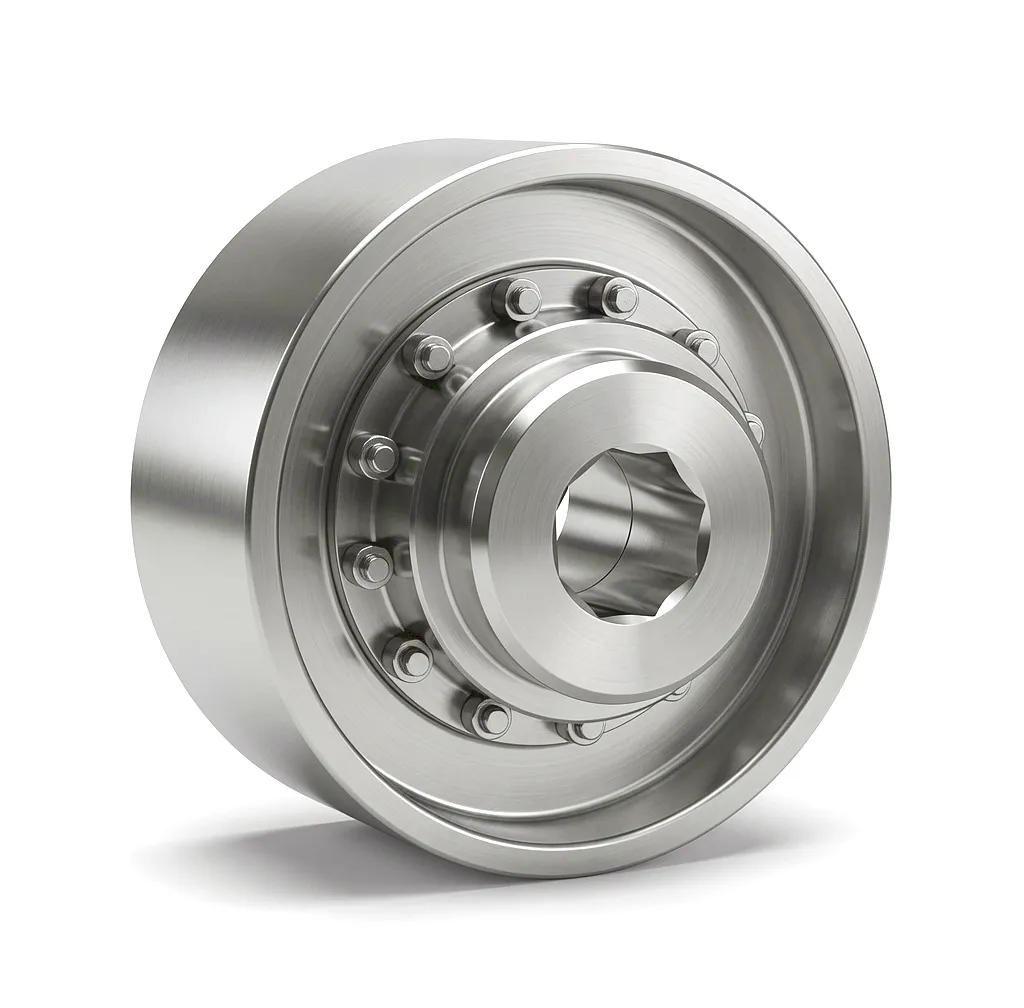
Tower cranes and harbour cranes with slewing mechanisms present a unique coupling challenge: the drive axis is vertical, lubrication must function in that orientation, and the coupling must deal with reversal torques as the slewing motion brakes and reverses direction. An NGCL series gear coupling with a brake disc flange is the engineered solution here, combining the coupling function with the braking interface in a single component.
Types of Gear Coupling Used in Crane Applications
Product Series Guide
The GICL / GIICL drum-tooth gear coupling series is the workhorse for most bridge crane and gantry crane hoist drives in the UK and across Europe. The drum-shaped (barrel) tooth profile maximises tooth contact area under angular misalignment conditions, reducing Hertz contact stress significantly compared to a straight-tooth design. The sleeve assembly is split horizontally for ease of inspection without removing the connected machinery — a maintenance advantage that site engineers appreciate enormously when the coupling is positioned inside a crane girder where access is inherently awkward.
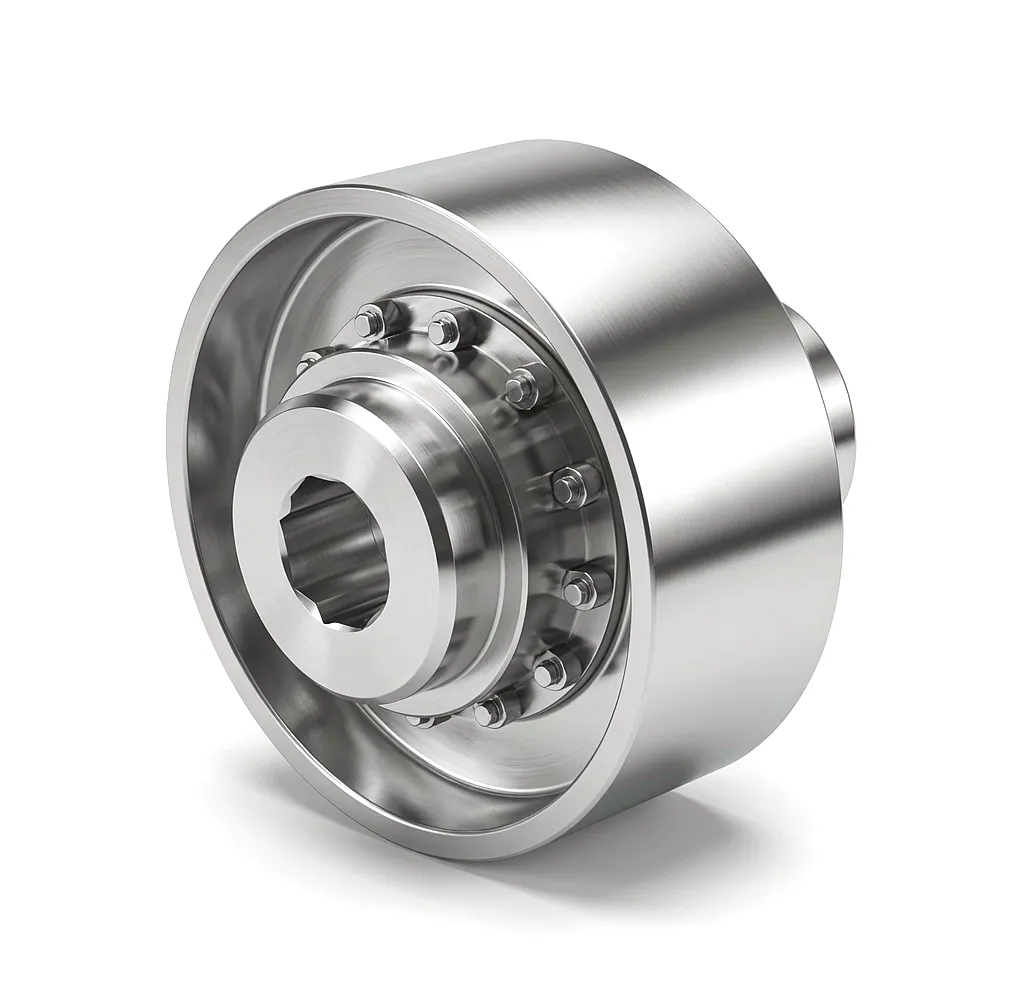
The NGCL series combines a standard gear coupling with a brake wheel or brake disc, making it the assembly of choice for crane hoists where the brake must be mounted on the high-speed shaft between motor and gearbox. The integrated design eliminates a separate brake drum, reducing overall drivetrain length and the number of shaft support bearings required. It is particularly popular on single-girder overhead cranes in UK warehouse and logistics facilities where headroom is at a premium.
Series Selection at a Glance
GICL/GIICL — Hoist & travel drives, standard torque
NGCL — Hoist drives with integrated brake drum
NL Nylon — Light trolley drives, vibration-sensitive motors
Custom — Harbour crane slewing, special bore/flange
Technical Specifications: GICL Series Gear Couplings
Performance Data Table
| Model | Rated Torque (N·m) | Max Speed (rpm) | Max Bore Dia. (mm) | Angular Misalign. | Axial Float (mm) | Hub Material |
|---|---|---|---|---|---|---|
| GICL-4 | 710 | 4,500 | 48 | 1°30′ | ±2.5 | 45 Steel |
| GICL-7 | 3,150 | 3,550 | 90 | 1°30′ | ±3.0 | 45 Steel |
| GICL-10 | 8,000 | 2,800 | 120 | 1°30′ | ±3.5 | 45 Steel |
| GICL-13 | 16,000 | 2,240 | 160 | 1°30′ | ±4.0 | 45 Steel |
| GICL-16 | 25,000 | 1,800 | 200 | 1°30′ | ±5.0 | 42CrMo |
All values per GB/T 5015. Custom torque ratings and special alloy hubs available on request. Contact Ever Power for project-specific calculations.
Materials, Construction, and Why They Matter in Crane Environments
Engineering Detail
The hub and sleeve materials selected for a gear coupling determine its service life in ways that go far beyond simple tensile strength. In crane applications, the dominant failure modes are tooth surface fatigue, lubricant starvation leading to fretting wear, and sleeve cracking from high-cycle torsional fatigue. Ever Power addresses these failure modes through deliberate material selection and heat treatment protocols that are verified with test documentation traceable to the raw steel cast.
Standard hubs for crane duty are manufactured from 45-grade medium-carbon steel, which is normalised and then induction-hardened at the gear teeth to a surface hardness of 50–55 HRC. The hardened case depth of 1.5 to 2.5 mm ensures that even after years of contact cycling under misaligned conditions, the core of the tooth remains tough and ductile. For the highest torque applications — typically harbour crane luffing drives and heavy steel mill cranes carrying 50 tonnes and above — the hub material is upgraded to 42CrMo alloy steel, quenched and tempered to a core hardness of 28–34 HRC, with tooth flanks subsequently carburised and ground to produce a surface finish of Ra 0.8 µm or better. That level of tooth finish is why Ever Power gear couplings routinely achieve 80,000-hour service intervals in well-maintained crane environments.
The nylon gear coupling variant — the NL series — takes a fundamentally different approach, using a precision injection-moulded polyamide (PA66 with 30% glass fibre) gear element between two steel hubs. This construction damps out electrical motor vibrations in the 5–500 Hz range, which matters when modern variable-frequency drives are used for crane speed control. The nylon element absorbs the torque ripple that VFDs generate at low speeds, protecting encoder feedback devices and reducing structural fatigue in lightweight trolley frames.
Material Comparison
45 Steel (standard)
Surface HRC 50–55 · Cost-effective · Good for most crane duty classes
42CrMo (heavy duty)
Core HRC 28–34 · 80,000 h service life · Harbour & steel-mill cranes
PA66 GF30 (nylon)
Vibration isolation · VFD-compatible · Lightweight trolley drives
Gear Coupling in Six Key Crane Application Sectors
Industry Applications
Steel Mills & Smelting Plants
Electric overhead travelling cranes in UK steel plants operate under some of the harshest conditions any rotating component will face: ambient temperatures above 80°C near furnaces, heavy shock loads during scrap charging, and continuous multi-shift operation. Gear couplings fitted to ladle cranes and charging cranes at Sheffield and Rotherham operations typically specify high-temperature grease fill and corrosion-resistant sleeve coatings. The crowning on drum teeth maintains misalignment tolerance even as structural steel girders deflect under 100-tonne ladle loads.
UK Port & Harbour Cranes
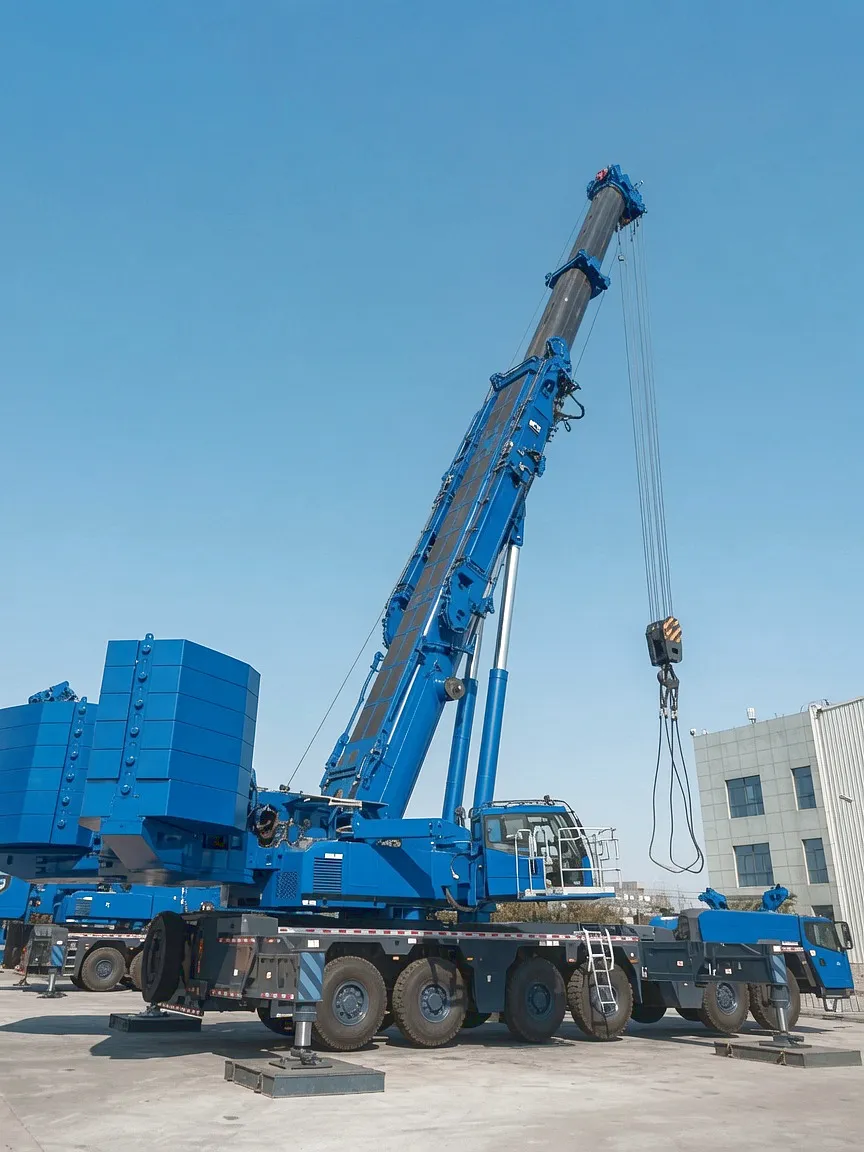
Container handling cranes at Felixstowe, Southampton, and Tilbury demand gear couplings that resist salt spray corrosion and maintain lubrication integrity in wind-exposed drive housings. The combination of frequent start-stop cycles and high peak torque during container pick-up makes this one of the most demanding gear coupling service environments. Ever Power supplies coastal-duty variants with stainless steel sleeve fasteners and sealed tooth chambers for UK port crane OEMs and retrofit projects.
Construction & Civil Engineering
Tower cranes driving some of the UK’s most ambitious current construction projects — from HS2 viaduct foundations to major London residential towers — use gear couplings in both the hoisting and slewing drives. The slewing ring drive on a flat-top tower crane reverses direction hundreds of times per day, and every reversal imposes a transient torque spike that an under-specified coupling will absorb destructively. Correctly rated gear couplings protect the planetary slewing gearbox from this reversal damage and extend overhaul intervals from the typical 500-hour mark to well beyond 2,000 hours in favourable conditions.
Paper & Pulp Mill Overhead Cranes
Reel handling and roll cranes in paper mills operate in humid, chemically active environments where lubrication maintenance is difficult to schedule around continuous production. The sealed grease-packed design of the GICL gear coupling, combined with labyrinth seals at the hub-sleeve interface, allows service intervals of 8,000 hours or more in these conditions, compared to the 1,000 to 2,000 hours typical of older pin-and-bush flexible couplings that were previously the standard in this sector.
Automotive Assembly Plants
Body-in-white transfer cranes and underbody handling gantries in UK automotive assembly plants — Sunderland, Swindon, Coventry — run at relatively modest torques but at extremely high duty cycle ratings, often M8 or equivalent under ISO 4301. The continuous cycling means fatigue life, not peak torque, governs coupling selection. Gear couplings with ground tooth profiles and phosphate-treated surfaces have demonstrated fatigue lives exceeding 200 million load cycles in documented automotive plant applications, outperforming elastomeric alternatives in this particular duty cycle regime.
Nuclear & Power Generation
Polar cranes and fuel handling cranes at UK nuclear power stations operate in low-frequency, high-consequence environments where coupling integrity is safety-critical. Material certification traceability to EN 10204 3.1 or 3.2, dimensional inspection reports, and radiographic testing of hubs are standard delivery requirements for this sector. Ever Power can supply gear couplings with full material and non-destructive testing documentation meeting UK nuclear site licence conditions, providing the complete documentation chain that procurement and QA teams require.
Six Reasons Engineers Specify Gear Couplings Over Competing Technologies
Product Advantages
Highest Torque Density
Gear couplings transmit more torque per unit of outer diameter than any other flexible coupling type. In the confined spaces inside crane girder end carriages, that density advantage translates directly into installation feasibility. A coupling that would otherwise require a 200 mm outer diameter in an elastomeric design fits in a 140 mm envelope as a gear coupling.
No Torsional Stiffness Loss
Unlike elastomeric couplings, a gear coupling does not soften with age or temperature. Its torsional stiffness remains constant throughout its service life, which means position-controlled crane drives using encoder feedback maintain accuracy from day one to year fifteen without recalibration due to coupling compliance changes.
Axial Float Capability
The sliding gear mesh allows up to ±5 mm of axial float in larger sizes, accommodating thermal expansion and motor axial clearance without generating axial thrust loads on motor or gearbox bearings. Competing rigid or semi-rigid couplings simply transmit those axial forces, progressively destroying bearing cages over months of operation.
Field-Serviceable Design
The split-sleeve construction of the GICL series means inspection and regreasing can be carried out without withdrawing either hub from its shaft. On a crane that cannot practically be moved to a maintenance bay, this feature alone reduces planned maintenance duration by 60 to 75% compared to designs requiring shaft disassembly for coupling access.
Standardised Bore Range
Standard bore sizes from 18 mm to 200 mm cover the shaft diameters used in crane motors from 4 kW auxiliary drives up to 315 kW main hoist motors. Custom bore dimensions and keyway configurations — including DIN 6885, ANSI B17.1, and BS 4235 — are available with lead times typically under four weeks from Ever Power’s production facility.
Calculable Service Life
Hertz contact stress theory and accumulated duty cycle data allow gear coupling service life to be calculated with engineering confidence, making it possible to schedule replacement as a planned maintenance event rather than reacting to failure. Predictive maintenance programmes at UK industrial cranes have used this calculability to eliminate coupling-related unplanned downtime entirely.
How to Select the Right Gear Coupling for Your Crane Drive
Selection Guide
Correct gear coupling selection for a crane drive comes down to four design inputs: the driven torque, the service factor, the shaft diameter, and the misalignment envelope. The table below provides a quick-reference matching guide between common UK crane types and appropriate Ever Power gear coupling series. For a detailed engineering calculation including dynamic load factor and duty class correction, the team at Ever Power provides this as part of the quotation process at no additional charge.
| Crane Type | Drive Position | Duty Class | Recommended Series | Service Factor |
|---|---|---|---|---|
| Warehouse EOT crane | Hoist & travel | M4–M5 | GICL / NL Nylon | 1.25–1.5 |
| Steel mill ladle crane | Main hoist | M7–M8 | GICL-13/16 (42CrMo) | 1.5–1.75 |
| Port container crane | Hoist, travel, luff | M7 | GICL-10/13 coastal | 1.5 |
| Tower crane | Hoist & slewing | M5–M6 | NGCL (with brake drum) | 1.5–1.75 |
| Nuclear polar crane | Hoist | Safety-critical | Custom doc-pack | 2.0+ |
Ever Power: Manufacturing Capability & Custom Engineering
Factory & Customisation
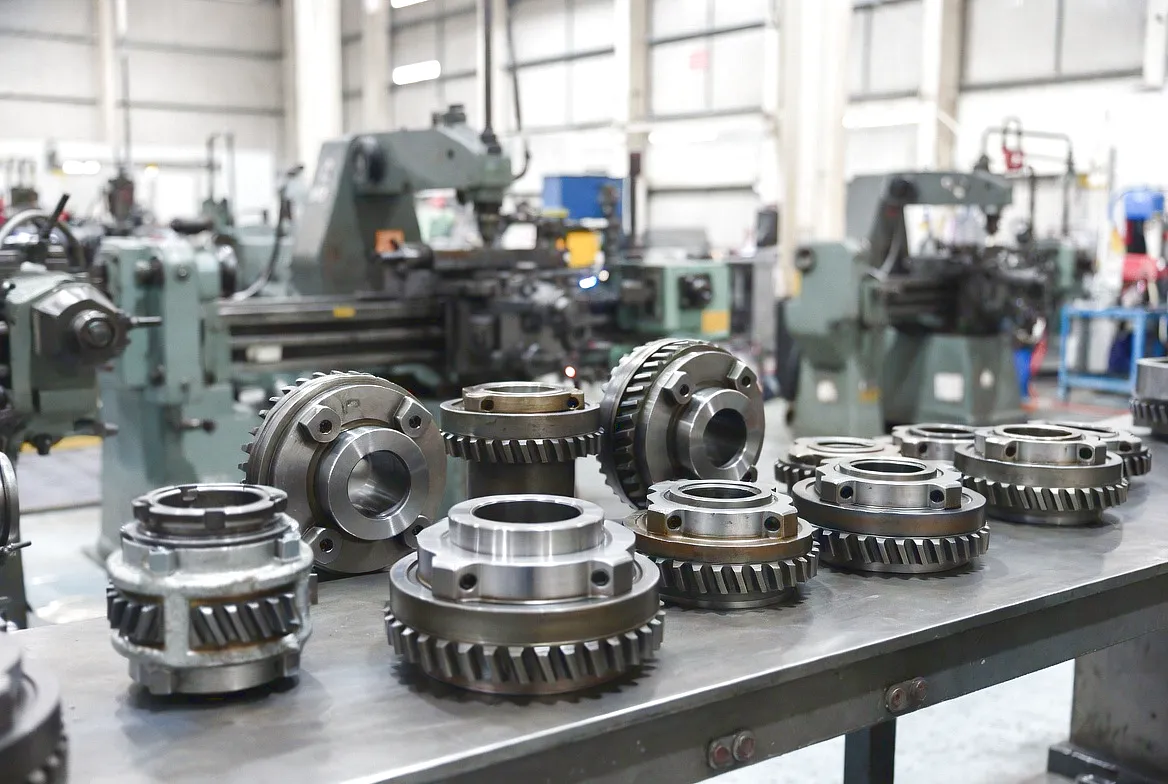
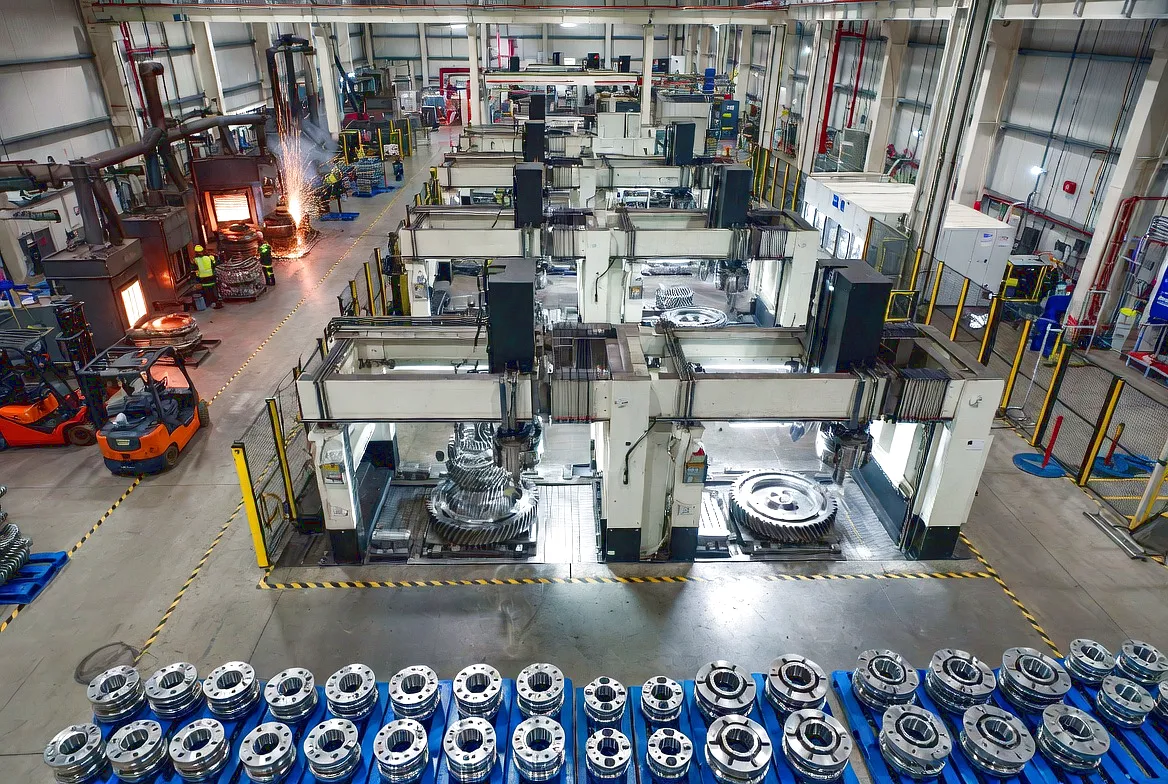
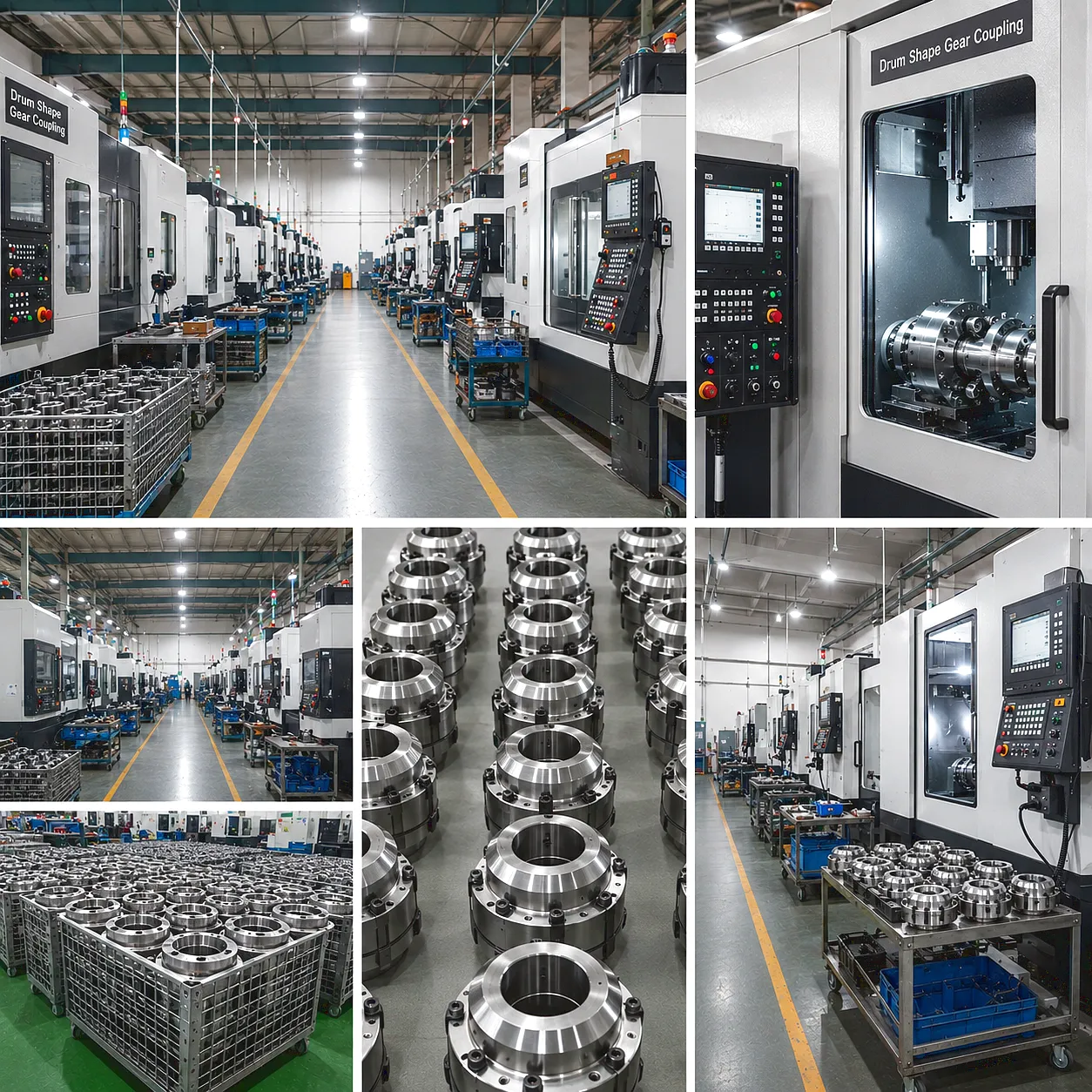
Standard catalogue couplings cover the majority of crane replacement and new-build requirements. But the reality of crane engineering is that unusual shaft centre distances, legacy bore sizes from equipment built in the 1980s or 1990s, non-standard keyway profiles inherited from German or Japanese original equipment, and integrated brake drum requirements mean that perhaps 30 to 40% of crane coupling orders require some degree of customisation. Ever Power’s manufacturing facility is built around this reality, with CNC gear hobbing, CNC turning and grinding, coordinate measuring machine (CMM) inspection, and heat treatment capabilities all under one roof, giving the engineering team control over every variable in the production process.
Custom service capabilities include non-standard bore diameters from 10 mm to 250 mm, keyway profiles to any national or proprietary standard, hub flanges drilled to customer bolt circle templates, special surface treatments including hard chrome plating for corrosive environments, and extended sleeve lengths to accommodate unusual shaft separation distances. Material substitution — for example, specifying stainless steel sleeves for chemical plant crane applications, or duplex stainless for marine offshore crane environments — is handled through an applications engineering review process that typically returns a formal quotation within two working days. For UK customers, this responsiveness is particularly relevant when a crane is unexpectedly taken out of service and a non-standard replacement coupling is needed urgently to restore production.
Custom Capability Highlights
✓
Bore dia. 10–250 mm, any standard keyway
✓
Integrated brake drum / disc flanges
✓
EN 10204 3.1 / 3.2 material certificates
✓
Coastal / marine / nuclear-grade options
✓
Quote within 2 working days
Customer Success Case Study: Tata Steel, Port Talbot, Wales
Real-World Application
Industry
Steel / Metals
Location
Port Talbot, Wales, UK
Crane Type
50 T Ladle Crane
Product Supplied
GICL-13 (42CrMo)
 The Challenge
The steelmaking facility at Port Talbot operates a fleet of 50-tonne ladle cranes in its basic oxygen steelmaking shop, running M8 duty class (the highest defined under ISO 4301) on a two-shift production cycle. The existing pin-and-bush couplings on the main hoist drives were requiring replacement every 14 months on average, with two unplanned failures in a 36-month period causing cumulative production losses estimated at over £180,000. The failures stemmed from progressive elastomeric element degradation accelerated by the ambient temperature adjacent to the converter vessels, where air temperatures routinely reached 75 to 85°C. The maintenance team needed a replacement coupling solution with predictable service life and the ability to be changed without crane removal from service.
The Solution
Ever Power’s applications team reviewed the drive data — 132 kW hoist motor, 1,475 rpm, 90 mm motor shaft diameter, existing bore dimension 85 mm with BS 4235 keyway — and recommended GICL-13 hubs in 42CrMo alloy steel with high-temperature NLGI 2 synthetic lithium-complex grease filling. The service factor of 1.75 applied to the M8 duty class gave a calculated tooth surface Hertz stress well below the allowable limit even at maximum shock load conditions. Custom bores were machined to 85 mm with the specified keyway profile, and the split-sleeve design was specifically chosen because the cranes cannot easily be moved to a maintenance area and the coupling needs to be accessible from the crane girder walkway.
The Result
The GICL-13 couplings were installed across four ladle cranes in a planned maintenance window. Thirty-one months later, inspection confirmed tooth wear within acceptable limits, with grease analysis indicating no metallic contamination that would signal accelerated wear. The maintenance team has scheduled the first regreasing at 36 months and the first planned coupling replacement at approximately 72 months — a more than three-fold extension of the previous replacement interval. Zero unplanned failures have occurred in the 31-month period, representing a verified production availability improvement and a direct cost saving on replacement parts and labour that the plant engineering manager estimated at over £95,000 over the same period.
What Our Customers Say
Client Testimonials
“We have standardised on Ever Power GICL couplings across our 11 overhead cranes at the Birmingham site. The quality is consistent batch to batch, the custom bore work is accurate, and the lead times are realistic. When one of our cranes went down unexpectedly last autumn, their team turned around a custom 95 mm bore GICL-10 in eight days. That kind of response is genuinely rare from a coupling supplier.”
David Hargreaves
Senior Mechanical Engineer · Automotive Body-In-White Assembly, West Midlands
“Our portal crane at the Immingham terminal handles about 60,000 container lifts annually, and the hoist coupling is in the harshest part of the machine from a corrosion standpoint. Ever Power supplied a coastal-specification GICL-12 with stainless fasteners and sealed tooth chambers. Two and a half years in, the coupling is clean, the grease is uncontaminated, and the teeth show minimal wear. We’re very satisfied with the price-to-performance ratio compared to what we were paying with European suppliers.”
Craig Pemberton
Plant Maintenance Manager · UK Port Logistics Operator, Humberside
“We source gear couplings for a range of UK crane OEM clients, and Ever Power has been on our approved supplier list for four years. The material certification documentation is always complete and correct — which matters enormously for our nuclear-sector customers — and the dimensional inspection reports come as standard rather than as an expensive extra. Pricing is competitive and the technical support when we need application engineering input is genuinely helpful rather than just pointing us at the catalogue.”
Fiona McAllister
Procurement Director · Mechanical Components Distributor, Edinburgh
Lubrication and Maintenance in Crane Service
Maintenance Engineering
 The single most important maintenance action for a gear coupling in crane service is correct lubrication — and the single most common cause of premature gear coupling failure is lubrication neglect. The tooth mesh operates under boundary lubrication conditions when misalignment is present, meaning a small amount of relative sliding occurs at the tooth contact during each rotation. Without a lubricant film of adequate viscosity and film-strength to separate those surfaces, fretting wear begins, tooth profile accuracy deteriorates, and misalignment forces increase — a self-accelerating failure mode that typically ends in sleeve fracture within 500 to 1,000 hours of onset.
For standard crane duty, Ever Power recommends NLGI 1 or 2 lithium-complex grease with EP (extreme pressure) additive, filled to approximately 30 to 40% of the internal cavity volume. Overfilling is as damaging as underfilling — excess grease generates heat through churning, breaks down the lubricant chemistry, and causes sleeve seal distress. Grease analysis at each planned maintenance interval, measuring metallic contamination and oxidation indices, provides an early warning of tooth wear acceleration approximately 2,000 to 4,000 hours before it becomes macroscopically detectable at visual inspection.
| Service Environment | Recommended Grease | Relubrication Interval | Inspection Interval |
|---|---|---|---|
| Standard warehouse / factory | Li-complex NLGI 2 EP | 4,000 h | 8,000 h |
| Steel mill / high temperature | Synthetic PAO NLGI 2 EP | 2,000 h | 4,000 h |
| Coastal / marine (ports) | Marine-grade Li-Ca NLGI 2 | 2,000 h | 4,000 h |
| Paper / pulp mill (humid) | Sealed NLGI 2 (full fill) | 8,000 h | 8,000 h |
Frequently Asked Questions
FAQs · Gear Coupling for Cranes · UK
What is the typical price of a replacement gear coupling for a 20-tonne overhead crane hoist in the UK, and how do I get a competitive quote?
The price of a replacement gear coupling for a 20-tonne EOT crane hoist in the United Kingdom depends primarily on shaft diameter, the coupling series required, and whether a custom bore or integrated brake drum is needed. For a standard GICL-7 or GICL-10 in 45 steel with a bore diameter between 70 and 100 mm — which covers the majority of 20-tonne crane hoist drives — pricing from Ever Power is typically competitive compared to UK stocking distributors, often delivering a 20 to 35% cost saving on equivalent specification couplings. To receive a project-specific price, send the motor power in kW, shaft diameter, keyway dimensions, coupling series currently installed, and duty class to gear-coupling.top and a formal quotation will be returned within two working days.
Which gear coupling series is best for a tower crane slewing drive that reverses direction hundreds of times per day on a UK construction site?
For a tower crane slewing drive with frequent direction reversals, the NGCL series — which integrates a brake drum into the coupling assembly — is the standard recommendation, applied with a service factor of 1.5 to 1.75 to account for the transient reversal torque spikes. The drum-tooth profile handles the angular misalignment inherent in vertical-axis slewing drives while maintaining full rated torque transmission. Where a standard catalogue NGCL fits the available shaft diameter and the brake drum outer diameter matches the braking equipment, this is a direct-fit solution. For non-standard dimensions common on European-made tower cranes operating on UK sites, Ever Power can supply custom NGCL assemblies with bores and brake drum diameters to your specific print within three to four weeks.
How long does a gear coupling last in a steel mill crane operating at high duty class, and what are the maintenance intervals I should plan for?
In a steel mill crane operating at M7 or M8 duty class (ISO 4301), a correctly specified gear coupling in 42CrMo alloy steel — rated with a 1.75 service factor — achieves a service life of 60,000 to 80,000 hours before planned replacement is warranted, provided lubrication is maintained. In practice, this translates to seven to ten years at a two-shift steel mill operation. Planned maintenance intervals should include regreasing with high-temperature synthetic PAO grease at every 2,000 hours, a full tooth inspection with the sleeve removed at every 4,000 hours, and grease analysis at every regreasing interval to catch accelerating wear before it reaches the failure threshold. These intervals are significantly better than the pin-and-bush or elastomeric coupling alternatives that previously dominated this application.
Where can I find a reliable gear coupling supplier for port crane applications in the UK, and what documentation should I expect?
For port crane applications at UK harbours — Felixstowe, Southampton, Tilbury, Immingham, Bristol — the key documentation requirements alongside the coupling itself are the material certificate to EN 10204 2.2 as a minimum (3.1 for any safety-critical component), dimensional inspection report, and hardness test certification. Ever Power supplies all three as standard with every order for crane applications, without additional charge. Coastal-duty variants with stainless steel hardware and sealed tooth chambers are available from stock in the most common sizes, with non-standard sizes available on a four-week production schedule. Enquiries for port crane coupling supply should be directed to gear-coupling.top with the crane make, model, and duty specification.
How do I know if my overhead crane coupling is failing before it causes an unexpected breakdown in my UK manufacturing facility?
The early warning signs of gear coupling degradation in a crane drive include an audible increase in drive train noise during acceleration and deceleration — typically a metallic clicking or grinding that was not present when the coupling was new — vibration readings at the motor bearing increasing beyond baseline levels, and visible grease leakage at the sleeve seal interfaces. Thermography surveys of the motor-coupling-gearbox interface during operation will often show a temperature rise at the coupling of 5 to 10°C above motor and gearbox housing temperatures when tooth wear is accelerating. Scheduled grease analysis at 2,000-hour intervals is the most cost-effective predictive maintenance technique, with metallic iron content above 200 ppm in the sample strongly indicating that replanning and replacement should be brought forward. Any of these indicators warrants inspection within the next planned shutdown window rather than waiting for the next scheduled inspection date.
What is the difference between a drum-tooth gear coupling and a straight-tooth gear coupling, and which should I specify for a crane in the UK?
A straight-tooth gear coupling has cylindrical external teeth that mesh with parallel internal teeth in the sleeve, providing torsional rigidity but very limited misalignment capacity — typically less than 0.25° before edge loading begins to degrade the tooth surfaces. A drum-tooth or barrel-tooth gear coupling, such as the GICL and NGCL series, has convex external teeth with a crowned profile. This crowning shifts the contact area towards the centre of the tooth face as misalignment angle increases, maintaining distributed contact stress and preventing edge loading up to the rated 1.5° angular capacity. For crane applications in the United Kingdom — where structural deflection, thermal expansion, rail tolerances, and field alignment limitations routinely produce misalignment beyond 0.25° — the drum-tooth design is the correct choice in the vast majority of cases. Straight-tooth couplings are typically reserved for applications with precision alignment conditions that cannot be maintained on an installed crane.
Ready to Specify a Gear Coupling for Your Crane?
Send Ever Power your drive specification and receive a full engineering recommendation with pricing within two working days. Custom bores, special materials, and documentation packages all handled in-house.
gear-coupling.top · Gear Coupling Specialists · Serving UK & Global B2B Customers
edit by gzl