
🔩 Need a gear coupling for your wind turbine or industrial drivetrain?
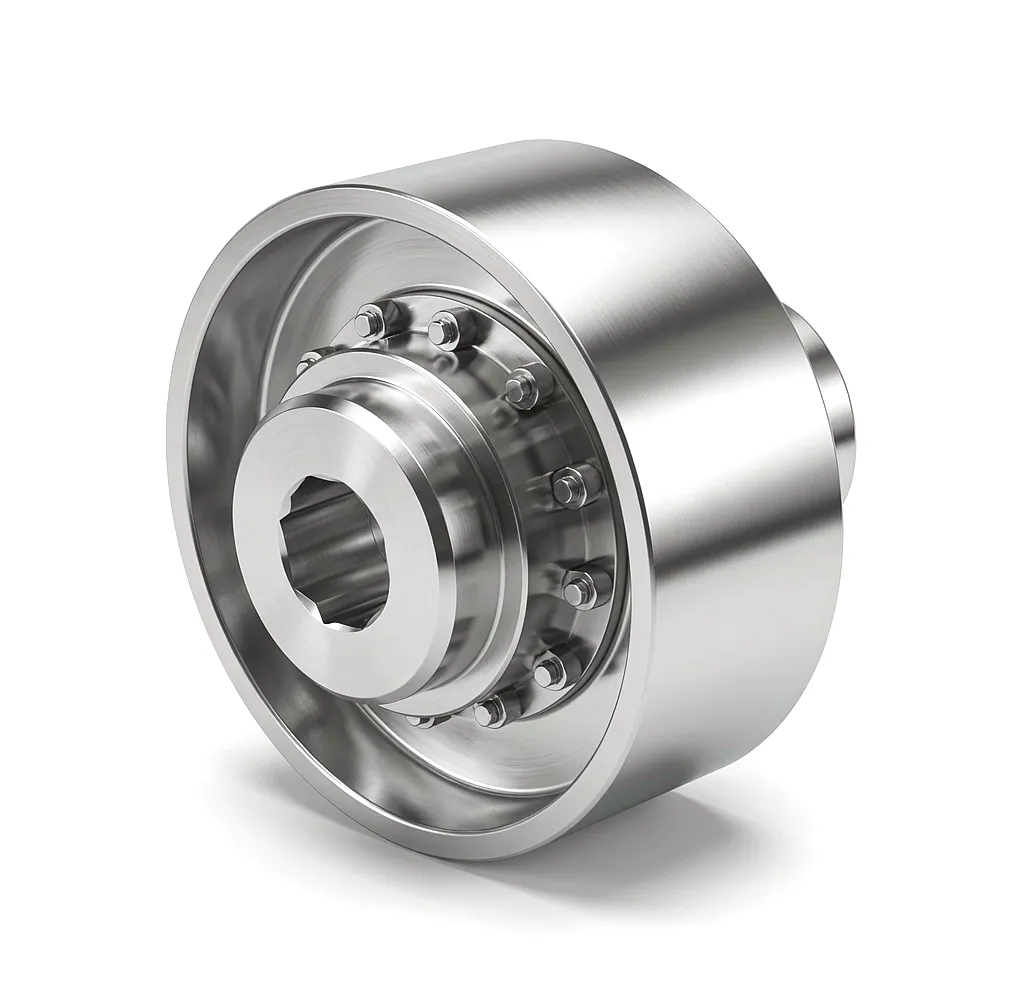 The United Kingdom has become one of the world’s most ambitious markets for wind energy. With the North Sea hosting some of the largest offshore wind farms on the planet and onshore capacity continuing to expand across Scotland, Wales, and northern England, the mechanical reliability of each turbine’s drivetrain is not a secondary concern — it is a commercial imperative. When a wind turbine generator stands 100 metres above sea level, maintenance downtime translates directly into lost revenue and elevated operating costs that can run into tens of thousands of pounds per incident.
At the heart of every geared wind turbine drivetrain sits a component that rarely receives the attention it deserves: the gear coupling. Positioned between the main gearbox output shaft and the generator input shaft — or, in some configurations, between the main shaft and gearbox — this deceptively compact device carries enormous responsibility. It must transmit rated torque continuously, absorb angular and parallel shaft misalignment caused by thermal expansion and nacelle flexing, and do all of this without introducing vibration that could accelerate fatigue in adjacent components.
This guide draws on over eighteen years of direct application experience to explain exactly why drum-tooth gear couplings are the industry’s preferred solution, what engineering parameters matter most when specifying one, and how Ever Power supports UK renewable energy operators and OEM gearbox manufacturers with both standard catalogue units and fully engineered custom assemblies.
How a Modern Wind Turbine Drivetrain Works — and Where a Gear Coupling Fits In
A modern utility-scale wind turbine captures kinetic energy through its rotor blades and hub assembly — collectively the wind rotor. In a conventional geared turbine, this rotor sits on a main shaft (also called the low-speed shaft) spinning at roughly 5–20 rpm depending on wind speed and rotor diameter. That shaft drives into a multi-stage epicyclic or helical gearbox, typically achieving a step-up ratio anywhere between 1:50 and 1:120, delivering output speeds of 1,000–1,800 rpm to the generator.
In doubly-fed induction generator (DFIG) configurations — still the dominant topology for onshore turbines in the UK — the gearbox high-speed shaft connects to the generator via a flexible coupling. This is precisely where a gear coupling provides decisive advantages over alternative flexible coupling types, as we will examine in detail below.

In semi-direct drive (hybrid) turbines, which are gaining significant market share across North Sea offshore projects, a shorter single-stage gearbox connects the rotor shaft to a medium-speed permanent magnet generator. Here again, a heavy-duty gear coupling bridges the gearbox output flange and the generator input hub, managing the shock loads that arise when wind gusts cause sudden rotor acceleration events — something that can cycle hundreds of times per day across the life of a 25-year turbine.
The fully direct-drive configuration (no gearbox) eliminates this coupling position, but these turbines require separate couplings in yaw drives, pitch actuators, and cooling system pumps, all of which represent additional application opportunities for gear couplings in the renewable sector.
Why the Drum-Tooth Gear Coupling Dominates Wind Turbine Applications
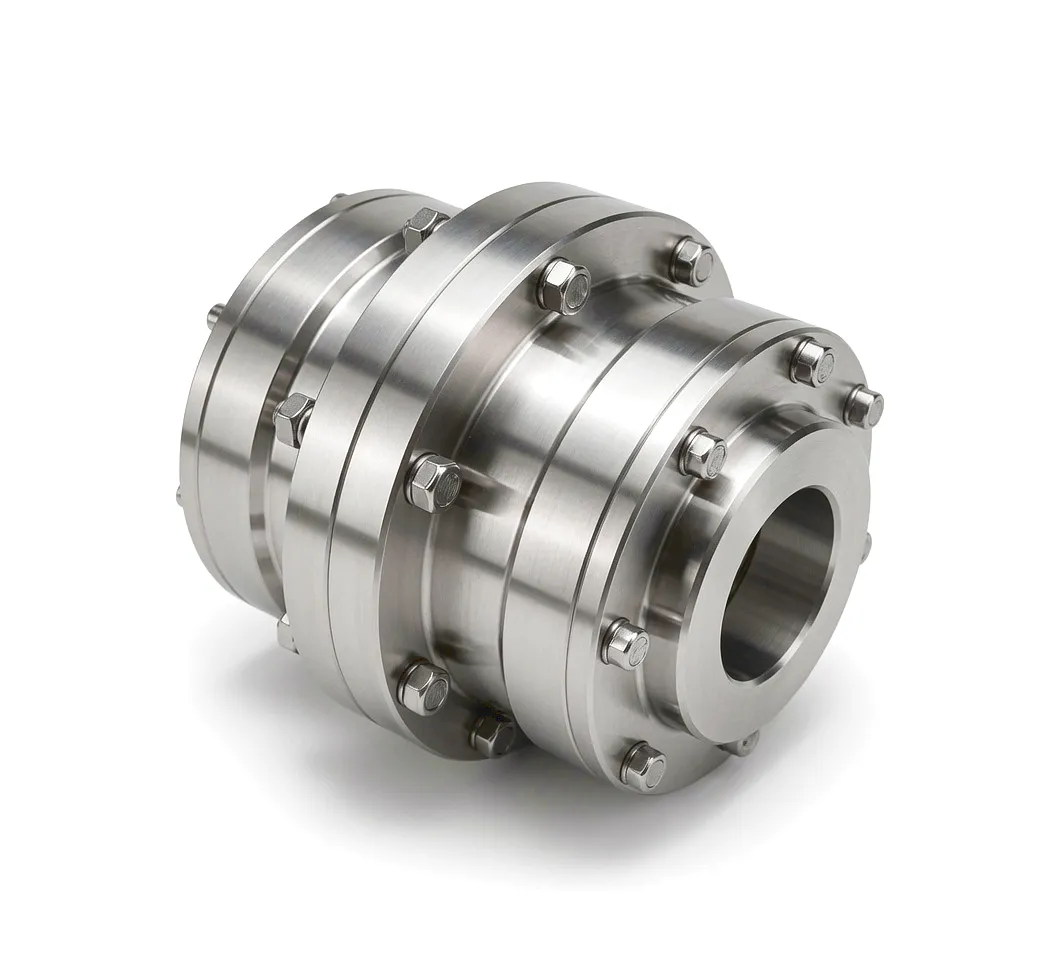
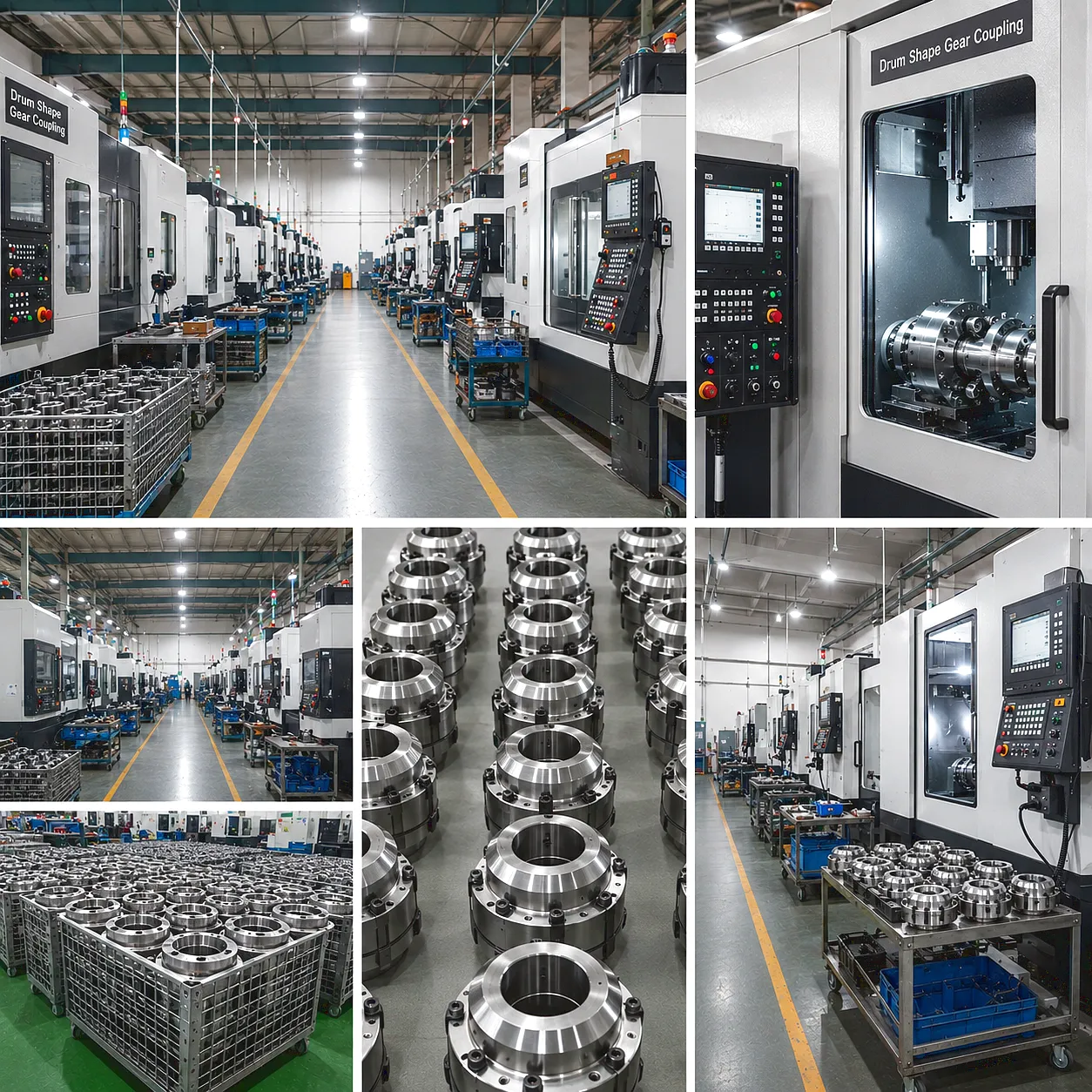
The term “drum-tooth” or “crowned-tooth” gear coupling refers to the convex profile machined onto the external gear teeth of the inner sleeve (hub). This crowning is the single most important design feature that separates an industrial-grade gear coupling from a basic spur-gear coupling, and it is what makes drum-tooth gear couplings the uncontested choice for wind turbine gearboxes worldwide.
When shaft misalignment is present — which is essentially always in a nacelle subjected to variable aerodynamic loads and thermal cycles — a standard straight-tooth coupling creates edge loading: concentrated stress at the ends of the tooth flanks. Over time, this produces fretting wear, premature tooth fatigue, and eventually tooth breakage. The crowned tooth profile distributes contact load evenly regardless of angular deflection up to approximately 1.5°, eliminating edge loading entirely.
High Torque Density
Transmits 200 Nm to over 4,000,000 Nm within a compact envelope — critical when nacelle weight is constrained by tower design limits.
Misalignment Tolerance
Accepts angular misalignment up to ±1.5° and axial displacement, eliminating the need for perfect shaft alignment after installation.
Shock Load Absorption
Crowned tooth geometry cushions instantaneous torque spikes from grid faults and wind gusts, protecting gearbox internal bearings.
Long Service Life
Properly lubricated and specified gear couplings regularly achieve 20,000+ operating hours between inspections in wind turbine environments.
Technical Performance Parameters — Ever Power Wind Turbine Gear Coupling Range
The table below summarises the headline engineering parameters for our main series relevant to wind turbine drivetrain applications. All figures represent continuous-duty ratings at the nominal service factor; peak torque capacity is typically 2.0–2.5× the nominal figure for short-duration transient events.
Materials, Construction, and Lubrication for Wind Turbine Service
The material specification for a gear coupling operating inside a wind turbine nacelle must address a specific combination of challenges: high cyclic loading, limited maintenance access (particularly on offshore turbines where crane operations cost in excess of £200,000 per mobilisation), and ambient temperatures that can drop below -20°C in Scottish winter conditions.
At Ever Power, the standard material for hub and sleeve bodies in our wind energy series is 42CrMo4 alloy steel (equivalent to 4140 in North American nomenclature), quenched and tempered to achieve a hardness of 28–32 HRC at the core with surface hardening options available. This grade offers an excellent combination of tensile strength (850–1,000 MPa), good toughness at sub-zero temperatures, and machinability that allows precise crowning profiles to be held to tight tolerances. For offshore applications where corrosion is a concern, we can supply components with electroless nickel plating, hard chrome, or specify stainless steel flanges as part of a customised assembly.
The outer sleeves (flanged couplings or flanged halves depending on configuration) are typically manufactured from GG25 grey cast iron for standard sizes, with ductile iron (GGG50) and fabricated steel options available for the largest torque ratings and for applications requiring reduced weight. Each sleeve incorporates a precisely machined internal gear tooth profile lapped and matched to the hub. All tooth flanks receive our proprietary surface treatment process before assembly, improving lubrication film retention and reducing run-in wear.
Lubrication Note for UK Operators
We recommend grease-lubricated sealed variants for most wind applications. Grease type: NLGI Grade 1 or 2 lithium complex, specified to ISO VG 220 equivalent viscosity, capable of operating from -30°C to +120°C. Re-lubrication intervals are determined by speed and load cycle analysis.
Gear Coupling Application Positions Across the Wind Turbine System



Beyond the turbine itself, gear couplings appear extensively across the broader wind energy infrastructure. Power transmission test benches used by UK-based drivetrain test centres such as the Offshore Renewable Energy Catapult facility in Blyth, Northumberland, use heavy-duty gear couplings throughout. Operations and maintenance contractors handling gearbox exchange programmes rely on coupling compatibility to ensure retrofitted gearboxes mate correctly with existing shafts. In transformer rooms at offshore substations, smaller gear couplings drive cooling fan assemblies and auxiliary pumps. The point is that once you enter the wind energy supply chain, the demand for reliable gear coupling solutions extends far beyond the turbine nacelle itself.
Manufacturing Facility & Custom Coupling Solution
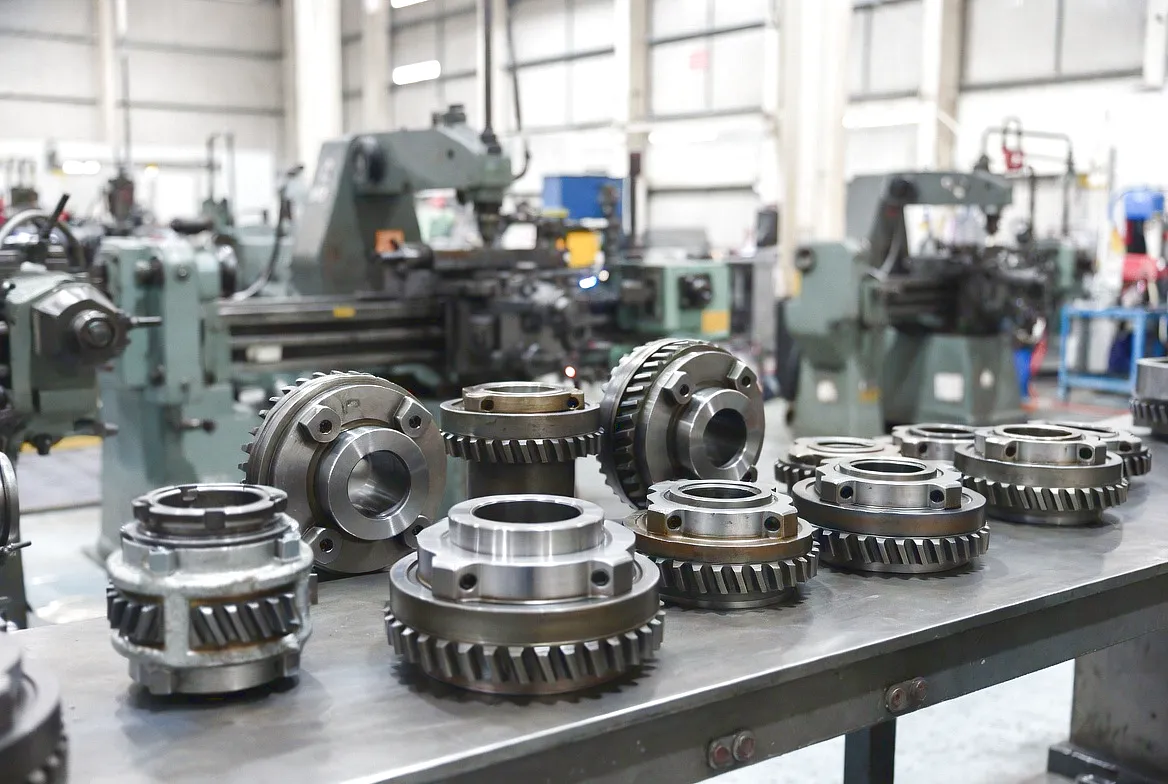
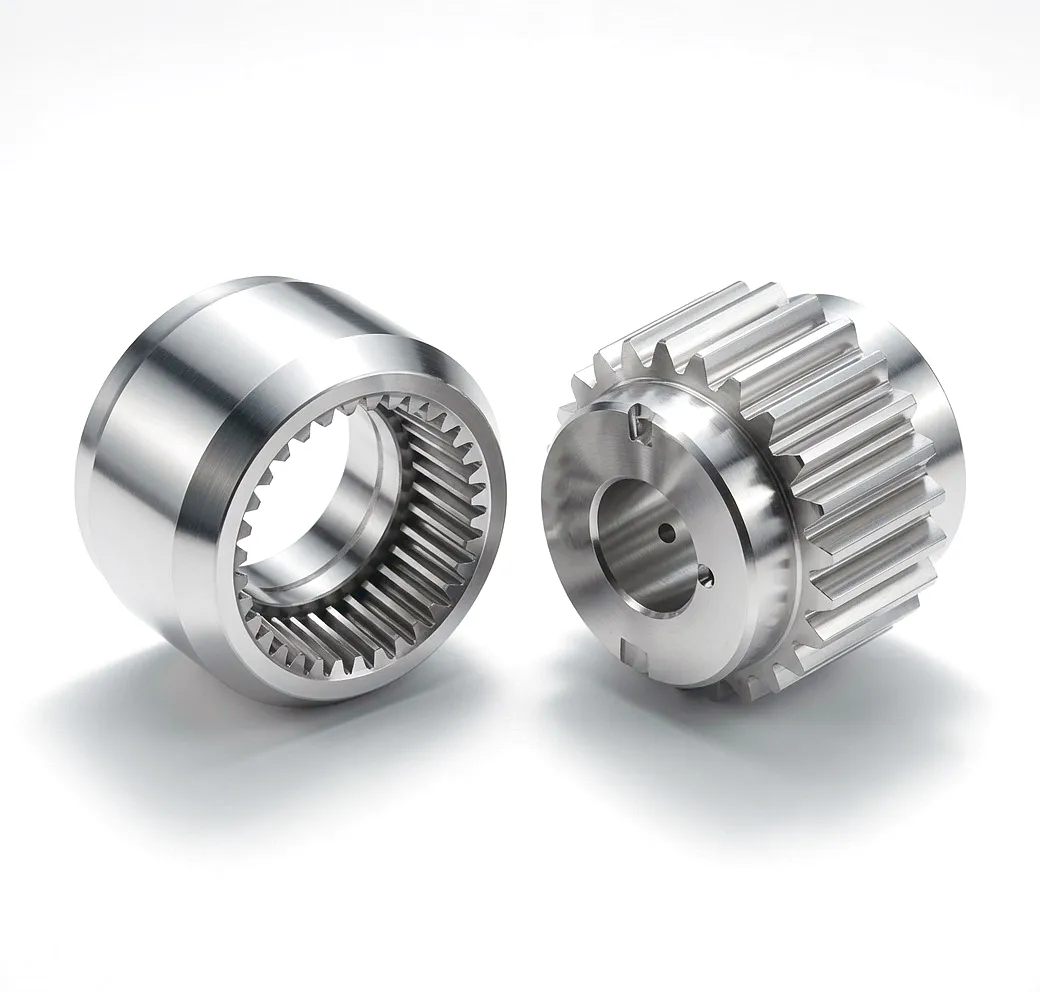
Our manufacturing facility operates across 28,000 square metres with dedicated production cells for rough machining, precision finish turning, gear cutting, heat treatment, and assembly. The gear hobbing centre — the quality heart of any gear coupling manufacturer — runs a fleet of CNC gear hobbers capable of holding DIN quality grades from 7 to 5 on finished gear profiles. For wind turbine applications requiring DIN 5 or better, we operate on a dedicated slow-feed hobbing programme with 100% tooth profile inspection using our CMM suite.
Our product customisation capability is one of the most frequently cited reasons UK customers return to Ever Power for repeat orders. If your turbine model uses a non-catalogue flange bolt pattern, or if you are retrofitting a replacement gearbox that has a slightly different output shaft diameter from the original, our applications engineering team will produce a fully dimensioned proposal drawing within 48 hours of receiving your technical data. We hold a library of over 2,400 historical wind turbine coupling designs that allows us to quickly identify whether a near-match exists or whether a fully bespoke design is required.
Custom projects range from simple bore modifications (adding a keyway, adjusting bore diameter by ±5 mm) through to completely re-engineered assemblies with integral torque-limiting torque arms, custom paint or coating systems for coastal environments, and weight-optimised lightweight designs for the latest generation of floating offshore wind turbines currently being piloted in Scottish waters.
Customer Success: North Sea Offshore Wind O&M Contractor, United Kingdom
UK · North Sea Offshore Wind
Renewables / O&M
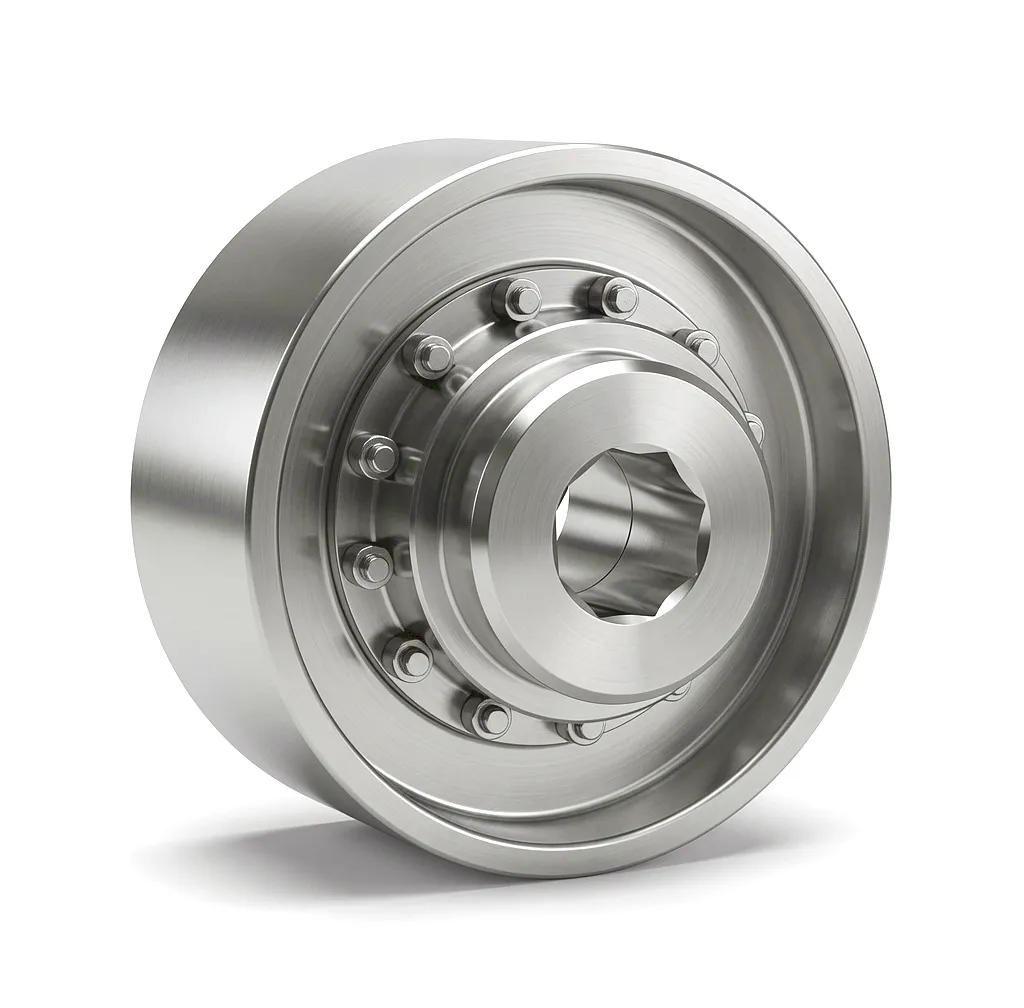
Background: An Aberdeen-based offshore wind operations and maintenance contractor was tasked with a gearbox exchange programme on a 90-turbine wind farm located in the Moray Firth. The original OEM coupling between the gearbox high-speed shaft and the generator had a proprietary flange configuration that was no longer available from the original supplier, who had exited the replacement parts market. With 23 turbines awaiting gearbox exchange and a vessel charter window of just 18 weeks, the contractor needed a reliable coupling supplier that could deliver compatible units — or reverse-engineered equivalents — on an accelerated schedule.
Challenge: The original coupling had a non-standard 10-bolt flange with a PCD of 348 mm on the generator side and a tapered interference fit hub on the gearbox side. Standard catalogue items from multiple European suppliers had been evaluated and none matched the envelope constraints imposed by the nacelle geometry. The coupling also needed to incorporate a flexible disc element on the generator side to provide additional electrical isolation — a requirement specific to the doubly-fed generator technology used on this turbine model.
Solution: Ever Power’s application engineering team received the original coupling drawing and a 3D scan file within 48 hours of the enquiry being raised. Our design team developed a hybrid GICL drum-tooth unit with a custom-flanged generator side incorporating the specified 10-bolt pattern, and a tapered-bore hub matching the Hirth coupling interface on the gearbox shaft. A separate flexible disc element was integrated onto the generator flange. Prototype validation drawings were submitted within 5 working days. The first batch of 8 units was shipped to Hull within 6 weeks, with the remaining 15 units following 3 weeks later.
Result: All 23 gearbox exchange operations were completed within the vessel charter window. Post-installation vibration analysis confirmed coupling performance within the original OEM specification. The contractor has since placed a standing order framework agreement for coupling supply covering their full fleet of 340 turbines across four North Sea sites, with annual volumes of approximately 60–80 units.
We’ve sourced gear couplings from several European suppliers over the years. What sets Ever Power apart is the engineering responsiveness — when we send a drawing at 5pm on a Friday, we genuinely get a technical response by Monday morning. For offshore O&M work where vessel windows are non-negotiable, that speed makes a commercial difference.
James M.
Head of Procurement, Aberdeen O&M Contractor
The NGCL series couplings we installed on our onshore Scottish wind fleet last autumn have performed without issue through what was genuinely one of the harshest winters on record in Sutherland. Sub-zero temperatures, high humidity, and some very uneven loading events from storm-force winds — and the units haven’t missed a beat. The documentation pack was also exactly what our certification team needed.
Sarah R.
Technical Director, Scottish Wind Energy Developer
As a drivetrain component distributor serving the UK renewable sector, we need suppliers who can hold stock and react to emergency orders. Ever Power has an impressive stock position on standard GICL sizes and their custom lead times for bore modifications are among the fastest we’ve encountered. Pricing is competitive with European alternatives and the quality has been consistent across multiple batches.
Thomas W.
Managing Director, UK Industrial Drivetrain Distributor, Hull
Product Range Gallery
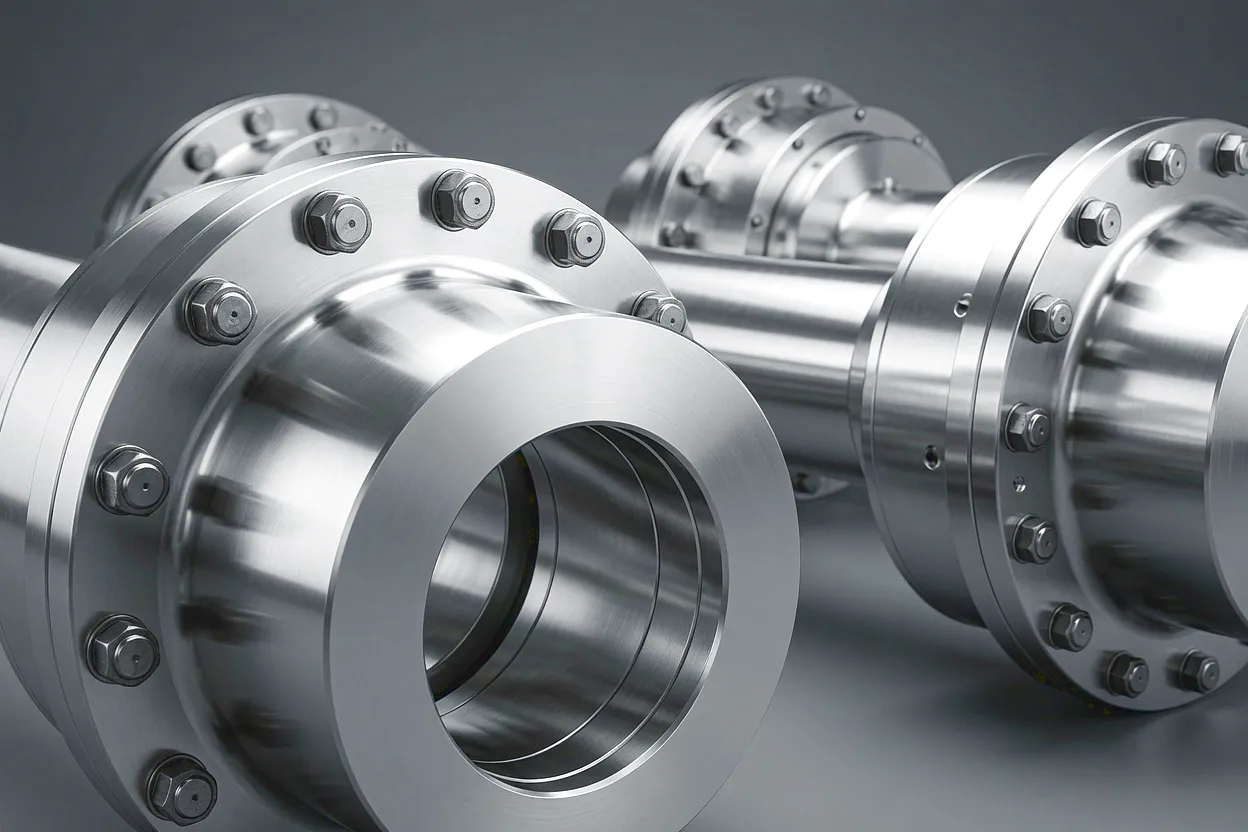
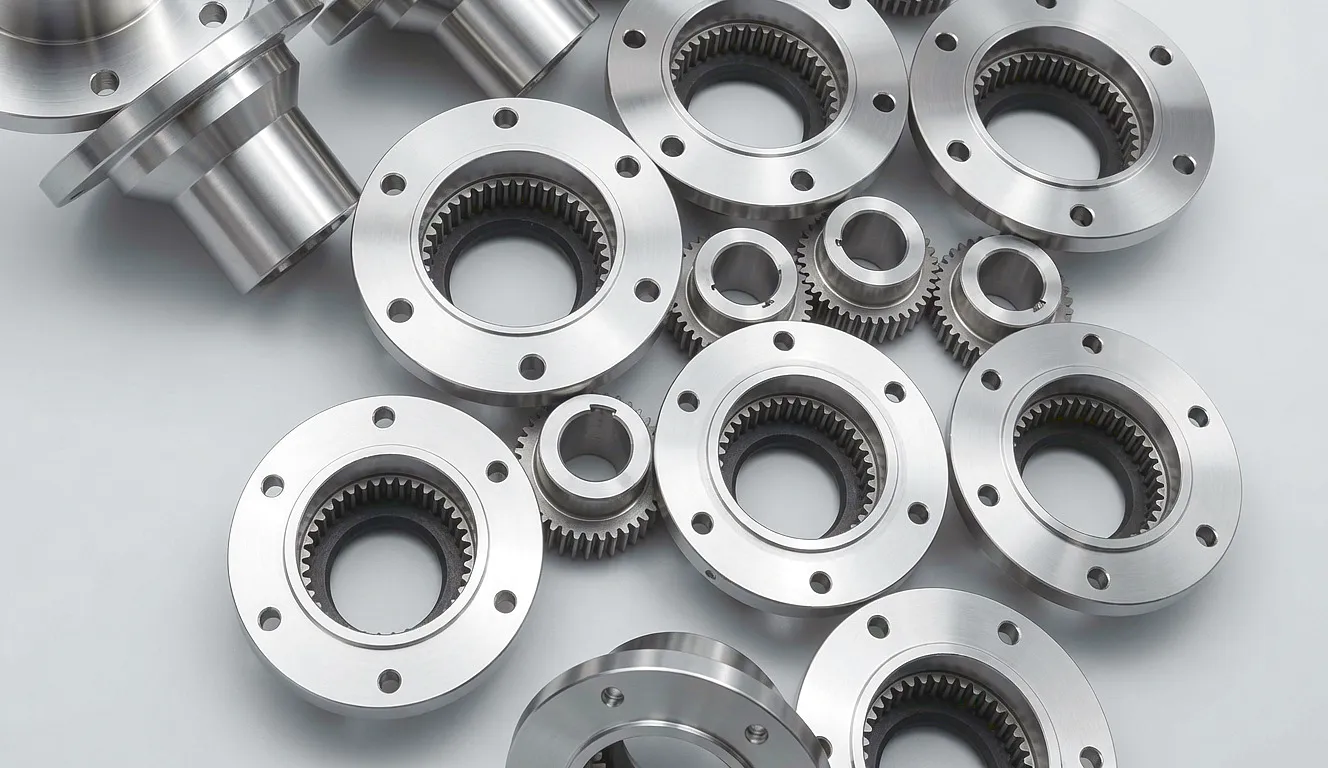
Gear Couplings Across the UK Renewable & Industrial Energy Sector
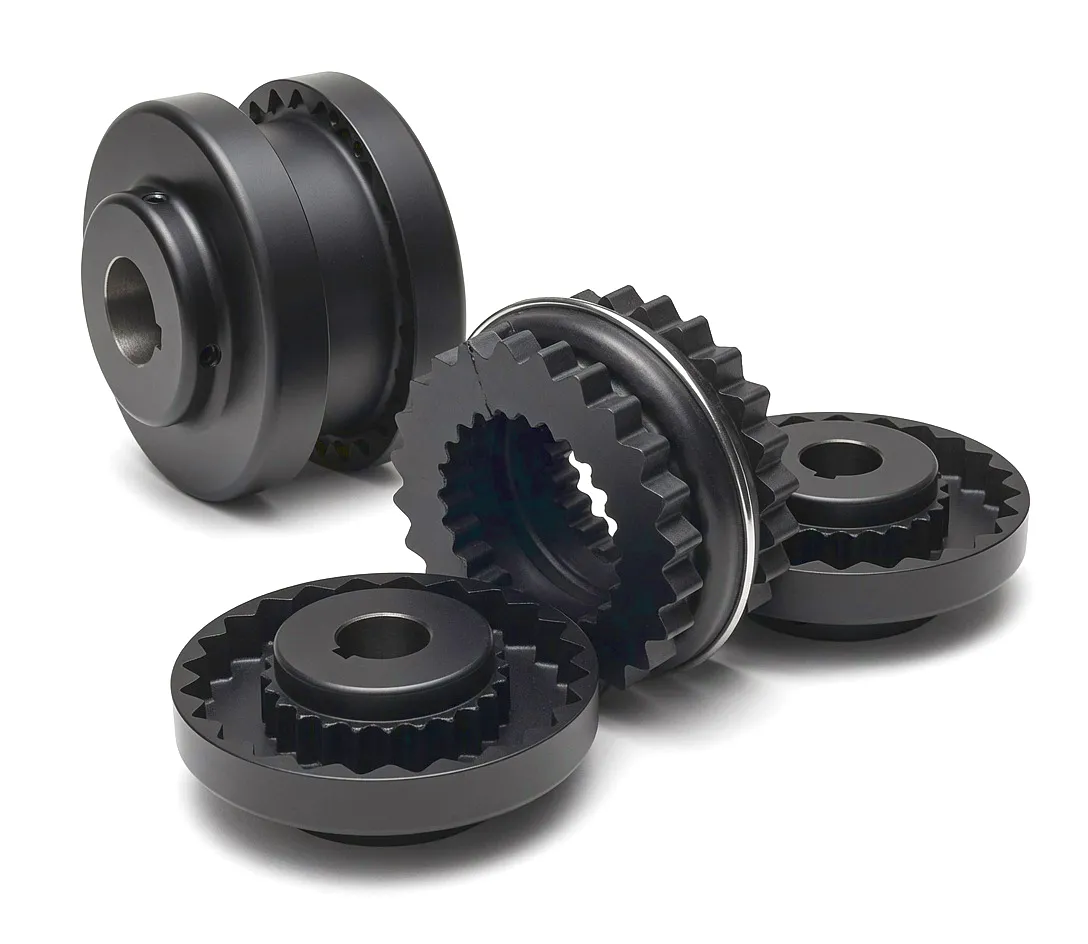
While wind turbine gearboxes represent the most prominent application, the same drum-tooth gear coupling technology is deployed across the wider UK energy and industrial landscape in ways that benefit from shared engineering principles. Tidal stream turbines — where the UK holds a leading global position through projects in the Pentland Firth and around Orkney — face even more severe misalignment and shock load conditions than wind turbines, because underwater currents create highly directional and turbulent loading. Our sealed, corrosion-resistant gear coupling variants have been evaluated for several UK tidal device programmes.
In conventional UK power generation — gas turbine power stations, combined heat and power (CHP) plants, and biomass generating facilities — gear couplings appear extensively in turbine–gearbox–generator train connections, boiler feed pump drives, and cooling tower fan drives. The industrial combustion engine sector, including marine diesel generators serving the North Sea platform market out of Aberdeen and the Humber, is another area where heavy-duty gear couplings see intensive use, often in environments even more hostile than offshore wind nacelles due to elevated temperatures and vibration from combustion events.
Steel mills and rolling mills in the East Midlands and South Wales use some of the most heavily loaded gear couplings in any application — main drive couplings on rolling mill drive spindles handle peak torques that would be exceptional even in the largest wind turbines, but at much lower continuous speeds. Mining and quarrying operations in Wales and the North of England use gear couplings in conveyor drive systems, crushers, and hoisting machinery. The common thread is that wherever a drivetrain transmits significant power through shafts that cannot be perfectly aligned, a gear coupling is almost certainly the right engineering answer.
UK Wind Capacity Context
The UK had approximately 30 GW of installed wind capacity as of 2024, with 50+ GW targeted by 2030 under the national clean energy commitments. Every GW of new capacity represents thousands of gear coupling units over the asset lifetime.
Offshore vs Onshore Considerations
Offshore couplings require enhanced corrosion protection and longer relubrication intervals due to high access costs. Onshore units in Scotland and Wales need cold-weather-grade lubrication. Ever Power offers environment-specific configurations for both scenarios.
Supply Chain Advantage
Working with a manufacturer rather than a distributor means no middleman margin, direct access to engineering support, and the ability to modify specifications without restarting a commercial chain.
How to Specify a Gear Coupling for a Wind Turbine Application
A quick-reference checklist for engineers and procurement teams
| # | Parameter | What to Provide / Measure | Why It Matters |
|---|---|---|---|
| 1 | Rated / Nominal Torque | Continuous rated torque at the coupling position (Nm) | Primary sizing parameter |
| 2 | Peak / Transient Torque | Grid fault torque (2–3× nominal is typical for wind) | Determines service factor requirement |
| 3 | Operating Speed | Normal operating rpm; maximum transient rpm | Centrifugal load and lubrication retention |
| 4 | Shaft Bore Diameters | Both shafts: diameter, tolerance, keyway/interference fit | Hub bore and fit specification |
| 5 | Misalignment Type & Value | Angular (degrees), parallel (mm), axial (mm) | Determines tooth crown radius required |
| 6 | Flange / Interface Geometry | PCD, bolt number, bolt size, flange face type | Compatibility with gearbox / generator flanges |
| 7 | Operating Temperature Range | Ambient min/max; nacelle internal temperatures | Grease type selection; material specification |
| 8 | Environment / Corrosion Class | Onshore / offshore; corrosion category per EN ISO 12944 | Surface treatment and sealing specification |
Frequently Asked Questions
© Ever Power Industrial Drive Solutions · gear-coupling.top · Gear Coupling for Wind Turbine Gearboxes · edit by gzl