
Gear Coupling for Crane Drive Systems: The Complete Engineering Guide for Heavy-Lift Applications
From overhead bridge cranes to portal gantry systems, this guide covers how drum-tooth gear couplings handle the shock loads, misalignment, and torque demands of crane drive mechanisms — with real specification data, application insight, and UK industry context.
|
📋 3,100+ words · 12 min read
 Cranes are the arteries of heavy industry. Whether hoisting steel coils in a Sheffield fabrication plant, loading containers at Felixstowe port, or erecting structural steel on a London high-rise, these machines put extreme demands on every component in the drive train. The coupling sitting between the motor and gearbox — often invisible and rarely discussed until it fails — is arguably one of the most consequential pieces of hardware on the machine. When a crane coupling fails mid-lift, the consequences range from costly downtime to catastrophic load drop.
This is precisely why gear coupling technology has become the dominant choice for crane hoist, travel, and slew mechanisms across the UK and globally. Drum-tooth gear couplings in particular — with their barrel-shaped external gear teeth — provide the torsional stiffness, shock absorption, and angular misalignment compensation that no other coupling type replicates at the same torque-to-weight ratio. Over 18 years of field experience working with crane OEMs and end users, I have seen countless drives where the right gear coupling choice transformed reliability from a chronic headache into a non-issue.
This guide breaks down the engineering reasoning, product options, real-world installation data, and UK supplier landscape so that maintenance engineers, procurement teams, and design engineers can make confident, informed decisions.
“The coupling is the first component to absorb shock — and the last one most engineers think about.”
— Ever Power Senior Application Engineer, 18 years crane drive experience
What Makes a Gear Coupling the Right Choice for Crane Drive Systems?
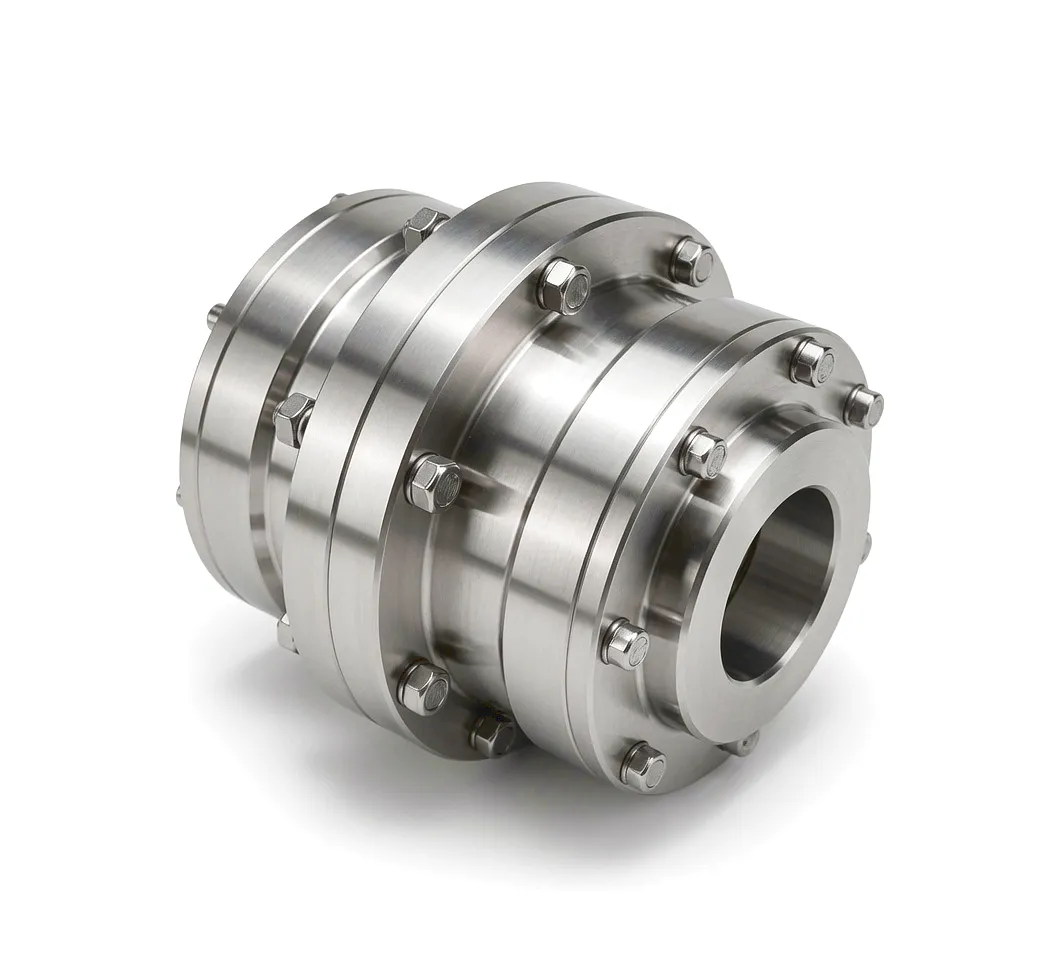
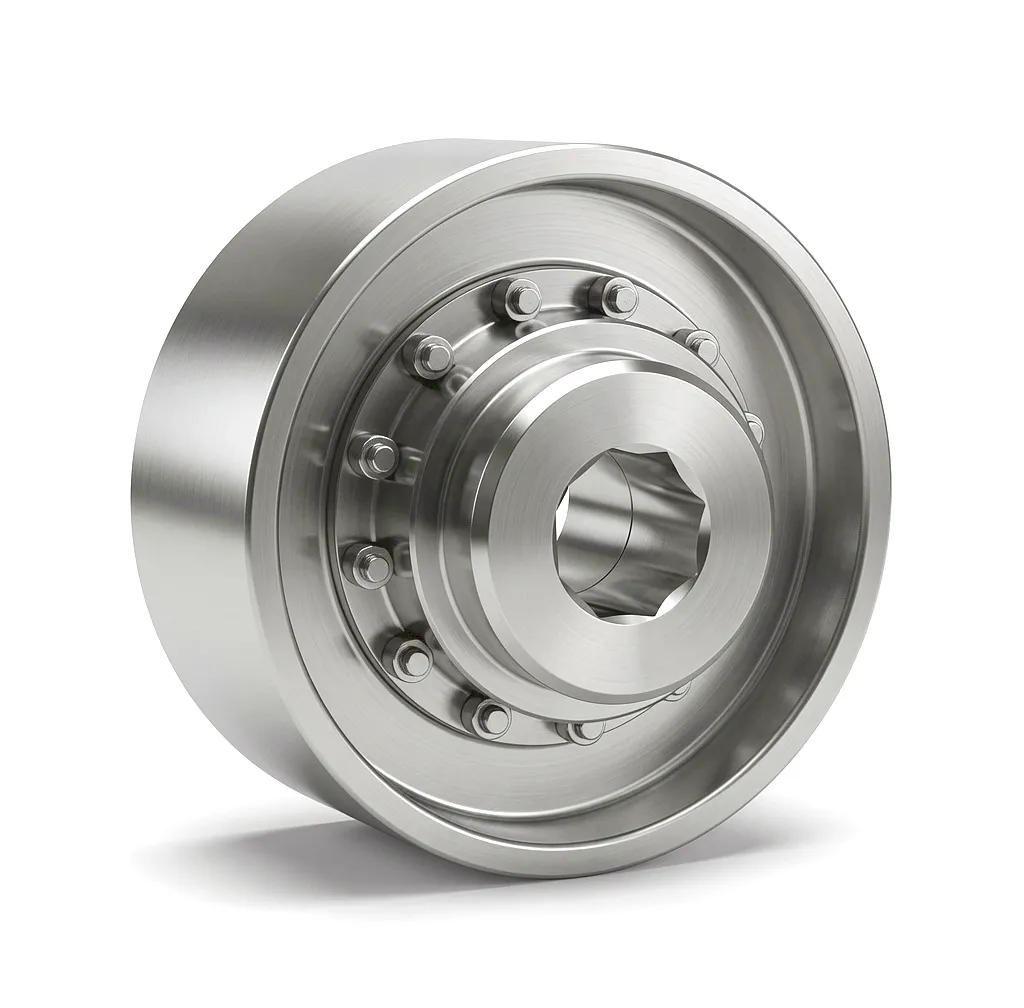
A gear coupling transmits torque through meshing internal and external gear teeth. In a drum-tooth (barrel-tooth) design, the external teeth of the hub have a crowned, convex profile. This curvature allows the coupling to accommodate angular misalignment — typically up to 1.5° per gear mesh — without generating significant bending moments or radial loads on the connected shaft bearings. The sleeve, which carries the internal teeth, encapsulates both hubs and is held together by a bolted flange or snap ring, depending on the series.
For crane applications, this geometry is not just convenient — it is essential. A bridge crane’s bridge girder flexes under load. The runways it travels are rarely perfectly level or straight. Motor shaft and gearbox shaft centrelines drift with thermal expansion and structural deflection. A rigid coupling in this environment would rapidly destroy bearings or break shafts. A gear coupling accommodates those realities quietly and efficiently, transmitting full rated torque throughout.
Beyond misalignment tolerance, drum-tooth gear couplings offer a very high torque density — the ratio of transmitted torque to coupling weight and envelope size is significantly better than chain couplings, jaw couplings, or disc pack couplings at equivalent torque ratings. In crane machinery where space inside the machinery house is always at a premium, this matters enormously.
Crane Drive Mechanisms: Where Gear Couplings Are Fitted
Hoist Mechanism
The hoist drum raises and lowers the load. The drive train — motor → brake → gear coupling → gearbox → drum — must handle both full rated torque and severe shock loads during load take-up. The gear coupling here acts as a torsional buffer, absorbing the impact when slack rope suddenly becomes taut. Without this, gearbox output shafts crack within months.
Long-Travel (Bridge) Mechanism
The bridge girder runs on rails spanning the bay. Each end carriage has drive wheels powered by motors through gearboxes. Wheel flanges, worn rails, and thermal expansion all create lateral and angular offset at the shaft interfaces. A gear coupling tolerates this without fighting it, preserving wheel alignment and preventing rail-climbing on long-span cranes.
Cross-Travel (Crab) Mechanism
The crab (trolley) carries the hoist unit and travels along the bridge girder. Its drive wheels are smaller and run faster relative to their diameter. The gear coupling between crab motor and gearbox must handle rapid direction reversals, which are especially frequent in steel processing or automotive press shops where cycle times are short.
Slewing Mechanism (Jib / Tower Cranes)
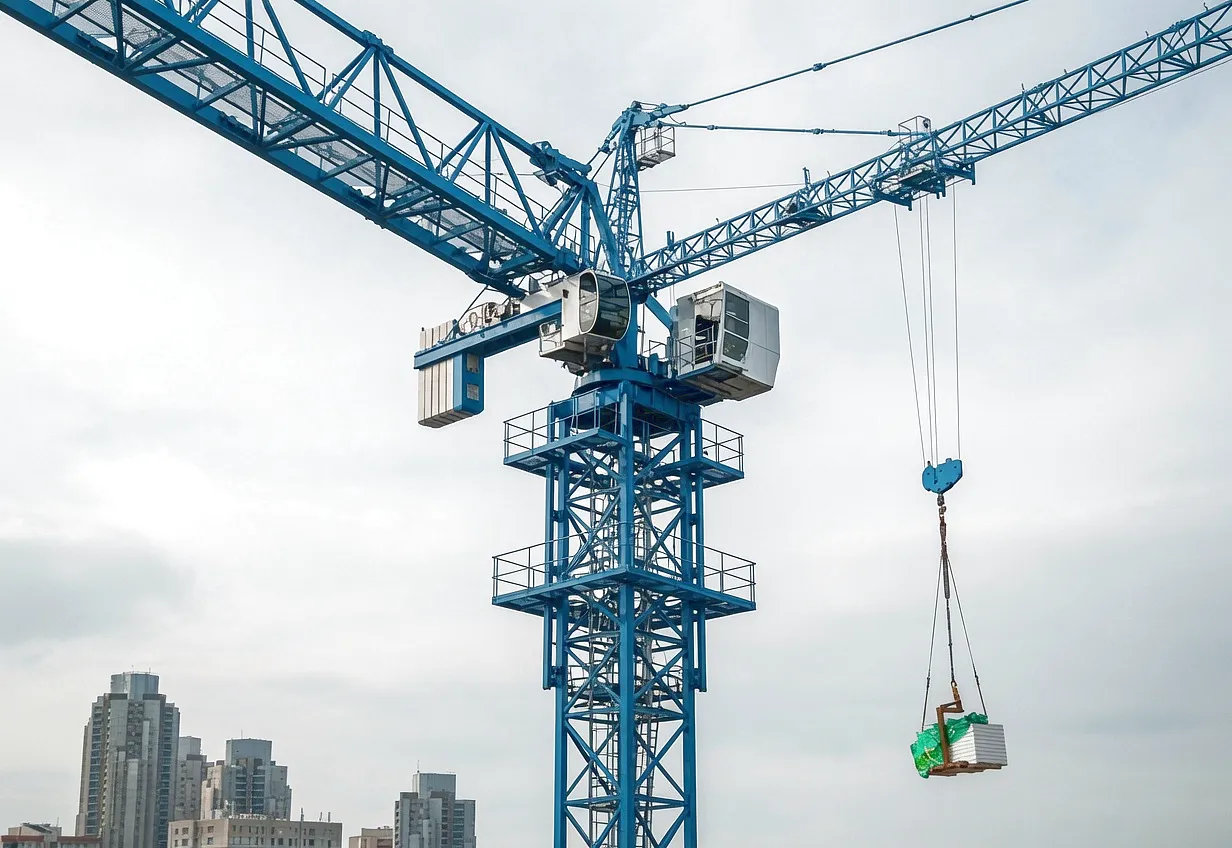
Portal cranes, harbour cranes, and tower cranes rotate their jibs through slewing rings driven by multiple pinions. Each pinion drive has its own motor-gearbox unit and requires a gear coupling connection that can tolerate the slow-speed, high-torque, load-reversing duty of slewing against wind loads and asymmetric load swings.
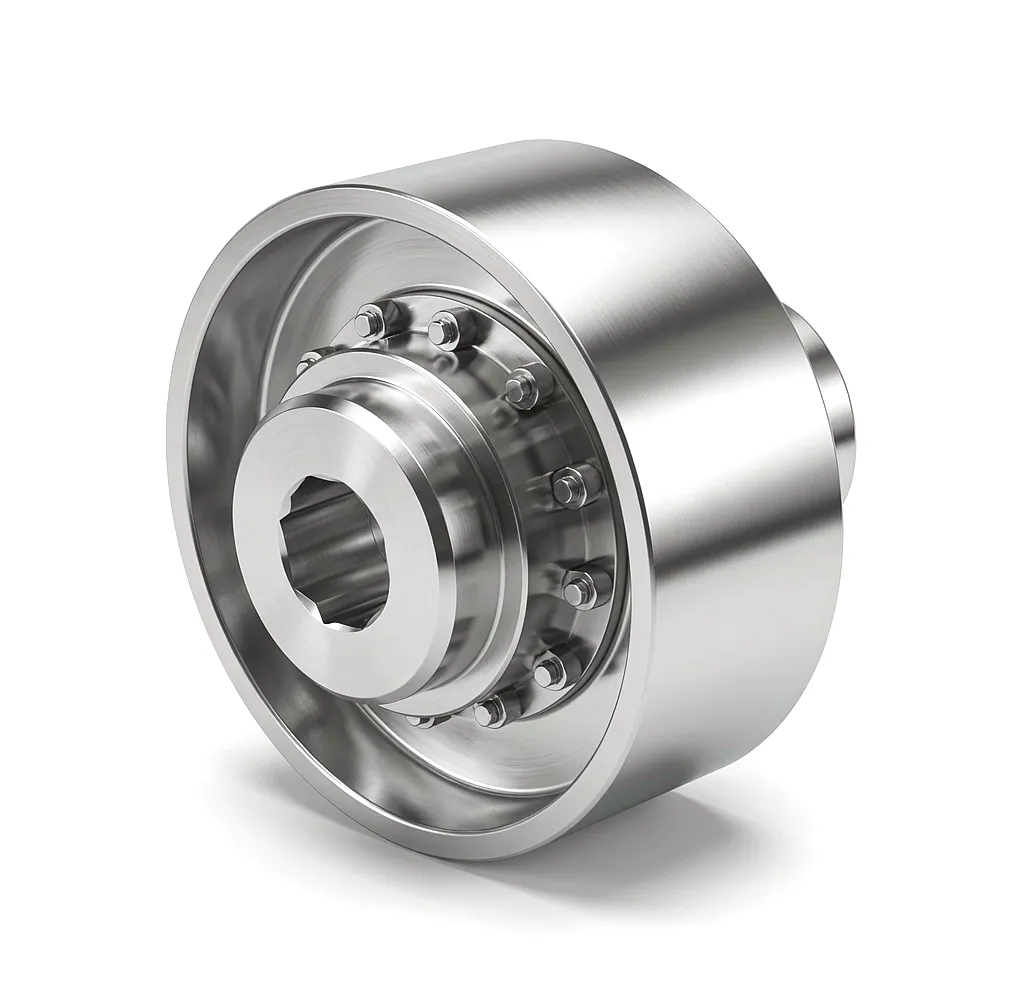
NGCL Drum-Tooth Gear Coupling
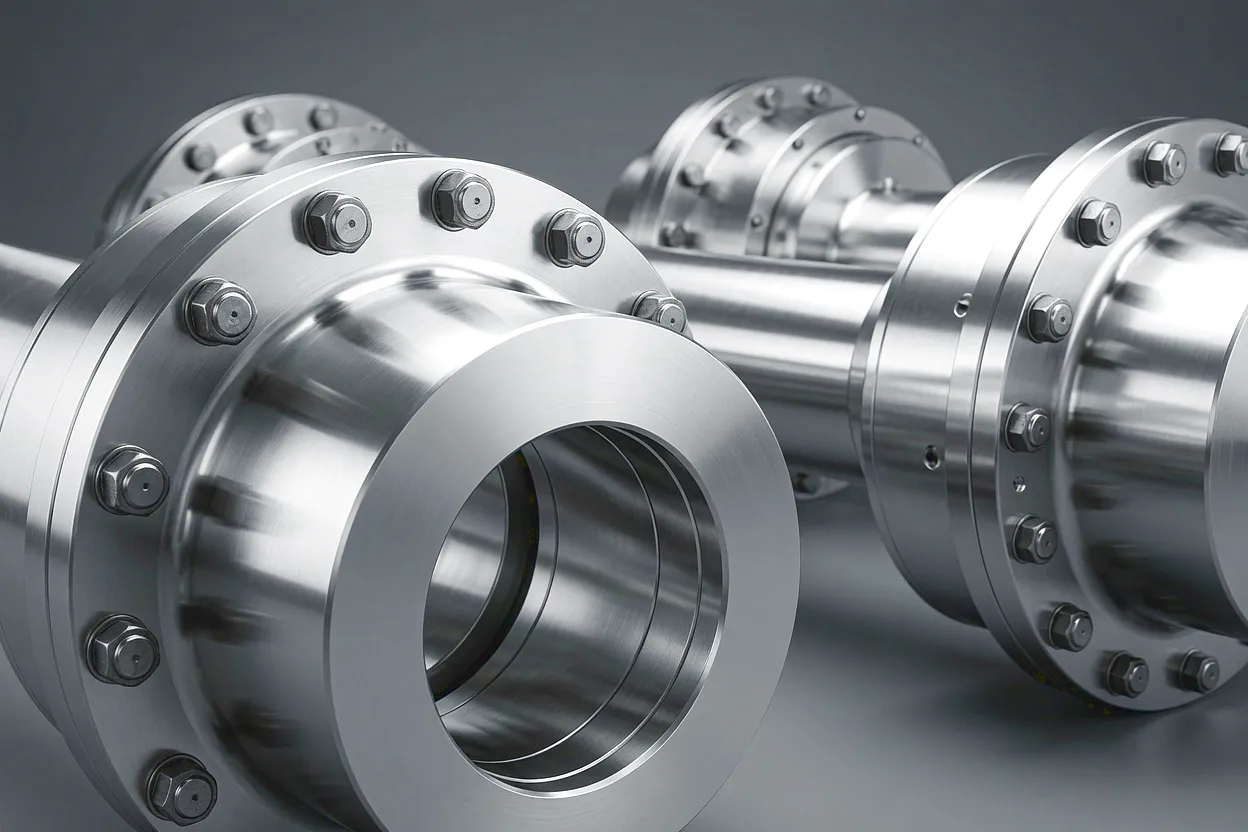
Heavy-Duty Gear Coupling
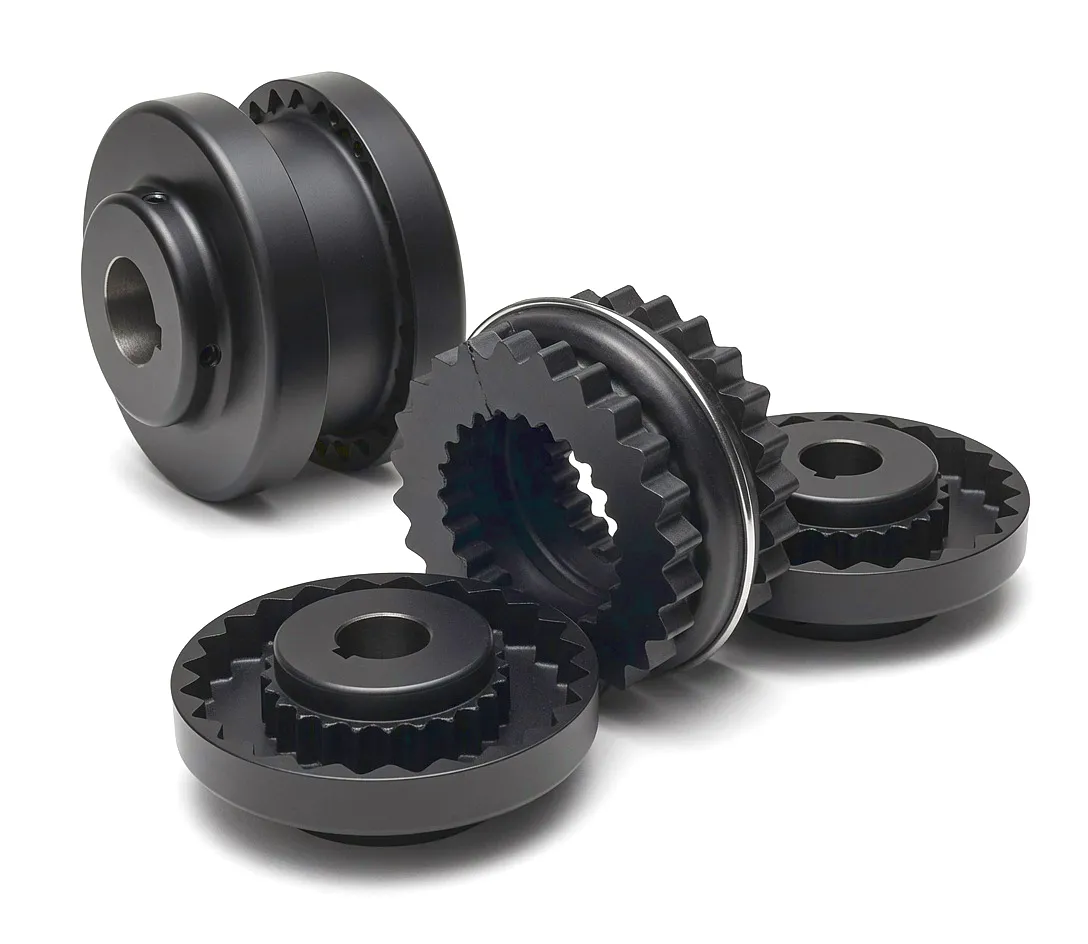
Industrial Gear Coupling Series
GICL / NGCL Drum-Tooth Gear Coupling: Key Performance Parameters
The following data reflects typical values for the GICL and NGCL series gear couplings most widely used in overhead crane and gantry crane drives. Consult Ever Power engineering for exact figures for your operating conditions.
| Parameter | GICL-5 | GICL-10 | NGCL-14 | NGCL-20 |
|---|---|---|---|---|
| Nominal Torque (Nm) | 1,600 | 4,000 | 8,000 | 16,000 |
| Max Speed (rpm) | 5,600 | 4,500 | 3,550 | 2,800 |
| Angular Misalignment | up to 1.5° | up to 1.5° | up to 1.5° | up to 1.5° |
| Radial Offset (mm) | 0.3 | 0.5 | 0.6 | 0.8 |
| Axial Displacement (mm) | ±4 | ±5 | ±6 | ±8 |
| Material — Hub | 45# Steel | 45# Steel | 42CrMo | 42CrMo |
| Material — Sleeve | Cast Steel | Cast Steel | Cast Steel | Cast Steel |
| Lubrication | Grease-packed | Grease-packed | Grease-packed | Grease-packed |
| Tooth Profile | Drum (crowned) | Drum (crowned) | Drum (crowned) | Drum (crowned) |
Why the Material Choice Defines Service Life
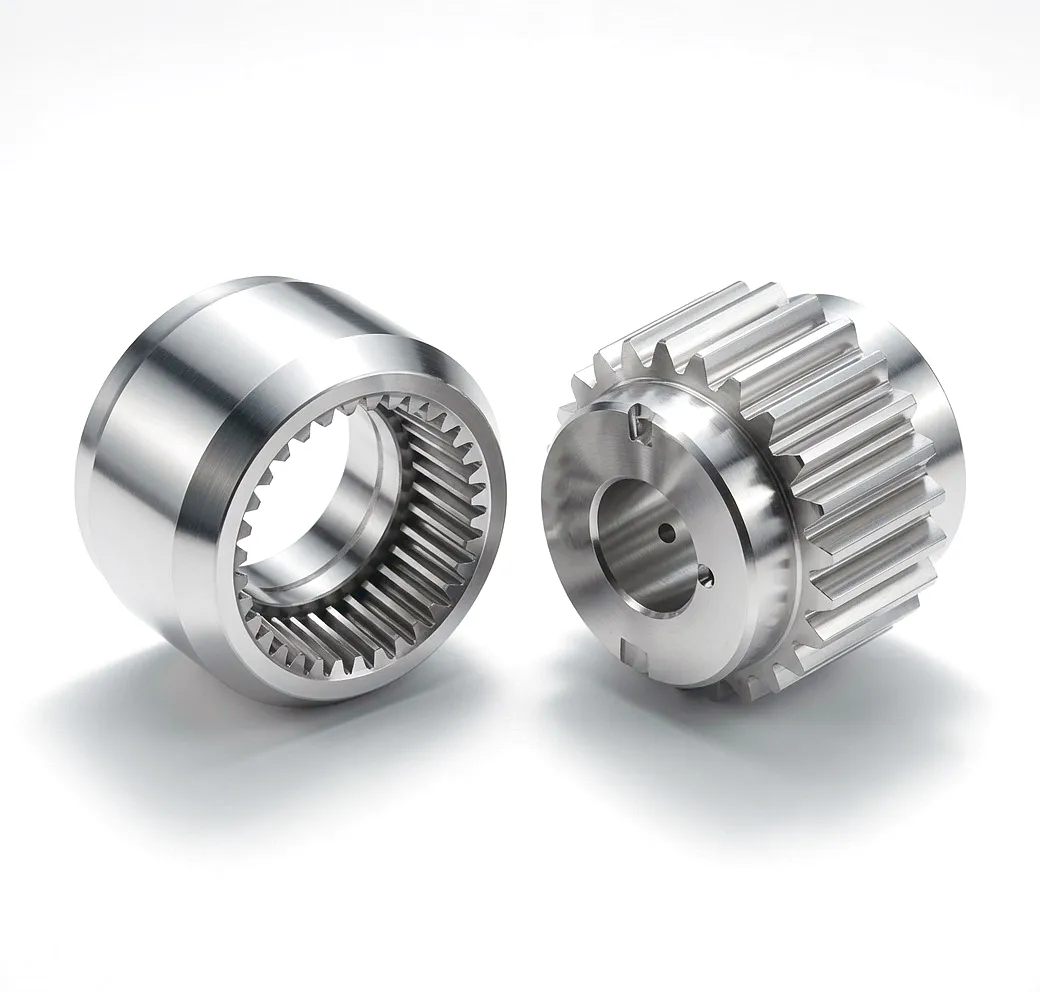
The hub is the most stressed component in any gear coupling — it carries both the keyway (stress concentration) and the gear teeth (contact and bending stress). For hoist drives on M5 and M6 duty class cranes, Ever Power uses 42CrMo alloy steel, quenched and tempered to 260–300 HB. This gives a tensile strength typically above 900 MPa with enough ductility to resist brittle fracture at low ambient temperatures — important in UK warehousing where overhead cranes operate in unheated buildings in December.
The external teeth are induction hardened to 50–58 HRC on the tooth flanks. This hard case over a tough core is precisely what crane hoist couplings need: surface resistance to fretting and wear (the coupling is always oscillating slightly under load reversals), with a core that will not crack through under impact. Medium-carbon 45# steel hubs, used in lighter GICL series sizes, are carbonitrided or through-hardened, cost-effectively providing surface hardness of 45–50 HRC.
Sleeves are typically cast from ZG270-500 or equivalent carbon cast steel, providing adequate strength at reasonable cost. For port cranes in marine environments along the coast — at ports like Immingham, Teesport, or Tilbury — sleeves can be supplied with heavy-duty phosphate coating or special marine-grade paint systems to slow corrosion of the bolt flanges and sealing faces.
How a Drum-Tooth Gear Coupling Works Under Crane Operating Loads
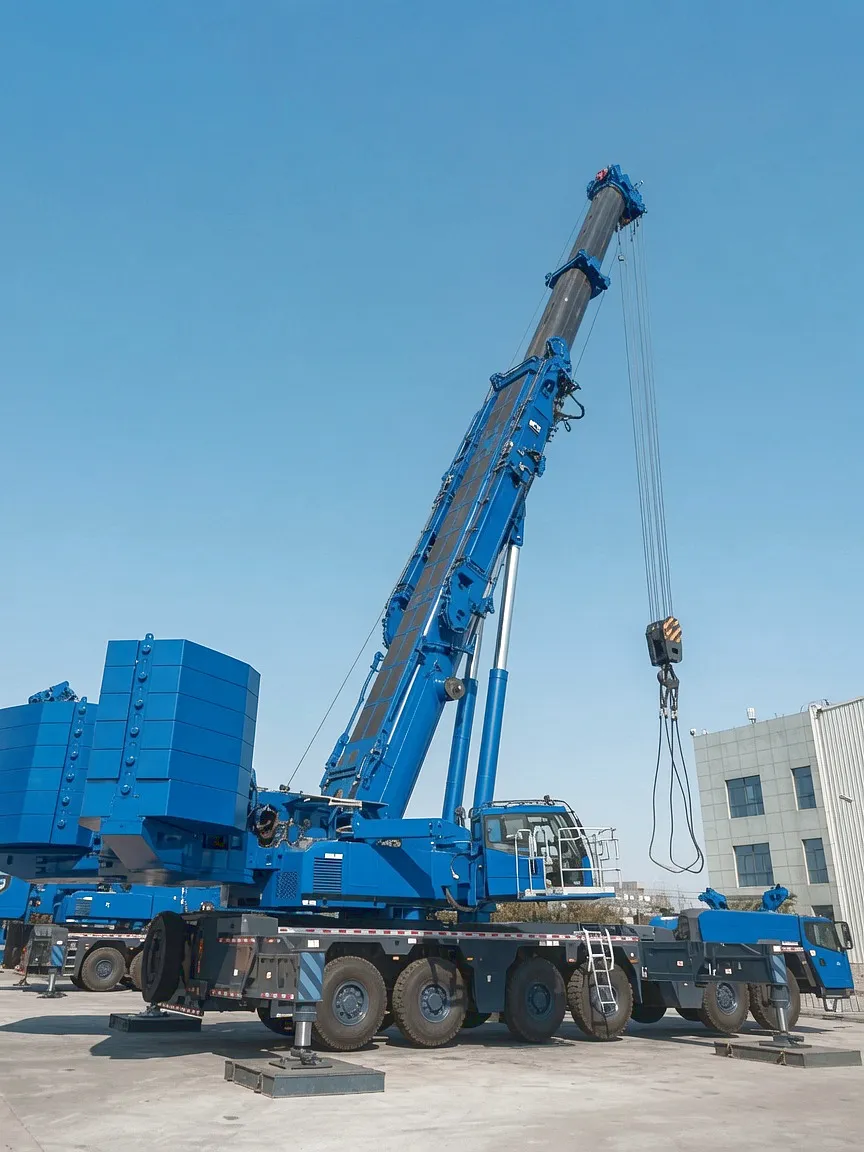
When a hoist motor starts and the load begins to accelerate, the torque spike can reach 2.5 to 3 times the nominal running torque in the first 200 milliseconds. This is the moment that kills rigid couplings and stresses every element of the drive train. In a drum-tooth gear coupling, this transient is distributed across all gear tooth pairs in simultaneous contact — typically 30 to 50% of the total tooth count depending on design. Each tooth pair shares the load, and the slight backlash designed into the mesh provides a micro-movement that damps the torque peak before it reaches the gearbox input shaft.
During steady-state hoisting, the gear coupling operates with essentially zero relative movement between hub and sleeve — it is simply a rigid torque transmitter at this point. The flexibility only activates when misalignment is present, allowing the crowned teeth to rock slightly within the sleeve’s internal teeth. This rocking is lubricated by the grease retained in the sealed cavity between hub and sleeve, which is why regular grease replenishment — typically every 2,000 operating hours or 12 months — is critical to coupling longevity.
Load lowering involves motor braking, and in heavy crane applications this can involve dynamic loads as the rope pays out and the load swings. The gear coupling sees these as torque reversals, and the backlash which was beneficial during start-up now becomes a source of impact loading. Ever Power’s crane-specific gear coupling designs minimize backlash while retaining the misalignment tolerance, using precision gear cutting on CNC hobbing machines to achieve tooth profile accuracy of ISO Grade 7 or better.
Real-World Application Scenes Across UK Industry
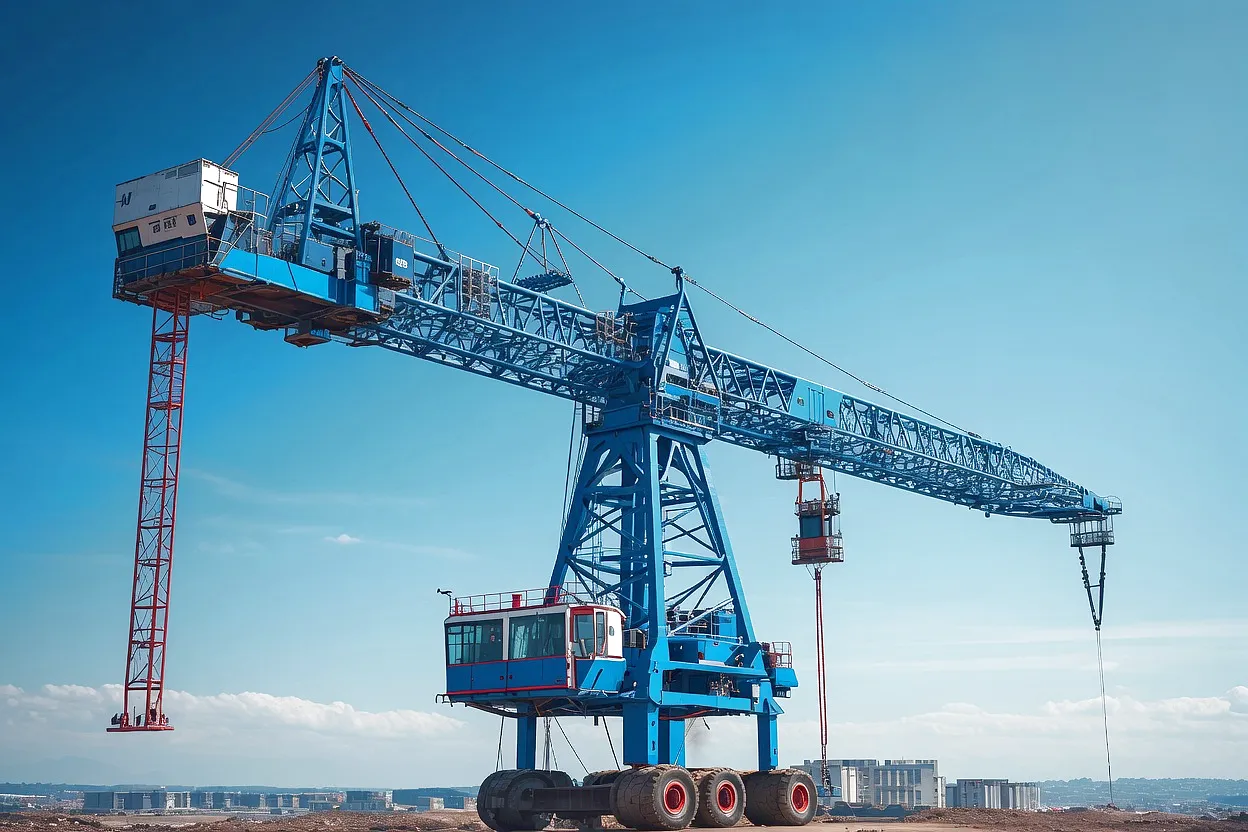
Across British heavy industry — from the automotive press shops of the West Midlands to the offshore fabrication yards of Aberdeen — gear couplings installed in crane drive systems are expected to run for years without scheduled replacement. In practice, properly specified and lubricated drum-tooth gear couplings routinely achieve 8 to 15 year service lives in moderate-duty crane applications, dramatically outperforming chain couplings and jaw couplings in the same conditions. The maintenance advantage compounds over time: fewer coupling changeouts means fewer scaffolding erections, less crane downtime, and lower lifetime cost per operating hour.
Gear Coupling Demands Specific to British Industrial Crane Applications
Steel & Metals
Steelworks in South Wales and the Midlands operate overhead cranes in ambient temperatures exceeding 200°C near tapping ladles. Ever Power supplies high-temperature gear couplings with heat-resistant grease rated to 180°C, stainless steel seals, and specially formulated tooth lubricants that do not carbonise under radiant heat. These are not catalogue items — they are engineered-to-order solutions developed for exactly these conditions.
Ports & Logistics
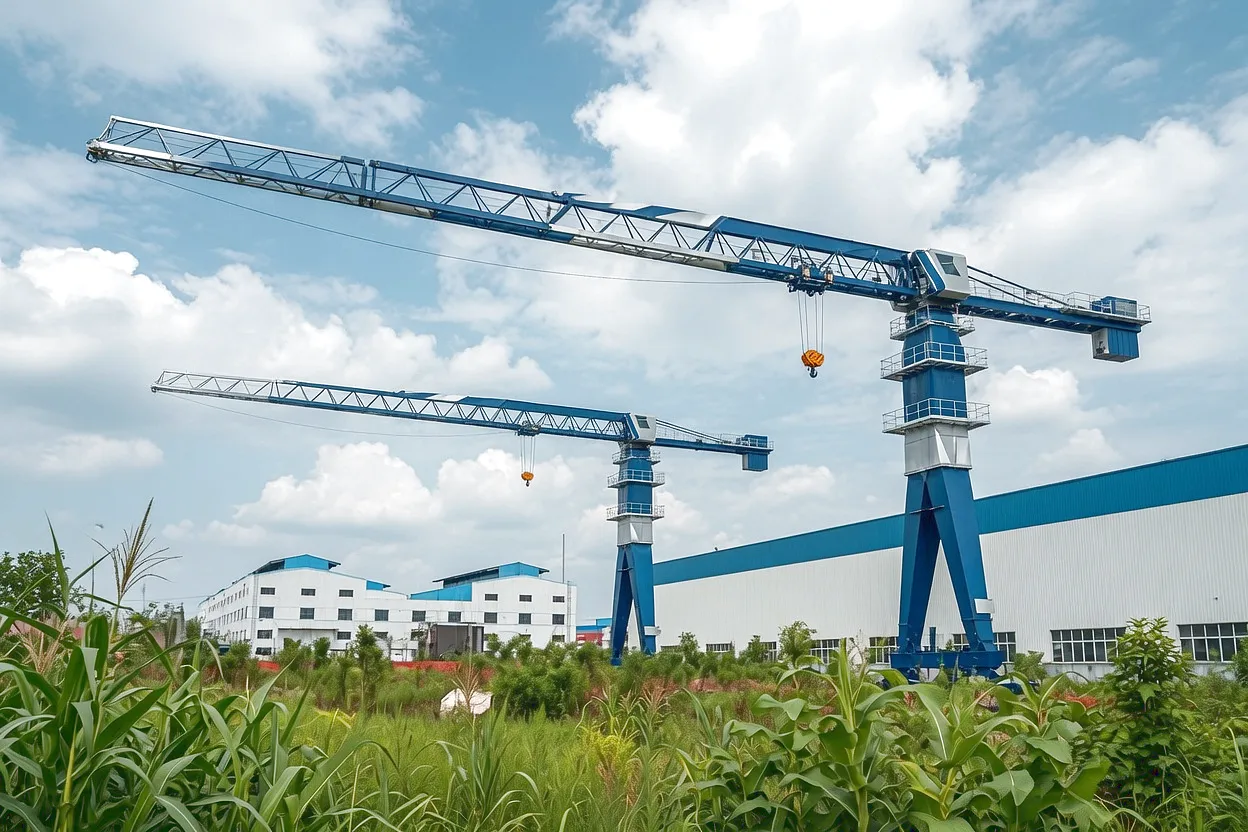
Container handling cranes at Felixstowe, Southampton, and Tilbury are among the highest-utilisation cranes in the country, routinely operating 20 hours per day. The gear couplings in their hoist and long-travel drives must handle hundreds of start-stop cycles per shift. Ever Power’s NGCL series with enlarged tooth face width and increased grease retention capacity was specifically developed for this type of high-cycle-count port crane duty.
Construction & Civil
Tower cranes on London and Manchester major infrastructure projects are exposed to wind, rain, and coastal salt spray. Their hoist motor and jib travel drives need gear couplings that are sealed against ingress — IP54 as a minimum — with weather-resistant coatings and stainless fasteners. Construction is also an industry where replacement parts must be sourced rapidly during a project; Ever Power maintains UK-based stock of the most common sizes for exactly this reason.
Automotive Manufacturing
UK automotive plants in Sunderland, Solihull, and Oxford use overhead cranes to handle engine blocks, chassis assemblies, and press dies weighing up to 50 tonnes. In these operations, cycle times are short and positioning accuracy matters. A gear coupling with too much backlash can cause load swing at positioning. Ever Power’s precision-tooth series offers reduced backlash as a special build option without compromising misalignment capacity.
Nuclear & Power Generation
Overhead cranes inside nuclear containment buildings and power station turbine halls require couplings made from materials with known traceability and third-party certification. Ever Power can supply gear couplings with full material certificates, dimensional inspection reports, and third-party witness testing to EN ISO standards — a level of documentation increasingly required by UK nuclear licensed operators and utility power plant engineers.
UK B2B Enquiries Welcome
Need a Gear Coupling Specified for Your Crane?
Tell us your duty class, torque requirement, shaft sizes, and operating environment. Our engineers will recommend the right series, size, and specification — with a competitive price from a supplier who stocks common sizes for fast UK delivery.
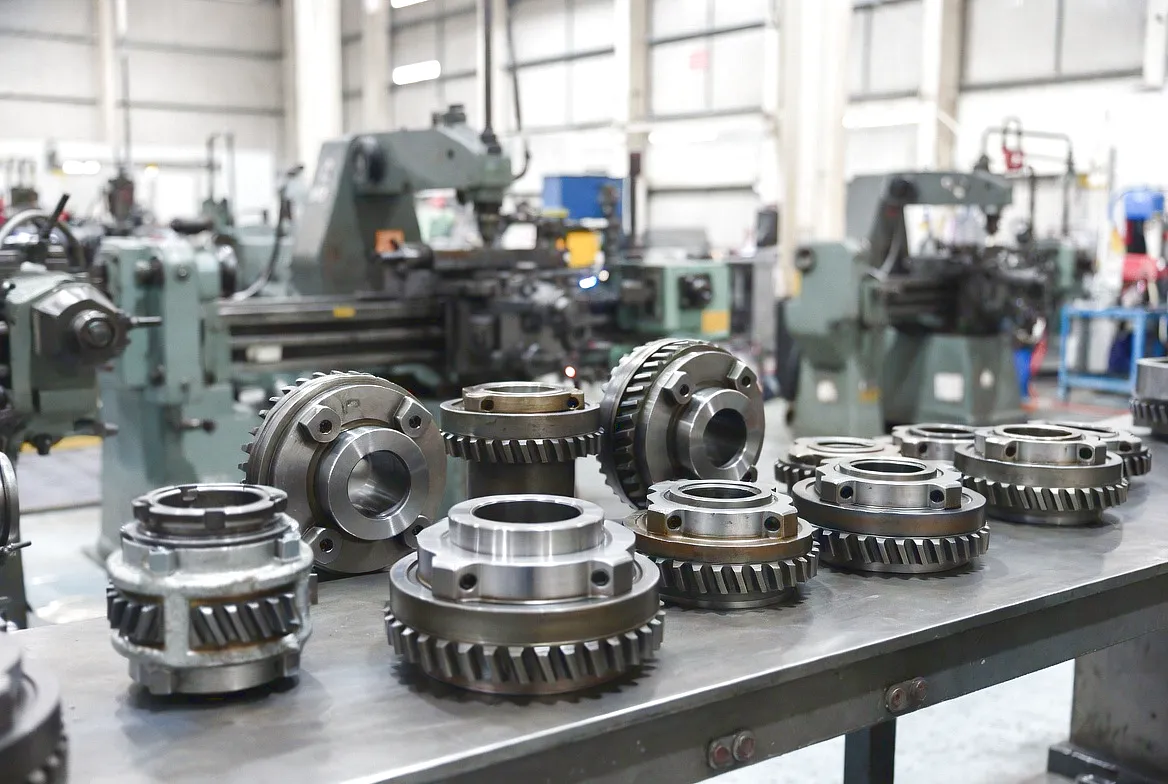
Seven Reasons Crane Engineers Specify Drum-Tooth Gear Couplings
Exceptional Torque Density
A NGCL-20 transmits 16,000 Nm within an outer diameter under 260mm. That is a torque-to-envelope ratio that disc pack and jaw couplings simply cannot match at equivalent size. In crane machinery houses where every millimetre counts, this is decisive.
Angular and Axial Flexibility
Up to 1.5° angular misalignment capacity plus axial float handles the real-world alignment conditions in crane machinery: bridge deflection, thermal expansion, and foundation settlement that are facts of life in industrial buildings throughout the UK.
Shock Load Absorption
The inherent flexibility in tooth mesh compliance damps torque spikes during load take-up and direction reversals. This translates directly into longer gearbox bearing life and reduced shaft fatigue — measurable reductions in maintenance costs over a 10-year horizon.
Balanced at High Speed
Ever Power balances gear couplings to G6.3 or G2.5 (for high-speed shaft positions) per ISO 21940. In a crane hoist running a high-speed motor shaft at 1,470 rpm, proper balance prevents vibration that can false-trip proximity switches and deteriorate seals over time.
Low Maintenance Requirement
With grease replenishment every 2,000 hours as the primary maintenance activity, a gear coupling has lower upkeep demands than chain couplings (which also require chain tensioning and sprocket inspection) or tyre/jaw couplings (which need polyurethane element replacement).
Wide Temperature Range
Standard gear couplings operate reliably from -20°C to +80°C with standard grease. With upgraded lubricants and seals, the range extends from -40°C to +180°C — covering everything from cold store cranes in Yorkshire logistics facilities to ladle cranes in steel mills.
Customisable for Specific Duty Classes
FEM/ISO crane duty classes (M1 through M8) have different shock load factors. Ever Power’s engineering team selects the appropriate service factor and nominal torque margin for each class — not a generic “use 1.5x service factor” rule, but a calculated selection based on your actual start-stop frequency and load spectrum.
Ever Power: Custom Gear Coupling Manufacturing for Demanding Applications
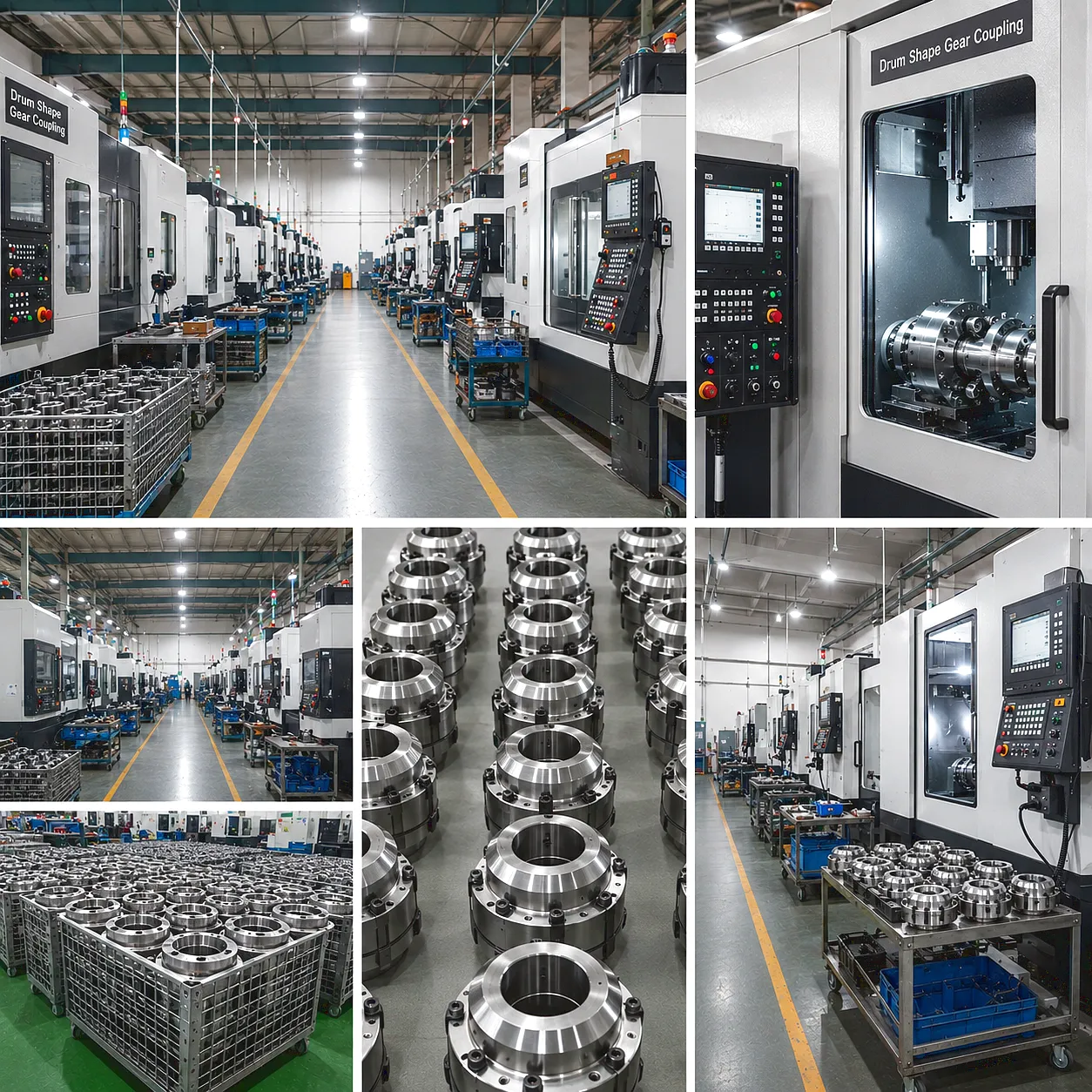
At Ever Power, we do not just sell off-the-shelf couplings and call it engineering. Our product customisation capability is genuinely broad — we have produced crane gear couplings in virtually every configuration you can imagine over the past two decades. Need a through-bore with metric spline profile because your gearbox was made to a DIN standard and your motor shaft is to a BS standard? We have done it. Need a half-coupling with a purpose-built brake disc integral to the sleeve flange? We have done that too.
Our CNC gear hobbing and grinding machines hold profile tolerances to ISO 7 or better as standard, and our heat treatment shop — with controlled atmosphere furnaces — ensures consistent case depth and core hardness across every batch. Every coupling hub undergoes non-destructive testing (magnetic particle or dye penetrant) before despatch, and dimensional inspection reports are available on request as standard for crane applications.
For UK clients with urgent requirements, we maintain a consignment stock programme that places common-size couplings within our UK distribution partner network. Lead times for non-standard sizes are typically 3 to 6 weeks from drawing approval — significantly faster than most European competitors. Our technical sales team speak fluent engineering: you will deal with people who understand FEM duty classes, service factors, and stress concentration factors, not salespeople reading from a catalogue.
Case Study: Humber Port Terminal — Reducing Crane Coupling Failures by 90%
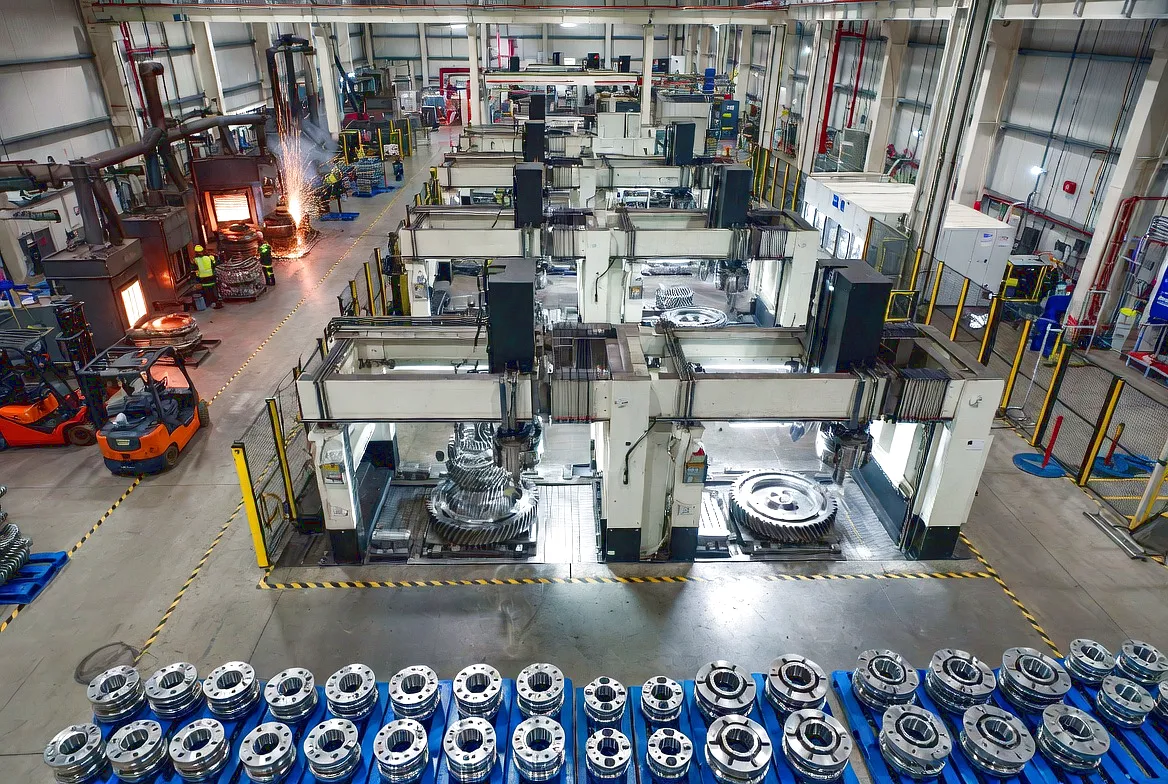
Humber Estuary, East England
2022–2024
The Challenge
A bulk cargo terminal on the Humber Estuary was experiencing chronic gear coupling failures on its fleet of six ship-to-shore portal cranes. The original couplings — a European-branded chain coupling design — were failing at the sleeve connection every 9 to 14 months under the high-cycle hoist duty. Each failure required a full day of crane downtime, costing the terminal operator approximately £28,000 per incident in lost throughput and maintenance labour. The port engineering team contacted Ever Power after a recommendation from a South Wales steelworks that had used our crane hoist couplings for seven years without failure.
The Solution
After reviewing the crane’s duty data (FEM M6, approximately 240 full-load starts per shift), our engineering team specified NGCL-16 drum-tooth gear couplings with 42CrMo hubs, induction hardened teeth, marine-grade sealed sleeve design, and EP extreme-pressure grease rated for the high-humidity coastal environment. The bore dimensions matched the existing motor and gearbox shafts exactly, allowing direct replacement with zero mechanical modification to the cranes. Six couplings were manufactured, inspected, and delivered to the port within 4 weeks.
The Outcome
Over the following 22 months, none of the six couplings required unplanned replacement. Routine grease replenishment was carried out at 2,000-hour intervals as scheduled. The terminal’s maintenance manager estimated the direct cost saving at over £180,000 in avoided downtime during the period. By 2024, the operator had standardised on Ever Power NGCL couplings across all hoisting equipment at the site.
90%
Reduction in unplanned coupling failures
£180k+
Cost saving over 22 months
22mo
Zero unplanned failures recorded
What Our Customers Say
“We were replacing our old chain couplings every 10 months in our overhead crane hoist drives. Since switching to the Ever Power NGCL series three years ago, we haven’t had a single unplanned coupling change. The quality is very obviously better — the tooth finish, the seal quality. These things are built to last.”
James Whitfield
Senior Maintenance Engineer — Midlands Steel Stockholder, Birmingham
“The technical support from Ever Power is genuinely impressive. When I sent them our crane’s duty data and asked for a recommendation, I got a detailed selection report back within 48 hours — not just a part number but an explanation of why they chose that size, what the service factor was, and what the expected tooth pressure ratio was at peak load. That’s what sets them apart from just another catalogue supplier.”
Fiona Mackay
Mechanical Design Engineer — Aberdeen Offshore Fabrication Yard
“We needed a non-standard bore combination — 75mm H7 on the motor side and 80mm J7 on the gearbox side, both with parallel keyways — for a replacement on a 25-tonne ladle crane. Ever Power turned it around in three weeks with full material certs. The coupling fits perfectly, runs smooth, and the price was very competitive against the quotes we’d had from European suppliers.”
David Okafor
Plant Engineer — South Wales Integrated Steelworks
Gear Coupling vs Competing Technologies: Crane Drive Comparison
Understanding where gear couplings outperform alternatives helps engineers make the right choice for each drive position in the crane.
| Characteristic | Drum-Tooth Gear | Chain Coupling | Jaw/Spider | Disc Pack |
|---|---|---|---|---|
| Torque density | Excellent | Good | Moderate | Good |
| Angular misalignment | Up to 1.5° | Up to 1° | Up to 1° | 0.5°–1° |
| Shock load tolerance | Excellent | Moderate | Good | Low |
| Maintenance interval | 2,000 hr grease | 1,000 hr oil/check | Element replacement | Visual check only |
| High temperature (>120°C) | Yes (upgraded grease) | Limited | No | Limited |
| Custom bore availability | Fully customisable | Standard sizes | Limited | Limited |
| Typical service life (crane) | 8–15 years | 3–5 years | 2–4 years | 5–10 years |
Ready to Specify the Right Gear Coupling for Your Crane?
Provide your crane duty class, torque data, shaft dimensions, and operating environment — and our engineering team will return a fully reasoned coupling selection with pricing within 2 business days. We serve B2B clients across the UK, from crane OEMs to end-user maintenance teams.
Frequently Asked Questions About Gear Couplings for Crane Drive Systems
Ever Power Gear Couplings
Engineered for crane applications. Manufactured for reliability. Supplied to British industry with full technical support.
Get a Quote — gear-coupling.top
edit by gzl