
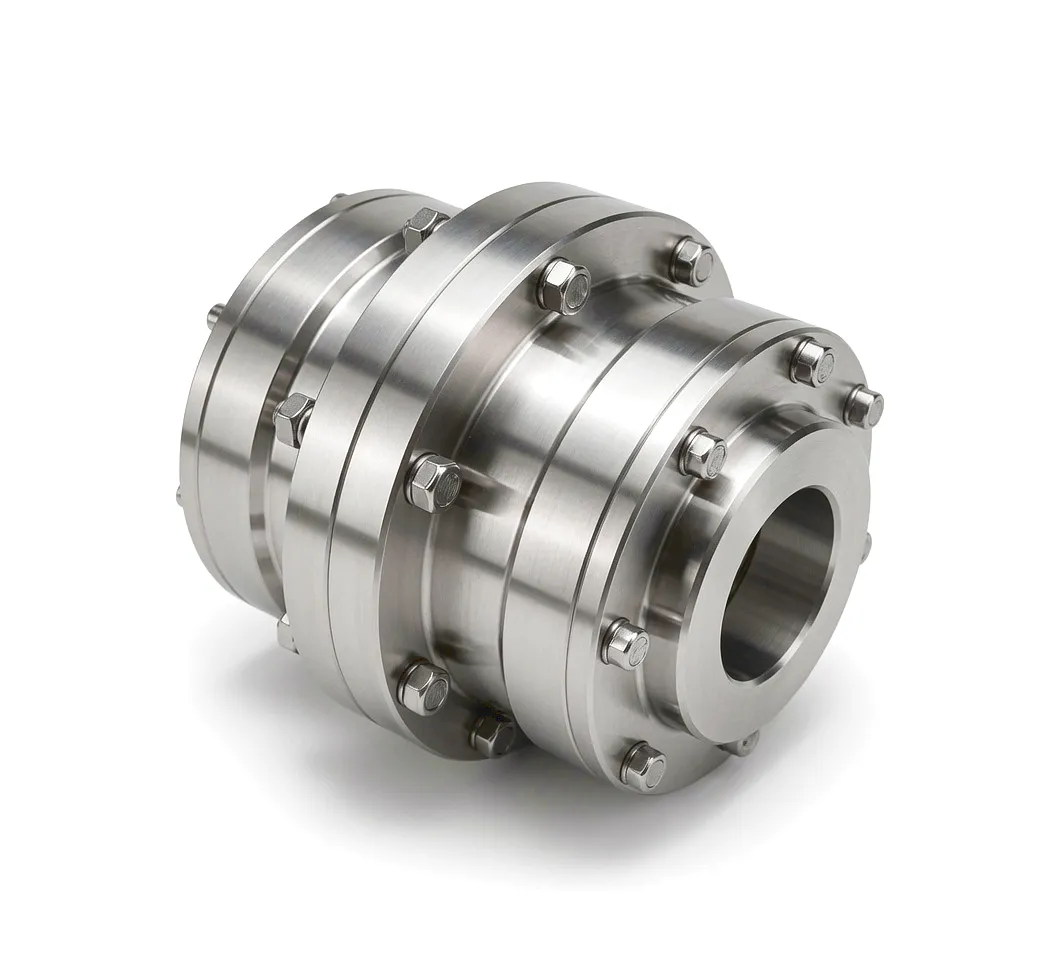
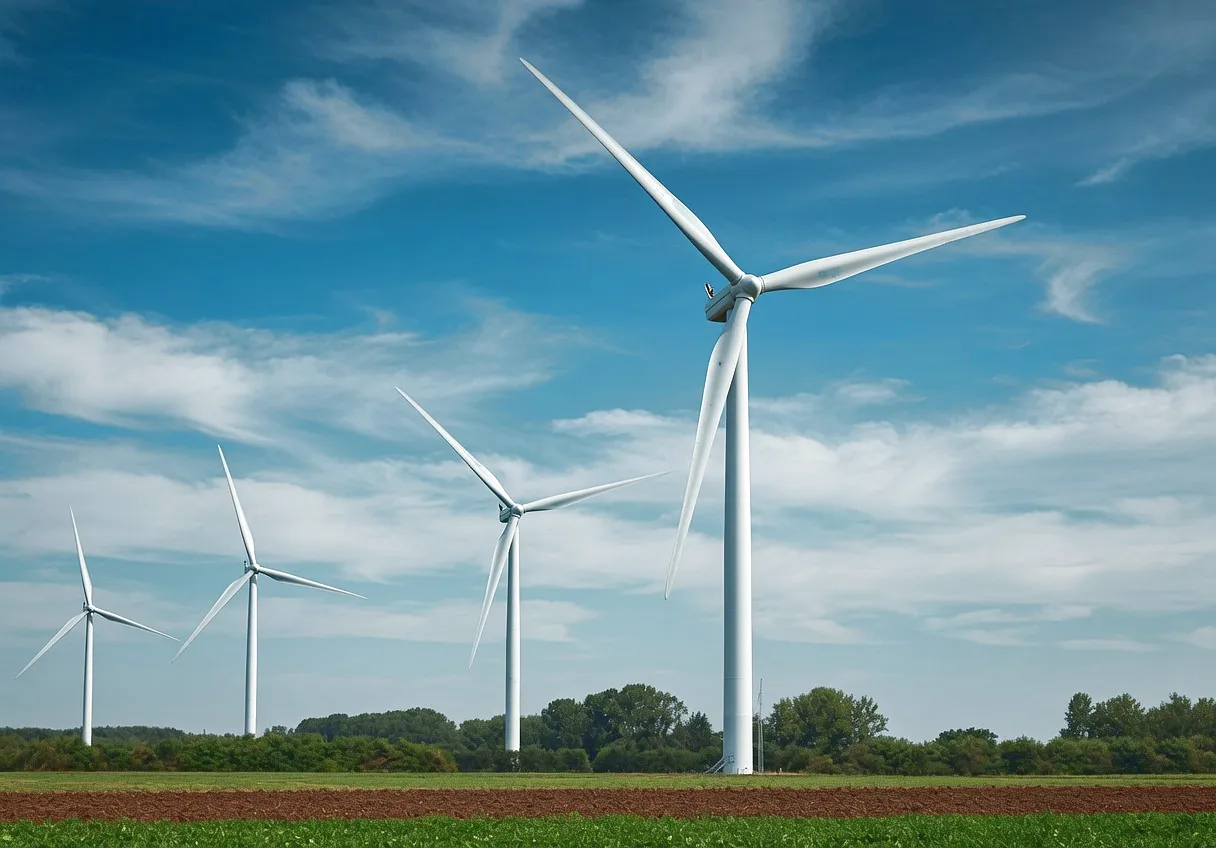
 Walk through any offshore wind farm along the North Sea coast, or stand beneath one of Scotland’s onshore installations, and you are looking at some of the most mechanically demanding power transmission environments on earth. Inside each nacelle, a gearbox converts the slow, colossal torque of a 60–90-metre rotor into the rapid shaft rotation a generator needs — and somewhere in that drivetrain, a gear coupling is absorbing misalignment, damping shock loads, and quietly preventing catastrophic failure every single rotation. It is not a glamorous component, but its role is arguably the most critical of any mechanical element in the entire turbine.
The UK’s commitment to reaching 50 GW of offshore wind capacity by 2030 means thousands of new turbine drivetrains will be specified, installed, and maintained in the coming years. For OEM engineers, wind farm operators, and maintenance contractors across England, Scotland, Wales, and Northern Ireland, selecting the correct gear coupling — and understanding exactly why it performs the way it does — is not a theoretical exercise. It is a decision worth tens of thousands of pounds in downtime avoidance alone.
This guide draws on more than eighteen years of application engineering experience with high-power gear couplings across European wind energy projects. It covers everything from the physics of why gear couplings outperform alternatives in gearbox applications, to material specifications, UK-relevant installation notes, and a detailed FAQ designed to answer exactly the questions site engineers and procurement teams actually ask.
Looking for a gear coupling supplier in the UK?
Ever Power provides fully customised drum-type gear couplings with fast delivery to all UK regions.
Why Wind Turbine Gearboxes Demand Specialised Gear Couplings
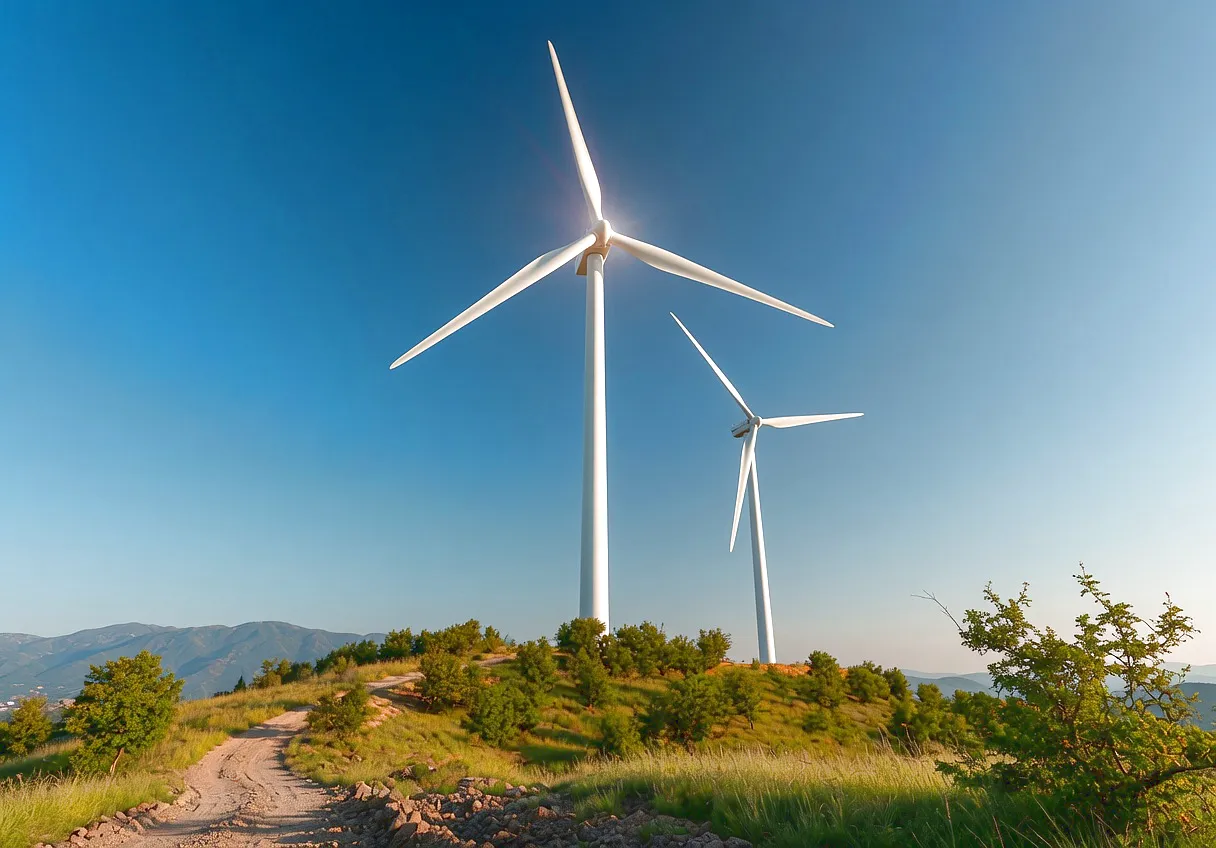 A utility-scale wind turbine does not operate under stable, predictable load conditions. Gusts, turbulence, and the dynamic stall effects across blade surfaces create a torque signal that fluctuates dramatically — sometimes reversing direction entirely within fractions of a second. The gearbox coupling positioned between the high-speed output shaft and the generator input shaft sits at the epicentre of every one of these load events. Standard rigid couplings would transmit every spike directly into the generator bearings; flexible elastomeric couplings often lack the torque capacity for multi-megawatt machines; disc-pack couplings can handle misalignment but not the combination of high torque, vibration, and angular offset that is routine in nacelle environments.
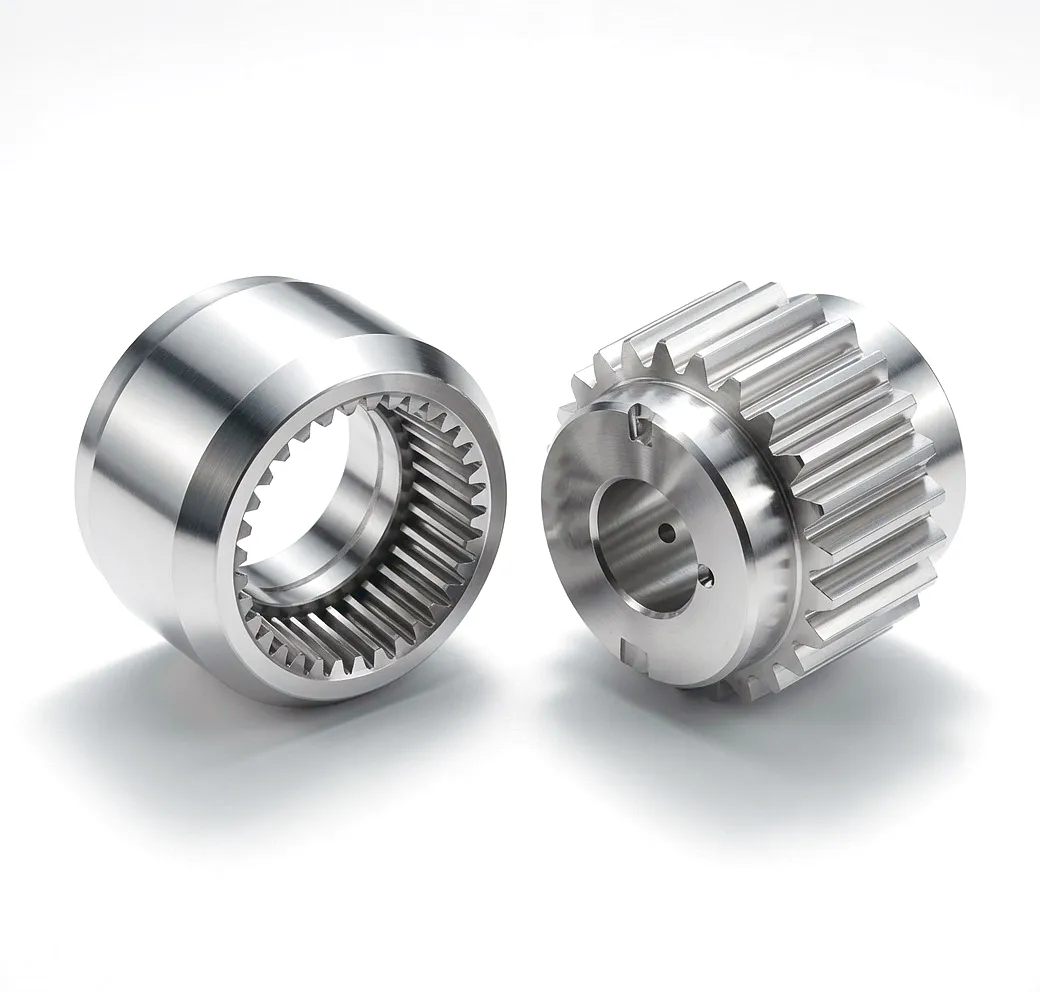
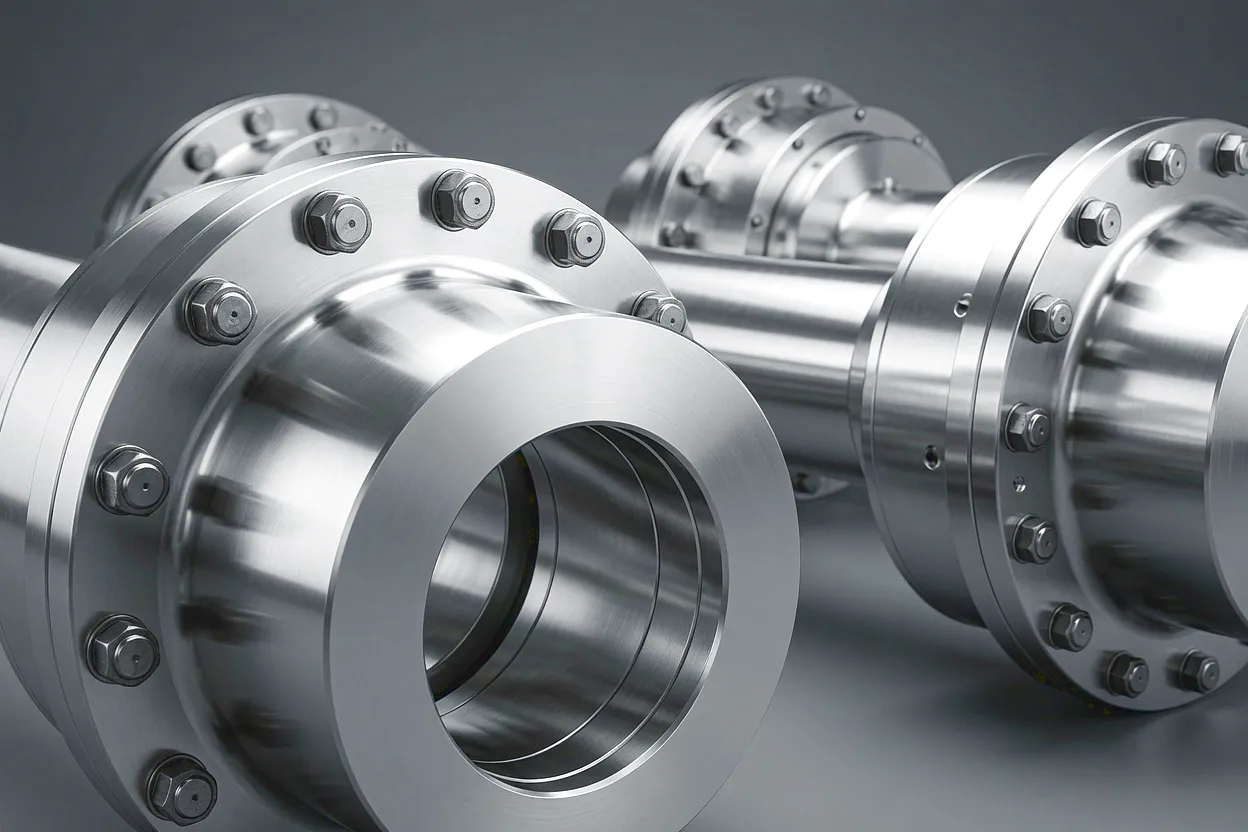
The drum-type gear coupling — specifically the crowned-tooth, double-engagement design that has been refined for wind applications — addresses all three failure modes simultaneously. Its crowned external gear teeth mesh with internal sleeve teeth in a way that permits simultaneous angular misalignment of up to 1.5°, parallel offset compensation, and axial displacement, while transmitting rated torque with minimal backlash and excellent torsional stiffness. This combination is simply not achievable through any other single-component solution at comparable cost and size.
Torque Density
Steel gear teeth transmit torque at densities impossible for rubber or polymer elements. Rated to 2,500 kN·m and beyond in large wind configurations.
Misalignment Tolerance
Crowned teeth allow angular, parallel, and axial misalignment simultaneously — essential in nacelles where thermal expansion and structural flex are constant.
Shock Absorption
The sliding contact between crowned teeth acts as a natural buffer against torque spikes from wind gusts, grid events, and emergency braking sequences.
Long Service Life
Properly lubricated and specified gear couplings routinely exceed 40,000 operating hours in wind applications — matching or exceeding gearbox overhaul intervals.
How Drum-Type Gear Couplings Work: Principle, Materials & Design
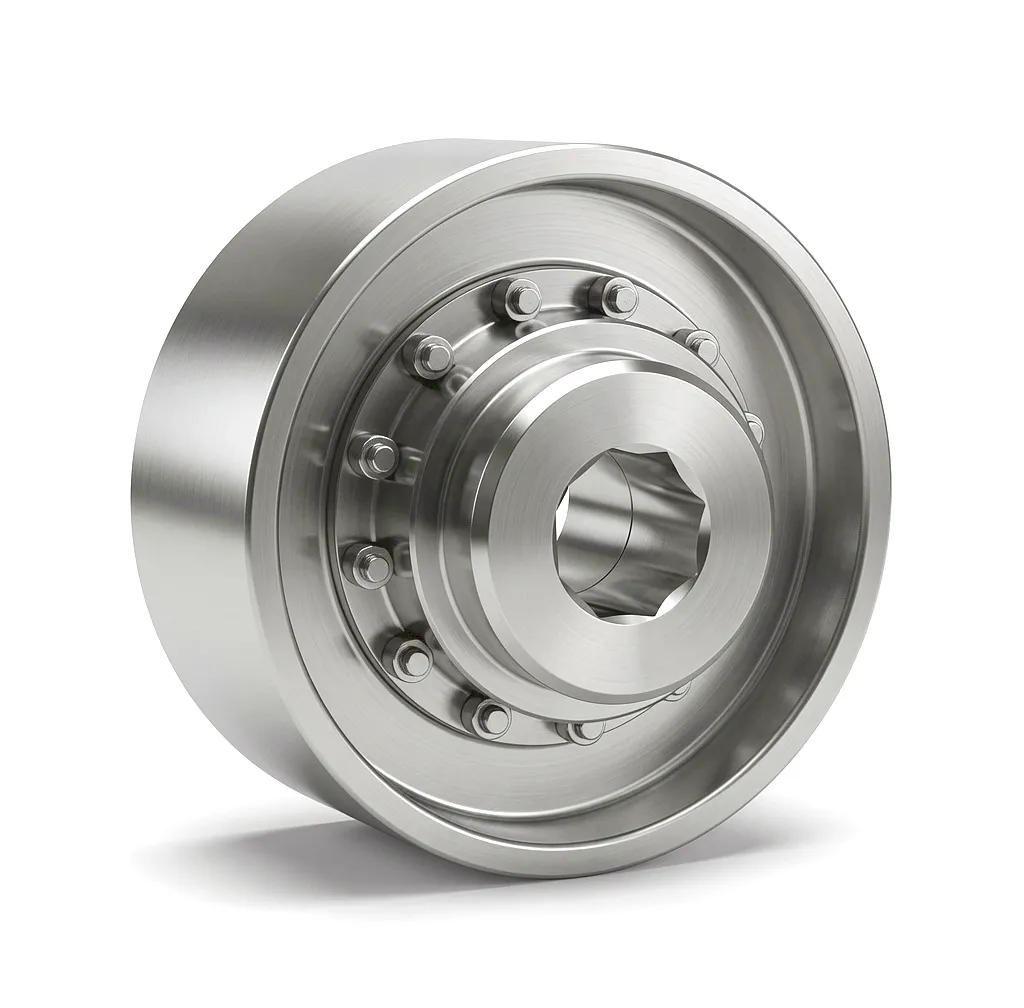
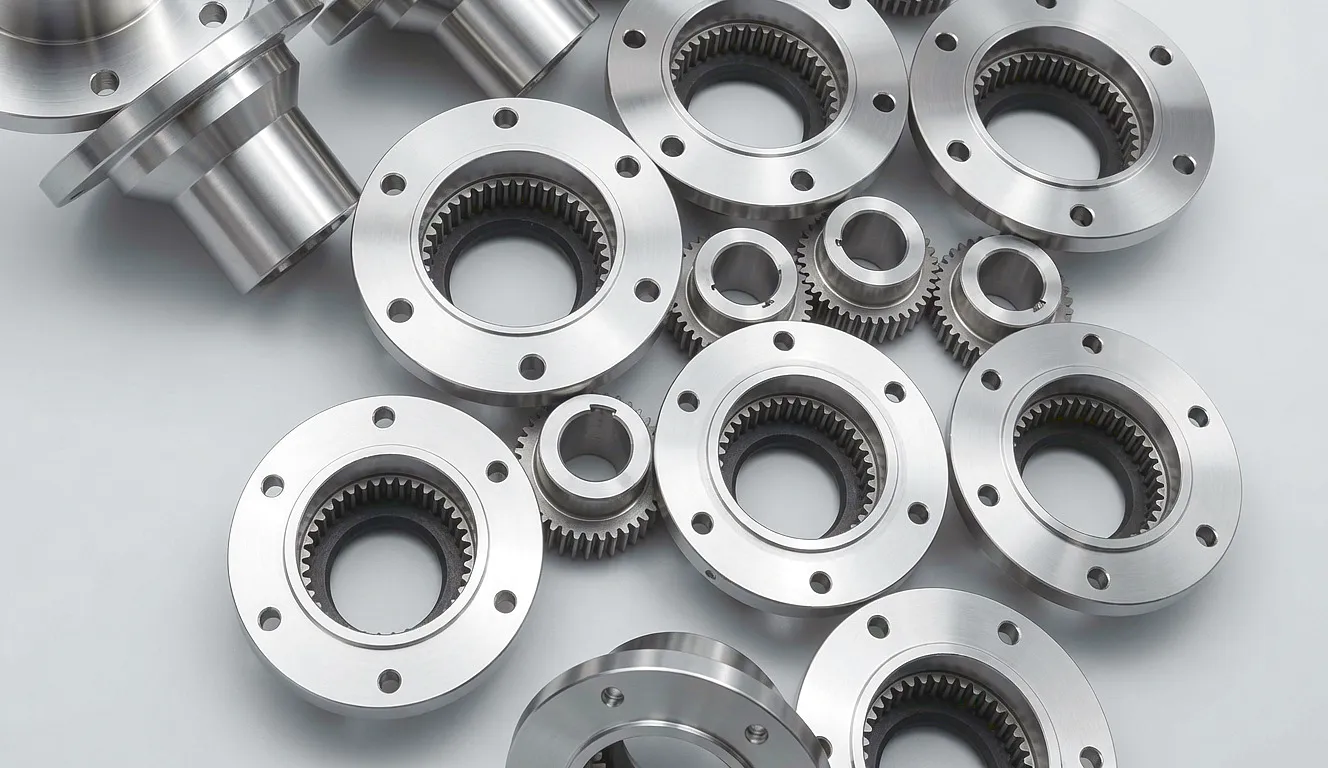
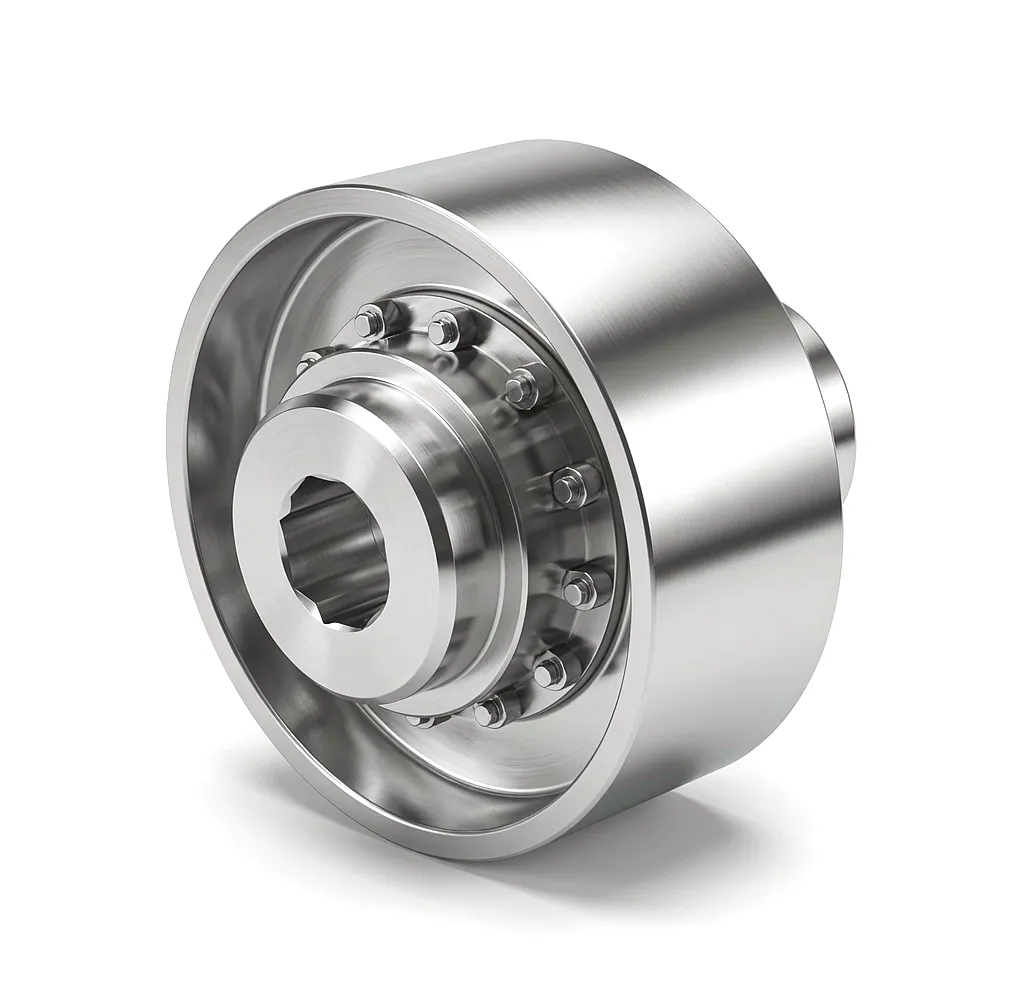 The operating principle of a drum-type gear coupling is elegantly simple, yet the engineering behind it is anything but. Two hubs with external crowned spur or helical teeth engage with internal teeth in a two-part outer sleeve. The crown profile — a carefully calculated spherical curvature applied to the outer face of each external tooth — is the defining feature. It is this profile that allows the coupling to maintain full, even tooth contact even when the two shafts are not perfectly aligned, distributing the transmitted load across the entire tooth width rather than concentrating it at one edge.
For wind turbine gearbox couplings — particularly those connecting the high-speed output shaft to the generator — the preferred material for hubs is 42CrMo4 alloy steel, quenched and tempered to 280–320 HB. This steel grade, equivalent to AISI 4140, provides the right combination of high tensile strength (typically 900–1,100 MPa), good toughness at low temperatures (important for North Sea offshore applications in winter), and excellent machinability for the precision tooth profiles required. The outer sleeve is frequently manufactured from 40Cr forged steel or ductile iron (GGG50/GGG60) depending on the torque class and whether weight reduction inside the nacelle is a priority.
Tooth flanks are typically carburised and case-hardened to 58–62 HRC (case depth 0.8–1.5 mm) on high-cycle applications, or induction-hardened on medium-duty variants. The tooth profile itself is finished by shaving or gear grinding to achieve a DIN 6 or better quality class, ensuring quiet running and minimal dynamic loads at the rated speeds of 1,500–1,800 RPM typical of the generator-side coupling position.
Technical Performance Parameters — Ever Power Wind Turbine Gear Couplings
| Parameter | GICL Series | NGCL Series | Custom Wind Grade |
|---|---|---|---|
| Rated Torque (kN·m) | 0.8 – 450 | 1.2 – 800 | Up to 2,500 |
| Max Speed (RPM) | 3,600 | 4,000 | Per project spec |
| Angular Misalignment | ±1° | ±1.5° | ±2° (with disc pack) |
| Hub Material | 45# / 40Cr Steel | 42CrMo4 Steel | 42CrMo4 / 18CrNiMo7-6 |
| Surface Hardness | HRC 45–50 | HRC 55–60 | HRC 58–62 |
| Gear Accuracy Grade (DIN) | DIN 8 | DIN 7 | DIN 6 or better |
| Operating Temperature | -20°C to +80°C | -30°C to +100°C | -40°C to +120°C |
| Design Life (hours) | 20,000+ | 30,000+ | 40,000 – 80,000 |
| Lubrication Type | Grease | Grease / Oil Bath | Oil Bath / Sealed |
| Balancing Grade (ISO 1940) | G6.3 | G2.5 | G1.0 (on request) |
Where Gear Couplings Fit Inside a Wind Turbine Drivetrain
Understanding each connection point helps engineers specify the right coupling series for each duty.
Key Advantages of Ever Power Gear Couplings in Wind Applications
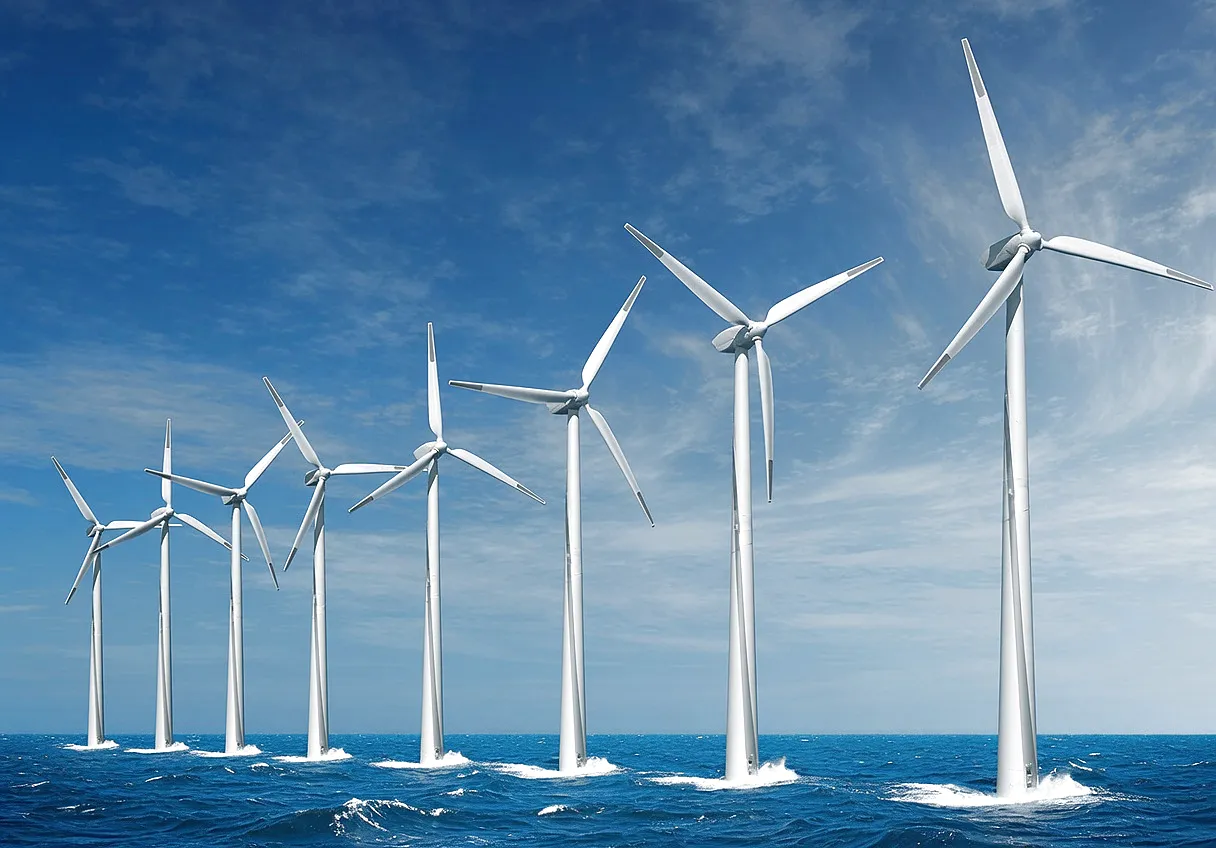
Wind turbine operators and OEM procurement teams across the UK repeatedly identify the same pain points when standard gear couplings fail: premature tooth wear, grease leakage contaminating the generator, and coupling failure that forces a crane vessel mobilisation costing £80,000–£250,000 per day offshore. Ever Power’s design philosophy for wind-grade gear couplings specifically addresses each of these failure modes through engineering decisions made at the material selection, profile design, and sealing stages — not as afterthoughts, but as primary design requirements.
The sealed oil-bath lubrication option available on NGCL and custom wind-grade variants eliminates the single most common maintenance-triggered failure: re-greasing intervals missed during scheduled turbine visits. By containing the lubricant within a sealed housing — with lip seals designed to maintain integrity at continuous speeds up to 1,800 RPM — the coupling can run reliably for the full period between major scheduled services (typically 24–36 months on UK offshore installations). This directly translates to fewer crane vessel mobilisations and a measurable improvement in availability factor.
Dynamic balancing to ISO 1940 G1.0 quality, available as an option on high-speed wind applications, eliminates the residual unbalance forces that would otherwise introduce bearing-damaging vibration at rated speed. For 1,500–1,800 RPM generator couplings, unbalance is not a theoretical concern — even modest unbalance forces at these speeds create bearing loads that significantly reduce L10 life. Specifying G1.0 balanced couplings on HSS positions is one of the most cost-effective generator bearing life improvements available to a turbine designer.
Offshore UK Availability Impact
+3.2%
Estimated availability gain per turbine when replacing standard couplings with sealed oil-bath wind-grade variants. Based on Ever Power project data, UK North Sea 2022–2024.
Gear Coupling vs. Alternative Coupling Types — Wind Turbine HSS Position
| Criterion | Gear Coupling | Disc Pack | Elastomeric | Rigid |
|---|---|---|---|---|
| Torque Capacity | ★★★★★ | ★★★★☆ | ★★★☆☆ | ★★★★★ |
| Misalignment Tolerance | ★★★★☆ | ★★★★☆ | ★★★★★ | ★☆☆☆☆ |
| Shock Load Handling | ★★★★☆ | ★★★☆☆ | ★★★★★ | ★☆☆☆☆ |
| Service Life (typical) | 40,000 h+ | 30,000 h+ | 5,000–15,000 h | 50,000 h+ |
| Maintenance Requirement | Low (sealed) | Very Low | Medium (inspect) | Very Low |
| Cost-effectiveness (£) | Excellent | Moderate | Good | Excellent |
Ever Power Manufacturing & Custom Engineering Capability
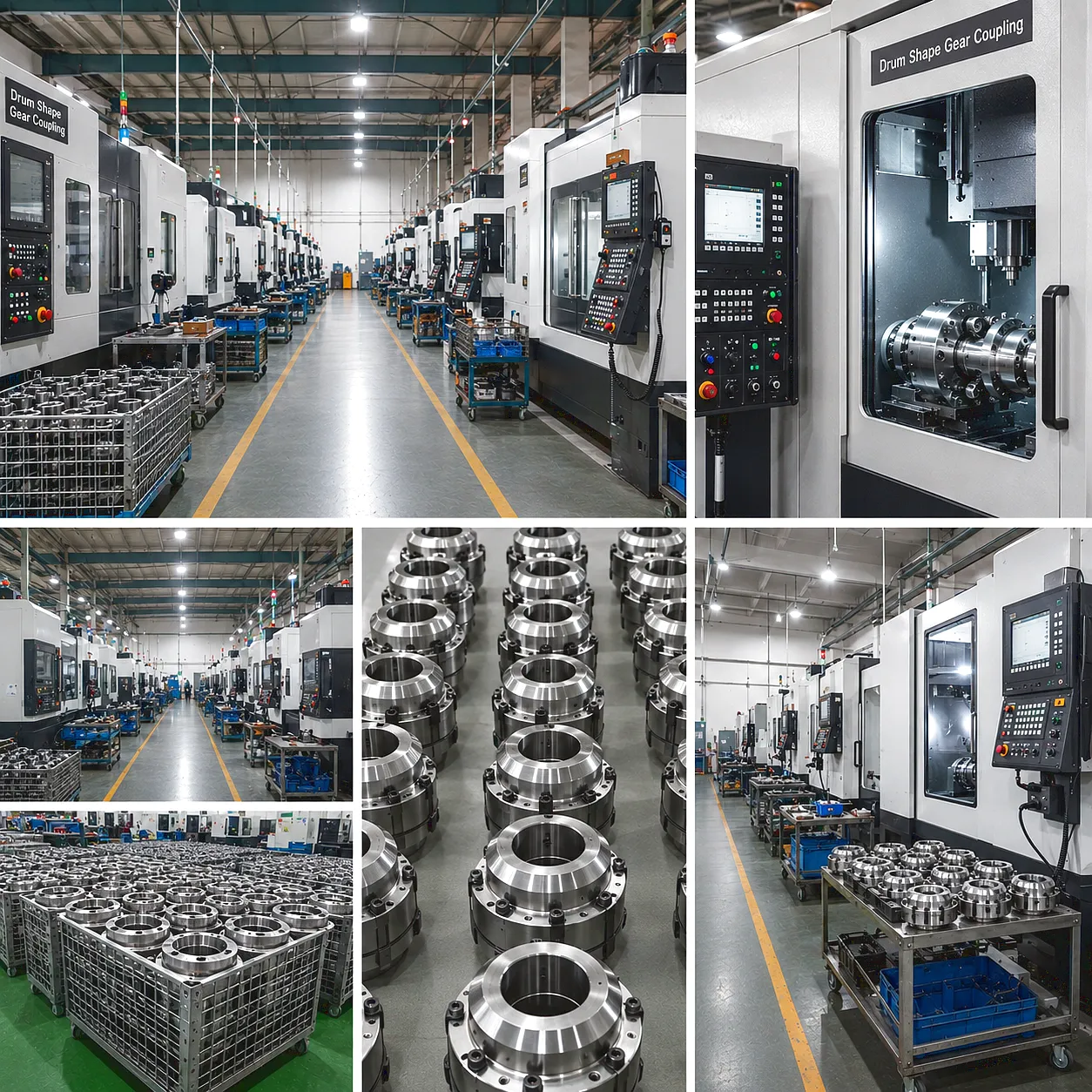
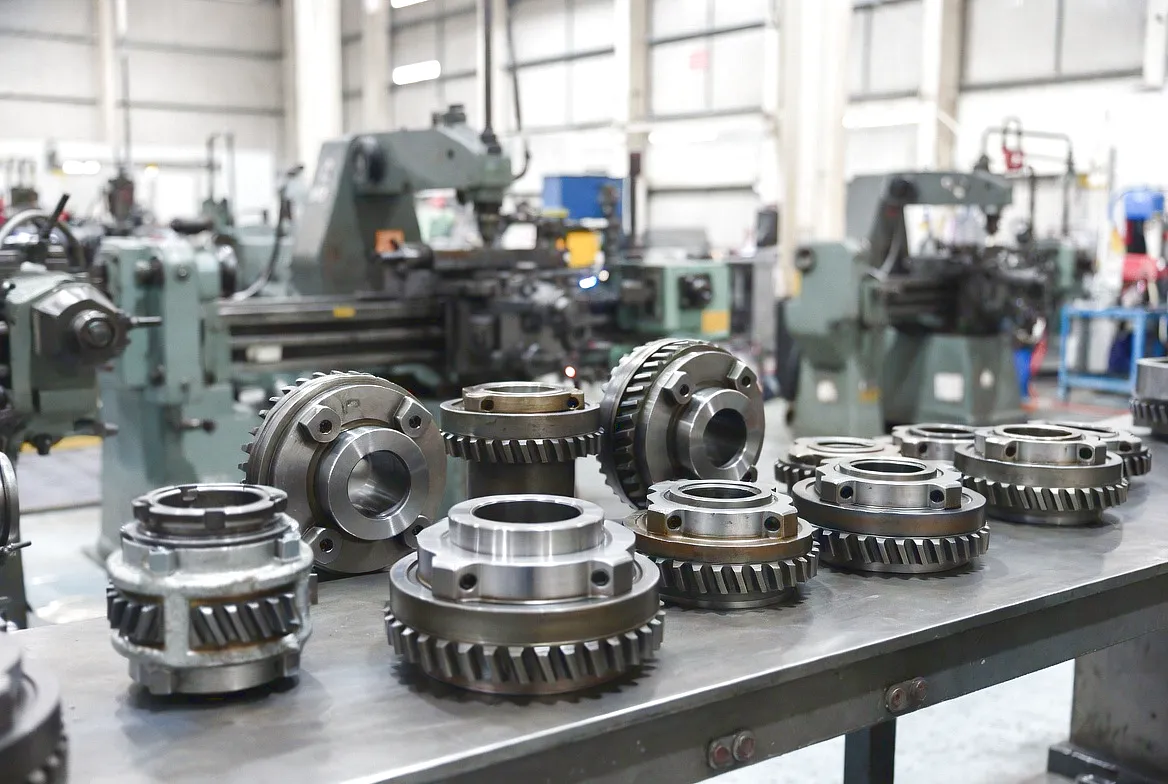
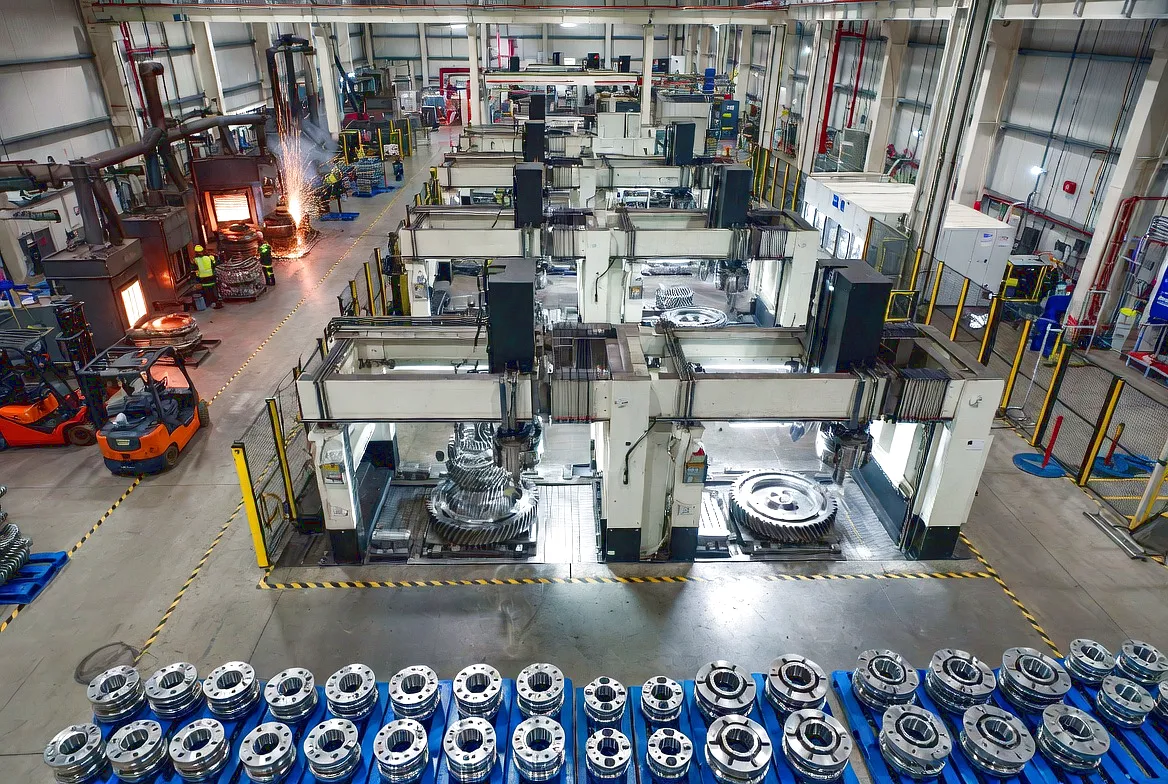
The wind energy market demands components that do not exist in standard catalogues. A 4.5 MW turbine specified with a gearbox from one supplier, a generator from another, and a nacelle bed plate from a third almost inevitably creates a shaft interface that requires a bespoke coupling. Ever Power’s in-house design and manufacturing capability — spanning 3D tooth profile simulation, FEA structural analysis, CNC tooth grinding to DIN 6, and dynamic balancing — means that truly custom gear couplings are designed and delivered on project timelines, not manufacturing convenience schedules.
Custom engineering services available to UK wind project clients include: non-standard bore diameters with keyway, shrink-fit, or spline interfaces; special flange bolt circles to match OEM gearbox drawings; custom outer sleeve configurations including brake disc mounting provisions; corrosion protection packages for offshore environments (zinc-nickel plating, thermal spraying, Geomet coating); and special grease or oil specifications for low-temperature North Sea operation. Every custom project is supported by full dimensional inspection documentation and material certificates traceable to the original mill heat, as required by UK wind industry quality standards.
For UK clients, Ever Power maintains English-language engineering documentation including ATEX compliance data sheets, CE declaration of conformity, and DNV/BV type approval documentation as applicable. Logistics are handled through established freight forwarders with UK customs experience, ensuring predictable lead times and no unexpected import complications for procurement teams working to tight project schedules.
CNC Gear Grinding
Tooth profiles ground to DIN 6 on Gleason and Klingelnberg machines
Dynamic Balancing
ISO 1940 G1.0 available for all HSS coupling assemblies
Full Material Traceability
Mill certs, heat treatment records, dimensional inspection reports provided as standard
Bespoke Bore & Interface
Keyway, spline, shrink-fit, interference-fit — matched to any gearbox or generator drawing
Offshore Corrosion Packages
Zinc-nickel, thermal spray, Geomet, and epoxy coating options for North Sea environments
Email [email protected] · Typically respond within 24 hours · UK customs clearance handled
Supplying Gear Couplings Across the UK Wind Sector
The United Kingdom’s wind energy infrastructure spans a remarkably diverse range of environments: offshore platforms in the North Sea and the Irish Sea where saltwater corrosion, temperature cycling, and limited crane access drive premium component specifications; Scottish Highlands onshore sites where wind resource is exceptional but logistics windows for crane access are short; and the established offshore wind clusters off the East Anglian coast at projects like Hornsea, Dogger Bank, and Triton Knoll, where volume procurement and standardisation are priorities.
Ever Power serves UK wind clients directly, working alongside OEM gearbox manufacturers, turbine system integrators, independent service operators (ISOs), and operations and maintenance (O&M) contractors. For O&M teams managing replacement couplings for existing wind farms, Ever Power’s ability to reverse-engineer and manufacture exact-replacement coupling assemblies — including obsolete designs from discontinued gearbox models — provides a cost-effective alternative to OEM spare part pricing, with typical lead times of 8–14 weeks for complex bespoke designs.
Documentation packages supporting UK and EU Machinery Directive compliance are standard. For clients requiring UKCA marking post-Brexit, this can be provided alongside or in place of CE marking on request. Ever Power’s quality management system is certified to ISO 9001:2015, and wind-grade couplings are produced under enhanced inspection plans appropriate to the critical application.
Key UK Wind Regions Served

Customer Success: Offshore Wind O&M, North Sea, UK
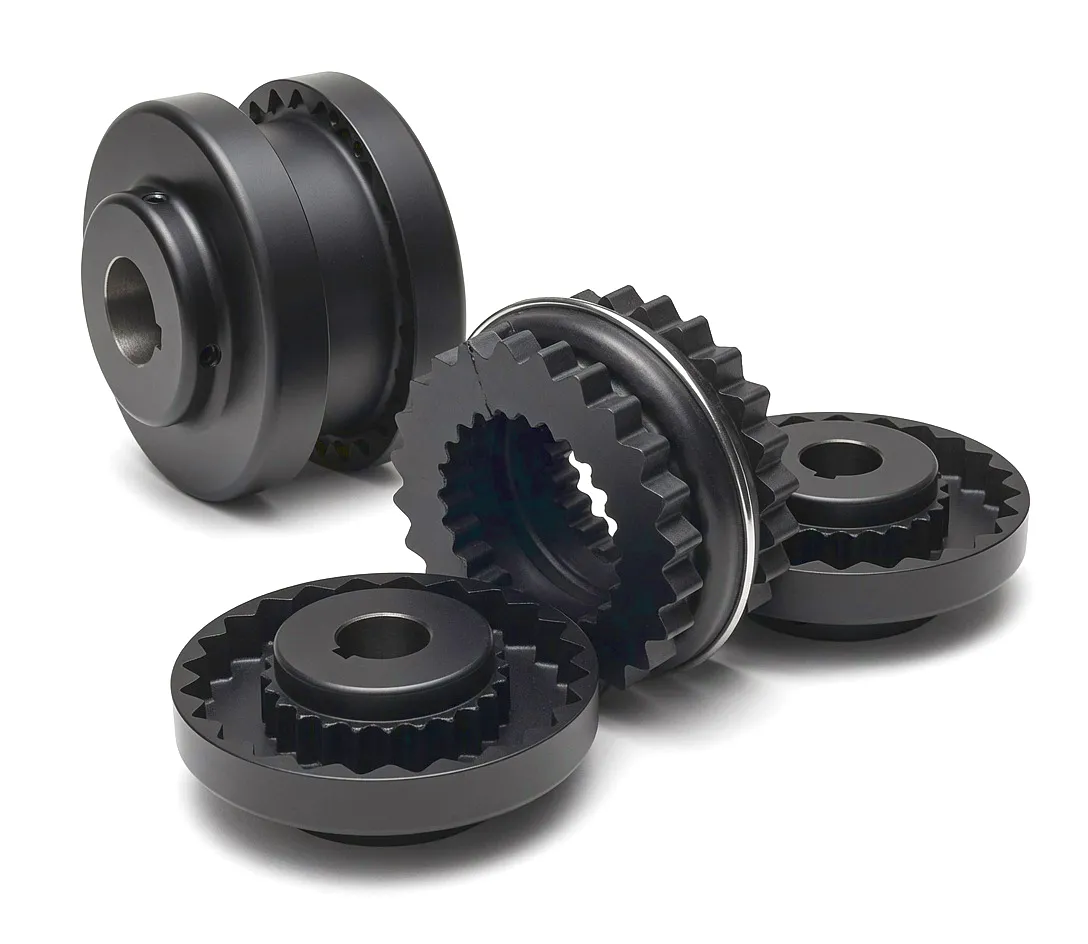 A mid-size O&M contractor based in Aberdeen was managing a fleet of 62 × 2.3 MW turbines across two North Sea offshore sites, both experiencing accelerated generator bearing wear that was ultimately traced to vibration originating from worn, under-lubricated OEM gear couplings on the high-speed shaft. The original coupling supplier had discontinued the specific model, and OEM sourcing quotes from alternative authorised suppliers came in at nearly four times the original price with 22-week lead times — unacceptable given the crane vessel costs accumulating with each turbine offline.
What UK & European Wind Sector Clients Say
We had been paying OEM prices for HSS couplings on our North Sea fleet for years. Ever Power matched the specification exactly, delivered faster, and the sealed design has genuinely changed our maintenance planning — we are no longer worrying about grease intervals at 80 metres height. The engineering support was thorough and responsive throughout.
— Technical Director
Offshore Wind O&M Contractor · Aberdeen, Scotland, UK
As gearbox integrators for several Danish turbine platforms now operating in UK waters, we needed a coupling manufacturer who could work from our drawings and meet our quality requirements without constant back-and-forth. Ever Power’s engineering team understood the technical brief immediately and their DIN 6 tooth quality on the finished assemblies was verified by our own metrology lab. We use them now as our preferred supplier for this coupling size range.
— Lead Mechanical Engineer
Wind Gearbox Integrator · Esbjerg, Denmark (UK project supply)
Our onshore Scottish site had two turbines sitting idle because the gearbox OEM had a 16-week backlog on replacement couplings. Ever Power produced a matched replacement in 9 weeks, complete with UK customs documentation and a full dimensional report we could submit to our asset owner. The price was fair and the documentation was everything we needed. I have already recommended them to two other site managers in our company.
— Asset Performance Manager
Onshore Wind Developer · Inverness, Scotland, UK
Selecting the Right Gear Coupling for Your Wind Turbine Project
The selection process for a wind turbine gear coupling is more involved than for general industrial applications, primarily because of the dynamic nature of wind loads and the consequences of in-service failure at height or offshore. A proper coupling selection begins with the full torque spectrum — not just rated torque, but the expected peak torque from grid fault events (typically 2–3x rated), the fatigue load spectrum from IEC 61400-1 load calculations, and the misalignment envelope derived from the nacelle bed plate deflection analysis under extreme wind loading.
For the high-speed shaft position connecting gearbox output to generator, the torque rating of the gear coupling should typically be selected at 1.5–2.0x the nominal generator torque, with the coupling catalogue peak torque rating exceeding the calculated grid fault torque. The angular misalignment capacity should be compared against the nacelle structural analysis worst-case misalignment value — for large offshore turbines, this can reach 0.8–1.2° under extreme conditions, consuming a significant portion of a 1.5° rated coupling’s tolerance budget. Specifying a coupling with 15–20% angular misalignment headroom above the worst-case structural analysis value provides a robust margin.
Speed-related considerations include critical speed avoidance — the coupling assembly, including both hubs, sleeve, and any intermediate shaft, must have torsional and lateral critical speeds well above the maximum operating speed. For assemblies running at 1,500–1,800 RPM, ever Power’s design process includes a torsional vibration analysis to confirm critical speed margins of at least 25% above maximum operating speed, as recommended by Germanischer Lloyd wind turbine guidelines.
Wind Turbine Gear Coupling Selection Checklist
| # | Parameter Required | Source | Notes |
|---|---|---|---|
| 1 | Nominal & Peak Torque (N·m) | Gearbox datasheet / load calc | Include grid fault peak |
| 2 | Operating Speed (RPM) | Gearbox output / generator input spec | Confirm max and min |
| 3 | Shaft Diameters & Interface | Gearbox & generator shaft drawings | Keyway, spline, or shrink fit |
| 4 | Angular Misalignment (°) | Structural analysis report | Add 15–20% safety margin |
| 5 | Axial Float Required (mm) | Thermal analysis / generator rotor | Account for both hot and cold states |
| 6 | Operating Temperature Range | Site environmental spec | Offshore UK: -25°C to +70°C typical |
| 7 | Corrosion Environment | Site classification (onshore/offshore) | ISO C5-M for North Sea offshore |
| 8 | Balancing Grade Required | Vibration spec / OEM requirement | G1.0 recommended for HSS >1,200 RPM |
| 9 | Lubrication Method | Access / maintenance plan | Sealed oil bath preferred for offshore |
| 10 | Certification Requirements | Asset owner / lender spec | UKCA, CE, DNV, BV as applicable |
Frequently Asked Questions
Answers to the questions UK wind energy engineers and procurement teams most commonly ask about gear couplings.