
Gear Coupling for Wind Turbine Generator Systems: Engineering Reliable Power Transmission in the UK’s Growing Renewable Sector
A detailed technical and commercial guide for engineers, plant managers, and procurement teams sourcing high-performance gear couplings for wind turbine drivetrain applications across Britain and beyond.
Wind energy has become one of the most strategically significant sectors in the United Kingdom’s energy landscape. From the sprawling offshore farms of the North Sea to the onshore installations across Scotland and Wales, the nation’s commitment to net-zero by 2050 has driven rapid deployment of multi-megawatt wind turbine generator (WTG) systems. Behind every turbine that converts wind into clean electricity lies a carefully engineered drivetrain — and at the heart of that drivetrain, handling the brutal, variable torque loads of real-world operation, is the gear coupling.
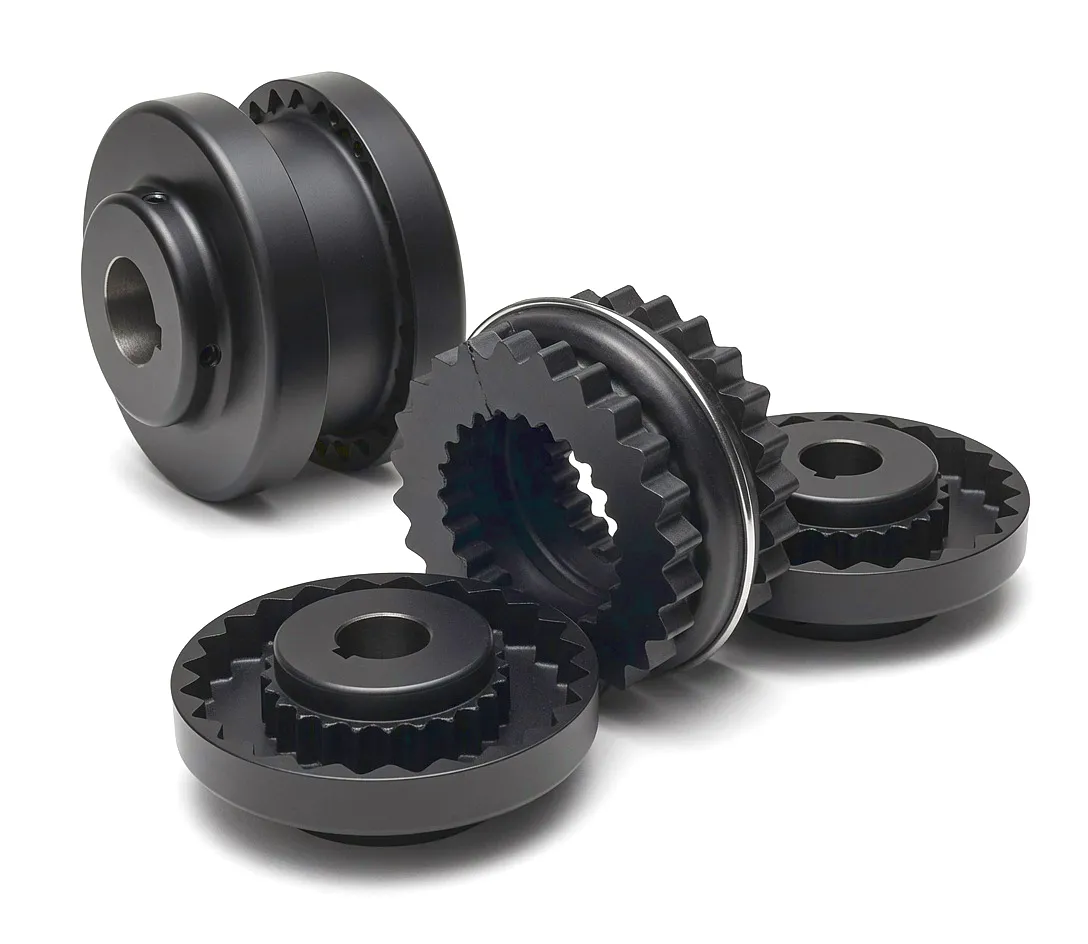
A gear coupling is a mechanical device designed to transmit torque between two shafts while accommodating angular, parallel, and axial misalignment. In wind turbine applications, where rotor shafts, gearboxes, and generators must work in concert under constantly shifting loads, the choice of gear coupling directly affects drivetrain longevity, maintenance frequency, and overall energy yield. This guide explores why gear couplings are indispensable in gearbox-equipped WTGs, what engineering parameters matter most, and how Ever Power’s drum-tooth gear coupling range meets the exacting demands of the renewable energy industry.
Whether you are a procurement engineer at a UK wind farm operator, a drivetrain designer at an OEM, or a maintenance contractor managing a fleet of turbines, this article provides the technical depth and commercial clarity you need to specify the right gear coupling for your application.
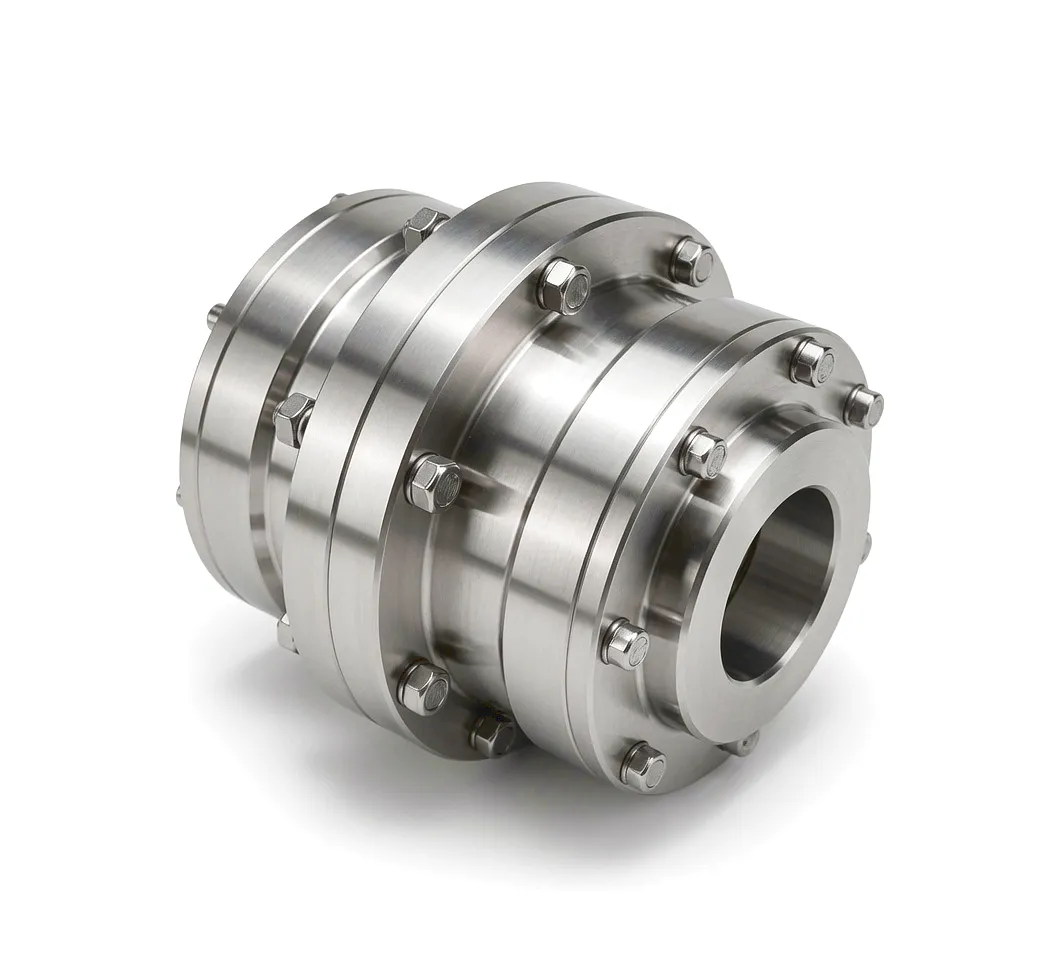
Custom Gear Couplings for Wind Energy Drivetrains
Engineered to handle the high-torque, variable-load demands of modern wind turbine gearbox connections — with full customisation available for UK and international OEM projects.
How Wind Turbine Drivetrains Actually Work — And Where Gear Couplings Fit In
A modern gearbox-equipped wind turbine — often referred to as a doubly-fed induction generator (DFIG) or semi-direct-drive configuration — converts wind energy through a sequence of precisely engineered mechanical stages. The wind rotor, comprising two or three blades and a hub, captures kinetic energy from the wind and translates it into rotational motion at the main shaft. Depending on site conditions and turbine rating, this main shaft typically rotates at between 5 and 20 revolutions per minute (rpm), carrying enormous torque loads that can exceed one million Newton-metres in machines rated above 3 MW.
The gearbox — sometimes called the step-up gearbox or speed increaser — takes this slow, high-torque rotation and converts it to the high-speed, lower-torque output required by the generator: typically 1,000 to 1,800 rpm for grid-connected induction machines. This step-up ratio commonly falls between 1:50 and 1:100 for large turbines. The interface between the gearbox output shaft and the generator input shaft is precisely where the gear coupling performs its most critical function.

Why not a rigid flange coupling?
Rigid couplings cannot accommodate shaft misalignment. In a nacelle subject to wind-induced deflection, thermal expansion, and structural flex, even fractions of a millimetre of misalignment translate into catastrophic bearing loads. The gear coupling’s inherent flexibility absorbs this without transmitting destructive side-loads.
Why not a rubber jaw coupling?
Elastomeric couplings lack the torque capacity and fatigue life required at the gearbox-generator interface of a multi-megawatt machine. They also degrade under the oil-splash conditions common in sealed nacelle environments.
The gear coupling bridges the gearbox output and generator input shafts, transmitting rated torque while absorbing the inevitable misalignments — angular, parallel, and axial — that arise from manufacturing tolerances, thermal cycling, dynamic loading, and the long-term settlement of nacelle structures. In offshore turbines, where access for maintenance is restricted by weather windows and vessel availability, a gear coupling that can deliver ten to twenty years of reliable service without replacement is not a luxury — it is an engineering necessity.
Drum-Tooth Gear Coupling: Operating Principle and Material Science
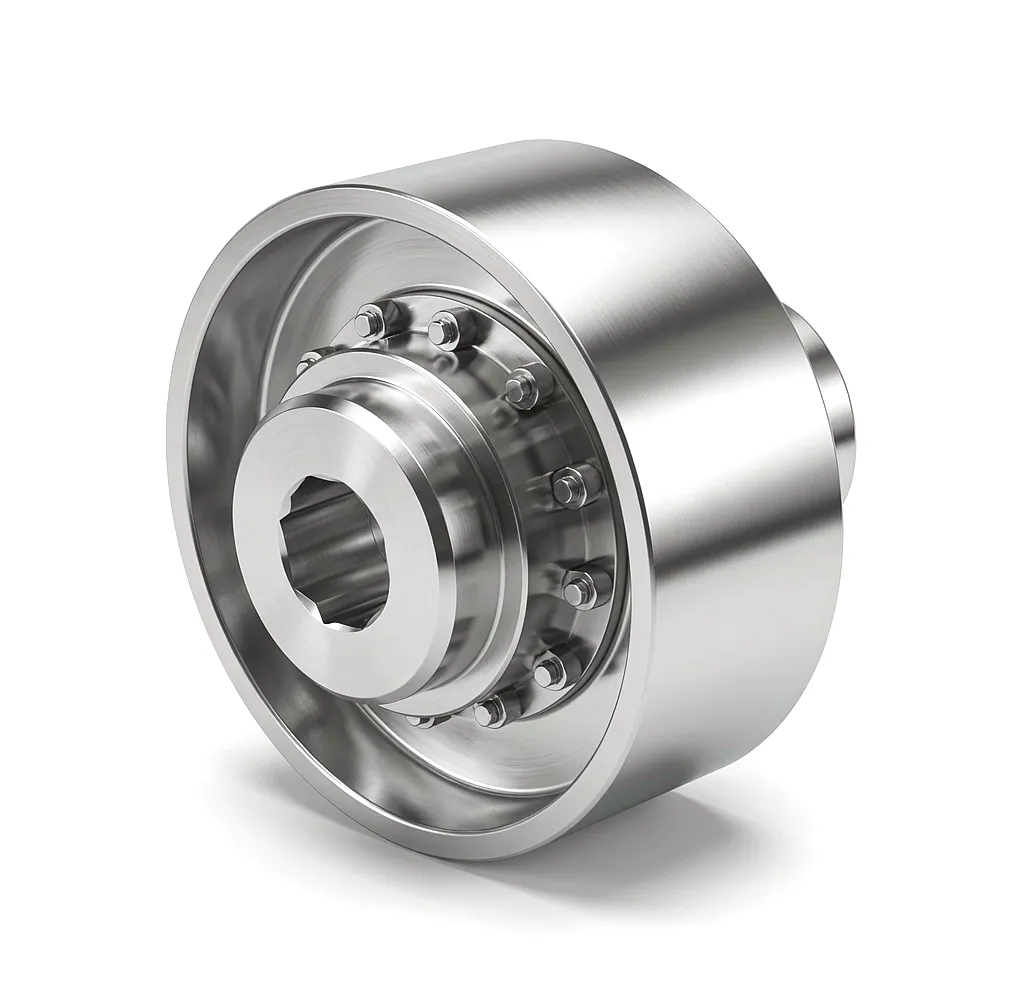
The drum-tooth (barrel-tooth) gear coupling represents the pinnacle of gear coupling engineering for high-load, misalignment-prone applications. Unlike conventional spur-tooth designs where the tooth profile is straight and cylindrical, the drum-tooth design uses a convex, barrel-shaped tooth profile on the inner sleeve. This geometry fundamentally changes how contact stress is distributed under misalignment conditions.
In a straight-tooth coupling under angular misalignment, contact concentrates at tooth edges, creating extreme Hertzian contact stresses that accelerate wear and fatigue failure. The drum-tooth profile shifts this contact toward the crown of the tooth, distributing load across a greater area and dramatically reducing peak contact stress — typically by 30 to 50% compared with equivalent straight-tooth designs. This is why drum-tooth gear couplings can accommodate angular misalignment of up to 1.5° per gear mesh without premature wear, a figure that matters greatly in wind turbine nacelles where structural deflections are measured over the full 20-year design life of the machine.
Materials and Surface Treatment
Alloy Steel Hubs
42CrMo4 or 40Cr alloy steel, quenched and tempered to 28–32 HRC. High yield strength with excellent fatigue resistance under cyclic torque reversals characteristic of wind turbine operation.
Outer Sleeve (Outer Ring)
Cast iron GG25/GGG50 or ductile iron for standard ratings; structural steel for heavy-duty wind energy versions. Precision-machined internal teeth mesh with hub teeth through oil-lubricated contact.
Tooth Surface Treatment
Carburising and case hardening to 58–62 HRC tooth surface, followed by precision profile grinding. This dual-hardness approach — hard surface over tough core — is essential for fatigue life exceeding 10^7 load cycles.
Sealing System
Nitrile (NBR) or fluoroelastomer (FKM) O-ring seals retain lubricating grease within the coupling, preventing contamination ingress. FKM seals are specified for extreme temperature ranges (-40°C to +150°C) in offshore environments.
The combination of these material choices and manufacturing processes produces a gear coupling capable of operating continuously at rated torque for periods measured in decades. Ever Power’s manufacturing facility employs CNC hobbing, profile grinding, and coordinate measuring machine (CMM) inspection at every production stage, ensuring that the finished coupling meets the dimensional tolerances — typically tooth profile error within 3 to 5 micrometres — demanded by wind energy OEM specifications.
Technical Performance Parameters
The table below summarises key technical parameters for Ever Power’s GICL / NGCL drum-tooth gear coupling series as typically applied in wind turbine and heavy industrial drivetrain applications. Custom ratings are available on request.
| Parameter | Standard Range | Wind Energy Grade | Unit / Note |
|---|---|---|---|
| Rated Torque (Tn) | 500 – 1,000,000 | 100,000 – 1,250,000 | N·m |
| Peak Torque (Tp) | 2.0 × Tn | 2.5 × Tn (short-duration) | Emergency stop, grid fault |
| Maximum Speed (nmax) | Up to 6,000 | 1,000 – 2,500 | rpm (generator-side) |
| Angular Misalignment | Up to 1.5° | 0.5° – 1.0° (continuous) | Per gear mesh |
| Axial Displacement | ±3 – ±15 | ±5 – ±20 | mm |
| Tooth Material | 42CrMo4 / 40Cr | 42CrMo4, carburised & ground | HRC 58–62 surface |
| Service Factor | 1.25 – 2.00 | 1.75 – 2.50 | Per ISO 14691 |
| Operating Temperature | -20°C to +100°C | -40°C to +120°C | Offshore FKM seals |
| Design Life Target | 100,000 hours | 175,000+ hours | Offshore: 20+ year target |
| Lubrication Method | Grease (packed) or oil bath | High-temp EP grease (NLGI 2/3) | Re-greasing interval: 2–5 yr |
Specific Application Scenarios in Wind Energy



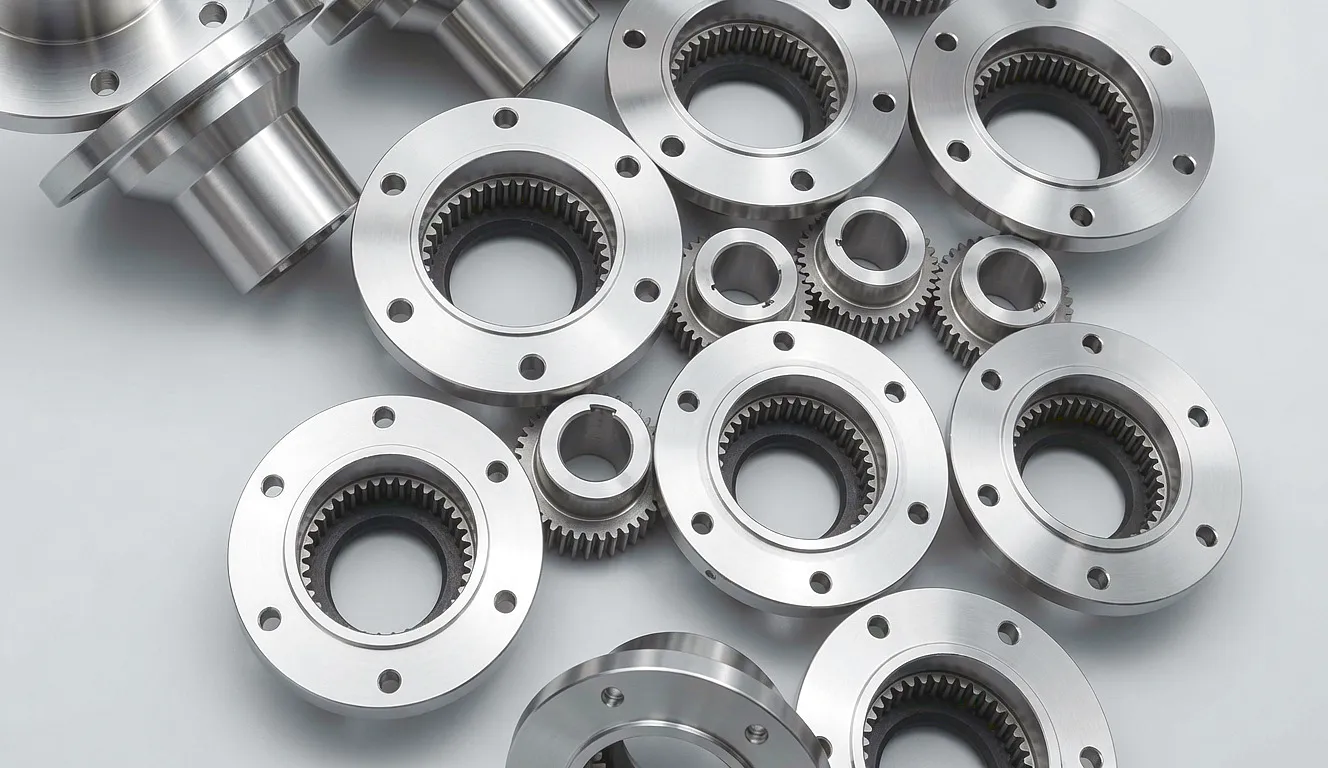
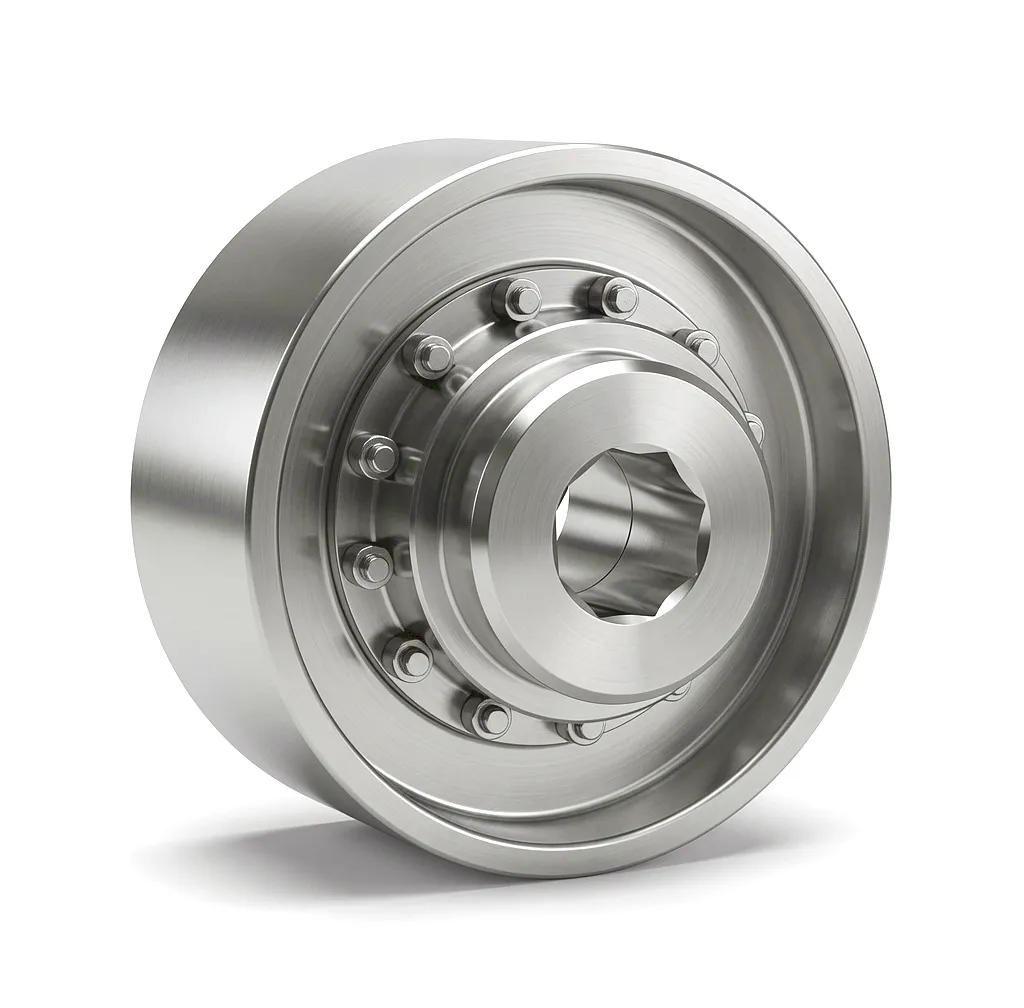
Why Gear Couplings Outperform Alternatives in Wind Energy
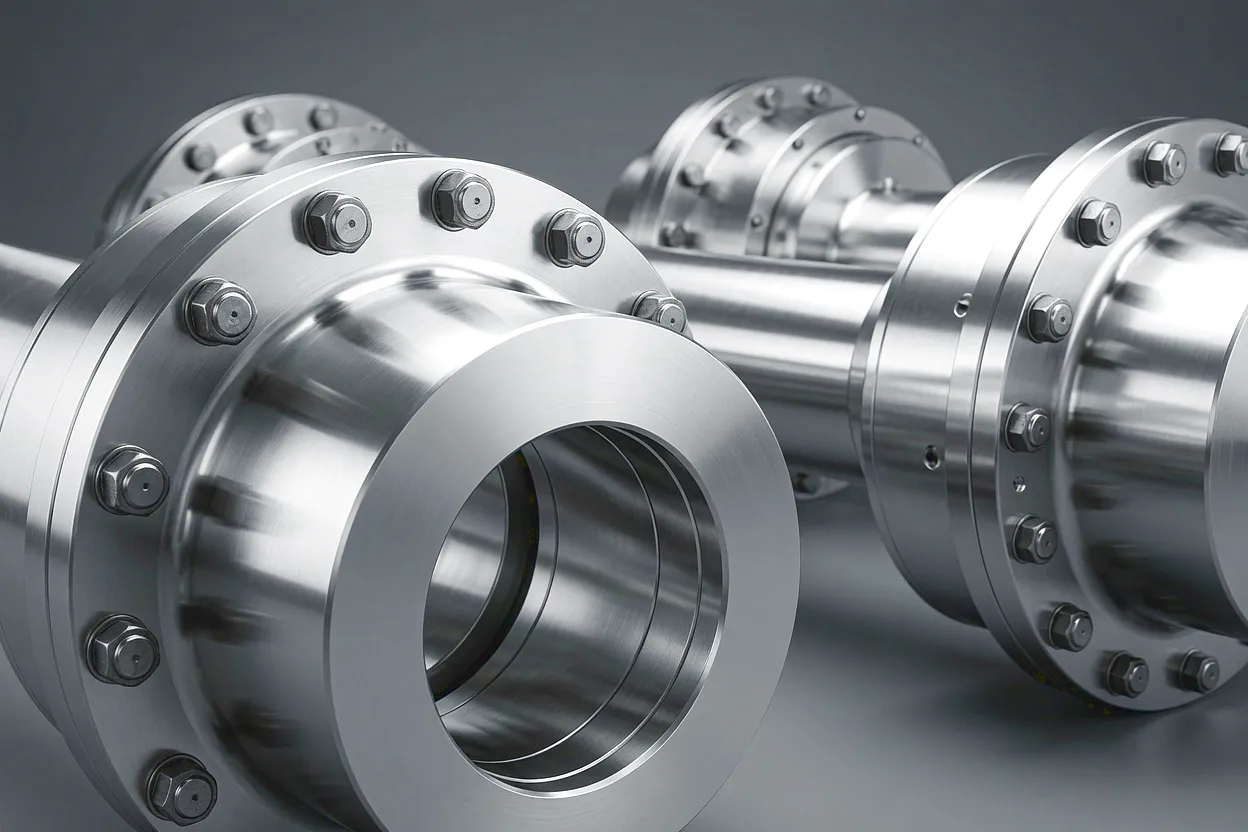
Comparing coupling technologies for wind turbine drivetrain applications reveals distinct advantages that have made the gear coupling the default choice for gearbox-generator connections in turbines ranging from 750 kW community-scale machines to the latest 12+ MW offshore giants operating in the waters of the North Sea and the Irish Sea. Several factors drive this preference, each tied to a specific engineering requirement that alternative coupling types cannot meet simultaneously.
Torque Density
Gear couplings achieve higher torque-to-size ratios than any flexible coupling alternative. A drum-tooth gear coupling rated at 500,000 N·m typically has an outer diameter below 600 mm and a total length under 500 mm — significantly more compact than a comparable elastomeric disc coupling, which matters enormously in the constrained space of a wind turbine nacelle.
Torsional Rigidity Under Load
Unlike elastomeric couplings, which exhibit significant torsional compliance under load, gear couplings behave as essentially rigid torque transmitters. This torsional stiffness is critical for the pitch angle control algorithms in modern variable-speed turbines, where the drivetrain’s dynamic response directly affects power quality and blade pitch actuation accuracy at grid fault moments.
Temperature Tolerance
All-metal construction means that gear coupling performance does not degrade at the sub-zero temperatures encountered in offshore UK winter conditions, nor at the elevated temperatures inside a sealed nacelle during summer operation. Elastomeric couplings lose significant stiffness and torque capacity at low temperatures, a particularly serious concern for Scottish offshore sites where nacelle interior temperatures can drop below -20°C during extended calm periods with no internal heat generation.
Serviceability & Repairability
Should a coupling eventually require maintenance, the modular design of the GICL/NGCL series allows sleeve replacement without removing either the gearbox or the generator from the nacelle — a critical advantage in offshore environments where the cost of a crane vessel can exceed £50,000 per day. Individual components are designed and catalogued for interchangeability, so replacement sleeves can be stocked at the operations and maintenance base for rapid deployment.
Ever Power’s Manufacturing & Custom Engineering Capability
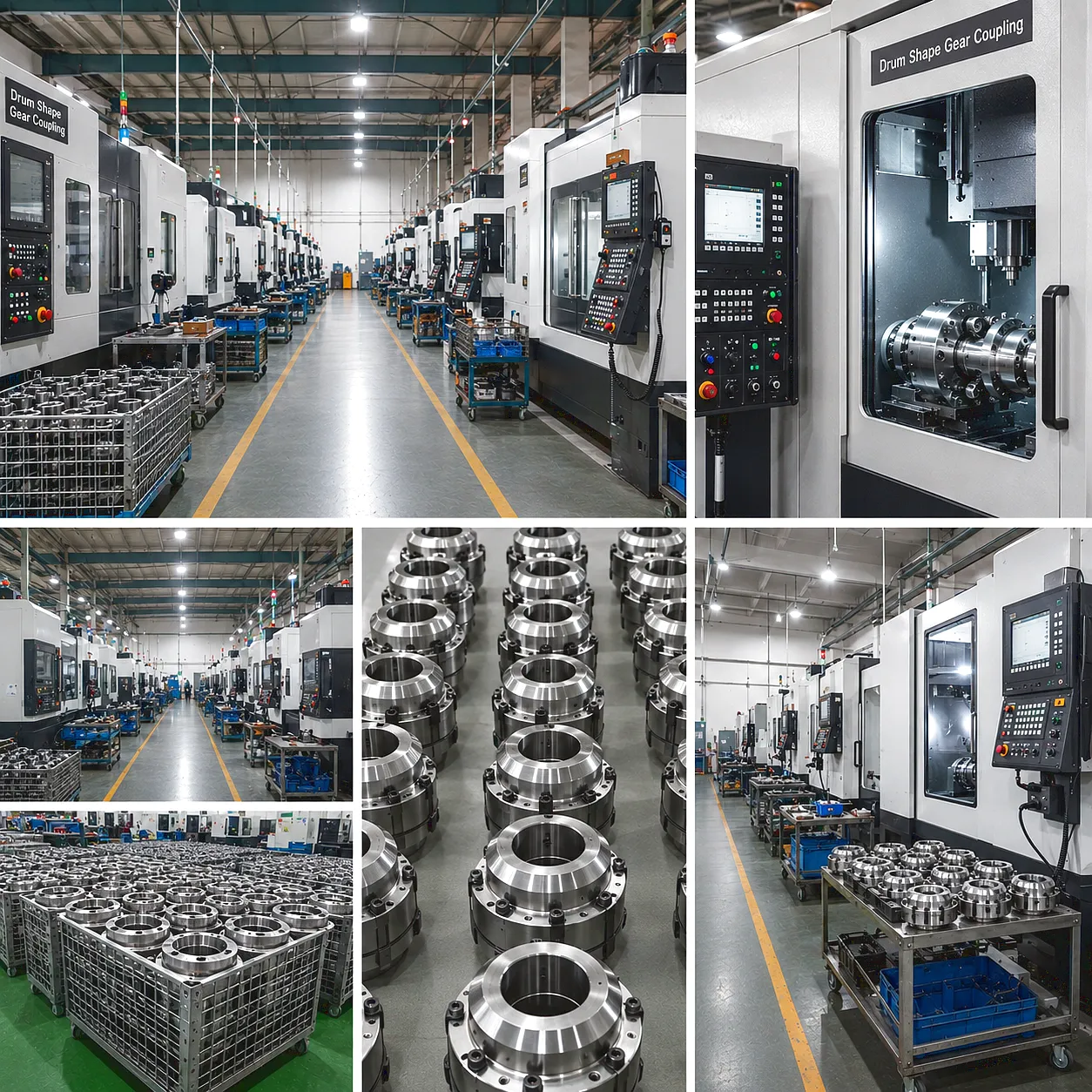
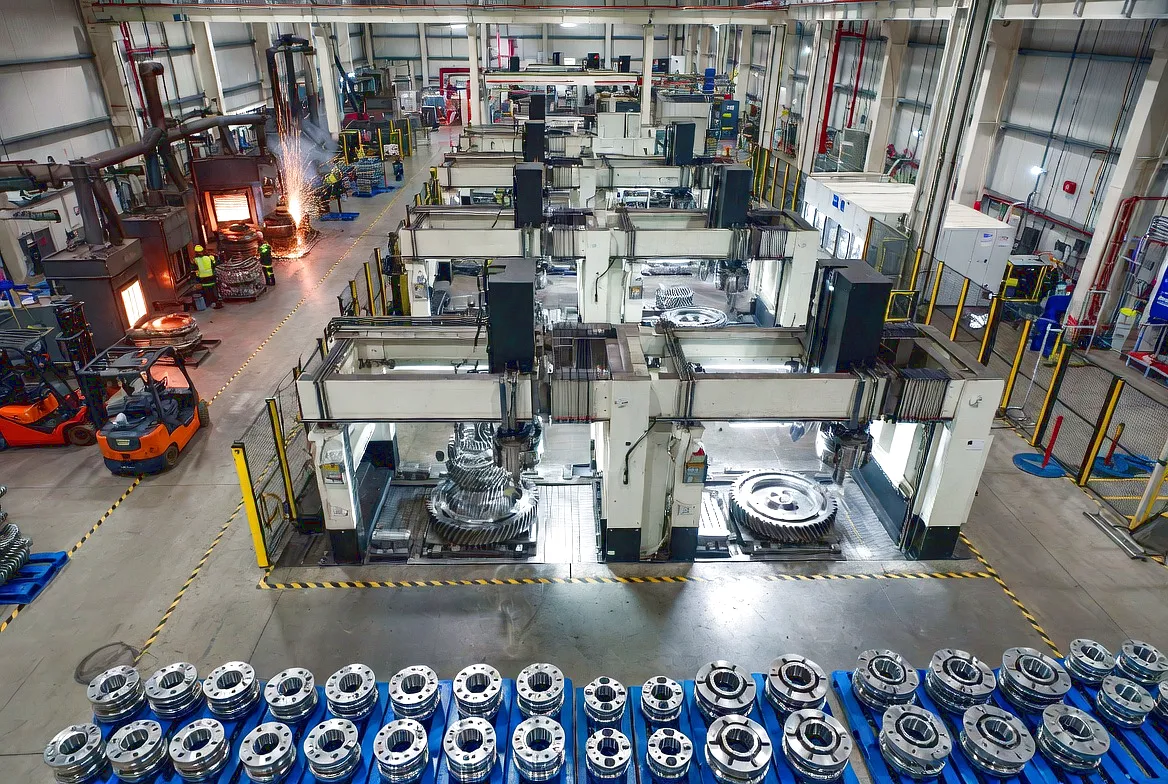
Ever Power operates a dedicated gear coupling manufacturing facility equipped with state-of-the-art CNC gear hobbing machines, gear grinding centres, coordinate measuring machines (CMMs), and dynamic balancing rigs. The production floor spans over 15,000 m², accommodating the manufacture of couplings from the smallest auxiliary-drive sizes up to the largest offshore wind turbine ratings exceeding 1,000,000 N·m nominal torque.
What truly differentiates Ever Power in the UK market is the depth of its product customisation service. Wind turbine OEMs and operators frequently encounter non-standard interface requirements — unconventional shaft diameters, special keyway arrangements, non-metric flange bolt patterns demanded by legacy gearbox designs, or unusual axial float requirements for specific nacelle configurations. The engineering team at Ever Power has extensive experience in reverse-engineering existing couplings, designing bespoke solutions from dimensional drawings or CMM scan data, and manufacturing certified replacement couplings that meet or exceed the original specification.
All products can be supplied with material traceability certificates, dimensional inspection reports, dynamic balance certificates (ISO 1940 Grade G6.3 or better), and — on request — full finite element analysis (FEA) fatigue reports to support certification submissions to Lloyd’s Register, DNV GL, or Bureau Veritas.
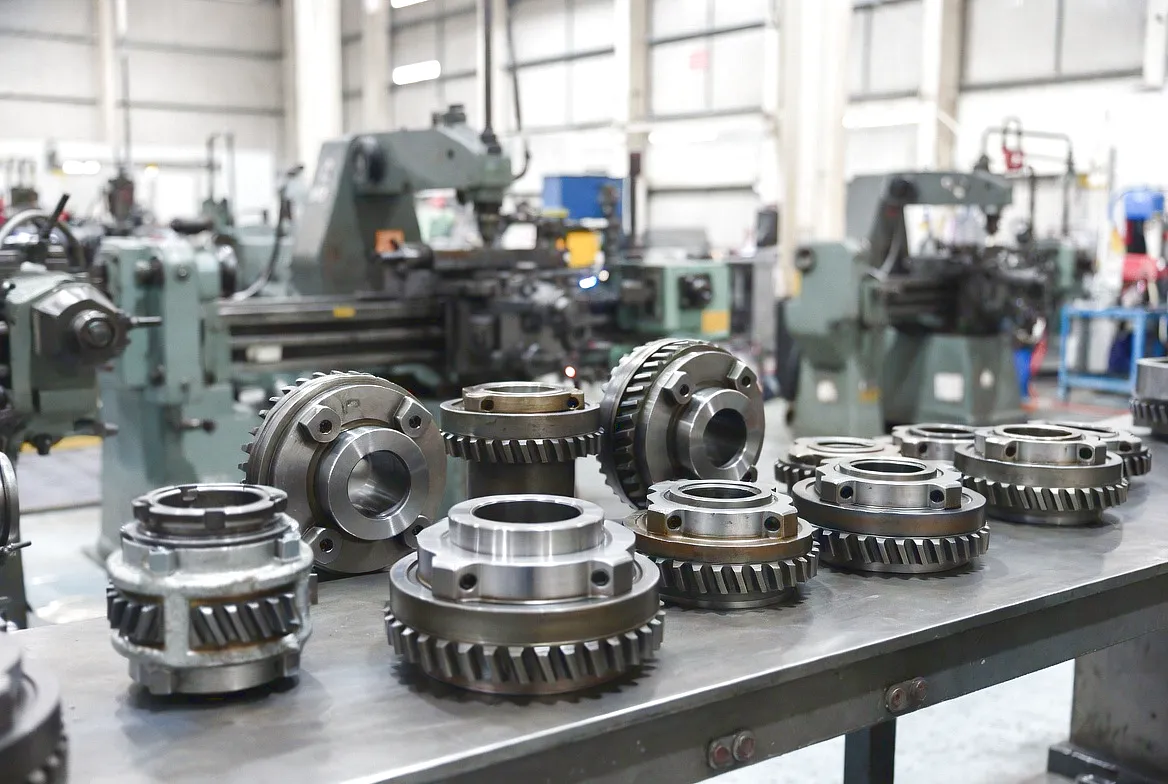
NL Nylon Sleeve Gear Coupling for Auxiliary Drives
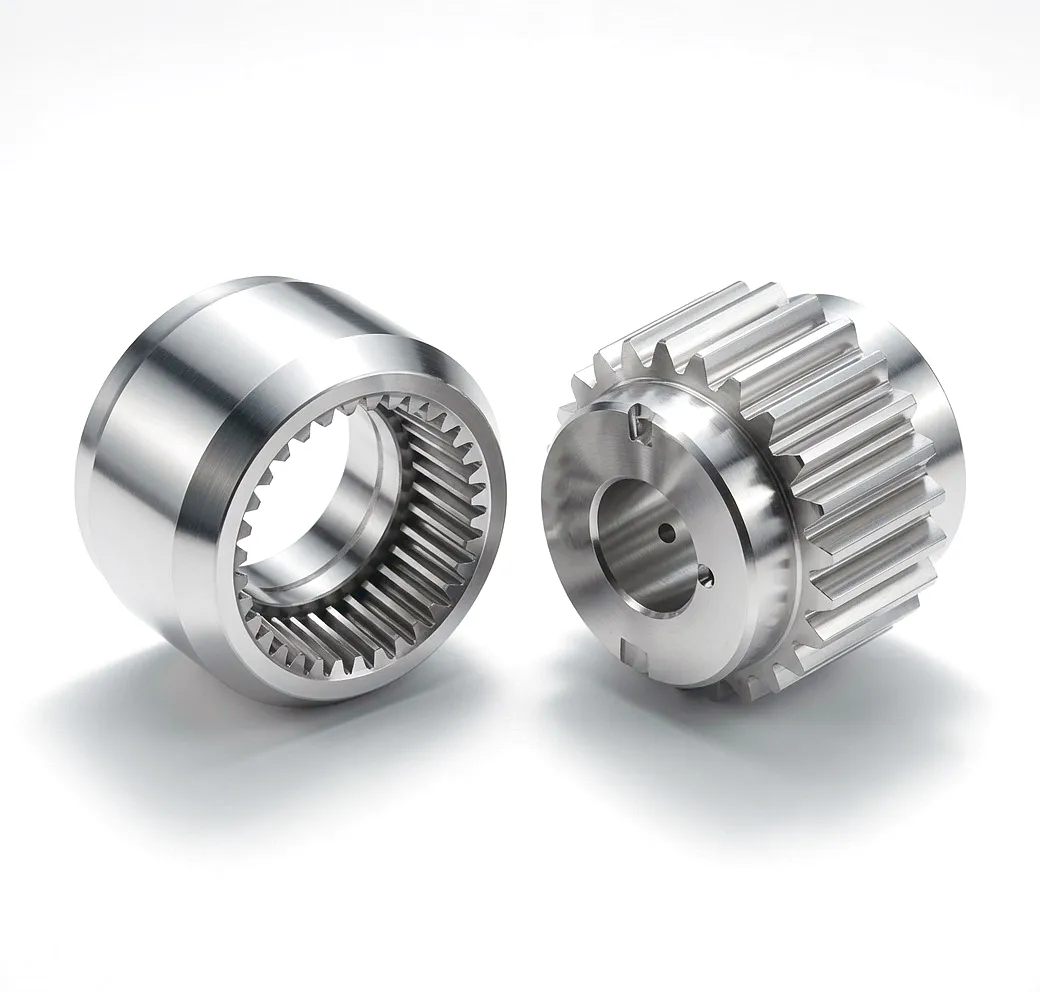
For lower-torque auxiliary applications within the wind turbine nacelle — such as yaw drive motor connections, hydraulic pump drives, and cooling fan assemblies — the NL Type nylon sleeve gear coupling offers a lighter, more economical alternative to all-metal designs. The nylon sleeve introduces a degree of electrical insulation between shafts, which is beneficial in applications where stray electrical currents could cause bearing damage in motor windings. The nylon element also provides limited vibration damping, reducing noise and vibration transmission in auxiliary circuits mounted close to nacelle sensors and control equipment.
NL couplings are available in bore sizes from 12 mm to 80 mm with rated torques from 16 N·m to 2,000 N·m, making them suitable for the motor ratings typically used in yaw and pitch auxiliary systems ranging from 2.2 kW to 75 kW. Ever Power can supply these with custom bore and keyway specifications to match any motor shaft standard.
Customer Success: Real-World Performance in Demanding Conditions
Gearbox-Generator Coupling Retrofit on a 30-Turbine Offshore Array, East Yorkshire Coast
An independent offshore wind farm operator managing a fleet of 2.3 MW DFIG turbines off the East Yorkshire coast had been experiencing recurring gearbox output bearing failures across multiple machines in the array. An independent drivetrain inspection identified the root cause as fatigue damage originating at the gearbox output bearing, traced to excessive radial loading caused by a first-generation elastomeric coupling that had stiffened significantly in cold weather — creating dynamic misalignment forces that the original design had not anticipated over a 15-year operating history.
The operator contracted Ever Power to supply 30 replacement NGCL series drum-tooth gear couplings, custom-engineered to match the existing shaft interface dimensions and torque rating of 185,000 N·m. Detailed FEA analysis and dynamic simulations were completed by Ever Power’s engineering team within three weeks, with a full certification package including DNV GL material certificates. A batch of 30 units was manufactured and inspected over an 8-week production run, dynamically balanced to ISO 1940 G2.5, and shipped with full dimensional and balance certification to the operator’s O&M base in Hull.
Following the retrofit campaign — completed over two summer weather windows — the operator reported zero recurrence of gearbox output bearing failures across the entire retrofitted fleet over the 18-month post-installation monitoring period. Estimated annual maintenance saving from eliminated bearing replacements: approximately £420,000 across the fleet. The operator has since placed standing orders for Ever Power couplings as standard replacement stock for the full array.
“We had tried three different coupling suppliers for our North Sea array and none could match the combination of torque capacity and cold-weather performance we needed. Ever Power’s NGCL couplings have been running for two full years now without a single issue — and the documentation package they provided satisfied our certification body on the first submission.”
“As a drivetrain OEM supplying gearboxes to the European wind market, we require coupling partners who can handle rapid custom engineering turnarounds. Ever Power consistently delivers fully certified, dimensionally accurate gear couplings within agreed lead times. Their willingness to work through non-standard bore and flange configurations is genuinely outstanding.”
“Our Scottish onshore wind portfolio includes turbines from multiple manufacturers, each with slightly different interface standards. Ever Power handled every variant with custom engineering — bore sizes, spline profiles, flanges — and the quality of their inspection documentation gave us total confidence during our annual maintenance audit. Pricing is very competitive against European alternatives.”
Sourcing Gear Couplings for UK Wind Energy Projects
The United Kingdom is home to the world’s largest installed base of offshore wind capacity, with major developments across the North Sea, the Irish Sea, and the Firth of Forth. The Crown Estate’s Round 4 leasing programme and the Government’s target of 50 GW of offshore wind by 2030 mean that demand for high-quality drivetrain components — including gear couplings — from the UK wind sector will continue to grow substantially through the rest of this decade. UK procurement teams working on both new-build projects and the growing repowering and life-extension market need reliable access to technically compliant gear couplings at competitive prices and with short lead times.
Ever Power has established a dedicated supply channel for UK and European wind energy customers, with the capability to hold safety stock of frequently ordered coupling sizes at strategic logistics points. For high-value custom orders, the standard engineering and manufacturing lead time is 6 to 10 weeks from confirmed order and approved drawings — a figure that can be reduced to 3 to 4 weeks for emergency replacement orders when required. All exports to the UK are accompanied by the full suite of documentation required under the UK Conformity Assessed (UKCA) framework and, where specified, the equivalent CE marking for parallel supply to EU offshore sites.
Beyond the offshore sector, onshore wind operations across England, Scotland, and Wales — many now entering their second decade of operation and facing the engineering challenges of life extension programmes — represent a significant and growing market for replacement and upgraded gear couplings. Ever Power’s capability to reverse-engineer and replace obsolete coupling designs makes the company a natural partner for wind farm operators and service companies working on the UK’s ageing onshore fleet.
Coupling Selection Guide: Wind Turbine Application Reference
The following reference table maps turbine size class to typical drivetrain coupling requirements. These values are indicative and should be confirmed with the turbine OEM specification sheet and drivetrain layout drawings before ordering.
| Turbine Class | Rated Power | Coupling Position | Indicative Torque Range | Recommended Type |
|---|---|---|---|---|
| Community / Small Onshore | 500 kW – 1.0 MW | Gearbox–Generator | 15,000 – 60,000 N·m | GICL medium drum-tooth |
| Standard Onshore | 1.5 MW – 3.5 MW | Gearbox–Generator | 60,000 – 250,000 N·m | NGCL heavy drum-tooth |
| Nearshore / Coastal Offshore | 3.0 MW – 6.0 MW | Gearbox–DFIG | 200,000 – 550,000 N·m | NGCL extra-heavy, FKM seal |
| Large Offshore (North Sea) | 6.0 MW – 12 MW | Gearbox–Generator | 450,000 – 1,000,000 N·m | Custom NGCL, DNV GL cert |
| Yaw & Pitch Auxiliary Drives | All sizes | Motor–Gearbox | 16 – 2,000 N·m | NL Nylon sleeve coupling |
Frequently Asked Questions
What is the best type of gear coupling for a wind turbine gearbox-to-generator connection in a UK offshore installation?
For UK offshore wind turbine drivetrains, the drum-tooth gear coupling in the NGCL series with FKM seals and a service factor of at least 1.75 is the most widely specified solution. It combines high torque density, all-temperature performance across the -40°C to +120°C range encountered in North Sea conditions, torsional rigidity for accurate control system response, and modular repairability that keeps maintenance costs manageable when vessel access is limited to narrow summer weather windows. Material certification to DNV GL or Lloyd’s Register standards is standard on all wind energy grade exports.
How much does a replacement gear coupling for a 2–3 MW UK onshore wind turbine typically cost, and what is the lead time from a supplier like Ever Power?
Pricing for a replacement NGCL drum-tooth gear coupling suitable for a 2 to 3 MW DFIG turbine drivetrain depends on the exact specification — torque rating, bore size, certification level, and whether FEA documentation is required — but typically falls in the range of £2,500 to £8,500 per unit for standard configurations. Custom-engineered replacements for older or discontinued coupling designs may carry a premium for engineering and first-article inspection. Ever Power’s standard lead time from confirmed order and approved drawings is 6 to 10 weeks; emergency replacement orders can often be expedited to 3 to 4 weeks. Contact Ever Power directly at gear-coupling.top for a project-specific quote.
Which UK wind farm operators and drivetrain OEMs commonly use drum-tooth gear couplings, and where is this type of coupling most used in British wind energy applications?
Drum-tooth gear couplings are used across virtually all UK wind farm operators that run DFIG or semi-direct-drive turbine configurations with planetary gearboxes — this includes major offshore arrays in the North Sea off Yorkshire and Lincolnshire, the Irish Sea arrays off Wales and northwest England, and the large onshore portfolios across Scotland and Northern England. The coupling is specified at the gearbox-generator interface in turbine platforms from suppliers including Vestas, Siemens Gamesa, GE, and Senvion, across power ratings from 1 MW to beyond 8 MW. Replacement and upgrade demand is particularly strong in Scotland, where much of the UK’s mature onshore fleet is located and life-extension programmes are actively underway.
How do I know when a gear coupling on a wind turbine needs replacement, and what are the typical failure signs a maintenance engineer should look for?
The most reliable early indicators of gear coupling degradation in a wind turbine drivetrain include abnormal vibration signatures appearing on the generator bearing accelerometers (particularly at tooth mesh frequency), elevated lubricant metal particle counts in oil analysis samples if the coupling uses an oil-bath lubrication system, visible wear debris at the coupling flange area during scheduled inspection, and unusual noise (particularly a clicking or ratcheting sound at low wind speeds during partial-load operation). Thermal imaging during operation can also reveal coupling hotspots caused by misalignment-induced friction. Routine inspection intervals for couplings in offshore applications are typically every 24 to 36 months during major drivetrain services.
Can Ever Power supply custom gear couplings to replace obsolete or discontinued OEM parts in older UK wind turbines undergoing a life extension programme?
Yes — this is one of Ever Power’s core service areas for the UK wind market. Many onshore wind turbines installed in the early 2000s use couplings from European manufacturers whose parts catalogues have been discontinued or whose lead times have become impractical for unplanned maintenance situations. Ever Power’s engineering team can work from dimensional drawings, old OEM documentation, or CMM scan data of the worn coupling itself to produce a fully compliant replacement that meets or exceeds the original performance specification. The process typically involves a dimensional survey, engineering proposal, FEA review if required for life extension certification, and manufacture to drawing — all with full material traceability and test certificates.
What lubrication is required for a drum-tooth gear coupling in a wind turbine application, and how often should it be re-greased?
Wind turbine gear couplings are typically lubricated with extreme-pressure (EP) grease to NLGI Grade 2 or 3 specification, selected for the operating temperature range of the installation. For UK offshore applications, where nacelle temperatures can fall well below zero during winter, low-temperature EP greases with a pour point below -40°C are strongly recommended. In typical offshore service, re-greasing intervals of 24 to 36 months during scheduled maintenance campaigns are standard, though this should be confirmed against the specific coupling manufacturer’s recommendation and the turbine’s maintenance manual. Some oil-bath lubricated variants used on the largest couplings are sealed-for-life designs that require no re-greasing — only periodic oil level checks during major services.
Gear Couplings Built for the Demands of UK Wind Energy
From standard NGCL and GICL series through to fully custom-engineered solutions for offshore giant turbines — our engineering team is ready to support your UK wind project with certified, high-performance gear couplings.
gear-coupling.top · UK & Export Supply · North Sea Offshore · Scottish Onshore · Custom Engineering Available
edit by gzl