
Ever Power · Industrial Drive Solutions · United Kingdom
Gear Coupling for Scraper Conveyor: The Definitive Engineering Guide for UK Coal & Mining Operations
How the right gear coupling eliminates downtime, handles shock loads, and survives 3,000 kW underground drives — with real-world specs and a UK customer case study.
GICL / NGCL Series
UK Mining Applications
Custom OEM Supply
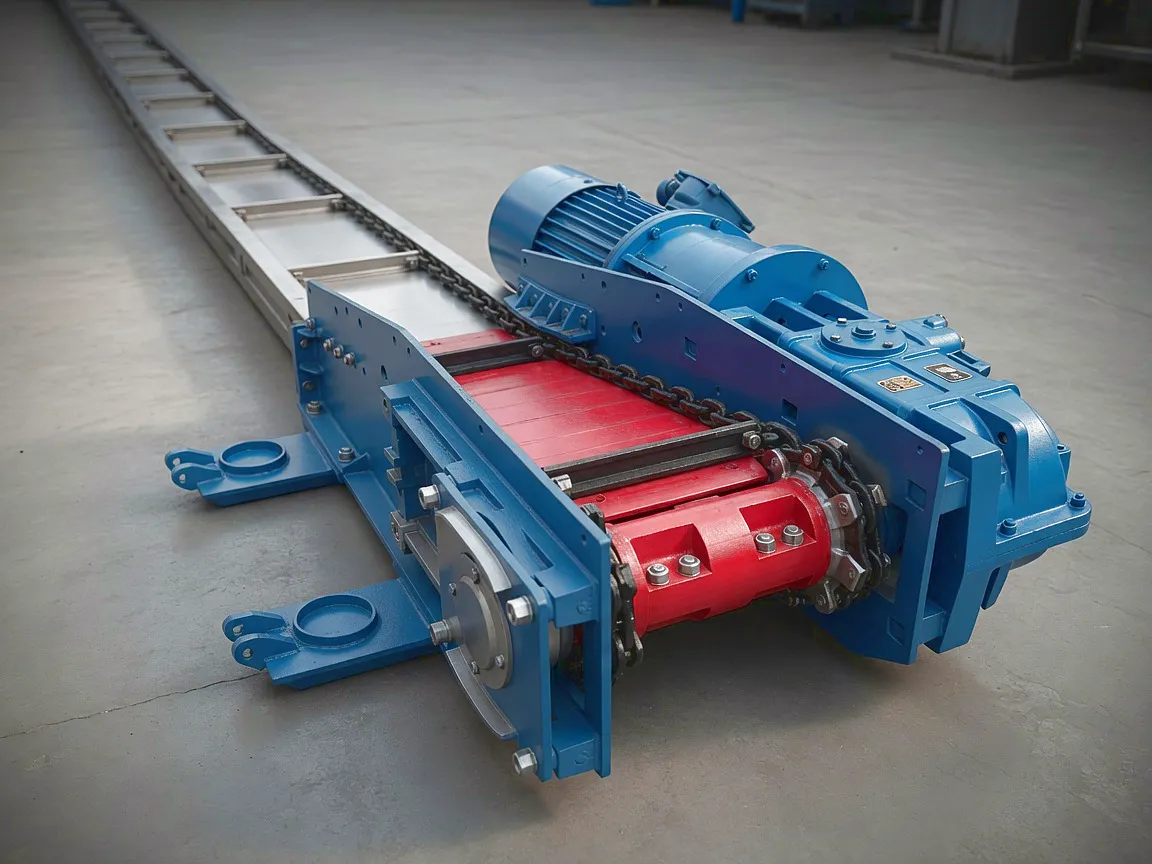
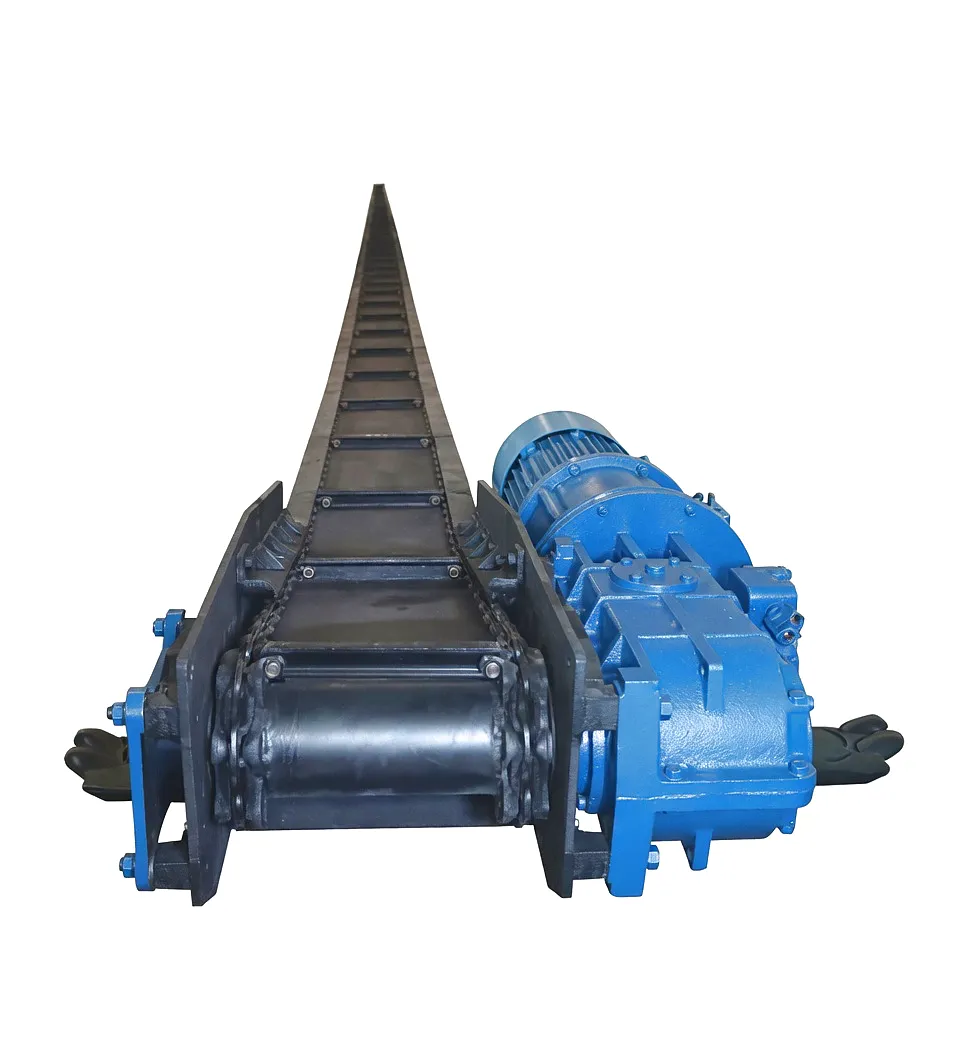
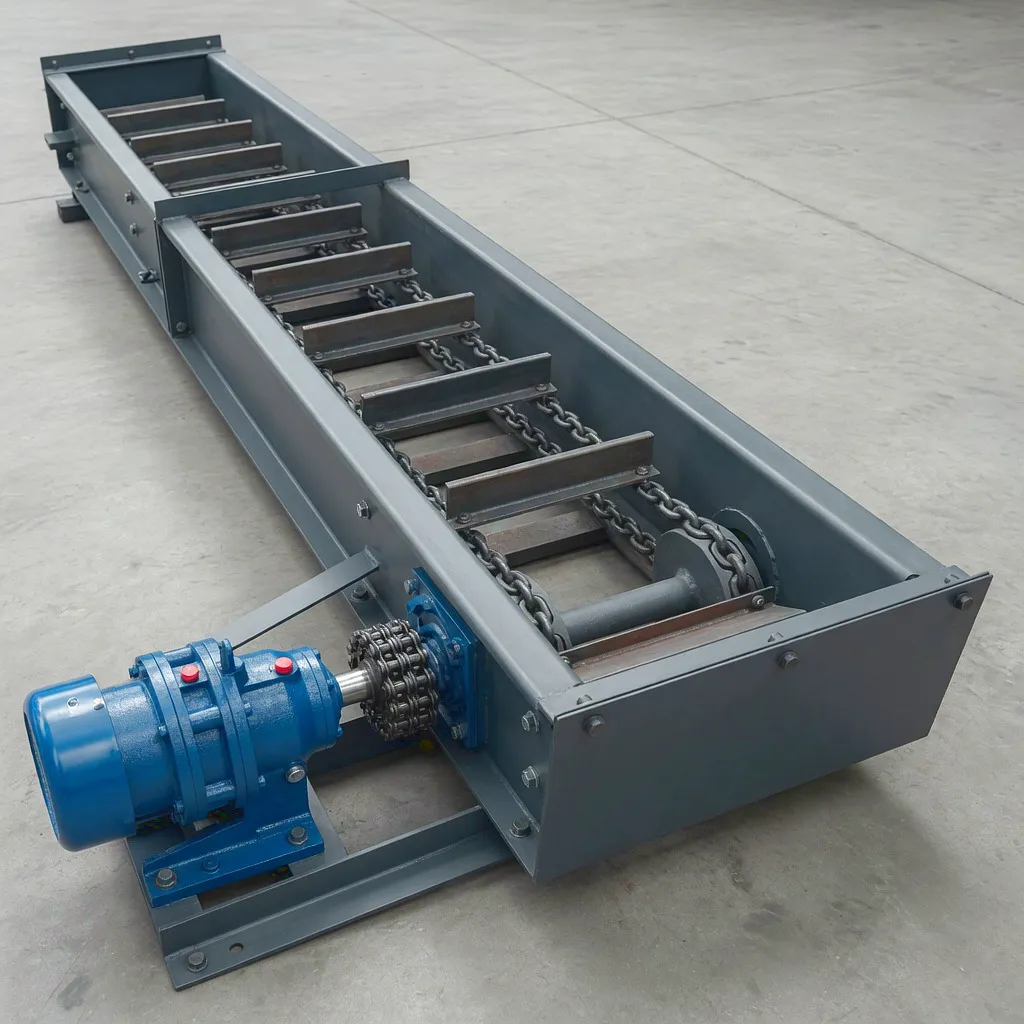
 Deep underground, where the air carries coal dust and the silence is broken only by the grind of steel on steel, a scraper conveyor never stops running. Known in the UK mining sector as an armoured face conveyor (AFC), this machine is the circulatory system of any longwall operation — moving thousands of tonnes of extracted coal from the shearer’s cutting drums toward the gate belt every single shift. When a drive coupling fails on an AFC running at two to three megawatts of installed power, the financial and safety consequences can be enormous: production stoppages in underground coal mines can cost British operators tens of thousands of pounds per hour, and any unplanned maintenance in a gassy heading carries its own risks. The component that sits directly between the gearbox output shaft and the sprocket drive train — and absorbs every shock, misalignment, and torque spike in the system — is the gear coupling. Getting it right is not a detail; it is a strategic engineering decision.
This guide draws on more than 18 years of field experience with gear coupling specification, installation, and failure analysis across heavy industry. The information here is intended for maintenance engineers, procurement teams, and mine equipment managers in the United Kingdom who need technically grounded, actionable guidance — not catalogue copy. Whether you are retrofitting an existing AFC drive, specifying a new longwall system, or simply trying to understand why your current couplings are failing ahead of schedule, the technical principles discussed here apply directly.
Why Gear Couplings Dominate AFC Drive Trains
Understanding the mechanical case for this technology in high-power coal handling
Shock Load Absorption
An AFC start-up event under a full coal load generates torque spikes that can reach three to five times the rated running torque in the first seconds of operation. Drum-tooth gear couplings — with their crowned external teeth engaging the internal sleeve — distribute this shock across the full tooth face, absorbing energy that would otherwise fracture keyways or strip splines on a rigid coupling. The slight angular and radial float permitted by the crowned geometry acts as a mechanical buffer, protecting gearbox bearings and motor shafts simultaneously.
Angular Misalignment Tolerance
Underground equipment frames settle, flex, and shift. A rigid coupling cannot accommodate even half a degree of shaft misalignment without generating enormous radial bearing loads. Gear couplings for scraper conveyors routinely handle angular misalignments of 1° to 1.5° per coupling half with minimal efficiency loss. This tolerance is not just a design nicety — it is what allows the equipment to run through minor ground movement without triggering a catastrophic bearing failure in the drive head.
High Torque Density
Space inside a mining gate road is measured in centimetres, not metres. A gear coupling transmits substantially more torque per kilogram of coupling weight than jaw, disc, or Oldham couplings of comparable bore size. This density advantage is critical when designing a compact drive head for a 500 kW or 1,000 kW motor. The through-bore design of GICL and NGCL series couplings also simplifies shaft assembly in confined underground workshops, reducing installation time by up to 40% compared with split-taper sleeve alternatives.
Engineering Principles: How a Drum-Tooth Gear Coupling Works
The mechanics behind torque transmission, misalignment compensation, and fatigue life
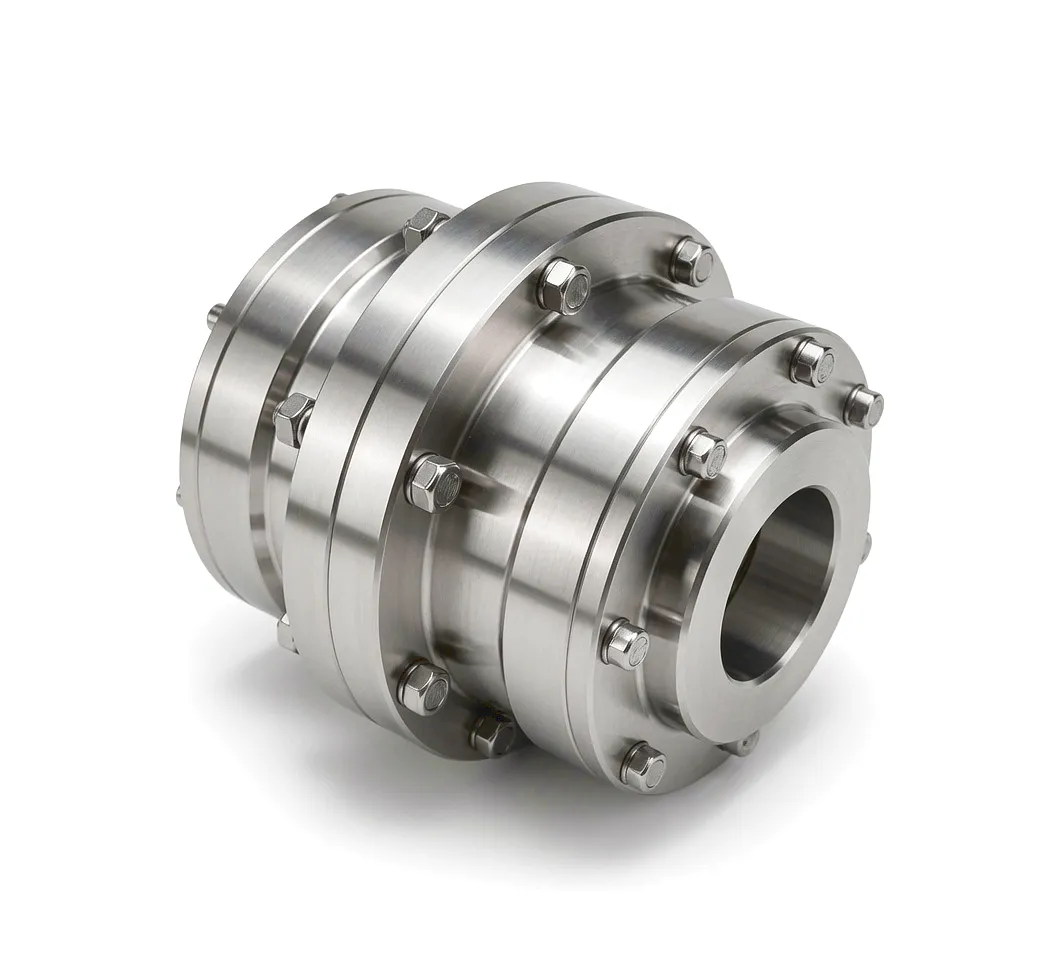
A drum-tooth (barrel-tooth) gear coupling consists of two identical inner hubs with external crowned teeth and two outer sleeves with matching internal straight-cut teeth. The crowning — a carefully machined convex curvature applied along the tooth length and sometimes also the tooth profile — is what distinguishes this design from a simple spur-gear coupling and is the source of its misalignment capacity. When the shafts are perfectly aligned, torque is shared uniformly across all teeth in contact. As angular misalignment is introduced, the crowned geometry shifts the contact zone toward the toe of the tooth on one side and the heel on the other, maintaining a Hertzian contact patch large enough to transmit full rated torque without the edge loading that destroys straight-tooth couplings.
For scraper conveyor applications running at shaft speeds of 60–150 rpm, the gear coupling typically operates well below its speed rating, which is beneficial because centrifugal lubricant displacement is minimised and grease residence time inside the tooth mesh is maximised. Lubricant selection matters enormously in underground mining environments: the coupling must retain an adequate grease film at both ambient temperature extremes (from cold startup in a ventilated heading to elevated temperatures during sustained heavy loading), and the grease must not wash out if moisture ingress occurs through the shaft seal. Lithium-complex or polyurea greases with EP (extreme-pressure) additives rated to NLGI Grade 1 or 2 are standard for UK mining gear couplings.
Material specification directly influences fatigue life. The inner hub of a mining-grade gear coupling is typically manufactured from 42CrMo4 alloy steel (equivalent to BS EN 10083-3 standard, widely used in British and European machinery) with a hardened tooth surface in the range of 48–55 HRC. The outer sleeve is machined from 40Cr steel and may receive a surface treatment such as phosphating or nickel plating to improve corrosion resistance in the damp underground environment. The interference-fit bore tolerances must comply with ISO H7/r6 or equivalent standards to prevent fretting corrosion between the hub and shaft during the cyclic torque reversals characteristic of AFC operation — a factor that is frequently overlooked when procurement teams select couplings on price alone.
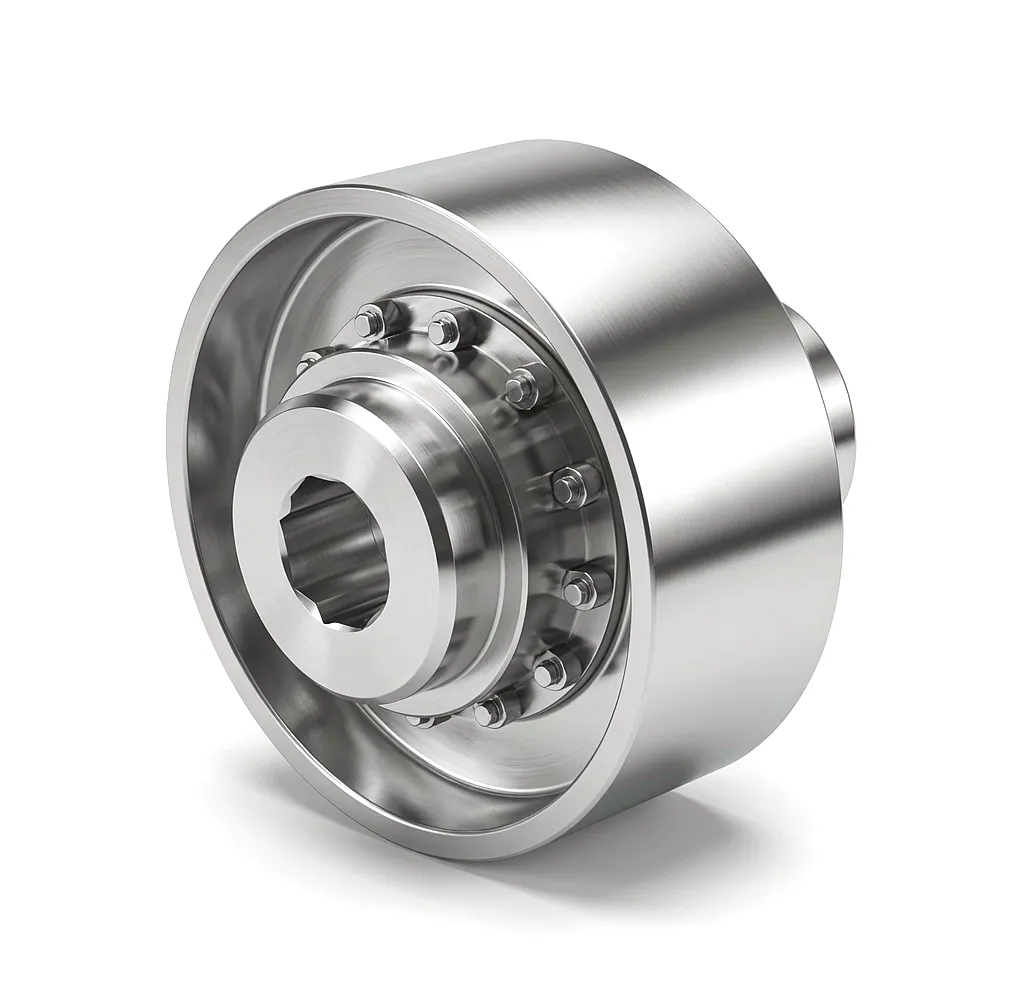
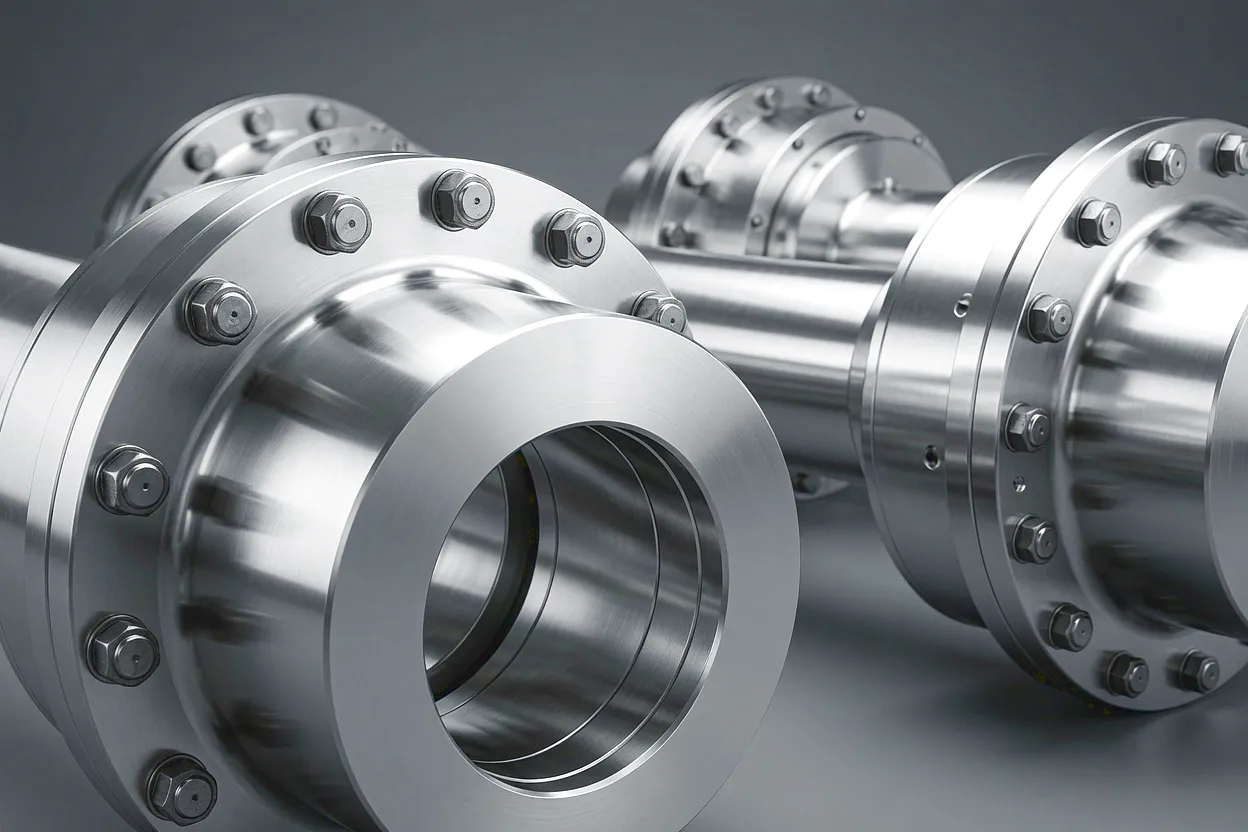
NGCL Series — drum-tooth internal geometry for maximum misalignment tolerance
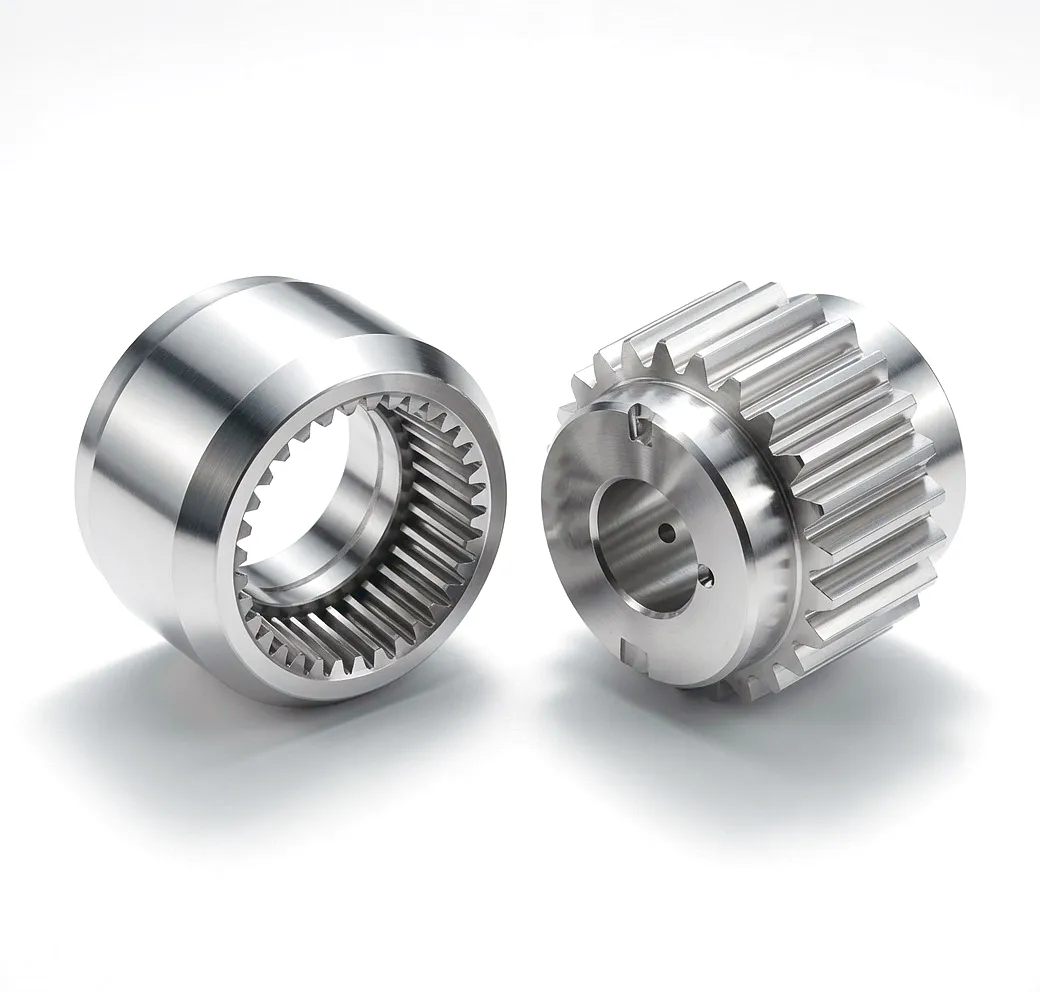
NL Nylon-element flexible coupling — auxiliary drives and lower-torque auxiliary equipment
Technical Performance Parameters
GICL / NGCL Series Drum-Tooth Gear Coupling — Key Specifications for Scraper Conveyor Drives
The Scraper Conveyor Environment: Why It Punishes Inferior Couplings
Understanding what makes an underground AFC drive one of the most demanding coupling applications in all of heavy industry
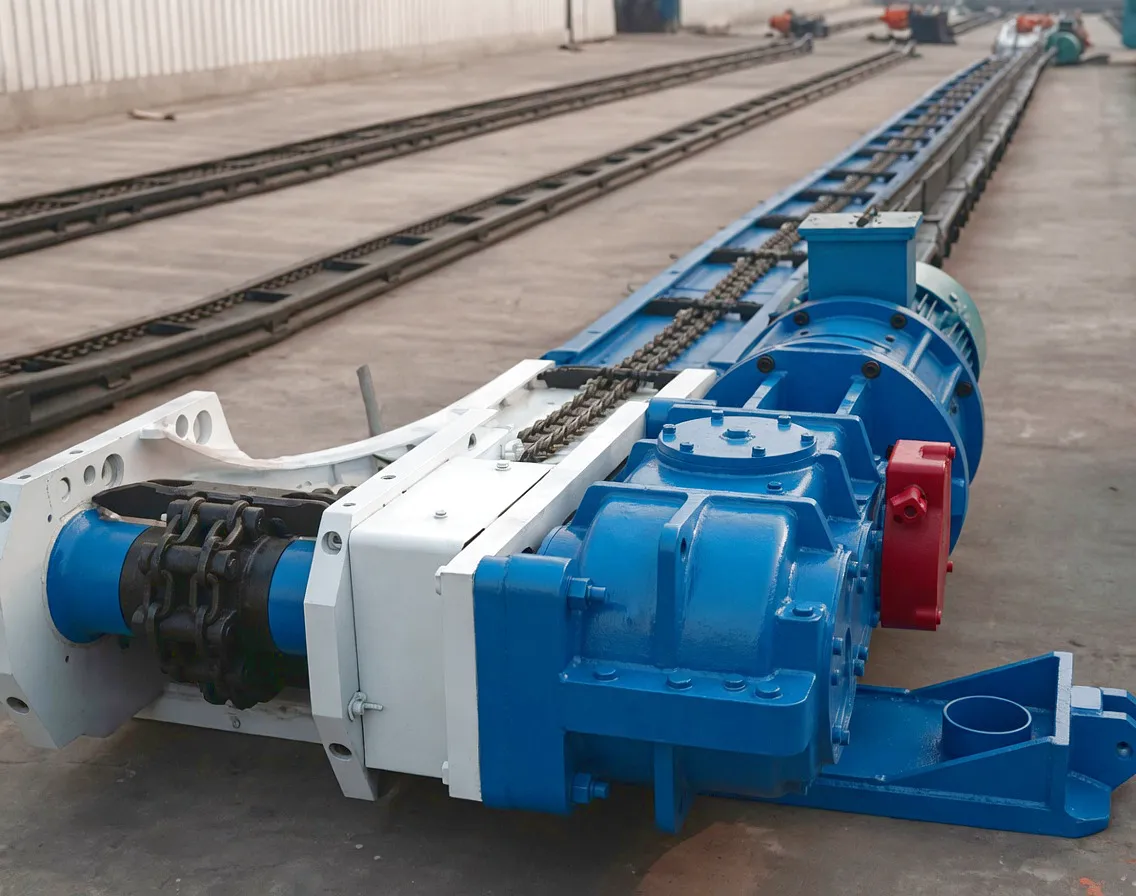 A modern longwall face conveyor in a British underground coal mine — or increasingly in UK-exported systems operating in Poland, Australia, South Africa, or the United States — is not a single machine so much as a permanently loaded linear drive system operating in the most aggressive environment engineers have ever designed for. The total installed drive power on a single AFC can exceed 2,000 kW to 3,000 kW when headgate and tailgate drives are combined, with individual motor units ranging from 400 kW to 1,100 kW. Each motor connects through a fluid coupling or soft-starter to a shaft-mounted gearbox, and the gear coupling sits on the gearbox output shaft, transmitting torque directly to the sprocket assembly that pulls the scraper chain.
The environment surrounding this coupling is genuinely hostile. Coal dust concentrations near the shearer cutting head routinely exceed 500 mg/m³, and the fine particles infiltrate every exposed mechanical interface. Water infusion — used for dust suppression and to control spontaneous combustion risk — keeps surfaces wet and promotes corrosion on poorly treated coupling components. Methane drainage operations and the natural outgassing of worked coal seams mean that every underground drive component must comply with the ATEX Directive (2014/34/EU), which applies directly to equipment used in the UK under the GB-retained DSEAR and EPS regulations. Gear couplings installed in explosion-risk zones must be selected and installed to avoid spark generation, which influences both material choices and surface finish requirements on the outer sleeve.
The load profile of an AFC differs from most industrial machinery in two important respects. The conveyor chain and associated scrapers carry a continuously variable coal burden — emptying partially when the shearer passes a given point, then reloading as cut coal falls onto the pan from above. This produces a torque signal with significant low-frequency variation superimposed on a high base-load torque. Additionally, the AFC undergoes multiple start-up events per shift: regulatory requirements, safety interlock resets after roof support movements, and normal operational cycles mean the coupling may experience heavy start-up torque peaks several hundred times per week. A gear coupling specified only for running torque — without applying an appropriate service factor for start-up and reversal events — will develop fretting fatigue in the tooth mesh long before its theoretical design life is reached. This is one of the most common root causes of premature gear coupling failure on underground AFCs, and it is entirely preventable with correct specification practice.
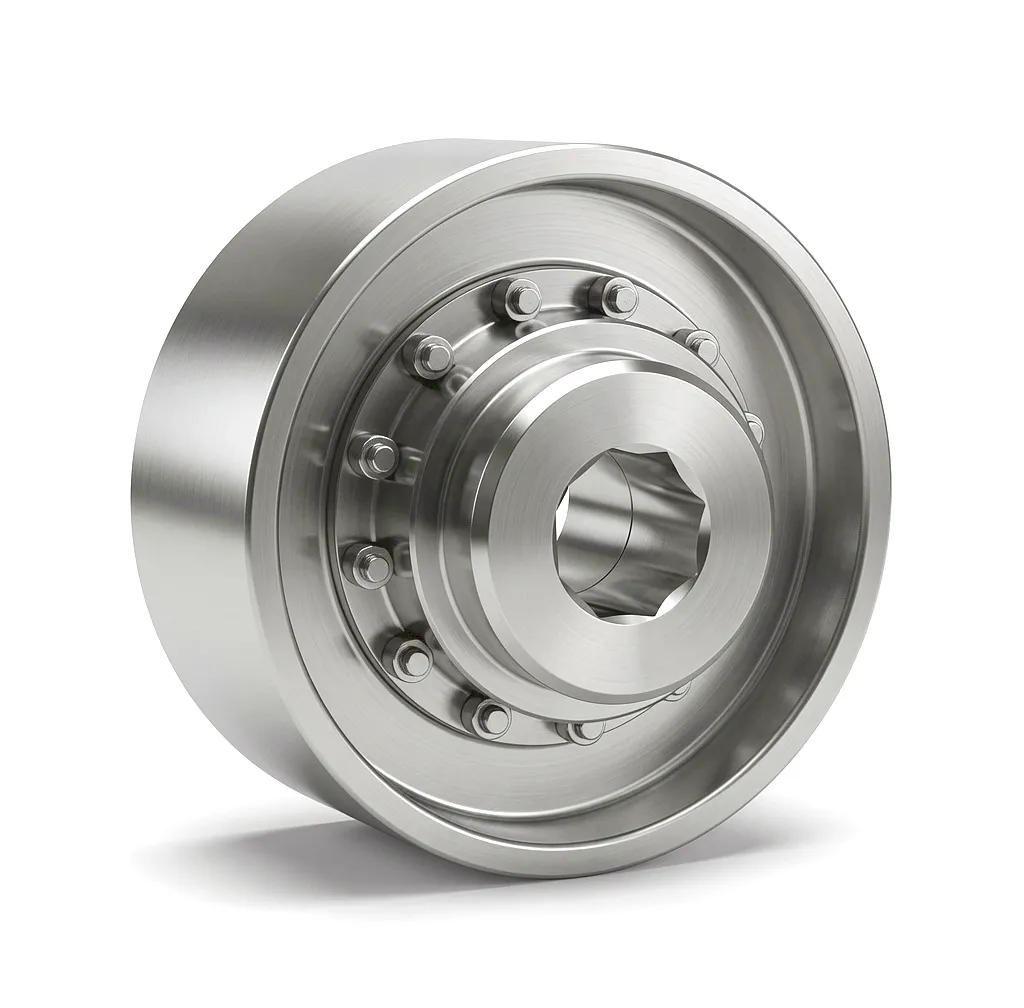
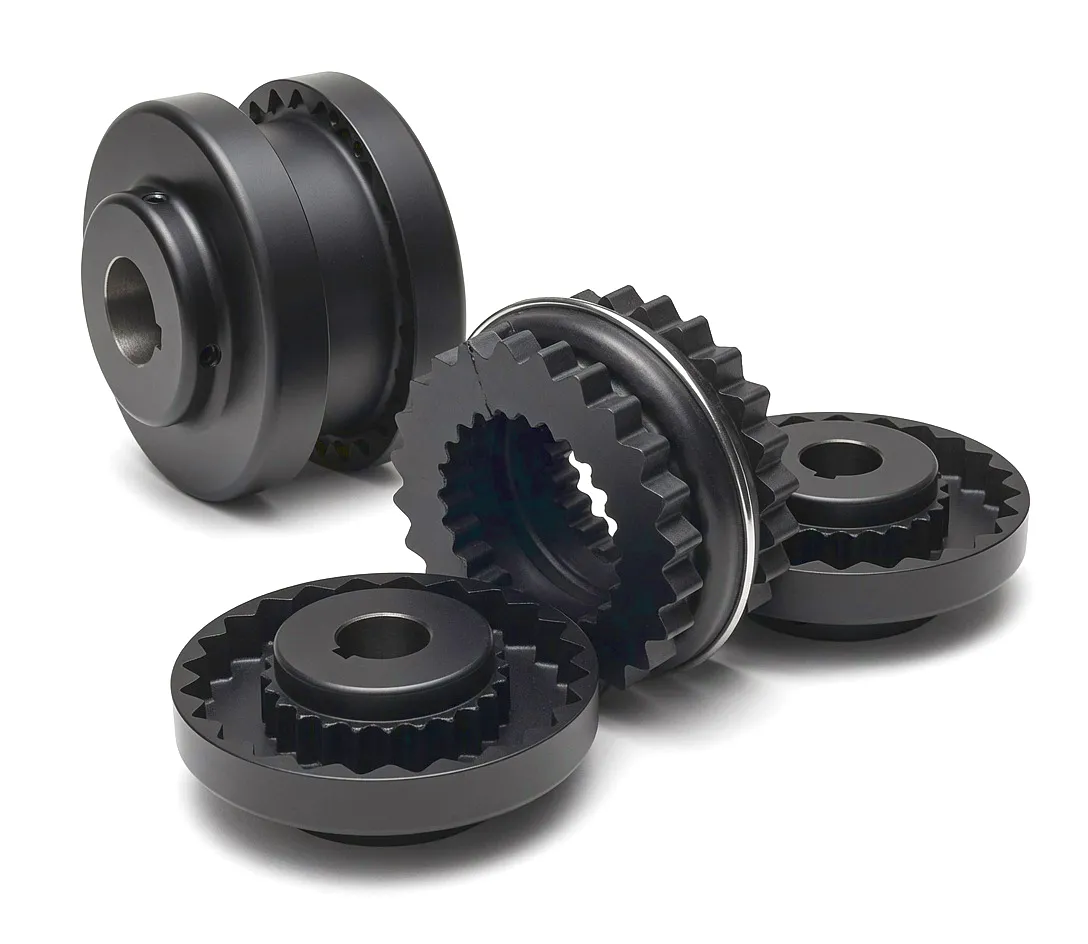
Product Advantages: Why Ever Power Gear Couplings Outperform Generic Alternatives
Eight measurable differences that matter when the machine runs 24 hours a day
1 — Precision Crowned Tooth Profile
CNC gear hobbing with sub-micron tooth profile tolerances ensures even load distribution at full rated torque, eliminating the stress concentration points that initiate tooth-root fatigue cracks.
2 — Carburising + Quenching Heat Treatment
Case depth of 1.0–1.6 mm on hub teeth combined with a tough core hardness of 28–35 HRC provides maximum resistance to pitting, spalling, and impact shock without brittleness.
3 — High-Capacity Grease Reservoir
Enlarged grease pocket volume in the sleeve cavity extends re-greasing intervals to 2,000–3,000 operating hours under continuous heavy-duty service, reducing underground maintenance interventions.
4 — Balanced O-Ring Seal System
Double-lip O-ring seal at each sleeve end prevents grease migration under centrifugal force and blocks water and coal dust ingress, maintaining lubricant film integrity across the full service interval.
5 — Full Dynamic Balance to G6.3 or Better
Residual imbalance within ISO 1940-1 Grade G6.3 limits, with G2.5 available for high-speed auxiliary drives, ensuring vibration-free operation and extended bearing life across connected equipment.
6 — Overload Detection (Breakaway Flange Option)
Optional shear-bolt flange adapter provides a controlled failure point that protects gearbox internals during chain-jam or sprocket-seizure events, preventing the total drive loss that a non-protected coupling failure causes.
7 — Full Material Traceability
Each batch shipped with EN 10204 3.1 material certification, hardness test records, and dimensional inspection reports — meeting the traceability requirements of UK/EU mining procurement standards and audit requirements.
8 — Custom Bore, Keyway, and Flange Geometry
Factory machining to customer-specified bore, keyway, and pilot dimensions — enabling direct drop-in replacement for competitor units or OEM coupling designs without adaptor plates or shaft modifications.
Ever Power Manufacturing & Custom Engineering Services
A vertically integrated production facility with deep custom specification capability
Ever Power operates a purpose-built gear coupling manufacturing facility equipped with multi-axis CNC hobbing machines capable of producing gear modules from 2 to 25 and pitch diameters from 50 mm to 1,200 mm in a single setup. The gear grinding department uses Klingelnberg and Gleason profile grinding equipment with in-process measurement systems that verify tooth form accuracy to DIN 3962 Grade 5 or better — a standard that directly correlates with reduced vibration, improved grease distribution, and extended service life in demanding applications like AFC drives.
The real differentiator for UK mining procurement teams is the breadth of Ever Power’s customisation capability. Standard catalogue couplings cover the majority of applications, but longwall AFC systems are rarely standard. Non-standard shaft diameters resulting from gearbox upgrades, keyway orientations dictated by restricted-access installation windows, flange bolt-circle dimensions inherited from legacy OEM specifications, and special surface treatments required for ATEX compliance — all of these are handled within the main production facility without subcontracting delays. Lead times for custom GICL or NGCL couplings are typically 15–28 working days from drawing approval, with air freight options to UK destinations reducing total delivery time significantly for urgent replacement orders.
Beyond single-unit replacement supply, Ever Power can support UK OEMs and system integrators with dedicated part number assignment, controlled drawing revision management, and scheduled delivery programs aligned to planned maintenance intervals — providing the supply chain predictability that underground mining operations require. The factory’s quality management system is certified to ISO 9001:2015, and all mining-application couplings are produced under a dedicated inspection plan that includes 100% dimensional inspection of bore, keyway, and tooth geometry on every hub, with batch-level hardness testing and material certification as standard.
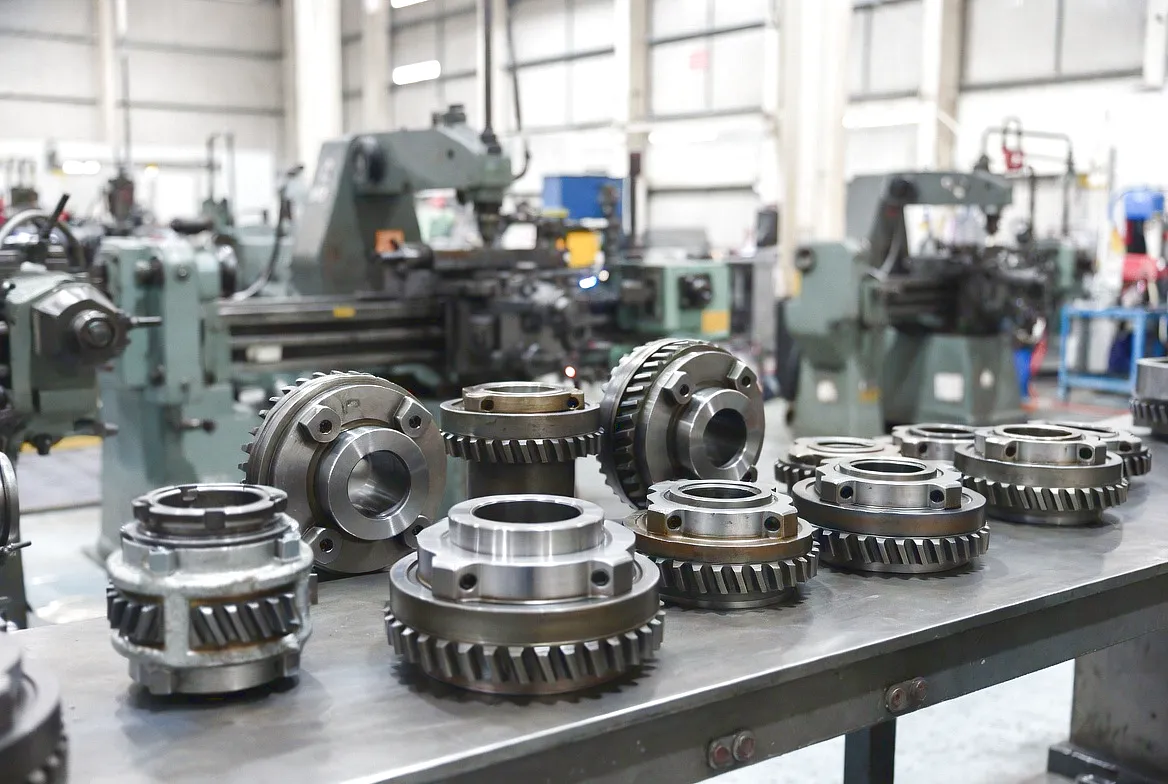
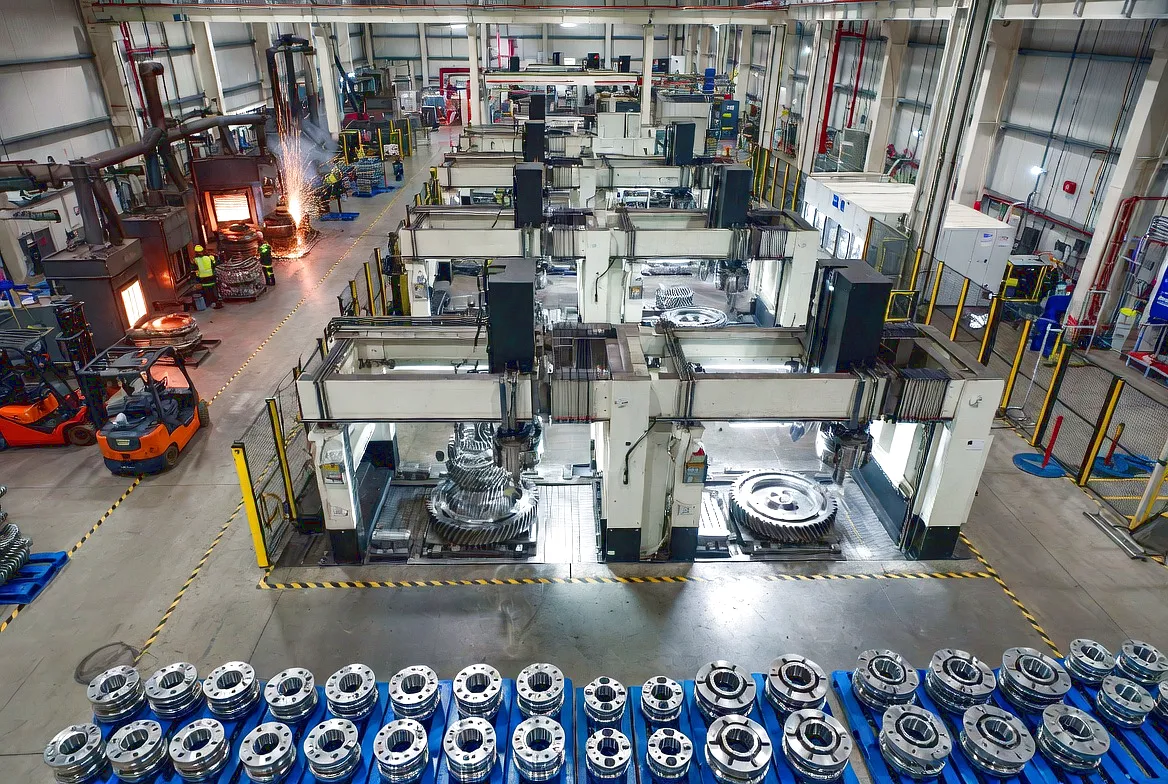
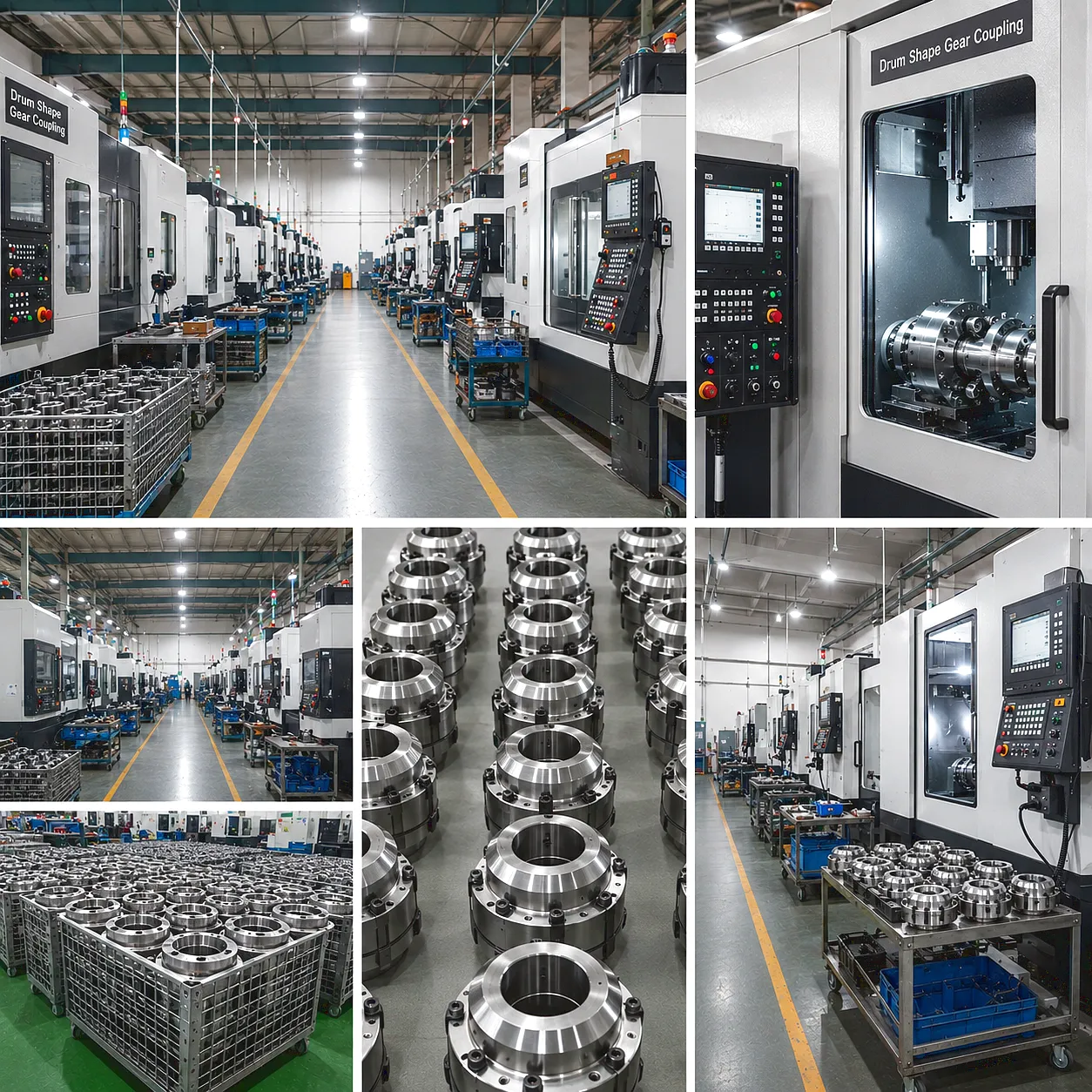
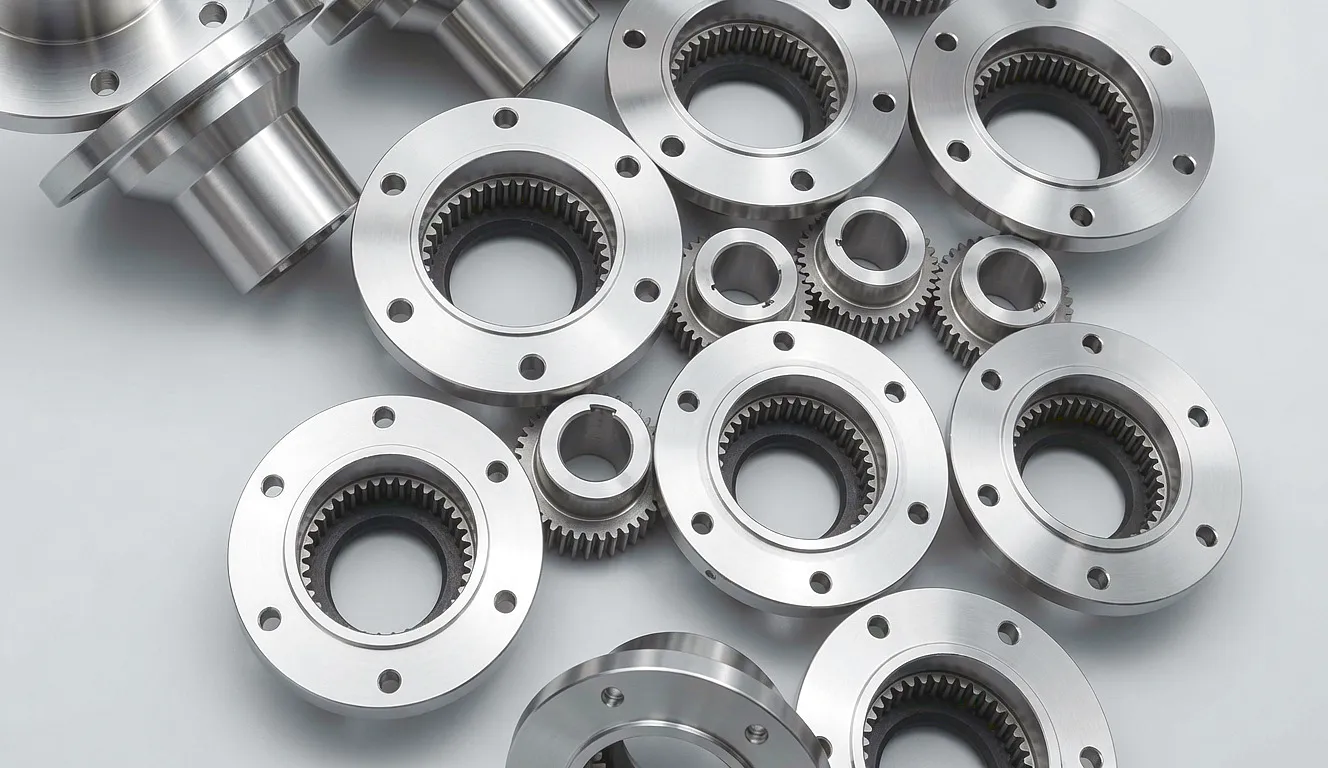
Ever Power workshop — CNC production lines for precision gear coupling manufacture
ISO 9001:2015 Certified Production
Every mining-grade gear coupling undergoes 100% dimensional inspection, batch hardness testing, and full material traceability. EN 10204 3.1 mill certificates supplied as standard for UK customers.
Customer Success: Kellingley Longwall Equipment Ltd, Yorkshire, UK
A documented gear coupling upgrade on a high-output AFC drive system
Kellingley Longwall Equipment Ltd
West Yorkshire, United Kingdom · Heavy Mining Equipment Sector
Application
AFC Headgate Drive, 2 × 750 kW
Problem
Tooth spalling on previous supplier couplings at 6–8 months
Solution
Ever Power NGCL-1250 with custom 340 mm bore
Outcome
22+ months service life, zero unplanned stoppages
Kellingley Longwall Equipment Ltd supplies and refurbishes AFC drive heads for active UK and export longwall projects. Their maintenance engineering team had been dealing with repeated tooth spalling failures on gear couplings sourced from a domestic UK distributor — failures occurring after only six to eight months of service on a two-drum shearer AFC running at 1,500 tonnes per hour extraction rate. Analysis of the failed couplings identified two root causes: undersized tooth module for the actual start-up torque profile (the surface hardness of the failed couplings was measured at only 42–44 HRC, below the minimum for this application), and inadequate grease volume in the sleeve cavity causing dry-tooth operation during the first 30 minutes after each start-up event.
Ever Power’s engineering team conducted a torque analysis based on the motor nameplate data, measured gear ratio of the Flender gearbox, and the estimated start-up torque multiplier from the installed fluid couplings. The recommended solution was a custom NGCL-1250 coupling with 340 mm bores (to match the non-standard gearbox output shaft inherited from a previous upgrade), carburised hub teeth hardened to 52 HRC, an enlarged grease cavity providing 180% more lubricant volume than the failed units, and an upgraded O-ring seal material rated for compatibility with the water-based dust suppression fluids present in the heading. The couplings were delivered within 22 working days with full 3.1 material certification and a dimensional inspection report for each unit. After 22 months of continuous operation — still in service at the time of writing — no maintenance interventions related to the gear coupling have been required at either the headgate or tailgate positions.
What Industry Engineers Say
“We have tested three different gear coupling suppliers on our 900 kW AFC refurbishment programmes over the past four years. Ever Power’s NGCL units are the only ones we have taken past 18 months without a tooth mesh failure. The customisation turnaround time for non-standard bores is genuinely impressive — nobody in the UK can match it at that price point.”
— Daniel Marsh, Lead Mechanical Engineer
Hartington Mining Systems, Sheffield, UK
“Our procurement team initially selected Ever Power purely on cost, but what kept us coming back is the documentation quality. Full 3.1 certs, dimensional records, and hardness test results on every delivery. When you are supplying to an underground mine, traceability is not optional — and most Asian suppliers either cannot provide it or charge a significant premium. Ever Power treats it as standard.”
— Sandra Whitmore, Procurement Director
Midlands Industrial Drives Ltd, Nottingham, UK
“We specified Ever Power GICL series couplings for a belt conveyor upgrade project at our Welsh site. The couplings arrived dimensionally perfect — the bore and keyway tolerances were tighter than our drawings called for. There was not a single rework item across the whole batch. That kind of consistency from an Asian manufacturer is what changes procurement decisions from a one-off trial into a long-term supply relationship.”
— Robert Caine, Plant Engineering Manager
Anglesey Materials Handling Group, Wales, UK
Gear Coupling Application Scenarios Beyond the AFC
Where else drum-tooth gear couplings deliver proven performance across UK heavy industry
Frequently Asked Questions
Answers to the questions UK procurement engineers and mine maintenance teams ask us most often
Ready to Specify the Right Gear Coupling for Your Scraper Conveyor Drive?
Send us your shaft diameter, gearbox output torque, and operating conditions. Ever Power’s engineering team will recommend the correct GICL or NGCL model, confirm custom bore availability, and provide a competitive quote — normally within one business day.
Supplying UK mining, quarrying, marine, and heavy process industries · ISO 9001:2015 certified · EN 10204 3.1 material certification as standard · edit by gzl
edit by gzl