
Gear Coupling
Application Scenarios
From offshore oil rigs battered by North Sea swells to cement kilns running 24/7 at 1,400 °C, gear couplings form the mechanical backbone of every critical drivetrain. Engineered to transmit high torque, absorb misalignment, and endure extreme operating conditions, they are the precision interface between prime mover and driven machine across the world’s most demanding industries.
Explore our complete range of gear coupling applications — each engineered to UK and international standards, backed by deep application expertise and global supply capability.
Cement Kiln
Shore Bridge
Scraper Conveyor
Offshore Oil
Elevator
Belt Conveyor
Crane Drive
Wind Turbine Generator
Precision-engineered gear couplings transmit multi-megawatt torque loads between gearbox and generator in wind turbines, absorbing continuous shaft misalignment caused by rotor thrust and nacelle flexing. Rated for IEC wind classes I–III and offshore Category S, these couplings underpin the reliability of Britain’s expanding onshore and offshore wind fleet — where unplanned downtime at hub height costs tens of thousands of pounds per day.

Wind drivetrains experience variable torque spikes, angular misalignment up to 1.5°, and axial displacement from thermal cycling. Drum-type gear couplings with crowned-tooth profiles handle these conditions without transmitting bending moments that would damage generator bearings.
Gear Coupling for Wind Turbine Gearboxes: Engineering Reliability into Every Revolution
Explores how drum-type gear couplings withstand the relentless torque reversals in multi-MW turbine drivetrains, with analysis of tooth geometry, lubrication cycles, and fatigue life under IEC 61400 load spectra.
Gear Coupling for Wind Turbines: The Critical Link Between Gearbox and Generator in Modern Wind Energy Systems
Details the mechanical interface role of gear couplings in DFIG and PMSG drivetrain architectures, examining torque rating, backlash control, and condition-monitoring integration for predictive maintenance.
Gear Coupling for Wind Turbine Generator Systems: Engineering Reliable Power Transmission in the UK’s Growing Renewable Sector
A UK-market guide covering gear coupling selection for both onshore and offshore turbines, including corrosion protection standards, cold-climate grease specifications, and compliance with the Crown Estate’s offshore requirements.
Drum-Type Gear Coupling for Wind Turbine Generator Drivetrain Systems
Technical deep-dive into drum-type crowned-tooth geometry, explaining how barrel-shaped tooth profiles distribute contact stress across the full tooth face and extend service intervals beyond 60,000 operational hours.
Gear Coupling for Wind Turbine Generators: Engineering Reliability at the Heart of Renewable Energy
Presents a reliability-centred maintenance framework for wind turbine gear couplings, covering inspection intervals, wear measurement criteria, relubrication procedures, and failure mode analysis based on field data.
Gear Coupling for Wind Turbine Drivetrains: Engineering Reliability at the Heart of Renewable Energy
Examines drivetrain-level analysis of gear coupling sizing, including dynamic load factor calculations, torsional stiffness requirements, and integration constraints within the main bearing — HSS shaft system.
Gear Coupling for Wind Turbines: The Engineering Solution Keeping Britain’s Renewable Energy Turning
Industry case study examining how UK wind operators reduced nacelle drivetrain failures by specifying gear couplings engineered to the exact torque spectrum, misalignment class, and lubrication accessibility required for each turbine platform.
Gear Coupling for Wind Turbine Gearboxes: The Complete Engineering Guide for UK Renewable Energy Projects
Comprehensive reference guide for UK project engineers, covering site classification, coupling sizing methodology, procurement specification, and life-cycle cost analysis for onshore projects under the UK Contract for Difference framework.
Gear Coupling for Wind Turbine Gearboxes: The Complete Engineering Guide for UK Renewable Energy Applications
Application-focused engineering guide addressing the unique demands of UK renewable energy deployment, including tidal environment corrosion factors, turbine OEM interface requirements, and BS/ISO standard compliance pathways.
Gear Coupling for Wind Turbine Gearboxes: The Complete Engineering Guide for UK Industry
Addresses the full value chain from manufacturing and quality inspection through installation torquing sequences, field balancing procedures, and end-of-life replacement planning within UK industrial MRO frameworks.
Gear Coupling for Wind Turbine Generators: Engineering Reliability Into Every Revolution
Focuses on the rotating mass dynamics inside a nacelle, showing how gear coupling torsional stiffness tuning reduces gearbox output-stage tooth stress during grid fault events and emergency stop deceleration cycles.
Gear Coupling for Wind Turbine Gearboxes: The Complete Engineering Guide
Master reference covering all design variables: hub bore tolerances, key-way versus shrink-disc connection options, floating shaft configurations, and certification documentation required for type approval by DNV, Lloyd’s, and TÜV.
Gear Coupling for Wind Turbine Gearboxes: The Complete Engineering Guide for Renewable Energy Operators
Operations and maintenance guide for fleet-scale wind operators, detailing vibration signature analysis, oil debris monitoring thresholds, and rapid-exchange coupling designs that cut planned outage windows at tower height.
Gear Coupling for Wind Turbine Gearbox & Drive Train Applications
System-level view of the complete wind turbine drivetrain, mapping gear coupling specification requirements against gearbox planetary stage outputs, high-speed shaft dynamics, and generator electrical interface constraints.
Gear Coupling for Wind Turbine Gearboxes: The Complete Guide for UK Renewable Energy Engineers
Practitioner guide for UK chartered engineers and wind energy consultants, providing worked sizing examples, material specification tables, and procurement checklists aligned with BS EN ISO 14691 and AGMA 9000 standards.
Cement Plant Rotary Kiln
Rotary kilns operating at 1,400 °C demand gear couplings engineered to handle extreme thermal expansion, axial float of 60+ mm, and continuous slow-speed high-torque loads from cold clinker start-up through to full kiln speed. A gear coupling failure in a cement kiln drive means hours of unplanned shutdown and significant thermal stress to the refractory lining — making correct coupling selection one of the most consequential engineering decisions on site.
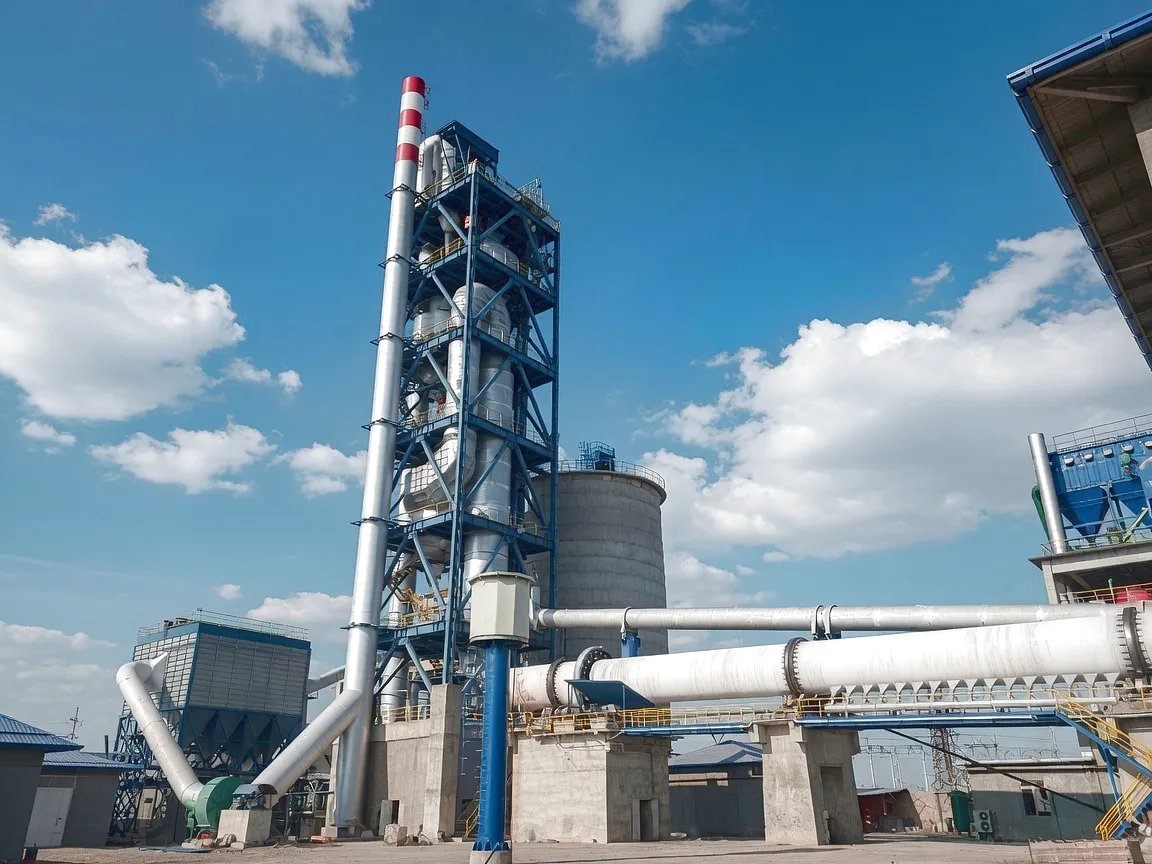
Kiln drivetrains subject gear couplings to massive start-up torque — up to 3× rated load — combined with the need to accommodate 100 mm or more of thermal axial growth. Floating-shaft gear coupling arrangements with extended spacer sleeves are the standard engineering solution for this environment.
Heavy-Duty Gear Couplings Designed for Cement Kiln Drive Demands
Profiles the heavy-duty gear coupling series engineered for sustained kiln torque, covering case-hardened alloy steel tooth specifications, high-viscosity lubricant selection, and the design factors applied to thermal expansion allowances.
Selecting and Maintaining Gear Couplings for Cement Kiln Drive Systems: An Engineering Guide
Practical selection and maintenance guide for plant engineers, with torque calculation worksheets, gear coupling sizing tables referenced to kiln diameter and feed rate, and a structured inspection regime for annual planned shutdown windows.
Gear Coupling Design and Application in Cement Plant Rotary Kilns: A Practical Engineering Guide
Application-focused reference examining auxiliary drive gear coupling requirements during hot-standby rotation, slow-drive cooling sequences, and the torsional interaction between main motor and auxiliary drive gearboxes on large two-pier kilns.
Gear Coupling for Rotary Kiln Drive Systems in Cement Plants: The Complete Engineering Guide
Complete engineering reference for cement plant drivetrains, addressing single-drive and dual-drive kiln configurations, gear coupling alignment procedures, and the specific interface requirements of variable-frequency drive motor systems on modern kilns.
Gear Couplings in Rotary Kiln Drive Systems: A Complete Engineering Reference for Cement Manufacturers
Manufacturer-facing reference with FEM-validated tooth load analysis, floating shaft whirl speed calculations, and comparisons of alloy steel versus nitrided steel hub materials for extended service between cement plant planned outages.
Gear Coupling for Cement Plant Rotary Kiln Drive Systems
Concise technical specification resource listing gear coupling performance parameters, material grades, and dimensional standards applicable across the full range of modern kiln sizes from 3,000 to 12,000 tonnes per day production capacity.
Gear Coupling for Cement Plant Rotary Kiln Drive Systems: Engineering Reliable Torque Transmission Under Extreme Conditions
Engineering analysis of the cyclic load profile in kiln drivetrains, including start-up surge torque, brick-fall shock loads, and thermal shock events, demonstrating how adequate gear coupling service factor selection protects the entire drivetrain investment.
Gear Coupling for Cement Plant Rotary Kiln Drive Systems: A Practical Engineering Guide
Step-by-step practical guide for site engineers covering coupling installation alignment checks, pre-commissioning torque verification, lubrication top-up schedules, and the tell-tale failure signatures that indicate bearing or tooth wear before catastrophic failure.
Drive System Gear Couplings: Optimized Solutions for Cement Plant Rotary Kilns
Optimization study comparing standard gear coupling designs against application-engineered solutions for rotary kiln drives, quantifying MTBF improvements, reduction in relubrication frequency, and total cost of ownership savings over a 15-year plant life.
Gear Coupling for Rotary Kiln Drive Systems in Cement Plants
Concise application overview of gear coupling placement within a rotary kiln drivetrain layout — from motor output flange through gearbox output to kiln tyring — with annotated drivetrain schematic and coupling type selection matrix.
High-Performance Gear Couplings for Rotary Kiln Drive Systems in Cement Manufacturing
High-performance gear coupling series overview for cement industry procurement teams, including torque capacity tables, interchange dimensions to common OEM standards, and lead-time guidance for critical spare stock management at UK cement plants.
Shore Bridge Cranes (Quay Cranes)
Shore bridge cranes at UK container terminals — from Felixstowe to Southampton — cycle through thousands of lift-and-lower operations daily, placing extreme reversing torque demands on hoisting, trolley, and gantry drive gear couplings. Salt-laden marine air, structural deflection under 65-tonne spreader loads, and the precision demanded by automated container handling all make gear coupling performance a port productivity issue as much as a mechanical one.
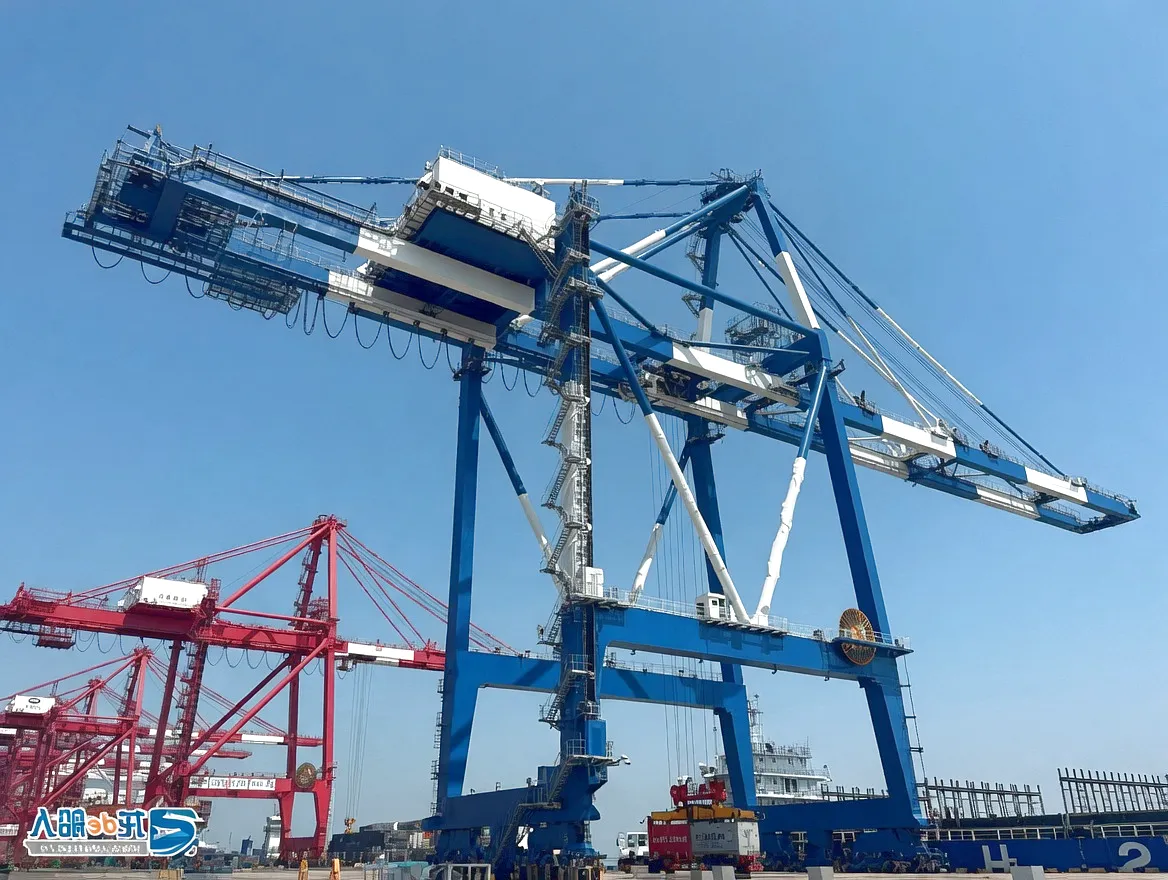
Gear couplings in quay crane drivetrains must handle frequent acceleration and braking cycles, angular misalignment caused by structural boom deflection, and all of this within a compact nacelle envelope. Marine-grade surface treatment and sealed lubrication are essential for longevity in tidal environments.
High-Precision Gear Couplings for Shore Bridge Cranes: Comprehensive Engineering Guide
Comprehensive guide to high-precision gear coupling application in quay crane hoisting and travel drivetrains, with detailed analysis of backlash control requirements for automated position-control systems and enclosed housing designs that exclude salt and dust.
Gear Coupling for Shore Bridge Cranes: The Definitive Engineering Guide for UK Port Operations
UK port operations guide covering gear coupling selection and maintenance at British container terminals, addressing tidal zone corrosion protection, compliance with BS EN 13135 lifting equipment standards, and coupling exchange procedures during crane out-of-service windows.
Gear Coupling for Shore Bridge (Quay Crane): The Complete Engineering Guide for Heavy-Duty Port Handling Equipment
Engineering guide covering all four shore bridge drivetrain axes — hoist, trolley, boom, and gantry — with gear coupling torque rating methodology, misalignment analysis under maximum boom extension, and hydraulic shrink-disc fitting procedures for hub-shaft connections.
Gear Coupling for Shore Bridge Cranes: The Definitive Guide for UK Port Engineers
Port engineering reference for UK terminal maintenance teams, providing gear coupling inspection intervals aligned with crane SWL re-certification schedules, wear acceptance criteria, and parts stocking recommendations for 24/7 operational continuity.
Gear Coupling for Shore Bridge Cranes: The Complete Engineering Guide
Complete engineering reference documenting gear coupling integration across different quay crane generations — from 1990s mechanical cam drives to fully electrified AC drives — including retrofit compatibility assessment and dimensional interface adaptation guidance.
Scraper Conveyor (Underground Coal Mining)
Armoured face conveyor gear couplings in underground coal mines must function reliably in explosive atmospheres, handle shock loads from roof falls, and survive contamination by abrasive coal dust and water. ATEX-rated gear couplings link the AFC drive motors and gearheads that keep longwall coal production moving, where any mechanical failure translates directly to lost tonnes and elevated safety risk.
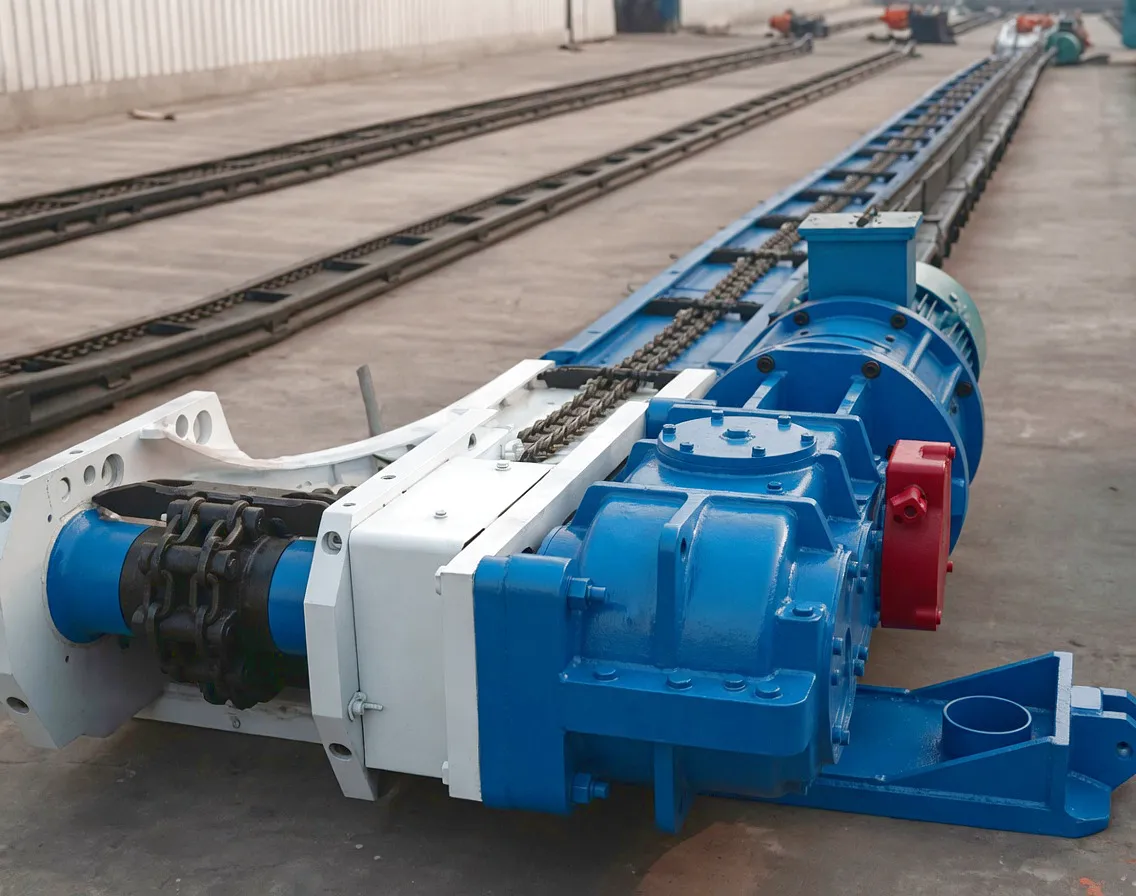
In Zone 1 explosive atmospheres, every mechanical component on an AFC drive must be ATEX-certified. Gear couplings in this environment require sealed lubricant retention, spark-resistant materials compliance, and construction that prevents galling under the repetitive torque reversals inherent in scraper conveyor duty cycles.
Gear Coupling for Scraper Conveyor: Heavy-Duty Drive Solutions for Underground Coal Mining
Covers heavy-duty gear coupling design requirements for AFC and BSL conveyor drives, examining shock load service factors, tooth contact area optimisation, and the integration of shear-pin or slip torque-limiter features that protect gearboxes during face blockages.
Gear Coupling for Scraper Conveyor Drive Systems in Underground Coal Mining
Technical study of gear coupling placement within the complete AFC drive system — motor, fluid coupling or VSR, gearhead, and chain — detailing the interplay between gear coupling torsional compliance and dynamic tension management across the full face length.
Gear Coupling for Scraper Conveyors: The Engineering Backbone of Underground Coal Operations
Operational reliability perspective on gear coupling contribution to longwall coal face availability, comparing mean-time-between-failure rates for different coupling types and documenting maintenance best practices that extend service life in high-dust underground environments.
Gear Coupling for Scraper Conveyor: The Definitive Engineering Guide for UK Coal & Mining Operations
Definitive UK mining industry guide covering gear coupling procurement, ATEX documentation, underground storage and handling requirements, and the rapid-exchange procedures that allow face engineers to replace couplings during scheduled maintenance shifts.
Gear Coupling for Scraper Conveyors: The Engineering Choice That Keeps Coal Mines Running
Business-case and engineering case study showing how correct gear coupling specification reduced unplanned face stoppages, decreased average repair time following coal blockages, and delivered measurable improvements in cost per tonne at UK longwall operations.
Offshore Oil Drilling Platforms
On North Sea and Atlantic margin drilling platforms, gear couplings connect the rig’s most critical rotating equipment — drawworks, top drives, mud pumps, and dynamic positioning thrusters. Operating under ATEX Zone 1 and 2 classifications, subject to continuous platform motion, salt-laden air, and the ever-present demand for zero unplanned downtime, these couplings are engineered to standards where failure is genuinely not an option.

Offshore drill rigs operate in one of engineering’s most challenging environments: constant corrosive spray, explosive gas atmospheres, structural motion that induces continuous misalignment, and the impossibility of any unplanned shutdown. Gear couplings for this environment require API 671 compliance, extensive ATEX documentation, and proven performance records with major oil & gas operators.
Gear Coupling for Offshore Oil Drilling Platforms: The Engineering Standard That Keeps Operations Running
Establishes the engineering standards framework governing gear coupling specification for offshore use, including API 671 requirements for continuous-duty compressor trains, DNV-GL certification pathways, and the material specification levels demanded by major North Sea operators.
Gear Coupling for Offshore Oil Drilling Platforms: Engineering Reliability Where Failure Is Not an Option
Reliability engineering perspective on offshore gear couplings, presenting failure mode and effects analysis for drawworks and mud pump drivetrains, the redundancy design philosophy applied to critical rotating equipment, and condition-based maintenance approaches used by North Sea operators.
Gear Coupling for Offshore Oil Drilling Platforms: The Engineer’s Complete Guide
Comprehensive engineer’s reference for offshore rotating equipment, covering gear coupling selection for top drive, rotary table, drawworks, cement pump, and dynamic positioning thruster applications, with worked API 671 compliance checklists.
Gear Coupling for Offshore Oil Drilling Platforms: Engineering Reliability in the World’s Harshest Marine Environments
Marine environment focus examining the combined corrosion mechanisms — chloride stress corrosion, hydrogen embrittlement, crevice corrosion — that attack gear coupling steel in offshore conditions, and the alloy selection, surface treatment, and sealing system responses that achieve 5-year maintenance intervals.
Gear Coupling for Offshore Oil Drilling Platforms: Engineering Reliability in the World’s Harshest Environment
Broader environmental engineering context for offshore gear coupling design, incorporating wave-induced structural motion effects on shaft alignment, the impact of heave and roll on coupling misalignment capacity, and the additional design margins applied for deepwater and harsh-environment FPSO deployments.
Elevator Traction Machine
Gear couplings in elevator traction machine drivetrains connect motor to gearbox in geared traction lifts serving residential towers, hospitals, and commercial high-rises across the UK. With passenger safety as the primary engineering constraint, these couplings must transmit load smoothly and accurately, accommodate minor misalignment from machine room thermal expansion, and maintain consistent performance across decades of multi-million-cycle operation.
Gear Coupling for Elevator Traction Machine: Engineering Reliability Into Every Vertical Move
Engineering analysis of gear coupling performance in geared traction lift drivetrains, covering the impact of coupling torsional compliance on ride comfort, vibration isolation requirements per EN 81-20, and the dimensional constraints imposed by compact machine room designs.
Gear Coupling for Elevator Traction Machine: The Complete Engineering Guide
Comprehensive design guide covering gear coupling type selection for different elevator load classifications, low-noise housing design, hub interference fit standards, and compatibility with regenerative drive systems now standard in new-build UK lift installations.
Gear Coupling for Elevator Traction Machines: Engineering Reliability Into Every Floor
Lifecycle engineering perspective on elevator gear couplings, demonstrating how correct initial specification and periodic lubrication maintenance extends coupling service life well beyond 25 years in high-rise buildings with continuous passenger traffic across all floors.
Gear Coupling for Elevator Traction Machines: The Hidden Component That Keeps Your Lifts Running Safely
Facilities management perspective on gear coupling’s role in lift reliability, explaining the consequences of worn or misaligned couplings on ride quality, energy consumption, and the maintenance budget — and providing a practical guide to when and how couplings should be replaced.
Gear Coupling for Elevator Traction Machines: The Engineering Backbone of Vertical Transport
System-level analysis of the gear coupling’s role within the complete traction lift drivetrain, evaluating the coupling’s contribution to system torsional resonance control, emergency braking torque transmission, and compliance with BS EN 81-20 and 81-50 safety standards.
Belt Conveyor Systems
Belt conveyor drivetrains in UK mining, port, power generation, and aggregate handling applications rely on gear couplings to absorb start-up shock loads, accommodate thermal and structural shaft misalignment, and maintain continuous torque transmission during full-belt start operations. The gear coupling is the key interface between electric motor and gearbox, and between gearbox and head drum — determining both drive reliability and belt tension control across the full system length.
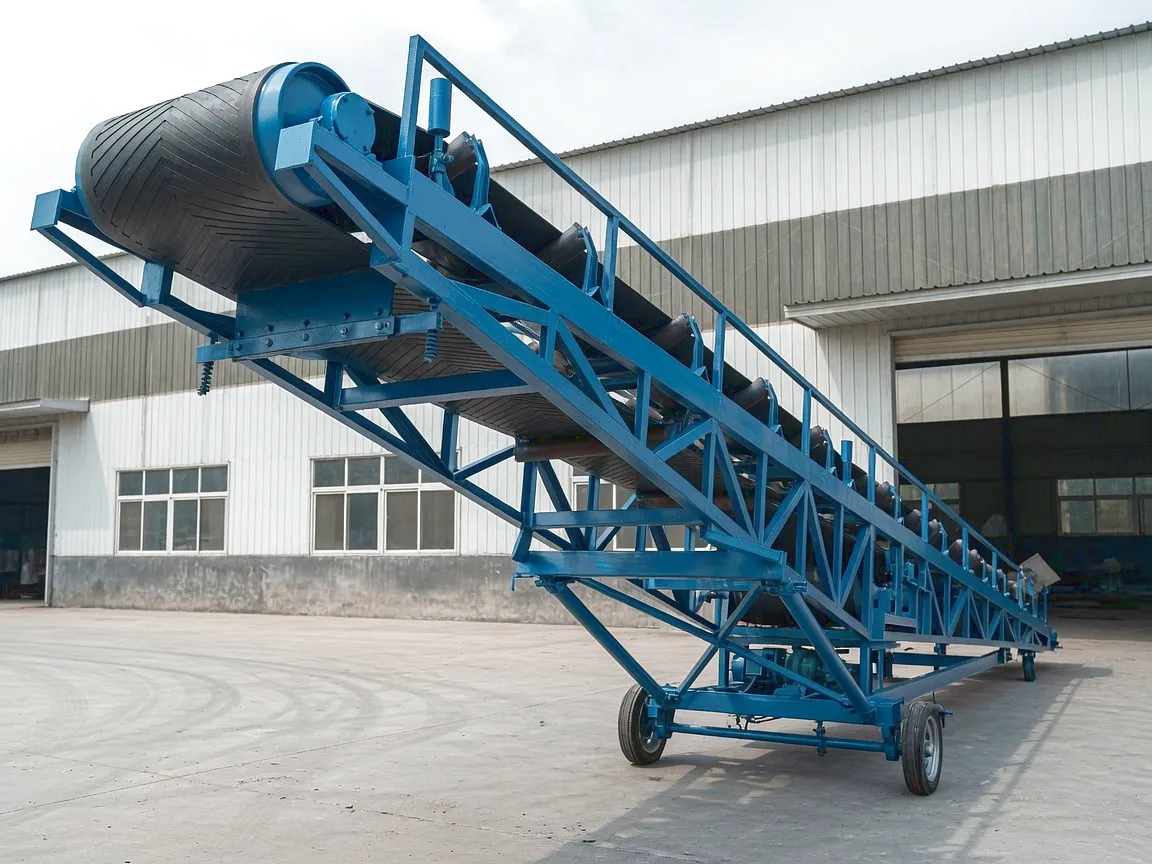
Belt conveyors handling coal, iron ore, aggregate, or grain require gear couplings that protect the drive system during jammed-belt starts and surge loads, while maintaining accurate torque balance across multi-drive long-flight conveyor systems. Service factors of 1.75 or greater are standard for loaded-start duty.
Gear Coupling for Belt Conveyor Systems: A Field-Proven Guide for UK Heavy Industry
Field-tested guidance for UK quarry, mining, and port engineers on gear coupling selection and maintenance for belt conveyor drives, drawing on operational experience from bulk materials handling facilities and providing practical troubleshooting guidance for common wear patterns.
Gear Coupling for Belt Conveyor Systems: Engineering Excellence in Continuous Bulk Material Handling
Engineering excellence framework for bulk handling conveyor drivetrains, covering gear coupling design parameters that maintain belt tension uniformity, prevent slip — eliminating material spillage — and enable smooth controlled starts that protect both the belt and the driven load.
Gear Coupling for Belt Conveyor Drive Systems: The Engineer’s Complete 2025 Guide
Up-to-date 2025 reference incorporating recent changes to conveyor drive technology, including the gear coupling interface requirements of permanent magnet direct-drive motors, IE5 motor efficiency class constraints, and smart-sensor coupling monitoring systems being deployed in new UK aggregate and bulk handling facilities.
Gear Coupling for Belt Conveyor Drives: Engineering Performance Across UK Mining, Ports & Power Generation
Cross-sector engineering performance guide comparing gear coupling requirements across UK coal mine surface conveyors, port conveyor systems, biomass fuel conveyors at power stations, and heavy-duty aggregate conveying operations — with sector-specific sizing examples.
Gear Coupling for Belt Conveyor Systems: The Complete Engineering Guide for Heavy-Duty Mining & Industrial Applications
Complete engineering guide for heavy-duty mining and industrial conveyor applications, providing gear coupling torque calculation methodology, float and misalignment analysis, coupling guard design requirements, and the maintenance intervals that underpin planned preventative maintenance programmes.
Crane Drive Systems
In overhead travelling cranes, portal cranes, and gantry cranes serving UK steelworks, shipyards, and heavy manufacturing facilities, gear couplings transmit hoisting, cross-travel, and long-travel drive torque across shafts subject to structural deflection and thermal cycling. With lifting operations classified as safety-critical under BS EN 14492 and BS EN 13001, gear coupling integrity underpins both lifting capacity and operator safety on every cycle.
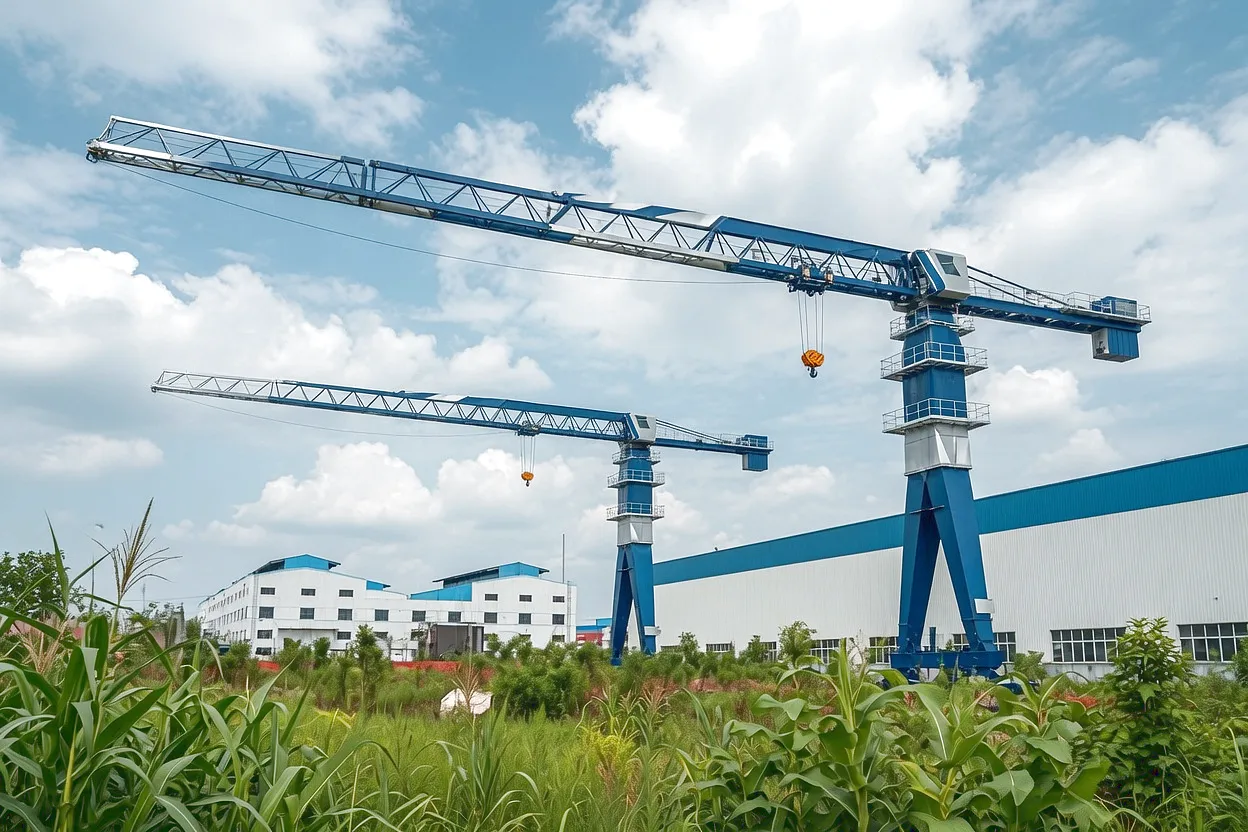
Crane drivetrains experience inertia shock loads during load pick-up and set-down that can exceed nominal torque by factors of 2 or more. Gear couplings for crane duty must be rated for class M8 duty per FEM/ISO standards and engineered with housing designs that prevent oil contamination of wheel tread surfaces on overhead crane runway rails.
Gear Coupling for Crane Drive Systems: The Complete Engineering Guide for High-Torque Material Handling
Engineering guide for high-torque crane drive applications, providing gear coupling service factor selection tables calibrated to crane duty class (M1–M8), load spectrum analysis, and design guidance for long-travel drives with multiple gearboxes on a common shaft line.
Gear Coupling for Crane Drive Systems: The Complete Engineering Guide for Heavy Industry
Heavy industry reference covering gear coupling specification for steelworks cranes in teeming bay, charging aisle, and scrap bay environments — where radiant heat, splashed molten metal risk, and demanding duty cycles combine to create some of the most challenging gear coupling service conditions in British industry.
Gear Coupling for Crane Systems: The Complete Engineering Guide for Heavy-Lift Applications
Heavy-lift application guide addressing gear coupling selection for harbour mobile cranes, floating cranes, and heavy-lift gantries operating at capacities from 100 to 2,000 tonnes, including the distinctive torque profiles and dynamic load characteristics of this class of lifting equipment.
Gear Coupling for Crane Drive Systems: The Complete Engineering Guide for Heavy-Lift Applications
Detailed structural analysis of crane girder deflection effects on shaft misalignment, providing gear coupling angular and parallel misalignment capacity requirements as a function of crane span and SWL, with worked alignment tolerance calculations for common UK overhead crane configurations.
Ready to Specify the Right Gear Coupling?
Our engineering team supports B2B customers across UK industry with gear coupling selection, sizing calculations, and application-specific specification advice. Contact us with your drivetrain parameters for a rapid technical response.
gear-coupling.top | Industrial Power Transmission Engineering | United Kingdom
Gear Coupling Applications: Wind Turbine Generator · Cement Kiln · Shore Bridge Crane · Scraper Conveyor · Offshore Oil Platform · Elevator Traction Machine · Belt Conveyor · Crane Drive Systems edit by gzl