
Ever Power Engineering · United Kingdom Industrial Drivelines
Gear Coupling for Belt Conveyor Systems: A Field-Proven Guide for UK Heavy Industry
From colliery feeders in Yorkshire to aggregate terminals on the Thames, the gear coupling remains the single most reliable torque-transmission solution for high-tonnage belt drivelines across British operations.
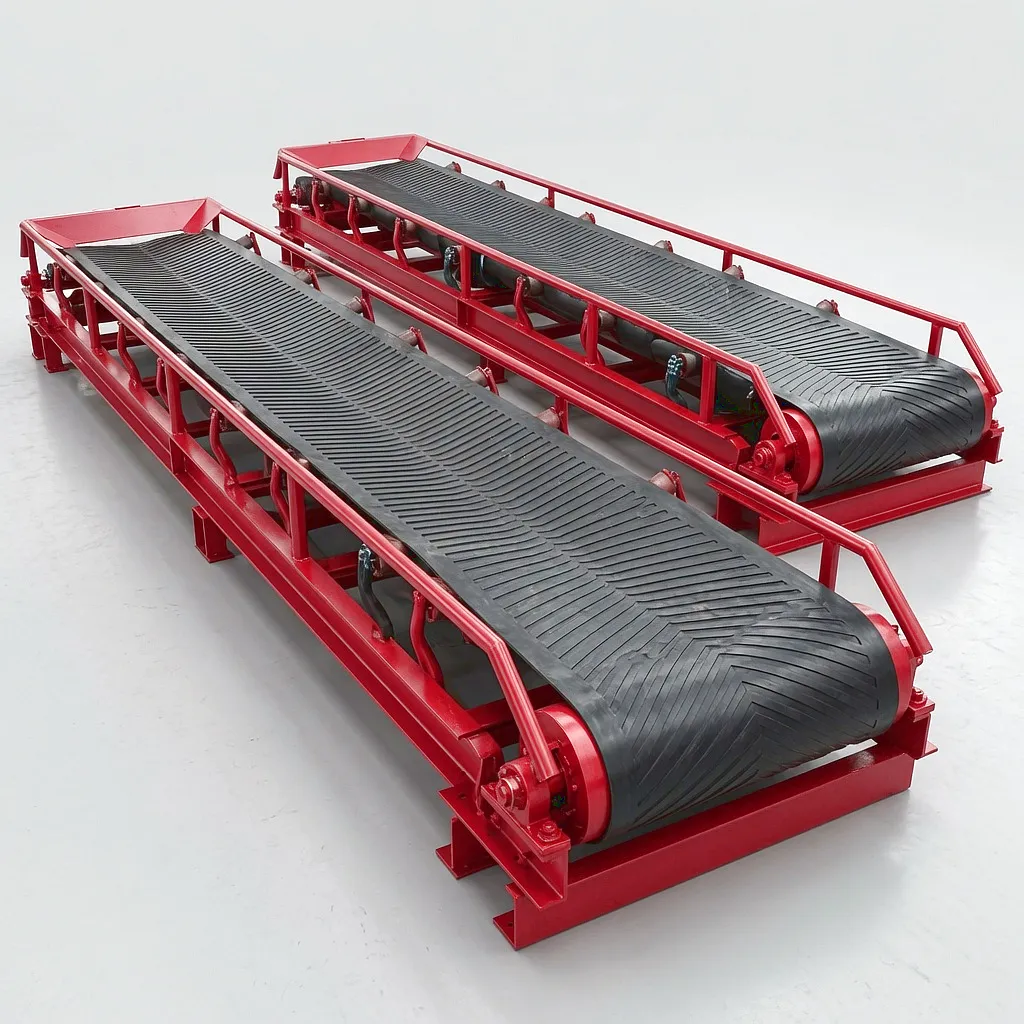
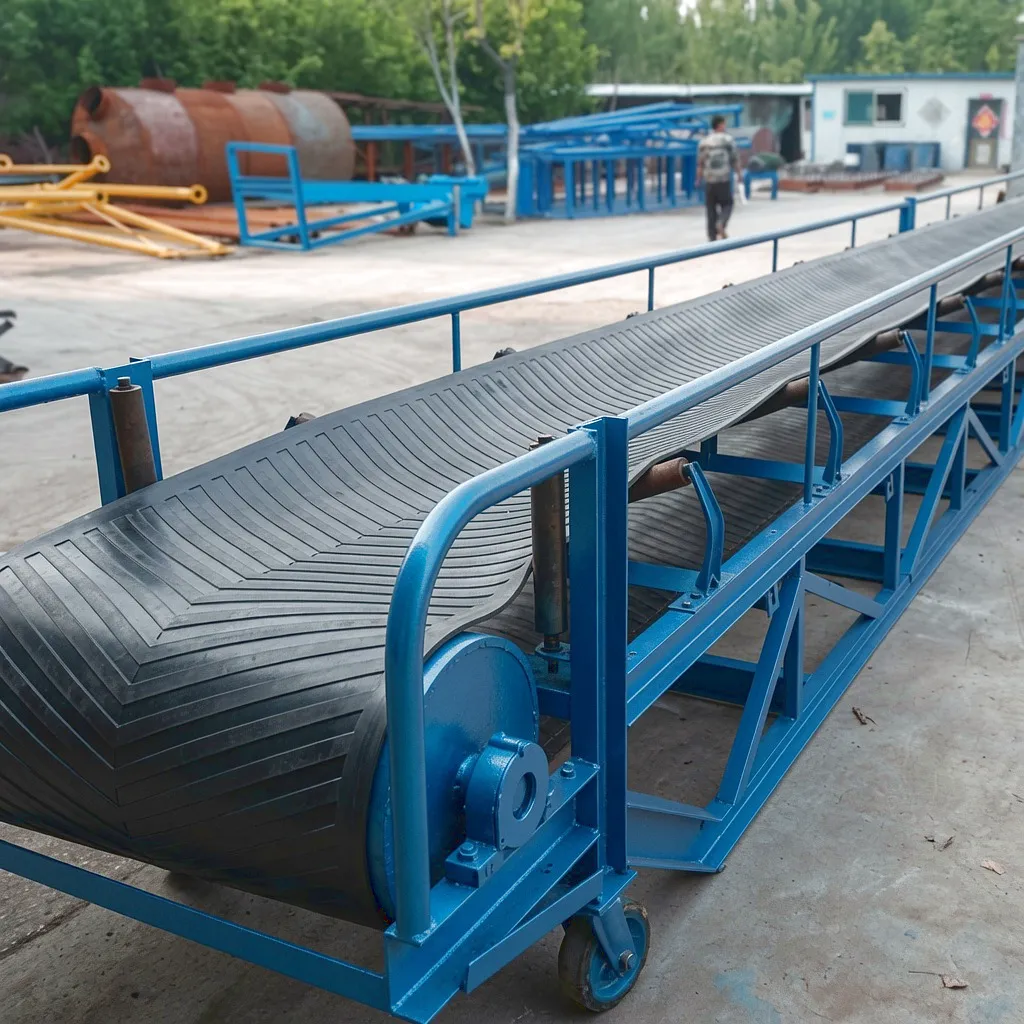
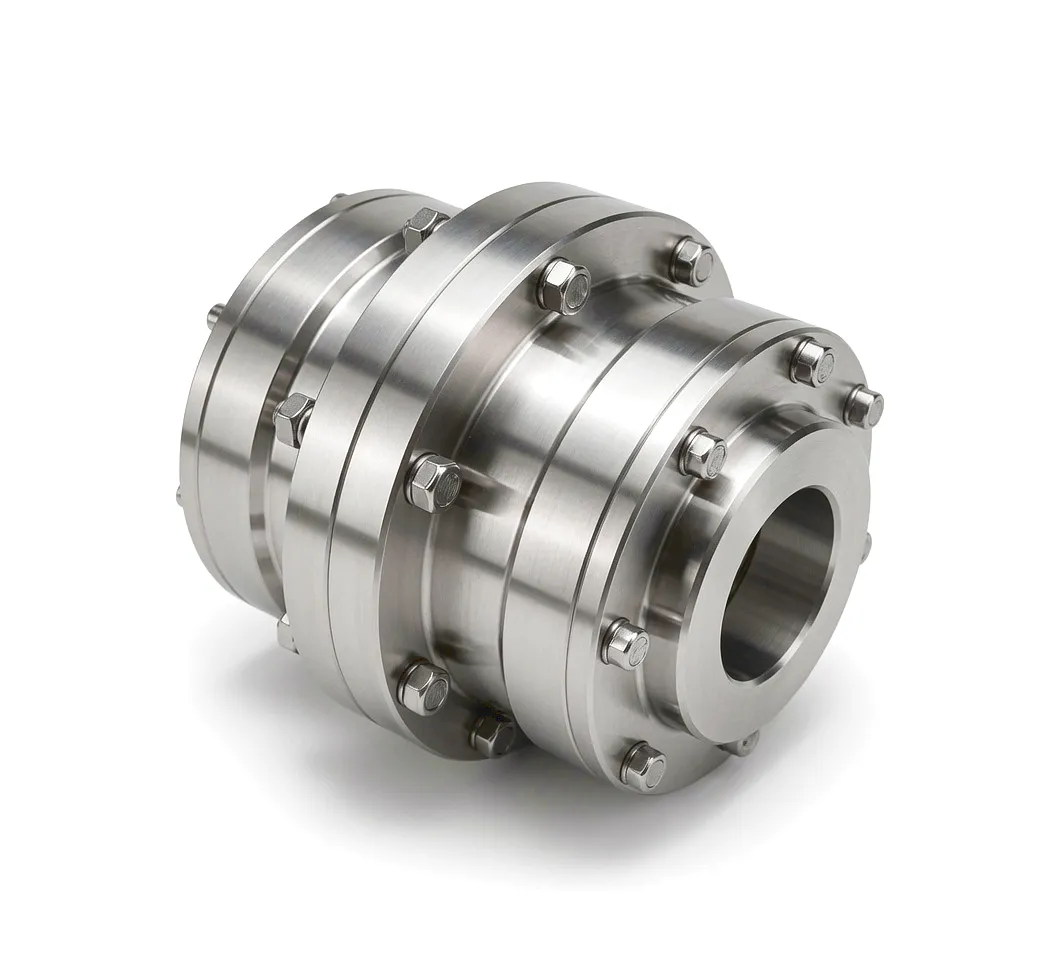 Across coal yards in Yorkshire, port terminals in Tilbury and Immingham, cement works in the Peak District, and steel plants around Scunthorpe, the belt conveyor is the unsung backbone of British heavy industry. Long-distance overland belts move iron ore, clinker, sinter, ash, ballast, biomass pellets and bulk minerals at rates that often exceed several thousand tonnes per hour. Each of those belts depends on a driveline that converts electrical power into smooth, controllable torque at the drive pulley. Sitting between the motor, the reducer and the drum is a small but decisive component: the gear coupling.
Having spent the better part of two decades commissioning driveline components on conveyor projects from Aberdeen to Plymouth, I have learned that no other coupling family handles the combined demands of shock loading, angular misalignment, parallel offset and continuous high torque quite like a precision gear coupling. The pages that follow distil that field experience into a practical reference for UK procurement teams, maintenance managers and reliability engineers specifying their next belt conveyor refurbishment or new build.
Why Belt Conveyor Drivelines Live or Die by the Coupling
A large overland belt is essentially a long string of inertia. When the start signal is sent, the drive motors must accelerate hundreds of tonnes of belt, idlers and bulk product from standstill to running speed. During that ramp, peak torque can easily reach 250 percent of nameplate, and the shafts on either side of the reducer rarely remain perfectly concentric. Thermal growth, foundation settlement, belt drift correction and dynamic deflection all introduce misalignment that a rigid connection simply cannot tolerate. A well-designed gear coupling absorbs those irregularities through the meshing of crowned external teeth with internal teeth, allowing the two halves to articulate while still transmitting full torque.
On a typical multi-drive head station, you will find a gear coupling between motor and reducer (a high-speed unit running at 1,000 to 1,500 rpm) and a second, heavier gear coupling between reducer and drum (a low-speed unit handling enormous torque). The two duties demand different geometries, different lubrication strategies and very different inspection intervals. Getting that selection wrong is one of the most common causes of unplanned downtime on UK conveyor installations, and it is precisely the area where Ever Power has built its reputation.
Engineering Advantages That Translate Into Uptime
High Torque Density
A compact gear coupling envelope can transmit up to ten times the torque of a comparable flexible disc unit, freeing valuable space inside crowded conveyor head stations.
Triple-Axis Misalignment Tolerance
Crowned tooth profiles absorb angular displacement up to 1.5 degrees per hub, parallel offset, and combined axial float without raising vibration signatures on the bearings.
Shock Load Damping
During belt start-up the gear coupling cushions inertia spikes through controlled tooth backlash, protecting reducer pinions and motor shafts from impact damage.
Long Service Interval
With proper grease selection and sealed end-caps, an industrial gear coupling routinely operates 30,000 to 50,000 hours between regreasing on continuous conveyor duty.
Field Serviceability
Split sleeves and bolt-on flanges mean a damaged gear coupling element can be replaced inside an overnight shutdown without dismantling motor or drum shaft.
Cost per Tonne
Measured over a ten-year horizon, the total cost-of-ownership of a quality gear coupling is significantly lower than rubber-element or grid alternatives on identical belt duties.
Inside the Mechanism: Principle, Materials and Specification
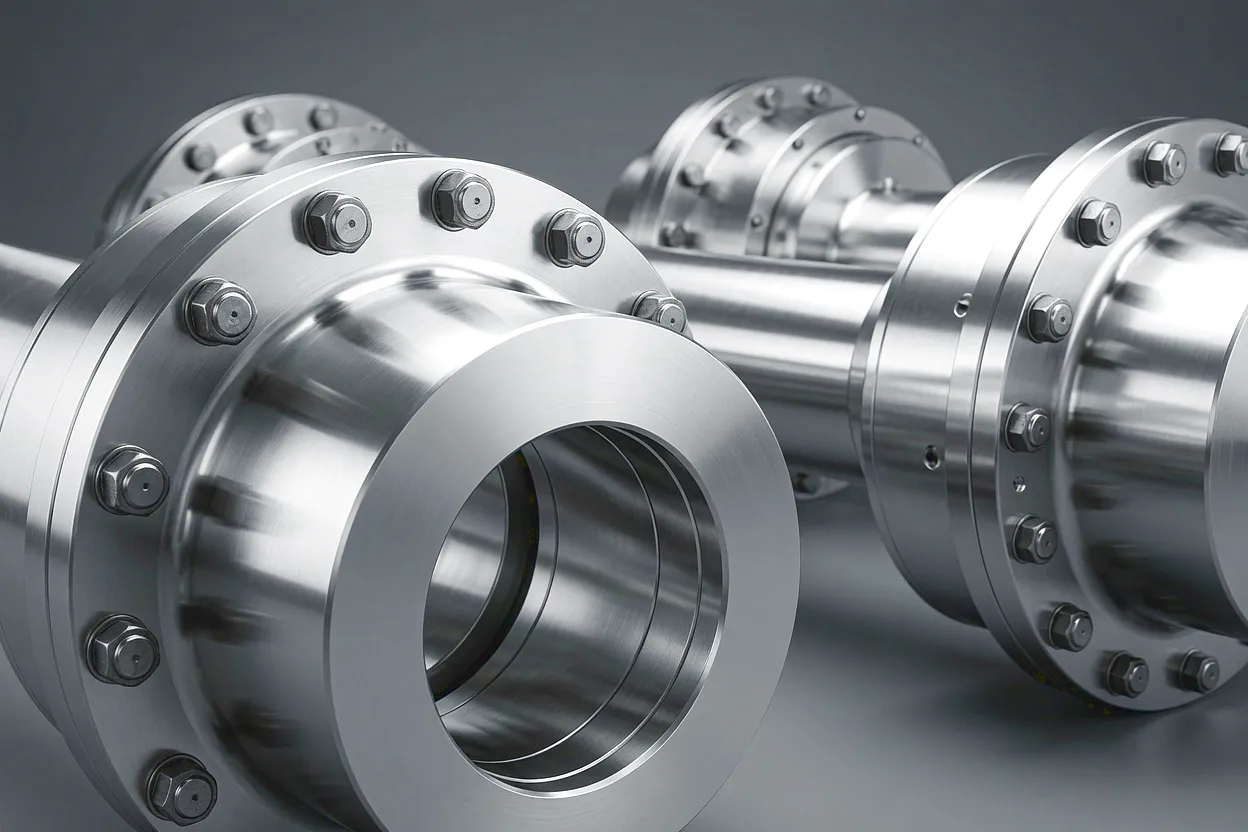
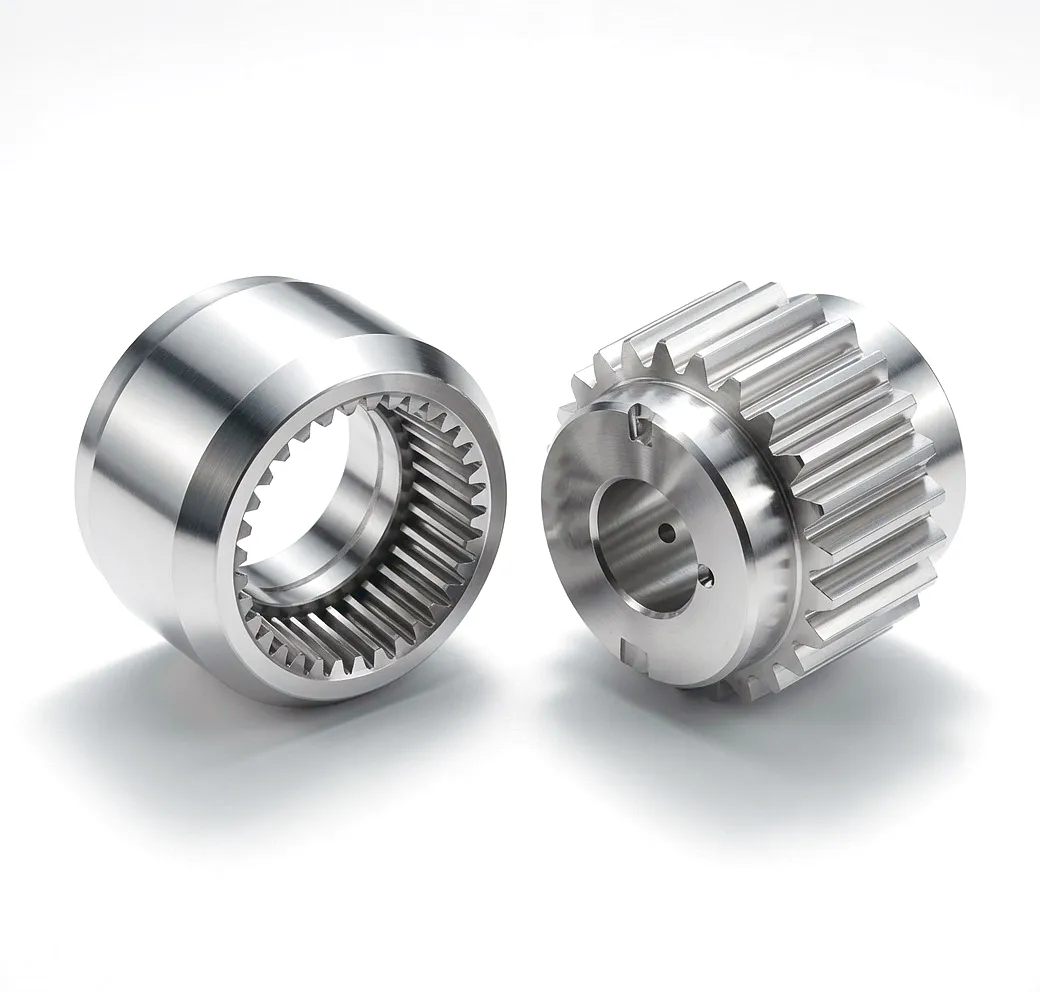
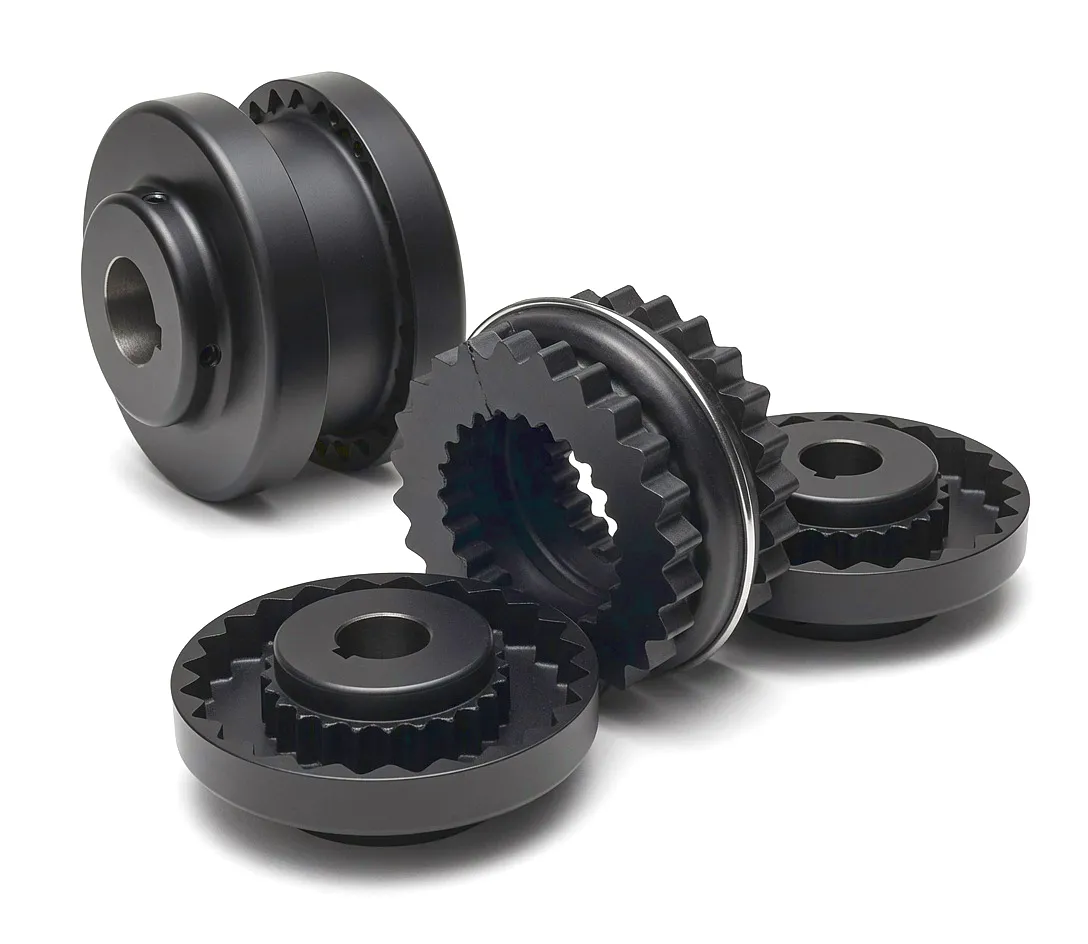
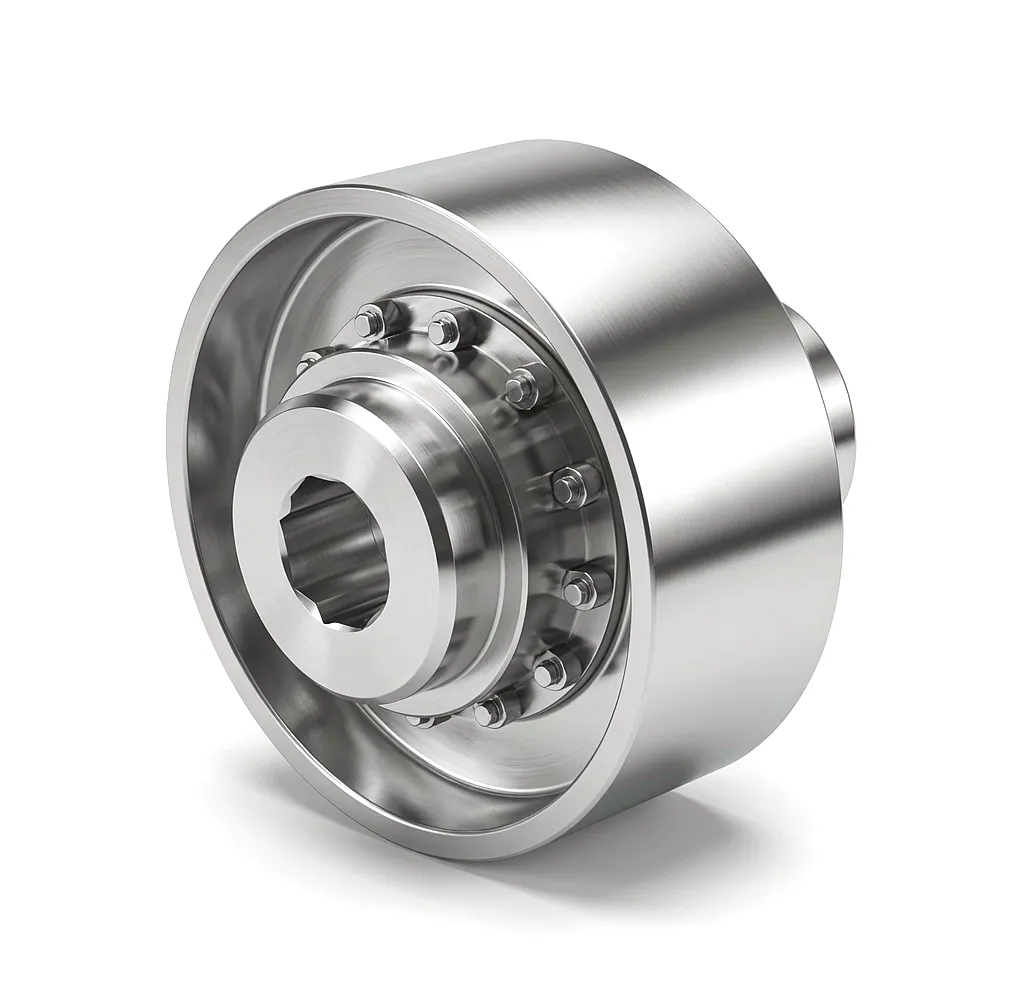 A drum-shape gear coupling consists of two outer sleeves with internal straight teeth, two inner hubs with external crowned teeth, end-caps with O-ring seals, fitting bolts, and a grease charge. Torque travels through the meshed teeth while the crown profile permits articulation. The crown radius is calculated against shaft diameter and operating angle so that contact pressure stays well below pitting fatigue limits even under stalled-rotor conditions.
For belt conveyor service, Ever Power forges hubs and sleeves from 42CrMo4 or 35CrMo medium-carbon alloy steel, then carburises and hardens the teeth to HRC 54 to 62 to a controlled case depth of 0.6 to 1.2 mm. The supporting bolts are property class 10.9 minimum, and on heavy mining duties we upgrade to 12.9 grade with rolled threads. End-cap seals use nitrile or fluoro-rubber compounds chosen for the ambient temperature band on site, from minus 25 °C on a North Sea oil terminal stockpile yard up to plus 120 °C on a cement clinker recovery belt.
| Parameter | GICL Series | NGCL Series | NL Nylon Type |
|---|---|---|---|
| Nominal Torque Range | 800 – 1,250,000 N·m | 1,000 – 1,400,000 N·m | 10 – 25,000 N·m |
| Max Bore Diameter | 220 mm | 340 mm | 125 mm |
| Max Speed | 4,500 rpm | 4,000 rpm | 3,000 rpm |
| Angular Misalignment | 1° per hub | 1.5° per hub | 1° per hub |
| Parallel Offset | ≤ 0.5 mm | ≤ 0.8 mm | ≤ 0.3 mm |
| Hub Material | 42CrMo4 forged | 35CrMo / 42CrMo4 | PA66 + steel hub |
| Tooth Hardness | HRC 54-62 case | HRC 54-62 case | Engineered polymer |
| Operating Temperature | -25 °C to +120 °C | -30 °C to +120 °C | -20 °C to +80 °C |
| Typical Conveyor Use | High-speed motor side | Low-speed drum side | Light feeder belts |
Where the Gear Coupling Earns Its Keep
Overland Mining Belts
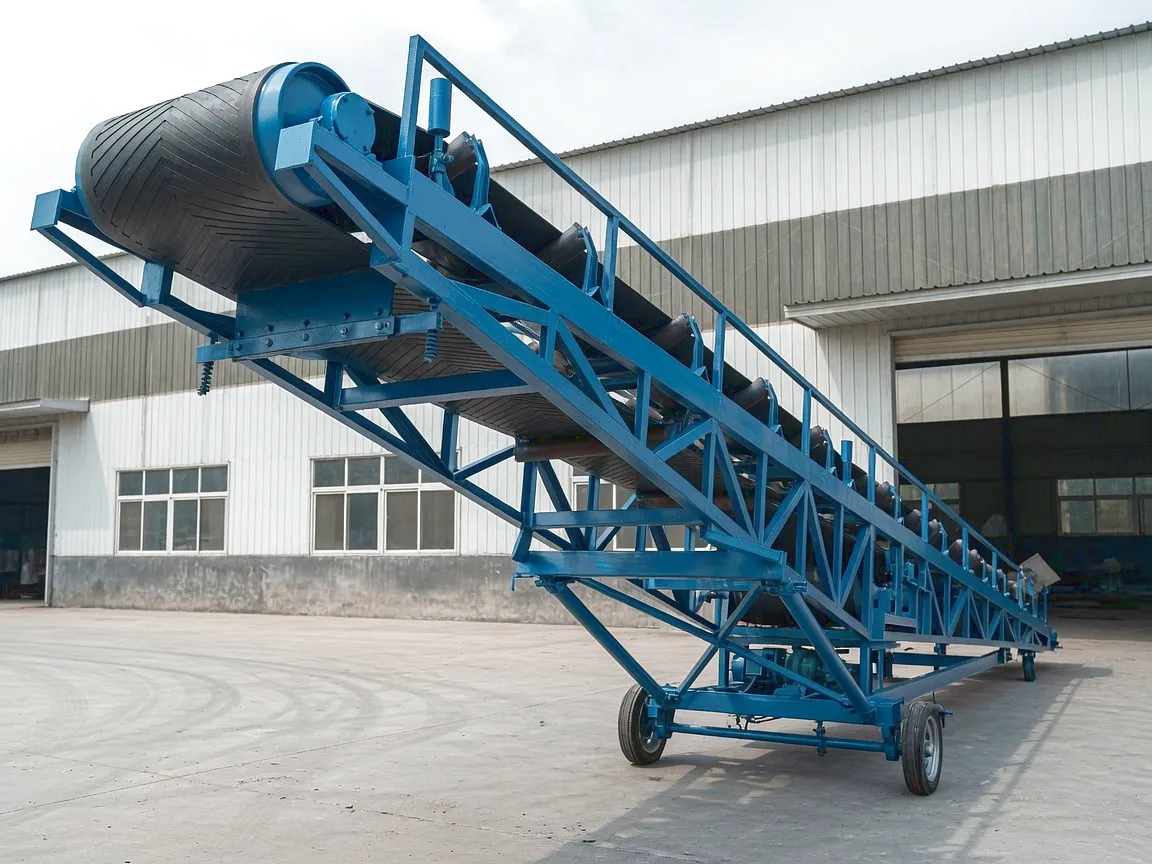
Open-pit operations across the Midlands and Welsh aggregate quarries rely on multi-kilometre belts. Each drive station uses a heavy NGCL gear coupling rated for stalled-rotor starts with frozen winter loads.
Port Bulk Terminals
At Tees, Liverpool, Southampton and Immingham, ship-loader belts handle coal, iron ore and biomass. Salt-laden air demands a corrosion-protected gear coupling with stainless seals and marine-grade grease.
Power Generation Plants
Biomass conversion sites at Drax and elsewhere depend on fuel-feed belts running 24/7. The gear coupling between reducer and head drum must tolerate frequent emergency stops without grease leakage.
Steel and Sinter Plants
High-temperature material handling around Scunthorpe and Port Talbot calls for high-spec alloy hubs. We routinely supply gear coupling assemblies certified for ambient temperatures up to 120 °C.
Cement and Aggregate
Limestone quarries from Buxton to Penrhyn use feeders and stackers where dust ingress is the chief enemy. A double-sealed gear coupling keeps abrasive fines out of the meshing teeth.
Waste-to-Energy Facilities
Greater London and Greater Manchester operate refuse-derived fuel plants whose belt drivelines run on a precision gear coupling designed for variable density loading and irregular impact spikes.
Customer Case Study — Welsh Aggregate Group, Cardiff
★ Project File — South Wales Limestone Quarry
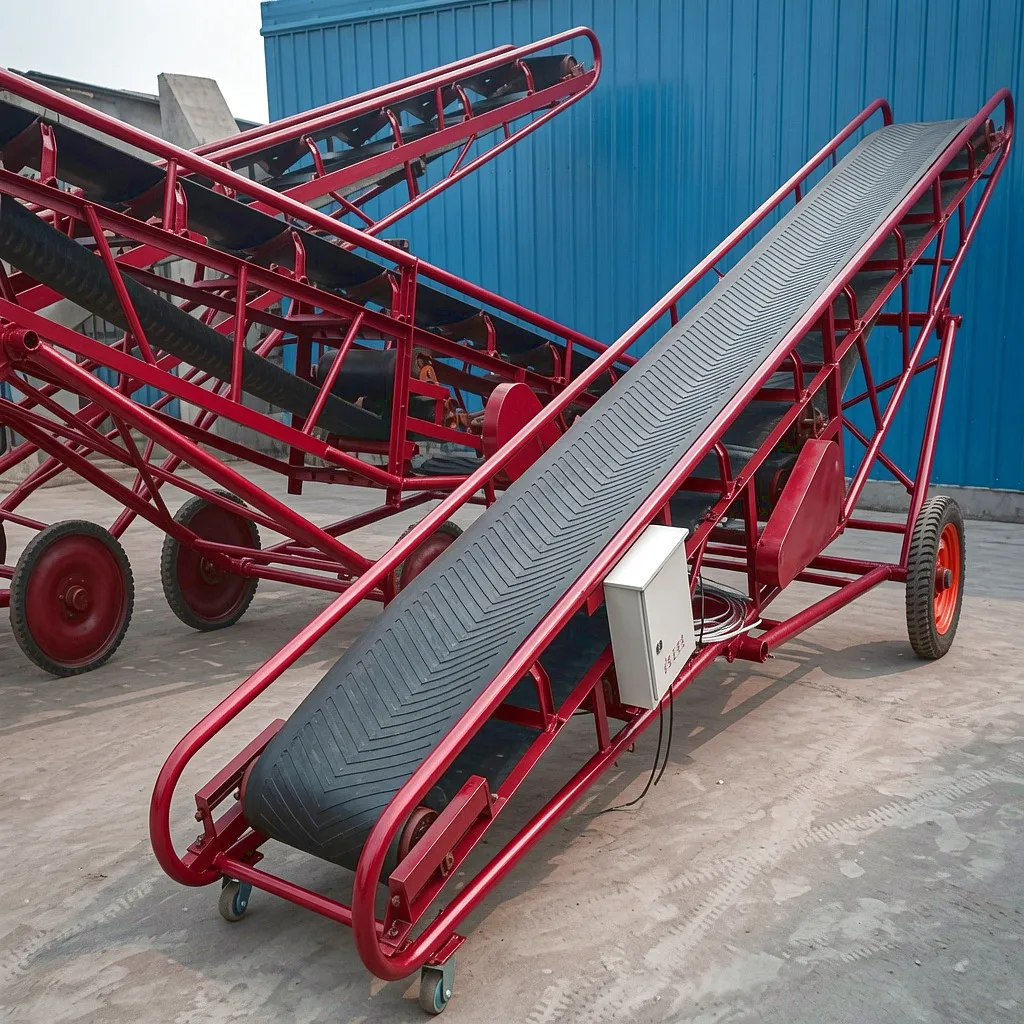
 Welsh Aggregate Group operates a 4.2 km overland belt conveyor moving 2,200 tonnes per hour of limestone from face to crushing plant. The original couplings supplied with the OEM driveline were a grid-spring design that began suffering pack failures every nine months because of the heavy starting torque profile. After unplanned downtime cost the operation more than £180,000 in a single quarter, the maintenance team approached Ever Power for an engineered replacement.
Our application engineers carried out a full driveline audit including vibration analysis, alignment measurement and shock-load simulation. We specified an NGCL-12 drum-shape gear coupling for the low-speed side and an NGCL-7 for the high-speed motor side, both with synthetic long-life grease and double-lip viton seals. Hub bores were machined to existing shaft dimensions with stepped keyways to reduce stress concentrations.
Twenty-six months of continuous service later, no gear coupling failure has been recorded. Mean time between regreasing has been extended to 18 months, and the maintenance manager calculates an annualised saving of just over £210,000 on combined parts, labour and lost production. The original commissioning report and ongoing condition-monitoring data are available for inspection by qualifying enquiries.
“Replaced our entire fleet of head-drum couplings at the Tilbury bulk terminal. Two winters in and the Ever Power gear coupling units have outlasted everything we tried before. The custom bore work arrived inside three weeks.”
— D. Whitmore, Reliability Engineer, Essex Port Logistics
“We had a tricky bespoke flange interface on a fifteen-year-old reducer. Their drawing-office turned the proposal in 48 hours and the finished gear coupling arrived ready to bolt on. Saved a week of fabrication on site.”
— S. Patel, Maintenance Manager, Sheffield Steelworks
“Quoted, drawn, manufactured and shipped to our Cumbria cement works within four weeks. Their technical team understood exactly which gear coupling configuration suited our high-thrust application — proper engineers, not just box-shifters.”
— R. Holloway, Project Buyer, Cumbria Cement Industries
Supporting British Industry From Land’s End to John o’ Groats
Ever Power ships precision drive couplings into the United Kingdom on a weekly basis, with bonded warehouse coverage that allows stocked components to reach Birmingham, Manchester, Glasgow and Belfast within 48 to 72 hours of order release. Bespoke gear coupling units machined to non-standard bores or flange patterns are typically completed in three to four weeks, including third-party material certification compliant with BS EN 10204 3.1 if required by your QA framework. Our regional technical partners in the Midlands and the North East can attend site for installation supervision, laser-alignment verification and torque-watch commissioning where the contract calls for it.
UK projects benefit from documentation provided in metric units, hardware tolerances aligned with ISO 286, and CE-compatible declarations of conformity for installations falling under the Machinery Directive as adopted into British regulation. Whether the destination is a Scottish hydro intake, a Yorkshire colliery rehabilitation, a Liverpool docks rebuild or a Heathrow baggage-system upgrade, the same engineered gear coupling family scales from a handful of newton-metres at NL-1 right up to the 1.4 million newton-metre NGCL-30.
Inside the Ever Power Factory: Customisation Without Compromise
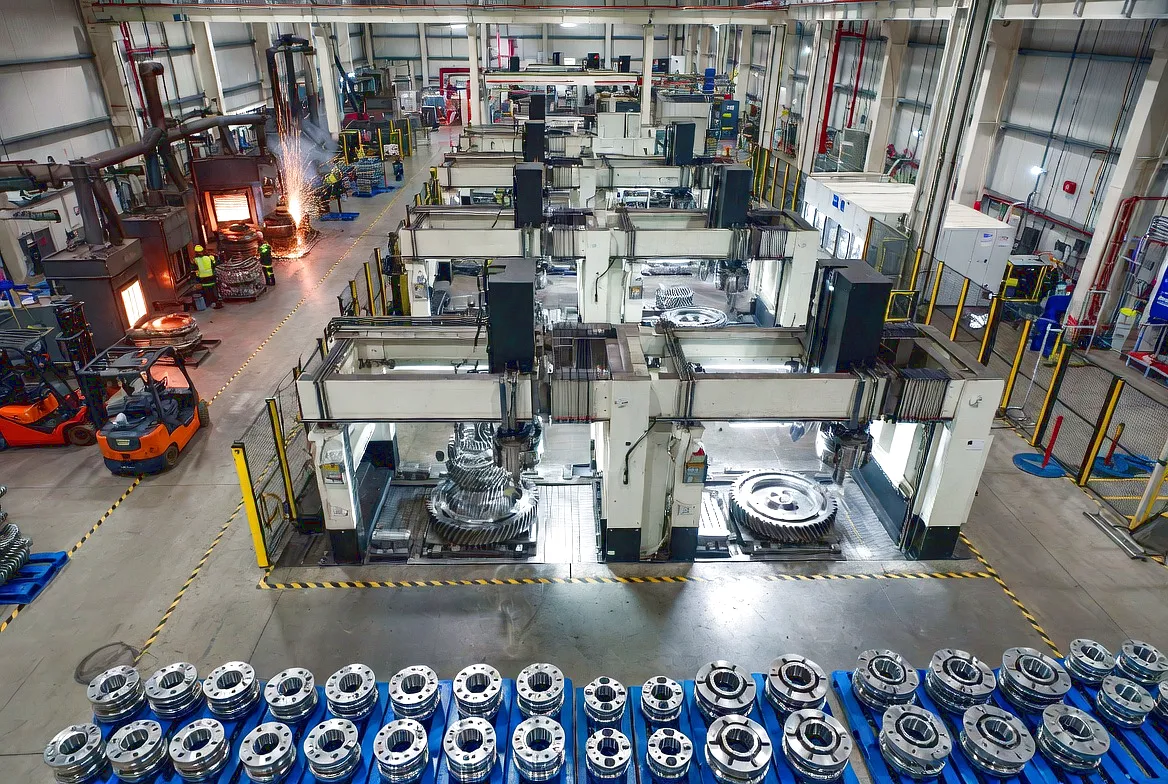
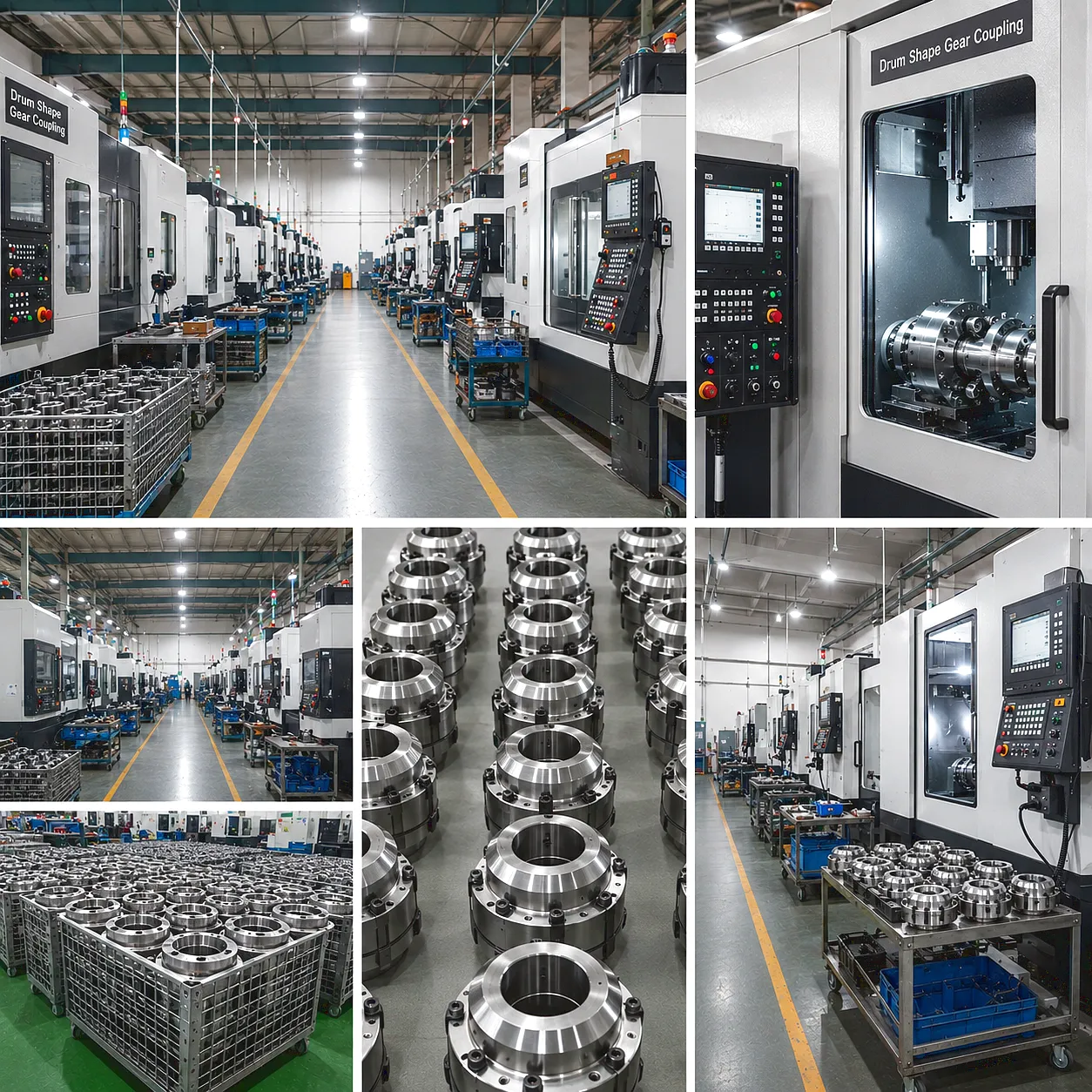
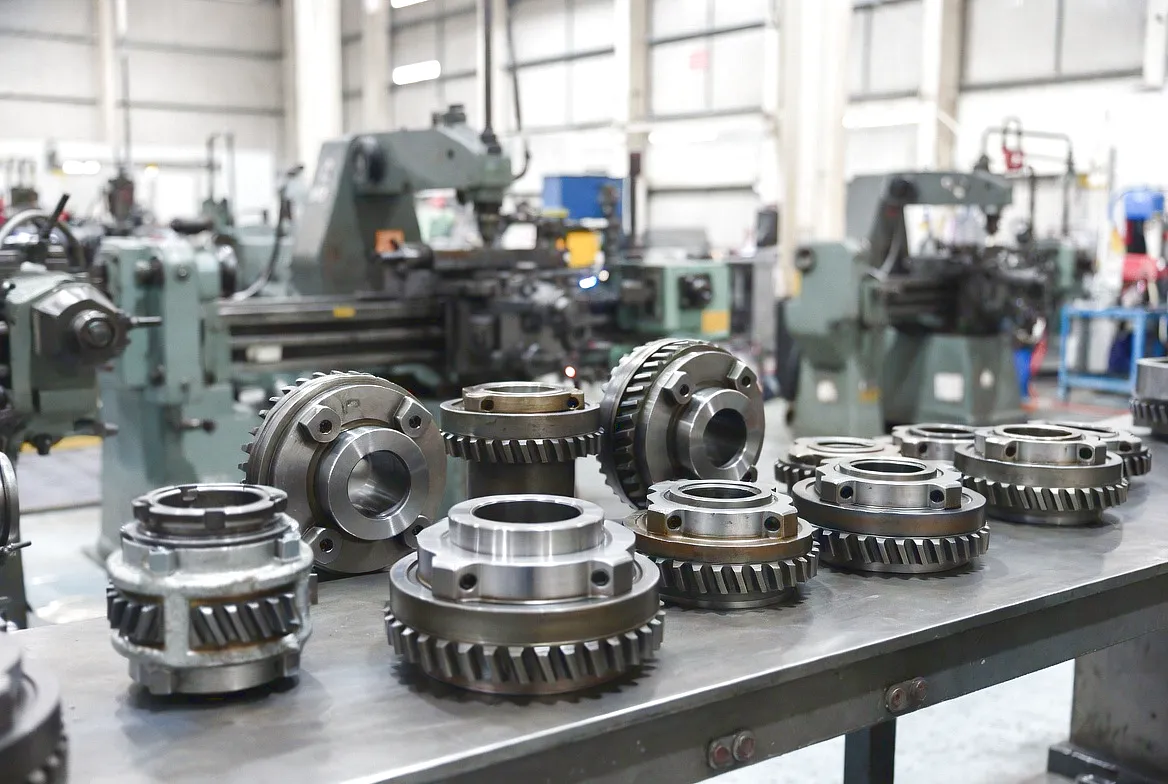 Our manufacturing facility covers 38,000 square metres and operates five hardening lines, twenty-eight CNC turning centres, twelve gear-shaping machines and two large-bore gear-grinders capable of finishing tooth profiles up to 1,250 mm in outside diameter. Every gear coupling that leaves the gate undergoes 100 percent dimensional inspection, magnetic-particle crack detection on hub bores, and a sample-rate dynamic balancing programme for high-speed variants. ISO 9001, ISO 14001 and ISO 45001 certifications are maintained continuously and audit reports are released on request to qualified buyers.
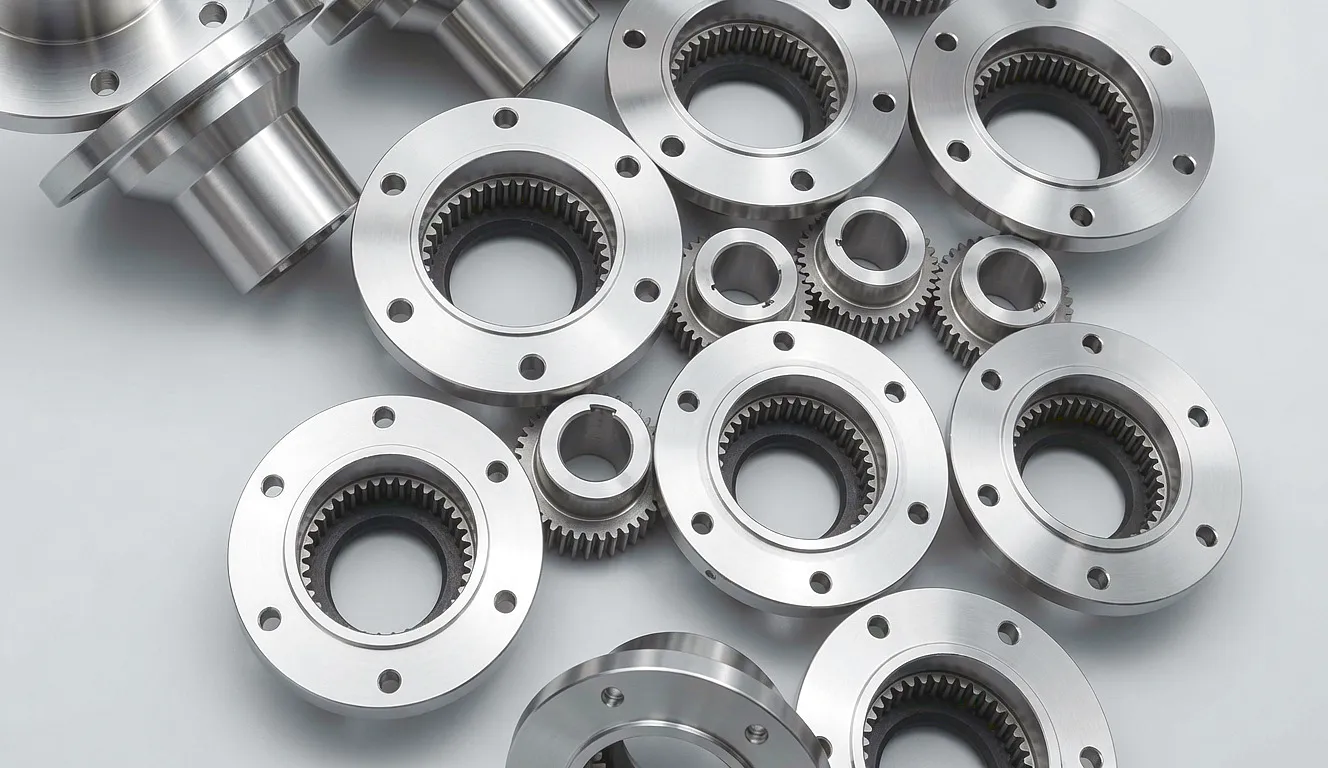
 Customisation is not a marketing slogan — it is how the business is structured. Around 60 percent of the gear coupling units we ship into Britain are modified against catalogue baselines. Typical bespoke work includes oversize bores, taper-bore versions for shrink-fit shafts, integral brake-disc flanges, intermediate spacers for spool-piece arrangements, stainless or coated variants for offshore service, and ATEX-rated low-spark configurations for hazardous-area belts. Drawings are returned within 48 working hours for review and the manufacturing route is locked only after the customer signs off the layout.
Ready to Specify the Exact Gear Coupling for Your Belt Conveyor?
Send us your shaft diameters, torque rating and operating ambient. A formal quotation lands in your inbox inside one working day.
Frequently Asked Questions
How much does a heavy-duty gear coupling for UK belt conveyor drivelines typically cost?
Pricing depends heavily on torque rating and bore size. A typical NGCL-8 unit for a 2,000 tonne-per-hour overland belt lands somewhere between £900 and £2,400 ex-works, while bespoke large-bore variants for ship loaders can range from £4,500 upward. Send us a duty sheet and you will receive a firm quotation inside 24 working hours.
Which gear coupling supplier in Britain offers the fastest delivery for emergency mining conveyor repairs?
Ever Power maintains rotating stock of catalogue sizes in a UK partner warehouse, so standard hub-and-sleeve sets reach most British mainland sites within 48 to 72 hours. For full bespoke manufactures, an expedited route of seven to ten working days is available against a small priority surcharge.
What torque rating should I request when sourcing a gear coupling for a UK port bulk handling belt?
Always apply a service factor of 1.75 to 2.5 over the calculated running torque for port duties. Multiply motor nominal torque by the gearbox reduction, then by the service factor. Our application engineering team in the United Kingdom can verify the sizing free of charge if you forward the driveline data sheet.
Where can I find a reliable gear coupling manufacturer that ships directly to the United Kingdom with full certification?
Ever Power ships directly into all major British ports and provides EN 10204 3.1 material certificates, dimensional inspection reports and torsional stiffness data on every shipment. We have referenceable projects with cement, steel, ports and biomass operators across the United Kingdom.
When should I replace a worn gear coupling on a heavy-duty British colliery or biomass belt conveyor system?
Replacement is advisable when measured tooth backlash exceeds 1.5 to 2 times the original installation value, when grease analysis shows iron content above 200 ppm, or when audible knock appears during start-stop cycles. Most UK biomass and colliery operators schedule replacement at major shutdowns every five to seven years.
How do I request a custom gear coupling quote for an existing conveyor at a UK aggregate quarry?
Email the existing OEM part number, shaft diameter, keyway dimensions and shaft separation length to our quotations desk. If a drawing exists, attach it. Pricing, proposed configuration and delivery date are returned the same working day in nearly every case.
What lubricant should be used in a gear coupling running on a British cement plant feeder belt at elevated temperature?
For ambient temperatures up to 80 °C, a lithium-complex EP2 grease performs reliably. Above that, switch to a polyurea or calcium-sulphonate base. Premium long-life synthetic greases extend regreasing intervals out to 24 months in cement-handling conditions and are stocked alongside our UK shipments.
Which gear coupling style suits a high-speed motor side of a UK power plant belt conveyor driveline?
Motor-side connections running between 1,000 and 1,500 rpm benefit from a balanced GICL or NGCL configuration with a spacer piece. Dynamic balancing to ISO 21940 G6.3 is standard practice. Specify if pump-down brake disc integration is required so we can size the spacer accordingly.
Engineering Support for Your Next Belt Conveyor Build
From initial driveline sizing through commissioning and lifetime support, Ever Power stands behind every gear coupling we ship into the United Kingdom.
edit by gzl