
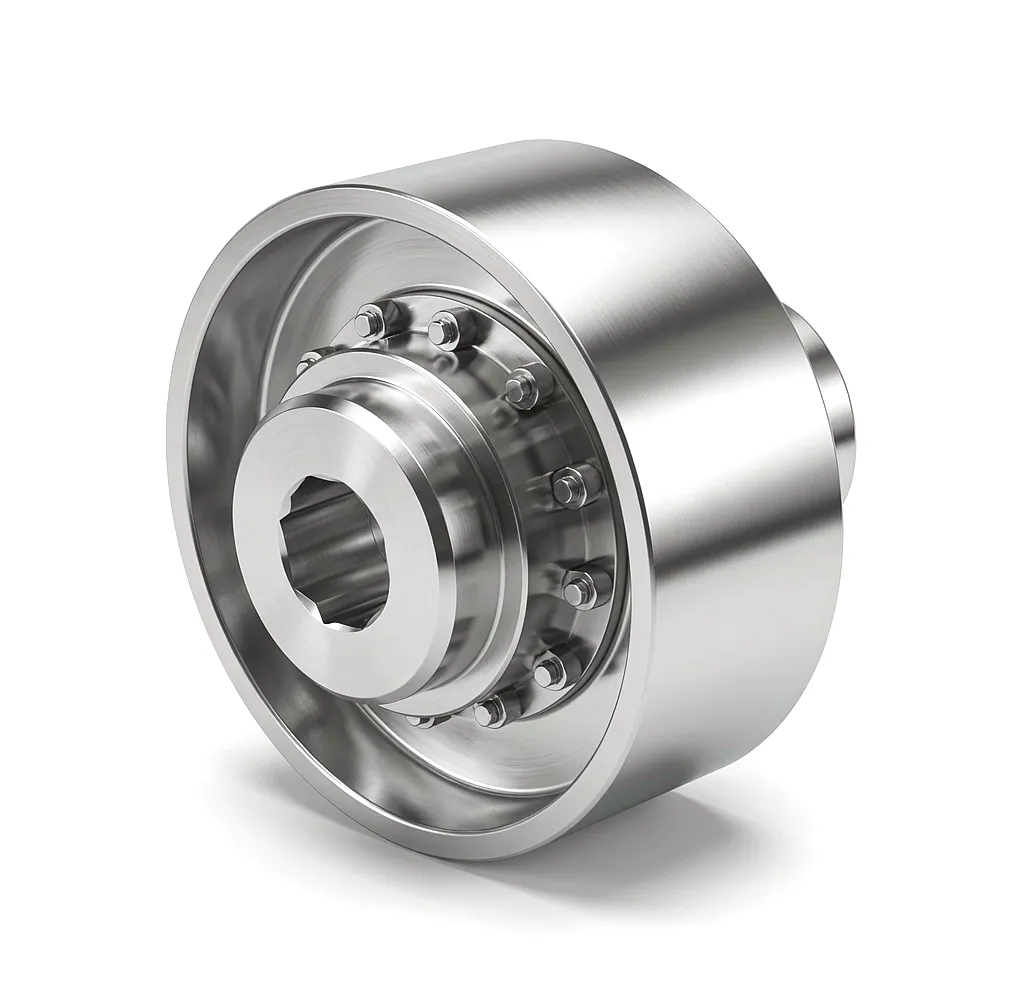
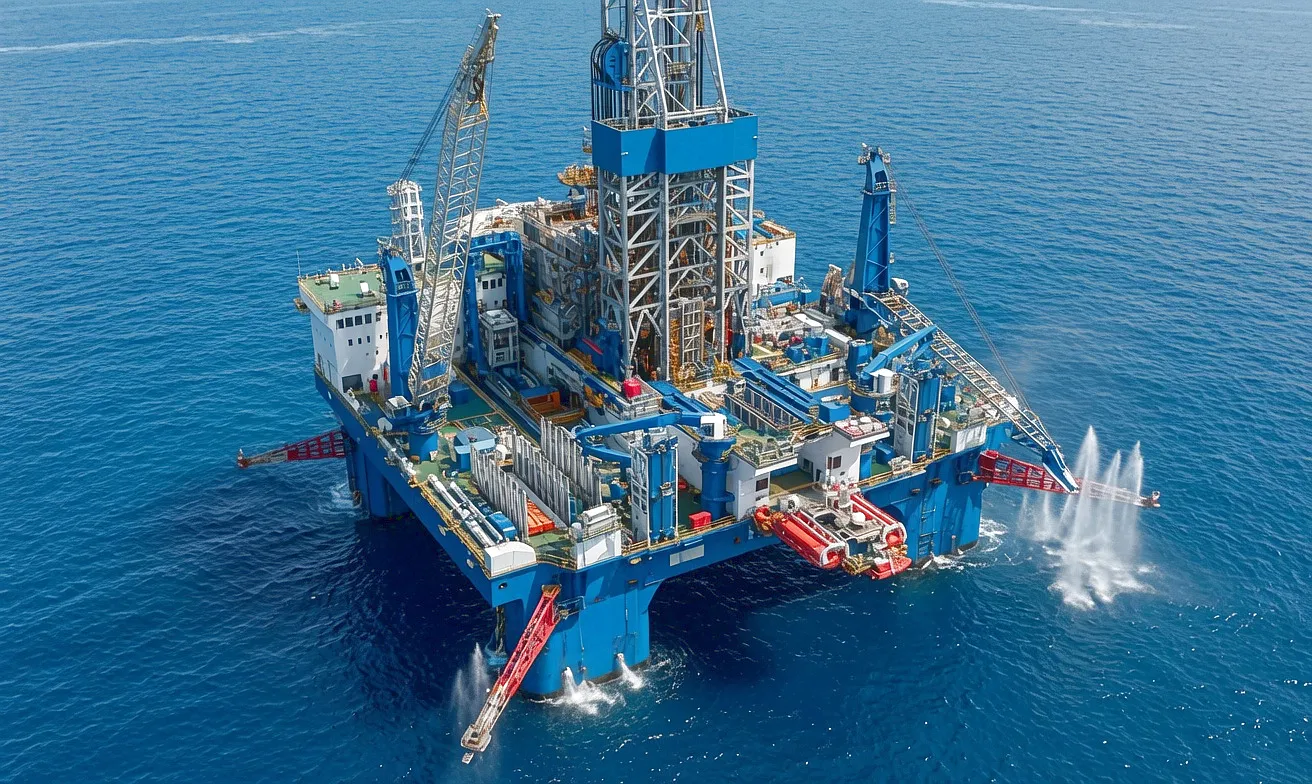
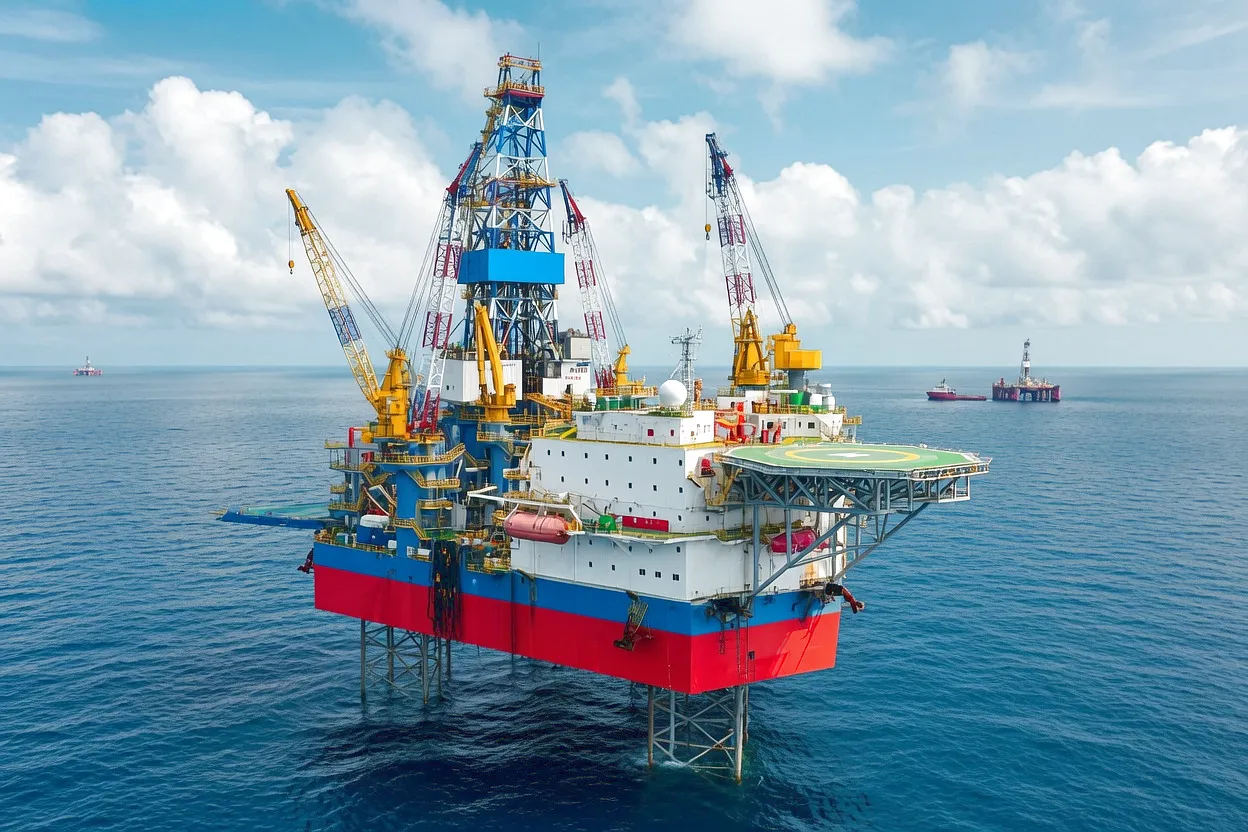
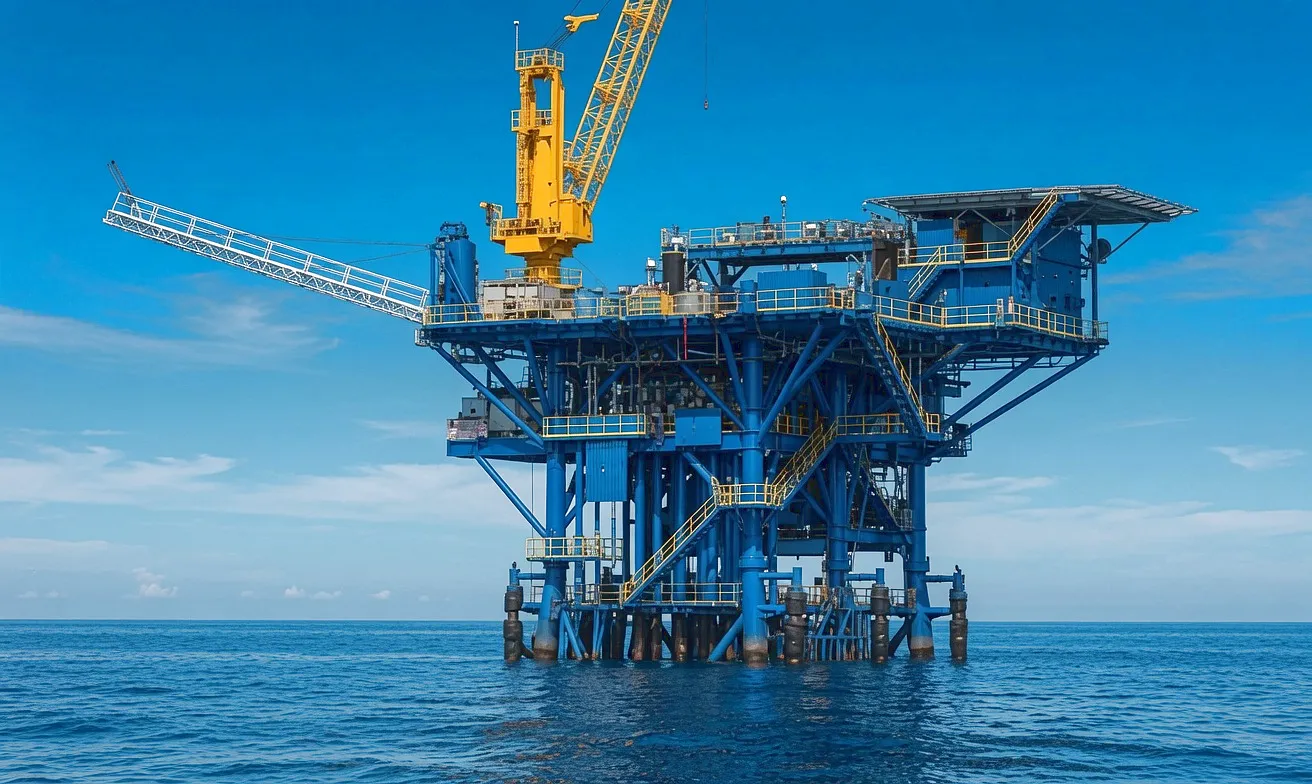
 Offshore oil and gas exploration has always pushed mechanical engineering to its limits. Whether you are operating a jack-up rig off the Shetland Islands, a semi-submersible platform in the Norwegian sector, or a drillship navigating the deep waters of the Celtic Sea, every piece of rotating equipment aboard must perform without compromise. Among the many mechanical components that hold these operations together, the gear coupling plays a role that is both fundamental and frequently overlooked until something goes wrong. It sits between the prime mover and the driven load — absorbing misalignment, transmitting torque, and damping vibration — often in locations where maintenance windows are measured in days and spare parts arrive by helicopter.
The offshore environment imposes mechanical challenges that onshore facilities simply do not encounter at the same intensity. Platform motion introduces dynamic misalignment that shifts continuously with sea state. Salt-laden air accelerates surface corrosion at rates that would seem implausible in a factory setting. Temperature swings between a -5°C North Sea winter night and the heat radiating from a diesel genset can stress materials in ways that standard industrial couplings are not designed to handle. Then there is the vibration signature of subsea pumps, mud circulation systems, and top-drive assemblies — a complex, broadband mechanical noise that can fatigue poorly selected couplings within months.
The Coupling Is the System’s Weak Link — Until It Isn’t
In offshore power transmission, selecting the right gear coupling is not a purchasing decision — it is an engineering risk-management exercise. The wrong coupling costs you a production shutdown. The right one runs for years without a second thought.
This article draws on real-world applications across British and North Sea offshore operations to explain exactly why gear couplings are the coupling technology of choice for high-torque, misalignment-tolerant drivetrain connections on drilling platforms — and what engineers and procurement teams based in the UK need to understand when specifying them.
What Makes a Gear Coupling the Right Choice for Offshore Drilling Equipment?
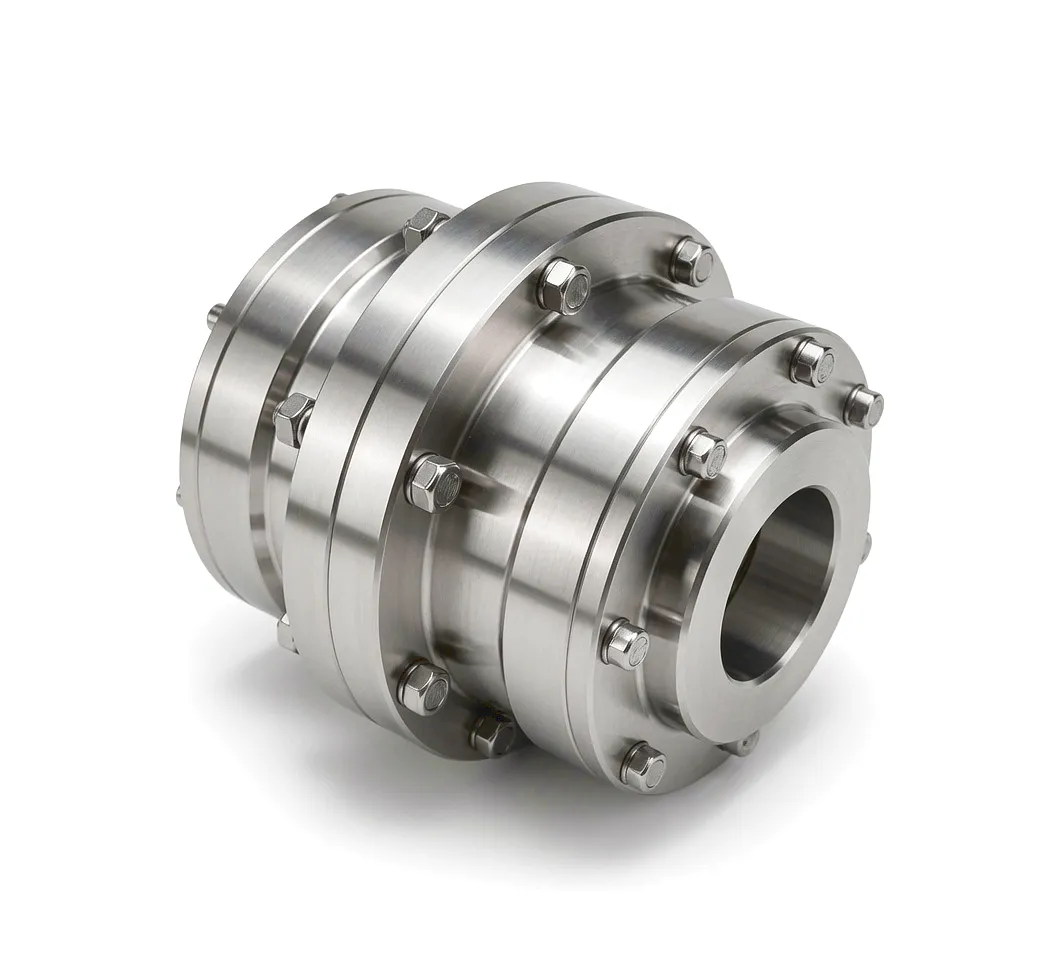
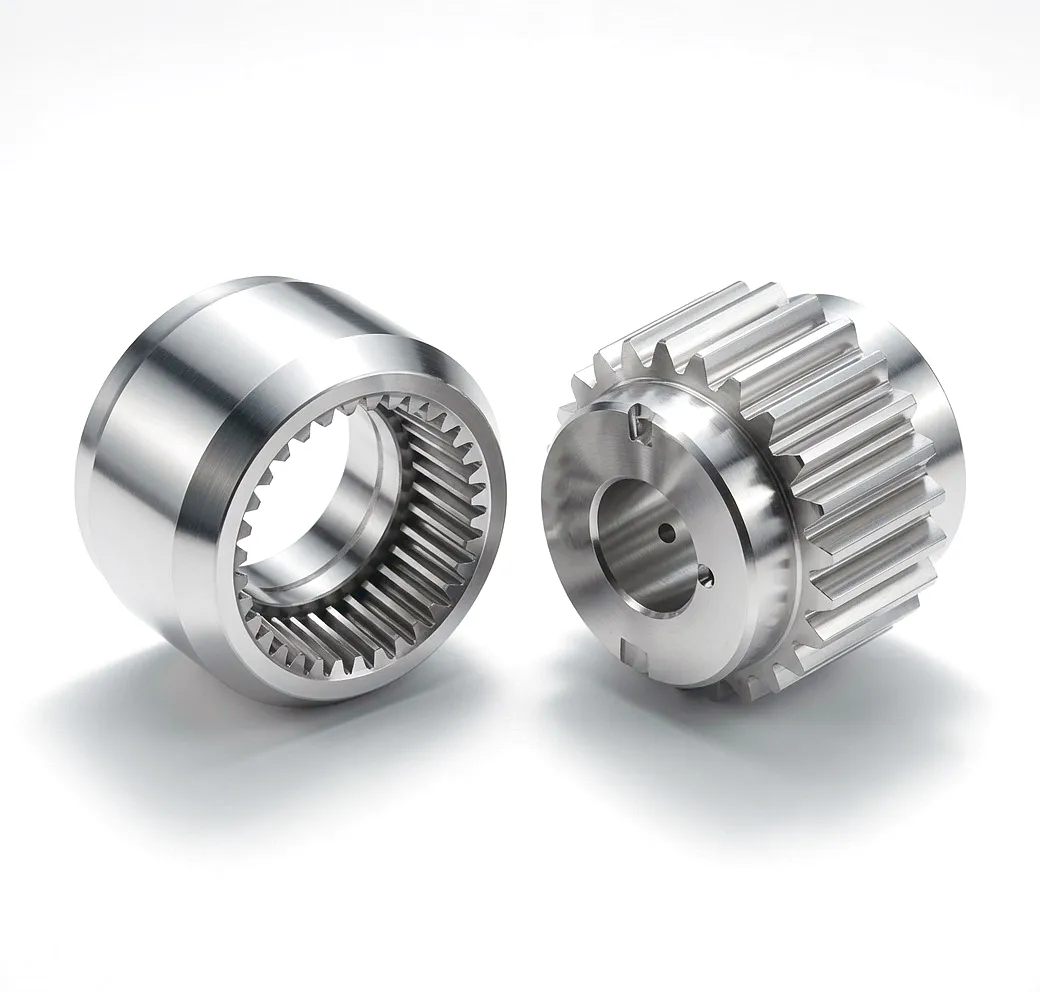
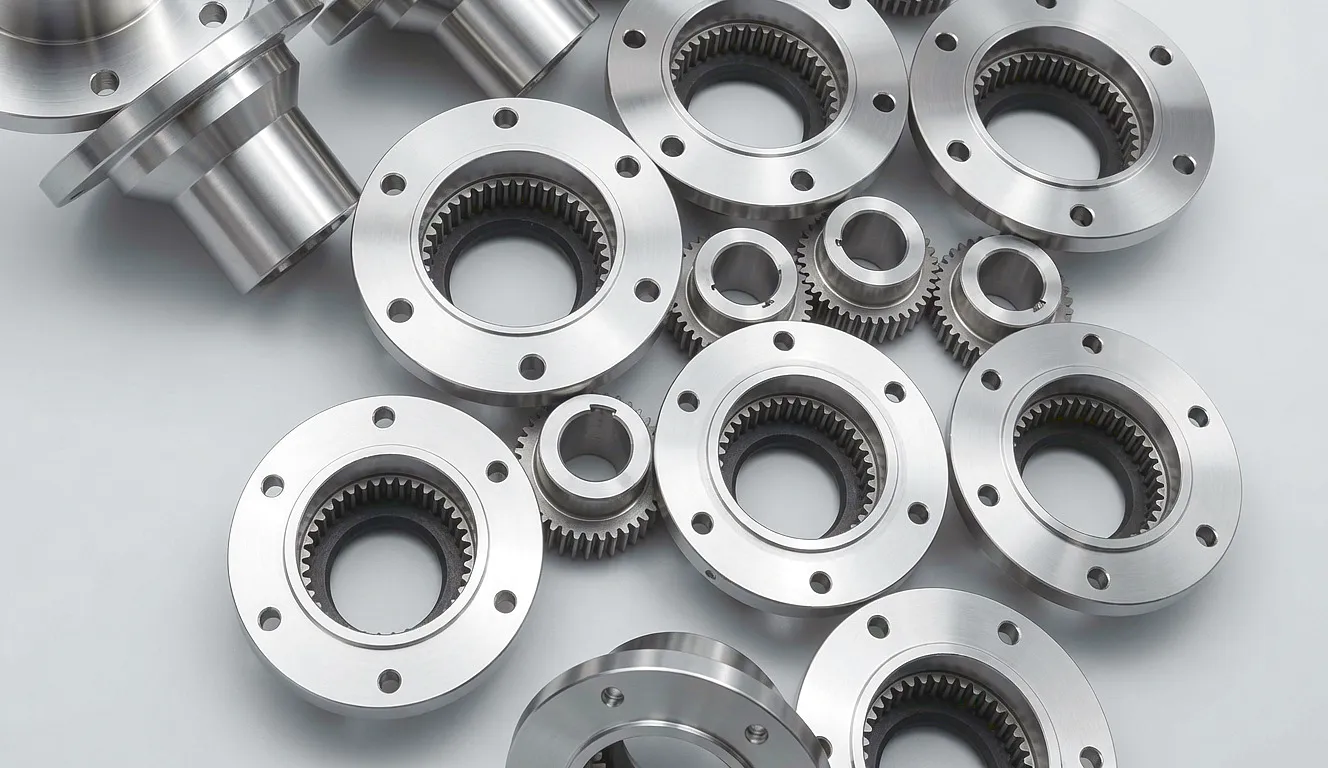
A gear coupling transmits torque between two shafts through meshing external and internal gear teeth. The hub carries external teeth, and the sleeve carries matching internal teeth; the slight crowning applied to the external teeth is what gives the design its characteristic tolerance for angular misalignment. When the shafts are not perfectly aligned — whether due to thermal growth, foundation deflection, or the dynamic pitching and rolling of a floating platform — the crowned teeth rock slightly within the sleeve, accommodating the offset without generating the severe bending loads that would destroy a rigid connection.
For offshore applications, this misalignment tolerance is not a convenience feature — it is a functional necessity. A semi-submersible platform working in a three-metre swell will experience continuous, low-frequency structural flexing that shifts shaft centrelines relative to one another by fractions of a millimetre, but persistently and in multiple planes simultaneously. Over thousands of operating hours, even small misalignments generate enormous cumulative fatigue loading. Gear couplings handle this with mechanical grace that elastomeric or disc couplings simply cannot match at high torque levels.
The torque density of a gear coupling is another critical factor. On a drilling platform, the real estate between the diesel prime mover and the mud pump or top-drive gearbox is limited. Space is measured carefully. A gear coupling delivers substantially higher torque-per-kilogram and torque-per-unit-length than most competing technologies, making it the natural choice when the shaft arrangement is already constrained by the machinery skid design. The drum-shaped tooth profile — the variant most commonly specified for offshore use — takes this further by increasing the effective contact area during misalignment conditions, distributing load more evenly and extending service life considerably compared to older straight-tooth designs.
Where Gear Couplings Are Used on Offshore Drilling Platforms
The range of rotating machinery aboard a modern offshore drilling platform is broader than most people outside the industry appreciate. Each machine type places its own specific demands on the coupling, and understanding these demands is what separates a well-specified drivetrain from one that generates repeated call-outs.
Mud Pump Drives
Triplex mud pumps are among the highest-duty applications on any rig. Running continuously at high torque to maintain drilling fluid circulation, they subject their driveshafts to severe shock loads on every piston stroke. Gear couplings absorb these pulses while tolerating the inevitable thermal growth misalignment between the drive motor and pump crankshaft, preventing bearing overloading that would otherwise destroy the pump in weeks.
Top-Drive Systems
Top-drive assemblies rotate the entire drill string from the crown of the derrick. The torque demands are enormous — sometimes exceeding 50,000 N·m on deep wells — and the loading is not steady. Changes in formation hardness, stuck pipe events, and reactive torque transients create a torque profile that would fracture a lesser coupling. The drum-tooth gear coupling handles peak torque transmission with a safety margin that gives drillers confidence during the most demanding formation sections.
Diesel Generator Sets
Platform power generation relies on multiple diesel gensets running in parallel. Each unit couples a large diesel engine to a synchronous alternator, a pairing that demands torsional flexibility to manage the engine’s firing impulses without transmitting them into the alternator’s rotor. Gear couplings with appropriate torsional stiffness specification damp these impulses sufficiently while maintaining the alignment tolerance needed across the full thermal operating range of the engine and alternator casings.
Seawater Lift Pumps
Seawater cooling and firewater systems require large centrifugal pumps mounted in the lower hull areas of semi-submersibles — locations that experience the greatest structural deflection under wave loading. Gear couplings in these positions must tolerate continuous dynamic misalignment while handling the steady torque of a large pump motor. Their ability to maintain full power transmission despite angular and parallel offset makes them essentially irreplaceable in this role.
Drawworks and Crane Drives
The drawworks is the winch that controls drill string weight on bit, one of the most operationally critical machines on the rig floor. Its coupling must handle sudden load reversals, emergency brake applications, and sustained heavy lifts. Crane drives face similar shock loading every time a load swings or is suddenly arrested. Gear couplings offer the torque capacity and overload tolerance that these demanding duty cycles require without the fragility that characterises elastomeric alternatives at this power level.
Gas Compression Trains
Where associated gas is produced alongside oil, platform compression systems recompress the gas for export or re-injection. These trains run at very high speeds and power levels, and the coupling between the driver and compressor must deal with both the torsional excitation from the driver and the aerodynamic load fluctuations within the compressor. Gear couplings specified for high-speed service — carefully balanced and with appropriate tooth geometry — are the standard selection for this demanding application.
Technical Performance Parameters
Key specifications for offshore-rated gear couplings in drilling platform service
| Parameter | Standard Range | Offshore Enhanced | Unit |
|---|---|---|---|
| Nominal Torque Range | 250 – 450,000 | 1,000 – 800,000 | N·m |
| Maximum Rotational Speed | up to 4,500 | up to 6,500 | rpm |
| Angular Misalignment Tolerance | up to 1.0° | up to 1.5° | degrees |
| Parallel Offset (Radial) | up to 0.5 mm | up to 1.0 mm | mm |
| Operating Temperature Range | -20 to +120°C | -40 to +150°C | °C |
| Overload Capacity | 2× nominal | 3× nominal | factor |
| Hub Material Options | 45# Steel | 40Cr, 42CrMo, Duplex SS | — |
| Lubrication Interval | 6–12 months | 12–24 months | — |
* Enhanced specifications available for customised offshore orders. Contact our engineering team for ATEX-certified and high-corrosion-resistance variants.
Why Engineers Specify These Gear Couplings for North Sea Service
Specifying any mechanical component for offshore oil and gas service involves a series of judgements that go well beyond the torque rating printed on a datasheet. North Sea operators in particular — working to the demanding standards set by the UK Health and Safety Executive and the offshore industry’s own UKOPA and API guidelines — need to know that every component in a drivetrain has been engineered with the full context of offshore operation in mind. The gear couplings we supply to UK drilling contractors and engineering houses have been developed with precisely this context as the primary design driver.
Drum-Tooth Profile
The barrel-shaped external teeth distribute contact stress uniformly during misalignment, dramatically reducing edge loading and extending tooth life by a factor of three or more compared to straight-tooth equivalents at the same power density.
Corrosion-Resistant Options
Offshore-specified couplings are available in 40Cr alloy steel with high-build epoxy coating, nickel-phosphate plating, or duplex stainless steel for the most aggressive salt-spray environments. Salt-spray test endurance exceeds 1,000 hours to ISO 9227.
Precision Dynamic Balancing
High-speed offshore couplings are individually balanced to Grade G6.3 or better in accordance with ISO 1940-1, ensuring that the vibration contribution of the coupling itself is negligible across the full operating speed range, even at the highest speeds found in gas compression service.
Full Material Traceability
Material test certificates to EN 10204 3.1 or 3.2 standard are supplied as standard for all offshore-grade couplings, providing the traceability required for compliance with API 671, the industry standard governing special-purpose couplings for petroleum processing.
Retained Torque During Maintenance
The split-sleeve design common in larger offshore gear couplings allows the driven machine to be uncoupled from the driver without disturbing either shaft alignment or the shaft-mounted hubs, cutting maintenance time significantly in cramped machinery spaces where working room is at a premium.
Extended Service Life
With correct grease selection and lubrication intervals adhered to, offshore gear couplings on well-aligned installations routinely achieve 20,000+ operating hours before inspection. This directly reduces the helicopter logistics and personnel risk associated with frequent coupling maintenance on remote platforms.
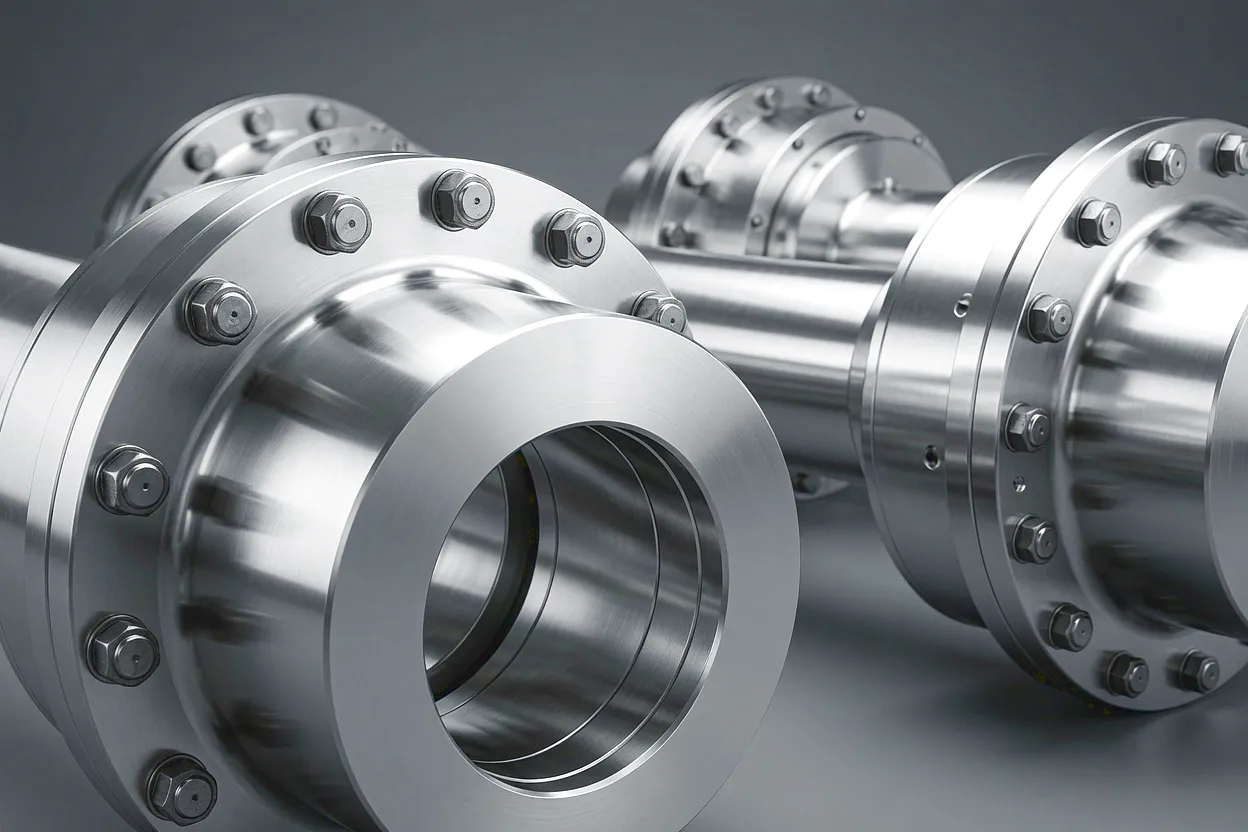
Material Selection and Working Principles for Harsh Marine Conditions
 The metallurgical choices that go into an offshore gear coupling are not arbitrary — they represent decades of hard-won experience from drivetrain failures that happened precisely because the wrong material was used in the wrong environment. Carbon steel hubs that seemed perfectly adequate in a clean industrial setting can exhibit stress corrosion cracking when exposed simultaneously to high cyclic loading and chloride contamination from salt-laden air. A coupling that works for five years on a UK cement plant might fail within eighteen months in North Sea service if the material and surface treatment specification has not been adjusted for the offshore environment.
The preferred base material for high-torque offshore hubs is 42CrMo4 alloy steel, quenched and tempered to achieve a combination of high tensile strength (typically 900–1,100 MPa) and adequate toughness at sub-zero temperatures. The teeth are induction-hardened to 55–60 HRC for wear resistance while retaining a tough core that absorbs shock loads without brittle fracture. The sleeve, which experiences lower stress intensity but larger surface area and therefore greater corrosion risk, is manufactured from 40Cr steel with a heavy-duty nickel-phosphate coating applied after final machining to maintain dimensional accuracy.
The functional principle of the gear coupling centres on the kinematics of meshing crowned teeth within a floating sleeve. As the input shaft rotates, torque is transmitted through the hub teeth to the sleeve teeth and thence to the output hub. When angular misalignment is present, the tooth crowning allows the contact zone to migrate axially along the tooth face rather than concentrating at the tooth tip or root — a behaviour that is only possible because the crowned tooth profile generates a convex contact patch against the flat-sided internal tooth. This contact mobility is what allows a gear coupling to accommodate angular misalignment without generating the bending moments that would overload shaft bearings or cause fatigue cracking at the shaft-hub interface.
Customer Success: North Sea Drilling Contractor, United Kingdom
Aberdeen-Based Offshore Drilling Operator — Semi-Submersible Platform Upgrade
Oil & Gas Drilling
2024
A leading Scottish offshore drilling contractor was experiencing recurring failures of the mud pump couplings on their ageing semi-submersible platform operating in the Central North Sea. Couplings were failing within 6–8 months of installation — well short of the planned 24-month maintenance interval. Each failure triggered an emergency shutdown, costing the operator approximately £180,000 per unplanned downtime event. Post-failure analysis revealed the existing couplings were a general-industrial grade product, not rated for the dynamic misalignment conditions produced by the platform’s structural flex in North Sea wave states above 2.5 metres significant wave height.
Ever Power’s engineering team conducted a full application review, including shaft misalignment measurement under representative sea state conditions and torsional load analysis based on the pump’s operating profile. The specification outcome was a customised GICL-series drum-tooth gear coupling in 42CrMo4 steel with induction-hardened teeth, full dynamic balance to ISO 1940 G6.3, EN 10204 3.1 material certificates, and a high-build epoxy-nickel surface treatment. Bore and keyway dimensions were machined to match the existing shaft arrangement to avoid any modification to the pump or motor during changeout, reducing the installation downtime to a single 8-hour shift.
As of the 18-month post-installation inspection, both couplings remain in service with no measurable tooth wear and no sign of corrosion on external surfaces. The operator has recorded zero unplanned shutdowns attributable to coupling failure in this period, representing a saving of over £540,000 compared to the failure rate of the previous specification. The maintenance interval has been extended to 24 months in line with the platform’s major inspection schedule, eliminating two additional planned maintenance interventions per year per coupling.
What Our UK Customers Say
“We have been sourcing gear couplings from Ever Power for our North Sea mud pump systems for three years. The engineering support we get during specification is genuinely exceptional — they flagged a potential torsional resonance issue we had not considered, which would have caused premature failure. The couplings themselves have performed beyond expectation in a very demanding environment.”
“The customisation capability is what sets Ever Power apart from the catalogue suppliers we had been using. When we needed a non-standard bore pattern for a generator coupling retrofit on a tight schedule, they turned around the drawings for approval within 48 hours and delivered the finished couplings in four weeks. The quality was excellent and the material certs were exactly what our classification society required.”
“Price was competitive but honestly it was the technical depth of the product that won the order. The drum-tooth gear couplings on our compression train have now run for over 14,000 hours without a lubrication top-up issue or any unexpected vibration increase. For a critical machine on a remote platform, that kind of reliability is worth paying for, and the Ever Power price point makes it an easy decision for the budget holder too.”
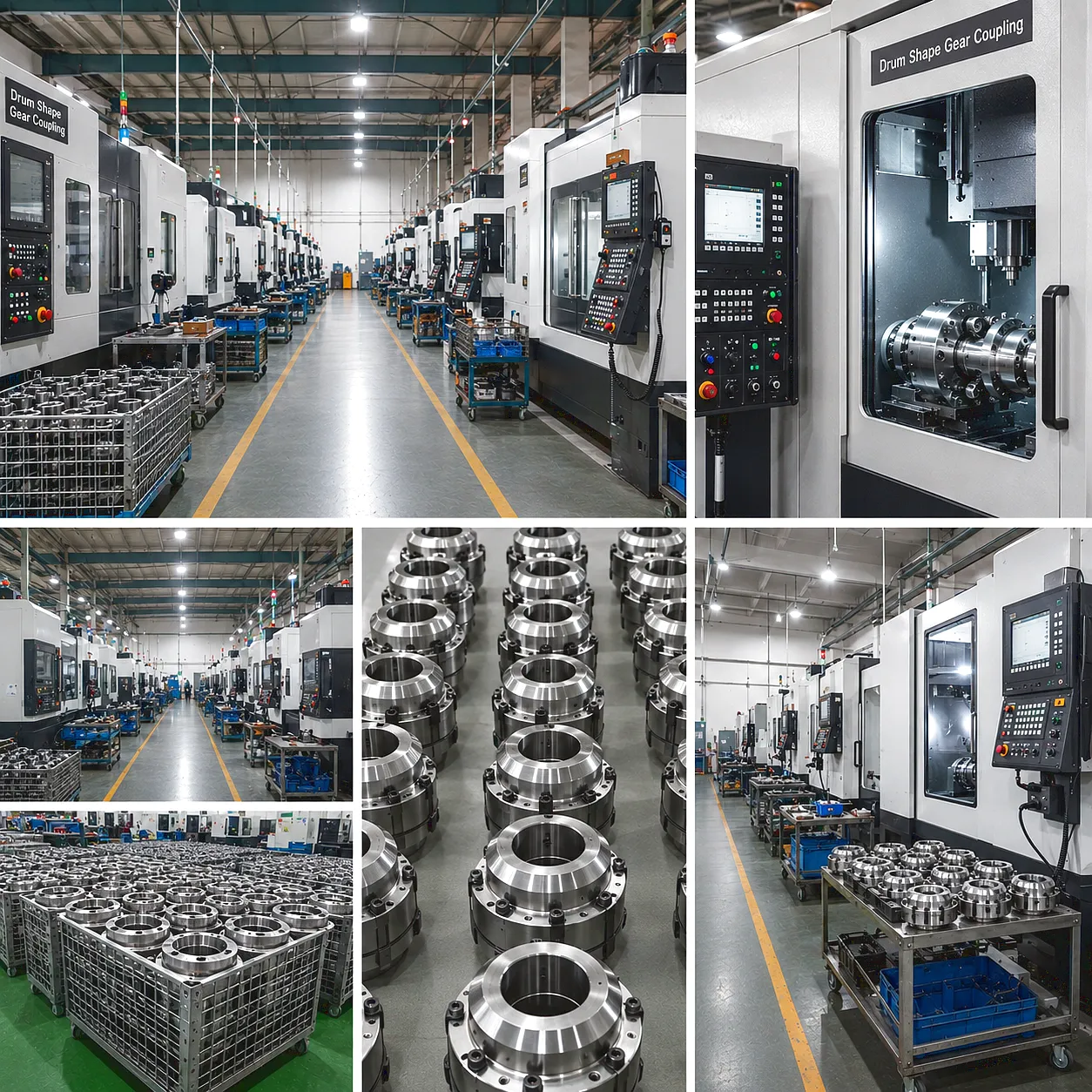
Ever Power — Manufacturing Capability and Custom Engineering Service
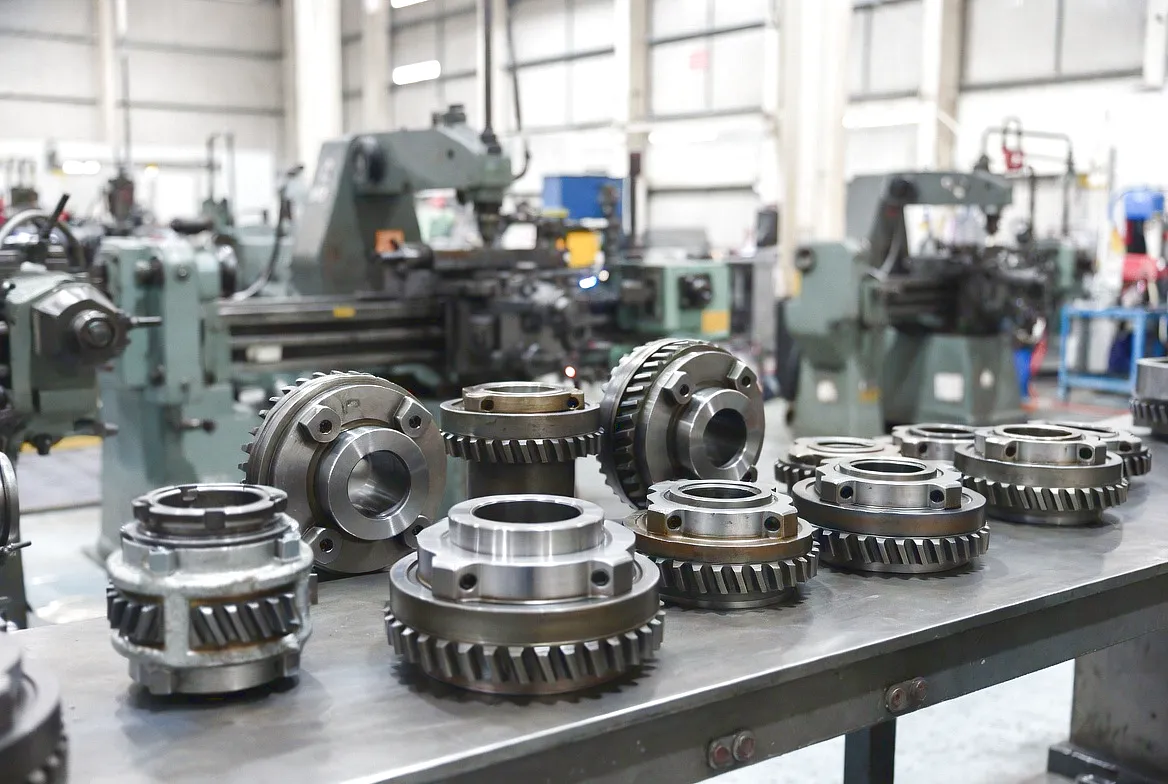
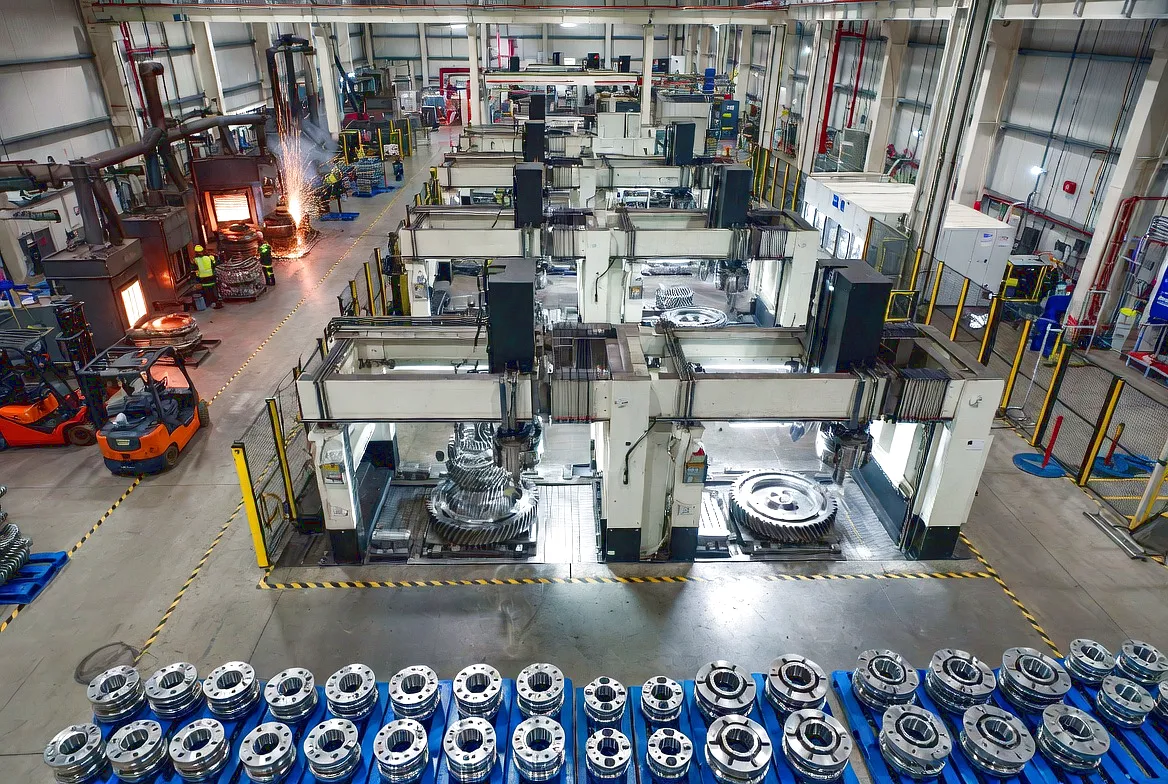
Behind every gear coupling we supply to UK offshore operators is a manufacturing operation built around the principle that no two offshore applications are identical. Standard catalogue products have their place, but the realities of drilling platform machinery — legacy shaft arrangements, classification society requirements, non-standard torque profiles, ATEX zone compliance — mean that a significant proportion of the couplings we supply to the oil and gas sector are either fully custom-designed or substantially modified from standard configurations. Our in-house design capability, including FEA-based tooth contact analysis and dynamic torsional modelling, means we can take a customer’s shaft arrangement drawing and operational data and return a technically justified coupling specification within days, not weeks.
Full Custom Design Service
From non-standard bore sizes and keyway configurations to entirely bespoke tooth geometry, we handle complete coupling design from scratch when the application demands it. Our engineering team holds over 18 years of combined experience in coupling application engineering for oil and gas service.
Retrofit and Replacement Matching
We reverse-engineer failed or obsolete couplings from any manufacturer and produce upgraded replacements that improve on the original specification while maintaining full dimensional interchangeability. This service has saved UK offshore customers weeks of platform downtime waiting for OEM replacements.
Failure Analysis and Re-specification
When couplings fail, there is always a reason. Our engineering team can analyse failed components, identify the root cause — whether fatigue, corrosion, misalignment overload, or lubricant degradation — and recommend a revised specification that addresses the underlying mechanism rather than simply replacing like-for-like.
Ready to discuss your offshore drilling platform coupling requirements? Our engineers are available for no-obligation technical consultations and will provide a detailed specification recommendation along with a competitive quotation.
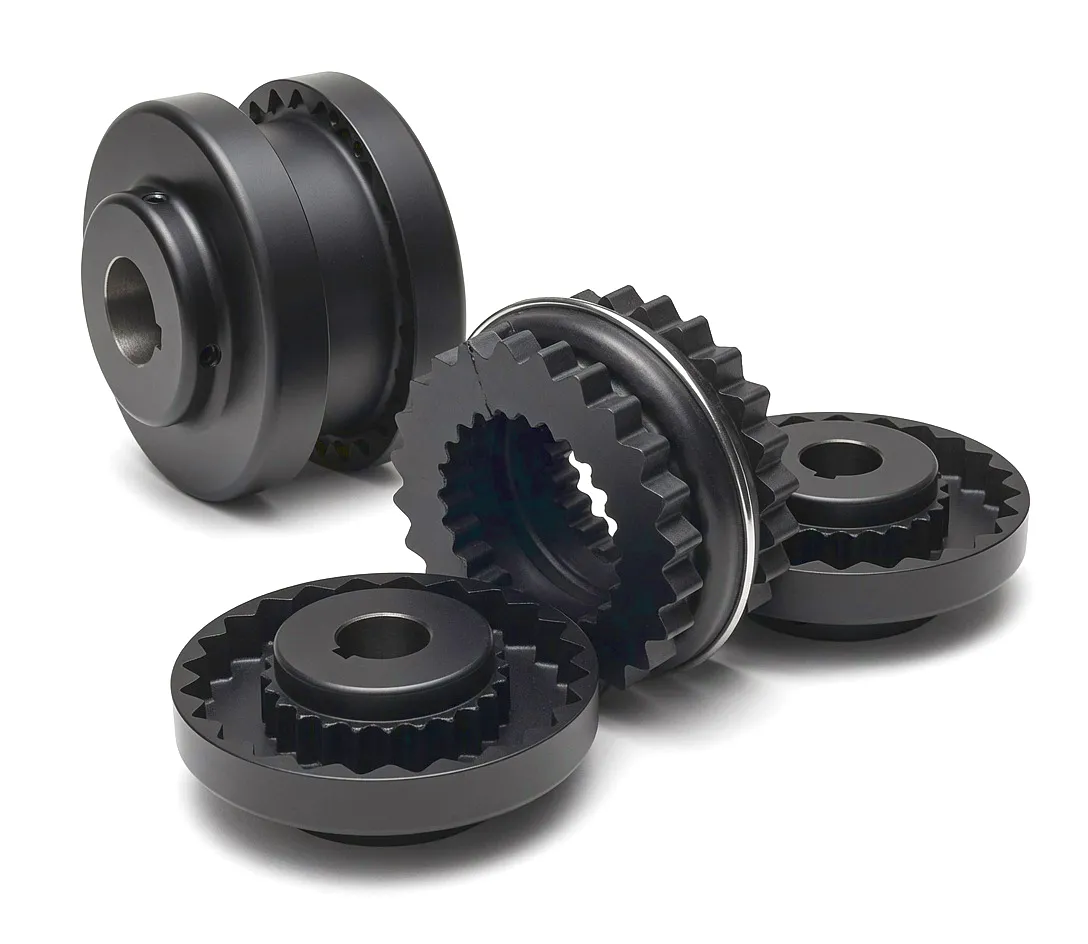
Product Range Overview
Frequently Asked Questions
Technical and commercial queries from UK offshore engineering teams
Ready to Specify the Right Gear Coupling for Your Platform?
Our engineering team has supported UK and international offshore drilling contractors for over 18 years. Tell us about your application and we will respond with a technically justified recommendation and a competitive price within 48 hours.
✉ Request a Quote — gear-coupling.top
edit by gzl