
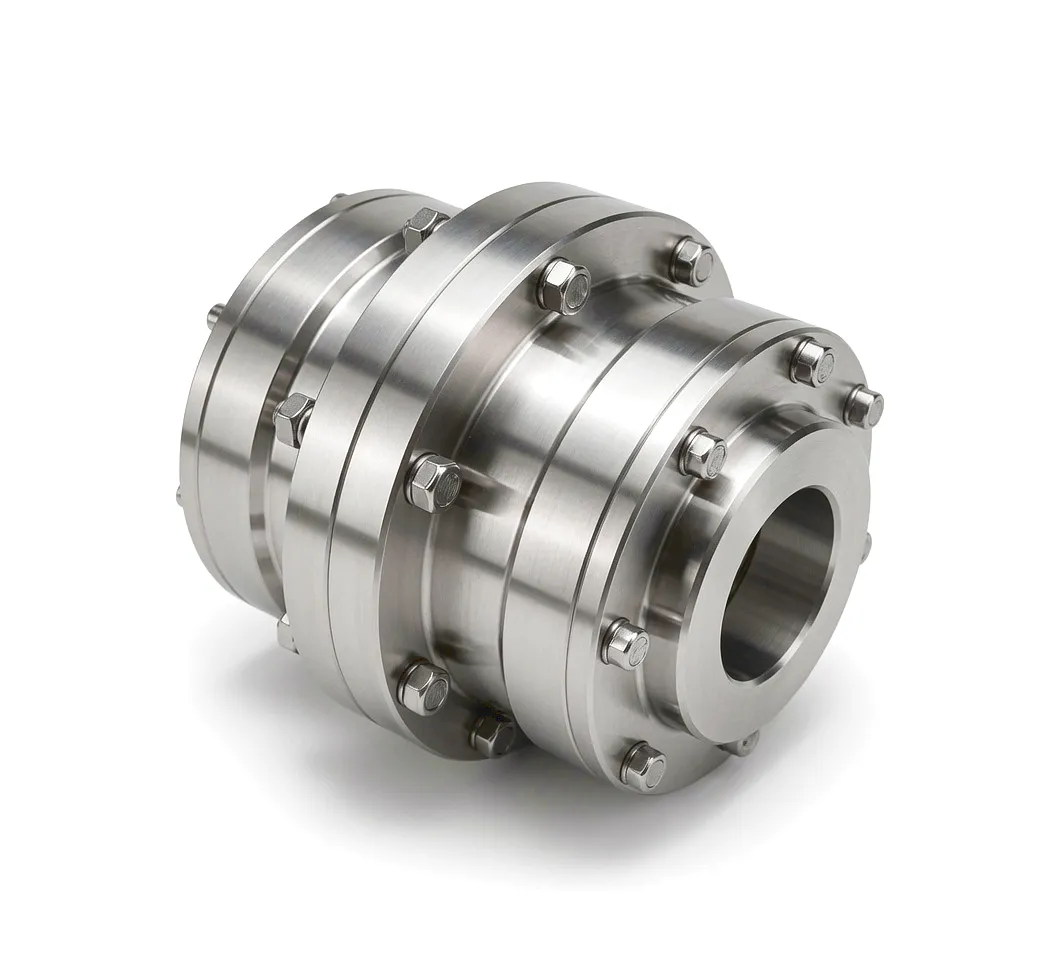
 Wind power now supplies more than a quarter of all electricity generated across the United Kingdom, with installed offshore and onshore capacity continuing its rapid expansion every year. Behind every spinning rotor and every kilowatt-hour sent to the national grid sits a drivetrain that must absorb shock loads, tolerate continuous angular misalignment, and survive decades of service in an environment where maintenance windows are expensive and infrequent. The gear coupling sitting between the main gearbox output shaft and the high-speed generator shaft is, in that context, far more than a simple mechanical connector — it is a precision load-management device whose correct specification directly determines turbine availability and lifecycle cost.
At Ever Power, our engineering team has spent more than eighteen years developing and supplying drum-tooth gear couplings to the power generation sector. This guide draws on that field experience to explain exactly why gear couplings are the preferred choice for wind turbine drivetrains, what technical parameters matter most when you specify one, and how UK wind operators have put our products to work in real onshore and offshore installations.
Need a custom gear coupling for your wind turbine project?
Tell us your torque, shaft size, and misalignment requirements — we’ll engineer it.
The Drivetrain Challenge in Modern Wind Turbines
A utility-scale wind turbine generating 3 MW or more presents a drivetrain engineering problem that has no simple solution. The rotor turns at somewhere between 5 and 15 rpm — far too slowly for a conventional generator — which is why the majority of turbines in service today use a multi-stage planetary and helical gearbox to step the speed up by a ratio anywhere from 50:1 to over 100:1. That gearbox output shaft then couples directly to the generator shaft, and it is at this interface that a gear coupling earns its keep.
The challenge is not merely transmitting rated torque. Wind gusts create instantaneous shock loads that can reach three to five times the nominal torque value within milliseconds. Thermal cycling between a North Sea winter night and a summer afternoon causes the gearbox housing and generator frame to expand and contract at slightly different rates, introducing angular and parallel shaft misalignment that is continuous and variable. Torsional vibrations generated by the rotor blades passing the tower shadow three times per revolution excite natural frequencies throughout the drivetrain. A poorly selected coupling transmits all of these loads directly into the generator bearings; a well-specified gear coupling absorbs or isolates them, keeping the generator running smoothly and reducing bearing fatigue dramatically.
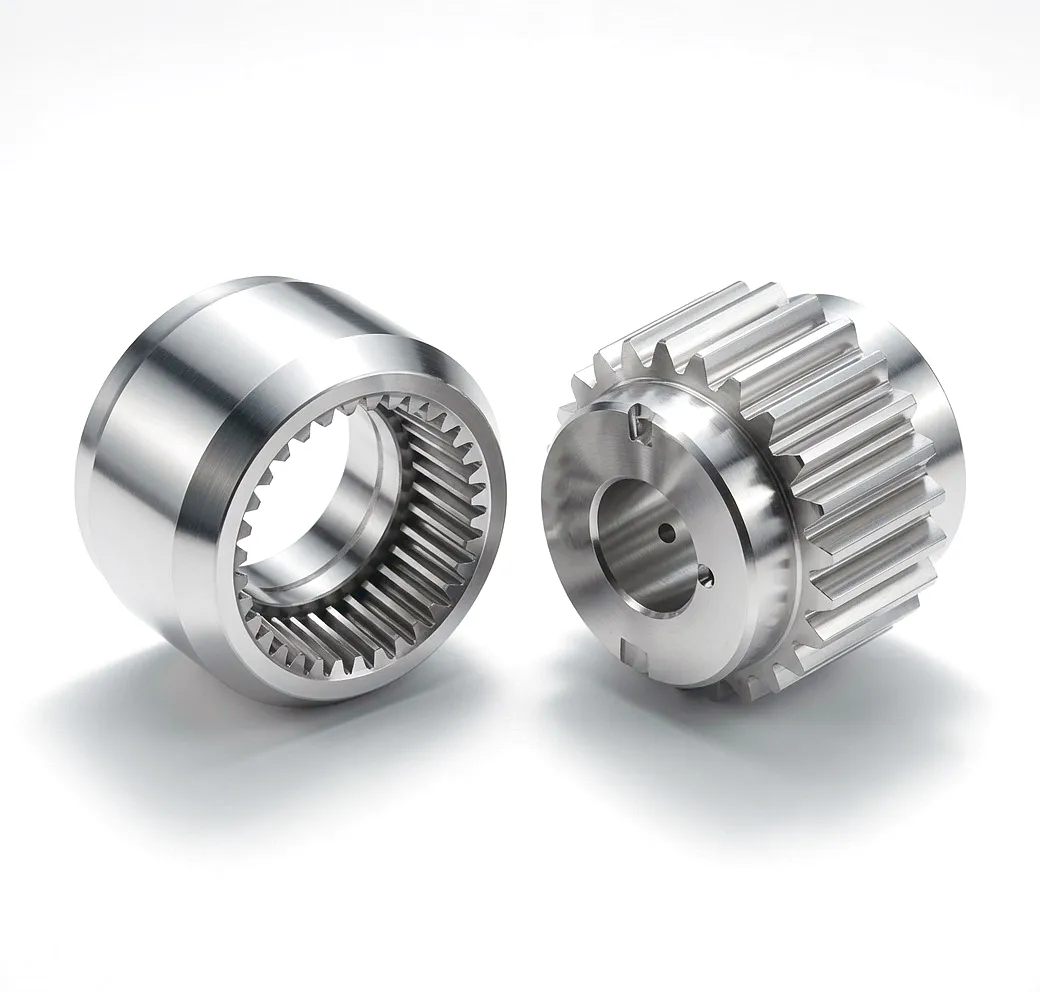
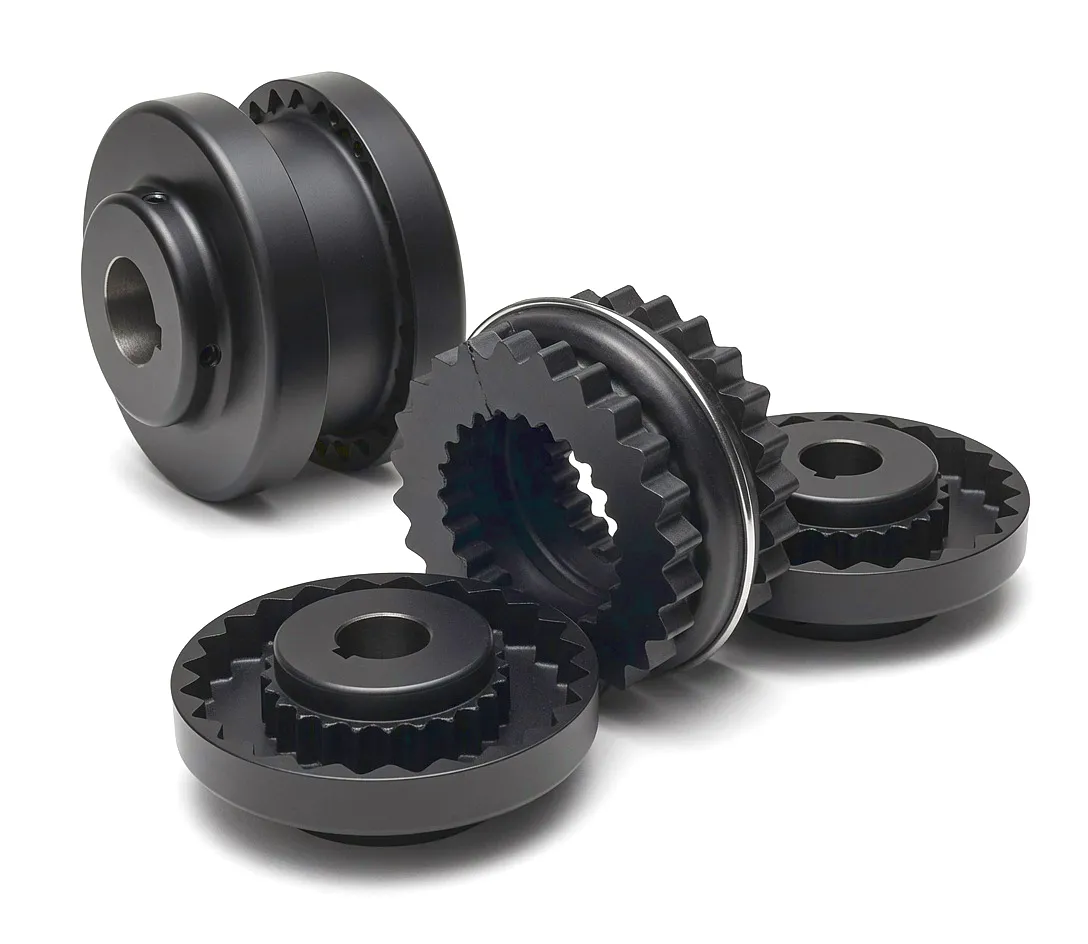
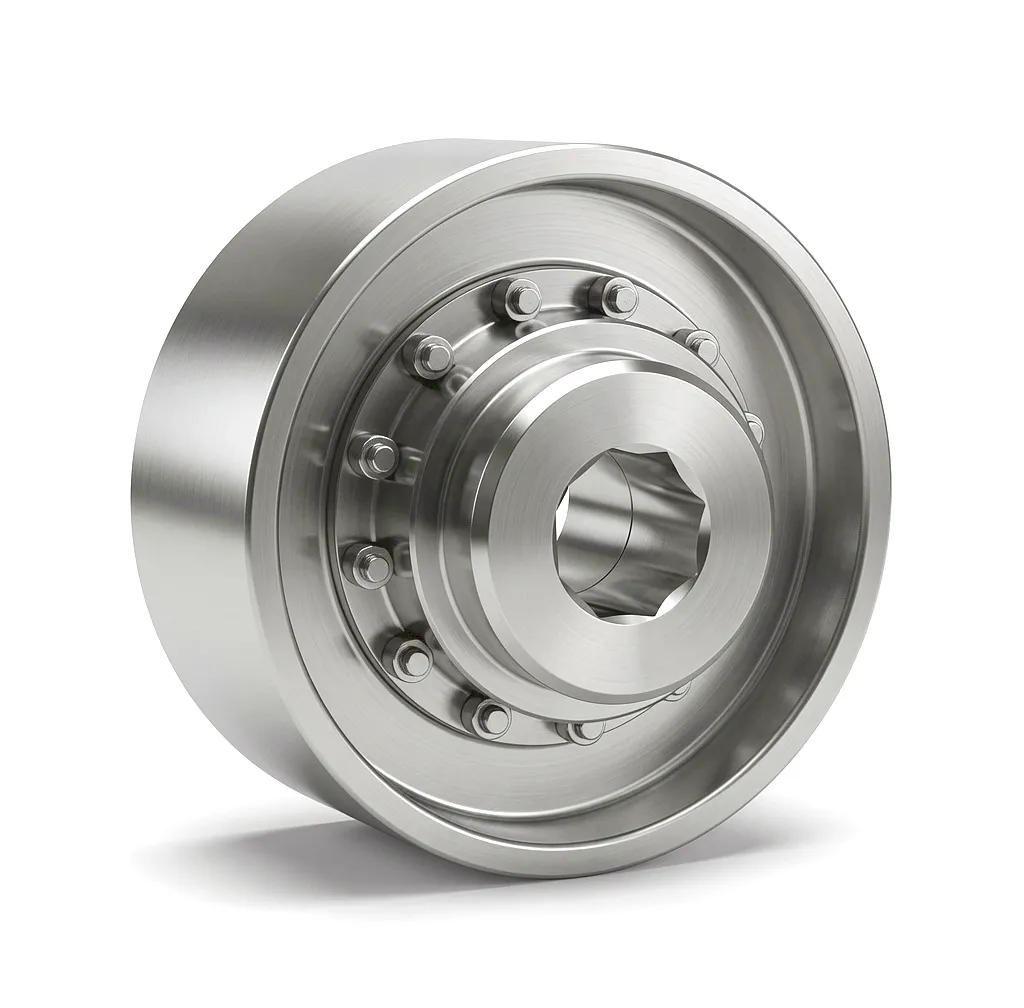
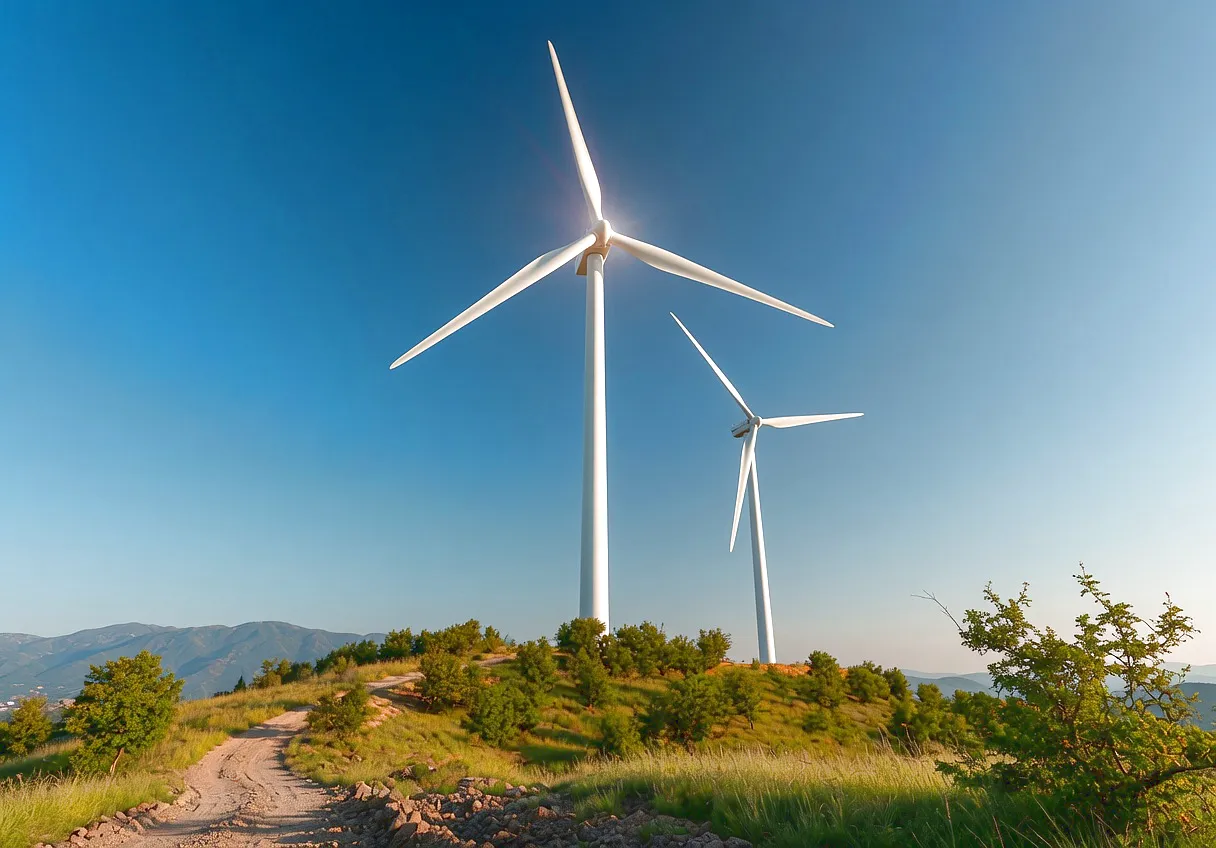 The drum-tooth gear coupling is uniquely suited to this environment. Unlike disc-pack or elastomeric couplings, the crowned-tooth drum design accommodates angular misalignment of up to 1.5° continuously without generating the bending moments that would otherwise be transmitted to adjacent bearings. The external gear teeth of the hub mesh with the internal teeth of the sleeve across a carefully profiled contact geometry — the tooth crown — which allows the hub to rock slightly relative to the sleeve as the shafts move, while still transmitting full torque through the tooth flanks.
This combination of high torque capacity, misalignment tolerance, and compact axial envelope makes the drum-tooth gear coupling the dominant choice for wind turbine generator connections across the global wind industry, and especially for the demanding offshore installations that now represent the majority of new UK capacity additions.
Engineering Principle, Materials & Construction
Crowned Tooth Geometry
The convex crown on the external teeth creates a barrel-shaped profile that rolls against the straight internal sleeve teeth. Under misalignment, the contact ellipse shifts axially rather than generating edge loading, distributing Hertzian contact stress evenly and preventing premature tooth wear even at continuous angular offsets.
Alloy Steel Hubs
Hub bodies are precision-machined from 42CrMo4 or 34CrNiMo6 alloy steel, quenched and tempered to achieve core hardness values of 260–320 HB before the tooth flanks are case-hardened to 58–62 HRC. This two-zone hardness strategy maintains a tough, impact-resistant core while providing the wear-resistant surface the wind gearbox interface demands.
Sealed Grease Lubrication
A sealed grease chamber within the sleeve retains high-viscosity lithium-complex or polyurea grease throughout an extended service interval — typically 3 to 5 years. Labyrinth seals with O-ring backup prevent moisture ingress, a critical feature for offshore turbines where salt-laden air would otherwise corrode the tooth interface within months.
The sleeve — sometimes called the outer ring or outer gear — is manufactured from grey cast iron GG25 for standard torque ranges, or from ductile iron GGG50 and forged steel when operating conditions demand higher fatigue resistance. For the largest offshore turbines in the 5 MW to 12 MW class, Ever Power manufactures full-steel sleeves with ground internal tooth profiles, achieving AGMA Class 11 quality on the tooth geometry and a surface finish of Ra 0.8 µm or better on the sealing bores. The entire assembly undergoes dynamic balancing to ISO 1940 Grade G6.3 or better, ensuring that residual imbalance does not contribute to vibration signatures that could trigger condition monitoring alarms.
Technical Performance Parameters
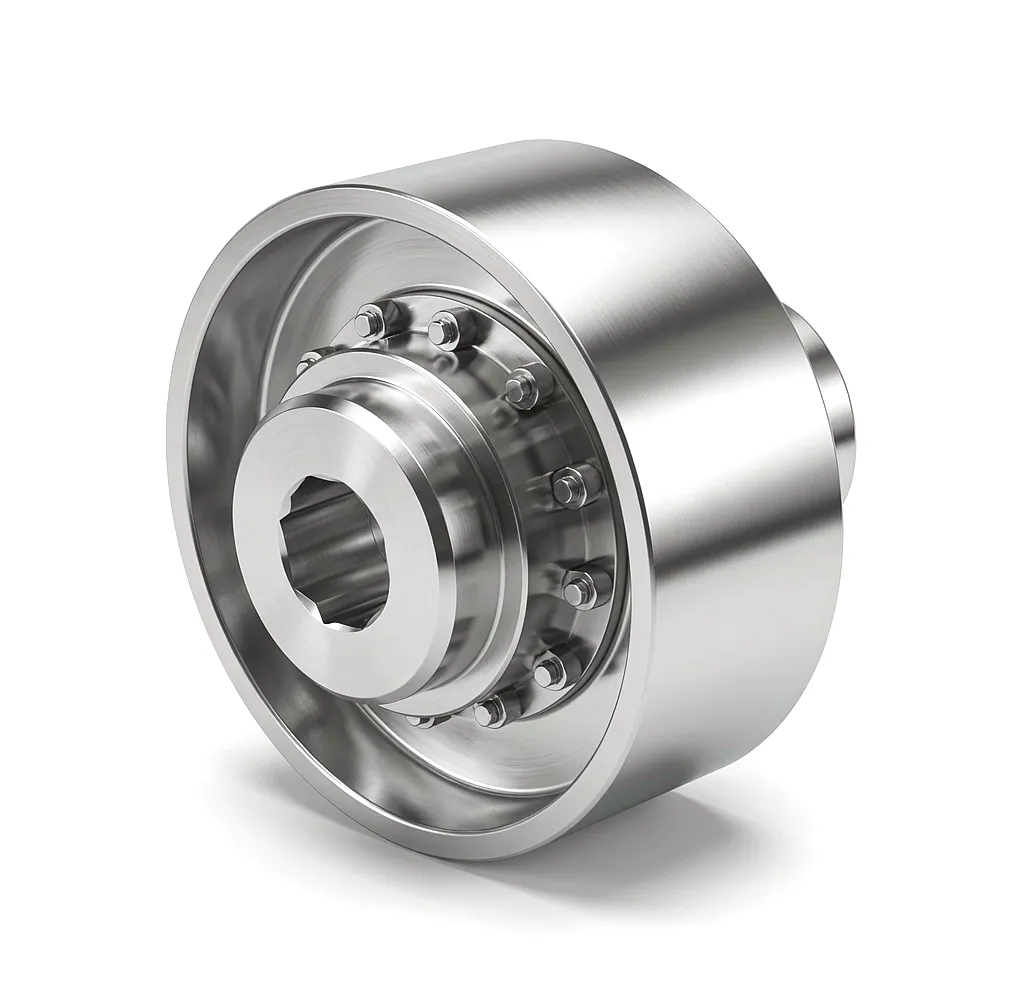
The table below summarises the key technical characteristics of Ever Power gear couplings as they apply to wind turbine generator connections. Figures represent the NGCL and GICL series, which cover the torque range most commonly encountered in 1.5 MW to 8 MW turbines. Custom designs for larger turbines or specific shaft configurations are available on request.
| Parameter | NGCL Series | GICL Series | Unit |
|---|---|---|---|
| Rated Torque Range | 250 – 80,000 | 160 – 50,000 | N·m |
| Max. Speed | Up to 3,600 | Up to 4,500 | rpm |
| Angular Misalignment | Up to 1.5° | Up to 1.0° | degrees |
| Radial Misalignment | Up to 0.8 | Up to 0.6 | mm |
| Operating Temperature | -30 to +120 | -25 to +100 | °C |
| Tooth Material | 42CrMo4 / 34CrNiMo6 | 42CrMo4 | — |
| Tooth Surface Hardness | 58 – 62 | 56 – 62 | HRC |
| Gear Accuracy Grade | AGMA Class 9 – 11 | AGMA Class 9 – 10 | — |
| Balance Grade (ISO 1940) | G6.3 or better | G6.3 or better | — |
| Service Life (designed) | 20+ | 20+ | years |
Note: All values are indicative for standard catalogue sizes. Custom designs and extreme-duty specifications available. Contact our UK sales team for detailed application engineering support.
Why Wind Turbine Engineers Specify Gear Couplings
The wind industry’s shift towards larger, more powerful turbines — particularly the 8 MW to 15 MW monopile and floating offshore units now being deployed in UK waters — has intensified the focus on drivetrain component longevity. When a turbine sits 30 km offshore atop a 90-metre tower, the cost of a crane vessel to replace a failed coupling is not a minor line item. Engineering teams at major OEMs have converged on drum-tooth gear couplings as the standard high-speed shaft connection for exactly this reason: correctly specified and lubricated, they simply do not fail within the design life of the turbine.
Massive Torque Density
The metal-to-metal tooth contact of a gear coupling delivers a power-to-weight ratio that no elastomeric coupling can match. For a given coupling OD, a drum-tooth design transmits two to three times the rated torque of a comparable jaw or disc coupling, allowing compact packaging inside the tight nacelle envelope of a modern turbine.
Shock Load Absorption
The slight circumferential backlash inherent in a gear coupling acts as a mechanical fuse during wind gust events. Rather than transmitting a sudden torque spike rigidly through to the generator shaft, the brief tooth-flank contact delay cushions the impulse and protects generator windings and bearings from fatigue-inducing overloads.
Extended Maintenance Intervals
With the correct grease selection and sealed cavity design, regreasing intervals of 3 to 5 years are achievable in onshore turbines, and sealed-for-life designs are available for offshore applications where access is restricted. This directly translates into lower Operations & Maintenance (O&M) costs across the 25-year project life.
Torsional Stiffness Control
By selecting the tooth module and number of teeth, our engineers can tune the torsional stiffness of the coupling to avoid system resonance with the 3P blade-pass frequency or with the natural frequencies of the generator and gearbox. This is a level of drivetrain optimisation that is simply not available with elastomeric coupling designs.
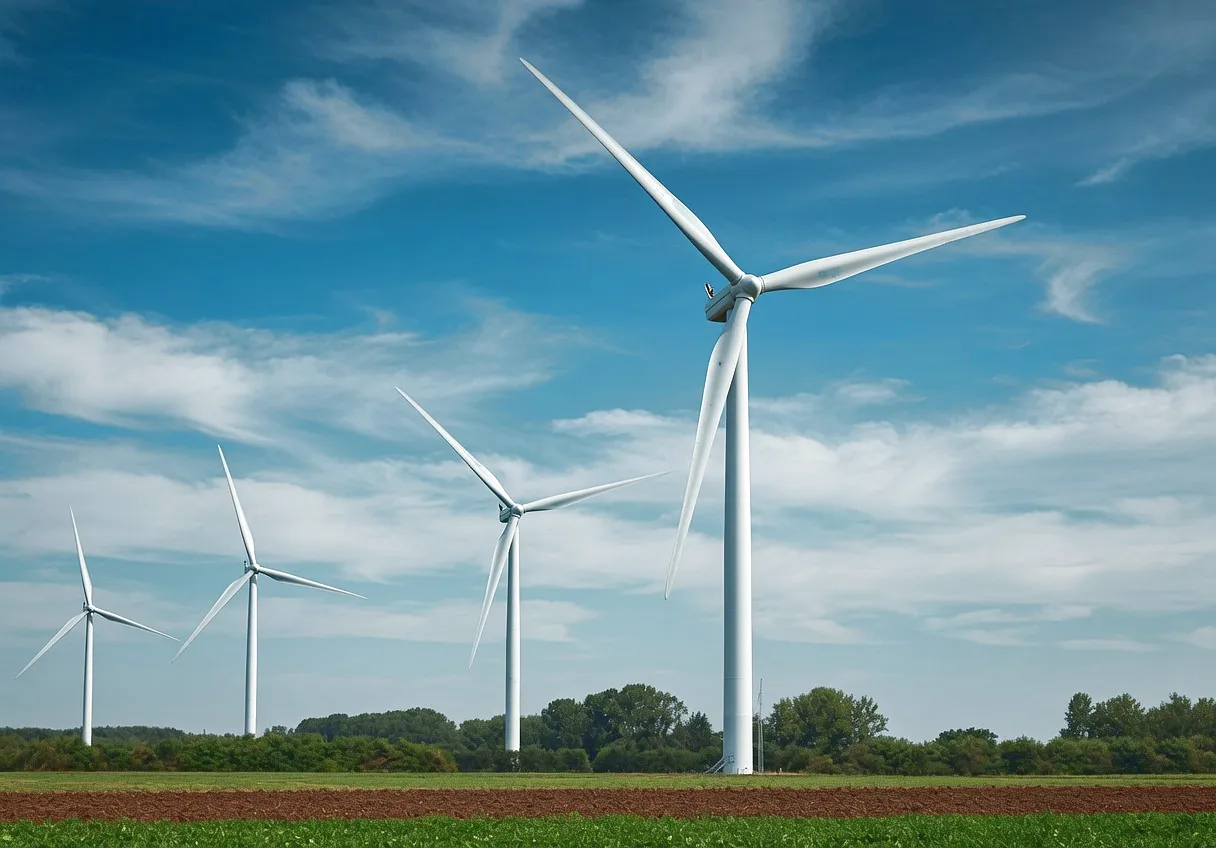
Gear Coupling Application Scenarios in Wind Power
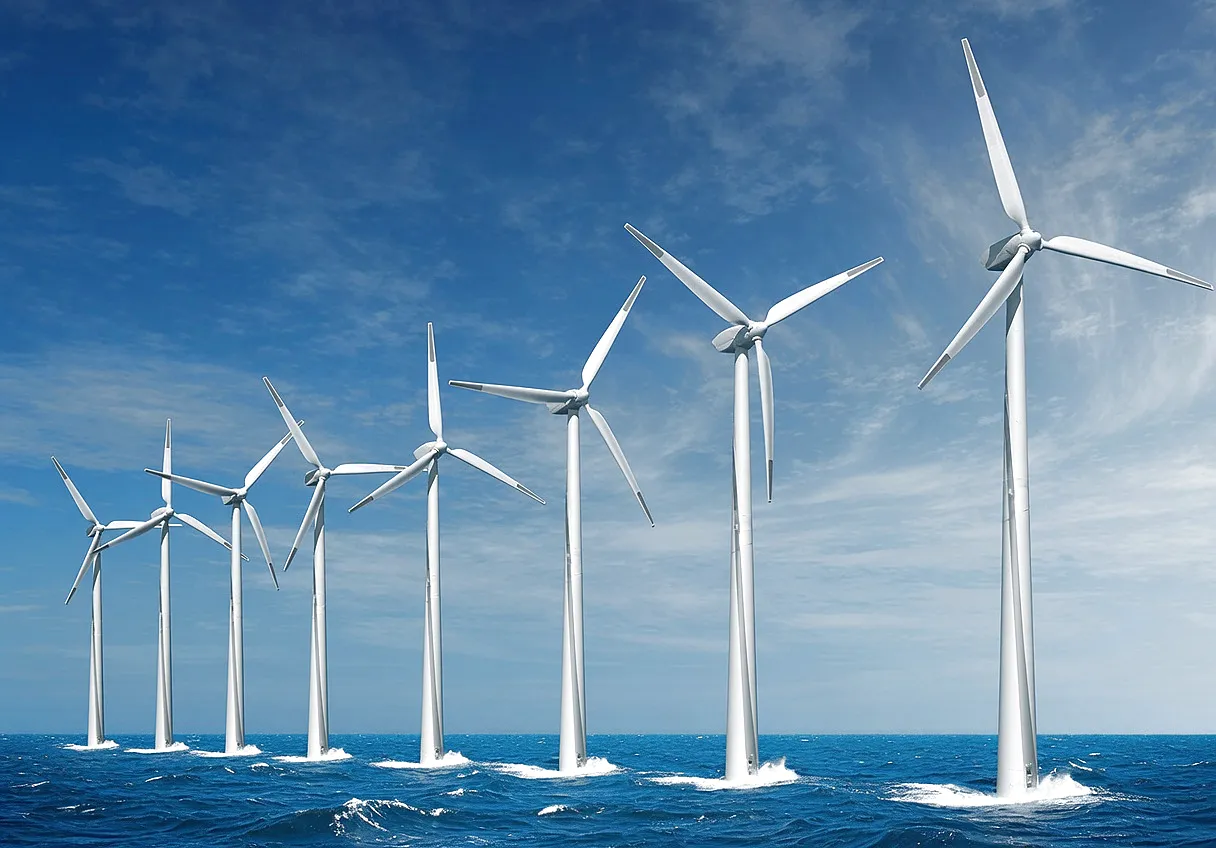
Wind turbine drivetrains are not a single application — they are a family of related mechanical systems, each with its own operating profile and design constraints. Understanding where gear couplings fit within each variant helps procurement and engineering teams make faster, more confident decisions.
► Double-Fed Induction Generator (DFIG) Drivetrains
The DFIG configuration remains the most common arrangement in the 1.5 MW to 3.6 MW onshore turbines that make up the backbone of the UK’s installed wind fleet. The three-stage gearbox drives the generator at a nominal shaft speed of 1,500 or 1,800 rpm, and the coupling between them must tolerate the continuous angular misalignment created by thermal growth of the gearbox oil while withstanding the fatigue loading of millions of torque cycles over the turbine’s operating life. Our NGCL series, with its forged steel hub and ground tooth profile, has been the choice of UK onshore operators for this application for over a decade, delivering verified 20-year operational records at multiple Scottish and Welsh wind farm sites.
► Semi-Direct Drive (Medium-Speed) Turbines
The hybrid architecture adopted by several leading OEMs uses a single-stage or two-stage gearbox to raise rotor speed to 100–300 rpm, where a permanent-magnet generator converts the mechanical energy to electricity. This configuration typically operates at higher torque loads relative to the coupling OD than a conventional DFIG drivetrain, making tooth-contact fatigue the critical design parameter. Ever Power’s GICL series, with its larger module teeth and wider tooth face, is engineered specifically for this semi-direct application, and our application engineers work directly with OEM drivetrain teams to validate coupling sizing against the site-specific wind class and turbulence intensity data provided in the turbine design basis document.
► Offshore High-Speed Generator Connections
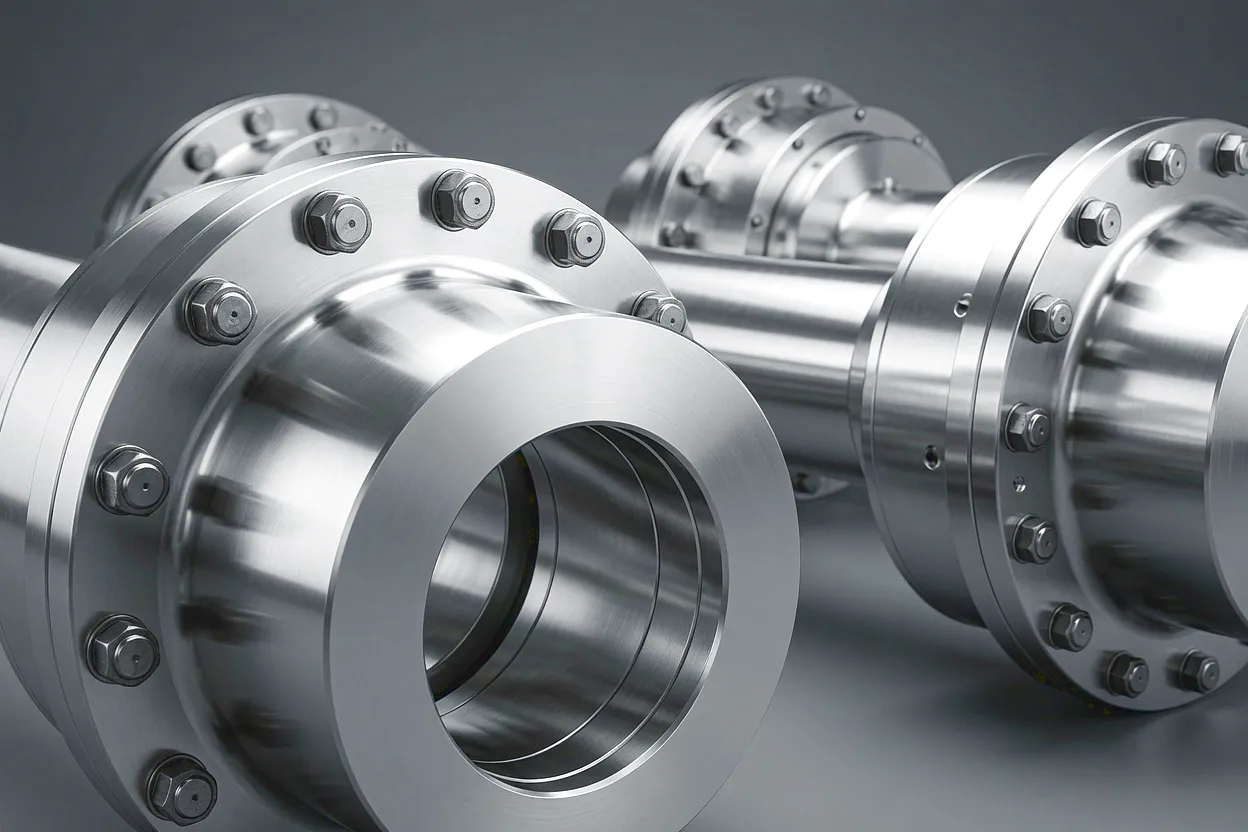
Offshore turbines in UK waters — from Hornsea One to the Dogger Bank development — face environmental conditions that fundamentally change the maintenance economics. Salt fog, humidity cycling, and the high cost of marine access operations mean that every component must be engineered for minimum intervention over a design life of 25 to 30 years. For gear couplings in this environment, we supply a premium offshore variant of the NGCL series featuring Nickel-Chrome-Molybdenum alloy steel throughout, electroless nickel plating on all external surfaces, and a sealed-for-life grease cavity charged with marine-grade synthetic grease. The additional upfront cost of this specification is recovered within the first maintenance cycle avoided.
► Wind Farm Test Bench and Nacelle Assembly Applications
Before turbines leave the factory, complete nacelle assemblies are tested on drive test rigs that apply simulated wind loads through the full torque and speed envelope. These test bench couplings face a particularly aggressive duty cycle: they are fitted and removed multiple times, see full-scale transient overloads during emergency stop simulations, and must accommodate the slight misalignment inherent in test rig assembly tolerances. Our NL-type nylon gear couplings, with their inherent electrical isolation and softer torsional characteristic, have found a specific niche in this test bench environment where complete drivetrain isolation is required to protect sensitive measurement instrumentation.
Manufacturing Capability & Custom Engineering Services
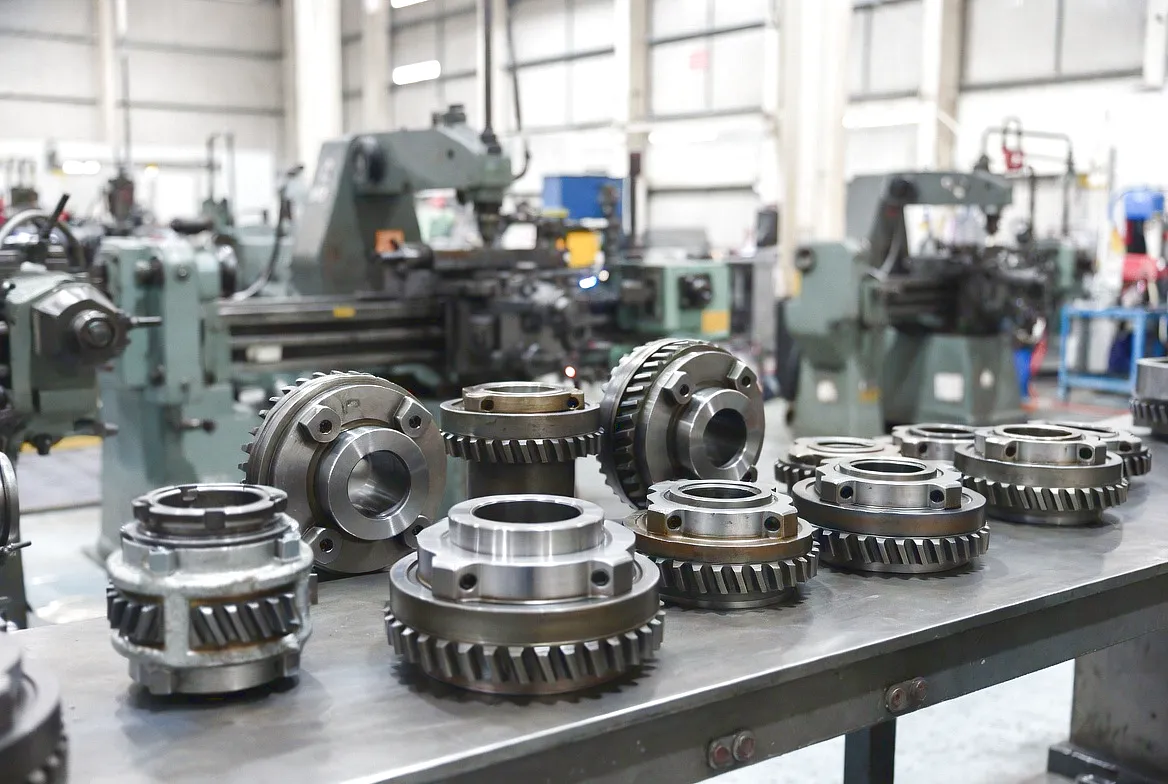
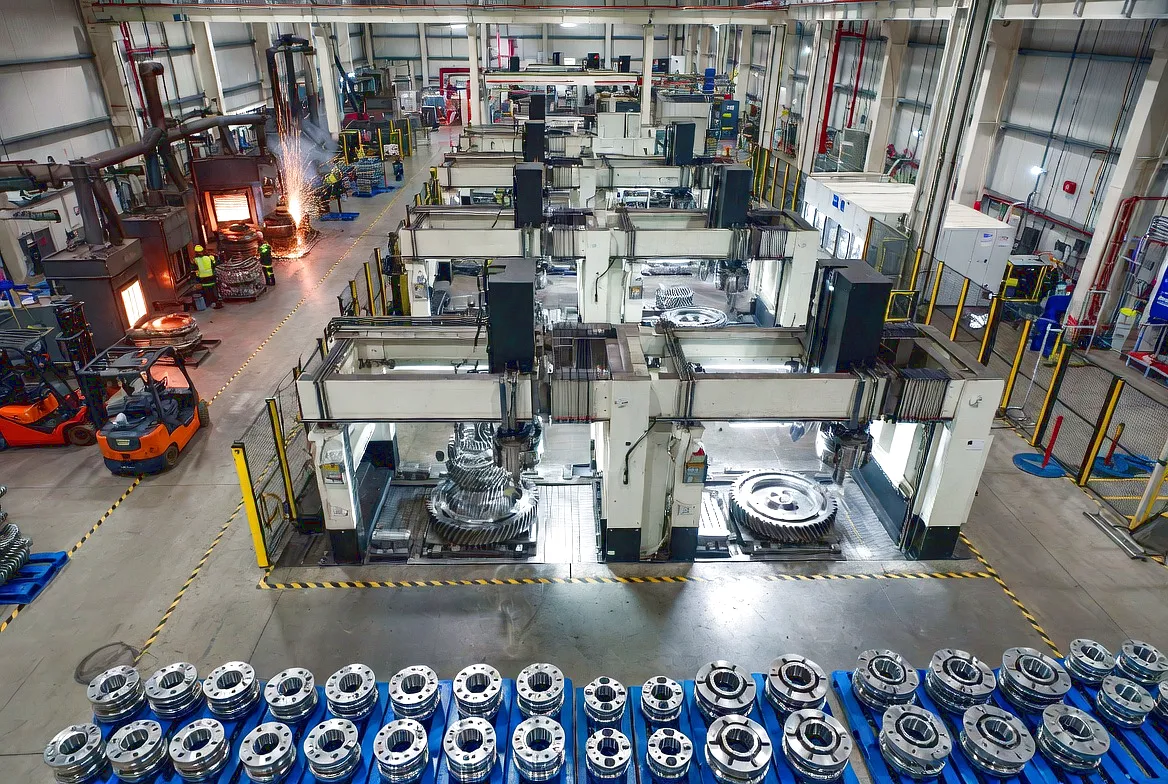
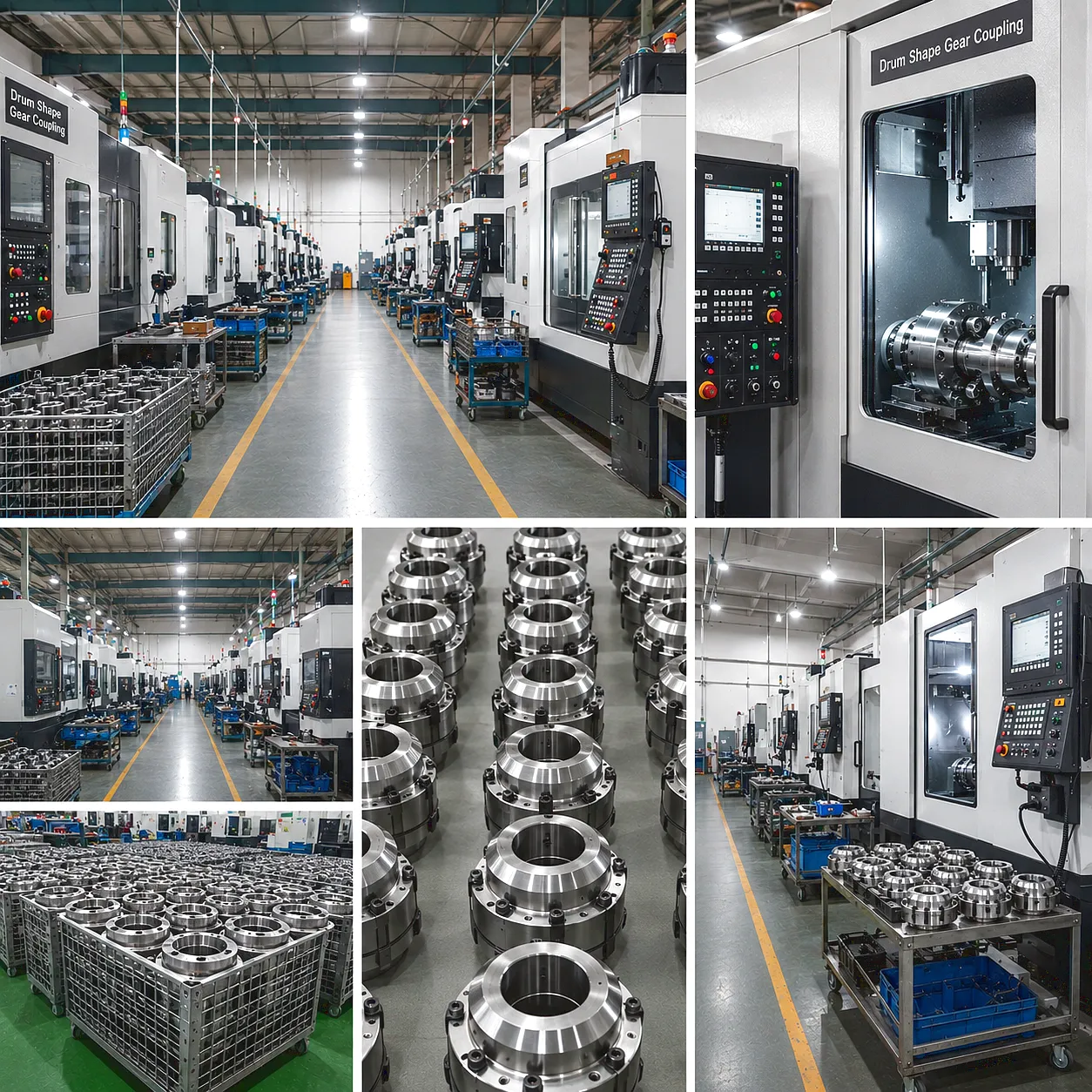
Ever Power operates a purpose-built manufacturing facility of over 28,000 square metres, equipped with CNC machining centres from DMG Mori, Mazak, and FANUC, supported by dedicated gear hobbing, shaping, and grinding lines capable of producing gears to DIN 5 accuracy class. The facility holds ISO 9001:2015 quality management certification, and our product testing laboratory runs fatigue life testing, dynamic balancing, dimensional inspection, and hardness verification in-house, eliminating dependence on third-party subcontractors and shortening delivery lead times for urgent wind turbine maintenance schedules.
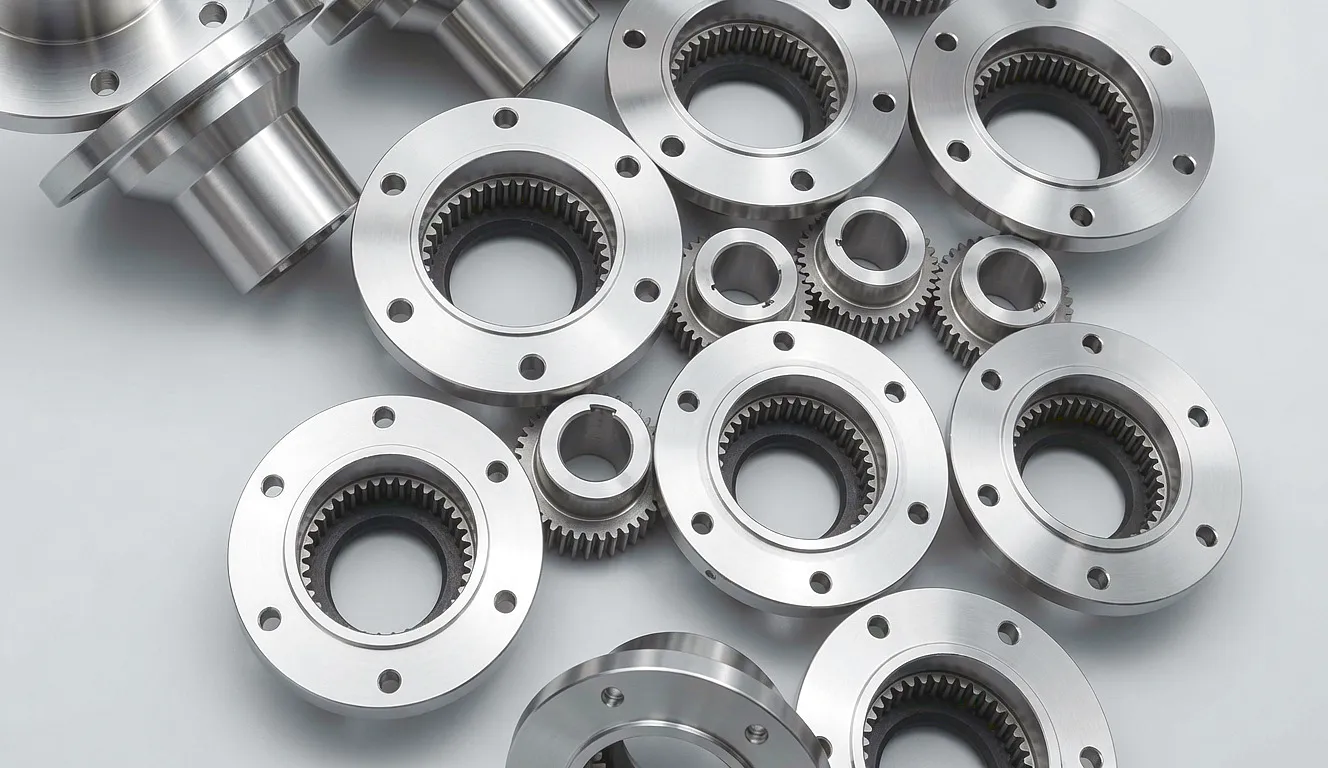
What sets Ever Power apart from catalogue-only suppliers is our ability to deliver fully engineered custom solutions. Our application engineering team — which includes mechanical engineers with specific wind drivetrain backgrounds — can take a customer’s shaft drawing, wind class data, and turbine operating profile and design a coupling from scratch. We offer custom bore diameters and keyway geometries, special hub flange configurations to match non-standard gearbox output flanges, corrosion-resistant surface treatments including zinc phosphate, electroless nickel, and hard chrome plating, and non-standard grease fittings and monitoring ports for condition-based maintenance systems. For UK wind operators working to the BS EN ISO 4413 and BS EN ISO 11684 framework requirements, we can provide full material traceability documentation and third-party inspection certificates as standard.
Our Custom Engineering Capabilities
Supplying the UK Wind Industry: From Scotland to the North Sea
 The United Kingdom is one of the world’s most important wind energy markets, with over 14 GW of offshore capacity in operation and an ambitious pipeline that includes the Crown Estate’s ScotWind leasing round and the ongoing Dogger Bank phases. Scotland alone hosts some of the largest onshore wind farms in Europe, while the North Sea and Irish Sea are the focus of multi-billion-pound offshore development programmes. This geographic concentration creates specific procurement demands: wind farm operators and turbine service companies in Aberdeen, Edinburgh, Hull, Grimsby, and Belfast need gear coupling suppliers who can respond quickly to maintenance emergencies, provide the right certifications for UK market access, and support British-standard engineering documentation.
Ever Power has established distribution and logistics arrangements that enable rapid delivery of standard catalogue coupling sizes to UK mainland addresses within 7 to 10 working days, with express 3-day options for critical MRO replacement situations. Our standard product documentation package includes material test certificates (EN 10204 3.1), dimensional inspection reports, balance certificates, and CE declaration of conformity in compliance with UK Machinery Directive equivalents post-Brexit. For Scottish offshore projects specifically, we offer third-party inspection by Lloyd’s Register or Bureau Veritas as an optional service, meeting the certification requirements that North Sea operators typically specify in their equipment technical standards.
Customer Success Story: Scottish Offshore Wind Operator
Moray West Wind Farm — Coupling Replacement Programme
Scotland, UK • Offshore Wind • 3.4 MW Turbines • 2023–2024
A Scottish offshore wind operator managing a fleet of 26 turbines in the Moray Firth noticed elevated vibration signatures on the high-speed shaft monitoring system of six units within the same production batch. The original coupling supplier had ceased production of the specific size required, leaving the operator facing a choice between expensive OEM spare parts on long lead times or a qualified alternative source. Their O&M engineering manager reached out to Ever Power after finding our NGCL technical data sheet through an industry contact in Aberdeen.
Our application engineering team reviewed the original part’s dimensional envelope, the gearbox output flange specification, and the turbine’s torque and speed duty cycle. Within five working days we produced a full engineering proposal for an NGCL-560 variant with a modified hub bore and a flanged sleeve to match the non-standard gearbox interface. Prototype parts were manufactured, dimensionally verified, and fatigue-tested on our in-house rig. The first production batch of 12 couplings was delivered to the Aberdeen staging facility within eleven weeks of order placement.
Following installation, vibration levels on all six affected turbines returned to within the manufacturer’s baseline specification, and the operator subsequently placed a framework agreement covering the entire 26-turbine fleet’s future coupling replacements. The total cost of the programme, including engineering support, manufacture, and logistics, came to less than 40% of the OEM spare parts quotation the operator had initially received.
“The technical response from Ever Power was exactly what we needed — not just a part, but a complete engineering solution with full documentation. The cost saving versus OEM pricing was significant, and the lead time was far better than we expected for a custom design.”
— Senior O&M Engineer, Scottish Offshore Wind Operator (name withheld by agreement)
What Our Clients Say
“We’ve been sourcing NGCL couplings from Ever Power for three years now, covering both onshore repowering work in Yorkshire and new installations in Northumberland. The dimensional consistency is excellent, and their application team genuinely understands what wind maintenance engineers need.”
“The price per unit is competitive, but what really differentiates Ever Power is the support when you have a non-standard requirement. Our offshore turbines needed a coupling with a modified sealing arrangement, and their engineers turned around a proposal in 48 hours. The quality of the finished parts matched the design exactly.”
“We were sceptical about switching from our long-term supplier, but the documentation package — material certs, inspection reports, balance certificates — was fully compliant with our QMS requirements straight out of the box. Installation went smoothly, and 18 months later those couplings have required zero attention.”
Coupling Type Comparison for Wind Turbine Drivetrains
Selecting the right coupling type requires understanding the trade-offs across torque capacity, misalignment tolerance, maintenance requirements, and cost. The table below provides a direct comparison of the four coupling architectures most commonly considered for wind turbine generator connections.
| Coupling Type | Torque Density | Angular Misalignment | Maintenance Interval | Typical Wind Use |
|---|---|---|---|---|
| Drum-Tooth Gear Coupling | ★★★★★ | Up to 1.5° | 3–5 years | HSS Generator Conn. |
| Disc-Pack Coupling | ★★★★ | Up to 0.5° | Visual inspection / 2yr | Low-misalign. apps |
| Jaw / Elastomeric Coupling | ★★ | Up to 1.0° | 1–2 years (element) | Auxiliary / test bench |
| Grid Coupling (All-Steel) | ★★★★ | Up to 0.75° | 2–3 years | Onshore medium-speed |
Installation, Alignment & Service Guidance
Proper installation is the single most important factor in achieving the designed service life of a wind turbine gear coupling. Even the most precisely manufactured coupling will wear prematurely if fitted with excessive misalignment or with inadequate bore fit. All Ever Power couplings for wind applications are supplied with a detailed installation and maintenance manual that covers bore preparation, heating method and temperature limits for interference-fit assembly, initial grease charging quantities, and alignment tolerance verification using laser alignment or dial indicator methods.
For wind turbine applications, we recommend hydraulic hub removal tooling as standard for interference-fitted hubs, as mechanical extraction methods risk damaging the precision-ground bore and the adjacent gearbox output flange. Our engineering team can advise on tooling specifications. For in-service monitoring, we recommend integrating coupling condition data with the turbine’s existing CMS by installing proximity probe brackets on the coupling sleeve to detect the onset of tooth wear through vibration signature changes — a low-cost modification that can provide months of advance warning before a coupling requires intervention.

Ready to Spec Your Wind Turbine Gear Coupling?
Send us your shaft drawing, torque requirement, and installation environment — our application engineers will respond with a full technical proposal and price within 48 hours.
ISO 9001:2015 Certified | 18+ Years Wind Industry Experience | UK Delivery Available | Custom Engineering Support
© 2026 Ever Power. All product specifications subject to change without notice. All custom designs subject to application review. Delivery lead times are indicative and subject to order volume and manufacturing schedule at time of order. | edit by gzl