 Few pieces of industrial machinery are as demanding on their connected equipment as the rotary kiln in a cement manufacturing plant. These enormous rotating cylinders — sometimes stretching over 100 metres in length and operating continuously for months without shutdown — place extraordinary mechanical and thermal demands on every component within their drive train. Among those components, the gear coupling occupies a uniquely critical position: it sits directly between the main motor and the primary gearbox, transmitting every Newton-metre of torque while absorbing misalignment, shock loads, and the slow thermal expansion cycles that come with a process running at over 1,400°C inside the kiln shell.
A poorly specified or worn gear coupling on a rotary kiln is not just a maintenance inconvenience — it is a production crisis. Unplanned kiln downtime costs UK cement producers tens of thousands of pounds per day in lost throughput, restart fuel costs, and refractory stress damage. The industry has learned, often through painful experience, that selecting the correct gear coupling — one engineered specifically for the torque profile, misalignment envelope, and environmental conditions of kiln drive applications — is among the most consequential decisions a maintenance or process engineer will make.
This article draws on extensive field experience with gear couplings installed across UK and European cement plants to explain why rotary kilns are so demanding, what makes a gear coupling genuinely suitable for this application, and how Ever Power’s range of drum-type and standard gear couplings meet those demands with precision-engineered solutions available for direct supply to British industry.
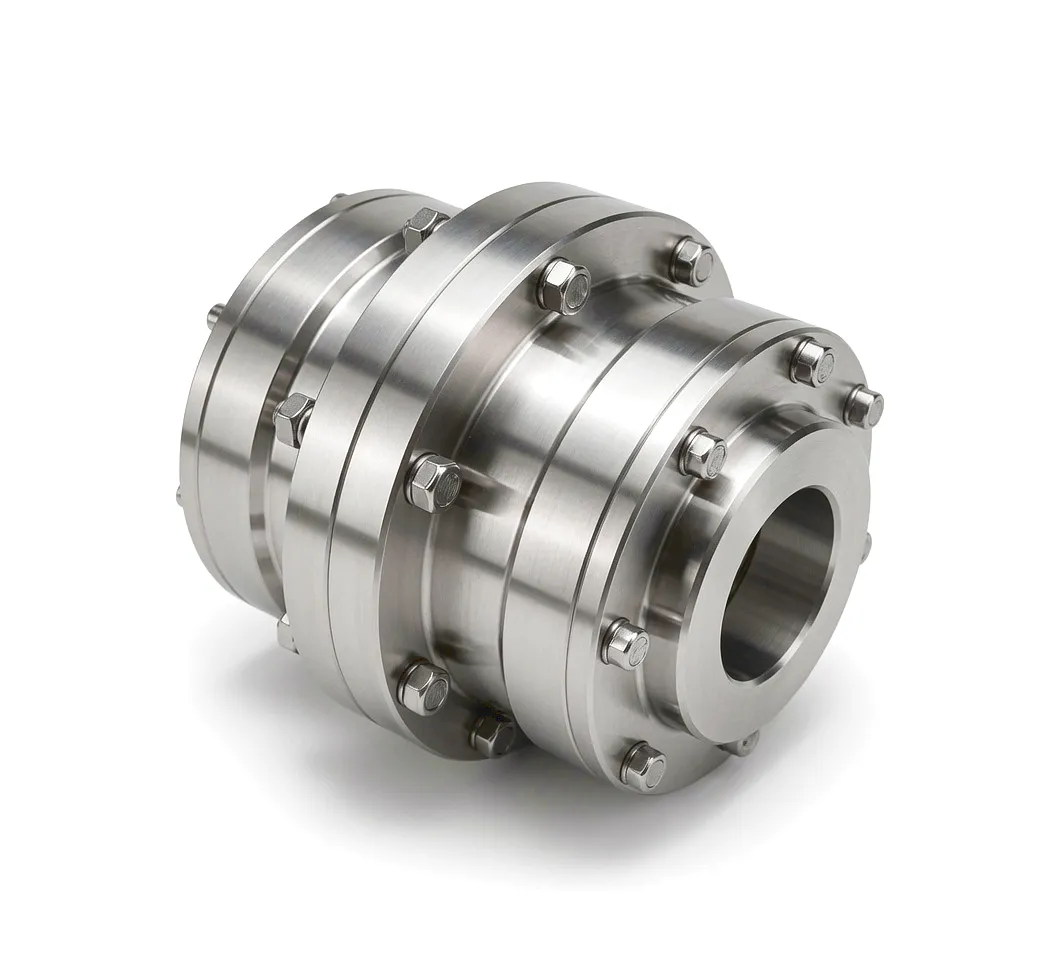
Ever Power Gear Couplings
Purpose-engineered for cement plant rotary kiln drives. High torque capacity, drum-tooth profile, and fully customisable bore dimensions for direct motor-to-gearbox connection.
Understanding the Rotary Kiln Drive System
Core mechanics & why gear couplings matter
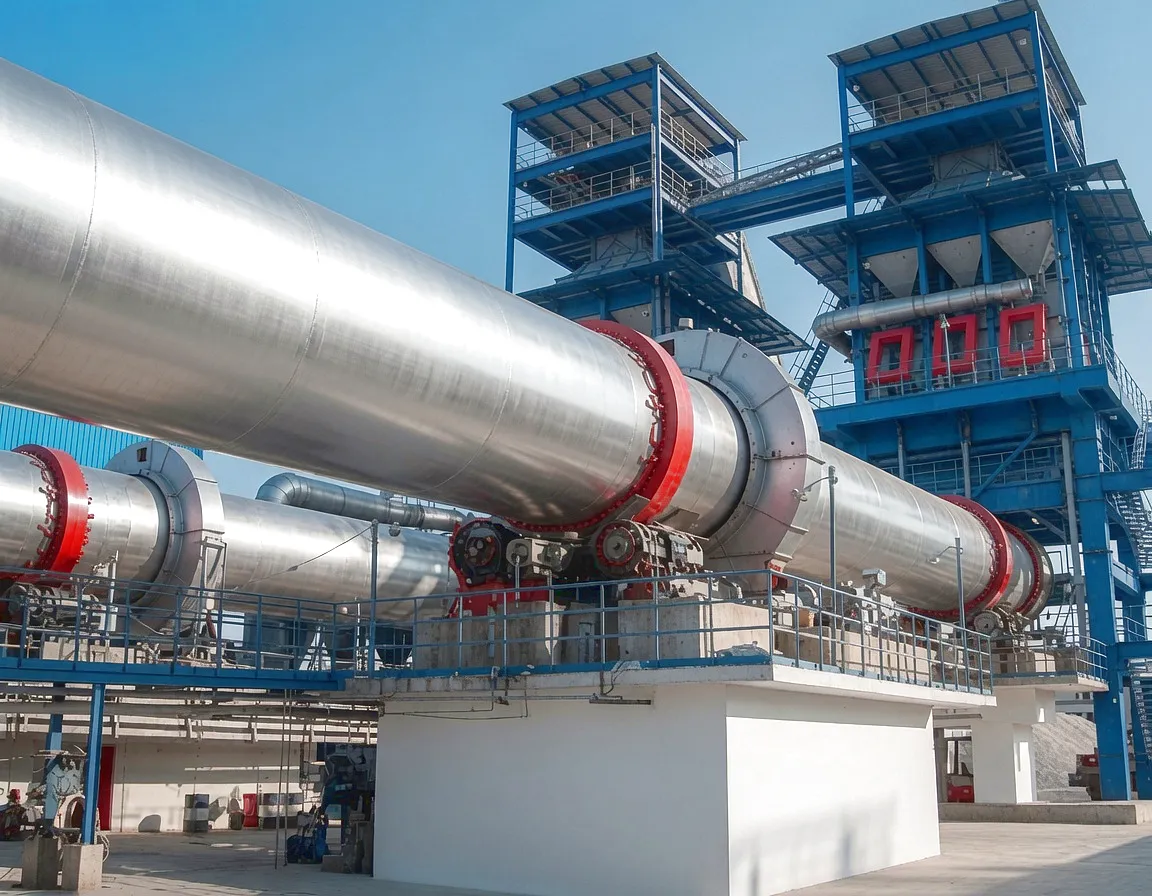
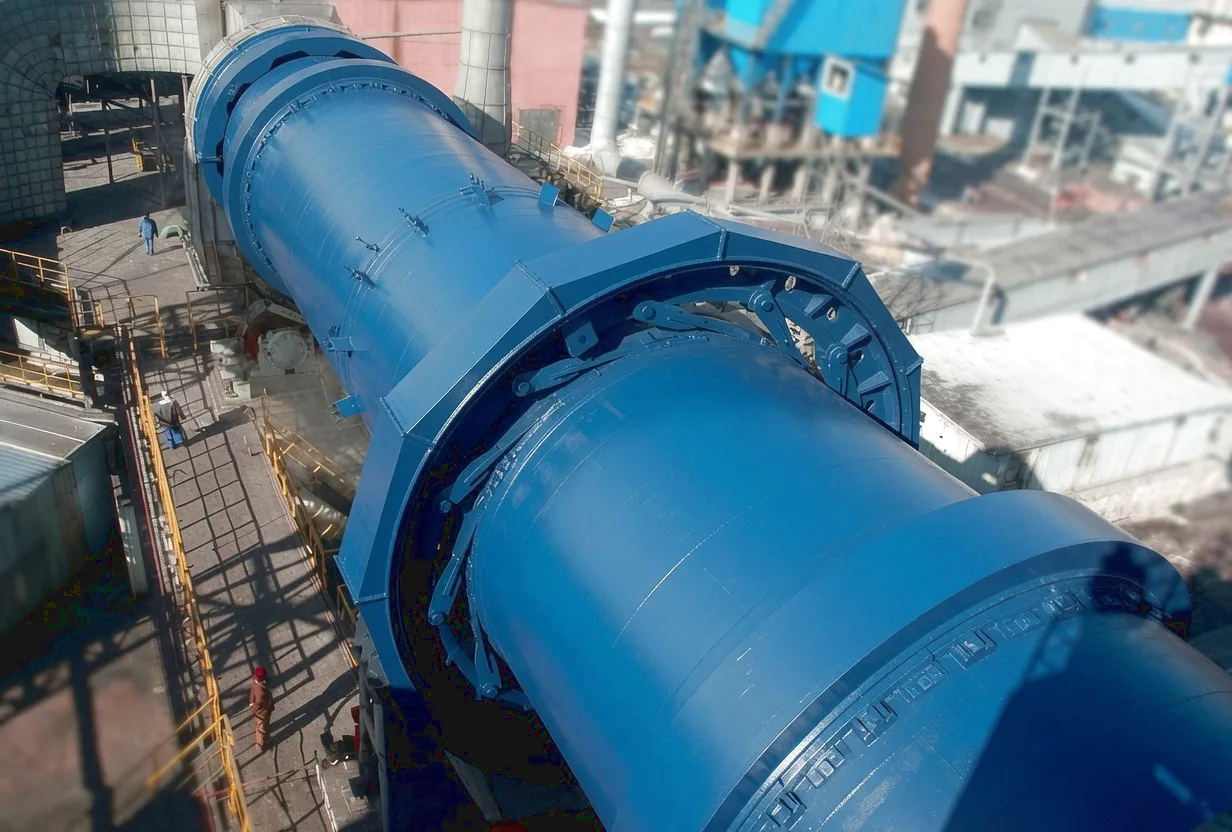
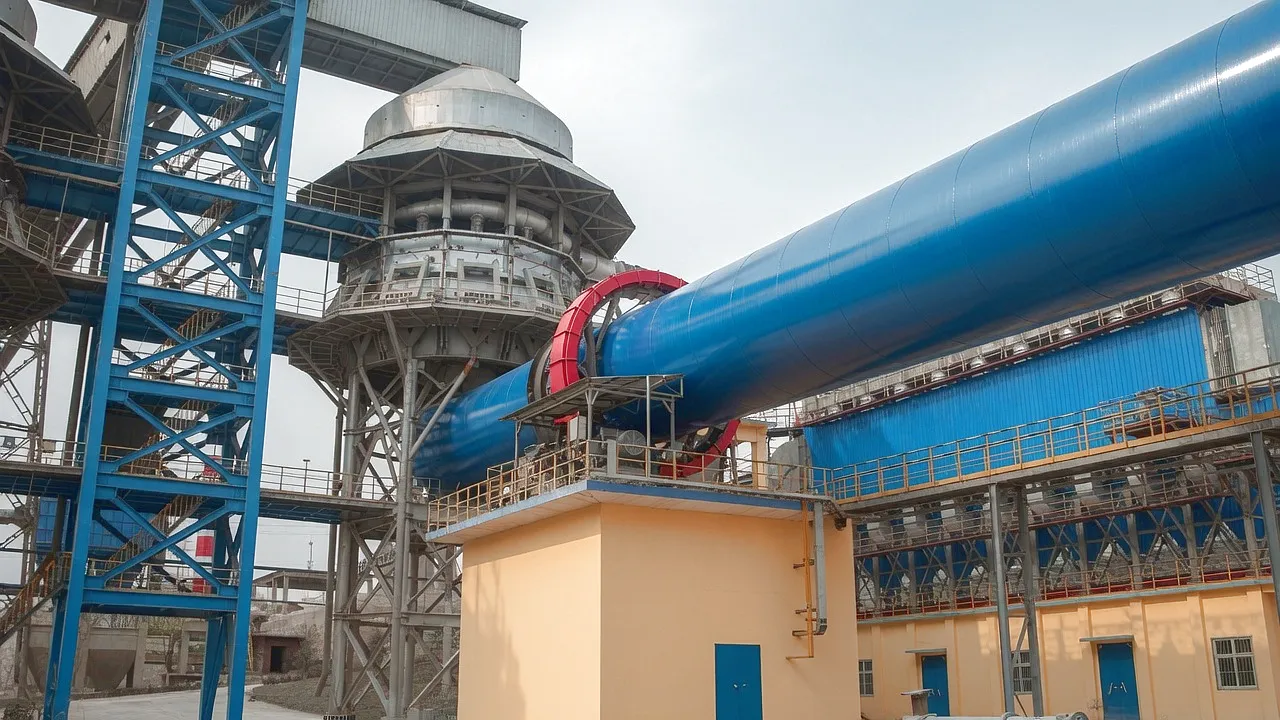
A cement rotary kiln operates on deceptively simple principles. A cylindrical steel shell, lined internally with refractory bricks, is inclined at a shallow angle — typically between 3° and 4° — and rotated continuously at speeds ranging from roughly 0.5 to 5 revolutions per minute. Raw meal fed at the elevated upper end travels slowly down the rotating cylinder, passing through progressively hotter zones: drying, preheating, calcining, and finally the burning zone where temperatures exceed 1,400°C and the clinker nodules form. The finished clinker exits at the lower end into a cooler.
The drive system that rotates this enormous mass — a fully loaded kiln shell can weigh several hundred tonnes — consists of a main electric motor, a primary reduction gearbox, a pinion shaft, and a large-diameter ring gear (also called a girth gear) bolted or spring-mounted to the kiln shell. The motor connects to the gearbox input shaft via a gear coupling. This is where things get mechanically complex.
The main motor rarely aligns perfectly with the gearbox input shaft under operating conditions, even if it does when cold and unloaded. As the kiln shell heats up to operating temperature, differential thermal expansion causes the entire drive train to shift slightly. Foundation settlement and vibration from the rotating kiln mass add further dynamic misalignment. The gear coupling must accommodate all of this continuously, without transmitting harmful bending loads into either the motor shaft bearings or the gearbox input bearings.
Beyond misalignment compensation, the gear coupling on a kiln drive must handle the peak start-up torque that occurs every time the kiln is started — particularly in cold or partially cooled condition, when the refractory lining and charge have become eccentrically distributed and the kiln’s moment of inertia is at its highest. These start-up shock loads can be several times higher than normal running torque, and they test the structural integrity of every coupling tooth, sleeve, and hub.
Why Drum-Tooth Gear Couplings Are the Industry Standard for Kiln Drives
Engineering rationale
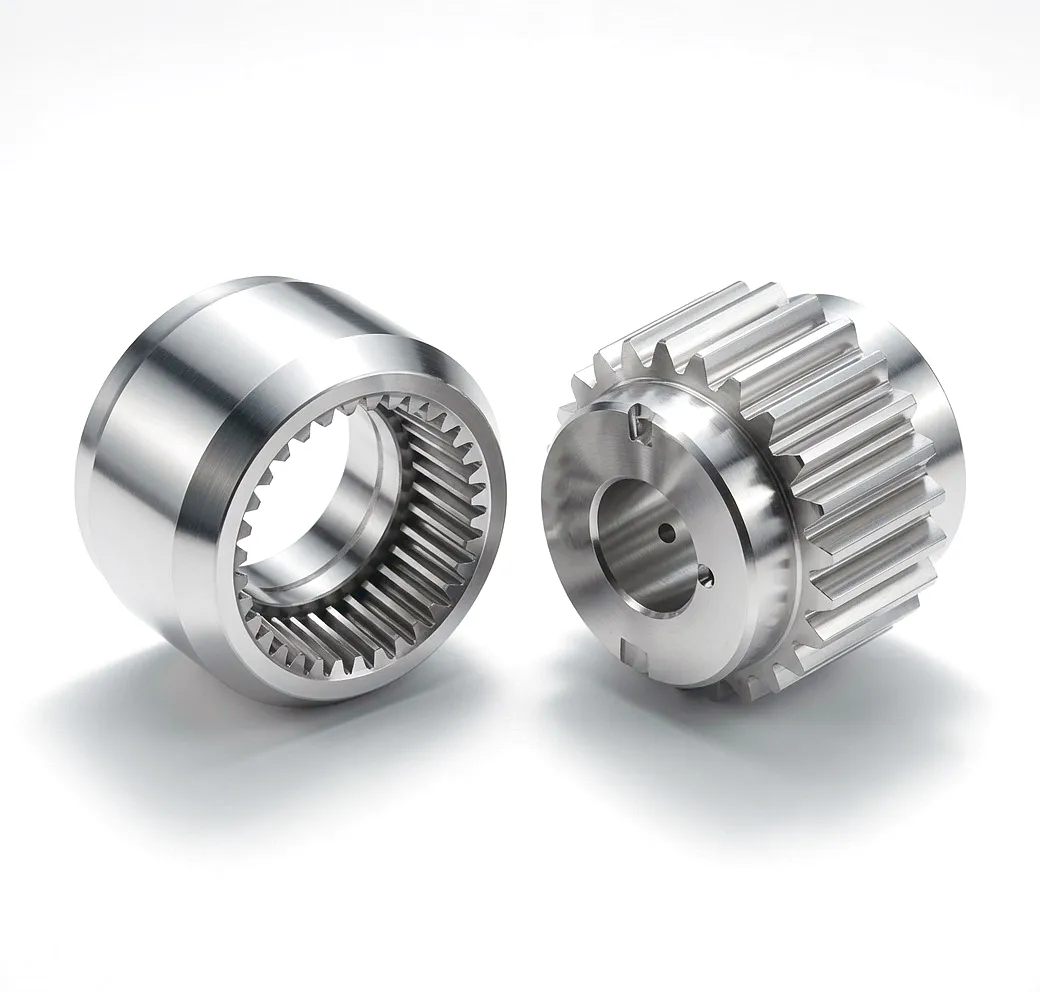
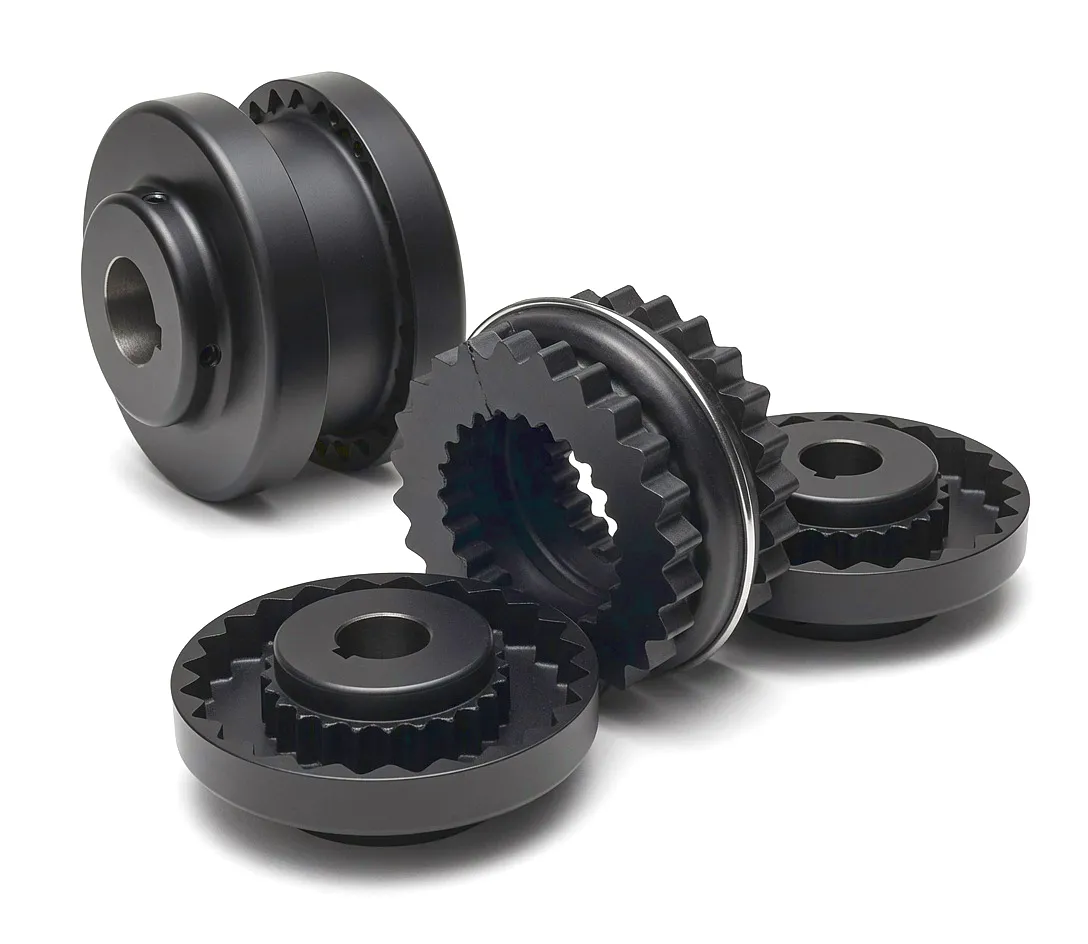
Crowned Tooth Profile
The drum or barrel shape of each tooth on the external hub allows the coupling to accommodate angular misalignment of up to 1.5° without transmitting bending moments. Contact stress remains distributed across the full tooth width rather than concentrating at edges.
High Torque-to-Weight Ratio
For the torque transmitted, gear couplings are compact. This matters in kiln drive applications where space between motor and gearbox is limited and where added rotating mass affects system dynamics and critical speed calculations.
Sealed Lubrication
The sleeve encases both hubs and retains grease under centrifugal action. In the dusty, high-temperature ambient environment of a cement plant, effective sealing prevents contamination that would otherwise accelerate tooth wear and fatigue failure.
Axial Float Capacity
Gear couplings permit significant axial movement between connected shafts — critical in kiln drives where thermal expansion of the motor shaft and gearbox shaft must not result in end-thrust loads being transmitted back through the bearings.
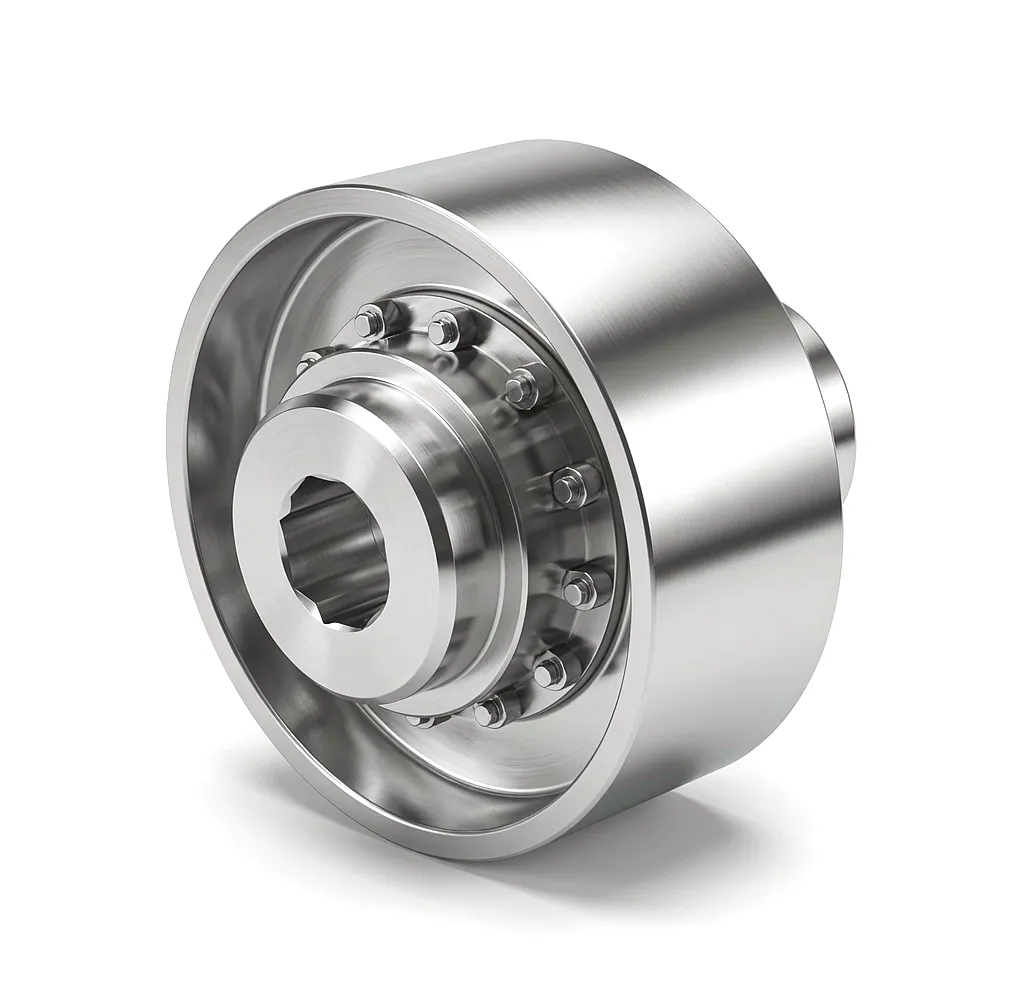
The combination of these four characteristics — angular flexibility, high torque density, sealed lubrication, and axial accommodation — explains why drum-tooth gear couplings have been the preferred choice for kiln main drive connections since the modern cement industry was established. Alternative coupling types such as flexible disc couplings or jaw couplings either lack the misalignment capacity, the torque range, or the mechanical robustness to remain reliable over the multi-year service intervals that cement plants demand.
It is worth noting that not all gear couplings marketed for heavy industrial use are genuinely suitable for kiln drive service. The difference lies in detail: tooth crowning radius, material grade, heat treatment specification, bore tolerance class, and the design of the seal arrangement. These are the details that separate a coupling that lasts five or more years in continuous kiln service from one that requires replacement within 18 months.
Technical Parameters: Ever Power Gear Couplings for Kiln Drive Applications
Performance data & material specification
| Parameter | GICL Series | NGCL Series | Unit |
|---|---|---|---|
| Nominal Torque Range | 400 – 2,000,000 | 630 – 2,500,000 | N·m |
| Maximum Angular Misalignment | up to 1.5° | up to 1.5° | degrees |
| Max Bore Diameter | up to 620 | up to 710 | mm |
| Axial Float | ±2 to ±12 | ±3 to ±15 | mm |
| Operating Speed (max) | up to 4,500 | up to 3,600 | rpm |
| Hub Material | 45# forged steel / alloy steel | 45# forged steel / alloy steel | — |
| Sleeve Material | Cast steel / ductile iron | Cast steel / ductile iron | — |
| Tooth Hardness (hub external) | HRC 40–45 | HRC 40–45 | Rockwell C |
| Lubrication Type | Grease-packed / oil-lubricated | Grease-packed / oil-lubricated | — |
| Service Factor (heavy shock) | up to 2.5 | up to 2.5 | — |
| Custom Bore / Keyway | Available | Available | — |
Data representative of standard range. All parameters can be specified to application requirements — contact Ever Power for custom engineering.
Materials, Construction & Operating Principle
What makes these couplings last in cement plants
Forged Steel Hubs
Both inner hub and the external toothed hub are forged from Grade 45 medium-carbon steel or higher-alloy grades for large sizes. Forging ensures a refined grain structure with no porosity — critical where stress concentrations around the tooth roots must be withstood through billions of load cycles. The tooth flanks are precision-machined, then heat-treated by induction hardening to HRC 40–45, leaving the core relatively tough to resist impact.
Cast Steel Sleeves with Integral Internal Teeth
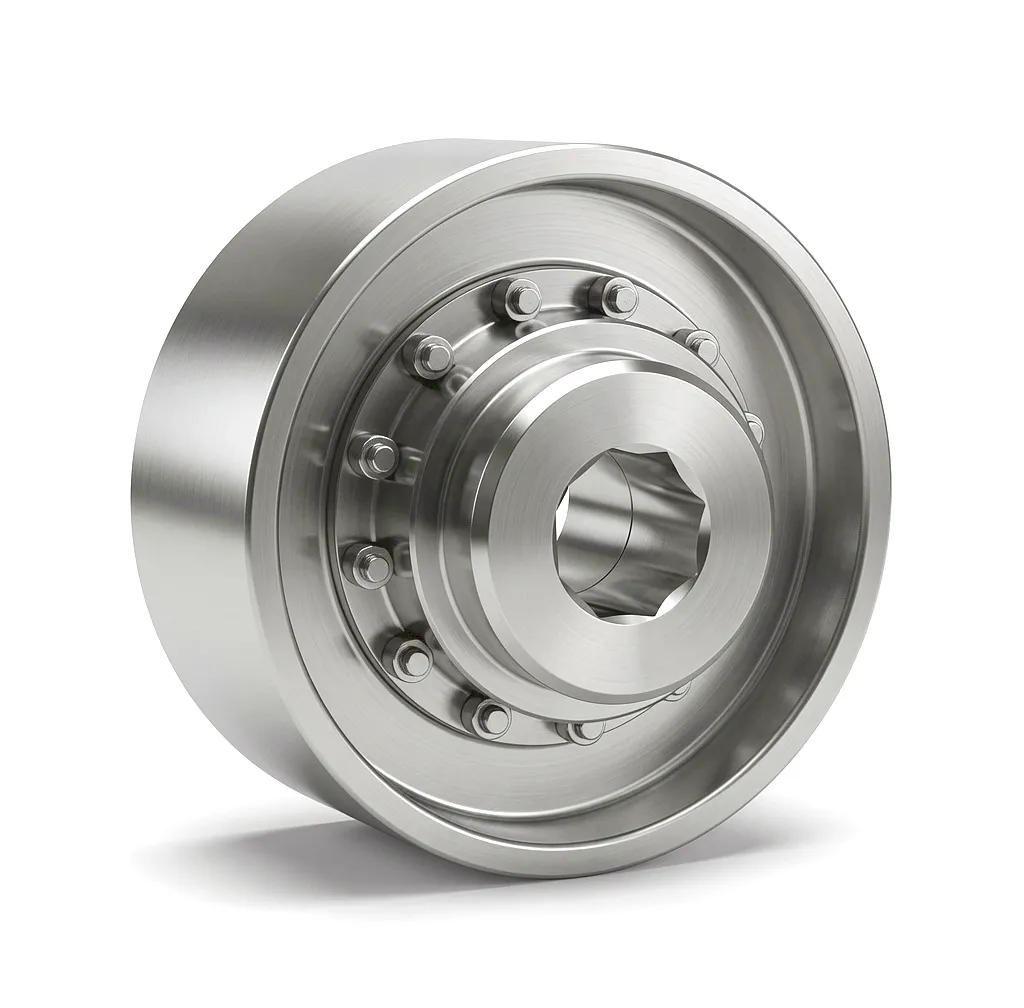
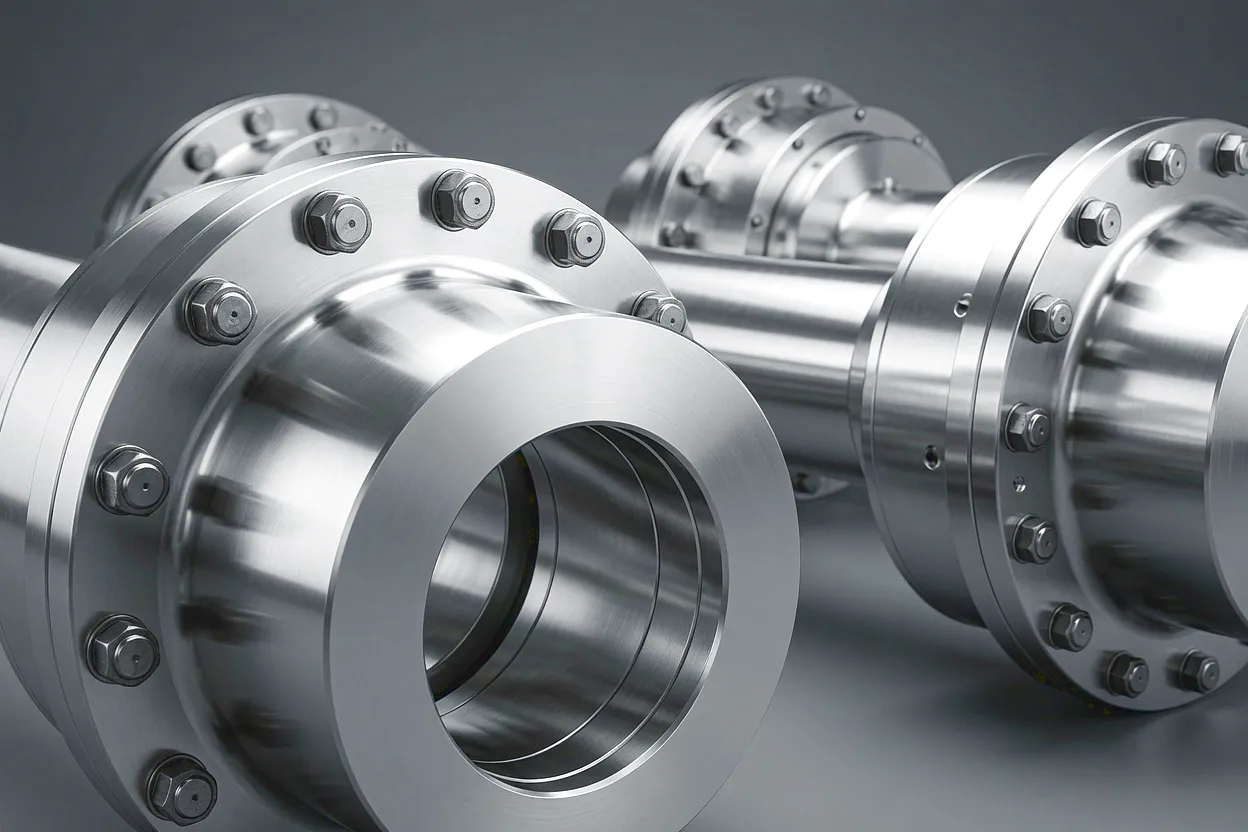
The outer sleeve encases both hubs and carries the mating internal teeth. Cast from ZG310-570 cast steel with controlled microstructure, the sleeve must withstand the hoop stresses generated by centrifugal loading of the lubricant and the bending loads transferred during misaligned operation. The internal tooth geometry is straight-cut, providing a wider contact zone that works in combination with the crowned external teeth to achieve true angular flexibility without point loading.
Sealing & Lubrication System
Neoprene O-ring seals at each end of the sleeve retain a carefully calculated quantity of NLGI grade 2 or 3 grease (or oil for higher-speed variants) within the tooth mesh zone. In a cement plant environment where clinker dust and kiln gas infiltration are constant risks, seal integrity directly determines coupling service life. Ever Power’s sealing design maintains positive lubricant retention at the operating speeds and temperatures typical of kiln drives.
Operating Principle Under Kiln Conditions
When the kiln drive system operates with angular misalignment — perhaps 0.3° to 0.8° under normal running conditions, rising to near 1.5° during peak thermal expansion — the drum-shaped external teeth pivot within the straight internal teeth of the sleeve. This pivoting action, lubricated by the retained grease, generates a rocking motion absorbed entirely within the coupling. No bending moment is transmitted to either shaft, and no radial force is imposed on the connected bearings.
Gear Coupling Application Scenarios Across the Cement Plant
Beyond the main kiln drive
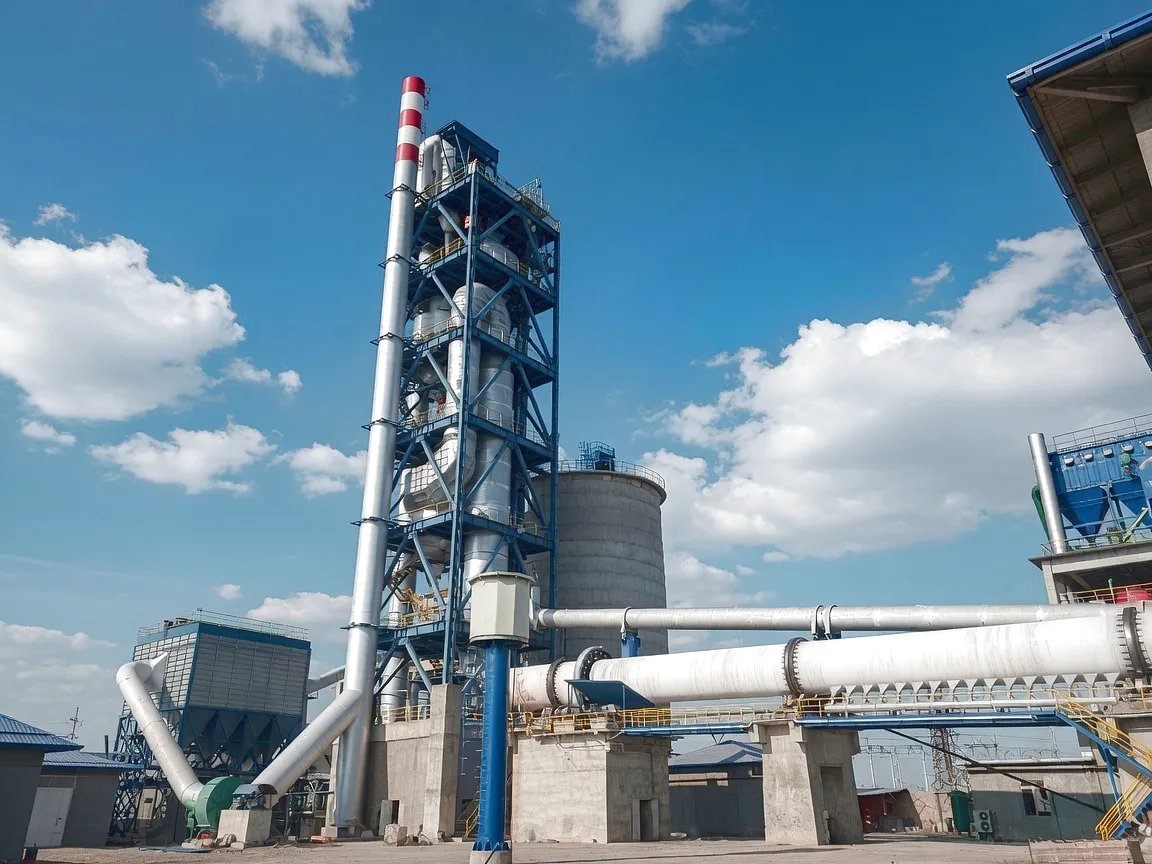
While the main kiln drive connection represents the highest-profile gear coupling application in a cement plant, the same technology is relied upon throughout the facility. Understanding these adjacent applications helps procurement and maintenance teams recognise opportunities to standardise on a single supplier — simplifying inventory management and ensuring consistent quality across the plant’s entire coupling population.
Key Product Advantages for Cement Industry Buyers
Why engineers choose Ever Power
The advantages that make Ever Power gear couplings the right choice for kiln drive applications go beyond the mechanical performance specifications in the table above. They reflect an integrated approach to manufacturing quality, engineering support, and supply chain reliability that British cement producers and plant operators have come to value.
Manufacturing Capability & Custom Engineering Services
Bespoke solutions for retrofit and replacement
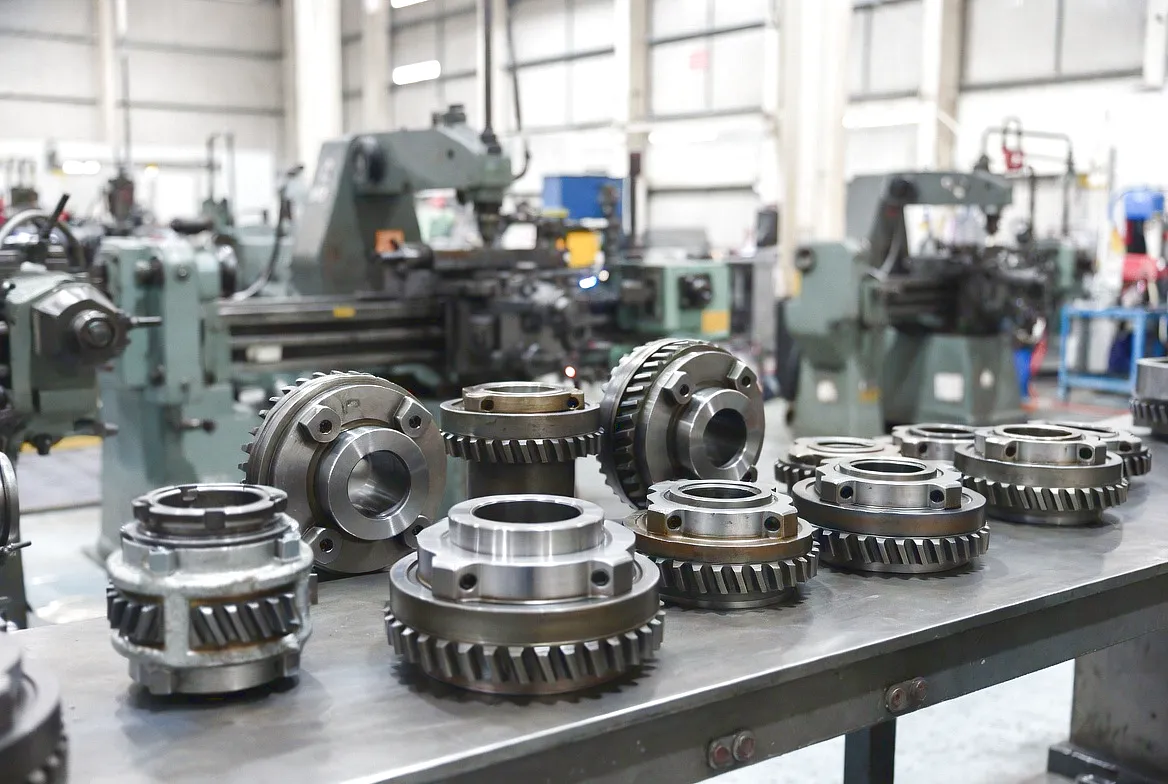
Not every kiln drive replacement is straightforward. Older kilns designed in the 1970s or 1980s may have non-standard shaft dimensions, unusual keyway specifications, or flange drilling patterns that do not correspond to any current catalogue size. Plants that have upgraded their main motors or gearboxes may find that the replacement coupling needs to bridge two different shaft sizes or accommodate an increased shaft diameter resulting from a higher-rated motor selection.
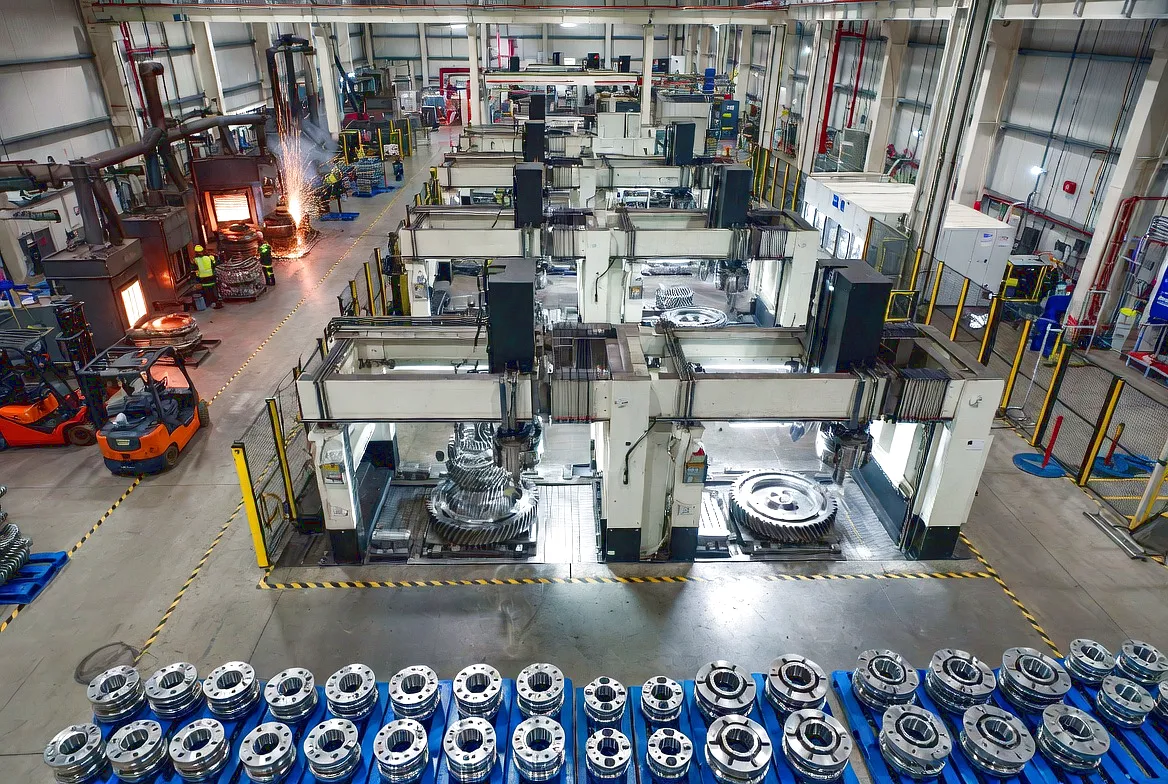
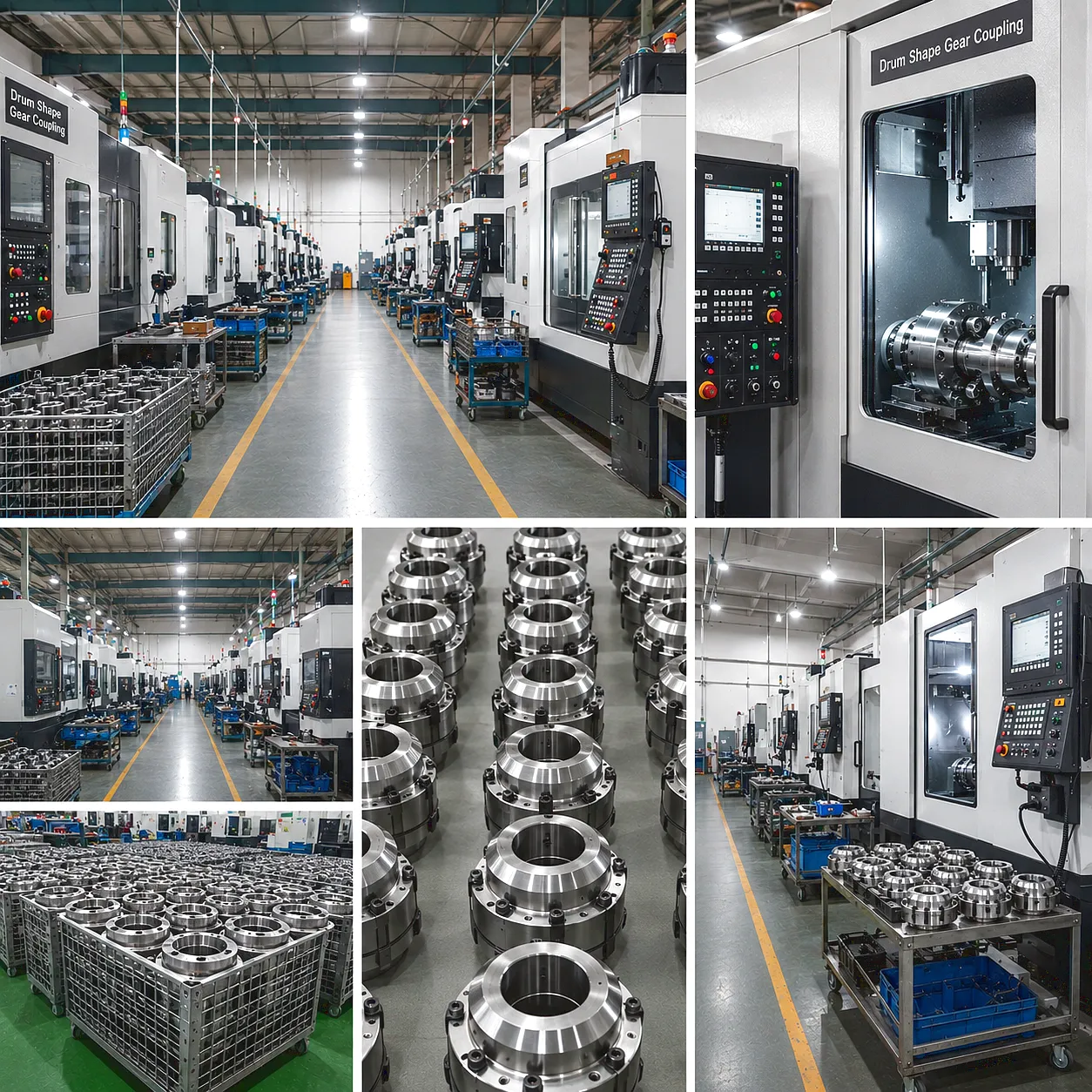
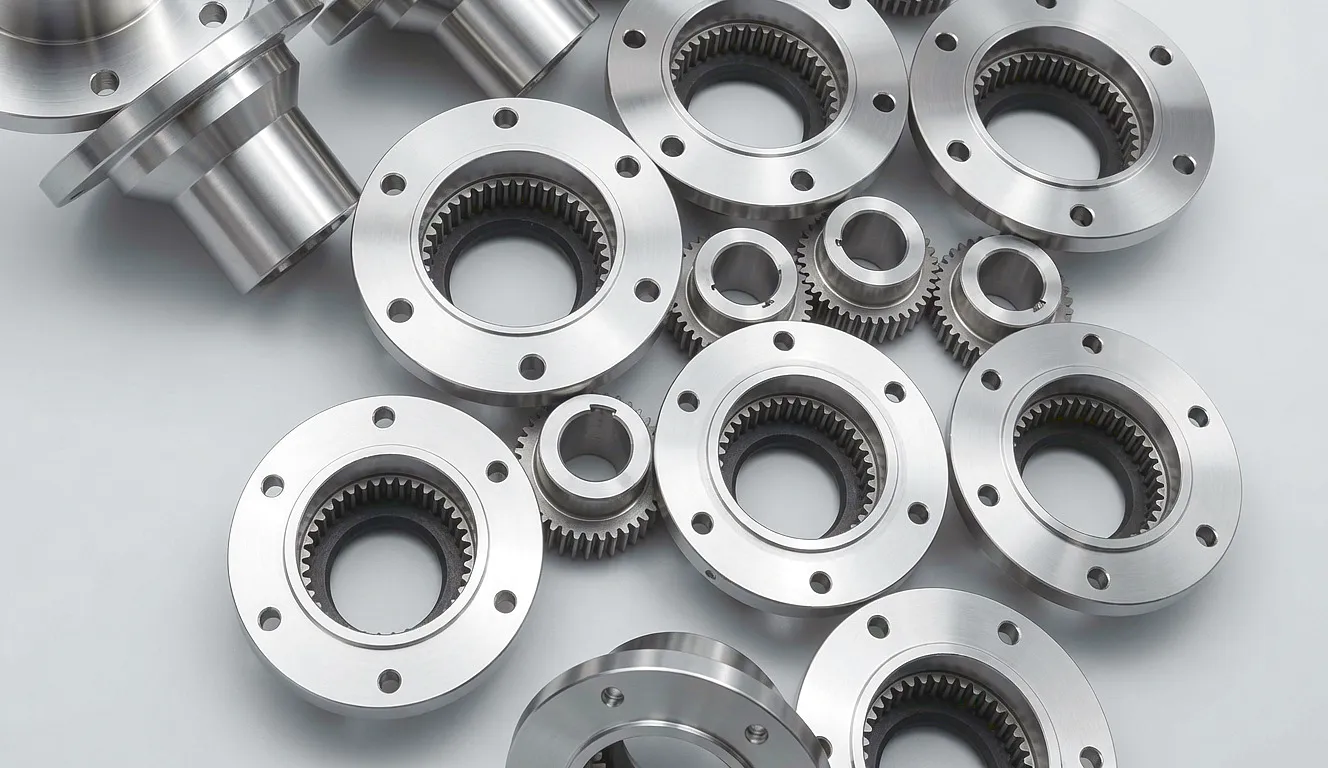
Ever Power’s manufacturing facility operates dedicated gear cutting, CNC turning, and internal broaching capacity that allows truly custom couplings to be produced to any specification. The company’s engineering team works from customer drawings, from reverse-engineered dimensions provided by the maintenance team, or from original equipment manufacturer documentation to produce replacement couplings that fit without modification and match or exceed the performance of the originals. This customisation capability extends to:
✓ Non-standard bore diameters
Any bore from the minimum up to the hub’s maximum capacity, finished to H7 or as specified
✓ Special keyway dimensions
DIN 6885, BS 4235, or bespoke keyway cuts including double keys
✓ Flanged or pilot-bore variants
Flanged hubs for direct coupling to motor face flanges or gearbox output flanges
✓ Extended centre distance
Spacer-shaft configurations for applications where motor and gearbox cannot be positioned close together
✓ Special surface finishes
Including hot-dip galvanising, high-build epoxy coating, or nickel plating for corrosive environments
Need a custom gear coupling for your kiln drive replacement?
Send us your shaft dimensions, operating torque, and installation envelope, and our engineering team will provide a full proposal within 48 hours.
Customer Success: Kiln Drive Reliability Restored at UK Cement Works
Real-world results in British heavy industry
UK
Cement
Whitwick Cement Works, Leicestershire, England
Rotary kiln main drive — coupling failure and replacement programme
The challenge: The plant’s No. 2 kiln had experienced recurring gear coupling failures on its main drive connection over a 30-month period. Two previous couplings from a different supplier had failed at the tooth root — one during start-up under cold conditions, one from fatigue cracking after approximately 14 months of service. Each failure caused unplanned downtime of between 4 and 6 days, with estimated production losses of £140,000 to £210,000 per incident, before accounting for increased fuel and refractory thermal shock costs.
Investigation: Root cause analysis identified three contributing factors. The couplings previously used had a tooth crowning radius that was too conservative for the misalignment present at the site — driven by differential settlement of the motor and gearbox foundations, estimated at 0.8° to 1.1° under running conditions. Additionally, the material grade used for the external hubs was only 40# steel, inadequately hardened. Finally, the lubrication re-greasing interval had been set at 12 months, which was insufficient given the ambient temperature and dust loading at the kiln drive location.
The solution: Ever Power supplied a pair of NGCL series drum-tooth gear couplings in a size rated to 180,000 N·m nominal torque with a 2.2 service factor applied — comfortably handling the 72,000 N·m continuous running torque and the calculated peak start-up torque of 156,000 N·m. Hubs were manufactured from alloy steel with a tooth hardness of HRC 43. The bore diameter was bored to customer-supplied motor shaft dimensions of 220mm H7 and gearbox input shaft of 240mm H7 — non-standard sizes not available from catalogue. A revised greasing interval of 6 months was recommended, and the coupling was supplied with a grease quantity specification to ensure adequate fill.
Result: Both couplings have now been in continuous service for 31 months without any indication of tooth distress. The plant’s maintenance team reports that inspection at the last planned shutdown — at 24 months — revealed no measurable tooth wear and confirmed correct lubrication condition. The unplanned downtime cost previously associated with coupling failures has been eliminated entirely, representing a saving well in excess of £400,000 over the period. The site has since specified Ever Power NGCL couplings as the standard replacement part for all four of its kilns.
What Our Customers Say
“We had been through two coupling failures on Kiln 2 in less than three years. The Ever Power NGCL series simply hasn’t given us any trouble since installation. The non-standard bore sizes were machined exactly to drawing, and the delivery was inside our planned shutdown window. Exactly what we needed.”
— Senior Mechanical Engineer, Cement Works, Leicestershire, UK
“We operate three kilns at our North Yorkshire site, and after standardising on Ever Power gear couplings across all three main drives, our coupling-related maintenance costs have dropped by roughly 60%. The documentation pack — material certs, balance reports, dimensional inspection — is exactly what our ISO 9001 system requires.”
— Plant Maintenance Manager, Integrated Cement Producer, Yorkshire, UK
“As a maintenance engineering contractor working across several UK cement and lime plants, I specify Ever Power’s drum gear couplings whenever kiln drive reliability is the priority. The combination of custom bore capability, rapid delivery, and competitive pricing against European alternatives makes them the straightforward choice for our clients.”
— Principal Engineer, Industrial Maintenance Contractor, West Midlands, UK
Serving the UK Cement Industry: What British Plant Engineers Need to Know
Supply chain, standards & support
The United Kingdom’s cement industry — centred on major production sites in the East Midlands, Yorkshire, Wales, and Kent — operates some of the largest and most technologically advanced rotary kilns in Europe. Plants belonging to major producers and independent operators alike depend on reliable, technically sound component supply for their maintenance programmes. For gear couplings, this means suppliers must combine technical depth with genuine service capability: the ability to interpret an application correctly, specify the right coupling, and deliver it in the timeframe a planned or emergency shutdown demands.
British cement engineers increasingly source gear couplings directly from specialist manufacturers rather than through general distribution chains, and for good reason. The catalogue distributor model works well for commodity sizes, but kiln drive couplings are rarely commodity items — they require specific bores, often non-standard keyway dimensions, and documentation to meet the site’s quality management requirements. Working directly with Ever Power eliminates the communication delays and specification errors that can arise when orders pass through intermediaries.
For purchasing engineers at UK cement plants, the key commercial questions are typically lead time, technical support, and price competitiveness against European alternatives. Ever Power addresses all three: custom-bored couplings for planned shutdowns are available within lead times that fit within typical kiln maintenance windows, technical engineers are available to advise on selection and installation, and pricing is structured to be genuinely competitive against German, Italian, and other European gear coupling suppliers who have traditionally dominated this market segment in Britain.
UK Cement Sector Served
East Midlands, Yorkshire, Kent, Wales & beyond
Documentation Ready
Material certs, balance reports, dimensional inspection, CE documentation
Technical Support
Application selection, installation guidance, troubleshooting
Custom Engineering
Non-standard dimensions, flanged hubs, spacer shafts, special finishes
Ready to Source Gear Couplings for Your Cement Plant Kiln Drive?
Send your shaft dimensions, motor power, and operating speed. Ever Power’s engineering team will confirm the right coupling selection and deliver a competitive quote within 48 hours — custom bores welcome.
edit by gzl