
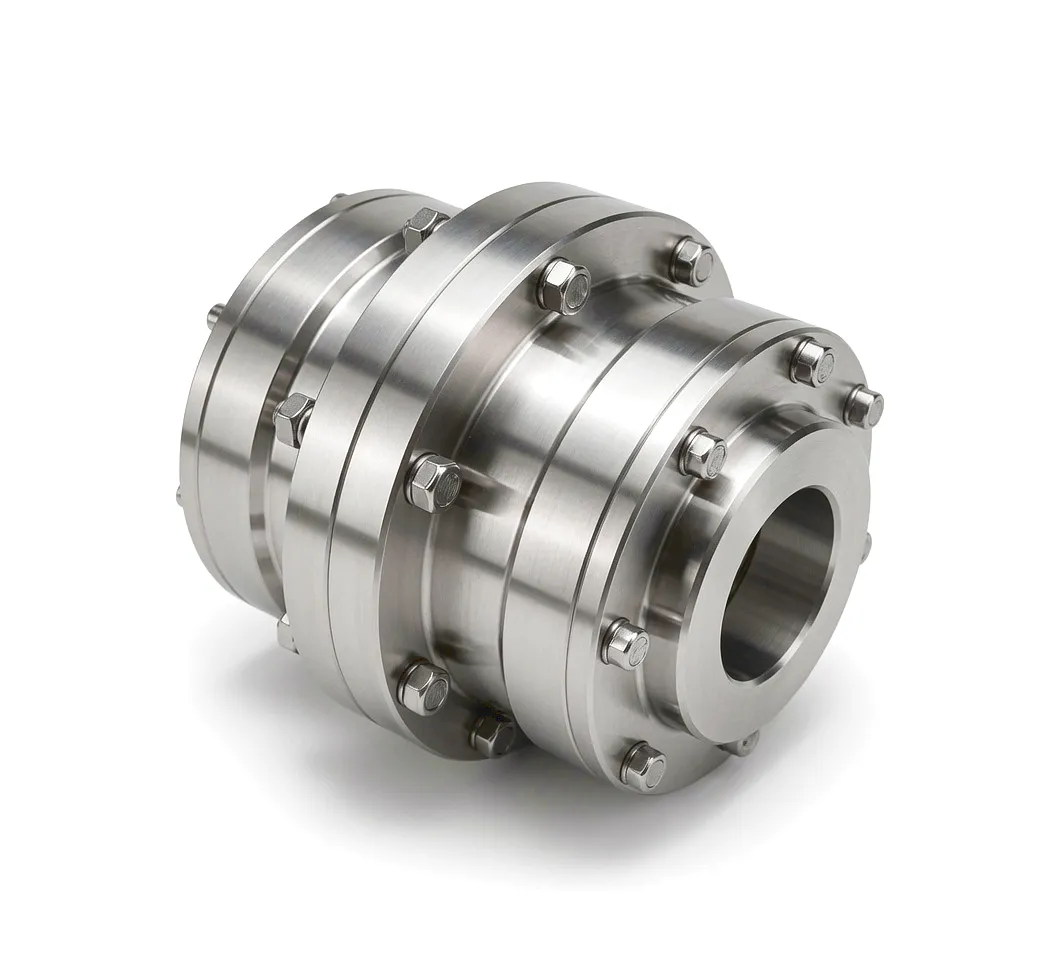
GICL Drum Shape Gear Coupling
The drum-tooth (crowned-tooth) design is the go-to solution for offshore platform drives. Its spherical tooth profile handles combined angular, radial, and axial misalignment simultaneously — a necessity when platform flex and wave-induced movement shift shaft centrelines during operation. Ever Power’s GICL series is engineered with phosphating or corrosion-resistant coatings specifically for marine exposure.
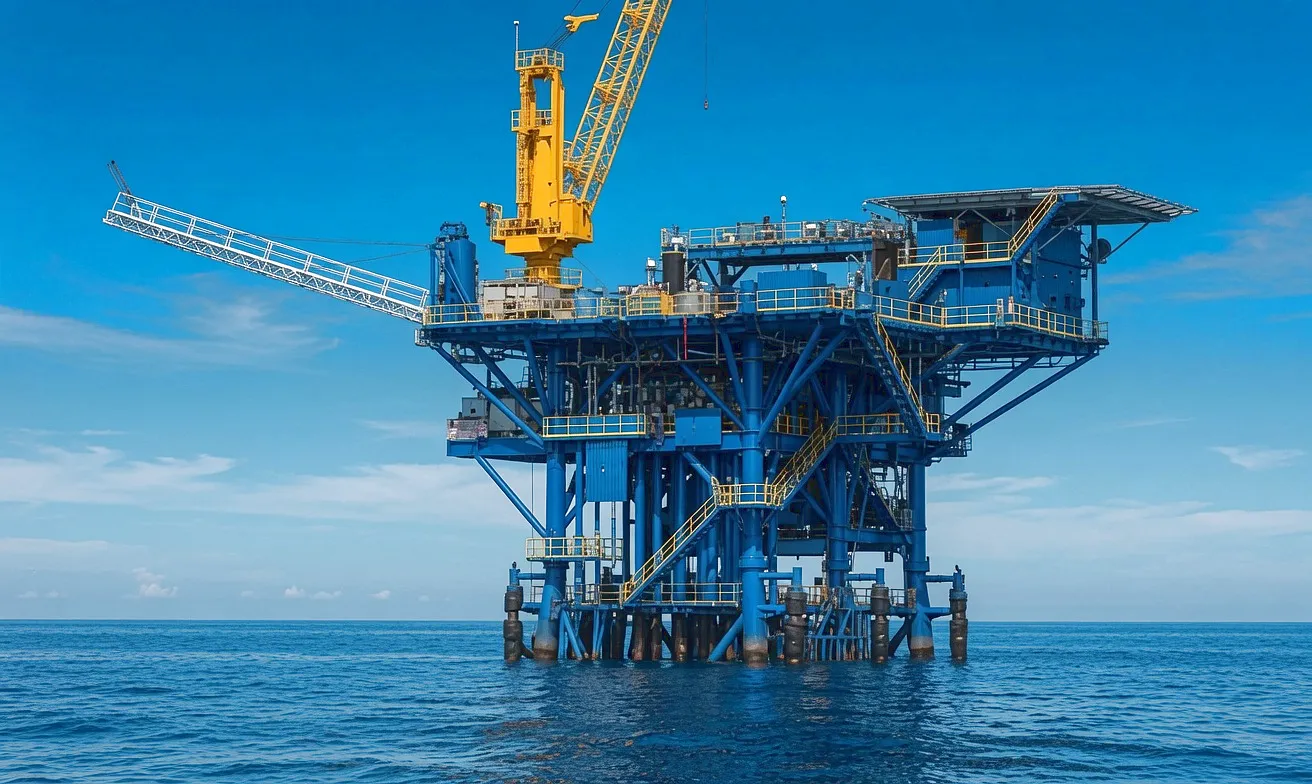
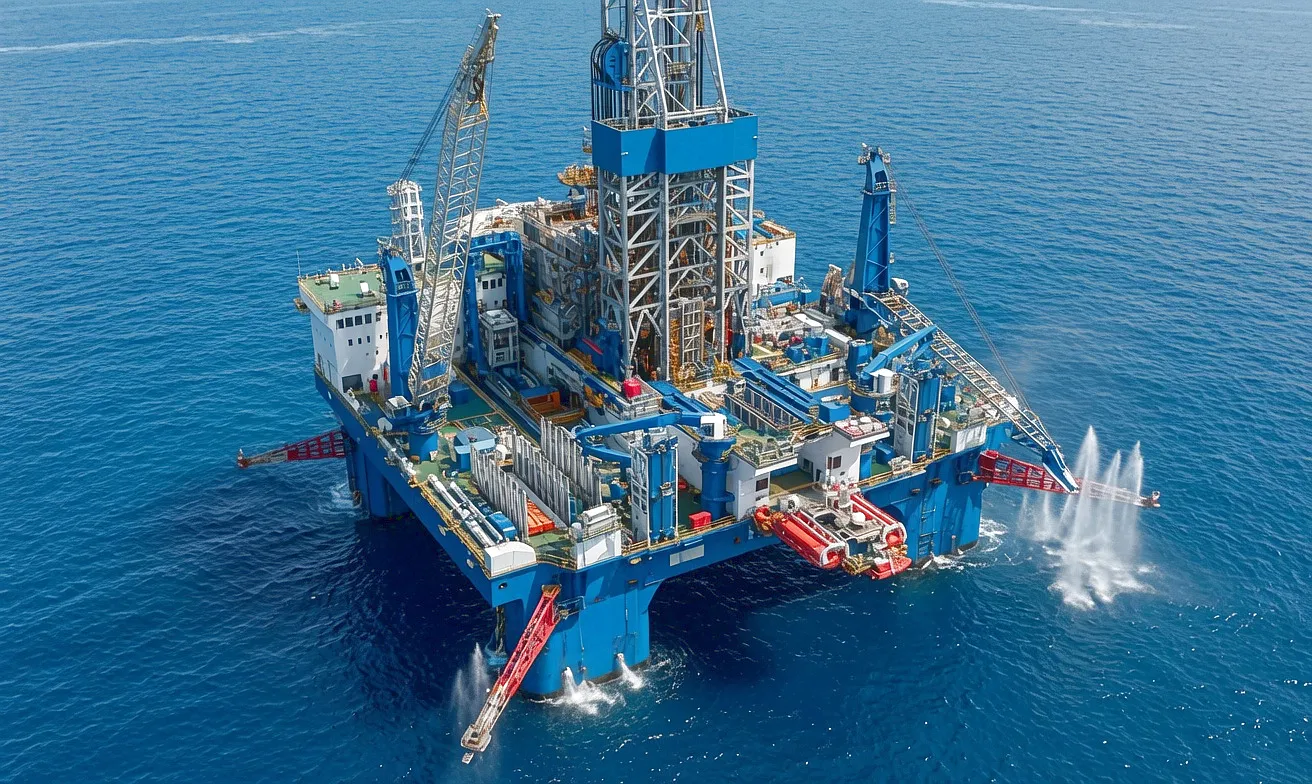
 Offshore oil and gas platforms represent one of the most demanding mechanical environments on the planet. Whether fixed jacket platforms in the southern North Sea, jack-up rigs operating in the Central North Sea, or semi-submersibles in deepwater fields west of Shetland, these structures host hundreds of rotating machinery assets — each one entirely dependent on reliable power transmission components. Among these, gear couplings perform a role that is simultaneously mundane and absolutely critical.
When an offshore platform’s mud pump drops offline mid-drilling because a coupling has failed, the cost isn’t just the price of the replacement part — it’s the rig day rate of £150,000 to £500,000, the cost of delayed well delivery, and potentially the cost of a well control incident if mud circulation is interrupted at a critical juncture. That context frames why every drivetrain decision made on a platform is taken with extreme seriousness, and why the right gear coupling selection matters profoundly to drilling engineers, reliability teams, and operations managers.
This guide examines the mechanical engineering principles behind gear couplings, the specific challenges posed by offshore drilling environments, how to match coupling type to application, and what distinguishes a fit-for-purpose coupling from an inadequate one in marine service. It also looks at practical case examples from real offshore operations and provides data-driven selection guidance that field engineers can use immediately.
The Offshore Platform Environment: Why Standard Couplings Fail
Understanding what makes offshore service so punishing for mechanical components
Wave-Induced Platform Motion
Semi-submersibles and drillships experience continuous six-degrees-of-freedom motion. Platform roll, pitch, and heave constantly shift the relative positions of motor and driven equipment shafts. Standard rigid or jaw couplings transmit these movements directly into shaft bearings and seals as bending loads — leading to premature failure. Gear couplings, by contrast, accommodate these continuous small misalignments without generating destructive reaction forces.
Salt Spray and Corrosion
The North Sea environment delivers a persistent mist of chloride-laden salt spray that penetrates equipment housings, degrades standard lubricants, and attacks any exposed steel surface. Carbon steel couplings without appropriate surface treatment deteriorate rapidly. Offshore gear couplings must be manufactured from appropriate alloy steels and protected with phosphate coatings, hard chrome plating, or corrosion-inhibiting compound-filled sealed housings to survive more than a single maintenance cycle.
Torque Shock and Overload
Drilling operations generate severe torque transients. Bit stick-slip, top drive torque oscillations, and mud pump pressure surges subject drivetrain couplings to shock loads that can reach 3–5 times nominal torque in milliseconds. Gear couplings, particularly drum-tooth designs with their high surface contact area, distribute these shock loads across multiple tooth pairs simultaneously, absorbing energy without failure in ways that elastomeric or disc-type couplings simply cannot match at high power levels.
Temperature Extremes
North Sea operations expose topside equipment to ambient temperatures ranging from -10°C in winter storms to +35°C during summer operations in enclosed machinery spaces. Thermal cycling affects coupling material properties, lubricant viscosity, and dimensional tolerances. Gear couplings designed for this temperature range use compatible lubricants rated for -30°C to +120°C service and are manufactured from materials with controlled thermal expansion coefficients to maintain tooth engagement across the full operating range.
Gear coupling installed on mud pump drive system
Compressor drive train coupling installation
How Gear Couplings Work — And Why the Drum-Tooth Profile Matters Offshore
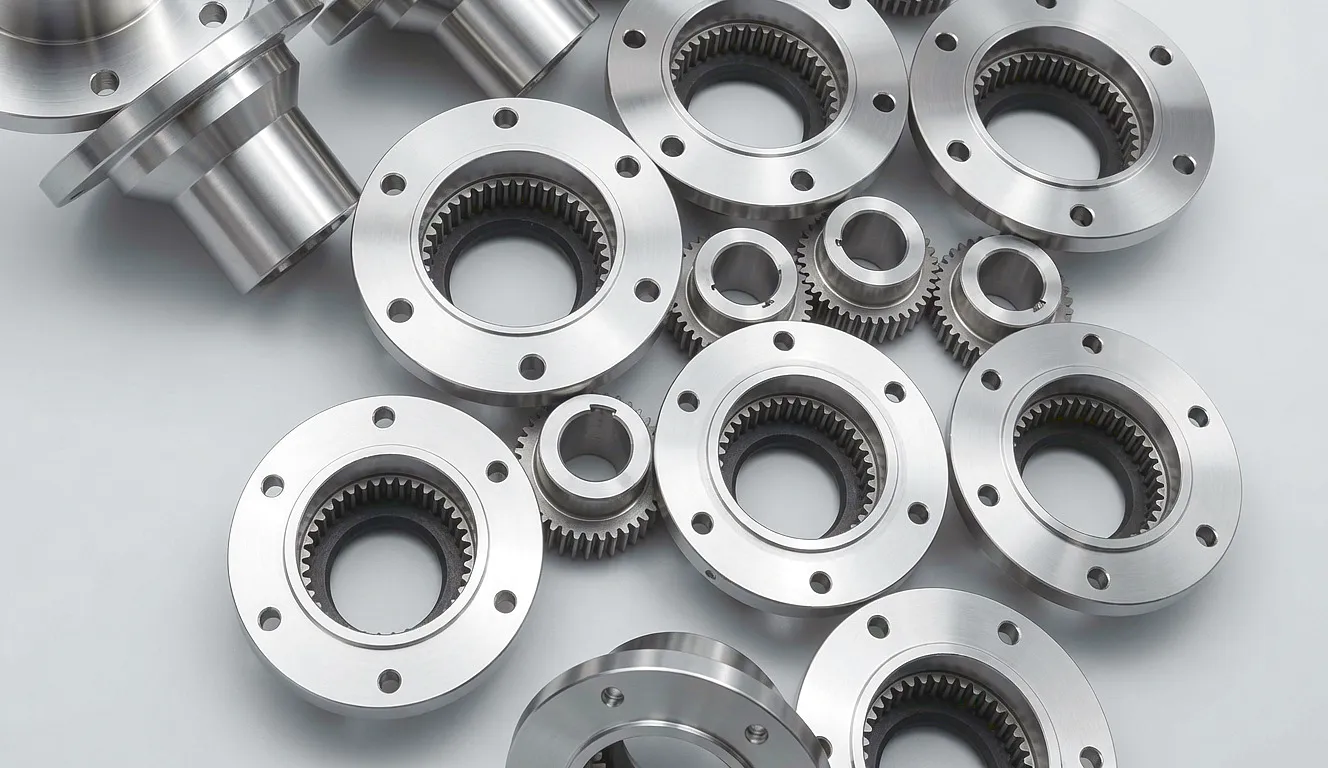
A gear coupling transmits torque between two shafts through the meshing of internal and external gear teeth. The basic architecture consists of two hubs — each with external crowned teeth — that engage with a sleeve or outer ring carrying matching internal teeth. This gear mesh transfers torque directly through metal-to-metal contact, which is why gear couplings achieve the highest torque density of any flexible coupling type. At equivalent shaft sizes, a gear coupling will transmit three to five times the torque of an elastomeric jaw coupling.
The critical difference that makes drum-tooth (crowned-tooth) gear couplings appropriate for offshore service is the spherical geometry of the external teeth. Rather than having straight parallel tooth flanks, the crowned tooth has a convex profile when viewed along the gear axis. This crowning means that when angular misalignment occurs — as it continuously does on a moving platform — the tooth contact shifts smoothly along the crown radius without creating the destructive edge loading that would occur on straight-tooth designs. The crowned tooth maintains a distributed contact patch across multiple tooth pairs even at misalignment angles up to 1.5°, preventing stress concentrations that lead to pitting, spalling, and tooth fracture.
Lubrication is the other critical design parameter for offshore couplings. Gear teeth operating under high contact stress require a lubricant film to prevent metal-to-metal adhesion and wear. In a sealed gear coupling, specially compounded grease is packed into the tooth mesh zone during assembly and retained by labyrinth or lip seals. The grease must maintain adequate viscosity across the operating temperature range, resist centrifugal separation at operating speeds, and retain its protective film integrity for 12–18 months between maintenance interventions — the typical inspection cycle for non-critical offshore couplings.
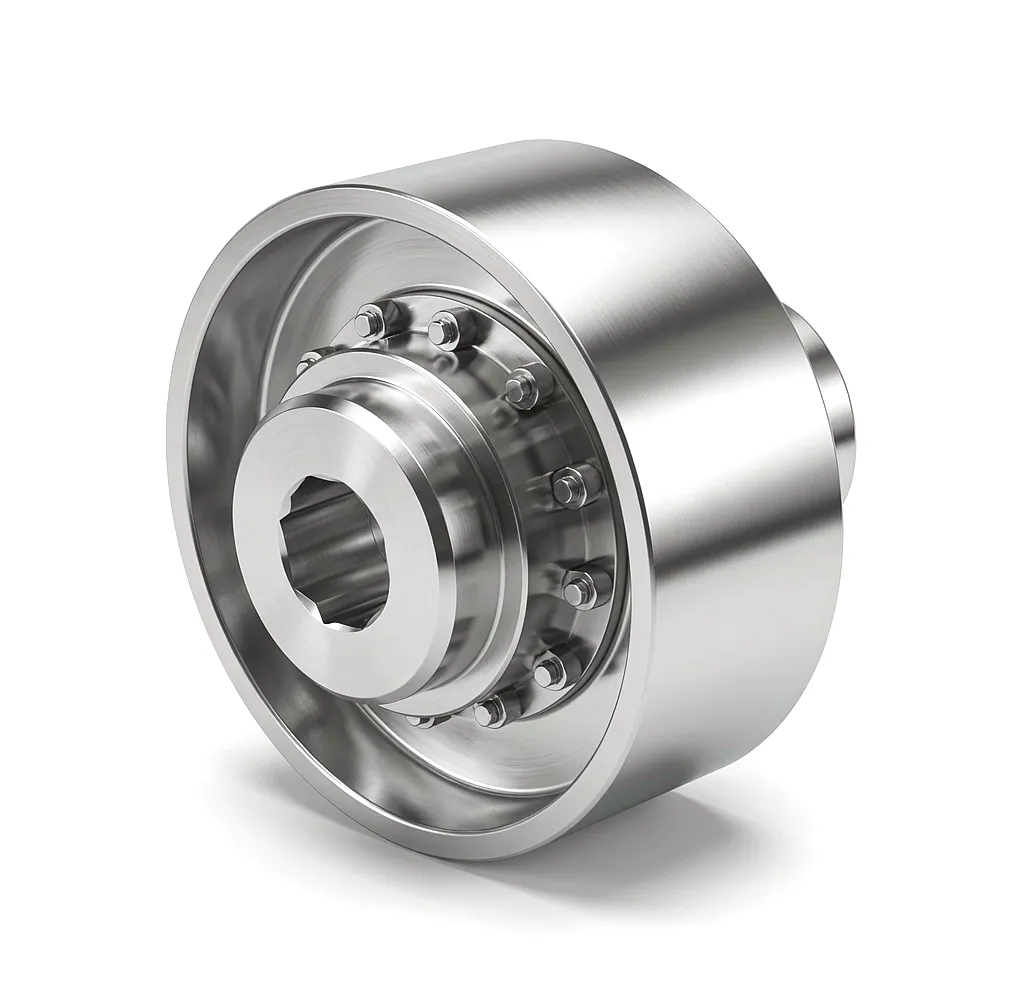
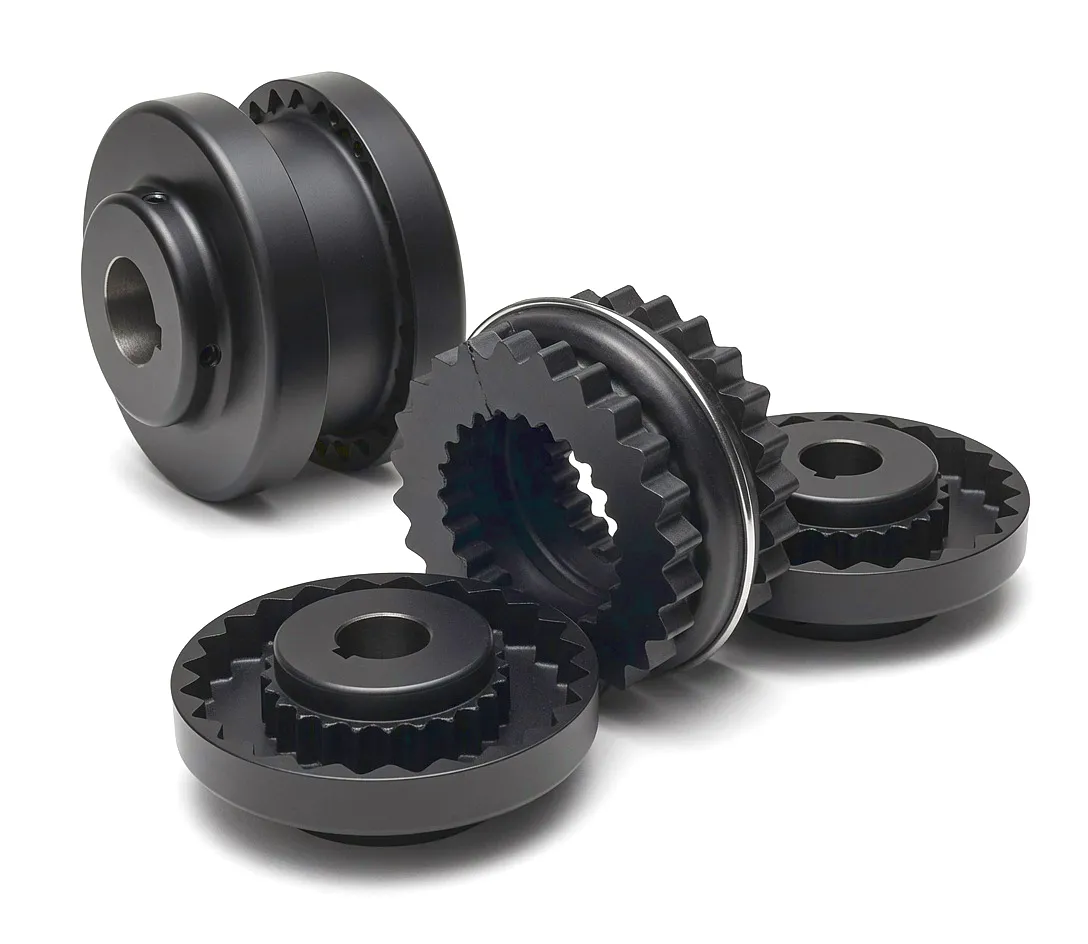
NGCL Series — Drum Shape Gear Coupling
Double-flex drum tooth design with brake wheel option; ideal for drawworks and winch drives where controlled emergency braking is required alongside flexible coupling function.
Key Drilling Platform Applications for Gear Couplings
Six critical drivetrain positions where gear coupling selection directly affects platform reliability
🔩 Mud Pump Drives
Drilling mud pumps are the circulatory system of any oil well. They push drilling fluid down the drill string, through the bit nozzles, and back up the annulus, carrying rock cuttings to surface while maintaining wellbore pressure. On a typical jack-up or semi-submersible platform, two to four triplex mud pumps may be operating simultaneously, each consuming between 700 kW and 2,500 kW of electrical power through dedicated VFD-motor drives. The gear coupling connecting motor output shaft to the pump crankshaft must handle not only the high continuous torque — up to 80,000 Nm on large high-pressure pumps — but also the rhythmic torque ripple generated by the three-cylinder crankshaft mechanism. Over-coupling, under-coupling, or incorrect selection for torsional compliance in this application has historically been responsible for some of the most costly drivetrain failures in offshore drilling history. Sealed drum gear couplings with bore sizes from 100 mm to 350 mm are the standard solution, chosen specifically for their ability to absorb this cyclic excitation without transmitting damaging oscillations into motor shaft bearings.
⚙️ Drawworks Drives
The drawworks is the hoisting system that raises and lowers the drill string, running casing, and deploying the blowout preventer. Drawworks power ratings on modern semi-submersibles have increased dramatically — rigs handling ultra-deepwater operations may have drawworks rated at 5,000 HP or higher, with maximum hook loads exceeding 9,000 kN. The gear coupling in a drawworks drive experiences bidirectional loading: high torque acceleration loads during hoisting, and controlled braking loads during lowering. Brake-integrated gear couplings — such as the NGCL series with brake wheel — are particularly valuable in this application because they combine flexible coupling function with emergency braking capability in a single assembly. The tooth geometry must maintain full load capacity during the frequent start-stop cycling that characterises drawworks operation, which can cycle 100 times or more per shift on busy connection-making operations.
🌀 Top Drive Internal Gear Trains
Modern top drives use internal planetary and helical gear trains with high-torque couplings between motor and gearbox. The stick-slip phenomenon — where the drill bit alternately sticks to and suddenly releases from the formation — creates violent torque reversals that travel up the drill string and are ultimately absorbed by the top drive drivetrain. Small-bore gear couplings operating at high rotational speeds in the top drive must handle peak reverse torques that can be 200% of normal forward torque within microseconds. Precise tooth-crown geometry and controlled backlash are essential in this application. Standard couplings selected purely on nominal torque rating without considering shock load factors regularly fail in this service, while correctly engineered gear couplings routinely achieve the full 5-year TBO (time between overhaul) targets set by top drive manufacturers.
⚡ Platform Power Generation Sets
Every offshore platform is a self-contained power station. Gas turbine and diesel engine generator sets, typically providing between 4 MW and 20 MW of total installed generation capacity, are the heart of the electrical distribution system. Gear couplings between engine output flange and generator shaft must isolate the generator from the torsional vibration signature of the prime mover while transmitting continuous high torque with minimum parasitic losses. Engine-generator sets on offshore platforms operate in ambient conditions that include high humidity, salt air, and confined machinery room temperatures. Sealed gear couplings in this application are engineered for continuous duty, high availability, and maximum service intervals — because an unplanned generator outage on a drilling platform has immediate production and safety implications. Nylon gear couplings (NL type) find application in smaller ancillary generator sets where electrical isolation between shaft sections is required alongside flexibility.
💨 Gas and Air Compression Systems
Offshore platforms operate multiple compression systems: gas export compressors that boost produced gas pressure for pipeline transmission, gas injection compressors that reinject produced gas into the reservoir for pressure maintenance, fuel gas compressors, and utility air compressors. These reciprocating or centrifugal machines generate specific torsional excitation frequencies determined by their piston geometry and rotational speed. The gear couplings on compressor drives must therefore be selected not only for torque capacity but also for their torsional stiffness characteristics, which determine whether the coupling introduces, amplifies, or attenuates the torsional resonance frequencies that could otherwise damage shaft seals, impellers, or crankshaft balance weights. Detailed torsional vibration analysis is standard practice for critical offshore compressor trains, and coupling stiffness values from the manufacturer’s data sheets feed directly into this analysis.
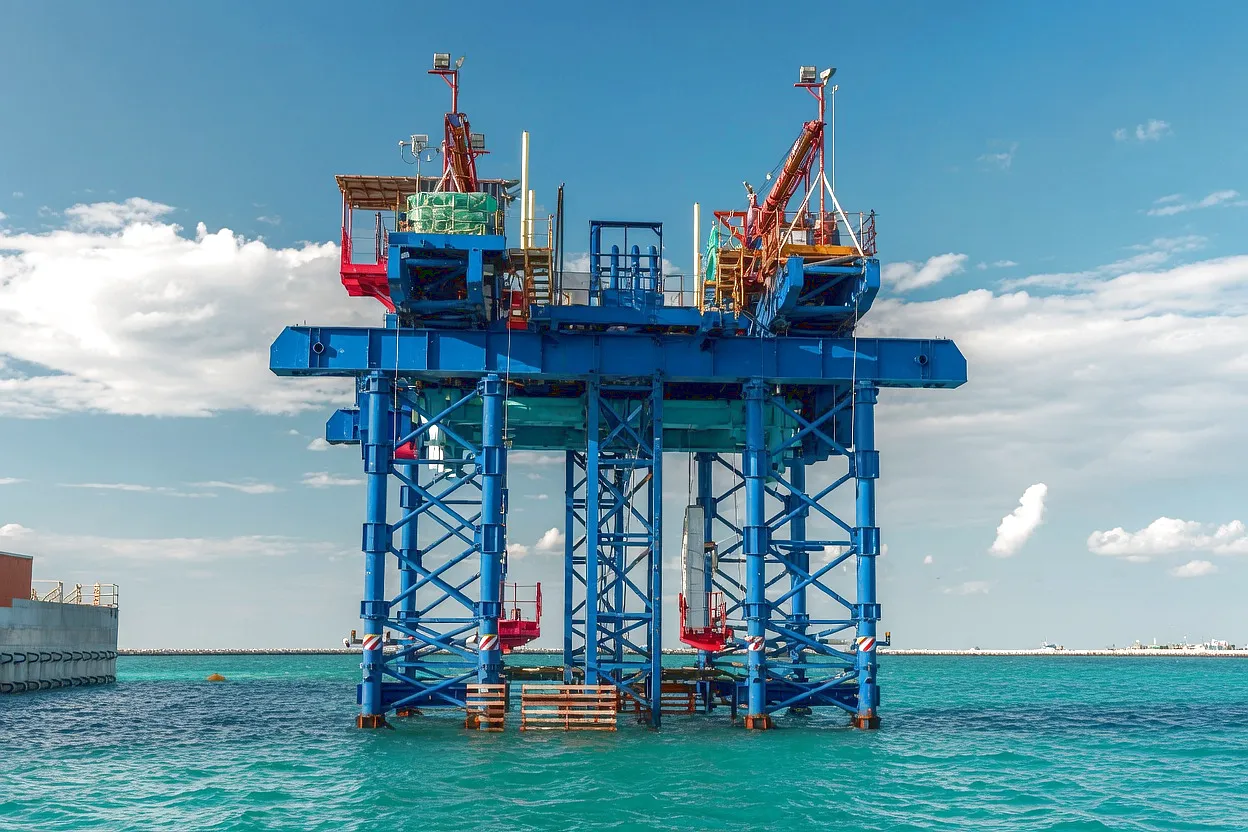
Gas compression train with drum gear coupling
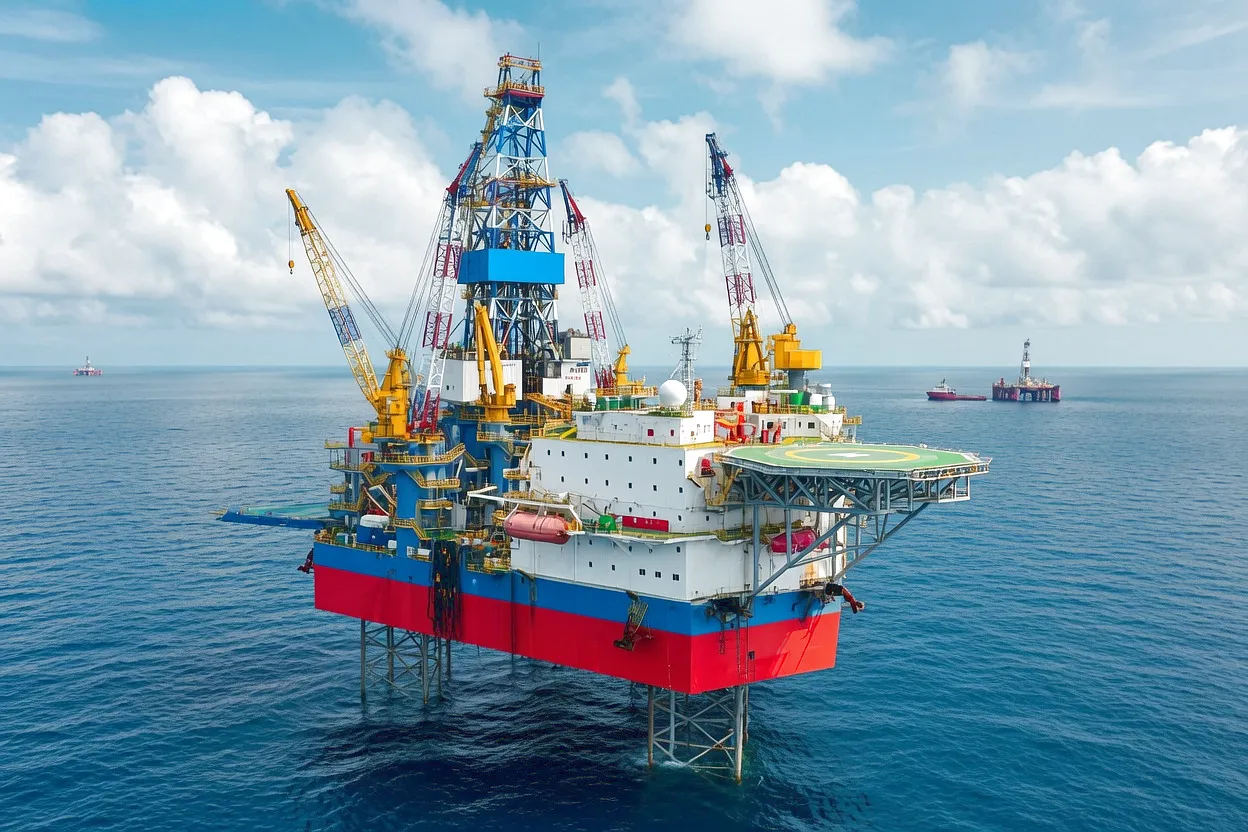
Power generation set coupling installation on platform
Ever Power Gear Coupling Product Lines for Offshore Applications
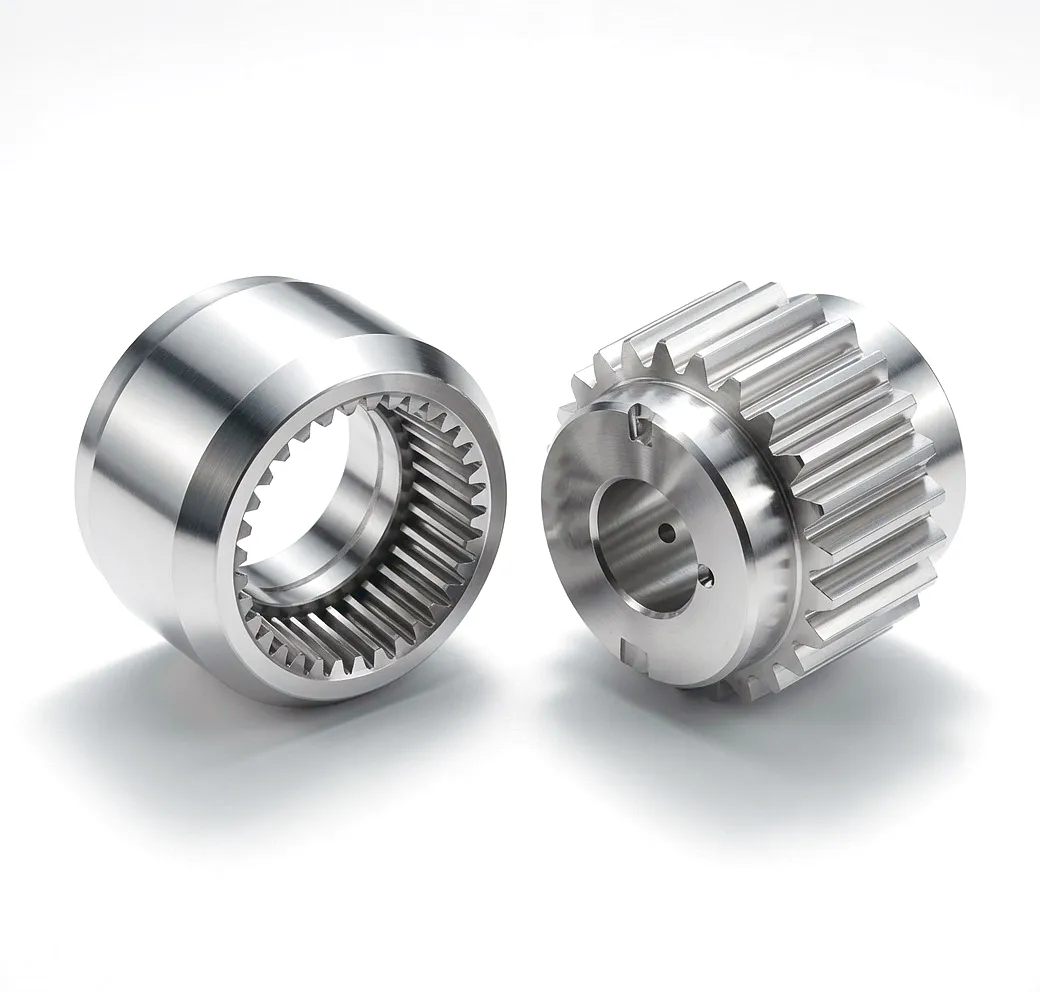
NL Type — Nylon Gear Coupling
Nylon inner sleeve provides electrical isolation and excellent vibration damping. Used on smaller generator auxiliaries, instrument air compressors, and drilling fluid transfer pumps where electrical isolation between shaft sections is a safety requirement in ATEX zones.
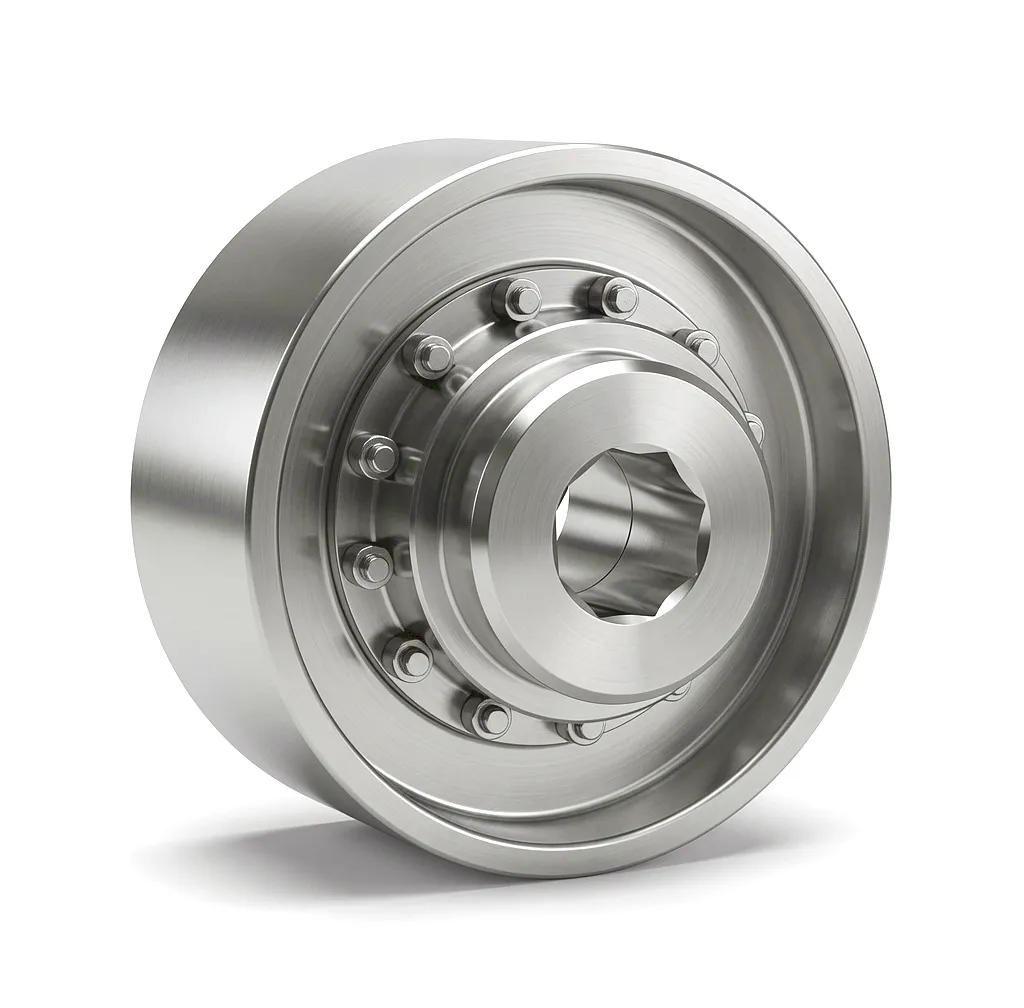
NGCL Series — Drum Gear with Brake Wheel
Integrated brake wheel for drawworks, winch, and cranedrives. Double-flex drum tooth design handles angular and parallel misalignment simultaneously. Cast iron brake drum is precision-machined for consistent brake shoe contact and controlled stopping torque.
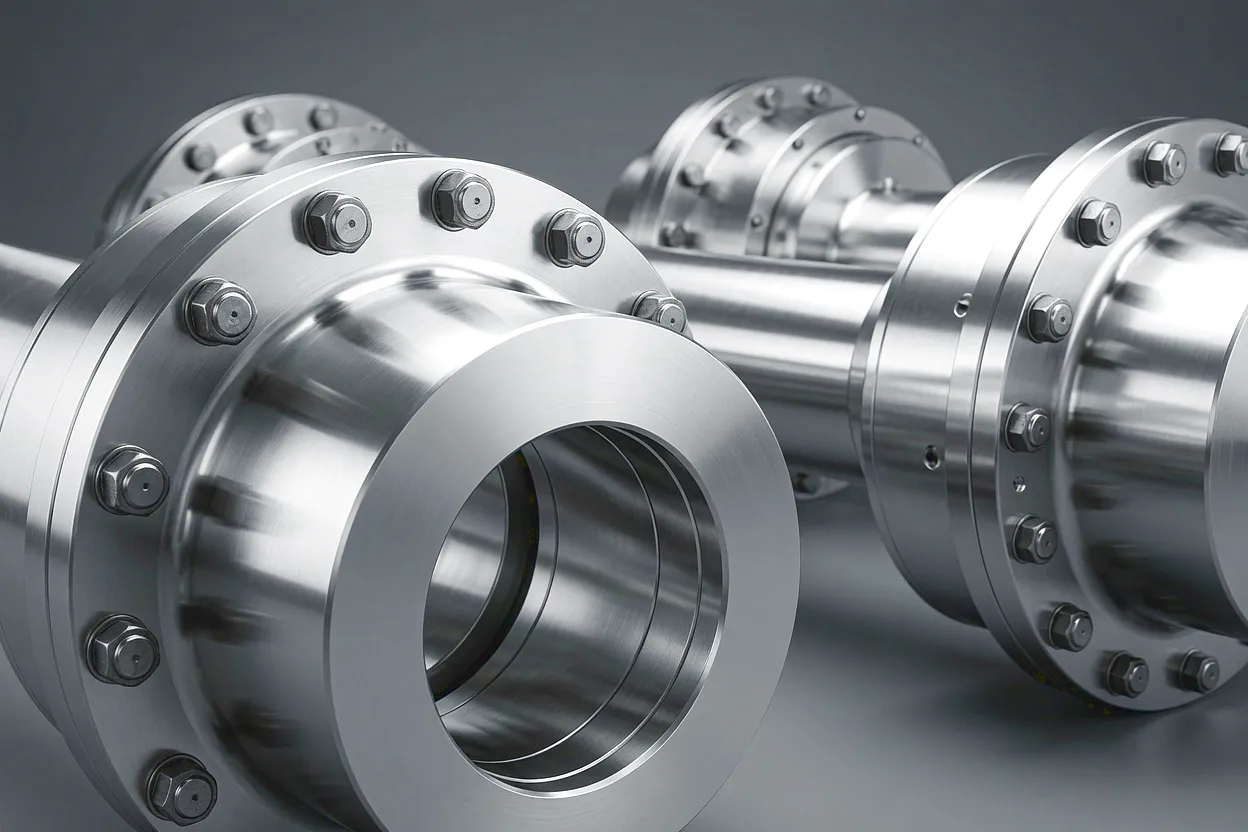
GICL/GIICL Series — Standard and Long-Flex
Versatile medium-to-large bore gear coupling family covering shaft sizes 25 mm to 500 mm and torque ratings from 630 Nm to 4,000 kNm. The GIICL intermediate-shaft variant accommodates longer spacer lengths between equipment, useful for pump-motor sets where maintenance access requires axial shaft withdrawal.
Technical Performance Parameters
Ever Power drum gear coupling — indicative performance data for offshore service selection
| Parameter | GICL Series | NGCL Series | NL Type |
|---|---|---|---|
| Nominal Torque Range | 630 Nm – 4,000 kNm | 1,250 Nm – 3,150 kNm | 25 Nm – 6,300 Nm |
| Shaft Bore Range | 25 – 500 mm | 30 – 450 mm | 12 – 160 mm |
| Max Angular Misalignment | up to 1.5° | up to 1.5° | up to 1° |
| Max Radial Misalignment | 0.5 – 2.5 mm | 0.5 – 2.0 mm | 0.3 – 0.8 mm |
| Operating Speed Range | up to 3,600 rpm | up to 2,800 rpm | up to 4,000 rpm |
| Operating Temperature | -30°C to +120°C | -30°C to +120°C | -20°C to +80°C |
| Hub Material | 45# steel / 40Cr alloy | 45# steel / 40Cr alloy | Steel hub / Nylon sleeve |
| Surface Treatment | Phosphating or paint | Phosphating or paint | Painting |
| Lubrication | Sealed grease or oil | Sealed grease or oil | Dry (nylon sleeve) |
* Indicative values; actual parameters depend on specific size designation. Contact Ever Power engineering for precise data on your application.
Why Ever Power Gear Couplings Outperform in Marine Service
High Torque Density
Metal-to-metal tooth engagement delivers 3–5× the torque capacity of equivalent elastomeric couplings, making gear couplings the only practical choice for high-power offshore drives above 500 kW without increasing coupling diameter beyond available envelope.
Multi-Axis Misalignment Compensation
The crowned-tooth profile simultaneously accommodates angular, radial, and axial misalignment — absorbing the continuous shaft position changes caused by platform motion, thermal expansion, and structural deflection without generating destructive bearing side loads.
Long Maintenance Intervals
Sealed and lubricated for life designs (or long service intervals with simple grease replenishment) align with offshore maintenance schedules of 12–18 months. This minimises planned maintenance windows and eliminates the risk of unplanned outages caused by coupling degradation between scheduled inspection periods.
Corrosion-Resistant Construction
Alloy steel construction with phosphating or epoxy coating, combined with sealed lubrication that excludes moisture, gives offshore-grade gear couplings the corrosion resistance needed to survive multi-year service in Class III marine environments without degradation in structural integrity.
Shock Load Resilience
Multiple tooth contact pairs distribute shock torques across a large contact area rather than concentrating stress in a single elastomeric element. This makes gear couplings fundamentally resistant to the torque spikes generated by bit stick-slip, pump cavitation events, and sudden load engagement that routinely destroy lesser coupling types in drilling service.
Bespoke Engineering Capability
Ever Power’s design team engineers custom bore sizes, keyway configurations, shaft interference fits, flanged hub variants, and corrosion protection packages to exact OEM specifications. This eliminates compromise solutions that force slight geometry mismatches to fit standardised parts — a common cause of premature coupling wear in retrofit applications.
Manufacturing Excellence and Custom Engineering Capability
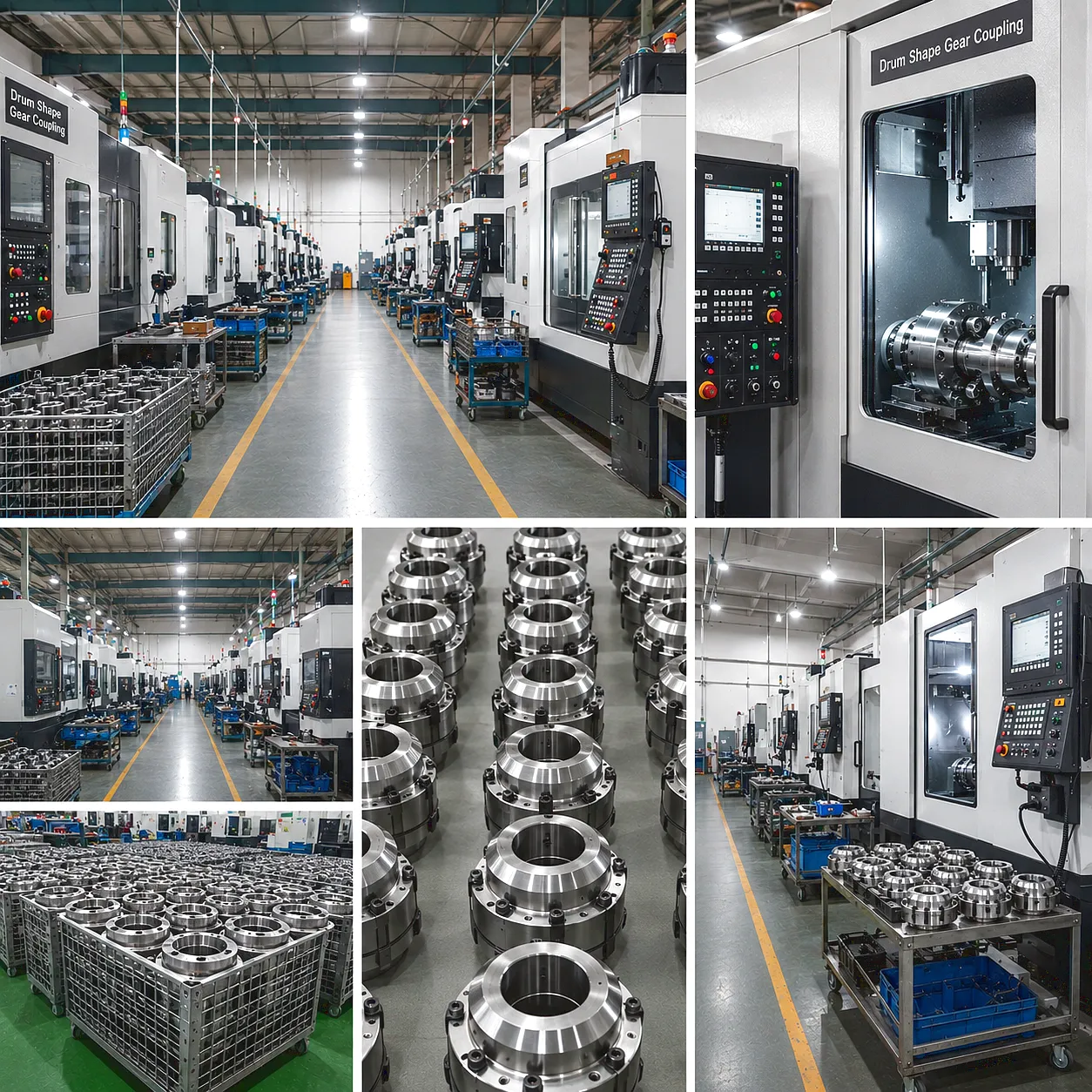
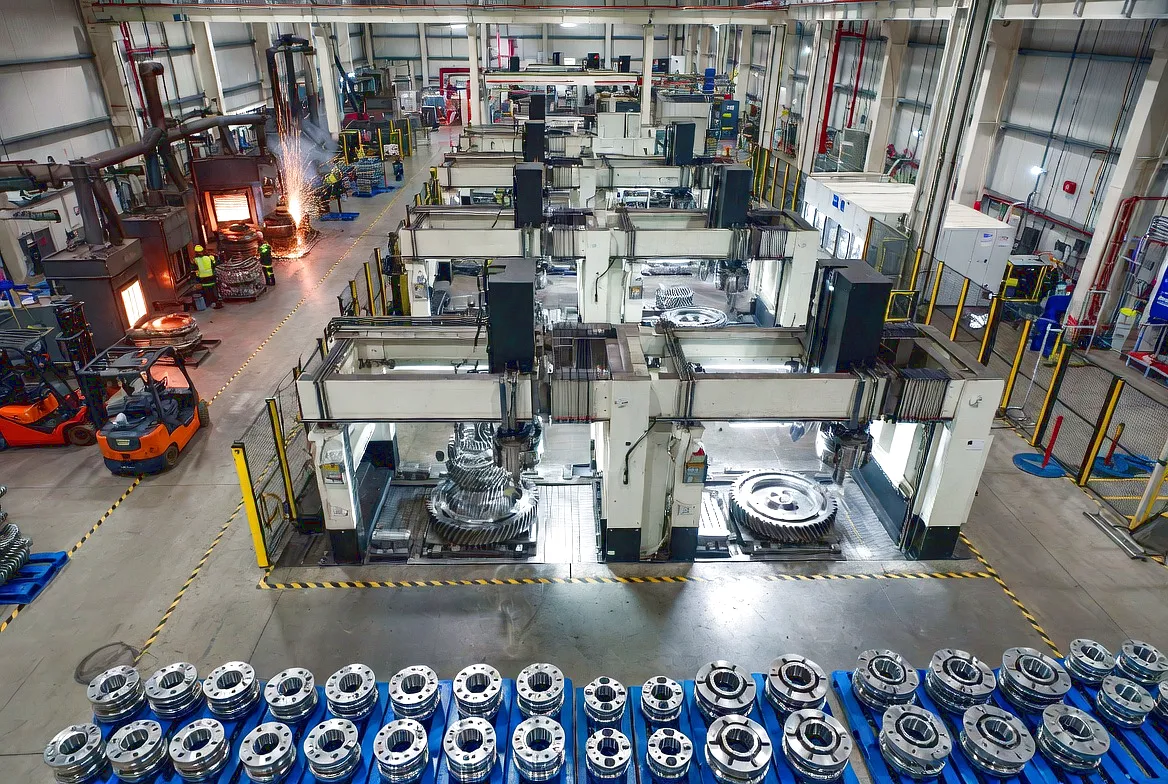
Ever Power operates dedicated precision machining facilities with CNC gear hobbing, gear grinding, and coordinate measuring capabilities. The tooth geometry on our drum gear couplings is produced on modern CNC gear hobbing machines to DIN 5 or better accuracy class, ensuring consistent crown radius and pitch accuracy that directly translates to longer service life and more predictable misalignment capacity.
Our customisation service goes well beyond bore diameter. We regularly engineer one-off gear coupling solutions for offshore clients that include: non-standard flange bolt patterns to match OEM equipment, custom hub lengths to accommodate specific axial shaft positions, special material grades (42CrMo4, 17-4PH stainless) for severely corrosive environments, modified tooth profiles for specific torsional stiffness requirements, and integrated mechanical shaft-locking devices that simplify installation in confined spaces. For UK North Sea operators, we can also support ATEX documentation and material traceability packages required by DNV, Lloyd’s, or ABS class societies.
🔧 Custom Engineering Services Include:
- Non-standard bore and keyway configurations
- Special alloy steel and stainless steel grades
- Marine-grade corrosion protection packages
- ATEX-compatible design documentation
- Class society material traceability
- Torsional stiffness data for vibration analysis
- Flanged hub and intermediate shaft variants
Customer Success: North Sea Drilling Operations
A complete case study in coupling failure elimination on a Central North Sea jack-up rig
Maersk Resilient — Central North Sea, UK Continental Shelf
The mechanical team on a jack-up drilling rig operating in Block 22 of the Central North Sea was experiencing repeated gear coupling failures on the No. 2 mud pump drive — a 1,500 kW electric motor driving a National Oilwell Varco 12-P-160 triplex pump through an 800 mm centre distance gear coupling. Failures were occurring at 6–9 month intervals with consistent tooth pitting and fretting corrosion damage, significantly below the expected 18–24 month service life. Each replacement required a 14-hour planned shutdown, carried out during rig move windows at significant cost to programme.
Root cause analysis identified two contributing factors: the original coupling’s crown radius was designed for a smaller bore configuration and was undersized for this application’s combination of torque ripple and intermittent misalignment, and the lubricant seal design was allowing salt-laden moisture ingress during the rig’s regular hosing-down cleaning operations. The tooth pitting was driven by lubricant contamination rather than overload, and the fretting corrosion was concentrated at the seal contact zone — clear indicators of a sealing failure rather than a load capacity problem.
 Ever Power supplied a redesigned GICL series coupling with an enlarged crown radius matched to the actual misalignment envelope measured by laser alignment survey on the pump after normal operating temperature was reached, a modified labyrinth seal geometry with additional grease retention groove, and a marine-grade EP (extreme pressure) grease fill rated for -20°C to +120°C. The new coupling was installed during the next planned maintenance window. Eighteen months later, inspection during the following scheduled PM showed no measurable tooth wear, no lubricant contamination, and fully intact seal integrity — the first time that pump’s coupling had reached a scheduled inspection without requiring replacement since the rig entered service.
Measured Outcomes
What Our Clients Say
“We’d been through three coupling suppliers in five years on our drawworks drive — all with the same result. Ever Power’s engineering team actually came to us with torsional analysis data before we even placed an order. That level of technical engagement was completely different, and the coupling has been running without issue for 22 months. I wouldn’t hesitate to recommend them for any critical offshore drive.”
James W.
Mechanical Supervisor, Semi-submersible, UK North Sea
“The custom bore specification service saved us a significant amount of time on our last rig refurbishment. Our mud pumps are older generation with non-standard shaft diameters, and most suppliers just quote the nearest standard size. Ever Power machined to exact tolerance, supplied full dimensional certification, and delivered within our shutdown window. The couplings have been in service for 15 months with no issues.”
Patricia H.
Lead Mechanical Engineer, Aberdeen-based Drilling Contractor
“We operate three fixed jacket platforms in the southern North Sea, and we’ve standardised on Ever Power gear couplings for all our compressor and pump drives following a successful trial on one unit. The consistency of machining quality is excellent, the documentation packages satisfy our class society requirements, and the pricing is genuinely competitive for the engineering quality. Turnaround on replacement orders is reliable, which matters when you’re managing 24/7 operations.”
Robert K.
Asset Integrity Manager, UK Offshore Oil Production
Application-to-Coupling Selection Guide
Match your offshore drilling platform equipment type to the recommended Ever Power coupling series
| Platform Equipment | Recommended Series | Key Selection Factor | Notes |
|---|---|---|---|
| Mud Pump Drive | GICL / GIICL | Torque ripple, shock load | Sealed design; oversized for shock factor ×3 |
| Drawworks / Winch | NGCL (with brake) | Bidirectional torque, braking | Integrated brake drum option |
| Generator Set (main) | GICL | Continuous duty, availability | 18-month+ grease life required |
| Generator Set (auxiliary) | NL Type (Nylon) | Electrical isolation, ATEX | No lubrication required |
| Gas Compressor | GICL (stiffness data) | Torsional vibration analysis | Stiffness data sheet supplied |
| Seawater Lift Pump | GICL (marine grade) | Corrosion resistance | Stainless or phosphated alloy |
| Top Drive Auxiliary | GICL (compact) | High speed, shock reversal | Precision tooth class required |
Supplying the UK North Sea: Reliability Where It Counts Most
The United Kingdom Continental Shelf (UKCS) remains one of Europe’s most significant offshore oil and gas producing regions, with over 300 active production installations and a drilling fleet that includes some of the world’s most technically sophisticated rigs. Aberdeen and its surrounding region serves as the operational hub for North Sea activity, with major drilling contractors, operators, and equipment suppliers maintaining significant local presence and supply chain infrastructure.
UK Continental Shelf operators face a particularly complex set of challenges: ageing assets requiring ongoing integrity management, stringent HSSEQ requirements enforced by the North Sea Transition Authority (NSTA), increasing focus on production efficiency and uptime as marginal field economics tighten, and growing pressure to reduce maintenance costs without compromising safety or environmental performance. In this context, the quality of rotating equipment components — including gear couplings — directly affects the bottom line of every offshore installation.
Ever Power supplies gear couplings to UK energy sector clients including Aberdeen-based drilling contractors, offshore production operators in the Central and Southern North Sea, and specialist equipment MRO service providers. Our experience with UKCS-specific requirements — including documentation standards, certification needs, and the operational rhythms of North Sea maintenance campaigns — means we can support procurement teams and engineering departments with the technical and logistical response they need, when they need it. Whether you’re specifying new equipment for a rig refurbishment, sourcing replacement couplings for a planned shutdown, or working through an emergency replacement on a running installation, Ever Power’s engineering team is available to provide rapid technical support and quotation.
Why UK Offshore Clients Choose Ever Power
▸
Deep technical capability in offshore drivetrain engineering with over 18 years in demanding industrial applications
▸
Bespoke manufacturing service for non-standard bore sizes, special materials, and custom configurations
▸
Full documentation packages including material certs, dimensional inspection reports, and ATEX compliance data
▸
Competitive lead times with expedited options for planned shutdown and emergency replacement requirements
▸
Technical engineering consultation available pre-purchase to confirm application suitability and optimal coupling specification
Ready to Talk to an Engineer?
Get a competitive quote and application review from Ever Power’s offshore drivetrain specialists
Frequently Asked Questions
Technical and commercial questions about gear couplings for offshore oil drilling applications
Specify the Right Gear Coupling for Your Offshore Platform
Whether you’re managing a planned shutdown on a North Sea jack-up, specifying components for a rig refurbishment, or troubleshooting a recurring drivetrain failure, Ever Power’s engineering team is ready to help. Send us your application details and receive a technical recommendation and competitive quotation within 24 hours.
© Ever Power Industrial Co. Ltd. All gear coupling specifications are indicative; confirm with engineering team for your specific application. UK Continental Shelf applications subject to applicable NSTA and class society requirements. gear-coupling.top
edit by gzl