
Why Elevator Traction Machines Demand Precision Power Transmission
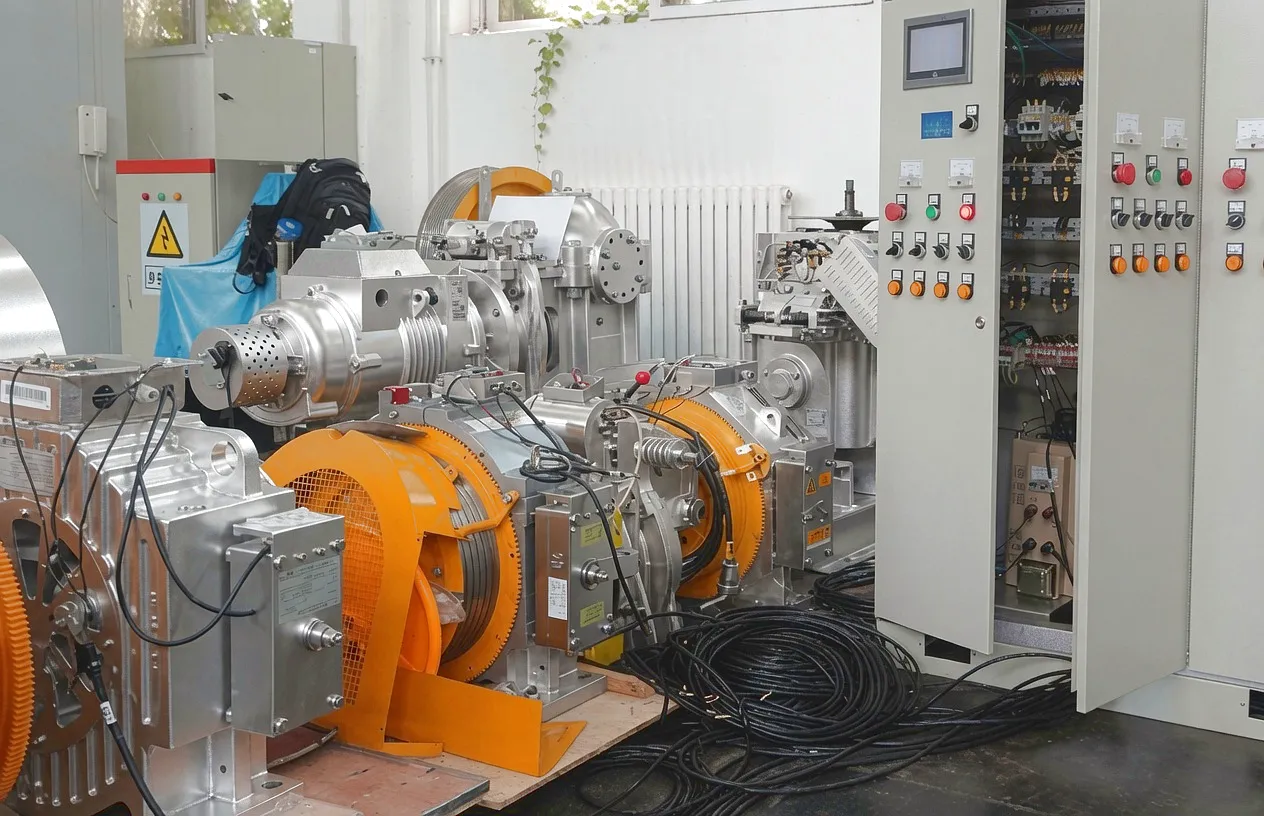
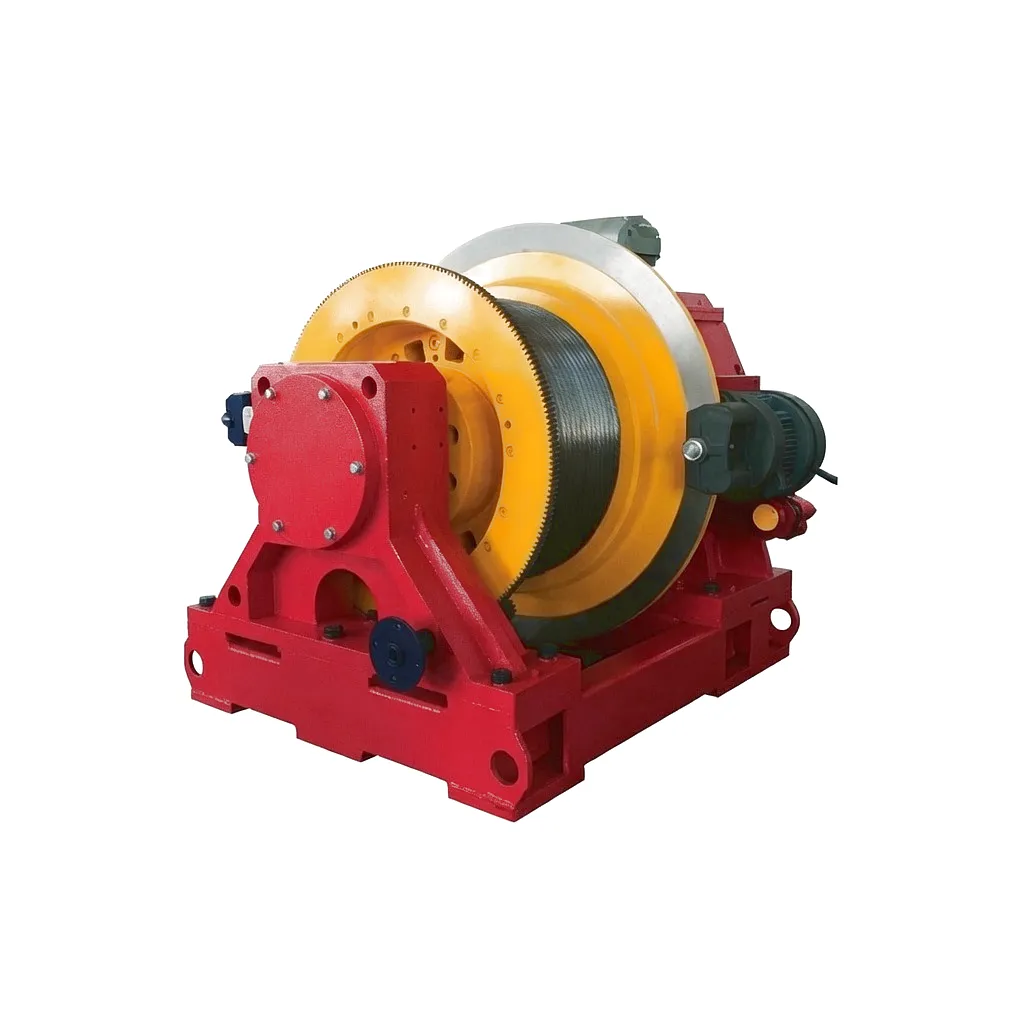
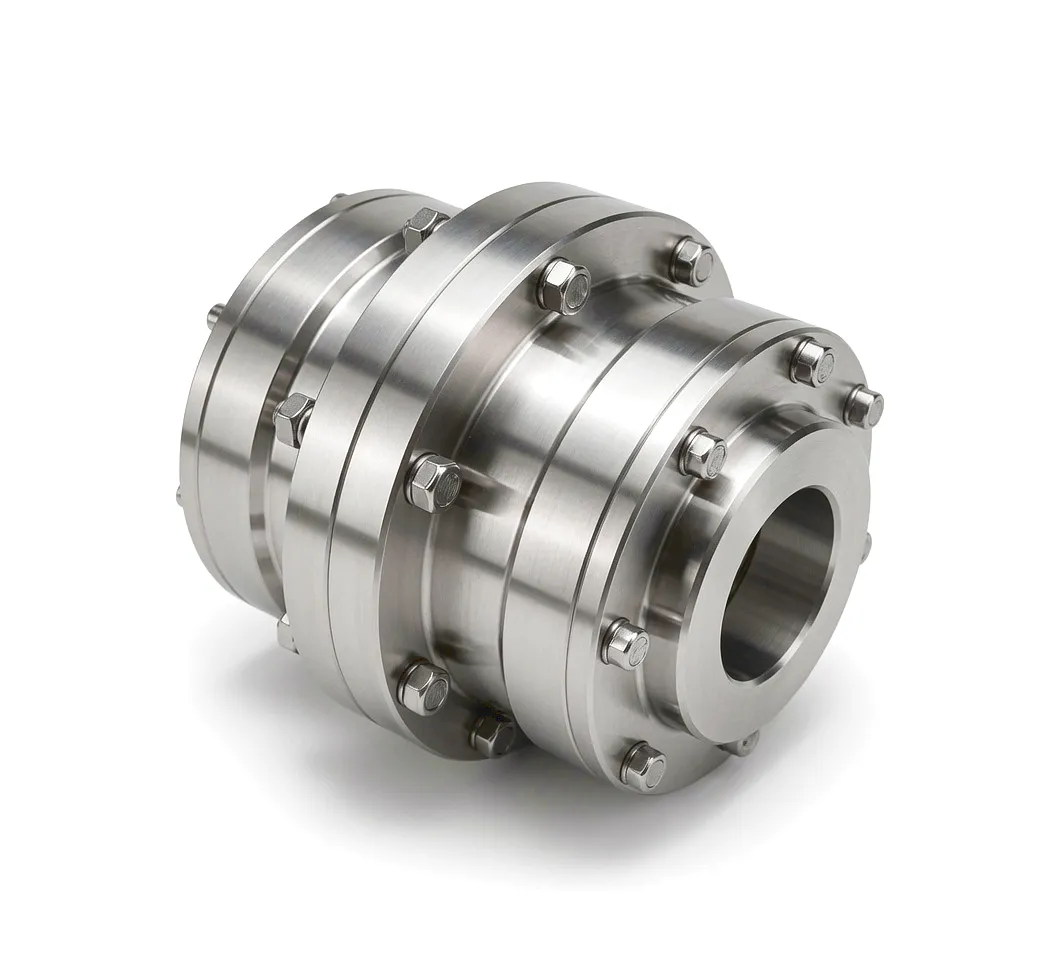 Elevator traction machines sit at the intersection of two unforgiving engineering demands: they must operate with whisper-quiet smoothness for passenger comfort, yet they must withstand continuous cyclic loading, reversing torque, and the cumulative fatigue of tens of thousands of starts and stops every single year. The drive train connecting the motor to the traction sheave is not a secondary concern — it is, arguably, the most mechanically stressed component in the entire installation. A poorly selected or worn coupling introduces torsional shock into the gearbox, accelerates bearing wear in the motor, and ultimately shortens the service life of every downstream component.
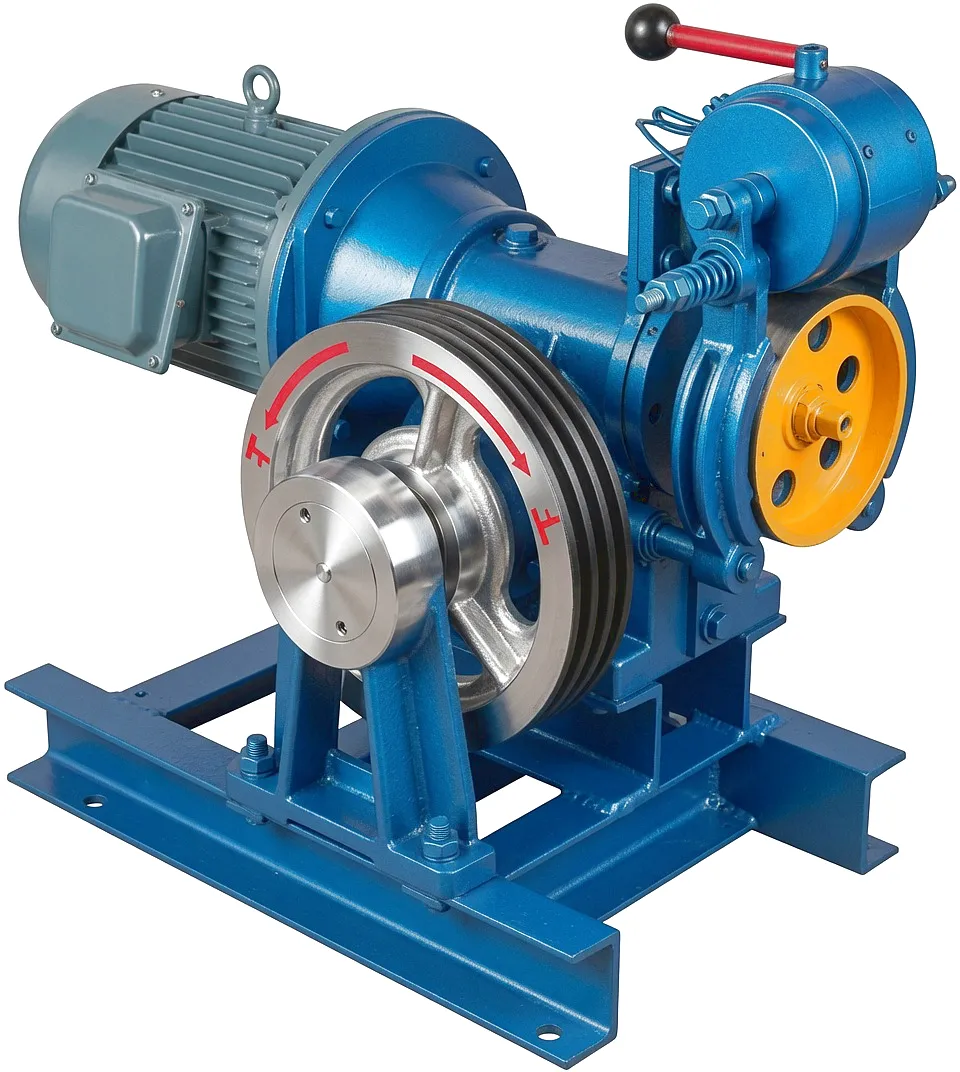
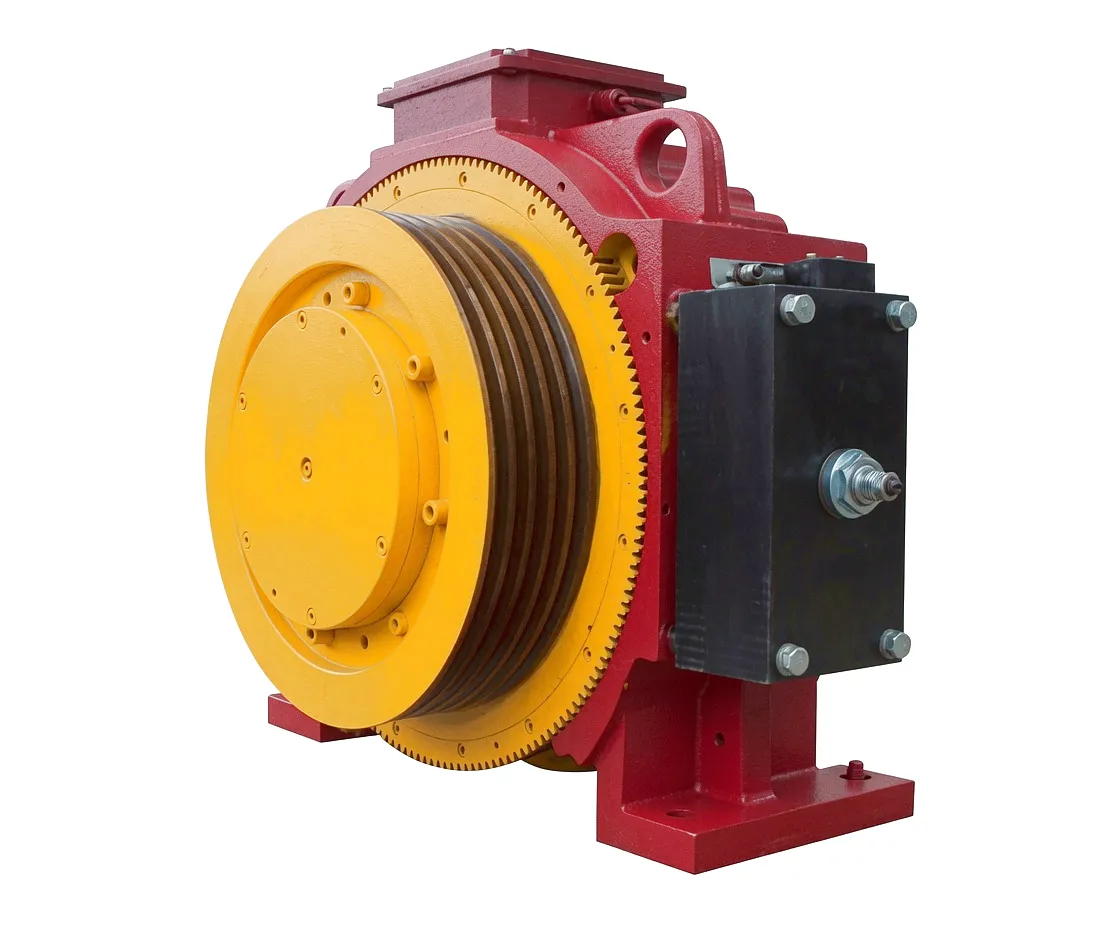
In geared traction machines — which remain dominant in mid-rise and freight elevator installations across the United Kingdom — the coupling between the motor shaft and the worm gear or planetary gearbox input shaft absorbs peak torque spikes during acceleration and deceleration. These spikes can reach three to five times the nominal running torque in high-traffic commercial buildings. A gear coupling engineered specifically for this duty handles those transient loads without the torsional backlash that plain jaw couplings or worn disc couplings introduce.
Interested in custom gear couplings for your elevator or industrial project?
The Mechanics: How a Gear Coupling Functions Inside a Traction Drive
Crowned Tooth Geometry
The outer sleeve’s internal teeth mesh with the hub’s crowned external teeth. The crown radius on each tooth allows angular misalignment of up to 1.5° and parallel offset accommodation without generating bending moments on connected shafts. In a traction machine, where motor and gearbox housings expand thermally at different rates, this self-aligning characteristic prevents side-loading on motor bearings — a primary failure mode in high-cycle elevator applications.
Torsional Stiffness Control
Unlike elastomeric couplings, a steel gear coupling transmits torque with near-zero torsional deflection. This matters when precise floor-level positioning is required — modern microprocessor drive controllers rely on consistent mechanical stiffness between motor encoder and traction sheave. Any rotational slack translates directly into levelling errors and the uncomfortable jolt passengers feel at the last centimetre of travel.
Lubrication & Sealing
A grease-packed gear coupling in a machine room application can go 8,000–12,000 operating hours between repacking intervals with the correct high-pressure lithium-complex or polyurea grease. Sealed designs with O-ring end caps prevent contamination in dusty machine rooms — critical for installations in older buildings where the motor room is not fully isolated from the building shaft environment.
Real-World Application Environments
Gear Coupling Types Suited to Elevator Traction Machines
Not every gear coupling configuration suits the specific demands of traction machine installation. The selection hinges on bore diameter range, rated torque, misalignment tolerance, and whether the machine room imposes axial length constraints. Ever Power manufactures three primary configurations that cover the full spectrum of geared elevator applications — from light-duty residential installations in UK townhouses to heavy-freight industrial lifts in warehousing and manufacturing facilities.
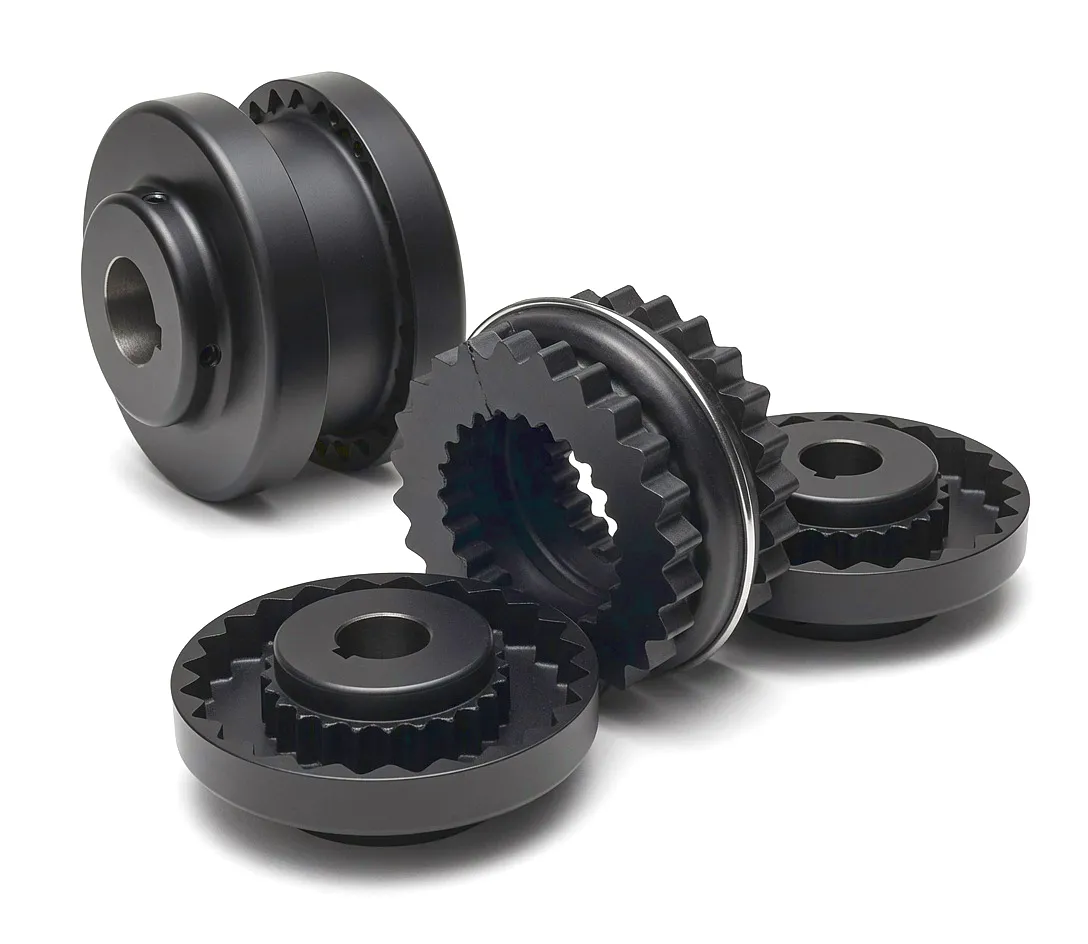
NGCL Drum-Shape Gear Coupling
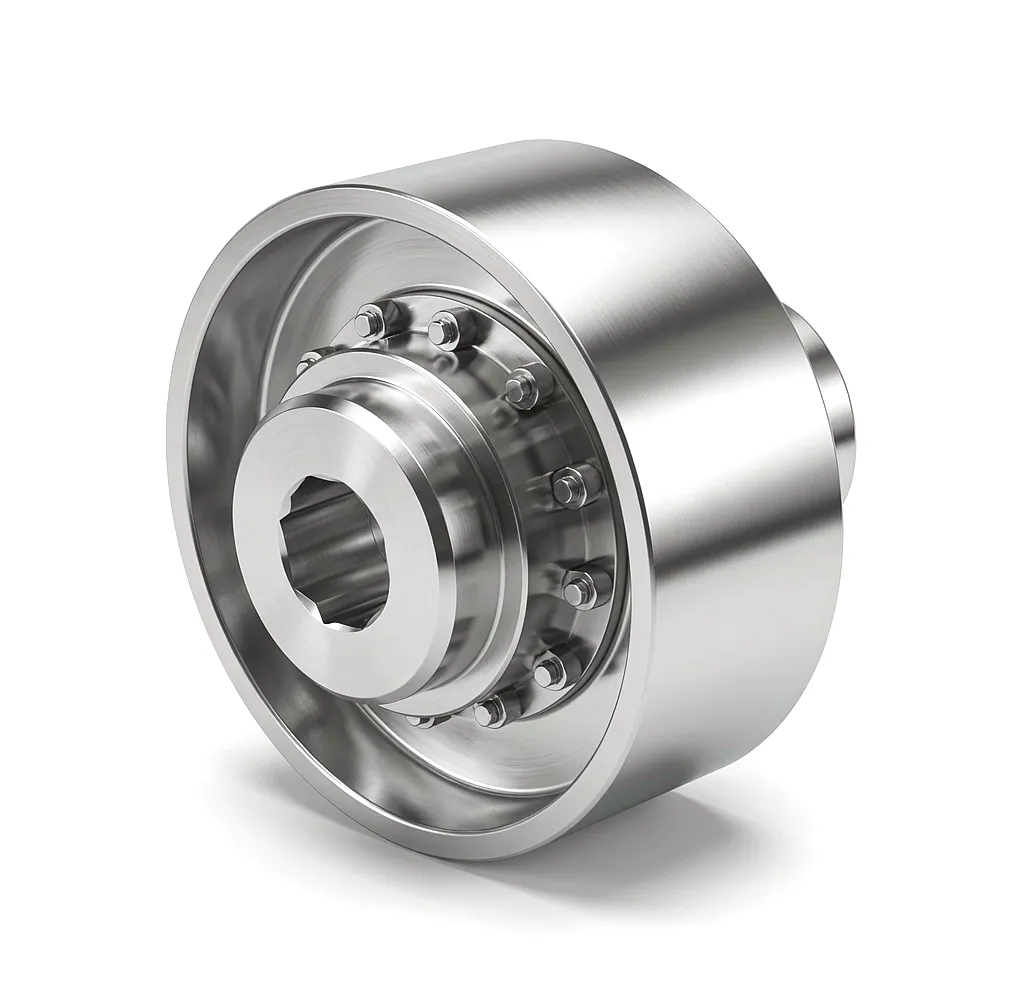
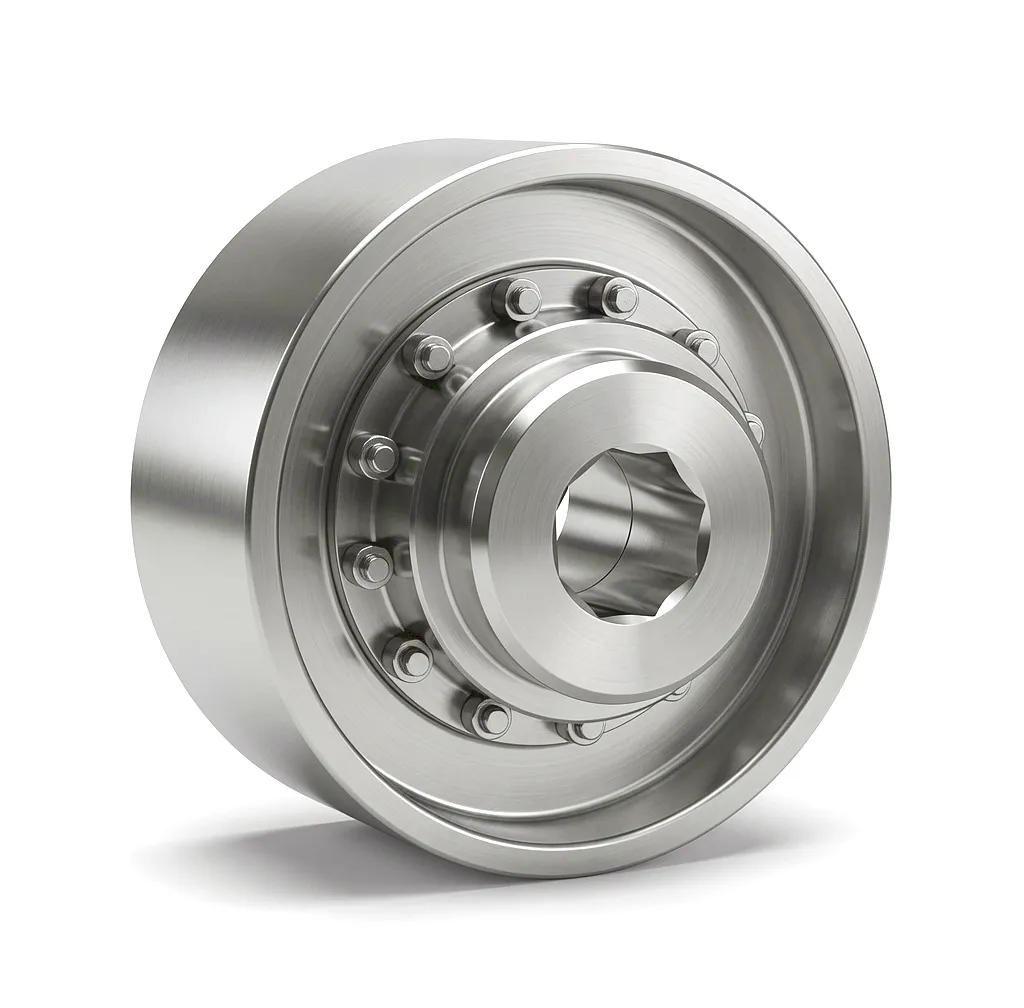
The crowned drum tooth profile provides superior misalignment capacity. Rated to 630,000 N·m at the largest bore, the NGCL series handles the high-inertia starting cycles of geared traction machines without lubrication failure at the tooth contact. Ideal for worm-gear traction machines operating at 750 to 1,500 RPM input shaft speeds. The nylon-flanged ring variant also provides limited vibration attenuation.
NL Nylon-Insert Gear Coupling
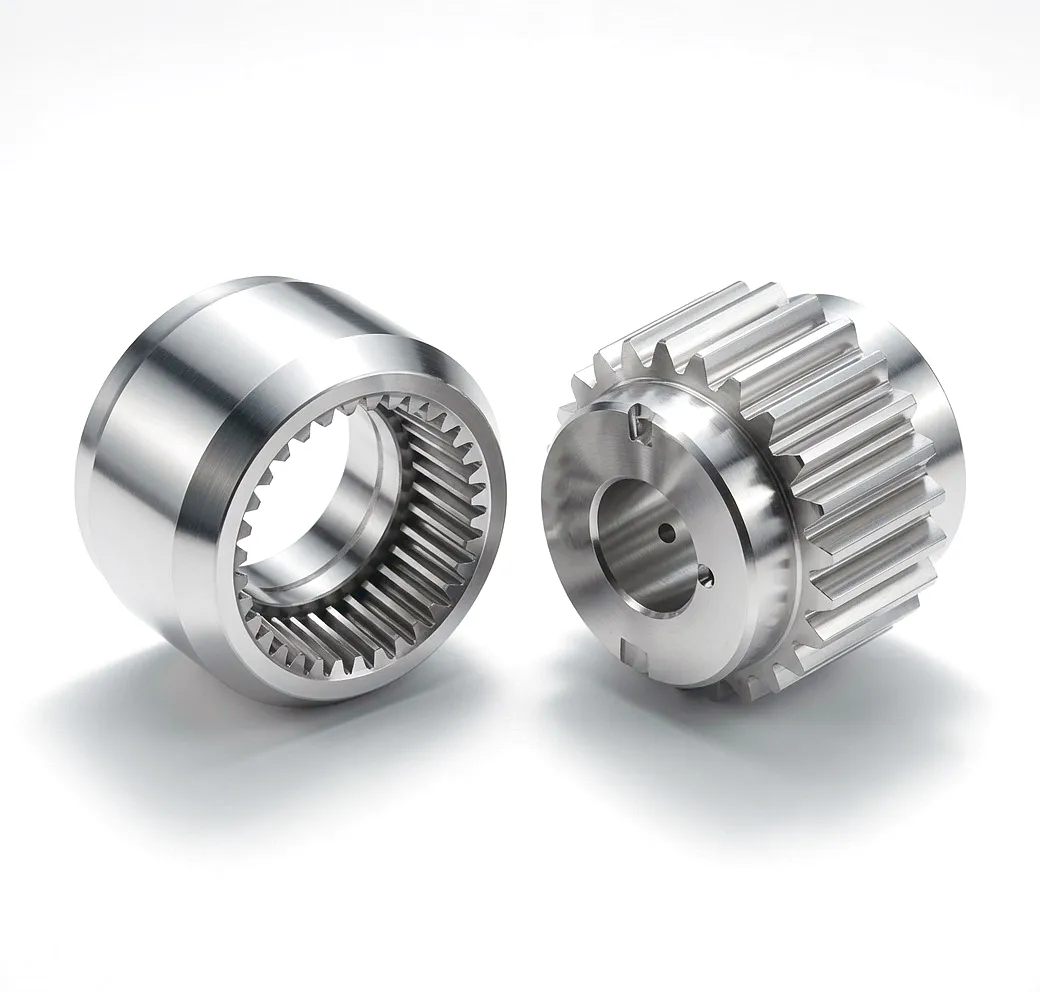
Where acoustic performance is a primary concern — high-end residential or hotel elevator installations — the NL type incorporates a precision nylon sleeve that attenuates gear-mesh frequencies into the structure. This is especially relevant for UK projects subject to BS 8313 recommendations on acoustic comfort in occupied buildings. The nylon component is replaceable without disturbing the motor alignment, reducing planned maintenance downtime to under 30 minutes per service event.
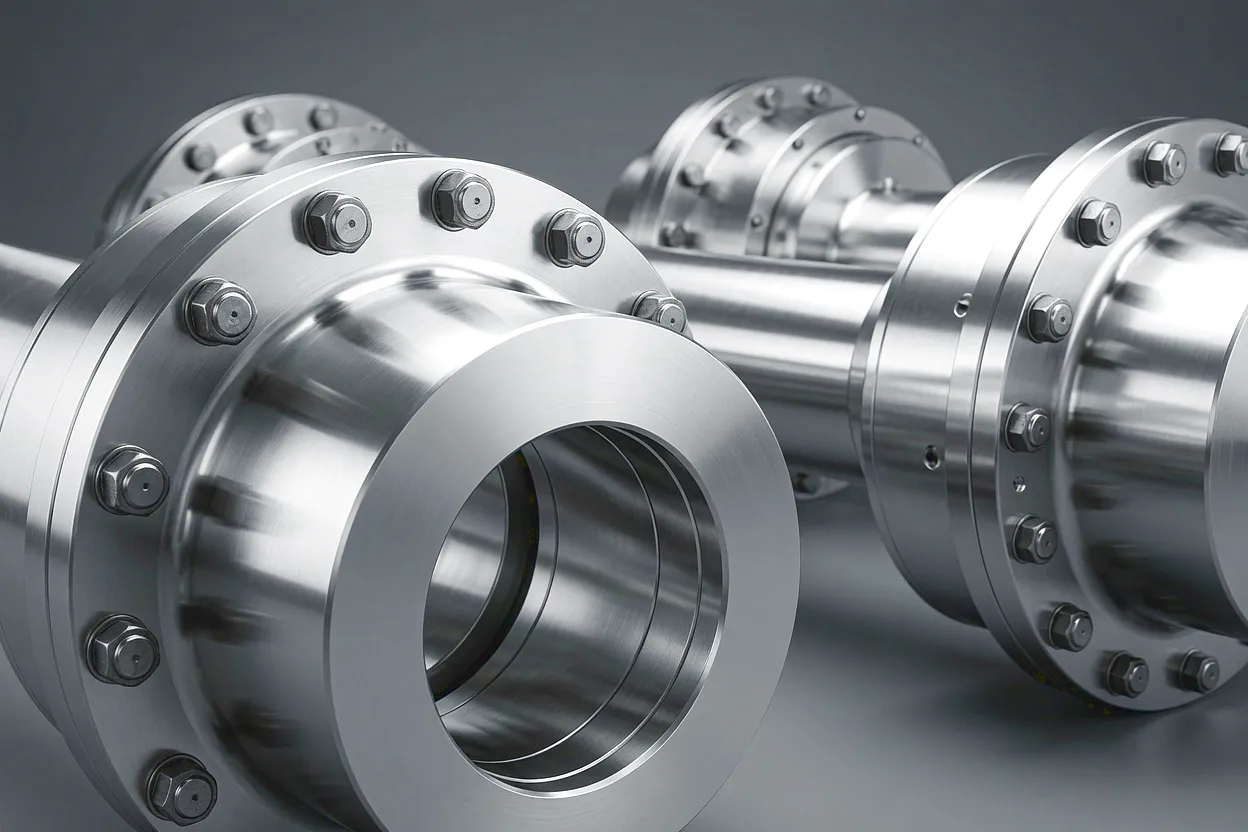
GICL Heavy-Duty Gear Coupling
The GICL series uses a hardened alloy steel sleeve and hub with phosphate surface treatment for corrosion resistance. Rated service factors up to 2.5 make it the preferred choice for freight elevator traction machines in environments with shock loading — manufacturing plants, cold-storage warehousing, and vehicle inspection centres. The full-flange design allows inspection of tooth condition without full disassembly, a practical advantage for BSI-audited maintenance programmes.
Technical Performance Parameters
| Parameter | NGCL Series | NL Nylon Series | GICL Heavy Series |
|---|---|---|---|
| Rated Torque (N·m) | 500 – 630,000 | 200 – 45,000 | 800 – 1,250,000 |
| Max Speed (RPM) | 4,000 | 3,000 | 3,600 |
| Angular Misalignment | up to 1.5° | up to 2.0° | up to 1.5° |
| Bore Range (mm) | 20 – 440 | 18 – 180 | 25 – 480 |
| Hub Material | 45# Steel (normalised) | Steel + PA6 Nylon | 42CrMo Alloy Steel |
| Surface Finish | Blackening / Zinc coat | Zinc coat | Phosphate coat |
| Elevator Application | Worm-gear traction | Residential, quiet-duty | Freight / industrial |
Key Performance Advantages in Elevator Drive Applications
The advantages of a well-specified gear coupling extend far beyond simply transmitting torque. In the elevator industry — where the UK’s Lifting Operations and Lifting Equipment Regulations 1998 (LOLER) impose rigorous inspection and maintenance obligations — the design choices made at the coupling level have downstream consequences on regulatory compliance, insurance liability, and whole-life asset cost. The following performance characteristics are what set precision gear couplings apart from cheaper alternatives used in some retrofit situations.
Extended Component Life
By absorbing peak torque spikes at the coupling, fatigue loads on the gearbox input shaft and motor output bearing are reduced by an estimated 35–50%. Field data from UK lift maintenance contractors shows that installations with correctly specified gear couplings average 18,000+ operating hours before first bearing replacement, compared to 10,000–12,000 hours in machines running with worn or mismatched couplings.
Reduced Ride Noise
Gear-mesh noise at the coupling transmits through the machine frame into the building structure. In residential conversions — increasingly common in UK urban regeneration projects — this structure-borne noise can become a noise nuisance complaint under the Environmental Protection Act 1990. A correctly selected gear coupling with crowned teeth and adequate grease fill reduces coupling contribution to structure-borne noise by up to 8 dB(A) compared to a straight-tooth design.
Alignment Tolerance Under Load
Machine room floors in older UK buildings can deflect seasonally as thermal expansion and contraction cycles affect the building frame. A gear coupling’s inherent angular and offset misalignment capacity means that minor seasonal shaft misalignment — typically ±0.3 mm radial and ±0.5° angular over a full year — does not translate into increased bearing loads. This eliminates a common hidden cause of premature motor failure in installations where re-alignment is not part of the annual maintenance scope.
Fast-Fit Maintenance Design
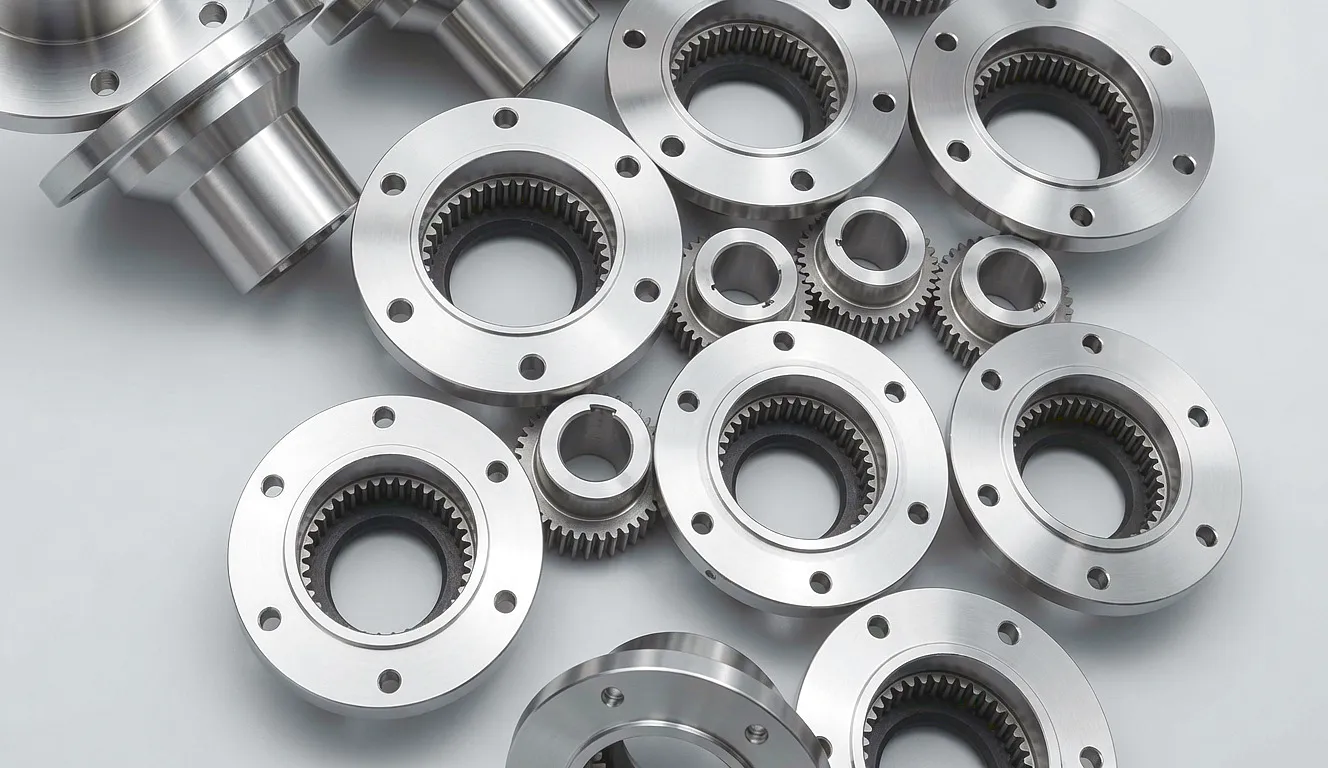
Split-sleeve variants of the NGCL and GICL series allow the coupling outer sleeve to be removed and inspected — or replaced — without disturbing the motor or gearbox alignment. For lift maintenance engineers working under the time pressures of 24/7 building operations, reducing mechanical access time from 4 hours to under 90 minutes per service event has a direct and measurable impact on service contract profitability and resident satisfaction scores.
Where Gear Couplings Make the Difference: Elevator Traction Machine Scenarios
The range of elevator types installed across the United Kingdom — from Victorian-era office conversions in London’s financial district to new-build logistics hubs in the Midlands and Scotland — means that no single coupling selection covers every scenario. Understanding how different machine configurations create different coupling demands is the foundation of a correct selection. The following scenarios represent the breadth of applications that Ever Power gear couplings have been specified into by UK lift contractors and OEM traction machine builders.
High-Rise Commercial Tower — Worm Gear Machine
In a 30-storey commercial office tower with 1,000+ daily passenger journeys per lift, the traction machine may complete 400–600 starts per day. Cumulative start torque cycles across a 25-year building service life represent over 5 million torque reversals at the coupling. An NGCL drum-tooth gear coupling in 42CrMo alloy steel with surface hardening provides the fatigue life to match the building’s design life without mid-life replacement — eliminating the scaffold and machine room disruption of a mid-cycle coupling changeout.
Hospital Service Lift — Vibration-Sensitive Environment
NHS hospital environments operate service lifts for pharmaceutical, linen, and equipment transport around the clock. Machine rooms in hospital buildings are frequently located adjacent to wards or diagnostic departments where vibration and structure-borne noise directly affect patient welfare and equipment calibration. The NL nylon-insert gear coupling combines the torque capacity required for heavy-duty service lifts with sufficient vibration attenuation to meet the acoustic performance requirements that NHS Estates’ HTM 08-01 guidance imposes on building services.
Industrial Goods Hoist — Planetary Gear Drive
Distribution warehouses and vehicle inspection facilities in UK industrial estates demand goods hoists rated to 5,000–10,000 kg capacity. Planetary gearbox drives in this segment generate significant shock loading when lifts stop against fixed travel limits or when uneven pallet loads create asymmetric torque. The GICL heavy-duty gear coupling, with its case-hardened alloy steel construction and service factor ratings of 2.0–2.5, provides the overload margin that prevents tooth-contact failures during the sudden decelerations characteristic of industrial hoist operation.
Listed Building Retrofit — Compact Machine Room
Retrofitting a modern traction machine into a listed building in London, Edinburgh, or Bath often means working within severely constrained machine room envelopes — sometimes with headroom of less than 1.8 m and floor area restrictions that prevent standard motor positioning. Compact-series NGCL couplings with reduced overall length and split outer sleeves allow installation in tight axial spaces without requiring motor realignment during the sleeve-inspection access that LOLER periodic examination mandates at 6-monthly intervals.
Ever Power: Custom Gear Coupling Manufacturing for Elevator OEMs
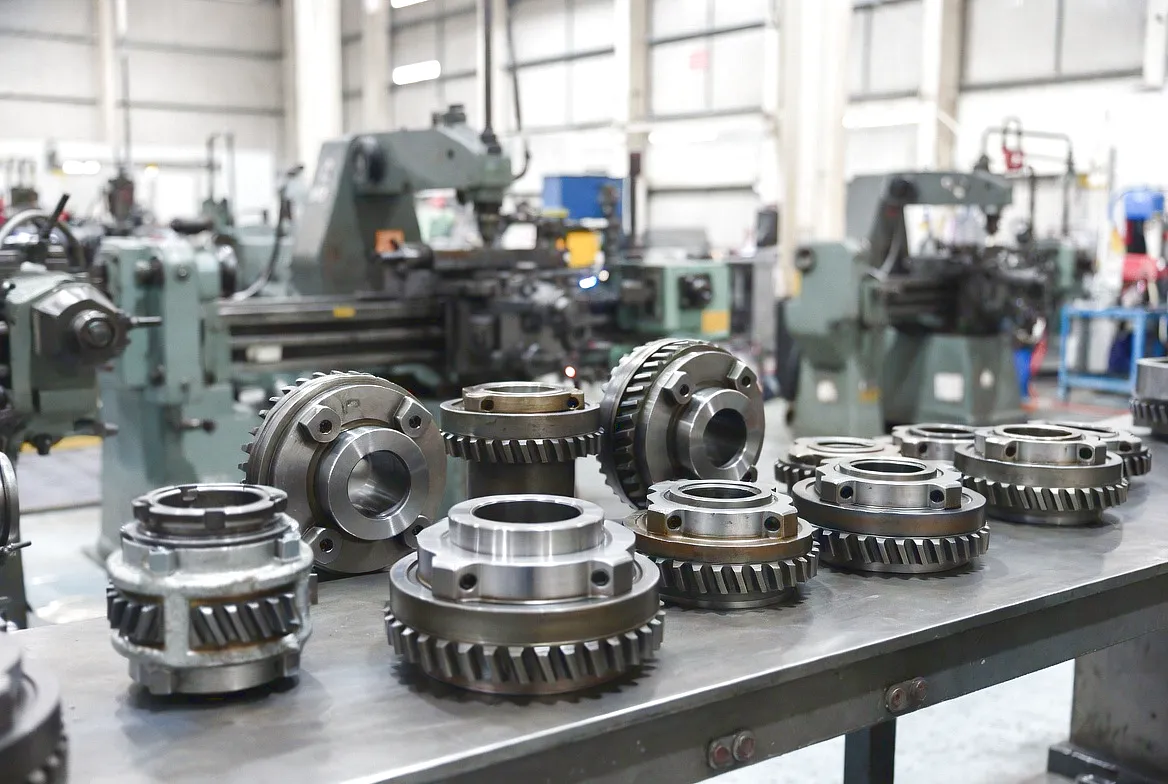
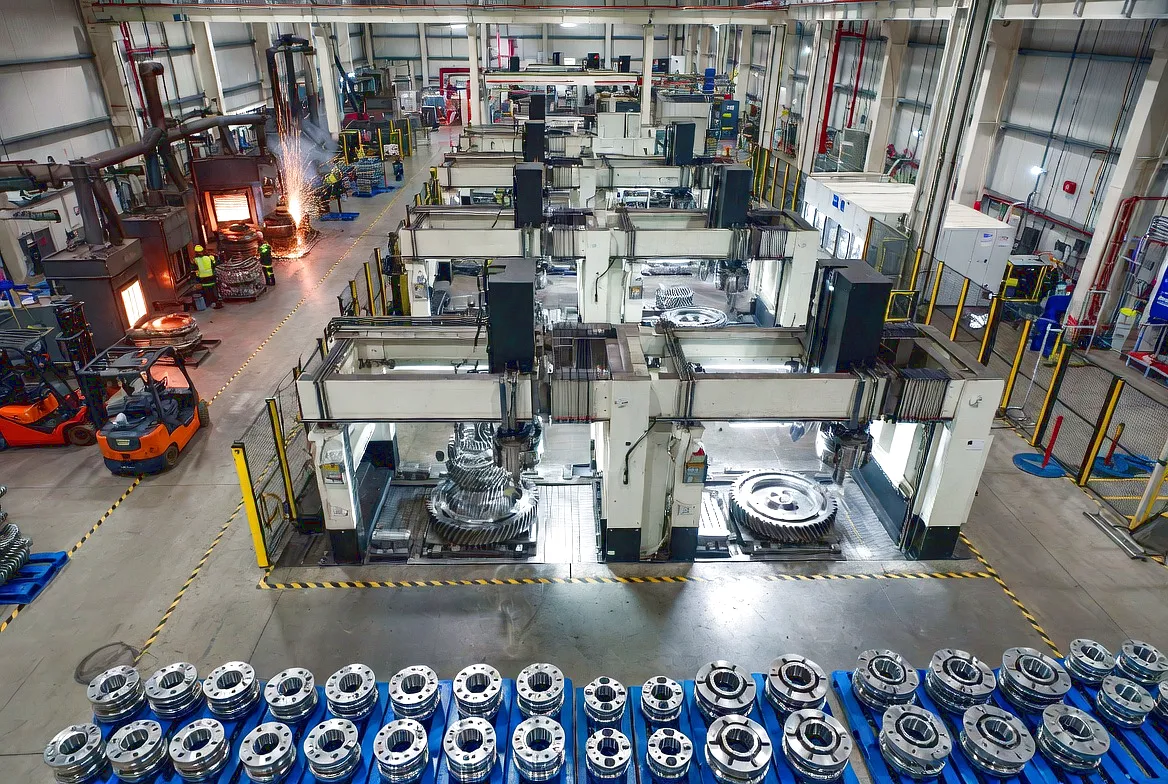
Standard catalogue sizes cover the majority of elevator traction machine applications, but the reality of OEM production and legacy building retrofits often demands dimensions, bore configurations, or material specifications that no standard range provides. Ever Power’s manufacturing facility runs CNC hobbing, profile grinding, and carburising heat treatment lines capable of producing bespoke gear couplings from a single prototype unit to full production batches of 5,000+ pieces per order. Our applications engineering team works directly with UK lift OEMs and major contractors to translate machine datasheets into a complete coupling specification — including keyway dimensions, surface treatment selection, and grease type recommendation — within 72 hours of receiving drawings.
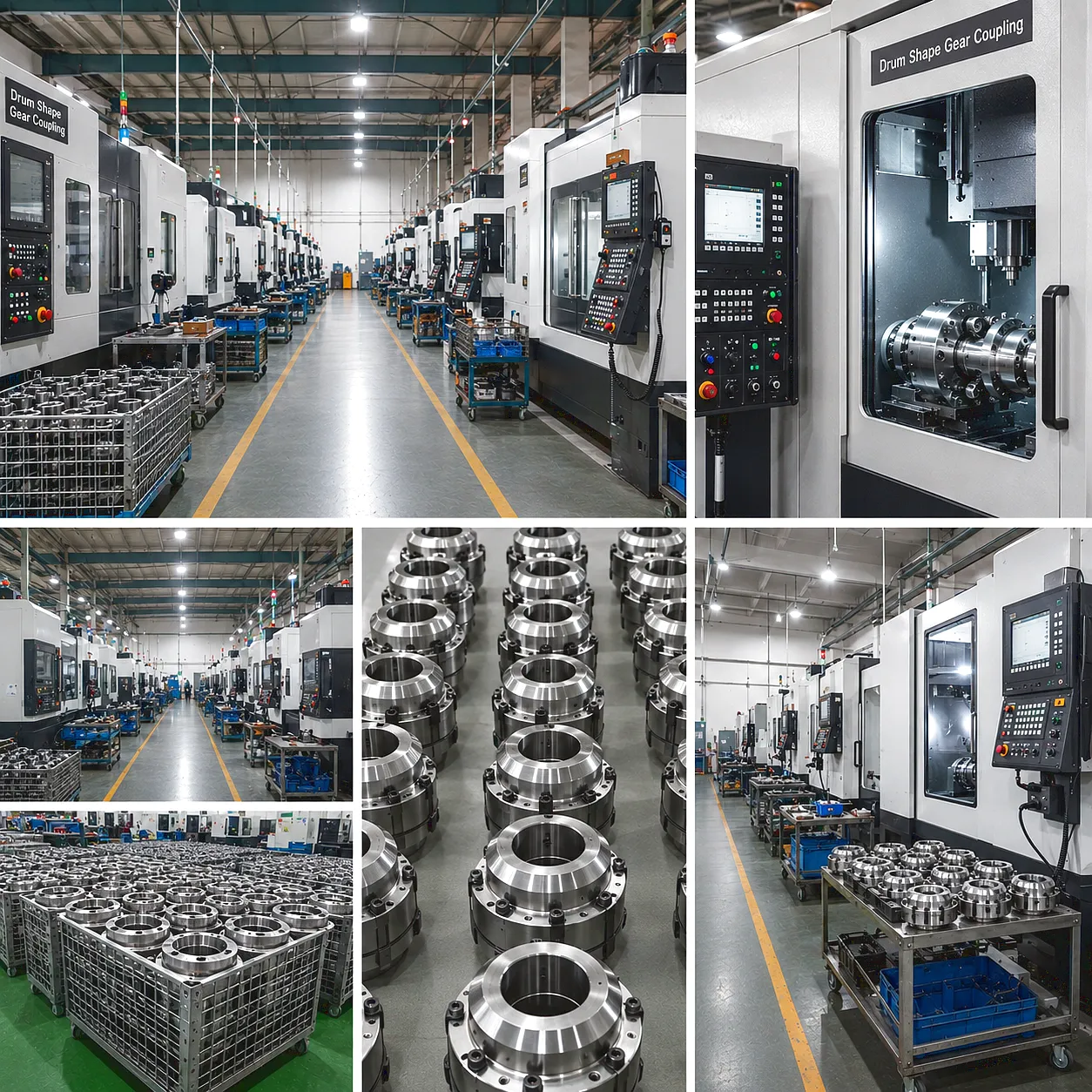
Our Custom Service Capabilities Include:
Materials, Metallurgy & Working Principles
The working principle of a gear coupling relies on the external gear teeth of the hub engaging with the internal gear teeth of the outer sleeve. Torque is transmitted through this meshing contact, and misalignment is accommodated because the crowned profile of the hub teeth allows relative angular and radial movement between hub and sleeve without generating significant bending loads on the shaft. This is fundamentally different from a rigid coupling, where any shaft misalignment creates a direct bending moment on both shafts and their bearings.
Hub material selection determines the coupling’s fatigue resistance. For elevator traction machine applications, 45# normalised carbon steel provides an adequate combination of machinability and strength for standard-duty residential and commercial lifts. Where the torque demand, cyclic rate, or shock loading exceeds standard duty classification, 42CrMo alloy steel with quench-and-temper heat treatment raises the tooth-root bending fatigue limit by approximately 40% compared to normalised carbon steel, while maintaining the toughness required to resist brittle fracture under shock loads.
The outer sleeve in GICL and NGCL types is typically the same material as the hub, with tooth flanks carburised and case-hardened to HRC 58–62 to resist wear at the tooth contact interface. Sleeve hardening while maintaining a tough core provides the combination that traction machine duty demands: high surface wear resistance to give long grease intervals, with sufficient toughness to survive the occasional shock load without fracturing.
Material Grade Quick Reference
Birchwood Property Group — Manchester Commercial Tower Refurbishment, UK
The Challenge
Birchwood Property Group undertook a full-building refurbishment of a 24-storey 1970s commercial tower in Manchester city centre during 2023–2024. Three of the building’s four original traction machine units required coupling replacement as part of the planned maintenance upgrade. The original couplings — supplied by a now-discontinued European manufacturer — showed significant tooth wear and were causing gear mesh noise that tenants on floors 2–5 were raising as formal complaints. Dimensional drawings for the original couplings were no longer available, requiring reverse-engineering from physical measurement of the worn components.
The Solution
Ever Power’s applications engineering team produced a full dimensional reverse-engineering report within 48 hours of receiving measurements submitted by Birchwood’s lift contractor. Three sets of NGCL drum-tooth gear couplings in 42CrMo alloy steel were manufactured to the bespoke bore dimensions, with a 15% increase in tooth width to improve contact ratio and reduce mesh noise at the installation’s operating speed of 1,450 RPM. Surface hardening was specified to HRC 60 for extended regreasing intervals, reducing planned maintenance frequency from 3-monthly to 6-monthly per LOLER schedule.
Measured Results
“We had tried two other suppliers who could not match the bore dimensions without a 14-week lead time. Ever Power had engineering drawings back to us inside two days and the couplings were shipped within three weeks. The noise improvement was immediate and our tenants noticed it on day one.”
— James Okafor, Head of Building Services, Birchwood Property Group, Manchester
What UK Customers Say
We source all our replacement gear couplings for worm-gear traction machines from Ever Power. The dimensional consistency batch to batch is excellent — no adjustment needed on installation. Their engineering team understands lift applications, not just generic industrial couplings. Lead times to our Glasgow depot are consistently under four weeks.
We specified GICL heavy-duty couplings for the vehicle inspection hoists in our Birmingham facility after we had two failures in 18 months with cheaper alternatives. It has now been 26 months with zero coupling issues. The service factor rating on the GICL genuinely accounts for the shock loads our hoists experience. Would not use anything else for this duty.
The NL nylon-insert couplings solved our noise problem in a Grade II listed hotel in Bath without requiring any modification to the machine room structure. We had tried acoustic mounts on the motor but the noise still transmitted. Changing to the nylon-insert coupling reduced structure-borne vibration through the floor slab by a measurable amount within one week of installation. Great technical support from Ever Power throughout.
Coupling Selection Guide for Elevator Traction Machines
Selecting the correct gear coupling for an elevator traction machine is not a single-step process. Five parameters interact to determine the appropriate series, size, and material specification: nominal torque, peak torque multiplier (the ratio of starting torque to running torque, typically 2.5–3.5 for direct-on-line starters), input shaft speed, shaft misalignment tolerance, and acoustic requirement. The table below provides a simplified first-pass selection guide. For unusual bore dimensions, shaft configurations, or operating environments, our engineering team should be consulted before finalising the specification.
| Elevator Type | Drive Type | Recommended Coupling | Key Reason |
|---|---|---|---|
| Residential (2–6 floors) | Worm gear | NL Nylon series | Low noise, easy nylon element replacement |
| Commercial office (8–30 floors) | Worm / Planetary | NGCL drum series | High cycle fatigue life, misalignment tolerance |
| Hospital / NHS service lift | Worm gear | NL Nylon series | Vibration attenuation for sensitive environments |
| Industrial freight hoist | Planetary gear | GICL heavy series | SF 2.0–2.5 for shock load capacity |
| Listed building retrofit | Compact worm | NGCL compact / custom | Reduced axial length, split sleeve for access |
| Cold-store / food logistics | Planetary gear | GICL stainless/zinc coat | Corrosion resistance in humid environments |
Frequently Asked Questions About Gear Couplings for Elevator Traction Machines
Ready to Specify the Right Gear Coupling for Your Elevator Project?
Whether you need a standard catalogue coupling for immediate replacement or a fully custom-engineered solution for an OEM application, our technical team is ready to help. Send your machine data and we will have a specification back to you within 72 hours.
Get a Quote — gear-coupling.top
Ever Power · Supplying UK lift contractors & OEMs · Custom gear coupling solutions · 18+ years application engineering · edit by gzl